The month in petals,
brief blooms caught in fading light—
time walks through the door.
Month: May 2025
-

Short Story Saturdays: Post #4 – The Last Ticket Out
The world was ending, but no one knew how or when. People panicked, rioted, prayed. Cities crumbled. Hope was scarce.
Then the lottery was announced: one golden ticket. One seat on an experimental shuttle to a newly discovered Earth-like planet. The catch? Only one could go.
Adira never expected to win. She wasn’t special. Just a teacher with a love of astronomy and old vinyl records.
When the officials came to her door, she cried. She screamed. She almost gave the ticket away.
But in the end, she packed her bags and boarded the shuttle.
The launch was smooth. The stars were breathtaking.
She looked back once through the porthole.
And Earth was already gone.
-

The Jaime David Podcast – Episode 3: Perception
Episode 3 of my podcast is up now.
Check it out on spotify:
Watch it on youtube:
check out the transcript for the episode below:
🎙️ The Jaime David Podcast — Episode 3: “Perception”
JAIME DAVID (calm, reflective tone):
Hey everyone—welcome back to The Jaime David Podcast.
I’m your host, Jaime David. And if you’re new here, this podcast is all about exploring the layers behind my writing—sharing poetry, personal reflections, and deeper conversations about the emotions, meanings, and questions that inspire each piece.
Today, I’m revisiting a very short poem. Just two lines. But sometimes, two lines are all you need to hit something real.
The poem is called Perception, and I originally posted it on October 28, 2019—the same day as Instant Gratification, which I covered in the last episode. That was clearly a creative day for me.
Here it is.
JAIME DAVID (reading “Perception”):
It takes just one word
To change the perception of someone’s world.
JAIME DAVID (reflection/analysis):
I think what I love most about this piece is how much it says with so little.
One word. That’s all it takes. One compliment. One insult. One label. One sentence said the wrong—or right—way. And suddenly, someone’s entire experience, their sense of self, their view of you, or of life, shifts.
It’s wild how fragile perception can be. We think of it as something solid—like a worldview that’s built up over time. But in reality, it can pivot in a second. A single word can open a door… or slam it shut.
There’s a kind of caution embedded in this poem. A reminder to be mindful of our language, because words matter. Words shape things. They’re not just tools for communication—they’re tools for construction, for destruction, for transformation.
PERSONAL REFLECTION:
I remember writing this and thinking about all the moments in my own life where someone said something to me—whether it was intentional or offhand—and it just stuck.
Sometimes for better, sometimes for worse.
A teacher telling me I was “a good writer” when I was a kid—that sparked something in me. But I’ve also carried phrases that chipped away at my confidence, even if they were just said once.
And I’ve done the same to others—whether I meant to or not. We all have.
So this poem, in a way, is also about accountability. We all have the power to influence how someone sees the world, how they see themselves. And we can’t always control the impact of our words—but we can try to be intentional about them.
SOCIETAL CONNECTION:
Zooming out, this piece speaks to a larger truth about storytelling, media, identity politics—really, how the world is framed.
Think about how language is used in headlines, in policies, in social movements. One word can frame a group as heroes or threats. One term can humanize—or dehumanize.
Language isn’t neutral. It’s loaded. And perception isn’t passive—it’s shaped by what we hear, what we internalize, what we’re told over and over again.
This poem is a quiet reminder of that.
OUTRO:
So that’s Perception—a tiny poem with a big ripple effect.
Thank you for listening to this episode of The Jaime David Podcast. You can find this poem and all the others on my blog at jaimedavid.blog. If this episode resonated with you, I’d love if you’d subscribe, share it with a friend, or leave a review to help more folks discover the podcast.
In the next episode, I’ll be diving into another early piece—maybe something about memory, or the weight of time. You’ll just have to tune in and see.
Until then—keep musing.
watch on tiktok:
watch on rumble:
watch on bitchute:
https://www.bitchute.com/video/Au1bGLZrzfwW
watch on dailymotion:
watch on vimeo:
watch on locals:
watch on odysee:
-

Flashback Fridays #3: The Rise of Handheld Gaming — From Game Boy to PSP
Handheld gaming revolutionized how we interacted with games, bringing play anytime, anywhere.
The Game Boy Era: Released in 1989, Nintendo’s Game Boy was a pioneer in portable gaming. Despite its monochrome screen and modest specs, it became wildly popular thanks to its robust design, portability, and killer game lineup. Tetris became a universal favorite, appealing to all ages with its addictive puzzle gameplay. The Game Boy’s long battery life made it perfect for travel, school, and waiting rooms.
Game Boy Advance: Launched in 2001, the Advance introduced color graphics and more powerful hardware, expanding gameplay possibilities. Titles like Metroid Fusion, Advance Wars, and Pokémon Ruby and Sapphire showcased the system’s versatility.
Sony’s PSP (PlayStation Portable): Arriving in 2004, the PSP was a game-changer, featuring multimedia capabilities, stunning graphics for a handheld, and connectivity options like Wi-Fi multiplayer. It attracted a slightly older audience with deeper RPGs, racing games, and movies on the go.
Nintendo DS: The DS added dual screens and touch controls, opening the door for innovative gameplay. Games like Brain Age and Nintendogs expanded the gaming audience.
Impact: Handhelds nurtured gaming habits outside the home and laid the groundwork for mobile gaming. They also encouraged social play through link cables and wireless multiplayer before smartphones became ubiquitous.
-
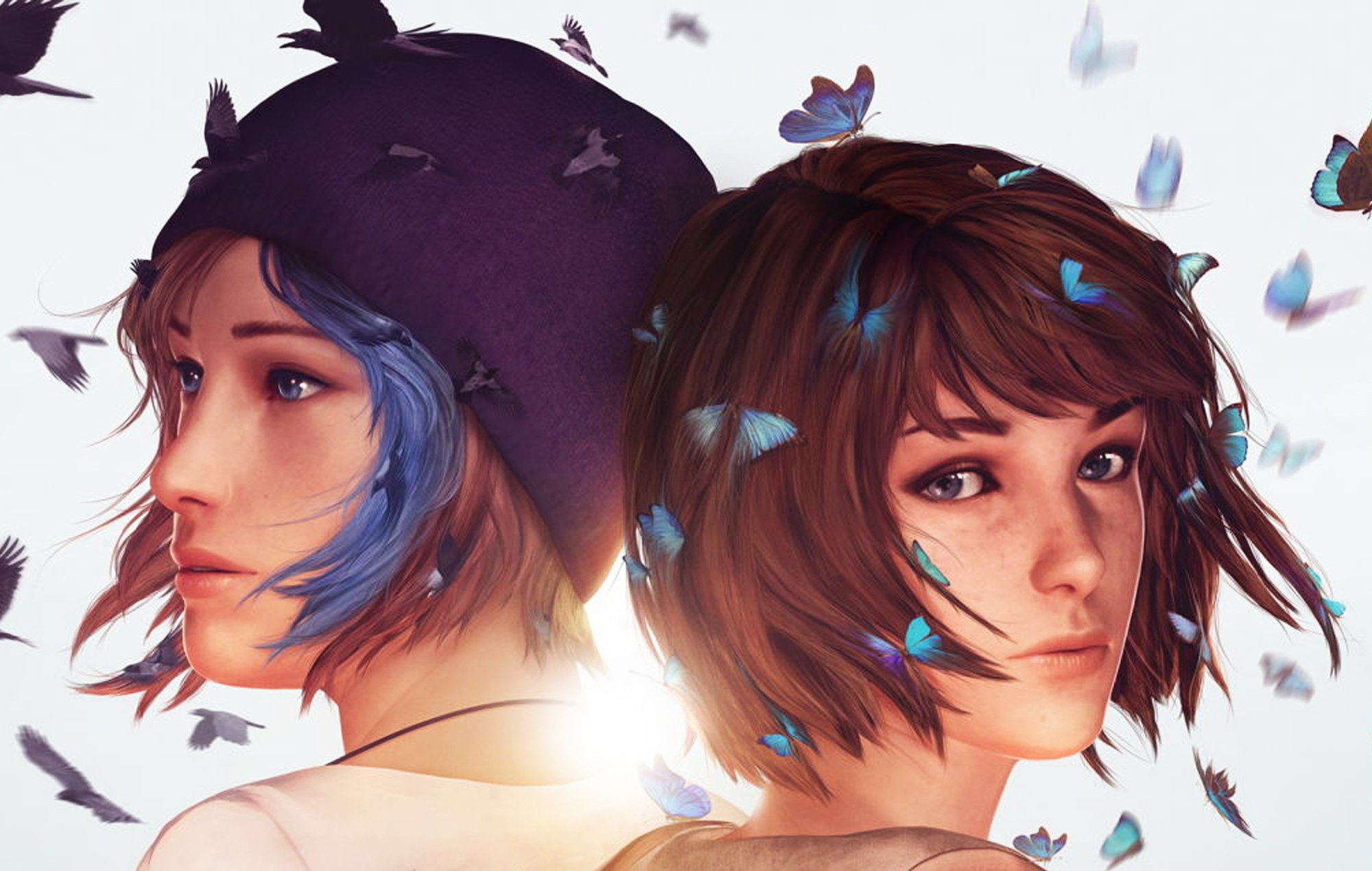
How the Life Is Strange TV Show Can Feel Branching Without Actually Being Branching
Inspired by Noer’s video and the fan concerns surrounding a linear adaptation
The upcoming Life Is Strange TV adaptation has generated a ton of excitement — and a fair share of concern. As a longtime fan of the game series, I’ve been cautiously optimistic. But after watching Noer’s recent video, “The Life is Strange Show Has Me Concerned…”, I felt inspired to sit down and explore one of the most important questions: How do you turn a game known for its multiple narrative branches into a linear show — without losing the magic of choice?
Let’s be real: the Life Is Strange games are built around consequence. Every major choice feels like a moral gut punch, and the ripple effects often blindside you hours later. That’s hard to translate into television — a format that’s inherently passive and traditionally linear.
But here’s a solution I think could work beautifully: introduce a narrative mechanic where Max Caulfield — the series’ iconic protagonist — briefly sees potential outcomes of both major decisions before she makes them.
Glimpses of Consequences: A Cinematic Rework of Max’s Powers
We already know Max can rewind time in the game. It’s one of the most memorable gameplay features. In a show, that should absolutely stay. But to keep the emotional complexity of the branching choices, the creators could add a new dimension to her powers:
When Max faces a pivotal decision — saving someone, revealing a secret, choosing who to trust — she momentarily sees flashes of both outcomes.
We’re not talking full alternate timelines, but short, disorienting glimpses. A teardrop. A shattered photo. Someone walking away. A gun on the floor. Maybe even symbolic, dreamy fragments like those we see in the game’s surreal sequences.
There’s Already Evidence This Could Work — In the Game Itself
This might sound like a stretch to some, but here’s the kicker: this concept already exists in the source material. In Life Is Strange, Max has apocalyptic visions of a tornado devastating Arcadia Bay — days before it actually happens.
These visions aren’t the result of her rewinding time. She’s not reacting to an event she’s already seen — she’s peering into a possible future. In fact, her visions come unprovoked, disconnected from any direct choice. That proves the framework is there.
The game only focuses on that moment — the tornado — but who’s to say that’s the only type of future glimpse Max is capable of having? If the show expands this mechanic just slightly, it opens the door to a whole new kind of storytelling. One that:
- Honors the branching nature of the game
- Adds new visual and emotional depth
- Feels authentic to Max’s established abilities
Why This Works
- It preserves the emotional weight of decision-making — fans still get to experience Max’s internal conflict.
- It mimics the “player choice” tension from the games in a way that works on screen.
- It adds visual flair — perfect for intense editing, mood shifts, or dreamlike montages.
- It reinforces Max’s power while showing that she, too, is haunted by uncertainty.
She still has to choose. The show would follow one path. But now we know what was at stake — and that hits just as hard.
Less Is More: Use Sparingly for Impact
To keep the mechanic from becoming gimmicky or overwhelming, these glimpses should only appear during the most meaningful choices — moments like:
- Intervening with Kate on the rooftop
- Choosing whether to blame David or Nathan
- The finale’s ultimate sacrifice decision
This makes each instance feel earned and adds gravity to the moments where it matters most.
Real Talk: Could They Actually Do This?
With Amazon now tied to the adaptation — according to Screen Rant (April 12, 2024), Collider (April 11, 2024), and GamesRadar (April 10, 2024) — there’s both budget and narrative room to get creative. The show has reportedly been in development limbo for years (GGRecon, October 19, 2023; Keengamer, March 14, 2025), but the addition of Shawn Mendes as executive producer (IGN, August 15, 2023) signals a renewed commitment to bringing it to life.
With Mendes’ influence and Amazon’s resources, this is a golden opportunity to expand on the original vision. The idea of using Max’s powers to simulate branching could be a powerful middle ground — satisfying long-time players while offering an emotionally resonant story for newcomers.
Wrapping Up
This idea wasn’t just pulled from thin air — I owe a lot to Noer’s insightful commentary on the risks of linear storytelling in a franchise like this. His video helped me crystallize the narrative anxiety a lot of fans are feeling — and sparked this idea for a possible fix.
The truth is, we all want this show to succeed. We want to see Max and Chloe brought to life with all the nuance and heartbreak we experienced in the games. And maybe — just maybe — this idea can help the show keep that sense of weight and wonder that made Life Is Strange so unforgettable.
What do you think? Could this approach work? How would you handle choice in a Life Is Strange series?
-

Thoughtful Thursdays: Post 02 – Holding Space Without Taking Over: Supporting Others Thoughtfully
We often want to help when someone’s hurting—but our version of help might not be what they need. Holding space means letting someone feel heard, seen, and safe—without inserting our own agenda, stories, or fixes.
Try instead:
- “I’m here for you. Do you want to talk or just sit together?”
- “That sounds really hard. How can I support you today?”
- Just listen. No advice. No interruptions.
Support isn’t a performance—it’s a practice in empathy and presence. When we allow someone to have their emotions without trying to change them, we offer a deeper kind of care. Not every silence needs to be filled. Not every tear needs to be dried right away. Sometimes, the best way to support someone is to simply be with them.
-

Who Asked for This? The Pointlessness of a Live-Action How to Train Your Dragon
Back in 2010, DreamWorks gifted us with How to Train Your Dragon, a beautiful, heartfelt animated film that captivated audiences of all ages. It had stunning visuals, a powerful score, and deeply emotional storytelling. It was one of those rare animated features that didn’t just entertain kids—it genuinely moved people. It spawned a beloved trilogy and a whole franchise. So… why, in 2025, are we getting a live-action remake of it?
Seriously. Who asked for this?
Don’t get me wrong, I’m not some grumpy animation purist yelling at clouds. But let’s be real: there’s something deeply uninspired about Hollywood’s current obsession with remaking relatively recent animated hits into live-action films no one actually requested. This isn’t some dusty 1950s classic being reimagined for a new generation. The original How to Train Your Dragon is still fresh. It’s readily available on streaming, and honestly, it holds up better than most modern blockbusters.
The worst part? There’s nothing live-action can do here that animation didn’t already do better. The dragons were visually incredible in the animated trilogy—adorable, fierce, expressive. Turning them into photorealistic CGI creatures for a live-action world risks losing that charm. And the sweeping landscapes of Berk? They thrived in the stylized animation. In live-action, they’ll just feel… smaller. Less magical.
This remake doesn’t feel like a creative decision. It feels like a corporate one.
Sure, nostalgia sells. Studios know people will at least talk about something they recognize. But just because a film can be remade doesn’t mean it should. Especially not a film that already did everything right the first time. The characters were strong. The world-building was rich. And don’t even get me started on that score—John Powell’s music gave the original its soul.
There’s also something frustrating about the trend of “live-action = superior” that these remakes push. Animation is a legitimate art form, not a stepping stone. Some stories are meant to be animated. Toothless, for example, was crafted with the expressiveness of a cat-dog hybrid, something that only animation could convey so perfectly. You turn that into a hyper-realistic dragon, and you lose half of what made him special.
I know it’s too late to stop the live-action How to Train Your Dragon. The cast is set. The promo’s already out. But as a fan of the original, it’s hard not to feel like this remake is missing the point. Instead of breathing new life into a forgotten tale, it’s trying to cash in on something that never needed fixing.
Hollywood, listen up: not everything needs a live-action version. Sometimes, the dragon is better left untouched.
-

One Piece Food Symbolism: Luffy, Big Mom, Blackbeard & Sanji — The Meat, the Cake, the Pie, and the Chef Who Can Make It All
In One Piece, food transcends mere sustenance. It’s a rich, multi-layered narrative device embedded deeply into character design, world-building, thematic contrasts, and even the ideological undercurrents of the story. It shapes how characters express their identities, how their relationships evolve, and how the story’s larger social and political tensions manifest symbolically.
This post examines the favorite foods of four key characters — Luffy, Big Mom, Blackbeard, and Sanji — revealing how the meat, the cake, the pie, and the chef serve as powerful metaphors. We’ll dive into how these foods reflect their personalities, motivations, psychological profiles, and narrative roles, and how they echo broader themes in One Piece about power, community, chaos, and harmony.
Luffy: Meat as the Embodiment of Community, Strength, and Raw Vitality
Luffy’s obsession with meat isn’t just a quirky character trait — it’s foundational to his representation as an everyman hero whose power comes from raw vitality and community connection.
- Meat as Primal Nourishment: Meat, especially roasted or grilled, is one of the oldest, most primal human foods. It symbolizes raw physical strength and survival. Luffy’s love of meat aligns with his physical prowess and indomitable fighting spirit. This primal food matches his straightforward, energetic, and visceral approach to life — no overcomplication, no pretenses.
- Meat and Social Bonding: Meat traditionally has cultural significance as a communal food shared in gatherings, feasts, and celebrations. When Luffy devours meat, it’s never just for himself — it’s an expression of fellowship and belonging. It highlights how his strength is deeply interconnected with his crew’s unity. The meat is sustenance for the body and the soul of the group.
- No-Frills, Honest Sustenance: Unlike delicacies or processed foods, meat is simple, honest, and utilitarian. This mirrors Luffy’s childlike honesty and no-nonsense attitude. His refusal to accept fancier foods or concerns about etiquette underscores his rejection of aristocracy or elitism. Meat is the food of the people, the working class, the adventurers — all of which Luffy embodies.
- Symbol of Protection and Leadership: In many cultures, hunters and providers who bring meat home are revered protectors of the family or tribe. Luffy is the leader who provides safety, inspiration, and motivation. The way he devours meat with joy and abandon signals his role as the vital force driving the Straw Hats forward.
- Metaphorical “Meat” of the Narrative: Beyond food, “meat” can represent the core substance or heart of a thing. Luffy is the meat of One Piece — the narrative’s driving force and essential core. His personal energy fuels the entire story.
Big Mom: Cake as a Symbol of Excess, Control, and Fragile Power
Big Mom’s fixation on cake is a multi-faceted symbol deeply tied to her character’s psychological complexity and thematic role as a chaotic, tyrannical force.
- Cake as an Object of Indulgence and Decadence: Cake epitomizes indulgence, sweetness, and celebration. But Big Mom’s obsession twists these into something monstrous — excess that becomes dangerous, childish, and violent. Her hunger is insatiable, symbolizing unchecked desire and greed. This reflects One Piece’s critique of power structures that prioritize consumption and control above all else.
- Cake and Emotional Instability: Big Mom’s addiction to sweets is also a metaphor for emotional fragility. Cake represents comfort food, but in her case, it is a crutch for deep insecurity and childish tantrums. Her rampages triggered by sugar deprivation mirror addiction withdrawal, linking her power to vulnerability.
- Cake as a Symbol of False Unity: Whole Cake Island represents Big Mom’s “utopia” — a forced multicultural society unified under her rule. Cake’s many layers and decorations superficially promise diversity and celebration, but its overwhelming sweetness and monotony reflect how Big Mom’s vision suppresses real diversity and enforces conformity. The cake’s uniform sweetness is a metaphor for enforced harmony at the cost of individual freedom.
- Cake’s Ritual and Ceremony: Cake is tied to rituals — birthdays, weddings, celebrations. Big Mom’s empire is built on ceremony and spectacle, masking brutality with showmanship. Her role as a “mother” figure is grotesquely distorted; instead of nurturing, she consumes and controls, turning the symbolism of cake’s celebratory nature on its head.
- Psychological Duality of Cake: While cake is a treat, it’s also a temporary pleasure that can cause sickness if overindulged. This duality echoes Big Mom’s nature as both alluring and deadly — her empire is both a dream and a nightmare, built on desire but destined for destruction.
Blackbeard: Pie as a Metaphor for Duality, Deception, and Chaos
Blackbeard’s choice of cherry pie as his favorite food is a nuanced symbol reflecting his layered, duplicitous personality and chaotic role in the world.
- Pie as a Food of Complexity and Contrasts: Unlike cake’s uniform sweetness or meat’s raw simplicity, pie is a composite — a mix of savory crust and sweet or tangy filling. Cherry pie’s balance of sweetness and tartness symbolizes Blackbeard’s unpredictable nature: charming yet dangerous, outwardly affable but secretly ruthless.
- Rustic, Homemade Quality: Pies evoke a rustic, old-fashioned, handmade feel — something that can be comforting but also messy. Blackbeard’s character is similarly rough around the edges, unrefined but charismatic. His chaotic, haphazard style belies a cunning and strategic mind underneath.
- Duality and Layers: Blackbeard’s entire identity revolves around duality — two Devil Fruits, a body scarred on one side, and a split personality that can switch from affable to cruel instantly. Pie’s structure — crust and filling — represents this layered complexity. He is not just one thing, but multiple contradictory selves bound in uneasy alliance.
- Symbol of Unpredictability and Deception: The contrast in pie — flaky crust that can crumble, filling that can be sweet or sour — fits Blackbeard’s treacherous nature. His charm hides his true, destructive intentions. Pie’s messiness mirrors his chaotic path in the narrative — unpredictable, dangerous, and destructive.
- Cherry Pie’s Sweet and Tart Duality: Cherry pie’s flavor profile is perfect for Blackbeard — the sweetness masks a sharp tartness, much like his friendly facade masks his merciless ambition. The “sting” of the cherry tartness parallels Blackbeard’s capacity to betray and wound allies.
Sanji: The Chef as Philosopher, Caretaker, and Harmonizer of Contrasts
Sanji is the essential figure who connects the food symbolism of the other three characters. His role as chef and nurturer is deeply intertwined with One Piece’s themes of family, dreams, and harmony.
- Sanji as Creator and Alchemist: Unlike the other three who consume, Sanji creates. He transforms raw ingredients into something greater, symbolizing the transformative power of care, knowledge, and creativity. He harmonizes disparate elements — meat, cake, pie — into balanced dishes, mirroring his role as mediator and caretaker of the crew.
- Dream of the All Blue: Sanji’s quest for the All Blue — a legendary sea where all fish species coexist — symbolizes his ideal of unity and abundance beyond boundaries. This dream parallels Luffy’s search for the One Piece but emphasizes harmony and coexistence rather than conquest or power.
- Food as Emotional and Social Language: Sanji understands that food carries meaning beyond nutrition. His cooking conveys love, peace, and diplomacy. His cake that calms Big Mom’s rampage isn’t just dessert — it’s a strategic and emotional weapon, showing how understanding and empathy can defuse conflict.
- Balance of Sweet, Savory, and Umami: Sanji’s mastery over flavors represents balance — sweetness and sharpness, strength and subtlety, indulgence and restraint. He is the perfect foil to the extremes represented by Luffy, Big Mom, and Blackbeard. This balance reflects One Piece’s deeper message that strength lies in harmony, not domination or chaos.
- Sanji as the Heart and Brain: If Luffy is the raw strength and Big Mom is chaotic power, Sanji is the intellectual and emotional core — the one who makes everything work together. He symbolizes the possibility of combining diverse elements into a unified whole, both in food and in relationships.
Final Bite: Food as a Narrative and Thematic Nexus in One Piece
In One Piece, food is much more than a recurring joke or character quirk — it’s a complex language of symbolism and narrative meaning.
- Luffy’s meat embodies primal vitality, community strength, and unpretentious leadership.
- Big Mom’s cake reveals the dangers of indulgence, fragile power, and authoritarian control disguised as celebration.
- Blackbeard’s pie reflects chaotic duality, layered deception, and unpredictable menace.
- Sanji’s role as chef is the narrative’s harmonizing force — blending contrasts, creating unity, and wielding empathy as a powerful tool.
Together, these foods and the characters who love or create them form a rich metaphorical web that enhances One Piece’s storytelling depth and thematic resonance.
So next time someone says One Piece is “just pirates and superpowers,” remind them to look deeper — because in this world, your favorite dish might just reveal more about who you are than any Devil Fruit or bounty ever could.