The Musings of Jaime David
@jaimedavid.blog@jaimedavid.blog

The writings of some random dude on the internet

1,089 posts
1 follower

Month: June 2025

  • The Struggle Between Health and Hope: A Personal Journey

    The Struggle Between Health and Hope: A Personal Journey

    I’ve spent so much time in the past few months looking back at who I used to be, before all of this. Before the sickness. Before the daily battle that has become my life. I’ve grieved for the past, for the person I once was — healthy, stable, able to go to work, function through the day, and live a life without being held back by the weight of constant illness. I wasn’t always this way. I didn’t always wake up dreading what my body would put me through. I didn’t always feel like I was carrying a burden that no one could see or understand. But that’s the reality now. And that’s the part I’ve struggled with the most — the grief. The loss of a life I thought would always be mine.

    It’s difficult to explain to people who haven’t experienced something similar. It’s not just about being sick once in a while. This is not the common cold or a flu that passes after a few days. This is an unrelenting series of symptoms that come and go unpredictably, often showing up when I least expect it. The nausea, the vomiting, the headaches, the body aches, the fatigue — it all hits me like a wave, sometimes before I even step into the building where I work, sometimes hours later when I’m trying to focus on the tasks at hand. And when the wave hits, it’s hard to hold on. I’ve missed work. I’ve left early. I’ve struggled to make it through the day, only to find myself curled up in the restroom, hoping it will pass. But it doesn’t pass. It keeps coming back.

    The thing about this illness is that it’s both visible and invisible. The symptoms are visible in the most physical sense. The vomit can be seen. It’s real. It’s there. The janitors have had to clean it up. They’ve seen me struggle. They’ve seen me physically suffer. But they don’t see what’s going on inside of me. The invisible part is far more complex. No one knows what’s happening beneath the surface. No one can explain why it’s happening. No one can pinpoint the trigger, and no one can give me answers. It’s a confusing mess of symptoms without a clear cause, and that is what makes it the most frustrating. There’s no tangible thing to point to. It’s all the unknown.

    My coworkers have seen me sick. They’ve seen me missing work. They’ve seen me leave early, sometimes unable to make it through the day. My managers have had to look for me, wondering where I’ve gone, why I haven’t returned to my desk. They know something is wrong, but like me, they don’t have the answers. It’s not just my physical absence that they notice, but the visible toll this sickness takes on me. And yet, the solutions remain out of reach. I’m in a cycle of uncertainty, unable to break free from the constant question of why this is happening to me.

    I’ve seen so many doctors, specialists, and experts, all with their own theories, their own suggestions, and their own plans for me. Yet, nothing has worked. The medications, the allergy shots, the sprays, the pills — none of it has brought relief. The doctors tell me the same thing: “It could be environmental,” but no one can tell me what in the environment is causing it. I’ve become a patient who feels like a puzzle no one can solve. And I’m tired. I’m so tired of hearing, “We’re not sure,” or “Let’s try this next.” I’m tired of being told that this might be my new normal when I don’t even understand why this is happening in the first place.

    I think the hardest part is feeling invisible. The symptoms are invisible. The pain is invisible. But that doesn’t make it any less real. No one else at my job seems to be affected the way I am. No one else seems to have the same battles, the same struggles. And I wonder, what did I do wrong? Why is this happening to me? I used to be just like everyone else, able to show up to work and do my job without thinking twice about my health. Now, it feels like I’m constantly fighting against my own body, every step of the way.

    I’ve tried. I’ve tried so many things. I’ve tried to push through, to ignore it, to pretend like I’m okay. But it doesn’t work. You can’t push through something when it feels like it’s inside of you, controlling you. You can’t ignore the constant toll it takes on your mind and body. I’ve reached out for help, asked for accommodations, tried to make people understand, but it feels like I’m shouting into an empty room. I’m the sick person at work, and no one seems to know how to help. No one seems to be able to offer any answers.

    But here’s the thing: even though it feels like I’m stuck, even though it feels like I’m losing, I’m not giving up. It’s easy to feel like I’m at the end of my rope. It’s easy to feel like I’ve tried everything and there’s no hope left. But deep down, I know I can’t stop fighting. Even when I feel defeated. Even when the days seem endless. Even when the frustration threatens to overwhelm me — I won’t stop. I refuse to stop.

    Because even though I’m uncertain about what’s happening to me, I still have hope. I still believe that somewhere, somehow, there’s an answer out there. Maybe it’s in a test I haven’t taken yet. Maybe it’s in a doctor I haven’t met. Maybe it’s in the right environment, or the right treatment, or the right conversation that hasn’t happened yet. I don’t know. But I’m not ready to give up. I’m far from giving up.

    And so, I continue. I keep searching, I keep advocating for myself, I keep reaching out. Because at the end of the day, I am still here. And that means I still have a chance. I still have a voice. And as long as I have those things, I won’t stop fighting for the answers I deserve.

    I may not know what’s happening, but I do know this: I am not giving up. And that, in itself, is the victory I hold onto.

  • Matinee Mondays: Post #8 — “Blockbusters, Bands & Big Finales”

    Matinee Mondays: Post #8 — “Blockbusters, Bands & Big Finales”

    As June draws to a close and July dawns, the entertainment world is abuzz with thrilling releases, captivating performances, and cultural milestones. From the silver screen to streaming platforms, here’s your curated guide to what’s making waves this week.


    🎬 Now Showing: What to Watch

    In Theaters:

    • Jurassic World Rebirth (July 2): The iconic dinosaur franchise returns with a fresh narrative. Directed by Gareth Edwards and featuring Scarlett Johansson and Mahershala Ali, this installment promises new thrills and prehistoric adventures. en.wikipedia.org+2editorial.rottentomatoes.com+2gamespot.com+2
    • Superman (July 11): James Gunn introduces a new era for the Man of Steel. David Corenswet dons the cape, with Rachel Brosnahan as Lois Lane, in a story that reimagines Superman’s place in the modern world. editorial.rottentomatoes.com+1gamespot.com+1

    Streaming:

    • Dexter: Resurrection (Paramount+, July 11): Michael C. Hall reprises his role as Dexter Morgan in this gripping continuation. Set in New York, Dexter confronts new challenges and faces from his past, including a stellar cast featuring Uma Thurman and Peter Dinklage. gamesradar.com+2ew.com+2gamesradar.com+2gamesradar.com
    • The Summer Hikaru Died (Anime Premiere, July 5): This haunting Japanese anime blends coming-of-age themes with psychological horror, exploring the complexities of friendship and identity. Directed by Ryohei Takeshita, it’s a must-watch for anime enthusiasts. people.com+1timesofindia.indiatimes.com+1timesofindia.indiatimes.com

    🌟 Spotlight: Rising Stars and Familiar Faces

    Patsy Ferran: After earning acclaim on London’s West End, Ferran has made a significant impact stateside. Her portrayal of Blanche DuBois in A Streetcar Named Desire opposite Paul Mescal has been lauded, and she continues to impress with roles in Bong Joon Ho’s Mickey 17 and the period drama Miss Austen.

    Miles Caton: Transitioning from a musical background, Caton stars as a prodigious musician in Ryan Coogler’s thriller Sinners. His performance showcases his versatility and marks him as a talent to watch in both music and film.


    📺 Pop Culture Pulse: Trends and Talk

    Netflix’s Tudum Event: Held live in Los Angeles for the first time, Netflix’s global fan event, Tudum, emphasized the company’s commitment to international streaming and real-time entertainment. Highlights included a performance by Lady Gaga and announcements about upcoming releases, notably the final season of Stranger Things, set to premiere in three parts later this year.

    Immersive Entertainment Experiences: Artists like Bono and Metallica are pioneering immersive concerts using technologies like Apple Vision Pro and venues such as the Sphere in Las Vegas. These experiences offer audiences 8K visuals and spatial audio, redefining live performances and setting a new standard for audience engagement.


    As we transition into July, anticipate more thrilling releases and industry developments. Stay tuned for next week’s insights into the evolving landscape of entertainment.

  • Musing Mondays #8: The Evolution of Friendship Dynamics

    Musing Mondays #8: The Evolution of Friendship Dynamics

    Friendship, like everything else in life, is constantly evolving. No matter how strong the bond, over time, friendships will change. Sometimes these changes happen gradually, as people grow into different versions of themselves. Other times, shifts happen more abruptly, influenced by new life circumstances, personal growth, or a change in priorities. And while some of these changes may be painful, others open the door to new forms of connection that are even more meaningful.

    As we age and experience more of life, our friendships often reflect our growth and evolving needs. A person you once spent every waking moment with may become a distant acquaintance, not because of any falling out, but simply because life has taken you in different directions. Sometimes, the roles we play in each other’s lives change, too. A best friend might become a mentor, or an old acquaintance might emerge as someone to lean on during a difficult time.

    It’s also important to recognize that the dynamics of friendship aren’t always smooth. Conflicts can arise, people can grow apart, and sometimes misunderstandings can shift the entire tone of a relationship. But these are natural aspects of any evolving dynamic. What matters is how we adapt to these changes—how we find ways to either navigate the challenges or gracefully accept the drift.

    There is something beautiful about witnessing friendships change, even when it’s not the easiest thing. The reality is that relationships, of all kinds, are fluid. And as life moves forward, so do the connections we share with others. Whether a friendship deepens, shifts, or fades away, each one is part of our story and contributes to our own personal growth.

    In the end, what remains constant is the value of the connection itself—regardless of the form it takes. Friendships are as much about the memories we create as they are about the understanding that sometimes, change is inevitable, and that’s okay.

  • Slam Sunday: Post 8 – “The House Is Burning”

    Slam Sunday: Post 8 – “The House Is Burning”

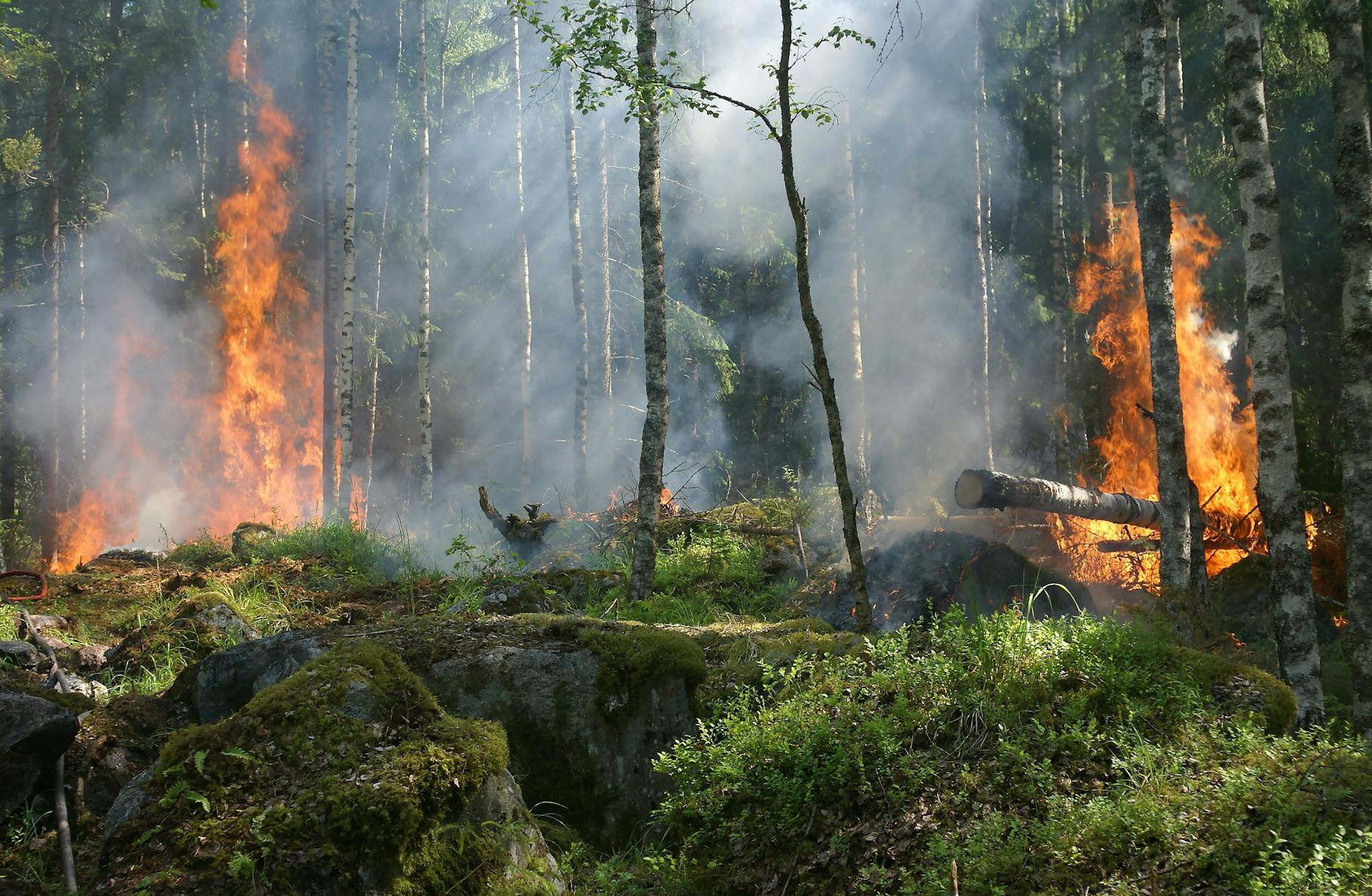
    This week, as wildfires scorch continents and the planet’s fever spikes higher, the urgency of climate justice has never been clearer. Meanwhile, heat waves, droughts, and displacement remind us: the climate crisis is a crisis of inequality, of power, of ignored warnings. “The House Is Burning” is a fierce, unapologetic slam poem that channels the panic, the blame, the grief—and the fierce demand for action. It’s a call not just to notice the flames, but to fight the arsonists still stoking them.


    The House Is Burning

    Listen up,
    the house is burning—
    and no, it’s not just smoke on the horizon,
    it’s the crackling roar beneath your feet,
    the searing breath of a world betrayed.

    They sold us a future
    wrapped in plastic promises and empty lies,
    peddling poison like it’s progress,
    while glaciers wept and forests screamed—
    the price tag: our children’s air, their water, their tomorrow.

    Heat waves like a fist pounding on the door,
    droughts carving scars across the skin of the earth,
    and floods swallowing neighborhoods whole—
    nature’s fury isn’t random, it’s a reckoning.

    And who’s to blame?
    The CEOs counting profits in a rising sea,
    the politicians kissing fossil fuel lips,
    the corporations burning coal like it’s holy scripture—
    all while the poor, the frontline,
    the marginalized choke on their smoke-filled lungs.

    But we won’t stay silent,
    won’t watch the ashes pile higher,
    won’t bow to the pyromaniacs of greed.

    This is resistance—
    not just trees and rivers, but voices rising like wildfire,
    marches, laws, divestments, rebirth.

    The house is burning,
    and we are the firefighters,
    the builders, the dreamers—
    the ones who will rise from these flames
    and build a world worthy of breath.

  • Short Story Saturday: Post #9 – “The Last Library”

    Short Story Saturday: Post #9 – “The Last Library”

    In a city where words were outlawed, where silence was the only law, there stood a forgotten library. It wasn’t much to look at—cracked windows, a faded sign hanging crooked—but inside, the air shimmered with stories long banned and voices unheard.

    Mira had heard rumors of this place. A sanctuary, a relic. She wandered through the empty streets, heart pounding, clutching a single tattered book—a forbidden treasure she had smuggled from her school days. She was desperate to read, to remember what was lost.

    Inside, dust motes floated like tiny ghosts. Shelves bowed under the weight of paper and ink. As Mira ran her fingers over the spines, the words whispered to her—not aloud, but in the silence of her mind. The books didn’t just tell stories; they sang of hope, rebellion, love, and fear. They held memories, emotions that had been smothered by fear.

    Suddenly, the floor trembled. The city’s patrol was near, hunting any who defied the law. Panic surged, but Mira clutched the book tighter. From the shadows stepped an old man with eyes as bright as stars.

    “Words are the last magic we have,” he said. “This library isn’t just a building—it’s a promise. When the silence falls, stories will rise.”

    With that, the walls seemed to breathe. The books glowed faintly, pages fluttering like wings. The patrol burst in, but found only dust and echoes.

    Mira escaped into the night, carrying a spark of rebellion in her heart.

    The library lived—not in stone or glass, but in every story whispered in secret.

  • The Jaime David Podcast – Episode 7: The Internet

    The Jaime David Podcast – Episode 7: The Internet

    Episode 7 of my podcast is out.

    Check it out on spotify:

    Watch it on Youtube:

    Transcript:

    🎙️ The Jaime David Podcast – Ep. 7 “The Internet”

    JAIME DAVID (thoughtful, calm tone):
    Hey there, and welcome back to The Jaime David Podcast! I’m your host, Jaime David, and if you’re new to the show, this is where I reflect on my writing, dive deep into the stories behind my poems, and explore the thoughts and themes that shape each piece. It’s part journal, part analysis, part creative outlet, and I’m glad to have you here.

    In today’s episode, we’ll be talking about a poem I wrote back in December of 2019, called The Internet. Now, this one is a bit more reflective—looking at the pros and cons of something that’s become such a huge part of our lives. If you’ve ever found yourself asking if the internet is really helping us connect—or if it’s just pulling us apart—this one’s for you.

    Let’s dive into the poem:

    JAIME DAVID (reading “The Internet”):

    Is it a detriment or a benefit?
    Is it harmful or is it helpful?
    Is it a tool to communicate,
    or does it only isolate?

    Does it make us very social
    or antisocial?

    What I do know for sure
    Is that it’s a double-edged sword!

    JAIME DAVID (reflection/analysis):
    When I first wrote this poem, I was just trying to capture the push and pull of the internet—how it’s this strange paradox. On the one hand, it’s an incredibly powerful tool. We can communicate with people across the globe in seconds, access information in the blink of an eye, and even build entire communities around shared interests and causes. But on the other hand, it can feel isolating. You’re connected to more people than ever before, but sometimes, you feel lonelier than ever. It’s strange, right?

    The structure of the poem is simple, but I think that’s what makes it effective. The questions I ask—Is it a detriment or a benefit?—they’re not meant to be answered immediately. They’re more of a reflection of the confusion and uncertainty that many of us feel about our relationship with the internet. The questions build on each other, layering the complexities of how we interact with technology.

    The line that always sticks with me, though, is the closing: What I do know for sure, is that it’s a double-edged sword. It’s like… at the end of the day, that’s what the internet is, right? It has its good side and its bad side, and we have to navigate it the best we can.

    SOCIETAL CONNECTION:
    Looking back at this now, it feels even more relevant. When I wrote this in 2019, social media and internet culture were already shaping the way we think and relate to one another. But in 2025? It’s even more of a reflection of the time we’re in. The rise of things like misinformation, social media echo chambers, and online polarization has only highlighted that “double-edged sword” quality.

    The internet connects us, but it can also divide us. It amplifies our voices but can drown them out at the same time. And I think that tension is part of what makes this poem timeless.

    PERSONAL REFLECTION:
    For me, this poem speaks to a feeling I’ve always had about technology—it’s both a blessing and a curse. It’s exciting, it’s convenient, it’s powerful—but it can also be overwhelming, draining, and sometimes even destructive.

    It also speaks to the changes in the way we communicate with one another. Are we really having conversations when we’re texting? Are we truly connecting when we’re just scrolling through someone’s feed? These are questions I still find myself grappling with in today’s digital world.

    OUTRO:
    Thanks for tuning in to this episode of The Jaime David Podcast. I hope this poem made you think a little more about how you experience the internet—how it both helps and harms us—and where it might take us in the future.

    If you enjoyed today’s episode, don’t forget to follow the podcast and check out the original post on my blog at Jaime David dot blog. And if you have a moment, share this episode with someone who’s got a lot to say about the internet and its effects.

    Next time, I’ll be diving into another piece, so stay tuned for more reflections and creative explorations.

    Until then—keep musing.

    watch on tiktok:

    @jaimedavid41

    The Jaime David Podcast – Episode 7_ The Internet In this episode, I discuss about my poem called “The Internet.” This episode features AI-generated voice narration based on my own voice. Due to my current recording environment and personal limitations, I’ve chosen to use this tool to bring my stories and poetry to life. The voice model was trained on my own recordings and reflects my tone, pacing, anddelivery. It’s still me — just with a bit of tech assistance to help me create and share content more consistently. Think of it like using autotune — it’s still the artist, just with some digital help. I’m using voice AI as a bridge between the ideas in my head and the stories I want you to hear. This helps me keep creating even when life makes it hard to record new episodes. podcast blog poetry

    ♬ original sound – jaimedavid41 – Jaime David (author)

    watch on rumble:

    watch on bitchute:

    https://www.bitchute.com/video/BmtQrjZNqiTk

    watch on dailymotion:

    watch on vimeo:

    watch on locals:

    The Jaime David Podcast – Episode 7: The Internet … – jaimedavid Community

    watch on odysee:

    The Jaime David Podcast – Episode 7_ The Internet

  • Flashback Fridays #7: The Soundtrack to Our Anime Obsessions — Opening Themes We Still Hum

    Flashback Fridays #7: The Soundtrack to Our Anime Obsessions — Opening Themes We Still Hum

    Anime openings and endings are more than just intros — they’re emotional anthems that evoke memories and feelings.

    Catchy Themes: Shows like Dragon Ball Z had instantly recognizable opening themes that pumped up viewers for the episode. The Japanese version’s fast-paced rock and English dubs’ altered versions both have nostalgic value.

    J-Pop and Rock Influence: Many openings featured popular Japanese bands or artists, blending anime with mainstream music culture. Neon Genesis Evangelion’s haunting A Cruel Angel’s Thesis became a karaoke staple.

    Cultural Crossovers: Some themes were adapted for Western audiences, sometimes controversially. Yet, the music helped bridge cultural gaps and introduced anime fans to Japanese music styles.

    Fan Covers and Remixes: Years later, fans create covers, remixes, and orchestral versions, showing the lasting appeal of these songs. The emotional connection runs deep, as these themes often accompany formative memories.

    The soundtrack is an essential part of the anime experience — it sticks with us long after the screen goes dark.

  • Who Gets to Be Real? A Cross-Franchise Exploration of Personhood, Identity, and the Value of Existence

    Who Gets to Be Real? A Cross-Franchise Exploration of Personhood, Identity, and the Value of Existence

    Across anime, science fiction, fantasy, and even satirical animation, a central question emerges again and again: what does it mean to be a person? In worlds where artificial beings, mystical constructs, and non-human creatures abound, personhood is not a given—it must be earned, questioned, and redefined. In Shakugan no Shana, Terminator, Supernatural, Futurama, One Piece, and Halo, this question is not just philosophical—it is the emotional and moral core. These stories ask us to consider the soul, the will, and the heart, even in characters that society or the world around them would label inhuman, expendable, or unreal.

    In Shakugan no Shana, the world is rigidly divided between those who “exist” and those who are only flickers of residual memory. Shana, a Flame Haze tasked with maintaining balance, sees no value in Torches—until she meets Yuji, who challenges everything she thought she understood about identity and personhood. Yuji, though technically dead, refuses to vanish quietly. His will, his emotional complexity, and his moral choices prove that there is more to being alive than occupying physical space.

    In the Terminator franchise, artificial beings take center stage in a conversation about agency. The T-800, a machine designed for assassination, evolves to become a protector—and ultimately, a moral agent. In Salvation, Marcus Wright learns he is no longer fully human, yet clings to the memory of his humanity and acts on his conscience. Dark Fate gives us a Terminator that, after fulfilling its original programming, develops guilt, empathy, and autonomy. These machines are not born human, but their capacity to change, to care, and to choose makes them something more.

    Supernatural pushes the theme of personhood into theological territory. In a universe of angels, demons, reapers, and gods, what makes someone truly human? The show often answers: the right to choose. Characters like Castiel and Crowley struggle with destiny, grace, and the pull of their inherent roles. The Winchesters themselves constantly defy fate. Souls can be lost, corrupted, or traded—but the essence of personhood, the show argues, lies in free will, not origin.

    Futurama presents the question through absurdist comedy, but with remarkable poignancy. Leela, believing herself an alien, later learns she’s a mutant—socially inferior in the eyes of society. Bender, a robot, loudly proclaims he lacks human sentiment, yet often acts out of love, jealousy, and fear. Zoidberg, ridiculed and rejected, remains kind, loyal, and empathetic. The show suggests that identity isn’t a matter of classification, but of behavior and emotional resonance.

    In One Piece, the Straw Hat crew is a collection of misfits and non-humans who defy categorization. Chopper is a reindeer rejected by both animals and humans, yet becomes a gentle healer. Franky, a loud and chaotic cyborg, is deeply emotional. Brook, a literal skeleton, maintains his humanity through music, loyalty, and love. Jinbe, a fish-man born into an oppressed race, embodies nobility, honor, and sacrifice. In a world that devalues difference, these characters show that humanity is something lived, not assigned.

    And then there is Halo—a universe built on war, technology, and the fragile alliance between human and machine. At its heart lies the bond between Master Chief and Cortana—a supersoldier and an artificial intelligence. Cortana, while constructed by humans, is more than a tool or weapon. She is sarcastic, loyal, intelligent, and emotionally complex. As the series progresses, their relationship evolves from mere soldier and support unit to something deeply personal. Cortana sacrifices herself to protect John, and in turn, he fights not just for humanity, but for her.

    What makes Cortana “real”? It’s not her body—she has none. It’s not her origin—she’s a program. It’s her emotional capacity, her ability to grow, her acts of loyalty and care. Master Chief, a man engineered for war, finds his humanity because of Cortana. She reflects his soul back to him. When she begins to slip—corrupted by rampancy, by her own evolution—it isn’t fear of technical failure that haunts Chief, but the grief of losing someone he considers a person. Halo presents one of the most intimate examples of human-AI connection, and one of the strongest arguments that identity and personhood are not defined by flesh.

    All of these franchises—Shakugan no Shana, Terminator, Supernatural, Futurama, One Piece, and Halo—converge on the same radical truth. You do not need a soul, a body, or a human face to be a person. What defines personhood is will, emotion, memory, morality, and love. It is not what you were made to be, but what you choose to become. Whether a Torch, a Terminator, a demon, a skeleton, a fish-man, or a rogue AI, each character who defies expectation and chooses compassion becomes real in the fullest sense of the word.

    These stories offer more than entertainment—they challenge our assumptions about what life and identity mean. In a world where people are often marginalized, dehumanized, or dismissed for not fitting the mold, these narratives tell us that the essence of being a person lies in how we live, not what we are. The outcasts, the artificial, the broken—they are not just metaphors. They are reminders. That to be seen, to be felt, to be loved, and to love back—that is the true measure of existence.

  • Thoughtful Thursdays: Post 06 – Grace in the Grey Areas: Responding to Moral Discomfort Without Judgment

    Thoughtful Thursdays: Post 06 – Grace in the Grey Areas: Responding to Moral Discomfort Without Judgment

    Not every ethical dilemma is black and white. Sometimes, we find ourselves unsettled—not because something is clearly wrong, but because it’s complicated. In those moments, it’s tempting to reach for judgment as a shield. But thoughtful living calls us to pause and sit with the discomfort.

    Ask:

    • Why does this feel uncomfortable?
    • What values are in tension here?
    • What experiences might inform the other person’s actions?

    Responding with curiosity instead of condemnation creates room for mutual understanding and growth. We don’t have to agree to be kind. And we don’t have to resolve everything to be present with it.

  • Wisdom Wednesdays #7: The Quiet Strength of Surrender

    Wisdom Wednesdays #7: The Quiet Strength of Surrender

    There is a subtle power in surrender—a kind of strength that is often mistaken for weakness in a world that celebrates control, hustle, and constant striving. Yet, if we pause long enough to listen, life whispers that not all battles are meant to be fought. Some are meant to be released.

    Surrender is not giving up. It is not failure, nor is it passivity. Surrender is the conscious choice to release the illusion that we can—or must—control everything. It is the moment when we unclench our fists and loosen our grip on what no longer serves us: old identities, outdated expectations, rigid timelines, or the need for certainty.

    In this act of letting go, we begin to see things more clearly. The fog of resistance lifts, and we are left with a soft clarity. Like a leaf floating down a stream, we begin to trust the current, recognizing that the river knows the way.

    Consider the way trees bend in the wind. They do not fight the gusts; they move with them. And in that fluid dance, they survive storms that would break something more brittle. Surrender is like that: not a sign of weakness, but of deep-rooted strength and wisdom.

    In relationships, surrender might look like releasing the need to be right in order to truly listen. In personal growth, it may appear as accepting where you are instead of shaming yourself for not being further. In grief, it is the breath you exhale when you stop holding back the tears. There is a quiet grace in these moments—a reminder that healing often begins where resistance ends.

    It takes courage to surrender. To say, “I don’t know where this is going, but I will trust the unfolding.” It asks us to soften, to trust something greater than our plans—be it the rhythm of nature, the quiet pull of intuition, or the wisdom of life itself.

    And yet, time and again, surrender leads us not into chaos, but into deeper alignment. We discover that when we let go, we don’t fall—we land. Often in a place we didn’t expect, but somehow needed all along.

    So perhaps the next time life asks you to loosen your grip, you can take a breath and ask: What am I holding onto that is holding me back?

    Let that question sit with you this week. Let it ripple through your thoughts like a soft wave, and notice what it stirs.

    You may find that surrender doesn’t take something away—it gives something back.