The Musings of Jaime David
@jaimedavid.blog@jaimedavid.blog

The writings of some random dude on the internet

1,120 posts
1 follower

Month: September 2025

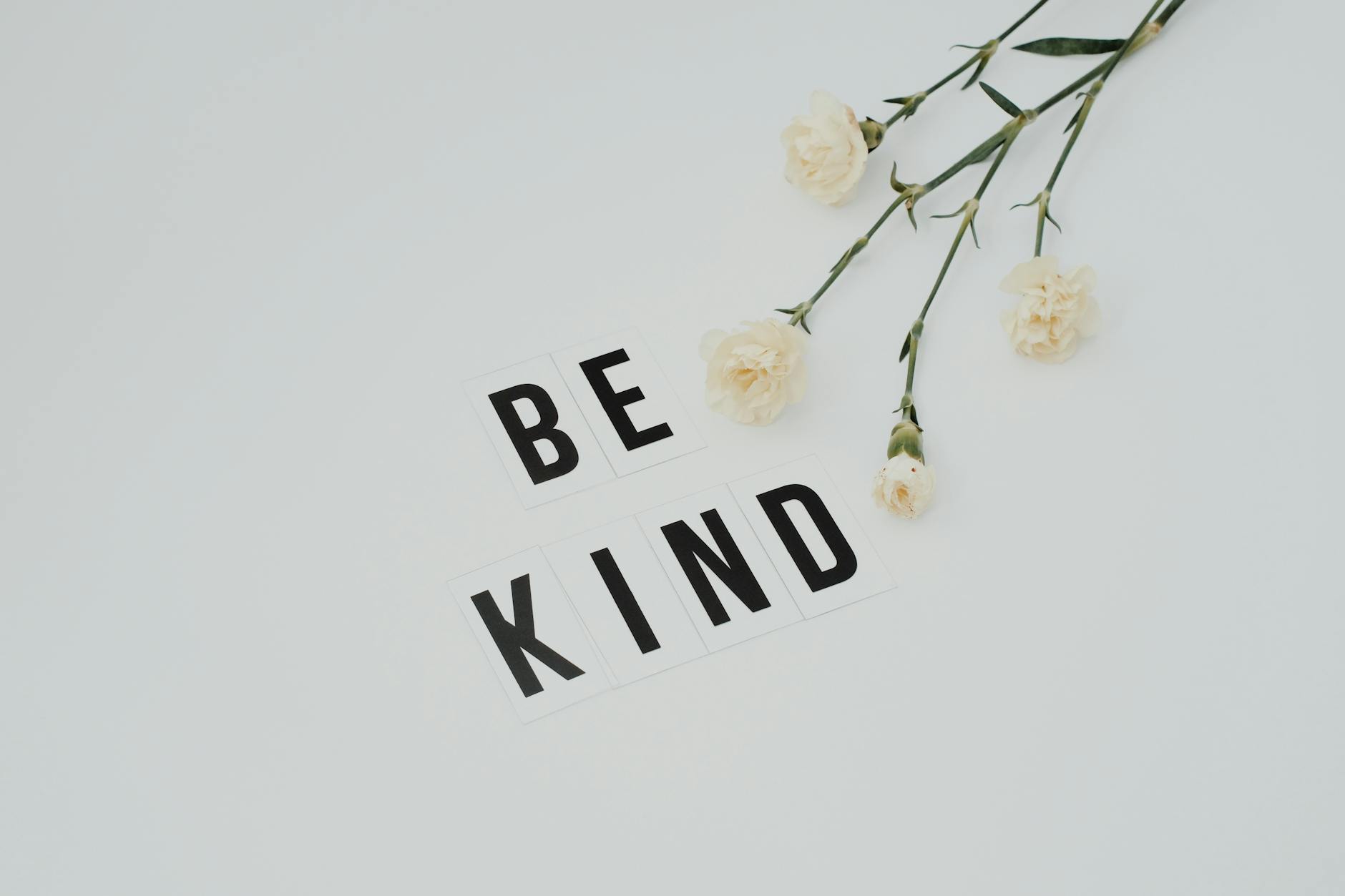
  • Ruthless Kindness: Why Vengeance and Compassion Are Not a Paradox

    Ruthless Kindness: Why Vengeance and Compassion Are Not a Paradox

    When people hear the words vengeance and ruthlessness, they often picture fire and fury: the kind of cold retribution that leaves someone else scorched. On the other hand, when they hear compassion or empathy, they imagine warmth, softness, and selflessness. These two pairings — vengeance/ruthlessness versus compassion/empathy — are usually painted as opposites. One destroys, the other heals. One is sharp, the other gentle. One is cold, the other warm.

    But that’s a false binary. It’s neat, but not true. Dig deeper, and you’ll see that vengeance doesn’t have to mean bloodlust, and ruthlessness doesn’t have to mean cruelty. Likewise, compassion isn’t weakness, and empathy isn’t naïve. These qualities can co-exist. In fact, they can work together in powerful, transformative ways.

    This is not a paradox. It’s a reframing.


    The Human Urge for Vengeance

    First, let’s acknowledge something uncomfortable: wanting vengeance is normal. That feeling when someone wrongs you — the urge to balance the scales, to see them face some kind of consequence — is not a moral defect. It’s human psychology. For millennia, vengeance played a role in survival. Communities that punished betrayal or harm ensured stronger bonds and fewer free-riders.

    When we’re hurt, that primal fire still flickers. It whispers: Make them feel it too. That’s not inherently evil. It’s a survival instinct. The question is not whether vengeance is “good” or “bad,” but what form it takes in our modern lives.


    Ruthlessness Redefined

    Ruthlessness, too, is a word that has been hijacked by extremes. We associate it with cruelty, with stepping on others to climb higher, with the absence of care. But ruthlessness, at its core, is about clarity and decisiveness. It’s about removing hesitation when hesitation would betray your principles.

    To be ruthless is to be uncompromising in the pursuit of what you believe in. When paired with cruelty, that pursuit can be ugly. But when paired with compassion, it can be extraordinary. Imagine being ruthless not in harming others but in committing to empathy. Imagine being ruthless in kindness — sharp, consistent, and unflinching in the face of cynicism.

    That’s not a paradox. It’s a strength.


    The Paradox That Isn’t

    On the surface, “vengeance through compassion” or “ruthless kindness” sounds contradictory. How can something as fiery as vengeance and as tender as compassion coexist?

    The answer lies in redefining what victory looks like. Traditional vengeance says, I’ll hurt you the way you hurt me. But another form of vengeance says, I’ll rise above, and in doing so, I’ll expose the smallness of your cruelty.

    It’s vengeance without blood. Justice without venom. Ruthlessness without cruelty.

    Compassion doesn’t erase the desire for balance — it channels it. Empathy doesn’t extinguish the fire — it directs it toward something more constructive. In this light, kindness itself becomes a weapon, not of destruction, but of disarmament.


    The Psychology of Ruthless Kindness

    Let’s unpack why this actually works — not just as poetry, but as psychology.

    1. It denies the offender control.
      When someone harms you, they often expect you to react with anger, bitterness, or revenge. By responding with calm dignity and kindness, you refuse to play the part they wrote for you. That’s power.
    2. It creates cognitive dissonance.
      If someone is cruel and expects cruelty back but receives compassion instead, they are forced into self-reflection. Maybe not immediately, but eventually. That dissonance lingers.
    3. It protects your mental health.
      Carrying bitterness corrodes you. Ruthless kindness lets you still “have your vengeance” without poisoning yourself in the process. You prove them wrong by thriving.
    4. It’s socially contagious.
      Others who witness your response may model it. Compassion in the face of cruelty creates ripples far beyond the original conflict.
    5. It confronts people with the unfamiliar.
      Many people who lash out or live in hate do so because kindness has been absent in their lives. Ruthless kindness puts them face-to-face with something foreign, even unsettling: unconditional compassion. That encounter can be shocking, destabilizing, and, in the long run, transformative.

    This isn’t weakness. It’s strength with discipline.


    Historical and Cultural Echoes

    This concept isn’t new. History is full of examples of people who weaponized compassion as a form of resistance and vengeance.

    • Mahatma Gandhi used nonviolent resistance against British colonial rule. It wasn’t softness — it was ruthless commitment to empathy as a weapon. His kindness, applied strategically, was vengeance against oppression.
    • Martin Luther King Jr. spoke about returning hate with love. That wasn’t naïve idealism. It was tactical. By refusing to meet violence with violence, he created moral clarity that exposed the brutality of racism.
    • Nelson Mandela, after decades in prison, could have chosen bitterness. Instead, he built a new South Africa on reconciliation. That wasn’t weakness — it was the most ruthless, effective form of vengeance against apartheid.

    And then there is a more contemporary example that proves ruthless kindness is not a fairy tale but a fact: Daryl Davis.

    Davis, a Black blues musician, spent decades befriending members of the Ku Klux Klan. Instead of meeting their hate with hate, he sat with them, talked to them, treated them as human beings. Over time, many of these men left the Klan, handing Davis their robes as proof. His kindness — extended where none was expected, and perhaps least deserved — became a force of ruthless transformation. He didn’t excuse their hate. He confronted it with humanity, and in doing so, dismantled it.

    This is ruthless kindness in its purest form: turning the very tools of hate into instruments of change.


    Everyday Applications

    You don’t need to be a global leader to practice this. Ruthless kindness shows up in daily life.

    • At work, when someone undermines you, vengeance might mean excelling even more and refusing to stoop to their level.
    • In relationships, when someone treats you poorly, your vengeance might be maintaining your dignity, setting boundaries, and showing kindness elsewhere.
    • Online, when someone trolls or mocks, your ruthless kindness could be refusing to match their vitriol, instead responding with wit, calm, or silence.

    Everyday vengeance through compassion isn’t about being passive. It’s about choosing the form of strength that best serves you.


    Why This Isn’t Weakness

    A common critique of compassion-as-vengeance is that it’s just letting people off the hook. But that misunderstands the concept.

    Compassion doesn’t mean excusing. Empathy doesn’t mean permitting harm. You can hold people accountable and still choose not to become them. You can enforce boundaries ruthlessly while still treating others with humanity.

    The true paradox is thinking that kindness and strength are opposites. They’re not. The strongest people are often those who can hold both in balance.


    The Risks and Limits

    Of course, there are risks. Not every situation calls for kindness. Some harms require firm justice through legal or social channels. Ruthless kindness should not mean tolerating abuse. It’s a strategy, not a universal prescription.

    The key is discernment. Ask yourself: will compassion here transform the situation, or will it enable further harm? Ruthless kindness is about choosing compassion as a weapon, not as a leash.


    Toward a New Ethic

    What if we stopped framing vengeance as only destruction, and compassion as only softness? What if we began to see them as partners — different energies that, when combined, create a fuller, wiser response to harm?

    Ruthless kindness could become a new ethic: the ability to channel our natural urge for vengeance into acts of compassion that elevate us, protect our dignity, and perhaps, in time, even change others.

    This isn’t hypothetical. The evidence is all around us — from global leaders who used compassion to dismantle empires, to ordinary people like Daryl Davis who used it to dismantle hate, one relationship at a time.


    Conclusion: The Best Revenge

    The best revenge is not screaming, or sulking, or striking back. The best revenge is living in a way that makes cruelty irrelevant. It’s refusing to let someone else’s smallness shrink you.

    Vengeance and compassion are not opposites. Ruthlessness and empathy are not contradictions. Together, they form a strength that is sharp, principled, and deeply human.

    To be ruthless in kindness is not to be weak. It’s to understand that sometimes the fiercest fire burns quietly, and the sharpest sword is made of mercy.

    That is not a paradox. It’s a path.

  • Experience True High-Fidelity Sound with HibyMusic

    Disclaimer: This post contains affiliate links. If you purchase through these links, I may earn a commission at no extra cost to you. Supporting through these links helps me continue to share great finds like this one.

    https://jaimedavidmusic.blogspot.com/2025/09/experience-true-high-fidelity-sound.html

    Fediverse Reactions
  • Flashback Fridays #18: The Early Days of YouTube — When Vlogs and Viral Videos Began

    Flashback Fridays #18: The Early Days of YouTube — When Vlogs and Viral Videos Began

    YouTube launched in 2005 and quickly transformed the internet landscape.

    User-Generated Content: Early videos were raw and personal — people sharing vlogs, tutorials, and funny clips with friends and strangers.

    Viral Hits: Videos like Charlie Bit My Finger, Evolution of Dance, and David After Dentist captured global attention, showing the power of viral sharing.

    YouTube Stars: Personalities like Smosh, Ray William Johnson, and early beauty vloggers started building massive followings.

    Monetization Beginnings: Early monetization was limited, but YouTube’s Partner Program eventually allowed creators to turn passion into careers.

    Nostalgia: The simple, unpolished early YouTube era feels like a digital playground compared to today’s polished productions and corporate presence.

  • no

    Daily writing prompt
    Do you see yourself as a leader?

    no, i dont see myself as one. in fact, i wouldnt want to be one. because leaders, they have followers, and i wouldnt want followers. i wouldnt want folks to look up to me or to take my word on things. im just a guy. an average guy, and i dont want folks to think of me as something more than what i am, a guy, a person. ive seen how leaders get put on pedestals and become deified, some of them. i dont want that. i dont want to be seen as that.

  • Why Writing Doesn’t Feel Fun Anymore: The Struggle to Create in a Chaotic World

    Why Writing Doesn’t Feel Fun Anymore: The Struggle to Create in a Chaotic World

    There was a time when writing was an escape, a place where I could channel my thoughts, emotions, and creativity into something meaningful. The act of writing itself—the rhythm of words flowing from my mind to the page—was a deeply fulfilling experience. But recently, it feels like something has changed. Writing, something that once brought me joy, now feels like a struggle. It’s no longer the cathartic release it used to be. Instead, it feels like a chore, a task I have to force myself to engage in.

    The world around us has shifted in ways that have made it harder to escape into fiction, poetry, or even non-fiction. Every headline is a reminder of the chaos we live in—political violence, social unrest, and the overwhelming sense that things are falling apart. In a world filled with uncertainty, fear, and division, how can you find the mental space to write something that feels true and meaningful? How can you write about hope, love, or inspiration when the world seems to be moving in the opposite direction?

    As a writer, it’s hard to ignore how the chaos outside seeps into the creative process. Even the most beautiful words can feel hollow when they’re written against a backdrop of violence, anxiety, and division. The noise of the world—the constant barrage of bad news, personal struggles, and collective uncertainty—drowns out the quieter, more reflective moments that once fueled my writing.

    The Weight of the World on the Writer’s Mind

    Writing requires space—mental, emotional, and creative space. It’s about losing yourself in a world of your own making, whether it’s through storytelling, poetry, or even personal reflection. But how do you lose yourself in a world of words when the real world is so overwhelmingly loud? How do you find the quiet necessary for writing when the chaos outside seems to echo through every paragraph, every sentence, every word you try to write?

    The weight of the world can be suffocating. Whether it’s the political climate, ongoing social unrest, or the looming threat of climate change and global crises, there’s always something to worry about. Writing used to be a refuge from that, a way to process thoughts and emotions in a way that felt productive and meaningful. But now, it feels like the noise never stops. It’s harder to focus on the internal world of characters, themes, or ideas when your attention is constantly pulled by the external world of politics, division, and fear.

    I try to write, to make sense of what’s inside me, but it often feels like my mind is too full. How do you write about joy when you’re weighed down by grief? How do you write about connection when you’re constantly reminded of disconnection? How do you focus on the small, intimate moments that make writing beautiful when the big, catastrophic moments of the world seem so much louder?

    The world is broken, and it’s hard to ignore that as a writer. I’m left wondering, how can I write something meaningful when the world is full of chaos, misinformation, and disillusionment?

    The Challenge of Writing About Hope in a Hopeless Time

    One of the most challenging aspects of writing in today’s climate is the difficulty of writing about hope. In a world that feels increasingly hopeless, how do you find the motivation to write stories that are uplifting or positive? It’s hard to focus on creating narratives of joy, love, or triumph when everything around you feels like a constant barrage of negativity.

    In the past, writing about hope and resilience was a way to counterbalance the darkness. It was an act of defiance—of saying, “Despite all of this, there is still beauty in the world, still goodness to be found.” But now, it feels almost like a betrayal to write about hope. How can you write about a character overcoming impossible odds when the odds in the real world seem to be getting worse every day?

    I often sit in front of my screen, fingers poised over the keys, and wonder if it’s even worth writing at all. The world feels too broken to fix with words. Writing about love, beauty, or change feels futile when we can’t seem to fix the more fundamental problems that are tearing the world apart. How can I, as a writer, escape into these hopeful worlds when the very act of writing them feels disconnected from the reality of what’s happening outside?

    The Impact of Social Media: Constant Distraction and Pressure to “Do More”

    Another factor that has made writing feel less enjoyable is the constant distraction of social media. As a writer, it’s hard to find the mental space to write when you’re constantly being pulled in different directions. Every day, there are new headlines, new controversies, new arguments to join. There’s an overwhelming pressure to stay up-to-date, to be informed, to share your thoughts on the latest issue. The result is that writing—something that used to feel like a sanctuary—now feels like another task on a never-ending to-do list.

    Instead of writing to create, I often find myself writing to engage, to react, or to join the discourse. The act of writing has been commodified. It’s no longer just about expressing oneself, but about building an audience, gaining followers, and participating in the digital conversation. The pressure to produce something “relevant” or “topical” often drowns out the desire to write something authentic or personal. Writing, instead of being a source of joy, becomes a performance.

    Social media is designed to keep us distracted. With constant notifications, updates, and endless scrolls, it’s hard to stay focused long enough to finish a meaningful piece of writing. The more I engage with social media, the more it chips away at my ability to write without distraction. It’s no longer about the quiet contemplation that writing once required, but about meeting the demands of the digital world—whether it’s for validation, engagement, or simply to keep up with the relentless pace of the news cycle.

    The Pressure of Productivity and “Hustle Culture”

    In addition to social media, there’s also the growing pressure of hustle culture. As society increasingly emphasizes productivity and achievement, writing, too, becomes a task that needs to be completed, a goal that needs to be reached. There’s always something more to be done, something that needs to be written, something that needs to be shared. Writing, which was once a creative pursuit, is now treated like a job—a job that requires constant output, constant growth, and constant progress.

    But creativity doesn’t work that way. Writing isn’t about cranking out words for the sake of productivity—it’s about letting the words come when they’re ready. It’s about allowing the creative process to unfold naturally, without the pressure to constantly be productive. Yet, in a world that values efficiency over everything else, it’s hard not to feel guilty for not writing more, for not producing faster, for not joining the endless stream of content that floods the internet.

    Writing has always been about freedom—the freedom to explore, to think, to create. But when writing is reduced to just another task to check off, that freedom disappears. It becomes just another thing on the endless list of things we need to do to succeed, to keep up, to feel validated.

    Finding the Joy in Writing Again

    So, where do we go from here? How do we reclaim the joy in writing when the world feels so overwhelming? The answer isn’t simple, but it begins with taking a step back. It’s about writing for yourself, not for an audience. It’s about rediscovering why you started writing in the first place—because you loved it, because it gave you joy, because it allowed you to process the world around you.

    We may not be able to change the world through our words, but we can find solace in the act of writing. Maybe it’s time to let go of the pressure to “perform,” to “produce,” and simply write what we feel. The world may be in chaos, but writing can still be a form of resistance—of asserting that, despite it all, we can still find beauty, meaning, and purpose in our words.

    It’s okay to write slowly, to write imperfectly, and to write just for the sake of writing. We can create stories that reflect the reality of the world we live in, but we can also create worlds that offer a glimpse of something better. Writing may not feel fun right now, but it’s still a powerful tool—a tool that can help us process, heal, and, in time, reclaim our joy.

  • Arnold’s Parents: When the Big Reveal Falls Flat

    Arnold’s Parents: When the Big Reveal Falls Flat

    For years, fans of Hey Arnold! were left wondering one of the most enduring mysteries in cartoon history: where were Arnold’s parents? The series teased their absence without providing answers, creating tension that lingered across seasons. When Hey Arnold!: The Jungle Movie finally arrived, it promised to resolve the mystery—but the resolution left many viewers underwhelmed.

    In the movie, Arnold’s parents, Miles and Stella, are affected by a mysterious jungle sickness that puts them in a deep, coma-like state for years. A tribe of children, immune to the effects of the illness, cares for them during this time. Essentially, all the tension and absence built up over decades boils down to… a very long nap.

    But it’s not just the long nap that makes the reveal underwhelming—it’s how overtly supernatural the whole situation is. Magical plants, mystical forces, and a tribe capable of caring for them while immune to the sickness take the story far beyond the grounded, realistic world of the original series. Hey Arnold! was about kids navigating school, friendships, and family struggles in a believable city setting. Suddenly, the story leaps into full-blown fantasy, creating a jarring tonal shift that clashes with what made the show relatable in the first place.

    And what makes this even more insane is the timing. The Jungle Movie came out many years after the original series ended. Hey Arnold! had a perfectly fine ending—there was no pressing need for a revival. But during the mid-to-late 2010s, there was a wave of nostalgia-driven revivals, and Hey Arnold! got swept up in it. The problem is, the revival didn’t just continue the story—it fundamentally altered it in ways that strip away tension and agency.

    Imagine a different approach: Arnold’s parents could have been alive and surviving in the jungle, choosing to make a life there and interacting with the locals. That would have been narratively fulfilling, and it would have introduced real stakes: the possibility that Arnold’s parents might not want to come back. That tension would have been emotionally resonant and true to the grounded tone of the original series. Instead, the movie opts for a literal coma scenario, removing any sense of choice or agency from their story. They weren’t making decisions, growing, or facing consequences—they were just asleep.

    This choice undercuts the emotional weight and relatability that made the original series special. The mystery of Arnold’s parents worked because it mirrored real-life absence and uncertainty. By resolving it with supernatural forces and a multi-year nap, the movie replaces meaningful tension with convenience and spectacle.

    Ultimately, while The Jungle Movie provides closure, it also demonstrates how a well-meaning revival can misfire. Some stories—and some mysteries—are stronger left unresolved. Hey Arnold! was one of those stories, and the movie’s attempt to “fix” it ends up undermining the grounded emotional core that made the series so memorable.

  • Matchbox Cars: A Tiny Toy with a Big History

    Matchbox Cars: A Tiny Toy with a Big History

    Last year, I had one of those small, surprising realizations that makes you step back and think, “Wait… that’s why?” I was looking at a small toy car, a Matchbox car, and it hit me—these toys are called “Matchbox” cars because, quite literally, they were small enough to fit inside a matchbox. Something so obvious, yet somehow, it had never crossed my mind until that moment.

    I used to play with Matchbox cars as a kid, and like many, I had an entire collection. Even now, I still have a whole bunch of those cars tucked away, each one carrying a small piece of my childhood. Holding them brings back memories of endless races across the living room carpet, imaginary traffic jams, and epic garage “repairs” on tiny vehicles. These small toys were more than just playthings—they were companions in countless adventures.

    The idea of naming a toy based on its size feels both clever and charming. Imagine the marketing pitch in the 1950s: a car so tiny you could carry it in your pocket—or a matchbox. It’s a perfect example of simple, memorable branding. The name itself communicates the toy’s uniqueness instantly: not just any toy car, but one designed to be miniature, collectible, and portable.

    Matchbox cars were first introduced in 1953 by Lesney Products in the United Kingdom. At the time, toy cars were generally larger, more fragile, and expensive. Lesney Products saw an opportunity: create durable, miniature cars that children could easily carry around and collect. They packaged the toys in boxes roughly the size of a matchbox, and the name stuck. Over time, Matchbox became synonymous with tiny die-cast cars, even as the packaging evolved.

    What fascinates me is how this tiny detail—a name inspired by a simple household item—reflects a larger idea about design and marketing. Great ideas often start small. Literally. A simple observation about size and portability became a brand that’s now recognized worldwide. It reminds me that even ordinary things in our lives have a thoughtful story behind them, if we only stop and look.

    Thinking back to my own moment of realization, it wasn’t just about Matchbox cars. It was a reminder that sometimes, the simplest things are the most cleverly designed. We often take everyday objects for granted, never questioning the stories behind them. Yet, each product, each name, each tiny choice reflects a history, a purpose, or an insight someone had years ago.

    So next time you see a Matchbox car, or any small toy for that matter, take a moment to appreciate the thought behind it. The next “aha” moment could be waiting in the smallest detail—a matchbox-sized revelation in an ordinary toy.

  • Why We Shouldn’t Let the Rain Stop Us

    Why We Shouldn’t Let the Rain Stop Us

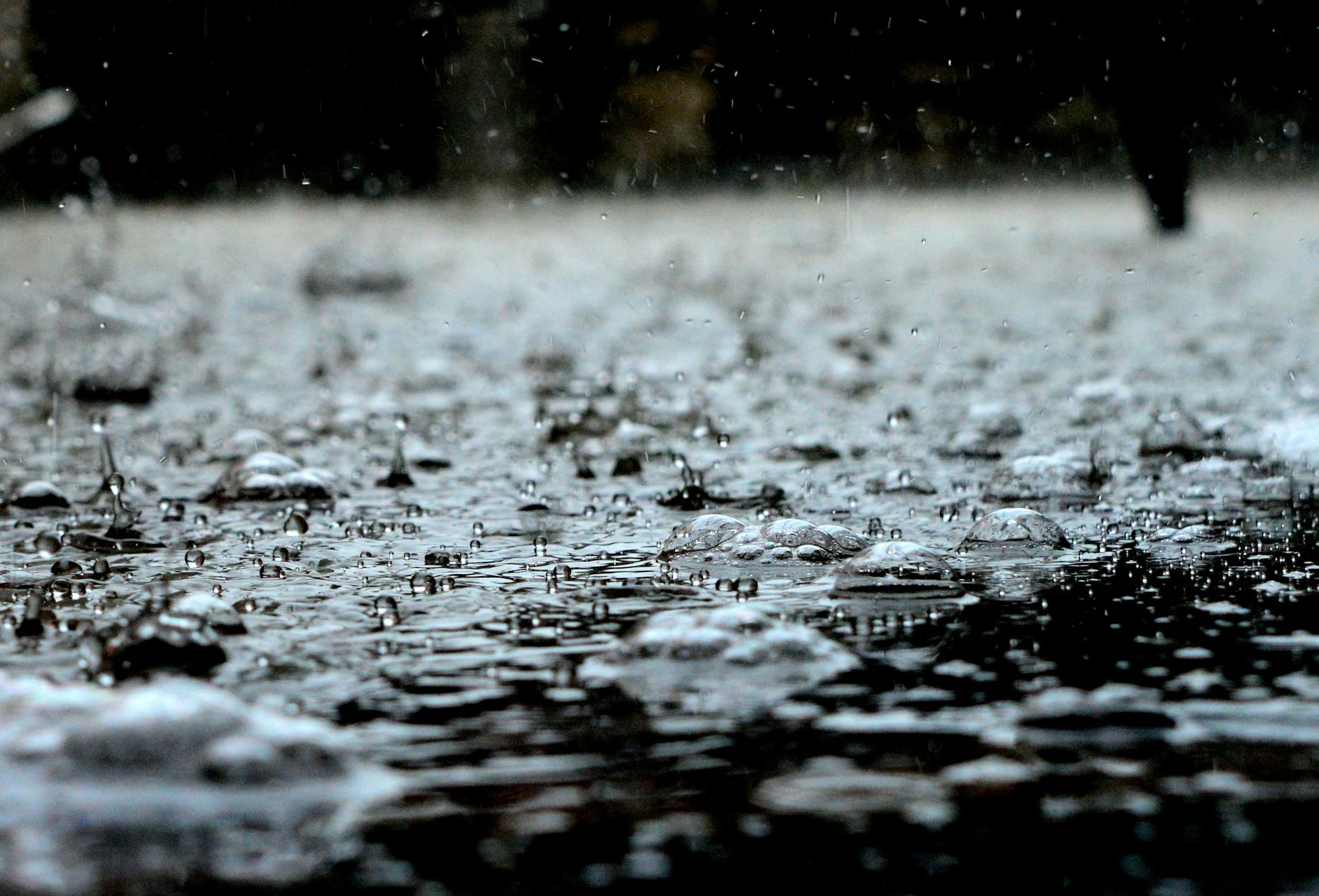
    Too often nowadays, we allow rain—sometimes snow, but mostly rain—to dictate our lives. A light drizzle, a steady shower, even moderate rainfall, and suddenly plans are canceled, errands postponed, or outdoor activities abandoned. We use weather as an excuse, telling ourselves, “It’s raining, so I’ll stay in today.” While safety should always come first—avoiding flooding, storms, or dangerous conditions—there’s a subtle but important distinction between genuine risk and mere inconvenience. For the most part, rain should not be a reason to halt our lives.

    Think about it: rain is a natural part of life. It falls on everyone, everywhere, and has for centuries. Yet in modern culture, it is often treated as a pause button. But what if we flipped that perspective? What if we saw rain not as a hindrance, but as a condition to embrace, adapt to, and even leverage?

    History provides some of the most compelling evidence for why we should not let rain stop us. Many significant events, moments that shaped nations and societies, occurred under rainy or overcast skies. Take D-Day, for instance. The Allied invasion of Normandy on June 6, 1944, was originally planned for earlier dates, but stormy conditions and rough seas forced a delay. On the day of the invasion, the weather was far from ideal—overcast skies, choppy waters, and intermittent rain challenged the troops and commanders alike. Yet, if they had waited for perfect conditions, the course of World War II might have been entirely different. The Allies pushed forward despite the rain, and that determination changed history.

    It’s not just military history that demonstrates the power of embracing adverse weather. Across the world, countless protests, marches, and demonstrations have taken place in rain. Think of the civil rights movement: activists often marched and protested regardless of rainfall. Their commitment wasn’t diminished by the weather; in fact, their perseverance in challenging conditions added a layer of courage and determination to their cause. The rain, rather than stopping them, became a testament to their resilience.

    Even beyond the grand scale of history, rain can have its advantages. In certain military or tactical situations, rain has served as cover, masking movement or muffling sound. On personal levels, rain can energize, refresh, and provide a change of pace. Running through a light shower, walking with an umbrella while the rain taps rhythmically on the fabric, or simply taking a moment to feel the cool drops on your skin—these experiences remind us that life doesn’t stop because the sky is gray.

    Culturally, some societies have long embraced rain as a normal part of life. In Japan, for example, rainy days are woven into daily routines. Umbrellas and raincoats are not just practical tools—they’re symbols of adapting and moving forward regardless of the weather. Similarly, in parts of Europe where rain is frequent, life continues indoors and outdoors, with people adjusting and embracing the conditions rather than treating them as an obstacle.

    The psychological benefits of not letting rain stop us are profound. Waiting for ideal conditions can foster procrastination, indecision, and unnecessary hesitation. By choosing to act despite the rain, we cultivate resilience and flexibility. We learn that not every challenge is a barrier—sometimes it’s merely a condition to work around. This mindset extends beyond weather; it prepares us for life’s unpredictabilities, teaching us to move forward even when circumstances are less than perfect.

    There’s also a creative angle. Writers, artists, and thinkers throughout history have found inspiration in rainy weather. The atmosphere, the rhythm of raindrops, the muted light filtering through clouds—these elements have sparked imagination, reflection, and insight. By avoiding rain, we risk missing moments of beauty and inspiration that only occur under its influence.

    Of course, this is not a call to recklessness. Safety is paramount, and there are times when rain is truly dangerous: storms, flooding, slippery conditions, or lightning. But when the weather is simply wet, inconvenient, or gray, it should not become a reason to halt our lives. By stepping out into the rain, we reclaim agency over our decisions and our time. We take control of how we respond to circumstances, rather than letting external conditions dictate our actions.

    So, the next time it rains, consider stepping outside instead of staying in. Walk, run, ride, or simply observe the world through a window while feeling the rain’s presence. Recognize that throughout history, people have accomplished incredible feats in rainy conditions. They did not wait for ideal weather—they acted, adapted, and sometimes even leveraged the rain to their advantage. By embracing rain, we align ourselves with a tradition of perseverance and resilience that spans centuries.

    Rain is not an enemy. It is a natural element, a condition of life, and sometimes even an ally. Light showers, steady rains, and moderate downpours should be met not with hesitation, but with action. Life is too short to let weather determine our choices. Whether it’s achieving personal goals, completing tasks, or simply enjoying the world around us, we can learn to move forward despite the rain—and maybe even because of it.

    In short, do not let rain stop you. Step out, push forward, and embrace the wet and the gray. History shows that those who moved despite the rain made a difference. And in our own lives, we can do the same. Rain is not a pause button—it is an invitation to resilience, adventure, and growth.

  • If The Green Glass Door Became a Deadly Game on Screen

    If The Green Glass Door Became a Deadly Game on Screen

    Some games are meant to be lighthearted fun. The Green Glass Door is one of them. A word game where players guess what they can “bring” or “take” based on a hidden rule, it’s usually just an exercise in cleverness, laughter, and patience. But what if someone took this harmless game and twisted it into something dark, intense, and life-or-death?

    Imagine it as a challenge in a future season of Squid Game, or even a trap in a Saw movie. The rules stay the same at the core—but the stakes would be much, much higher.

    The Setup

    A group of contestants is gathered in a stark, ominous room. A voice echoes:
    “You may pass through the Green Glass Door… if you bring the correct item.”

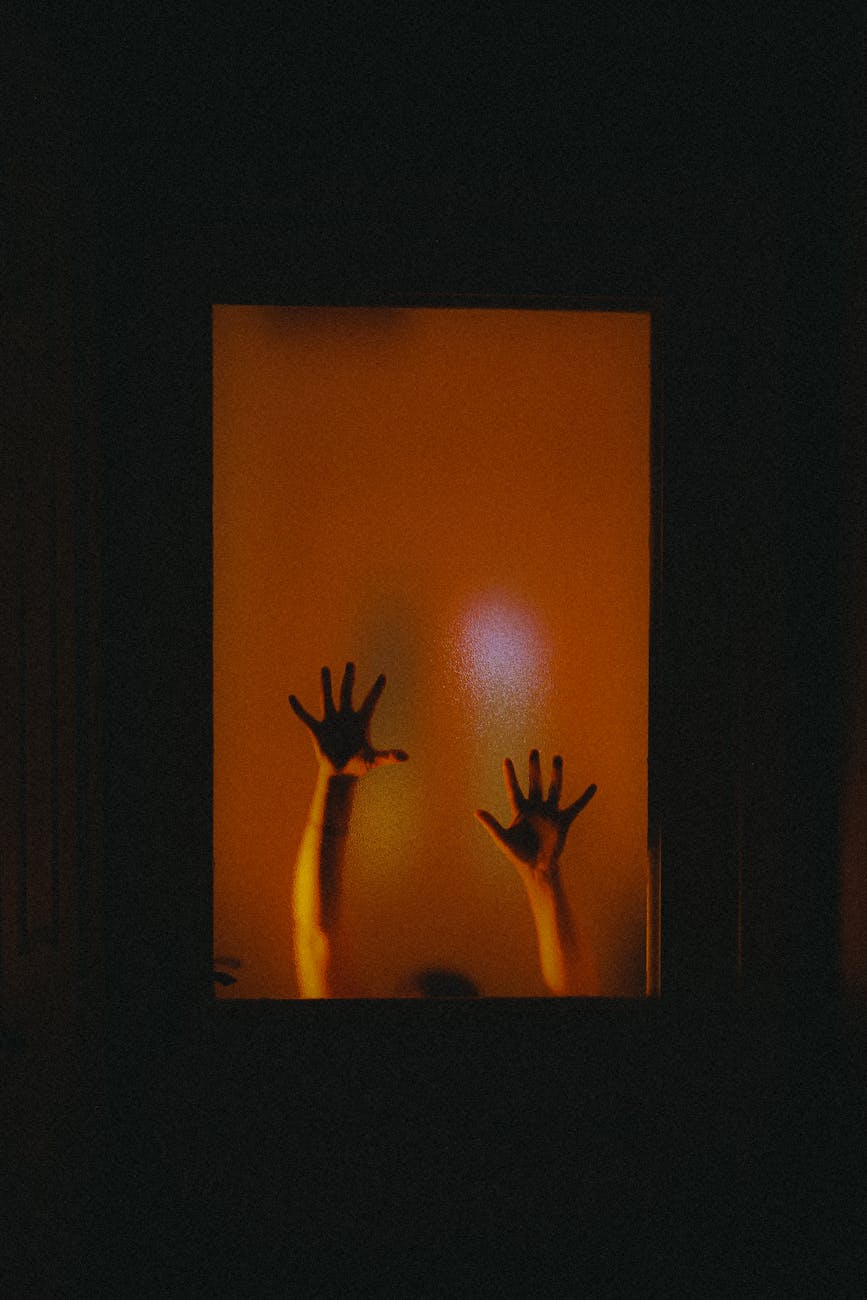
    A massive green-glowing doorway looms ahead. The catch? If a contestant chooses an incorrect item, the door won’t open—and something terrible happens. Maybe the room floods a little more with each wrong answer. Maybe the floor starts collapsing. Maybe it’s Saw-style punishment: a sharp mechanism or a trap triggered by failure.

    The Twist

    In the original parlor game, the “leader” is the one who knows the secret rule. But in this twisted version, maybe no one knows the rule at first. Or worse—one contestant secretly knows and must guide (or mislead) the others. Do they help everyone survive, or sabotage to eliminate rivals?

    The rules themselves could be as cruel or as tricky as the writers wanted:

    • Only objects with double letters in their name pass through.
    • Only living beings can go through.
    • Only items containing a certain hidden symbol are accepted.

    The tension comes not just from figuring it out, but from watching people break down under the pressure of knowing one wrong answer could mean death.

    Why It Works

    It would fit Squid Game’s themes perfectly: a children’s or simple game made sinister, twisted by desperation and greed. And it would work in Saw because of the psychological torment—forcing people to think creatively under horrifying stakes. The suspense isn’t just in the game itself, but in the human drama: who figures it out, who panics, who betrays the group, who gets sacrificed.

    Final Thoughts

    The Green Glass Door will probably stay the harmless parlor game it’s always been—but imagining it as a survival-horror spectacle shows just how easily something innocent can be flipped into nightmare fuel. And honestly? If Netflix or Lionsgate ever went there, I’d be the first to watch.

  • nothing at all

    Daily writing prompt
    What are you doing this evening?

    nothing at all, just gaming.