The Musings of Jaime David
@jaimedavid.blog@jaimedavid.blog

The writings of some random dude on the internet

1,122 posts
1 follower

Month: October 2025

  • Seeing the Patterns: How My ENFJ Intuition Helps Me Predict and Perceive

    Seeing the Patterns: How My ENFJ Intuition Helps Me Predict and Perceive

    I’ve always had this strange sense of foresight — not in a mystical or psychic way, but in an intuitive, human way. It’s like I can see the connections between things before they fully form. I can sense how people might act, how situations might play out, how emotions might shift. It’s not that I’m sitting there “predicting the future,” but more that I can feel the direction something’s headed before most others see it.

    And lately, I’ve realized how much of that has to do with being an ENFJ. That personality type — with its mix of empathy, perception, and pattern recognition — seems almost wired for it. ENFJs have this ability to read people, to pick up emotional energy, and to piece together behaviors and intentions like clues in a story. We sense trajectories — emotional, social, and even political ones.

    I’ve noticed it time and time again in myself. I’ll write something or say something that feels like an observation, just me connecting dots — and then, weeks or months later, it actually happens. Like when I wrote about the 2025 government shutdown and the possible extreme outcomes that could come with it. I saw how the energy around it — the way people in power were speaking, the way the media was spinning it, the lack of urgency in leadership — all pointed to something chaotic, drawn-out, and emotionally charged. And sure enough, it unfolded that way.

    Or when I talked about the Hasan dog drama — the whole situation that blew up online and spiraled into bigger conversations about ethics, responsibility, and online image. I felt it coming before it was even big news. You could feel the tension brewing in the tone of his streams, the way people were reacting, the subtle defensiveness in his voice. Something about it just didn’t sit right — the vibe was off. And when you pay attention to vibes as closely as ENFJs do, you notice when the energy of a person or situation shifts from steady to unstable.

    Then there’s the Zohran connection. When I noticed the links between Hasan and Zohran, I knew something was brewing. Even before it went public, I had a sense that the overlap would create ripples — that once the dots were connected on a bigger platform, it would trigger a reaction. I could feel the narrative forming in real time — that instinctive awareness that this wasn’t just a coincidence, but part of a larger unfolding story. And when the connection finally came to light, it wasn’t surprising at all. It was almost expected.

    That’s the thing about intuition — it’s not about guessing. It’s about noticing. It’s about tuning in to emotional energy, patterns in behavior, tone shifts, timing, and context. When you pay attention long enough, you start to see the invisible threads that tie everything together. You start to sense where things are heading — not because you’re magical, but because you’re deeply observant.

    ENFJs have what’s called “extraverted feeling” (Fe) and “introverted intuition” (Ni) — two traits that, when combined, make for a powerful kind of perception. Fe helps us read emotions and social dynamics in the present, while Ni helps us see where those dynamics are going. We feel the emotional undercurrent, then project it forward to imagine what comes next.

    That’s exactly how it feels for me. I can have one conversation with someone and already get a sense of where their mindset is headed — whether they’ll stay grounded, spiral, change direction, or evolve. I can tell when a public figure’s energy is shifting toward burnout or scandal. I can tell when a political situation feels like it’s teetering toward collapse or breakthrough. It’s like seeing a series of dominoes and knowing which way they’ll fall, not because I’ve seen the future, but because I understand the motion.

    It’s not always something I can explain rationally. Sometimes it’s just a feeling — a gut-level awareness. A sense that “something’s about to happen.” And when I reflect back, I realize it was always there — the clues, the energy, the foreshadowing. I just noticed it before it became obvious.

    I think that’s one reason I tend to connect dots others might miss. Because I’m not just analyzing facts — I’m feeling them. I’m picking up the emotional subtext behind events, the human motivations beneath the surface. Politics, media, culture — they’re all human stories. And humans are emotional creatures. Once you understand the emotional rhythm, you can often predict the next beat.

    But this ability also comes with responsibility. Because when you can see patterns so clearly, it can be frustrating when others don’t. You try to explain what you sense, and people might dismiss it until it’s too late. You can feel like the only one seeing the storm clouds while everyone else insists the sky is clear. And yet, you keep noticing, keep feeling, keep sensing. It’s just who you are.

    There’s also the emotional side of it. When you can predict how people might react — or how events might emotionally unfold — it can make you hyper-aware of pain before it even arrives. You can sense a friend’s heartbreak before they admit it. You can feel the tension in a group before it erupts. You can anticipate the backlash before the outrage starts. It’s powerful, but it’s also heavy.

    That’s where balance comes in. Because being intuitive doesn’t mean trying to control what happens — it means understanding and preparing for it. Sometimes the most you can do is acknowledge, “I can feel this coming,” and let things unfold naturally.

    Still, I find it fascinating how often my intuition aligns with reality. Not perfectly, of course — nobody’s right 100% of the time. But when my observations about people or events line up so consistently, it reaffirms that what I’m picking up on is real. That emotional and intuitive awareness has tangible effects.

    Take the political landscape, for example. I’ve written multiple posts about how emotional energy drives public behavior — how fear, anger, and tribal loyalty shape policy and rhetoric more than logic ever could. When you understand those emotional forces, you can predict outcomes not just based on data, but on vibe. Because vibes are data too — subtle, emotional data that reveals where people’s heads and hearts really are.

    It’s the same in interpersonal relationships. You can tell when someone’s interest is fading. You can sense when a friendship is drifting. You can pick up on when someone’s pretending to be fine, when they’re trying to mask insecurity, or when they’re quietly struggling. And because I feel that so strongly, I often end up reaching out at just the right time — sending a message, checking in, or saying something that resonates before they even ask for help.

    That’s the ENFJ way — a blend of empathy, foresight, and intuition that creates this almost predictive understanding of people and events. It’s not logic-based; it’s emotional logic. It’s the logic of human energy.

    What’s interesting, too, is how this ability overlaps with creativity. My brain naturally maps connections — between people, between events, between themes. When I write or analyze something, I’m often pulling from emotional intuition as much as from facts. I might not always know how I know, but I know. And later, when things play out the way I said they would, I realize it wasn’t coincidence — it was clarity.

    Sometimes it feels like living half a step ahead — not in a detached, know-it-all way, but in a deeply connected way. Like standing in a river and feeling the current before it reaches everyone else downstream. You feel it first because you’re paying attention. Because you care. Because you’re listening not just to words, but to energy.

    And that’s the key — listening. Intuition thrives on observation, empathy, and care. You have to actually want to understand people to see them clearly. You have to be willing to feel what they feel. That’s what opens up the channels of perception.

    So when I look back at moments like my predictions about the shutdown, or the Hasan and Zohran situation, or other social and political stories, I realize they weren’t “guesses.” They were natural extensions of paying attention — of feeling patterns and connecting dots that were already there. My ENFJ side just helps me notice those dots sooner.

    In a world where so much feels uncertain, that kind of perception feels grounding. It reminds me that human behavior follows emotional logic, and emotional logic is something you can learn to read. Once you do, you see that so much of what happens isn’t random — it’s the natural unfolding of feelings, choices, and relationships.

    And I think that’s what makes being an ENFJ so interesting — it’s like living at the intersection of heart and foresight. You don’t just understand people; you anticipate them. You don’t just analyze situations; you feel their direction. You don’t just observe — you intuit.

    It’s both a gift and a challenge, but it’s one I’m grateful for. Because it allows me to write with insight, to care deeply, and to sense the shape of things before they take form.

    And maybe that’s what intuition really is — not magic, not prediction, but perception sharpened by empathy.

  • Feeling the Vibe: How I Pick Up on People’s Emotions

    Feeling the Vibe: How I Pick Up on People’s Emotions

    There’s something I’ve come to realize about myself — something I didn’t always have words for, but that’s always been there. I can pick up on people’s emotions. Like, really pick up on them. Even when they’re not saying much, even when the words don’t tell the full story, I can feel it. It’s like I can sense what someone’s feeling underneath the surface. Sometimes I can even guess what they’re about to say, or what they’re holding back from saying.

    It’s not some mystical power or anything. It’s more like a deep form of awareness — an intuitive sensitivity that just comes naturally. And it’s something I think a lot of ENFJs can relate to. We tend to pick up on emotional energy, body language, tone, the pauses between words — all the invisible cues that tell you what’s really going on.

    It’s almost like emotional radar. Someone doesn’t have to say, “I’m upset.” I can feel it in the way their smile tightens, the way their eyes shift, the rhythm of their voice. Or I can tell when someone’s genuinely happy — not because they’re saying all the right things, but because the energy around them feels lighter, freer. It’s in the vibe, the air, the subtle details most people overlook.

    I’ve noticed this ability shows up even in first conversations. I can talk to someone once and already get a read on who they are, what kind of person they might be, how they handle emotions, whether they’re guarded or open, sincere or performative. It’s not about judging them — it’s more about feeling them. Getting a sense of their emotional rhythm.

    I think part of it comes from listening — not just with your ears, but with your presence. When I talk to someone, I’m not just hearing words. I’m observing tone, pace, expression, microreactions. I’m taking in the whole person. It’s almost like I’m tuning into their frequency — feeling the vibrations behind their words.

    And that tuning-in happens naturally. I don’t have to force it or overthink it. It just happens. Someone starts talking, and I start sensing. I can tell when someone’s hiding pain behind humor. I can tell when they’re pretending to be okay. I can tell when they’re tired, or when something deeper is weighing on them.

    It’s not always easy, though. Because when you can pick up on emotions like that, it can be heavy sometimes. You don’t just see what people show — you feel what they don’t show. You pick up the undercurrents, the things unsaid. And when you care deeply — as most ENFJs do — that can get overwhelming. You want to help, to comfort, to make things better. You want to hold space for them. But sometimes people don’t want to be read that way. Sometimes they’re not ready to open up. And you have to respect that, even if you can feel what’s going on.

    Still, I wouldn’t trade this ability for anything. Because it’s also what makes connection so meaningful. When I vibe with someone — really vibe with them — it’s more than just a conversation. It’s resonance. It’s that feeling when both energies sync, when you understand each other without having to explain everything. It’s that unspoken “I get you” that exists beyond words.

    I think this ability has helped me in countless ways. In friendships. In work. In creative projects. Even in writing. It helps me see people — really see them. Their fears, their hopes, their contradictions. It’s like emotional pattern recognition — the way someone’s face tightens when they’re unsure, the way their tone shifts when they’re trying to sound confident but don’t quite believe themselves yet. Those details tell stories words can’t.

    And when you notice them, you start realizing how much of life happens between the lines. We live in a world obsessed with what’s said out loud — statements, posts, declarations. But so much more exists in the subtleties. The quiet moments. The silences. The looks. The energy that passes between people when no one’s talking. That’s where truth often hides.

    It’s funny because people sometimes ask how I can “just know” certain things about them. Like, I’ll say something empathetic, and they’ll pause — almost surprised, like I read their mind. But it’s not mind reading. It’s pattern reading. It’s intuition combined with observation. It’s years of paying attention to human behavior, listening deeply, and feeling the energy in every interaction.

    I think empathy is often misunderstood as simply “feeling for others.” But real empathy — deep empathy — is about feeling with others. It’s about tuning yourself so closely to someone else’s emotional state that, for a moment, you step inside it. You sense what they’re feeling without needing them to explain it. And while that can be emotionally intense, it’s also profoundly beautiful. It’s what makes human connection so raw and genuine.

    As an ENFJ, that’s something that defines me. It’s like this inner compass that guides how I move through the world. I read the room instinctively. I can tell when tension is thick, when someone’s uncomfortable, when someone needs a change in tone. I can adjust, mirror, soften — not to manipulate, but to create safety. It’s almost like emotional choreography — dancing with the energy in the room so everyone feels seen and understood.

    Of course, it’s not perfect. Sometimes my readings are off. Sometimes I project, or misunderstand. Sometimes I pick up an emotion that’s more about me than them. It’s part of being human. Intuition isn’t infallible — it’s a tool, not a guarantee. But more often than not, it leads me somewhere real.

    And honestly, this kind of awareness also helps with compassion. Because when you can sense what people feel, you understand that everyone’s carrying something. That person who seems rude? Maybe they’re scared. The quiet one? Maybe they’re overwhelmed. The one making jokes? Maybe they’re hurting. It changes the way you see people. It softens your reactions. You stop taking things so personally and start responding with care.

    That’s something I’ve learned — sensitivity doesn’t make you weak. It makes you attuned. It helps you navigate human emotions like a musician hearing every note in a song. You become fluent in subtlety. You notice the tremor in someone’s voice, the glance they give when something hits too close. You feel when something shifts in the emotional atmosphere. It’s powerful — not in a controlling way, but in a connective way.

    Sometimes, though, it’s hard to “turn off.” Because when you’re that tuned-in, you can’t help but pick up on tension or sadness around you, even when it’s not directed at you. It’s like walking through an emotional echo chamber — you can feel everything vibrating. That’s when grounding becomes important. You have to remember that not everything you feel is yours. Some emotions you pick up are simply passing through you, like echoes from someone else’s story.

    But the gift of it — the real gift — is understanding. When you can read emotions well, you build trust faster. People feel seen around you. They relax, open up, reveal themselves in ways they don’t around most others. And that’s sacred. That’s what connection is made of — safety and understanding.

    Sometimes I wonder if everyone feels energy this strongly. Maybe some people do, but they ignore it. Maybe others have it, but don’t trust it. For me, it’s like second nature. I can walk into a room and just know the mood. I can sense tension before words even begin. It’s subtle but powerful — and it’s shaped so much of who I am.

    Even online, I can feel it — through messages, tone, phrasing, rhythm. The emotion seeps through. I can tell when someone’s anxious, or pretending to be fine. Words carry emotional fingerprints. You just have to look closely enough.

    It’s something I’ve come to value deeply — this ability to vibe people, to read them, to feel them. Because in a world where so much is superficial and rushed, being able to tune into what’s real feels grounding. It reminds me of what connection actually means.

    At its best, this emotional intuition helps build empathy, trust, and genuine understanding. It helps me be a better friend, listener, writer, and human being. It helps me see beyond appearances — to the person underneath.

    I think that’s the essence of what being an ENFJ is about. Feeling deeply. Understanding naturally. Sensing before knowing. Connecting before speaking.

    And maybe that’s the quiet magic of it all — not just knowing people, but feeling them.

  • The Art of Bringing Friends Together

    The Art of Bringing Friends Together

    There’s something deeply human about wanting to connect people. Some of us are wired that way — to see links between personalities, to notice the spark that might form when two people meet, to feel that small thrill when it actually happens. I’ve always been that kind of person. The kind who likes to bring friends together, to see if they’ll click, to create little circles of warmth where maybe none existed before.

    I think about it sometimes — how it might seem strange to some people. A lot of folks like to keep their worlds separate. Work friends here, online friends there, childhood friends tucked away in nostalgia somewhere. They compartmentalize, and they like it that way. And that’s okay. But I’m just… different. I like seeing my friends meet. I like watching them talk and laugh and find common ground. It gives me a kind of joy that’s hard to describe — like watching connections spark and form in real time.

    Part of it, I’ll admit, probably comes from being an ENFJ. That personality type has a reputation for being the “connector,” the “people person,” the “harmonizer.” And honestly, it fits. I love understanding people — their stories, their quirks, their ways of thinking. And when I meet someone new, my brain starts spinning, almost automatically, thinking of who they’d get along with, who they’d find interesting, who would understand them. It’s not matchmaking, exactly — it’s more like soul-weaving. I’m trying to build a network of people who can support, inspire, and uplift one another.

    There’s a beauty in seeing your friends connect without you being the center of it. Some people might feel left out when their friends get closer to each other, but I feel the opposite — I feel fulfilled. Because that means the bridge worked. That means two people who might never have spoken now have something — a friendship, a shared laugh, a new understanding. It’s a form of creation that doesn’t get talked about much. People talk about art, writing, music, invention — but friendship itself can be an art form.

    And like art, it’s not always predictable. Sometimes you introduce two people and expect fireworks — and nothing happens. The energy doesn’t mesh. They talk politely, maybe text once or twice, and it fades. Other times, you make an introduction almost casually, and suddenly they’re inseparable. You become the person who unknowingly helped two lifelong friends find each other. It’s beautiful, mysterious, humbling.

    But here’s the thing — not everyone likes that. Some people prefer to keep things separate. They see introductions as interference. And I get that. There are people who guard their peace, who don’t want social blending, who like their circles small and well-defined. I try to respect that. It’s not my job to force connection — only to invite it. I’ve learned that the best friendships form naturally, not through pressure or expectation.

    Still, I think there’s something special about trying. About putting the effort in to build community in a world that feels increasingly disconnected. We live in an era where friendship can feel distant — online, occasional, transactional. But I still believe in the closeness, in the warmth of shared understanding, in genuine care. I believe friendship can heal things loneliness breaks.

    Maybe that’s why I try so hard to connect people. I’ve felt loneliness before — that quiet ache of feeling like no one truly understands you. So when I meet someone and think, Oh, you’d really get along with my other friend, I can’t help but want to make that happen. I want them to feel less alone. To have someone they can talk to, laugh with, confide in. Maybe it’s selfish in a way — because seeing that connection gives me comfort too. It’s proof that goodness spreads when you let it.

    Being an ENFJ, I also just can’t help but care about harmony. If there’s tension, I want to ease it. If there’s misunderstanding, I want to bridge it. If two people could benefit from knowing each other, I want to make it happen. It’s like a calling — a quiet, human one. The desire to bring people together, to build instead of break, to connect instead of divide.

    Sometimes, when I’m reflecting, I realize that bringing friends together is really just another expression of hope. Hope that people can get along. Hope that connection still matters. Hope that kindness can multiply. I think that’s why it feels so fulfilling — because every introduction carries a small spark of optimism.

    Of course, not every attempt works out perfectly. There are awkward moments. People who don’t vibe. Times when you realize, “Okay, maybe those two were too different.” And that’s okay. That’s part of it. You can’t control chemistry — all you can do is create the opportunity for it to exist. And honestly, even when it doesn’t click, it still means something that you tried. It means you care enough to want people to meet, to build, to grow.

    There’s also something very selfless about it. When you bring people together, you’re not doing it for gain — you’re doing it because you want others to experience joy. It’s a small act of love. You’re saying, “I see you. I see your kindness, your humor, your spark — and I think someone else should see it too.” That’s powerful. That’s connection in its purest form.

    I’ve also found that, in time, this habit builds a kind of invisible community. You start to notice that your friends become friends with your other friends, and then their friends meet new people, and before long, there’s a web of shared stories, support, and laughter that traces back to those early introductions. You realize you’ve helped create something larger than yourself — a network of good souls who know each other because you took a small chance on connection.

    And maybe, in a world that often feels divided and harsh, that’s one of the most beautiful things a person can do. To be the thread that ties others together. To be the connector.

    Sometimes people will tell me I care too much — that I get too involved, that I think too deeply about relationships. But I don’t see it as a weakness. I see it as part of who I am. Caring is not a flaw; it’s a gift. Wanting others to meet, to bond, to feel seen — that’s empathy in motion. And yes, it’s vulnerable. You risk disappointment when things don’t work out. You risk being misunderstood. But it’s worth it. Every time.

    Because when it does work — when you see your friends laughing together, bonding over something you never expected — it’s magical. You realize that connection doesn’t have to be forced or planned. It just needs an open door. And sometimes, you’re the one holding that door open.

    As I get older, I think about how friendships evolve — how people drift apart, move away, change jobs, change interests. It’s inevitable. But I also think about how new friendships begin, often in the most unexpected ways. And that’s what gives me hope. That’s what keeps me introducing people, encouraging them to talk, to share, to care. Because friendship, at its core, is one of the most meaningful things in life.

    We talk about love all the time, but friendship is its own kind of love — quiet, steady, healing. It asks for nothing but presence. And when you bring friends together, you’re essentially creating new possibilities for love in the world — platonic love, understanding, solidarity.

    So yes, I like to bring my friends together. Not because I need control, or because I’m trying to play social chess — but because I believe in the beauty of connection. Because I know how it feels to be alone, and how good it feels when someone includes you. Because I believe that every new bond makes the world a little softer, a little warmer, a little more human.

    Maybe it’s idealistic. Maybe it’s my ENFJ heart leading the way. But I’d rather be the one who tries to connect people than the one who stands back and stays distant. I’d rather risk awkwardness than miss out on potential friendship. Because you never know which introduction could lead to something life-changing.

    At the end of the day, that’s what it’s all about — hope. Hope that people can meet, can connect, can grow together. Hope that kindness still matters. Hope that friendship is something worth nurturing, again and again.

    And if I can be the person who helps make that happen — even just once — then I’ll consider that a success.

    Because bringing friends together isn’t just something I do — it’s something I am.

  • Exploring the Worlds I’ve Built: Blogs, Books, Podcasts, and Creativity

    Exploring the Worlds I’ve Built: Blogs, Books, Podcasts, and Creativity

    Over the years, I’ve poured myself into countless creative projects—blogs, podcasts, books, and more. Each of these endeavors is a reflection of my passions, curiosities, and perspectives, and I want to take a moment to share them with you. I don’t do this lightly; I understand how easy it is to scroll past content online, to overlook what might not immediately grab attention. But these are works I am proud of, and they deserve to be seen, explored, and engaged with. They are invitations into my world, a world shaped by curiosity, creativity, and a love for the unexpected.

    Let’s begin with my blogs, which are perhaps the most personal projects I’ve worked on. Each one started from a specific interest or an urge to explore a subject more deeply than usual, and over time, they’ve evolved into spaces that reflect my thinking, research, and creative energy. My blog dedicated to anime, manga, and comics was born from a lifelong fascination with storytelling and visual artistry. I grew up immersed in these worlds, captivated by the characters, the intricate narratives, and the imaginative universes that creators built. I started the blog as a way to discuss the media I loved, to share my thoughts on both mainstream and obscure works, and to provide analysis that went beyond surface-level reviews. Over time, it became more than just a hobby; it’s a space where I think critically about themes, character development, cultural influence, and the ways these stories resonate with audiences around the world.

    Then there’s Let’s Be Different Together, a blog that emerged from my desire to challenge social norms, question assumptions, and celebrate individuality. I noticed how often people feel isolated for being different or thinking differently, and I wanted to create a space that encouraged curiosity, empathy, and open-mindedness. Here, I write about mental health, creativity, societal issues, and human behavior, always emphasizing nuance and understanding. The blog grew organically from personal reflections, but it quickly became a place for dialogue—a space where those who feel marginalized or misunderstood can find something relatable and inspiring.

    Oddities in Media started as a casual project, almost as a mental exercise in noticing the small, weird, or overlooked aspects of movies, television, music, games, and more. I realized I had a knack for spotting details most people would miss and for drawing connections between seemingly unrelated elements. What began as a fun hobby turned into a blog where I explore the strange, the absurd, and the intriguing in media. It’s a space where I dig into cultural phenomena and analyze them in ways that are both critical and entertaining. Oddities often reveal deeper truths about creativity and society, and I love sharing these observations with others who appreciate nuance and discovery.

    For those interested in spirituality, culture, and philosophical reflection, The Interfaith Intrepid was born from my curiosity about religious traditions and the desire to bridge understanding between different faiths. I realized there were so many discussions about religion online that were either polarized or shallow, and I wanted to create something that approached these subjects with respect, thoughtfulness, and inclusivity. The blog explores contemporary and historical issues, examining the intersections between faith, culture, and society. My goal has always been to foster dialogue and empathy, to highlight voices that are often overlooked, and to offer perspectives that encourage understanding in a world that is too often divided by belief.

    The Musings of Jaime David is perhaps my most personal and experimental blog. It started as a place for me to write without restriction, to explore ideas that didn’t necessarily fit neatly into other categories. Over time, it has become a reflection of my mind—a place for essays, reflections, observations, and even whimsical thoughts. It’s a space for freeform writing, for exploring philosophy, society, creativity, and life itself. I enjoy the unpredictability of this blog because it mirrors the way I think: nonlinear, sometimes contradictory, but always curious.

    Creativity also finds its way into my musical pursuits through Jaime David Music, which grew out of a love for sound, songwriting, and the ways music can influence emotion and culture. I realized that I had insights to share—not just reviews of songs or albums, but reflections on how music intersects with identity, society, and personal experience. The blog is both analytical and celebratory, highlighting artists I admire while exploring musical trends, production, and the emotional power of sound. Music has always been a central part of my life, and sharing this blog is my way of inviting others to experience it with me.

    My fascination with knowledge, discovery, and the natural world led to Jaime David Science, which began as a personal exploration of science topics that fascinated me, from ecology to physics to technology. I wanted to create a space where scientific ideas could be shared in an engaging and accessible way, free from the dryness or intimidation often associated with science writing. Over time, the blog developed into a platform where I discuss research, discoveries, and scientific phenomena in ways that are intriguing, approachable, and sometimes delightfully strange. It’s a space for anyone curious about the universe, whether they’re a casual learner or a science enthusiast.

    For those who enjoy interactive experiences, Jaime David Gaming is a space born from my love of video games, board games, and other forms of play. Gaming has always been more than entertainment for me; it’s a lens through which I explore narrative, strategy, and human behavior. The blog grew from reflections on personal experiences with games, and now it encompasses reviews, analysis, and commentary on gaming culture. It’s meant for anyone who enjoys the mental challenge, storytelling, or artistry of games and wants to think about them more deeply.

    In addition to my blogs, I host The Jaime David Podcast, which I highly recommend exploring. The podcast emerged from a desire to share stories, ideas, and reflections in a conversational format. It allows me to revisit past writings, discuss cultural phenomena, and explore creative processes in ways that aren’t possible in written form. The podcast is an invitation to join me on a journey through curiosity, analysis, and storytelling. It’s personal, engaging, and an opportunity to experience my thoughts in real-time.

    Beyond blogs and podcasts, I’ve also poured energy into several books. My debut novel, Wonderment Within Weirdness, reflects my fascination with the unusual, the extraordinary, and the unexpected in life. It’s a story that encourages readers to embrace curiosity, wonder, and the beauty hidden in strangeness. Writing the novel was an exercise in imagination and reflection, blending my love for storytelling with philosophical and emotional exploration.

    My poetry collection, My Powerful Poems, allows me to distill emotions, insights, and observations into concentrated, lyrical forms. Poetry is a medium through which I can explore personal reflection, societal observation, and imagination, all while experimenting with language and expression. Each poem is an invitation into a moment, an emotion, or a perspective that I hope resonates with readers.

    Finally, my short story collection, Some Small Short Stories, presents a series of brief narratives that explore characters, scenarios, and ideas in compact, meaningful ways. Each story reflects my fascination with the small moments that reveal larger truths and my desire to create narratives that provoke thought, evoke emotion, and entertain. Writing these stories allowed me to experiment with storytelling in ways that are concise yet impactful.

    And, of course, there is The Jaime David Newsletter, my way of connecting directly with readers who want to stay updated on all of my creative work. Subscribing ensures access to new blog posts, podcast episodes, and book releases. It’s also a space for reflections, updates, and insights that don’t always appear elsewhere. The newsletter is a bridge between my creative projects and the people who are most interested in exploring them.

    Each of these endeavors—blogs, podcast, books, and newsletter—originated from curiosity, passion, and a desire to share perspectives with others. They are separate projects, yet they share a common thread: a commitment to exploration, creativity, and connection. They are invitations to think differently, explore deeply, and embrace curiosity. I encourage anyone reading this to take the time to explore them, to engage with the content, and to see what resonates.

    These projects exist not merely for my personal satisfaction but as offerings to readers, listeners, and fellow creators. They are spaces to think critically, reflect deeply, and experience creativity in many forms. Whether you are discovering my work for the first time or have followed my journey for years, there is something here for you—something to entertain, inspire, or provoke reflection.

    I invite you to dive into my blogs, listen to my podcast, read my books, and subscribe to my newsletter. Every post, episode, and story is an invitation into a world I’ve built with curiosity, dedication, and love for the process. Thank you for taking the time to read this, and I hope you discover something in my work that surprises, delights, or inspires you. There’s a universe of ideas, creativity, and expression waiting, and I can’t wait for you to explore it.

  • Musing Mondays #24: The Strange Comfort of Gaming Rituals

    Musing Mondays #24: The Strange Comfort of Gaming Rituals

    Think about how gamers have all these little rituals — specific snacks, lucky controllers, exact seat positions — that somehow feel like they impact the game.

    Is it superstition? Maybe. But it’s also a way to bring control and focus into a world of randomness and chaos, especially in competitive gaming. When the outcome feels uncertain, rituals create a sense of stability.

    On a deeper level, these rituals build community and identity. Shared habits become inside jokes, bonding players across games and generations.

    Gaming is more than pressing buttons — it’s a culture of meaning-making, where even small acts can feel like magic.

    Fediverse Reactions
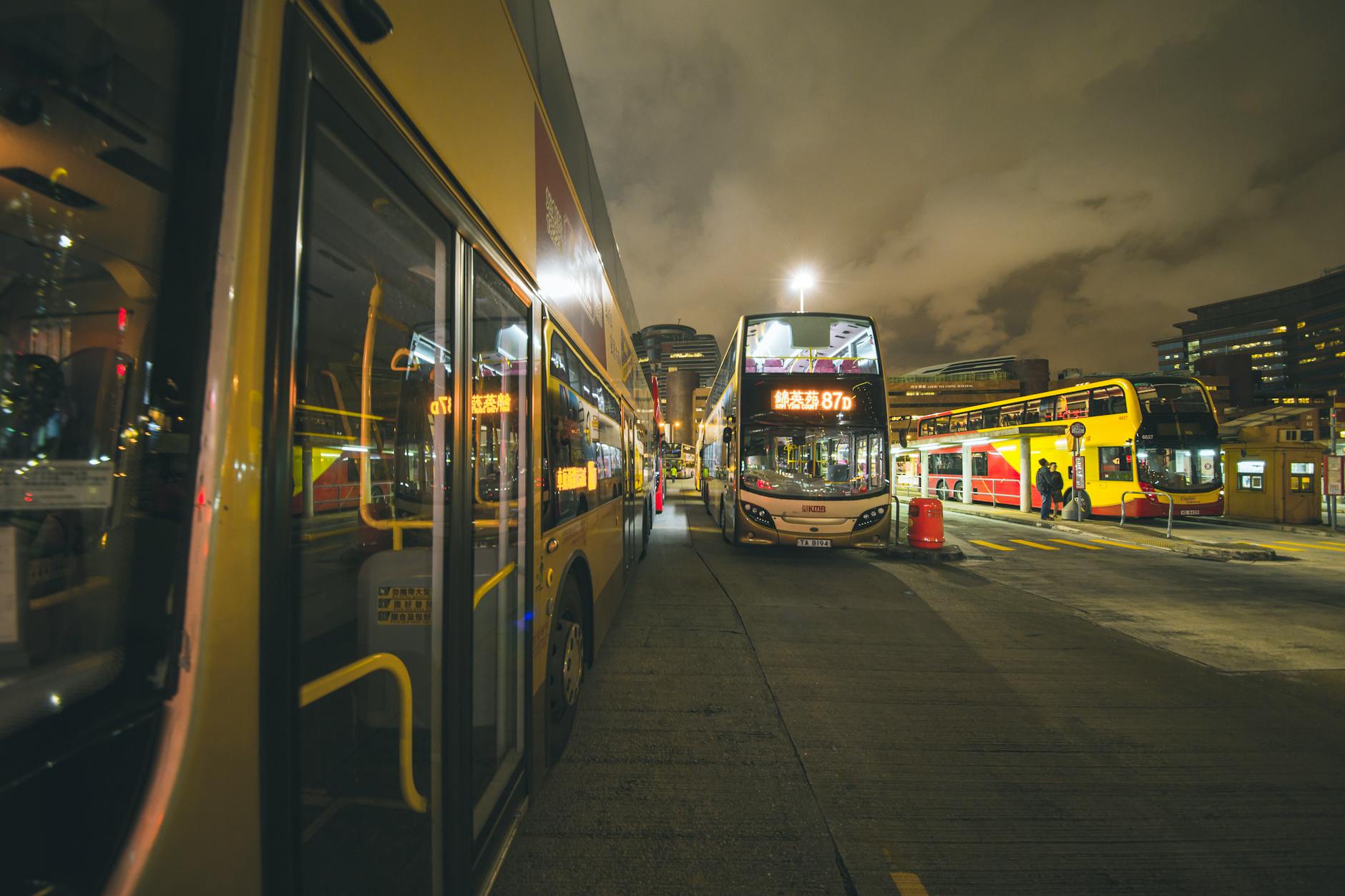
  • Why NYC Doesn’t Need Trams—Buses Are the Smarter Choice

    Why NYC Doesn’t Need Trams—Buses Are the Smarter Choice

    I recently came across a video arguing that New York City needs trams and that buses are inherently inadequate for the city’s transit needs. The premise of the video is familiar: trams, the argument goes, are faster, cleaner, and more efficient, and buses supposedly contribute to congestion while offering an inferior commuting experience. While this might sound compelling at first, a closer look at the realities of NYC streets and transit patterns suggests the opposite is true: buses, not trams, are far better suited to the city’s needs.

    First, trams are large, inflexible vehicles that require dedicated tracks. In a city like New York, where streets are already packed and every inch of road space is precious, adding trams would reduce lanes for cars, delivery trucks, and even emergency vehicles. The intended benefit of moving more people per vehicle could easily be outweighed by the increased congestion on the streets that remain. Unlike buses, which can weave around obstacles or adjust their routes in real time, trams are stuck on fixed tracks. A single blockage—from construction, an accident, or even a temporary street closure—could bring an entire line to a halt, leaving commuters stranded.

    Second, buses provide unmatched flexibility. They can cover neighborhoods that don’t have subway access, feed into existing subway stations, and be rerouted or scaled up depending on demand. Implementing a tram system would be costly, disruptive, and slow to adapt to the city’s ever-changing traffic conditions. NYC streets are not like the wide avenues of medium-density cities where trams can operate without major trade-offs; they are narrow, crowded, and already home to a complex mix of buses, trucks, taxis, and pedestrians. Introducing trams would likely create more problems than it solves.

    Finally, buses can serve a larger portion of the population more efficiently. They can be added or rerouted to match demand, they don’t require expensive construction, and they can complement the city’s extensive subway system without duplicating routes unnecessarily. In contrast, trams are a rigid investment in a limited path. The idea that trams are a superior alternative ignores the realities of urban planning in a dense, chaotic, and ever-evolving city like New York.

    Some might argue that a tram system could work if it were built on abandoned or isolated tracks, separate from busy streets. While this avoids some of the congestion problems, it introduces another set of limitations that make trams impractical for New York City. A tram running only on existing tracks is inherently restricted: it can only serve the areas along that track. Once the track ends, the tram ends—there’s no flexibility to extend service to other neighborhoods without laying entirely new tracks, which is costly, disruptive, and slow.

    Unlike buses, which can reach virtually any street in the city, a tram confined to old tracks leaves large swaths of the population unserved. Residents outside the tram’s path would see no benefit at all, and the tram would do little to address broader commuting needs. Even with isolated tracks, the fixed route problem remains: you cannot reroute around construction, detours, or sudden spikes in demand. The flexibility that makes buses so effective—being able to go anywhere, anytime, and adjust routes on the fly—is completely lost.

    In other words, a tramway, even if separate from roads, does not solve the fundamental challenges of NYC transit. It may provide a limited service along a narrow corridor, but it cannot replace the wide-reaching, adaptable network that buses already provide.

    Even if a tramway were built on isolated tracks and avoided the streets entirely, another major problem remains: accessibility. For residents who live far from the tram line, reaching it would require a separate commute. If you have to travel a significant distance just to get to the tram, the convenience of the tram itself becomes almost irrelevant. Commuters naturally prioritize proximity—people are far more likely to use whatever transit option is closest, whether that’s a bus or a subway, rather than making an extra trip just to reach a tram.

    In practice, this means that a tram would serve only a very limited slice of the city’s population. Even if it could theoretically get someone closer to their destination faster, the total journey time could actually increase when you factor in the extra distance to reach the tram in the first place. Buses, by contrast, can reach nearly every street and neighborhood, providing convenient and direct access without forcing commuters to go out of their way. A tram that’s difficult to access loses much of its intended value, reinforcing the argument that buses remain the more practical and versatile choice for New York City.

    Now, don’t get me wrong: I don’t think buses in NYC are perfect. There are certainly issues with traffic, road conditions, and congestion that affect their efficiency. But compared to subways, trains, or even a proposed tramway, buses remain far superior. Their flexibility, reach, and ability to adapt to the city’s constantly changing streets make them the most practical mode of surface transit available.

    That said, there is an even more promising option that could revolutionize urban transit: taxis, specifically services like Uber and Lyft. These vehicles can go almost anywhere in the city, offering direct routes without the need for fixed tracks or rigid schedules. Imagine if the MTA had its own line of taxis, operating at the cost of a local bus fare. This would be game-changing. Cars are smaller and easier to operate than buses or trains, meaning drivers wouldn’t need specialized licenses beyond a standard driver’s license. While each vehicle carries fewer passengers than a bus or train, the trade-off is more vehicles can be deployed simultaneously, increasing overall capacity and coverage.

    MTA cabs could operate along designated routes, similar to how buses and trains function now, ensuring efficiency and predictability. Riders could pay with their existing MetroCard or OMNY card, and the system could seamlessly integrate with the existing transit network. This approach combines the flexibility of on-demand transport with the accessibility and affordability of public transit, addressing many of the limitations buses, trams, and even subways currently face. It’s a forward-thinking solution that could transform commuting in NYC far more effectively than building new trams ever could.

    And why stop there? If the MTA truly wanted to modernize transportation, it could go beyond cars entirely. Imagine if there were MTA-operated motorcycles, bicycles, or electric scooters — all available to rent or summon through the same system. These smaller vehicles could navigate traffic more easily, reach tighter spaces, and provide commuters with faster, more personalized short-distance travel options.

    Just like the MTA’s hypothetical cab system, these vehicles could be integrated with OMNY or MetroCard payments, making them a natural extension of the city’s existing transit network. Instead of relying solely on large, lumbering vehicles that require massive infrastructure, the MTA could create a fleet of smaller, faster, and more agile options that fit the real flow of the city. A system like this would empower commuters with true choice — letting people decide whether they want to take a bus, a cab, or even a scooter, depending on what suits their trip best.

    Not only would this kind of system reduce the need for expensive projects like trams, but it would also help cut congestion by diversifying how people get around. Smaller vehicles take up less space, can move more freely, and are ideal for short-distance travel that doesn’t justify an entire bus or train trip. In the end, expanding the MTA’s vision to include all these transport modes would make public transit more flexible, accessible, and responsive to the way New Yorkers actually move through their city.

    And even crazier—what if the MTA didn’t just focus on transportation at all? What if it expanded into delivery and commerce? The MTA already moves millions of people daily across an immense network of buses, subways, and rail lines. That same infrastructure could be used to transport more than just people—it could move goods, packages, groceries, and even meals. Imagine MTA delivery services operating alongside existing routes, delivering items throughout the city at a low cost, using the very vehicles already in motion.

    It could go even further. Picture buses and trains with small onboard stores or kiosks, selling essentials—snacks, drinks, everyday items—so commuters could shop while they ride. Trains could even have designated delivery cars or compartments for local logistics, allowing small businesses and vendors to reach customers faster and more efficiently. In a city as dense and fast-paced as New York, where delivery demand is constant and space is limited, combining transportation and delivery into one integrated system could be revolutionary.

    This wouldn’t just modernize the MTA—it would redefine it. Instead of being just a transportation authority, it would become a full urban mobility and logistics network. People and goods could move together through the same channels, maximizing the use of every mile traveled. It’s an ambitious idea, but it fits perfectly with how New York operates: always moving, always adapting, always finding ways to make the impossible work.

    At the end of the day, trams just don’t make sense for New York City. The streets are already too crowded, the infrastructure too complex, and the flow of the city too dynamic for something as rigid as a tram system to fit in smoothly. Trams might work in cities with more open space or less traffic, but New York thrives on constant movement, change, and flexibility. The city’s transportation system needs to reflect that.

    Buses, taxis, bikes, scooters, and even futuristic ideas like MTA-operated deliveries all share one key strength: adaptability. They can change routes, adjust to demand, and fit into the ever-evolving pulse of the city. Trams can’t do that. They’re fixed in place, literally bound to the ground they run on. In a city that never stops changing, something so static is bound to fall behind.

    New York doesn’t need to look backward to old ideas like trams. It needs to look forward—to smarter, faster, more flexible ways of getting around and connecting everything that makes this city alive.

    In short, while trams might work well in other cities, New York City’s unique congestion, street layout, and reliance on a flexible transit network make buses the far smarter choice. Investing in more buses, better bus lanes, and improved service would deliver real benefits for commuters without the massive disruption and risk that introducing trams would entail.

  • who i think of when i think of the word “successful”

    Daily writing prompt
    When you think of the word “successful,” who’s the first person that comes to mind and why?

    the first person that comes to my mind at the moment is Trump. Not that i like the guy. I dont. I dont like him. But when you think of the word “successful,” that word, whether folks like him or not, is synonymous with him. He won the presidency for a second term. and his party is in control of all 3 branches.

  • Six Years Later: From Loss to Light

    Six Years Later: From Loss to Light

    2019 was a dark year for me. One of those years that changes you in quiet, irreversible ways. I lost my uncle and my cousin that year. Two people who meant a lot to me, gone within months of each other. The kind of loss that settles deep inside your chest, where words don’t quite reach. Everything felt heavier back then — the days, the air, the silence. I was trying to find some kind of outlet, some way to process everything I was feeling. I didn’t really know where to start or what to do with all the weight I was carrying.

    And then, one day in October 2019, a friend told me about WordPress. They told me about blogging — about how it could be a place to write, to share, to release. I didn’t know much about it, but something in me needed that — needed something. A spark. A direction. A place to put the words I couldn’t say out loud. So I decided to jump into it. I made an account, opened up a blank page, and started to write.

    That’s how The Musings of Jaime David was born.

    It started simple — just me, my thoughts, and a keyboard. I wasn’t thinking about audience or engagement or analytics. I wasn’t even thinking long-term. I just wanted to write something real. To take everything I’d been holding inside — the grief, the confusion, the flickers of hope — and put it somewhere safe. Somewhere outside of me. That first post, though small and uncertain, felt monumental. It was my way of saying, I’m still here. I’m still trying.

    Back then, I couldn’t have imagined what that small act of creation would become. I didn’t know that it would lead to six years of writing, expanding, and evolving. I didn’t know it would grow into multiple blogs, books, and even a podcast. I just knew that in that moment — in that year of loss — I needed something that would help me keep going. And WordPress became that lifeline.

    Now, here I am, in October 2025 — six years later. Looking back, it’s hard not to feel emotional. Because what began from grief and uncertainty turned into something bigger than I ever expected. Six years of words, ideas, reflection, and growth. Six years of navigating life’s chaos, both global and personal. Six years of learning to use creativity as a way to survive, heal, and connect.

    When I look at my journey, it still amazes me how far things have come. It started with one simple site — The Musings of Jaime David. Then, in 2020, I created The Interfaith Intrepid. That year was one of upheaval for everyone. The pandemic hit, the world shifted, and suddenly everything felt uncertain again. But writing remained a constant. The Interfaith Intrepid gave me a place to talk about society, politics, and the bigger questions that were weighing on so many of us. It became my outlet for understanding not just myself, but the world around me.

    From there, things began to branch out further. Over time, I realized that I wasn’t just one kind of writer. I had many sides, many interests, many voices that wanted to be heard. Earlier this year, in 2025, I created Let’s Be Different Together, my mental health blog — something that came from a deeply personal place. That blog wasn’t just about writing; it was about connection. It was about reminding others that they weren’t alone. It was about reminding myself that I wasn’t alone either.

    Not long after that, I created even more spaces — Jaime David Music, Jaime David Science, and Jaime David Gaming. Each one represented a different part of who I am. The musician and music lover. The scientist and thinker. The gamer and storyteller. Each blog gave me another way to explore the world, to express something unique.

    And then, just recently, I created two new blogs — Anime, Manga, and Comics and Oddities in Media. Those came from my love of storytelling, art, and the strange, fascinating corners of media that often go unnoticed. I wanted spaces where I could talk about the things that inspire me, that challenge me, that remind me why I fell in love with stories in the first place.

    It’s surreal when I pause and look at all of it together — eight blogs, each with its own tone, purpose, and identity. What started as one small corner of the internet has grown into an entire creative ecosystem. And through it all, I can trace a thread — a line that runs from that dark year in 2019, through every post, every project, every piece of growth.

    These six years haven’t been easy. I’ve lived through three presidencies, two elections, a pandemic, and countless global shifts. The rise of AI, the explosion of TikTok, wars in Ukraine and Gaza, floods, wildfires, shutdowns — the world has changed in ways we couldn’t have imagined. And personally, I’ve faced my own storms. More losses. More growing pains. Times of doubt, times of clarity, times of rediscovery. But through it all, the writing stayed. It was my anchor when things got too loud.

    And I think that’s the beauty of creative expression — it doesn’t erase pain, but it gives it shape. It turns it into something that can live outside of you, something that can even comfort others. In many ways, my writing has become a record not just of my growth, but of resilience — of the quiet persistence to keep going no matter what happens.

    This year, 2025, has been one of the most defining yet. Not just because of the new blogs, but because of everything else that came to life alongside them. This was the year I published my three books — Wonderment Within Weirdness, My Powerful Poems, and Some Small Short Stories. Seeing those books come to life felt like a culmination of years of work, reflection, and courage. My novel captured my imagination and my love for storytelling. My poetry book carried the raw emotion of years of introspection. And my short story collection held small pieces of humanity — fragments of observation and empathy that I’ve carried with me along the way.

    I also launched The Jaime David Podcast and my YouTube channel this year. The podcast has been especially meaningful — revisiting old poems, giving them voice, and reflecting on how far I’ve come since those early days of writing. There’s something powerful about hearing your own words aloud — about realizing how they’ve changed, how you’ve changed. The YouTube channel opened another door, one that allowed me to connect with others visually and emotionally. Both projects have been reminders that creativity is always evolving — that there’s always a new way to tell a story.

    When I think about these six years, I don’t just see accomplishments. I see survival. I see transformation. I see a journey that began in pain and found meaning through creation. Every blog post, every paragraph, every story — they all trace back to that moment in 2019 when I needed something to hold onto. And I found it in words.

    I’ve come to realize that writing, for me, isn’t just a passion — it’s a lifeline. It’s how I make sense of things. It’s how I process the world. And maybe, in some small way, it’s how I try to make the world a little softer. Because when I write, I’m not just talking to myself. I’m talking to anyone who’s ever felt lost, anyone who’s ever needed a reason to keep going.

    Of course, over these six years, there’s been growth — not just emotional or creative, but in reach as well. My main blog has surpassed 10,000 views. There are hundreds of subscribers and readers who have followed my work across different sites and platforms. That means a lot to me. But at the same time, I’ve never done this for the numbers. I’ve never written to chase likes or clicks. I write because it’s part of who I am. Because expression matters more than validation.

    That doesn’t mean I don’t appreciate it — I do, deeply. Every reader, every comment, every message — they all remind me that there’s connection in what I’m doing. But even if no one were to read, I would still write. Because writing has never been about popularity. It’s been about truth. About showing up as I am, flaws and all, and putting something honest into the world.

    If anything, these six years have taught me that authenticity matters more than anything else. In an age where so much feels curated, filtered, and performative, being genuine is an act of quiet rebellion. And that’s what I’ve always wanted my work to be — real. Whether it’s joyful or painful, hopeful or uncertain, I want it to feel human.

    When I look back on that younger version of myself in 2019 — the one struggling with loss, unsure of the future, typing words into a void — I want to tell him that it’s all going to matter. That the pain won’t disappear, but it will transform. That he’ll find meaning in unexpected places. That one small decision to write will set off a chain reaction of creation, healing, and growth.

    Because now, six years later, I can see it. I can see how far I’ve come. From grief to expression. From uncertainty to direction. From silence to voice.

    These six years haven’t just been about writing — they’ve been about becoming. Every site, every project, every piece of content is a part of that becoming. They tell the story of who I was, who I am, and who I’m still becoming.

    This anniversary feels different. More grounded. More real. Because I understand now that milestones aren’t just markers of achievement — they’re markers of endurance. They’re the quiet proof that you’ve kept going, even when it was hard.

    Six years ago, I was searching for something — maybe meaning, maybe purpose, maybe just a way to keep breathing through the hurt. And what I found was a voice. A space to grow. A way to turn pain into something that could be shared, something that could connect.

    I don’t know what the next six years will look like. Maybe more books, more blogs, new directions entirely. Maybe things I can’t even imagine yet. But I do know this: I’ll keep writing. I’ll keep creating. I’ll keep expressing. Because it’s not just what I do — it’s who I am.

    To everyone who has read my work, from the very beginning to now — thank you. Thank you for being part of this journey. Whether you’ve commented, shared, or quietly read along, you’ve made this experience richer. You’ve made me feel seen.

    Six years later, I’m still here — still writing, still growing, still learning. The losses of 2019 still live somewhere inside me, but they’ve evolved into something else now — something gentler. They’ve become part of the story. And maybe that’s what writing is really about — not escaping pain, but transforming it into meaning.

    So here’s to six years of The Musings of Jaime David, to every word that’s carried me forward, and to everyone who’s joined me along the way. Here’s to loss and healing, to creation and persistence, to everything that’s been and everything still to come.

    Thank you for reading. Thank you for being here.

  • Call for Submissions: Honoring Veterans Day 🌟

    In honor of Veterans Day this November, I’m inviting writers, poets, and artists to share their reflections on military service, sacrifice, and heroism. Whether you have a personal story, a poem, or artwork inspired by the theme of service and bravery, I’d love to feature your work!

    🗓 Submission Deadline: November 5, 2025
    📧 How to Submit: Email your submission to jaimedavid327@gmail.com or use https://docs.google.com/forms/d/e/1FAIpQLScPKv7ctWcJVuwQmsLj0CS5oofjyhdYvdp_KIL9Fn245ZnjXA/viewform?usp=dialog.


    Please include a short bio (optional), and make sure your work fits the theme of Veterans Day.

    Let’s honor those who have served by sharing their stories, whether personal or fictional, in a creative light. I look forward to seeing your submissions!

    Fediverse Reactions
  • Growth Through Time, Loss, and Understanding

    Growth Through Time, Loss, and Understanding

    There comes a point in life when you look back and realize you are not the same person you used to be. Not just in the obvious ways — the way you dress, the things you like, or the people you surround yourself with — but in the way you think, the way you feel, and the way you see the world. Growth, true growth, is something that doesn’t happen overnight. It takes years of mistakes, heartbreak, healing, and introspection. It takes loss. It takes disappointment. It takes a willingness to look in the mirror and admit that the person staring back at you is still a work in progress.

    For me, that process of growth began years ago, but it really started to take shape after 2019, when my uncle passed away. His death was one of those moments that forces you to stop and take stock of your life — not just of what you have, but of who you are. Before then, I’ll admit, I often felt stuck in my own head. I used to think I couldn’t change. I thought my circumstances, my flaws, my habits — all of it — were permanent. That I was just “this way.” I didn’t really believe in personal growth because I didn’t see it in myself. And I think a lot of people feel that way at some point. It’s easy to believe that self-improvement is something other people are capable of — people who are stronger, smarter, or luckier. But at the time, I didn’t think I was one of them.

    It took me years to break out of that mindset. Losing my uncle didn’t magically fix everything, but it broke something open in me — something that needed to be broken. It made me realize how fragile and temporary life really is. It made me understand that the moments we spend angry, bitter, or resentful are moments we can never get back. And in the years since, I’ve tried, slowly but surely, to live differently.

    I’ve learned to be more empathetic. That might sound like a simple or overused word, but true empathy isn’t just about understanding how someone feels — it’s about making space for it. It’s about realizing that everyone is fighting a battle you might not see, that people have reasons for why they are the way they are. I used to be quick to judge, quick to assume, quick to take things personally. But now, I try to pause. I try to think before reacting. I try to see where others are coming from, even if I don’t agree.

    Empathy has taught me patience. It’s taught me that the world doesn’t revolve around my feelings, my timing, or my perspective. It’s helped me see beyond myself — to recognize that kindness isn’t weakness, and that understanding doesn’t mean agreeing. When you start to see people as whole, flawed, and complicated human beings, it changes the way you move through the world. You stop seeing others as obstacles or irritations, and you start seeing them as reflections — mirrors of all the things you’re trying to understand in yourself.

    I’ve also learned to be more compassionate. Compassion is empathy in action. It’s not just feeling for someone — it’s doing something about it. It’s showing up when you don’t have to. It’s forgiving when it’s easier to hold a grudge. It’s giving the benefit of the doubt, even when part of you doesn’t want to. Compassion has taught me to see the humanity in everyone, even the people who have hurt me. Because the truth is, most people hurt others from their own pain. Understanding that doesn’t excuse what they do, but it gives you the power to respond with grace instead of anger.

    There was a time when I let anger control me more than I’d like to admit. I thought anger made me strong — that it protected me. But really, it just kept me trapped. I carried grudges like weights, thinking they’d make me tougher, when in reality they were only slowing me down. I used to believe that being vengeful or spiteful was a way of standing up for myself. But over time, I’ve learned that there’s more strength in letting go than in holding on.

    Peace isn’t something you find by winning arguments or proving people wrong — it’s something you find by releasing the need to. That’s one of the hardest lessons I’ve had to learn. To not be hateful, to not be vengeful, to not let bitterness take root. It’s not easy. It takes real effort to unlearn that kind of emotional reflex — to not respond in kind when someone hurts you. But I’ve learned that forgiveness, even when it doesn’t come naturally, is a gift you give to yourself as much as to others.

    And honestly, learning to not sweat the small stuff has been one of the greatest reliefs of my life. I used to overthink everything. I used to let small inconveniences ruin my day, let misunderstandings spiral in my head until they became full-blown conflicts that didn’t even exist in reality. But life is too short for that. When you lose someone close to you, it puts everything into perspective. The things that once seemed so big start to feel small. The things you used to stress over start to lose their power over you.

    I’ve learned that peace of mind comes from picking your battles carefully. Not every situation deserves a reaction. Not every comment needs a response. Not every person deserves your energy. Sometimes walking away is the strongest thing you can do.

    More than anything, I’ve learned to appreciate life. To really appreciate it — the way the morning light hits the window, the sound of laughter in a room, the comfort of a familiar song, the feeling of being understood by someone who cares. These moments used to slip by unnoticed because I was too caught up in what I didn’t have, or what wasn’t going right. But now, I try to stop and take them in. Because those are the moments that make life worth living.

    I’ve also learned to appreciate the people in my life more deeply. It’s so easy to take people for granted — to assume they’ll always be there, that there’s always time to say what we mean or to make things right. But time has a way of reminding us that tomorrow isn’t promised. That realization doesn’t have to be scary — it can be grounding. It can remind you to hug your loved ones a little tighter, to say “thank you” more often, to listen instead of waiting for your turn to speak.

    Losing someone you love changes you. It softens you. It humbles you. It makes you realize that no matter how much time you have with someone, it will never feel like enough. But it also teaches you to cherish every moment you do get. My uncle’s passing hurt deeply, but it also gave me perspective — it made me want to live a life that honors him. It made me want to be someone he’d be proud of.

    In the six years since he’s been gone, I can honestly say I’ve grown more than I ever expected to. I’ve learned to slow down, to reflect, to choose peace over pride, understanding over judgment, and love over resentment. Growth isn’t linear — there are still days I fall back into old habits, days I struggle with anger or self-doubt. But the difference now is that I recognize it. I don’t run from it. I try to understand it, learn from it, and move forward.

    Growth, I’ve realized, isn’t about becoming perfect — it’s about becoming aware. It’s about being conscious of who you are and who you’re becoming. It’s about catching yourself in those small moments and choosing differently than you used to. That’s what real transformation looks like.

    Looking back, I don’t think I would’ve believed I could change as much as I have. I used to think self-improvement was something you read about in books or saw in movies — not something you actually lived. But change isn’t always dramatic. Sometimes it’s quiet. Sometimes it happens in the pauses — in the moments when you choose not to yell, when you choose to forgive, when you choose to take a breath instead of reacting. Those moments add up. They shape who you are becoming.

    I still miss my uncle. I probably always will. But now, instead of only feeling pain when I think of him, I also feel gratitude. Gratitude that I got to know him, that his life had such an impact on mine, that his memory continues to guide me. He taught me, even in his absence, that love doesn’t end — it just changes form.

    And I think that’s what life is really about — change. It’s about learning to let go of the person you once were to make room for the person you’re meant to be. It’s about realizing that growth doesn’t mean forgetting the past, but using it as a foundation to build something stronger. It’s about living with intention, appreciating the simple things, and understanding that even when life is hard, it’s still worth living fully.

    If there’s one thing I’ve learned through all of this, it’s that personal growth isn’t a destination — it’s a journey. You never really “arrive.” You just keep going, learning, adjusting, and evolving. Some lessons are painful. Some are gentle. But all of them matter.

    And if I could go back and talk to my younger self — the one who thought he couldn’t change, who felt stuck and powerless — I’d tell him this: you can. It won’t happen all at once, but it will happen. You’ll lose people, you’ll make mistakes, you’ll stumble — but you’ll also heal, learn, and grow. You’ll learn to let go of the anger, the grudges, the bitterness. You’ll learn to love people better. You’ll learn to appreciate the small things. You’ll learn that peace isn’t found in control, but in acceptance.

    And someday, without even realizing it, you’ll look back and see just how far you’ve come.

    Fediverse Reactions