The Musings of Jaime David
@jaimedavid.blog@jaimedavid.blog

The writings of some random dude on the internet

1,126 posts
1 follower

Month: March 2026

  • Expanding the Universe: Where to Find My Work (And Why It Matters More Than Ever)

    Expanding the Universe: Where to Find My Work (And Why It Matters More Than Ever)

    There’s something I’ve been thinking about a lot lately—not just creating, not just writing, not just putting content out into the world—but building something that actually lasts. Something that isn’t confined to one platform, one algorithm, one fleeting moment of visibility before it disappears into the void. Because if there’s one thing I’ve learned over the years, it’s that creativity deserves space. Real space. Multiple spaces.

    That’s part of why I’ve expanded far beyond just one site or one format.

    Most of you already know my WordPress blogs. That’s been home base for a long time. That’s where a lot of my writing lives, where I’ve built consistency, where I’ve grown. But over time, I realized something important: not everything fits neatly into one place. Not every idea belongs in the same format. Not every piece of content should be confined to text alone.

    And that realization led me to build out something much bigger.

    I’ve been quietly developing and growing my presence across multiple video platforms—places where I can share ideas differently, where tone and delivery matter just as much as the words themselves, where content can feel more immediate, more raw, more alive.

    If you haven’t checked them out yet, here’s where that side of my work lives:

    Rumble: https://rumble.com/user/jaimedavid27?e9s=src_v1_cbl
    BitChute: https://www.bitchute.com/channel/Ii4AmoOj7Prw
    Dailymotion: https://www.dailymotion.com/user/jaimedavid327

    Each of these platforms serves a purpose. This isn’t just duplication for the sake of duplication. It’s about reach, resilience, and making sure content actually gets seen. Different audiences, different ecosystems, different ways of engaging. Some people prefer one platform over another, and instead of forcing everything into one place, I’ve made it accessible across all of them.

    And what you’ll find there isn’t just one type of content either.

    It’s a mix. Commentary. Reflections. Ideas that don’t always make it into written posts. Things that are better said out loud. Sometimes more direct, sometimes more experimental. Sometimes just me speaking in a way that writing doesn’t quite capture.

    That’s the thing about creating across formats—you start to realize that your voice isn’t just one thing.

    It evolves depending on how you express it.

    And that same philosophy carries over into my writing outside of WordPress too.

    Because while my blogs have been my foundation, they’re not the only place I write anymore.

    I’ve also been building out my presence on Medium:
    https://medium.com/@jaimedavid327

    And if you haven’t been there, you’re missing a different side of my work.

    There are posts on there that you won’t find on my WordPress blogs. Not reposts. Not duplicates. Completely separate pieces. Different topics, different approaches, sometimes more long-form, sometimes more experimental, sometimes just things that felt like they belonged somewhere else.

    It’s another extension of the same idea: not everything fits in one box.

    Some ideas need their own space.

    Some writing needs a different audience.

    Some thoughts deserve to exist outside the structure I’ve already built.

    And when you put all of this together—the blogs, the video platforms, the Medium posts—you start to see the bigger picture. This isn’t just content creation in the casual sense. This is an ecosystem. A network of ideas spread across multiple platforms, each one reinforcing the other, each one offering something a little different.

    That’s what I’ve been building.

    Something layered.

    Something expansive.

    Something that doesn’t rely on a single algorithm or a single site to survive.

    Because let’s be real for a moment—platforms change. Algorithms shift. Visibility comes and goes. Anyone who’s been creating long enough knows that nothing online is guaranteed. So instead of putting everything in one place and hoping for the best, I’ve taken the opposite approach.

    Diversify. Expand. Adapt.

    And through that process, something else happens too—you start to refine what makes your work unique.

    For me, it’s the range.

    I don’t stay in one lane. I never really have. I’ll write about science, then shift into something deeply personal. I’ll analyze something societal or political, then pivot into storytelling or creative expression. I’ll post structured essays in one place and more freeform, off-the-cuff content in another.

    It’s not random. It’s intentional.

    Because the world isn’t one-dimensional, and neither is creativity.

    And if you’ve been following my work for a while, you’ve probably seen that evolution happen in real time. From early blog posts to where things are now, from written content to branching into video, from one platform to many.

    This is what growth looks like.

    Not just doing more—but doing more in different ways.

    Reaching people in different formats.

    Building something that doesn’t collapse the moment one piece of it falters.

    And if you’ve ever gotten something out of my work—whether it’s a blog post that made you think, a piece of writing that stuck with you, or even just the idea that someone out there is trying to create something meaningful in a very noisy world—then all of this expansion is for you as much as it is for me.

    Because at the end of the day, none of this exists in a vacuum.

    Content only matters if it reaches people.

    Ideas only matter if they resonate.

    And creativity only truly lives when it’s shared.

    So yeah, you can check out the platforms. You can explore the content. You can see the different sides of what I do and how it all connects.

    But more than anything, this is about continuing to build something that’s real.

    Something that keeps growing.

    Something that doesn’t stay confined.

    And for those who have asked how to support what I do, there’s also this:

    https://ko-fi.com/jaimedavid

    No pressure, no expectations—just another way to keep things moving forward for those who want to.

    Because building something like this takes time. It takes energy. It takes consistency across multiple platforms, multiple formats, multiple ideas all being developed at once.

    And I’m not stopping anytime soon.

    If anything, this is just another step in making everything bigger, broader, and more connected than it was before.
    Fediverse Reactions
  • Jaime David in the World of Writing: My Story and the Many Namesakes

    Jaime David in the World of Writing: My Story and the Many Namesakes

    When people hear the name Jaime David, most of the time I think they have no idea just how many people share it. But for me, the first Jaime David is obviously me—the indie author and scientist who has spent years blending storytelling with rational inquiry. That’s the Jaime David I want to talk about first: my work, my journey, and why I write the way I do. But I’ll also touch on other authors and professionals who share my name, because it’s kind of fascinating how many creative and skilled people happen to have the same combination of names.

    I write because I want to explore the human experience in a way that’s honest, emotional, and often scientific. My stories tend to live at the intersection of science, human connection, and emotional honesty. In 2025 alone, I published three books, including Wonderment Within Weirdness, which is one of my favorites. That book in particular leans into a comic book–inspired narrative style, which lets me dive into complicated ideas while keeping them visceral and accessible. A lot of my writing touches on identity, mental health, and personal growth, but I like to think I approach it in a way that combines emotion with analytical clarity. My background in science and data gives me that foundation—I can tell a story and explore human experience without losing sight of logical structure or scientific nuance.

    I also host The Jaime David Podcast, which has been a really important outlet for me. On it, I talk about my creative process, reflect on my older poetry, and generally try to give listeners insight into how my mind works. For me, writing isn’t just about putting words on a page—it’s about creating a connection with readers and listeners, sharing the process, and hopefully inspiring people to think about their own experiences in a deeper way. Radical empathy and self-compassion are huge parts of how I approach both life and writing, and I try to carry that through everything I create.

    Being an independent author has also allowed me to maintain complete creative control. I self-publish because I don’t want someone else telling me what to include, what to cut, or how to structure my work. That freedom lets me experiment, take risks, and write in a voice that’s uniquely mine. I’ve always believed that authenticity is more important than conformity, and I think self-publishing has allowed me to hold onto that in every project I release.

    But I’m not the only Jaime David doing interesting work in writing. Another Jaime David is an educator for BERNINA of America who writes extensively on sewing, textiles, and overlocker techniques. She’s written for the WeAllSew blog and creates patterns that help readers turn instructions into tangible, creative projects. Her work is a different kind of authorship than mine—it’s instructional and skill-based—but it’s still creative, thoughtful, and impactful. I find it fascinating how writing can take so many forms, from emotional storytelling to teaching a practical craft.

    Then there’s Jaime M. David, a fashion and lifestyle communications consultant based in New York. She writes about brand strategy, PR, and lifestyle topics, shaping narratives that influence perception and culture. While she isn’t writing fiction or poetry, her work shows that authorship isn’t limited to books—it can be about shaping ideas, crafting stories for brands, and communicating effectively with audiences. It’s another reminder that the act of writing can exist in so many different spaces, not just the literary one I operate in.

    There’s also a Jamie David on Amazon, though that profile seems a bit mixed or shared. Still, it represents another facet of what authorship looks like in the digital age: independent, self-published, and reaching audiences across platforms. And then there’s Jamie Davis, an English actor and writer, known for Hex, Casualty, and the 2023 series You & Me. His work demonstrates the connection between performing and writing, and how storytelling can span both visual and textual mediums. Finally, Jamie Sams and David Carson co-authored Medicine Cards, a spiritual guide that combines historical knowledge, cultural insight, and practical reflection. Their work shows yet another form of authorship: one that’s meant to guide, reflect, and help readers explore themselves.

    Seeing all these people together makes me reflect on what it means to share a name with other creatives. Even though we work in very different fields, there’s a shared thread: all of us are trying to communicate something meaningful. Whether it’s my fiction and poetry, sewing patterns, lifestyle consulting, acting and writing, or spiritual guides, writing becomes a way to connect, teach, or inspire. And while I like to joke that I’m “obviously” the first Jaime David, I also find it motivating to see other people with the same name doing creative work. It reminds me how diverse authorship can be, and how many different ways writing can impact the world.

    At the end of the day, my goal remains the same: I want to tell stories that are emotionally honest, intellectually rigorous, and resonant. I want to explore human experience in a way that blends science, emotion, and reflection. But I also take inspiration from the broader community of Jaime Davids and Jamies in writing, because it shows me that authorship isn’t one-size-fits-all. It’s flexible, adaptive, and alive in so many forms. Each person with my name—or a similar one—is contributing their own voice to the world, and that’s something I feel proud to be part of, even as I focus on the work that’s uniquely mine.

    Fediverse Reactions
  • The Many Faces of Jaime David: Politics, Medicine, and Creativity

    The Many Faces of Jaime David: Politics, Medicine, and Creativity

    In a world increasingly connected by information, names often serve as gateways to stories, accomplishments, and legacies. One such name, Jaime David, spans continents, industries, and spheres of influence, linking individuals who have contributed to politics, medicine, culinary arts, fashion, and education. While it might seem unusual to examine people connected only by a shared name, the diverse achievements of individuals named Jaime David provide a fascinating lens into human potential and the many ways one can impact the world. From political leadership to medical innovation, and from creative culinary expression to lifestyle consultancy, the story of Jaime David is not a single narrative but a rich tapestry of human endeavor.

    In the realm of politics and public service, one of the most prominent figures bearing this name is Jaime David Fernández Mirabal. A distinguished psychiatrist and politician from the Dominican Republic, Fernández Mirabal served as Vice President from 1996 to 2000, playing a critical role in shaping national policy during a transformative period in his country’s history. Beyond his vice-presidential tenure, he held important ministerial roles, including Minister of Environment and Minister of Sports, demonstrating a versatile engagement with governance that extended from social welfare to ecological stewardship. What adds profound depth to his public life is his familial connection to the Mirabal sisters, revered figures in the Dominican resistance against the brutal Trujillo dictatorship. The Mirabal sisters’ legacy of courage and activism resonates in Fernández Mirabal’s own dedication to public service, and his career can be viewed as a continuation of their commitment to societal betterment. His work reflects a blending of medical expertise, political acumen, and social consciousness, exemplifying how personal history can shape a public career.

    Another figure in politics sharing this name, though tragically marked by loss, is Jaime David Nieto Rojas, a Peruvian naval officer and security detail member for the Minister of Defense. Rojas’ life was cut short in a tragic accident in March 2026, an event that not only shocked the Peruvian defense community but also highlighted the inherent risks undertaken by those who serve in national security roles. While his life may have been brief, the dedication reflected in his career is a poignant reminder of the often-unseen sacrifices that individuals make to ensure the safety and stability of their nations. His story adds a somber, human dimension to the discussion of Jaime Davids in public service—a narrative of duty, courage, and the unpredictable fragility of life in high-stakes roles.

    Transitioning from politics to medicine and health, the name Jaime David again emerges, but in a very different context. Dr. Jaime David Martinez Martinez is an ophthalmologist and Associate Professor of Clinical Ophthalmology at the Bascom Palmer Eye Institute in Miami, Florida. Specializing in dry eye disease and corneal transplantation, Dr. Martinez Martinez combines clinical excellence with a commitment to research and education. His work has a tangible, direct impact on patients’ quality of life, restoring and preserving vision in ways that fundamentally transform human experience. Ophthalmology, often considered one of the most delicate and technically demanding medical fields, requires both precision and empathy—qualities that Dr. Martinez Martinez exemplifies. His presence in the medical community demonstrates the value of specialized expertise and the importance of advancing scientific knowledge to meet the evolving needs of patients worldwide.

    Similarly, Jaime David Luna, a Physician Assistant specializing in cardiology in Murray, Utah, represents another facet of medical service linked to this name. While his role differs from that of a physician or surgeon, Luna’s work in cardiology emphasizes the crucial, hands-on care that supports both patient recovery and ongoing wellness. The PA role, particularly in specialized fields like cardiology, reflects the interdisciplinary nature of modern medicine, where collaboration, patient education, and procedural support are as vital as surgical or diagnostic interventions. Both Dr. Martinez Martinez and Jaime David Luna showcase the impact that medical professionals can have at different levels of responsibility, highlighting how the dedication of one individual can ripple across patients’ lives and broader medical communities.

    Beyond the spheres of politics and medicine, Jaime David is also a name associated with creativity, lifestyle, and innovation. Jaime David Rodríguez Camacho, a celebrated Colombian chef and owner of Celele Restaurante in Cartagena, exemplifies how culinary arts can intersect with cultural heritage and scientific research. Rodríguez Camacho is recognized for his work in exploring Caribbean Colombian biodiversity and incorporating contemporary culinary techniques into traditional flavors. His approach reflects a sophisticated understanding of both science and artistry, as he blends local ingredients with innovative preparation methods. Chefs like Rodríguez Camacho contribute not only to gastronomy but also to cultural preservation and sustainability, elevating food from a daily necessity to a medium for storytelling and environmental awareness. His work invites audiences to consider how culinary practice can honor the past while experimenting with the future, connecting people to place, history, and ecology through taste and presentation.

    In the realm of fashion and lifestyle, Jaime M. David, an NYC-based communications consultant, demonstrates the influence of strategic guidance and branding in shaping modern consumer culture. Working with brands such as Aviator Nation and Dagne Dover, Jaime M. David combines knowledge of market trends, visual storytelling, and lifestyle positioning to help brands cultivate meaningful connections with their audiences. While less publicly celebrated than political leaders or medical innovators, professionals in lifestyle communications play a critical role in shaping how people experience and interpret culture. They bridge the gap between creative expression and practical engagement, ensuring that aesthetic and conceptual work reaches and resonates with a broader audience. Jaime M. David’s career highlights the often-invisible expertise that supports creative industries, illustrating the multifaceted ways in which individuals can influence society beyond traditional forms of public recognition.

    Further expanding the creative and educational scope of Jaime Davids, we find Jaime David as a BERNINA Educator, an Education Project Manager and overlocker specialist at BERNINA of America. His work focuses on sewing and textile education, empowering individuals to develop technical skills and explore their creative potential. Education, particularly in applied arts like sewing, often combines technical mastery with personal expression, and Jaime David’s contributions demonstrate the transformative power of knowledge-sharing. By teaching specialized skills, he not only preserves important craft techniques but also inspires innovation, encouraging students to experiment and integrate personal creativity into traditional practices. In a broader context, educators like Jaime David help cultivate resilience, patience, and problem-solving—skills that extend beyond their immediate domain, shaping students’ confidence and capacity for lifelong learning.

    Considering all these individuals collectively, it is remarkable how the name Jaime David spans such diverse arenas—politics, public service, medicine, culinary arts, fashion, and education. While there is no single narrative that unites them beyond the shared name, the thematic connections are striking. Across contexts, these individuals demonstrate dedication to their craft, the ability to influence others, and a commitment to improving the lives of those around them. In politics, Jaime David Fernández Mirabal and Jaime David Nieto Rojas exemplify service and sacrifice, navigating the complexities of governance and national security. In medicine, Dr. Jaime David Martinez Martinez and Jaime David Luna provide critical care and expertise, enhancing human well-being through science and compassion. In creative fields, Jaime David Rodríguez Camacho, Jaime M. David, and the BERNINA Educator Jaime David embody innovation, expression, and education, shaping experiences, skills, and culture in profound ways.

    The stories of these individuals also emphasize the intersection of personal passion and professional accomplishment. Fernández Mirabal’s background in psychiatry informs his political approach; Martínez Martinez’s research enhances patient care; Rodríguez Camacho’s culinary artistry integrates environmental and cultural awareness. Even in fields that might seem purely technical or administrative, like security or lifestyle consulting, Jaime Davids demonstrate a human-centered approach, showing that expertise alone is insufficient without empathy, ethical engagement, and creative insight. This shared quality—commitment to improvement, whether of society, health, or culture—can be viewed as a philosophical throughline connecting otherwise disparate lives.

    Moreover, examining the accomplishments of Jaime Davids highlights the global nature of influence and expertise. These individuals hail from the Dominican Republic, Peru, Colombia, and the United States, reflecting not only geographical diversity but also the ways in which talent and dedication manifest across cultures and contexts. In an era of globalization and cross-disciplinary collaboration, such stories are increasingly valuable, demonstrating that impact is not confined to one region or profession. The varied paths of Jaime Davids suggest a broader lesson about human potential: while circumstances and opportunities differ, commitment, skill, and creativity can resonate far beyond immediate boundaries, leaving legacies that inspire and inform others.

    It is also worth considering the role of legacy in these narratives. Fernández Mirabal’s connection to the Mirabal sisters situates him within a historical continuum of resistance and civic engagement, showing how familial history can inform contemporary leadership. Similarly, chefs, educators, and medical professionals contribute to legacies of skill, knowledge, and culture, shaping the experiences of future generations. Even those whose lives were tragically shortened, like Jaime David Nieto Rojas, leave legacies of courage and dedication that are remembered and honored. In all cases, the achievements of these individuals illustrate the multifaceted ways in which people can leave an enduring impact, whether through governance, healing, creation, or education.

    The diversity of careers and achievements associated with the name Jaime David also underscores a broader societal truth: excellence is not limited to fame or conventional metrics of success. While politicians and chefs may enjoy public recognition, medical professionals and educators often work with less visibility, yet their contributions are equally essential to societal well-being. Jaime David as a name becomes a symbol, in a sense, of the variety of ways human beings can contribute meaningfully to their communities, whether through policy, science, creativity, or mentorship. Recognizing this diversity fosters a more holistic appreciation of achievement, one that values both visible and unseen forms of labor and inspiration.

    Furthermore, reflecting on these figures collectively encourages an understanding of human interconnectedness. Political decisions, medical advances, culinary innovation, lifestyle consultancy, and education all influence one another in subtle but profound ways. A well-informed public benefits from political stewardship and health expertise; communities are enriched by cultural and culinary innovation; creative and technical education nurtures the skills necessary for both personal fulfillment and societal advancement. In this sense, the achievements of individuals named Jaime David serve as microcosms of broader societal dynamics, illustrating how dedication in one sphere can ripple across others, contributing to the complex tapestry of human progress.

    In addition to their professional accomplishments, the stories of Jaime Davids highlight qualities that are universally admired: resilience, dedication, innovation, and empathy. Fernández Mirabal’s political acumen is matched by a deep concern for environmental and social issues. Martínez Martinez’s meticulous medical practice combines technical skill with compassionate patient care. Rodríguez Camacho’s culinary exploration reflects both creative vision and ecological awareness. The BERNINA Educator’s focus on empowering learners demonstrates the enduring value of mentorship and skill development. Even in lives marked by tragedy, such as that of Nieto Rojas, courage and selflessness shine as defining characteristics. These qualities transcend industry or geography, forming a connective thread that binds these diverse individuals together conceptually, if not directly.

    The multiplicity of Jaime Davids also invites reflection on the nature of identity and achievement. A name, while merely a label, becomes a vessel for stories, accomplishments, and values. By exploring the lives of people who share a name, we can better appreciate the richness and variety of human endeavor, recognizing patterns of excellence, creativity, and compassion across contexts. It challenges us to look beyond the surface of familiarity and to consider the ways in which individuals shape and are shaped by their circumstances, opportunities, and passions. In this light, Jaime David becomes not just a name but a prism through which to examine human potential in its many forms.

    In conclusion, the individuals named Jaime David exemplify the vast range of human capability and influence. From the high-stakes arenas of politics and national security to the precision and care of medicine, and from the innovation of culinary arts to the subtle guidance of lifestyle consultancy and textile education, these figures demonstrate that impact can take many forms. Each has contributed to the betterment of society, whether through leadership, healing, creation, or teaching. Together, they remind us that names may link individuals by chance, but it is the dedication, skill, and empathy of each person that create lasting meaning. By reflecting on their lives collectively, we not only celebrate their accomplishments but also gain insight into the broader human story—one of interconnectedness, potential, and the enduring power of commitment to craft and community.

  • Social Media Addiction: A Personal Reflection on Recent Legal Developments

    Social Media Addiction: A Personal Reflection on Recent Legal Developments

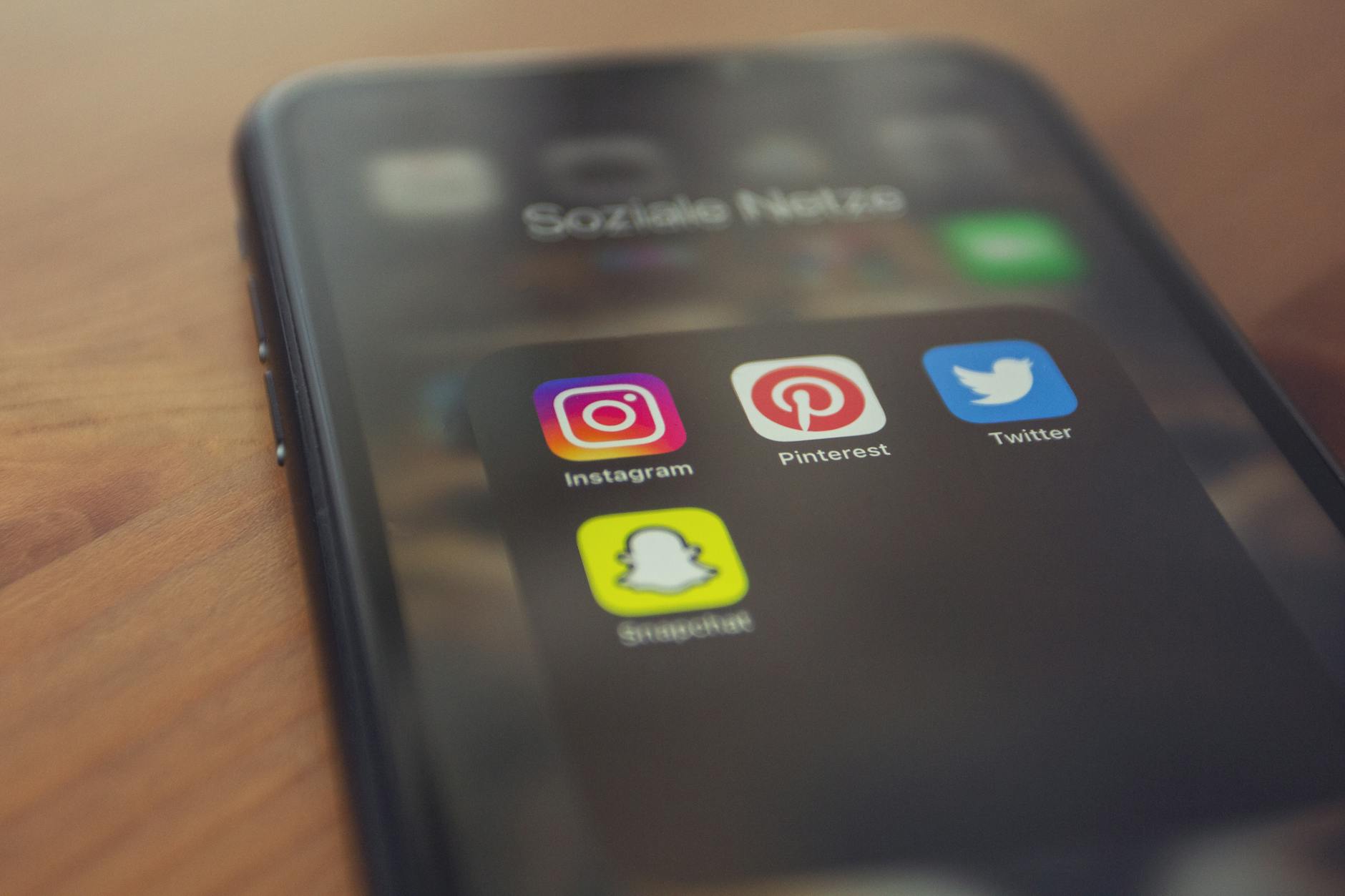
    The recent lawsuits against major social media companies, alleging harm caused by addictive design, have caught my attention and prompted reflection on the nature of social media use in my own life and the lives of those around me. These cases, where courts have held platforms liable for contributing to compulsive behavior, underline the seriousness of an issue that many people still dismiss as trivial or exaggerated. While the plaintiffs in these cases are young individuals claiming mental health impacts, the implications extend far beyond age groups, reaching into adult behavior, family dynamics, and our broader understanding of how technology influences human habits.

    Watching the news coverage and reading about the court’s findings, I couldn’t help but see parallels in my own experiences. People I know, older adults even, exhibit patterns that resemble what the lawsuits describe. Hours spent scrolling, compulsive checking, waking up to engage with content, and frustration or denial when confronted about usage—these are not just habits, they are behaviors characteristic of addiction. It is easy to dismiss such actions as a harmless pastime, but when observed closely, they reveal a persistent pattern where engagement becomes prioritized over rest, social interactions, or personal well-being.

    I have noticed this in someone I know. Their use of online video platforms and other internet content has gradually intensified over the past decade, becoming an almost constant presence in daily life. They often spend hours at the computer, beginning the day by immediately logging in, and sometimes continuing late into the night, even waking in the middle of sleep to resume. Attempts to gently suggest moderation are met with defensiveness or denial, an emotional response consistent with addictive behaviors. While the individual themselves may not perceive a problem, the patterns are clear to others who observe from the outside, highlighting the disconnect between self-perception and observable reality.

    The recognition of social media addiction as a legitimate concern is, in my view, long overdue. Society often underestimates the power of algorithms and design features in shaping behavior. Infinite scroll, autoplay, personalized recommendations, and reward cues exploit the brain’s dopamine pathways, creating a loop that encourages continued engagement. The lawsuits against the platforms are a public acknowledgment that these design features are not neutral; they actively foster compulsive usage. When combined with human susceptibility, these elements create a potent environment for behavioral addiction.

    The personal relevance of these developments extends beyond observation into reflection on responsibility and empathy. Understanding addiction requires recognizing that denial, defensiveness, and minimization are common reactions. People caught in these patterns may genuinely believe their behavior is normal or harmless, even while it disrupts their routines, sleep, or relationships. Witnessing someone close to me exhibit these behaviors has reinforced my belief that social media addiction is not a trivial issue but a legitimate form of compulsive behavior, deserving the same attention and care as other recognized addictions.

    Moreover, these cases raise broader societal questions about accountability. If platforms knowingly design tools that exploit psychological vulnerabilities, what obligations do they have to users? Should there be stricter regulations on engagement-based design, especially when it targets vulnerable populations? The legal precedent being set suggests that responsibility does not lie solely with the individual, but is shared with the entities that engineer the environments in which addiction can flourish. This is a critical shift in perspective, acknowledging that technology is not merely neutral but can shape behavior in profound ways.

    Reflecting on these developments also prompts consideration of preventive measures and support structures. Encouraging self-awareness and moderation, offering alternatives to compulsive usage, and fostering environments where discussion about online habits is normalized are important steps. In personal contexts, this might involve gentle observation and conversation, helping individuals recognize patterns without judgment. On a societal level, it might involve education about digital wellness, access to resources for behavioral management, and public discourse about the ethics of design and its consequences.

    In addition, these lawsuits highlight the universality of addictive tendencies. Addiction does not discriminate by age, occupation, or social status. While the cases focused on younger users, the patterns I observe in older adults demonstrate that susceptibility persists across the lifespan. Prior experiences with other addictive behaviors can also influence vulnerability, reinforcing the need for awareness and proactive strategies in addressing digital consumption. Recognition of these patterns, combined with compassion and practical support, can help mitigate the harm associated with excessive engagement.

    The conversations around social media addiction, legal accountability, and personal observation intersect to create a powerful narrative about modern life. Technology is deeply embedded in our daily routines, yet the potential for harm is significant and often overlooked. These lawsuits serve as both a wake-up call and a validation for those who have long recognized the addictive potential of online platforms. They encourage society to move beyond casual dismissal and toward acknowledgment, understanding, and constructive action.

    On a personal level, seeing the alignment between observed behavior and documented cases strengthens my conviction that intervention, awareness, and dialogue are essential. Addiction thrives in secrecy and denial, but recognition and support can create space for moderation, recovery, and balance. While technology will continue to evolve, the principles of self-awareness, responsibility, and empathy remain crucial in managing the impact of digital tools on human behavior.

    Ultimately, the acknowledgment of social media addiction in the legal realm mirrors the experiences many witness in daily life. Whether it is a young person struggling with compulsive engagement or an older adult exhibiting prolonged, immersive use, the patterns are recognizable and significant. These insights encourage reflection on how society, families, and individuals can approach the challenge, emphasizing compassion, informed dialogue, and practical strategies for healthier interaction with technology.

    As social media continues to shape culture, communication, and personal habits, recognizing its addictive potential is critical. The recent lawsuits highlight not only the responsibility of platforms but also the importance of awareness among users and their communities. Observing addiction in familiar contexts, acknowledging its legitimacy, and fostering strategies for management create pathways toward balance. The conversation is ongoing, both legally and personally, and underscores the need for vigilance, empathy, and proactive engagement in addressing the complexities of digital life.

  • Magic Spoon and the Search for a Better Breakfast

    Magic Spoon and the Search for a Better Breakfast

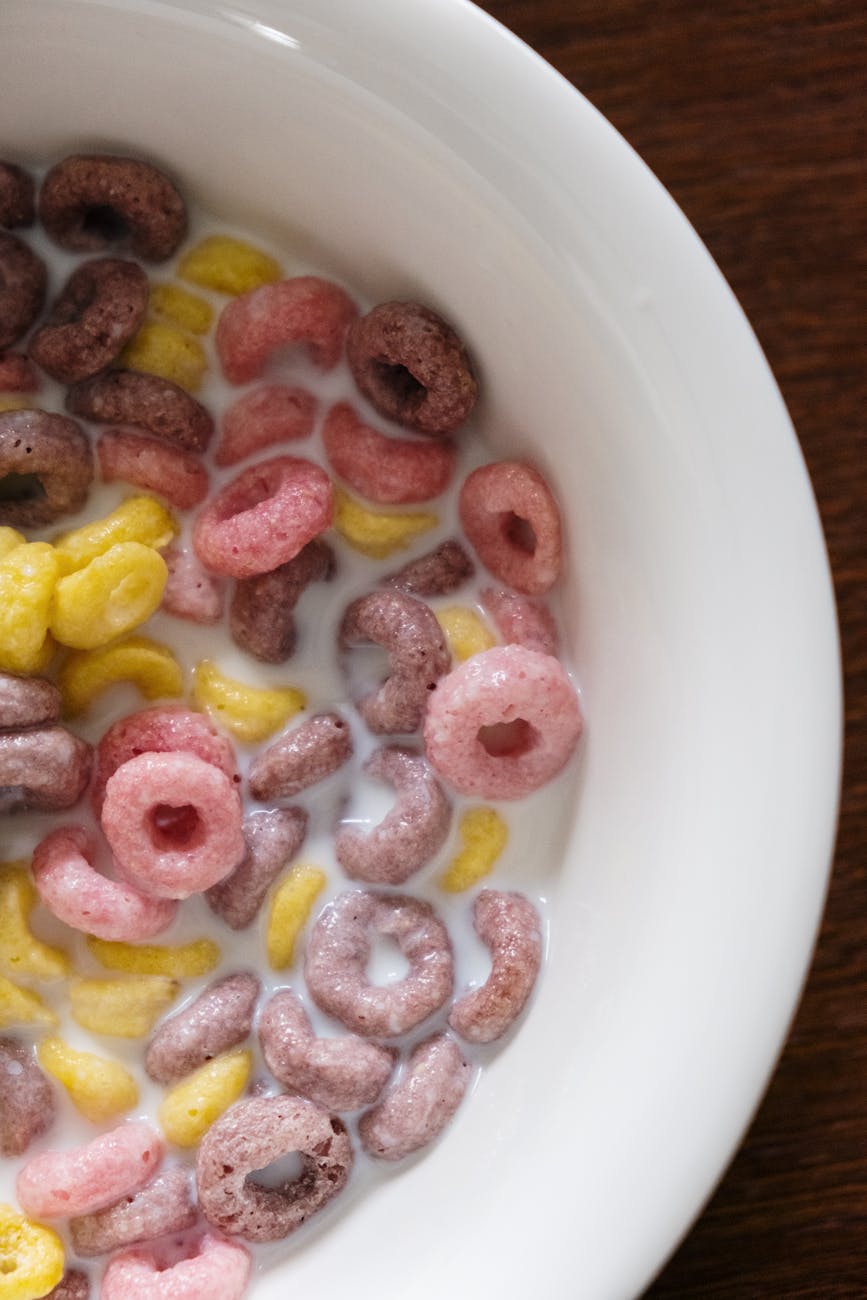
    There is something almost ritualistic about breakfast, even for those of us who don’t always treat it that way. It is the first decision we make for our bodies each day, the first act of either intention or neglect. For a long time, breakfast has lived in this strange cultural space where convenience often outweighs nutrition, where sugary cereals and processed pastries dominate the landscape, and where “quick” becomes more important than “good.” That is part of what made me curious about Magic Spoon in the first place. This is not a paid endorsement, not an advertisement, not some attempt to sell anything to anyone. This is simply my honest experience so far, shaped by curiosity, a desire to eat better, and a willingness to try something new even if it comes at a slightly higher price.

    I had seen Magic Spoon everywhere before I ever decided to try it. It showed up in YouTube ads, in the middle of videos I was already watching, sometimes in ways that felt almost unavoidable. There is something interesting about that kind of visibility. It plants a seed. At first, I dismissed it the way I dismiss most ads, assuming it was just another overhyped product trying to position itself as healthier than it really is. But over time, the repetition did something subtle. It made me wonder if there was actually something to it. If so many people were talking about it, promoting it, reviewing it, then maybe it was at least worth trying for myself instead of relying on assumptions.

    Eventually, curiosity won. I decided to order the variety pack, specifically the protein pastries and the protein cereal bars. I wanted to get a broad sense of what the brand was offering without committing to just one flavor or product type. Right away, one thing stood out: the price. It is not cheap. There is no way around that. Compared to traditional breakfast foods you can grab at a grocery store, Magic Spoon sits at a noticeably higher price point. That alone might be enough to turn some people away, and honestly, I understand that hesitation. When you are used to spending a few dollars on cereal or breakfast bars, paying significantly more feels like a risk.

    But sometimes trying something new requires accepting that risk, especially if the goal is to shift toward healthier habits. If you are trying to eat better, you often end up paying more upfront. That is not always fair, and it says a lot about how our food systems are structured, but it is the reality many of us navigate. So I went into this experience knowing it was a bit of an investment, hoping that it would be worth it.

    When the package arrived, there was a sense of anticipation that felt oddly significant for something as simple as breakfast food. Maybe it is because I had seen it so many times online. Maybe it is because I was hoping it would actually live up to the idea of being both healthier and enjoyable. There is always that tension when trying “healthier alternatives,” because so often they sacrifice taste in the process. That is usually the trade-off: you either get something that tastes good but isn’t great for you, or something that is good for you but feels like a chore to eat.

    The first thing I tried was one of the protein pastries. I went into it with cautious expectations. I did not expect it to taste exactly like a traditional toaster pastry, and I think that mindset helped. When I took the first bite, what stood out immediately was that it was actually enjoyable. Not in a forced, “this is good for what it is” kind of way, but genuinely good. The texture was satisfying, the flavor was solid, and it didn’t feel like I was compromising as much as I expected to.

    After that, I moved on to the protein cereal bars. Again, I was expecting something decent but not amazing. And again, I found myself pleasantly surprised. They were flavorful, not overly sweet, and most importantly, they felt filling. That is something that often gets overlooked with typical breakfast bars. You eat them, and an hour later, you are hungry again. With these, there was a noticeable difference. They actually held me over for longer, which is something I value a lot, especially on busy days.

    That sense of fullness is important. It changes how you move through your morning. Instead of constantly thinking about when you will eat next, you can focus on what you need to do. It is a small shift, but it matters. And it speaks to one of the core appeals of Magic Spoon: the idea that you can have something convenient that also supports your body in a more meaningful way.

    And thinking about it more, that feeling of being full is probably not accidental. It likely comes down to the fact that these products are high in protein. Protein is known for being more satiating than many other nutrients, which means it helps you feel full faster and stay full longer. That changes the entire experience of eating. Instead of needing multiple servings or feeling like you have to keep snacking, you can have less and still feel satisfied. In a way, that even starts to balance out the higher price, because if you are eating fewer portions while still feeling full, it stretches the value a bit further than it might seem at first glance.

    Another thing worth mentioning is the ingredient profile. One of the reasons I wanted to try Magic Spoon in the first place is because I have been trying to make more intentional choices about what I eat. That does not mean being perfect or cutting out everything unhealthy, but it does mean being more aware. Compared to many traditional breakfast options, Magic Spoon positions itself as a healthier alternative, with higher protein content and fewer of the things people often try to avoid, like excessive sugar.

    Now, I am not going to sit here and claim that it is perfect or that it should replace everything else in your diet. That is not realistic, and it is not the point. But as an alternative, as an option you can reach for when you want something quick but still relatively aligned with healthier goals, it seems to do a good job. It fits into that space between convenience and intention in a way that feels practical.

    Of course, the price still lingers in the background of all of this. It is something I keep coming back to, because it is probably the biggest barrier for most people. Even if a product is good, even if it is healthier, even if it is filling, the question remains: is it sustainable? Can you realistically make it a regular part of your routine, or is it more of an occasional thing?

    For me, at least right now, it feels like something that falls somewhere in the middle. It is not something I would necessarily have every single day, but it is something I can see myself coming back to. It feels like a worthwhile option to have, especially on days when I need something quick and reliable. And sometimes, that is enough. Not everything needs to be an all-or-nothing decision.

    There is also something to be said about the psychological aspect of eating healthier. When you find something that feels like a treat but aligns more closely with your goals, it makes the process easier. It removes some of the friction. Instead of feeling like you are constantly depriving yourself, you feel like you are making choices that still bring some level of enjoyment. That balance is important, because if eating healthier feels like punishment, it is not sustainable in the long run.

    Magic Spoon, at least from what I have experienced so far, seems to understand that balance. It is trying to recreate familiar, nostalgic foods in a way that fits more modern health-conscious preferences. And while it may not be identical to the originals, it does not need to be. It just needs to be good enough to stand on its own, and in my experience, it has been.

    I think part of why this stood out to me as much as it did is because I am actively trying to shift my habits. I am trying to be more mindful about what I eat, to make choices that support my health without completely removing enjoyment from the equation. That is not always easy. It requires experimentation, trial and error, and a willingness to try things that might not work out.

    In this case, it feels like it worked out. At least so far. I have only tried a portion of what I ordered, and I am sure my opinion could evolve over time as I try more flavors and continue incorporating it into my routine. But first impressions matter, and my first impressions have been positive.

    That does not mean it will be the same for everyone. Taste is subjective. Priorities are different. What feels worth the price to one person might not feel worth it to someone else. And that is okay. The point of sharing this is not to convince anyone, but simply to offer an honest perspective based on my own experience.

    If you are someone who is curious about Magic Spoon, who has seen the ads and wondered if it is actually any good, I would say it might be worth trying at least once if you are able to. Not because it is perfect, not because it will change your life overnight, but because it offers something a little different in a space that often feels stagnant.

    At the end of the day, breakfast is just one part of a much bigger picture. But it is also a starting point. It sets the tone. And finding options that make that starting point feel a little better, a little more intentional, can have a ripple effect on the rest of your day.

    For me, Magic Spoon has been a small but meaningful step in that direction. It is not the only step, and it will not be the last, but it is one that I am glad I took. And sometimes, that is all you need. Not perfection, not a complete transformation, just one better choice at a time, building into something more over time.

  • When Inspiration and Loss Collide: Writing This the Day After My 30th Birthday

    When Inspiration and Loss Collide: Writing This the Day After My 30th Birthday

    Yesterday was my birthday. March 27, 2026. I turned thirty.

    And I didn’t write about this yesterday.

    Not because it didn’t matter, and not because it didn’t hit me, but honestly because I was too sad to process it in real time. I also didn’t want to make my birthday entirely about grief again. I’ve had enough birthdays like that already. And on top of that, I needed space. Time to sit with what I heard, to let it settle, to understand why it affected me the way it did.

    So I’m writing this today instead.

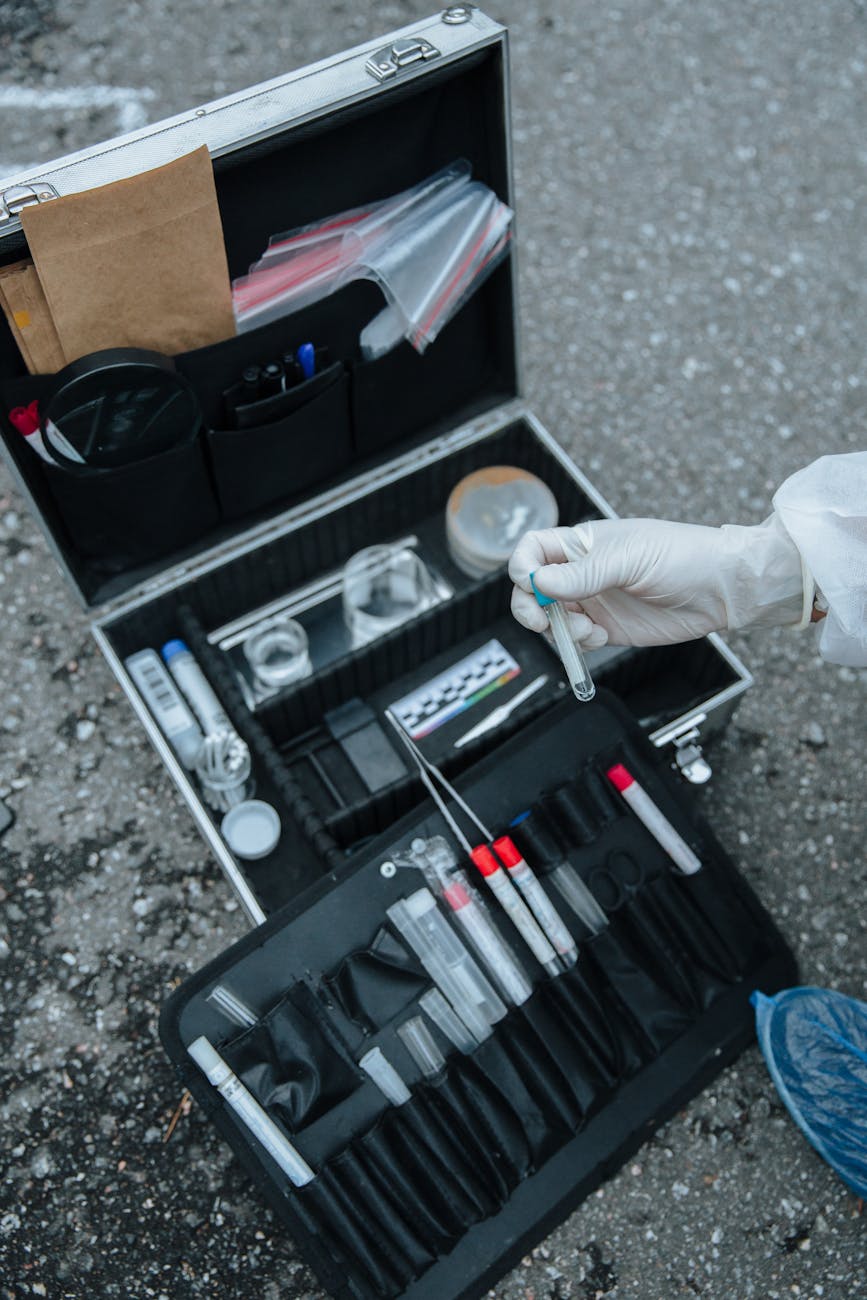
    Because yesterday, on my birthday, I found out that Henry C. Lee—one of the most well-known forensic scientists, someone whose name carries weight in the field, someone who was a genuine inspiration for me—passed away.

    And that hit me harder than I expected.

    I want to be clear about something up front. I didn’t know him personally. Not in the sense of having conversations with him, not in the sense of having a direct relationship. But I knew of him. I learned about him. His work, his presence in the forensic science world, the impact he had on education and on the field itself—it reached me.

    It influenced me.

    It played a role in why I studied forensics and biology.

    And that kind of influence matters more than we sometimes give it credit for.

    Because when you’re younger, when you’re trying to figure out what direction your life might take, you look for examples. You look for people who represent something bigger than where you currently are. People who show you that a path exists, that a certain kind of life is possible, that a certain field is worth exploring.

    For me, Henry C. Lee was one of those people.

    Not the only one. Not the sole reason. But part of that foundation.

    Part of that spark.

    And so when I heard that he died, on my birthday of all days, it created this strange emotional collision in my head.

    On one hand, it was supposed to be a day about stepping into a new decade. Reflecting on my twenties. Thinking about the future. Trying, in whatever way I could, to find some sense of hope or renewal as I turned thirty.

    And on the other hand, it became a day marked by the loss of someone who helped shape part of who I became.

    That’s a weird feeling to sit with.

    Because it’s not the same as losing someone you knew personally. The grief is different. It’s quieter, more abstract, less rooted in shared memories and more rooted in impact. But it’s still real.

    It’s the kind of sadness that makes you pause and think, “wow, that person was part of my story in a way I didn’t fully realize until now.”

    And when that loss happens on a significant day—your birthday, no less—it adds another layer to it.

    It ties the moment to you.

    Not in a literal way, not in a way that suggests the two things are connected beyond coincidence, but emotionally, it links them. It makes the day feel different. It changes how you remember it.

    From now on, March 27, 2026 won’t just be the day I turned thirty.

    It’ll also be the day I learned that someone who inspired me, someone who played a role in shaping my academic and intellectual path, was gone.

    And I think that’s part of why it felt so heavy yesterday.

    Because birthdays are already reflective. They already make you think about time, about where you’ve been, about where you’re going. And adding loss into that mix amplifies everything.

    It makes you more aware of how temporary things are.

    It makes you think about legacy.

    It makes you think about the people who influenced you, directly or indirectly, and what happens when they’re no longer here.

    And there’s also this strange, almost disorienting feeling that comes with losing someone you looked up to.

    It’s like a small piece of your internal map shifts.

    Even though, logically, nothing about your identity has changed. You’re still you. Your experiences are still yours. The influence they had on you doesn’t disappear just because they’re gone.

    But emotionally, it can feel like something moved.

    Like a reference point is no longer there in the same way.

    And that can be hard to articulate.

    It’s not grief in the traditional sense. It’s not the kind of loss that upends your daily life. But it’s also not nothing. It sits somewhere in between.

    A quiet kind of impact.

    And I think a lot of people experience this when public figures, mentors, or inspirations pass away.

    We don’t always talk about it, because it can feel like we’re not “allowed” to grieve someone we didn’t personally know. Like that grief somehow doesn’t count.

    But it does.

    Because influence is real.

    Inspiration is real.

    The people who shape our interests, our paths, our ways of thinking, they matter, even if they never knew us individually.

    And when they’re gone, it’s okay to feel something about that.

    It’s okay to acknowledge that they were part of your journey.

    It’s okay to sit with that sadness.

    I also found myself thinking about how unlikely it is, statistically, for something like this to happen.

    Out of all the days in a year, out of all the possible moments, the day someone who influenced you passes away happens to line up exactly with your birthday.

    I don’t know the exact probability of that. I’m sure it’s low. Not impossible, obviously, because it happened, but not common either.

    And maybe that rarity is part of what makes it feel so significant.

    It makes the moment stand out.

    It makes it feel almost surreal.

    Like, of all days, it had to be this one?

    And there’s no real answer to that question.

    It’s just how things lined up.

    Life doesn’t coordinate events based on emotional convenience. It doesn’t space things out in a way that makes them easier to process. Sometimes moments overlap in ways that feel almost unfair, even if they’re just random.

    And that’s what this felt like.

    A collision of two very different emotional experiences.

    A milestone birthday.

    And the loss of someone who helped shape a part of me.

    So I took yesterday to just sit with it.

    To not force myself to write.

    To not force myself to package it into something neat and reflective right away.

    Because sometimes you need that space.

    Sometimes the most honest thing you can do is just feel what you’re feeling without immediately trying to turn it into something productive.

    And today, writing this, I feel a little more grounded.

    Still sad.

    Still thinking about it.

    But also able to put it into words in a way that feels more complete.

    If anything, I think this moment reinforced something I’ve been realizing more and more as I get older.

    The people who inspire us leave a kind of imprint.

    Not just through direct interaction, but through the ideas they share, the work they do, the example they set.

    And that imprint doesn’t disappear when they’re gone.

    If anything, it becomes more noticeable.

    More defined.

    Because you start to recognize how much of what you care about, how much of what you chose to study or pursue or think about, was influenced by them.

    And in that sense, they’re still part of your story.

    Still present, just in a different way.

    So yeah.

    Yesterday was my 30th birthday.

    And it was also the day I learned that someone who helped inspire my path into forensics and biology passed away.

    That’s a strange sentence to write.

    But it’s true.

    And I think the best way I can process it is not by trying to separate those two things, but by acknowledging both.

    It was a day of reflection, of stepping into a new decade, of thinking about my own life.

    And it was also a day of recognizing the impact someone else had on that life, even from a distance.

    Both things can exist at the same time.

    And maybe that’s just part of what getting older is.

    Learning how to hold multiple emotions at once.

    Learning how to let moments be complicated.

    Learning how to move forward while still honoring the people and influences that helped get you here.

    Rest in peace to someone who helped shape a part of my journey.

    And as for me, stepping into thirty, I carry that influence with me.

    Even now.

    Especially now.

  • Thirty, Somehow: A Birthday Reflection on Survival, Loss, and the Fragile Hope of Starting Again

    Thirty, Somehow: A Birthday Reflection on Survival, Loss, and the Fragile Hope of Starting Again

    I’m thirty years old today.

    And I’m sitting here thinking, holy shit. I actually made it.

    That sentence feels heavier than it probably should. People say it casually all the time, like getting older is just something that happens automatically, like breathing. But for me, and I think for a lot of us whether we admit it or not, making it to thirty doesn’t feel automatic. It feels earned. It feels like surviving something. It feels like crawling through a decade that didn’t always want you to come out the other side, and somehow, against all odds, you did.

    I made it through my twenties.

    That alone feels like something worth sitting with for a while.

    Because my twenties were not simple. They weren’t clean. They weren’t the kind of years you wrap up neatly in a highlight reel and say, “yeah, that was fun.” They were chaotic. Messy. Painful. Confusing. There were highs, sure, but they were often followed by lows that hit harder than I ever expected. There were moments where everything felt like it was coming together, and then moments where it all collapsed just as quickly.

    There were times I felt like I knew exactly who I was becoming. And then there were times I felt like I had absolutely no idea who I was at all.

    And yet, through all of that, I’m here.

    Thirty.

    It’s strange, too, because growing up, thirty always felt like some distant, almost mythical age. Like that’s when you’re supposed to have it all figured out. That’s when life “starts to make sense.” That’s when you’re stable, secure, grounded. That’s when you become a real adult.

    And now I’m here, and I can say with full honesty, I don’t have everything figured out. Not even close.

    But I do have something else.

    Perspective.

    And maybe that matters more.

    Because if my twenties taught me anything, it’s that life is not a straight line. It’s not a checklist. It’s not something you can plan perfectly and execute without disruption. Life is unpredictable in ways that can be beautiful and devastating at the same time.

    Sometimes, it gives you moments that feel perfect.

    And sometimes, it takes them away without warning.

    I think about that a lot today. Especially today.

    Because birthdays used to feel different.

    Before 2019, my birthday felt like something lighter. Something joyful. Something I could just be present in without any weight attached to it. I didn’t think twice about it. It was just a day to celebrate, to be with people I cared about, to laugh, to exist in a moment that felt good.

    And I can still picture one of those moments so clearly.

    March 2019.

    I was at Chili’s with my friends. We were celebrating. Just eating, talking, laughing, having a genuinely good time. Nothing extraordinary on paper, but everything about it felt right. It was one of those nights where you don’t realize how much it means while you’re in it. You’re just there, living it, assuming there will be more nights like that. Assuming life will just keep unfolding in that same rhythm.

    I didn’t know it then, but that was the last time I felt truly, fully happy without anything looming over me.

    Just a few weeks later, everything changed.

    April 18, 2019.

    That date is burned into me in a way I wish it wasn’t.

    That’s the day my uncle died.

    My uncle on my dad’s side. But even saying “uncle” doesn’t fully capture it. He was more than that. He was like a second father to me. A presence that felt constant. Someone who was just… there. In the way you assume certain people will always be there.

    And then suddenly, he wasn’t.

    It didn’t feel real. It still doesn’t, sometimes.

    Even now, seven years later, there are moments where I think about it and my brain just kind of rejects it. Like, no, that didn’t actually happen. That can’t be right. He’s just… somewhere else. I’ll see him again. This isn’t permanent.

    But it is.

    And that’s the part that never fully settles.

    Because loss like that doesn’t just take a person away. It changes the way everything feels afterward. It reshapes your emotional landscape in ways that are hard to explain unless you’ve gone through it.

    Birthdays changed.

    Holidays changed.

    Moments that used to feel purely happy now carry something else with them. A kind of quiet sadness. A reminder of absence. A sense that something is missing, even when everything else is technically “fine.”

    Ever since 2019, my birthdays haven’t felt the same.

    There’s always this underlying feeling, this awareness that someone who should be here isn’t. Someone who would have been part of this day, part of this moment, part of this version of me turning thirty.

    And that absence doesn’t get easier. It just becomes more familiar.

    It becomes something you carry.

    So yeah, birthdays have been harder since then.

    Not unbearable. Not entirely negative. But different.

    Heavier.

    And I think part of me has been stuck on that, in some way, for years. Like a part of my happiness got frozen in time back in March 2019, sitting in that Chili’s with my friends, completely unaware of what was coming next.

    That was the last time everything felt uncomplicated.

    The last time joy didn’t have a shadow attached to it.

    And everything since then has been… something else.

    Not all bad. But not the same.

    And I’ve had to learn how to live with that.

    My twenties, especially the years after 2019, felt like a long stretch of trying to figure out how to exist in a world that suddenly felt more fragile. More unpredictable. More capable of taking things away without warning.

    And it wasn’t just personal stuff either.

    The world itself has felt like it’s been in constant chaos.

    Politically, socially, globally, everything has felt unstable. There’s been this constant sense of tension, like things could escalate at any moment. Like we’re always on the edge of something bigger, something worse.

    It’s been exhausting.

    And trying to navigate personal grief while also living through broader societal instability… that does something to you.

    It wears you down.

    It makes it harder to feel hopeful.

    It makes it harder to believe in the future in a straightforward way.

    There were times in my twenties where I genuinely didn’t know what the next few years would look like. Not in a normal, “life is uncertain” way, but in a deeper, more unsettling way. Like, what even is stability anymore? What does it mean to build something lasting in a world that feels like it’s constantly shifting?

    And yet, here I am.

    Thirty.

    Still standing.

    Still trying.

    Still here.

    That has to mean something.

    And I think that’s what I want to focus on today.

    Not just the loss. Not just the pain. Not just the ways things haven’t been the same.

    But the fact that I’m still here in spite of all of it.

    Because that matters.

    Survival matters.

    Getting through the hard years matters.

    Continuing to show up, even when things feel heavy, even when the world feels uncertain, even when your own emotions feel complicated and messy, that matters.

    And I’ve done that.

    I’ve made it through a decade that challenged me in ways I never expected.

    I’ve dealt with loss that reshaped how I experience happiness.

    I’ve lived through years that felt chaotic both personally and globally.

    I’ve had moments where I felt lost, uncertain, overwhelmed.

    And I still made it to thirty.

    That’s not nothing.

    That’s something real.

    And now I’m looking ahead at my thirties, and I feel… cautiously hopeful.

    Not in a naive way. Not in a “everything is going to magically be perfect now” way.

    But in a grounded way.

    A realistic way.

    A way that acknowledges everything I’ve been through, but still allows for the possibility that things can be better.

    Because I want my thirties to be different.

    I don’t expect them to be free of pain. That’s not how life works. Loss doesn’t just disappear. The world doesn’t suddenly become stable. Everything doesn’t suddenly fall into place just because you hit a new decade.

    But I do think there’s an opportunity here.

    A chance to approach life differently.

    A chance to build something more intentional.

    A chance to find moments of happiness again, even if they feel different than they used to.

    Because maybe happiness doesn’t look the same after loss.

    Maybe it’s not as light. Maybe it’s not as carefree.

    But that doesn’t mean it’s gone.

    It just means it’s changed.

    And maybe part of growing up, part of moving into your thirties, is learning how to accept that change without letting it completely take over.

    Learning how to hold both things at once.

    The sadness and the joy.

    The grief and the gratitude.

    The past and the future.

    Because they’re all part of the same life.

    And I don’t want to spend my thirties stuck in the idea that my best moments are behind me.

    I don’t want to believe that the last time I was truly happy was in March 2019 and that’s it. That’s the peak. Everything else is just an echo.

    I don’t think that’s true.

    I don’t want it to be true.

    I think there are still moments ahead that can feel just as meaningful. Maybe not identical. Maybe not in the same way. But still real. Still worth experiencing.

    I want to believe that I can sit somewhere again, with people I care about, laughing, feeling present, and not immediately thinking about what could go wrong next.

    I want to believe that kind of happiness is still possible.

    And maybe the difference now is that I’ll appreciate it more when it happens.

    Maybe I won’t take it for granted in the same way.

    Maybe I’ll recognize it in real time instead of only realizing its value after it’s gone.

    That’s something my twenties taught me the hard way.

    Pay attention to the good moments while you’re in them.

    Because you don’t always get a warning before things change.

    And speaking of time, it’s kind of surreal to think about what comes next.

    Thirty.

    Thirty-seven more years until retirement age, assuming that even stays the same. Which, honestly, who knows. The way things are going, they might move the goalposts again. Wouldn’t be surprising.

    But still.

    Thirty-seven years.

    That’s a long time.

    And at the same time, it doesn’t feel that long.

    Because the last ten years went by in what feels like a blur.

    A very intense, very chaotic blur.

    And then there’s this other number that’s been sitting in my mind.

    Nineteen years.

    In nineteen years, I’ll be the age my uncle would have been if he were still here.

    That’s a strange thought.

    A heavy one.

    It’s like there’s this invisible timeline running alongside my own, this “what could have been” version of things that I can’t help but think about.

    And I don’t know exactly how to process that.

    I don’t think there’s a clean way to.

    But maybe I don’t need to have all the answers right now.

    Maybe it’s enough to just acknowledge it.

    To recognize the weight of it without letting it define everything.

    Because today is still my birthday.

    I’m still here.

    I still have time ahead of me.

    And I want to use that time in a way that feels meaningful.

    Not perfect. Not flawless. But intentional.

    I want my thirties to be a decade where I try, genuinely try, to build something better for myself.

    Emotionally.

    Mentally.

    Maybe even physically.

    I want to find ways to reconnect with happiness, even if it looks different than it used to.

    I want to be more present.

    More aware.

    More appreciative of the moments that are good while they’re happening.

    And I want to carry the memory of my uncle in a way that honors him, without letting the grief completely overshadow everything else.

    That’s a balance I’m still figuring out.

    But I think that’s okay.

    Because if there’s one thing I’ve learned, it’s that life isn’t about having everything figured out.

    It’s about continuing to move forward anyway.

    Continuing to learn.

    Continuing to adapt.

    Continuing to find meaning where you can.

    And right now, the meaning I’m finding is simple.

    I made it to thirty.

    After everything, I’m still here.

    And that’s worth something.

    Maybe even everything.

    So yeah.

    Happy birthday to me.

    Let’s see what the thirties have in store.

    I’m ready to find out.

  • I Wasn’t Entirely Wrong: Reacting to the Spider-Man: Brand New Day Trailer and Revisiting My Predictions

    I Wasn’t Entirely Wrong: Reacting to the Spider-Man: Brand New Day Trailer and Revisiting My Predictions

    When I sat down in early August of 2025 to write about Spider-Man: Brand New Day, the film had just entered production, and the internet was already doing what it does best, spiraling into a frenzy of rumors, casting whispers, and multiverse-fueled speculation. Names were being thrown around like confetti. Daredevil. Punisher. Black Cat. Mr. Negative. Tobey Maguire. Andrew Garfield. It felt like we were heading straight back into the chaos of Spider-Man: No Way Home, just bigger, louder, and somehow even more crowded. But I remember pausing and asking a different question. What if Marvel wasn’t trying to outdo itself in scale? What if it was trying to outdo itself in depth.

    Now, months later, with the first trailer for Spider-Man: Brand New Day finally out in the world, I can say this much with confidence. That instinct, that hesitation I had about the multiverse noise, that feeling that something quieter and more grounded was coming, that wasn’t me reaching. That was me reading the direction correctly. Not perfectly, not completely, but correctly enough that revisiting that prediction now feels less like guesswork and more like a rough blueprint that the trailer has begun to trace over in darker ink.

    The trailer does not explode with spectacle. It doesn’t open portals. It doesn’t immediately try to one-up No Way Home. Instead, it does something far more uncomfortable. It sits with Peter Parker. Alone. Truly alone. And that loneliness is not aesthetic. It’s not a temporary narrative device. It is the consequence of a choice that we already watched him make. The world has moved on from him, and the trailer makes it clear that this is not something that is going to be undone easily, if at all. That alone validates one of the central ideas I pushed in my original post, that this film would not be about escalation, but about consequence.

    Back then, I framed it as a kind of inversion of Homecoming. A mirror image. A structural reversal. In Homecoming, Peter Parker was surrounded by people who knew him. Tony Stark mentored him. Ned supported him. His personal life and his superhero life were deeply entangled, sometimes messily so. My theory was that Brand New Day would flip that dynamic. That Peter would now exist in a world where no one knew him, but that he might still find himself orbiting around others who knew Spider-Man, not Peter Parker. Watching the trailer, I don’t think that idea was off. In fact, I think it might be one of the most accurate frameworks for understanding what this movie is trying to do.

    The footage we see reinforces that Peter’s isolation is not just emotional, it’s structural. He is cut off from the identity that grounded him. He is no longer able to be Peter Parker in any meaningful relational sense. And yet, as Spider-Man, he still exists in the world. He still interacts with it. He still intervenes. That creates a very specific kind of tension, one that I tried to articulate back in August. The idea that he could fight alongside people, speak to people, even build something resembling trust, but only behind the mask. That duality, that split between self and symbol, is not just present in the trailer. It feels like the core of it.

    Where I start to see partial confirmation rather than full confirmation is in the specific characters I speculated about. I mentioned Daredevil, Punisher, Black Cat, and even Mr. Negative as potential players in this new ecosystem. The trailer gives us one of those definitively. The Punisher is there, and not as a background cameo or a blink-and-you-miss-it easter egg. He is framed as a force, as a presence, as someone who occupies the same space as Spider-Man but operates on a fundamentally different moral axis. That alone is fascinating, because it reinforces the idea that Peter is no longer being shaped by mentors who guide him gently. He is now encountering figures who challenge him directly, who may not agree with him, who may even oppose him.

    That is where one of my predictions lands in a way I didn’t fully anticipate. I thought these characters might function as a kind of support network, even if indirectly. But the trailer suggests something more complicated. These are not allies in the traditional sense. They are reflections, distortions, counterpoints. The Punisher, especially, feels less like backup and more like a test. A question. What does Spider-Man stand for in a world where someone like Frank Castle is also delivering his version of justice.

    Daredevil, interestingly, is absent from the trailer. That doesn’t mean he isn’t in the film, but it does mean that my assumption about his presence being a central pillar might have been premature. The same goes for Black Cat. If she is in this movie, the trailer is deliberately hiding her. And that’s important, because it reminds me that while reading patterns can get you close, it can’t account for everything. There are always going to be elements that remain deliberately obscured until the film itself unfolds.

    On the villain side, I suggested that we might see a shift from the small-scale crew dynamic of Homecoming to a larger, more singular threat, potentially someone like Mr. Negative who would require multiple heroes to take down. The trailer complicates that idea. What we see instead is something more fragmented. Scorpion is present, finally paying off a thread that has been hanging since Homecoming. There are hints of organized crime, possibly even something like the Hand. It feels less like one towering antagonist and more like a city teeming with threats. A system rather than a singular enemy.

    In a strange way, that still aligns with the spirit of what I was getting at, even if the specifics are different. I was arguing that Spider-Man would not be able to handle everything alone anymore. That the scale of the problem would exceed the capacity of a single hero. The trailer seems to agree with that, but instead of expressing it through one dominant villain, it expresses it through multiplicity. Through pressure from all sides. Through a city that doesn’t stop throwing problems at him.

    Where I was most definitively right, and I don’t say that lightly, is in pushing back against the assumption that this would be another multiverse-heavy spectacle. There is nothing in this trailer that suggests we are revisiting that territory in any major way. No alternate Spider-Men. No reality-breaking events. No immediate escalation beyond what No Way Home already did. If anything, the film seems almost allergic to that scale, choosing instead to narrow its focus and dig into the aftermath. That doesn’t mean there won’t be surprises. Marvel loves its surprises. But the tone, the framing, the emphasis, all of it points away from multiverse chaos and toward grounded storytelling.

    One area where I was completely off, or at least where I didn’t even think to look, is the idea that something might be wrong with Peter himself on a physical level. The trailer hints at instability, at strain, at the possibility that his powers are changing or becoming harder to control. The presence of Bruce Banner suggests that this is not just emotional or psychological. There is something happening to Peter’s body, something that may require scientific understanding as much as moral resolve. That was not on my radar at all, and it adds a layer to the story that I think could push it into even more uncomfortable territory. Because now it’s not just about being alone. It’s about not even being stable within your own skin.

    And yet, even with that addition, the emotional core that I described in my original post remains intact. I ended that piece by suggesting that Brand New Day might be the story of a man learning how to be a hero when no one remembers his name. Watching the trailer, that line feels less like a poetic flourish and more like a mission statement. There are moments where Peter observes the world from a distance, where he sees people he once loved living lives that no longer include him, where he hesitates to reach out because he knows, on some level, that doing so would only reopen wounds that he chose to close. That kind of restraint, that kind of quiet suffering, is not something the MCU has always leaned into. But here, it feels central, unavoidable, almost oppressive in its weight.

    If there is one thing I would adjust about my original theory, it’s this. I framed the potential new characters as a kind of replacement network, a new web of relationships that would form around Spider-Man even as Peter Parker remained isolated. The trailer suggests something harsher. These are not replacements. They are not there to fill the void. They exist in parallel, not in substitution. Peter’s loneliness is not being softened. It is being contrasted. Sharpened. Made more apparent by the presence of others who cannot truly reach him.

    That distinction matters, because it changes the emotional trajectory of the film. It suggests that this is not a story about rebuilding what was lost in a new form. It is a story about living with the loss. About continuing forward without the comfort of restoration. That is a much more difficult story to tell, and a much more interesting one to watch.

    Looking back at my August post now, I don’t see it as something that was right or wrong in a binary sense. I see it as something that caught the outline, the silhouette of what this film is shaping up to be. I missed details. I filled in gaps with assumptions that may not fully materialize. But the core idea, that Marvel would pivot inward rather than outward, that it would focus on consequence rather than escalation, that it would explore what it actually means for Peter Parker to be forgotten, that idea holds. And in some ways, the trailer pushes it even further than I expected.

    There is a version of this film that could have played it safe. That could have undone the ending of No Way Home within the first act. That could have brought everyone back together, restored the status quo, and moved forward as if the sacrifice had been temporary. The trailer makes it clear that this is not that version. This is a film that is willing to sit in the aftermath, to let it breathe, to let it hurt. And that, more than anything else, is what excites me.

    Because if Homecoming was about a kid trying to prove himself in a world that already believed in him, then Brand New Day looks like it’s about a man trying to hold onto his principles in a world that doesn’t even know he exists. And that is not just a continuation of Peter Parker’s story. It is a transformation of it, a shift from validation to invisibility, from mentorship to isolation, from being seen to being forgotten. It is, in many ways, the most honest place this character could go after everything he has already lost.

    So no, I wasn’t entirely right. But I also wasn’t entirely wrong. And in a landscape where speculation often swings wildly between extremes, I’ll take that middle ground. Not as a victory, but as a reminder that sometimes, if you pay attention to the story beneath the noise, you can hear where it’s trying to go before it gets there.

  • Stop S08102A: How New York’s Proposed Digital ID Bill Threatens Privacy and the Internet

    Stop S08102A: How New York’s Proposed Digital ID Bill Threatens Privacy and the Internet

    The internet has long been one of humanity’s most dynamic spaces, a place where creativity, connection, and information flow freely across borders and boundaries. For decades, it has thrived on decentralization, anonymity, and the ability for individuals to interact without constant oversight. But now, with New York’s proposed bill S08102A, that freedom is under serious threat. This is not a minor tweak or a simple safety measure. It is a sweeping, invasive attempt to embed a device-level identity system into the very infrastructure of everyday technology, and if it passes, it could fundamentally change the internet as we know it.

    At first glance, the bill may appear reasonable. Its stated purpose is to protect minors online by requiring devices to verify the age of users and transmit that age category to every app and website. On the surface, it seems like a logical solution to a real problem. Children do need protection from online dangers, and companies have historically struggled to enforce age restrictions effectively. But the mechanisms proposed by S08102A go far beyond simple protection. They introduce a permanent, centralized system of verification that follows users wherever they go online, creating a digital signal that cannot easily be avoided or bypassed.

    This is not simply a tool for determining age. It is a structural change to the architecture of the internet itself. By embedding identity verification at the device level, S08102A ensures that your digital interactions are constantly monitored and filtered based on the signals your device transmits. Even if the signal only communicates an age category, it establishes a precedent for pervasive oversight. Once devices are capable of reliably asserting identity or categorizing users, it is only a matter of time before that framework is expanded for other purposes. This is not hypothetical—it is exactly how surveillance systems tend to grow: incrementally, normalized over time, and difficult to reverse.

    Privacy concerns are immense. The bill explicitly prohibits self-reporting and requires companies to rely on “commercially reasonable” verification methods, which could include identification documents, financial records, or other sensitive personal data. Even if these data are deleted after verification, the act of collecting and processing them creates risk. Data breaches, misuse, or unauthorized expansion of the system are all realistic possibilities. The infrastructure S08102A seeks to create could easily become a tool for widespread monitoring, and once embedded into devices at the state level, it would be very difficult to dismantle.

    Constitutional questions also arise. The First Amendment protects freedom of speech, including anonymous speech, which has historically been a cornerstone of digital expression. Forcing devices to transmit identifying signals undermines that principle. Users may self-censor, knowing that their activity is being tracked and categorized. The Fourth Amendment is implicated as well, since participation in everyday digital life would increasingly require submission of personal information to private companies and government-mandated systems. In practice, voluntary participation becomes coerced, as access to platforms and information becomes conditional on compliance with intrusive verification procedures.

    The timing and political context of S08102A are also alarming. Over the past year, there has been a steady build-up toward this kind of digital control. In 2025, private companies began testing robust age verification systems, framing them as safety features, while foreign governments, such as the United Kingdom, started implementing similar frameworks. S08102A is the logical next step in this progression: codifying a digital ID mechanism at the state level, under the guise of protecting children, but creating infrastructure that could expand far beyond its initial scope. This is not just a New York issue; once implemented, companies may standardize it across the country, effectively normalizing invasive digital verification nationwide.

    Leadership in New York City also plays a crucial role. Any mayor who allows this bill to pass or fails to challenge it meaningfully would be complicit in reshaping the internet in a deeply invasive and authoritarian way. Leadership matters in setting priorities and signaling values. Citizens expect elected officials to defend civil liberties, privacy, and freedom of expression. Supporting or tolerating policies like S08102A would represent a profound betrayal of those principles and the trust of the public.

    It is critical to recognize that protecting children online is an important and legitimate goal. But the methods proposed by S08102A are disproportionate, invasive, and unnecessary when weighed against the harm they could cause to privacy, freedom, and the structure of the internet itself. There are alternative approaches that do not rely on building a permanent, device-level surveillance system. Education, parental controls, platform-specific moderation, and voluntary verification frameworks can all help protect minors without creating the infrastructure for universal monitoring.

    The implications of S08102A are far-reaching. If passed, it could alter the internet at a foundational level, making anonymity more difficult, speech more surveilled, and participation in online life conditional on compliance with a centralized system. Once the architecture of the internet changes in this way, it is extremely difficult to reverse. We may look back on this period as the moment when incremental measures, framed as safety improvements, cumulatively reshaped the landscape of digital freedom.

    Opposing S08102A is not a rejection of child safety or digital responsibility. It is a defense of privacy, freedom, and the decentralized, open nature of the internet. It is a call to demand solutions that protect the vulnerable without sacrificing the core values that have made the internet a transformative space. Citizens, technologists, and policymakers must consider the long-term consequences of embedding digital verification into devices and must resist normalizing surveillance in the name of convenience or security.

    Now more than ever, public engagement is essential. The choices made in the coming months will have lasting effects on digital life in New York and potentially across the country. If the state moves forward with S08102A, we risk normalizing a level of oversight and control that undermines anonymity, chills speech, and threatens the very openness that has defined the internet. The moment to act is now. Opposing this bill is not optional; it is a defense of the principles that allow the internet to remain free, open, and vibrant.

  • One Month Later: Still Locked Out, Still Discriminated Against, Still Ignored

    One Month Later: Still Locked Out, Still Discriminated Against, Still Ignored

    It’s been over a month now. More than a month since YouTube terminated my manager channels without cause. More than a month since they deleted my author channel for “circumventing” their wrongful termination. More than a month since I started documenting this discrimination, filing complaints, and calling for accountability.

    And nothing has changed.

    My Luffymonkey0327 content channel is still up: https://youtube.com/@luffymonkey0327?si=H64a-BY4Spu4Cdb6

    Still live. Still public. Still accessible to the world. Over 500 subscribers can still see it, visit it, view the content I created.

    But I can’t access it. I still can’t manage my own channel. Because YouTube still has my manager channel terminated.

    So here we are. One month later. My content exists on YouTube’s platform, generating views and engagement for their site, but I—the creator who made that content, who built that audience, who owns that work—am locked out of managing it.

    How is this not theft? How is this not discrimination? How is this acceptable in any way?

    The Timeline: One Month of Being Ignored

    Let me recap this nightmare because it’s important to understand just how long YouTube has been getting away with this:

    Late January/Early February 2026: YouTube terminated my manager channels for “spam, deceptive practices, and scams” despite those channels being completely inactive with zero content.

    Within 5 hours: YouTube rejected my appeals with generic template responses providing zero evidence or specifics.

    Shortly after: I wrote detailed blog posts documenting everything. Directly addressed YouTube CEO Neal Mohan, Google CEO Sundar Pichai, Google President Ruth Porat, Google Senior Vice President James Manyika by name. Made all my contact information publicly available. Response: Complete silence.

    After filing BBB complaint: YouTube deleted my JaimeDavid327 author channel for “circumvention policy”—punishing me for having content channels after they wrongfully terminated my manager channels.

    February 23, 2026: YouTube implemented mandatory sign-in on the web, threatening to lock me out completely as a viewer too.

    March 15, 2026 (Today): Still locked out. Still discriminated against. Still ignored. One full month of YouTube hosting my content while denying me access to manage it.

    One month. Thirty days. Four weeks. And YouTube has done absolutely nothing to fix this obvious injustice.

    My Content Channel: Still There, Still Inaccessible

    Luffymonkey0327 is still up. You can go look at it right now: https://youtube.com/@luffymonkey0327?si=H64a-BY4Spu4Cdb6

    Over 500 subscribers. Memes and mashups. Content I created. An audience I built. Work I’m proud of.

    And I can’t touch any of it.

    Can’t upload new videos. Can’t respond to comments from my 500+ subscribers. Can’t access analytics to see how my content is performing. Can’t update the channel description or artwork. Can’t manage community posts. Can’t do anything.

    My manager channel is still deleted. And without that manager channel, I have zero access to the content channel that YouTube is still happily hosting.

    Think about the audacity of that. YouTube terminated my manager account for fake policy violations, and now they’re keeping my content channel live—benefiting from any traffic or engagement it generates—while refusing to give me access to manage my own work.

    They’re using my content. They’re hosting my work. They’re maintaining my channel on their platform. But they won’t let me access it.

    That’s not moderation. That’s not policy enforcement. That’s theft.

    One Month of Discrimination

    It’s been one month. One full month of YouTube discriminating against me.

    I’m a Hispanic creator. My name is Jaime David. I did nothing wrong. I had inactive manager channels that YouTube’s broken automated systems incorrectly flagged. I filed legitimate appeals that were rejected with template responses in five hours. I documented the discrimination publicly. I filed formal complaints with the Better Business Bureau.

    And YouTube’s response has been: absolutely nothing.

    No human review. No actual investigation. No acknowledgment of error. No reinstatement. No communication whatsoever.

    Just silence. Just continued discrimination. Just ongoing harassment.

    For one full month, YouTube has maintained that my inactive, contentless manager channels violated “spam, deceptive practices, and scams policy.” For one full month, they’ve kept me locked out of my content channel. For one full month, they’ve ignored a Hispanic creator calling out their discriminatory practices.

    How much longer does this have to go on before someone with actual power at YouTube or Google does something about it?

    Still Haven’t Escalated to Federal/State Government

    You know what? I still haven’t filed those complaints with the FTC, CFPB, FCC. I still haven’t contacted the mayors of San Bruno and Mountain View or Governor Gavin Newsom of California. I still haven’t escalated this to President Trump and VP Vance.

    Why? Because honestly, I started wondering if it would even matter.

    YouTube has proven they don’t care about BBB complaints. They don’t care about public documentation of their discrimination. They don’t care about being called out by name. They don’t care about anything except maintaining their wrongful termination and keeping me locked out.

    So would federal complaints matter? Would state government involvement matter? Would presidential intervention matter?

    I don’t know. Maybe. Maybe not. But after a month of being completely ignored, it’s hard to have faith that any escalation will result in YouTube actually doing the right thing.

    They’ve had a month to fix this. They chose not to. Every single day for thirty days, they chose discrimination over justice.

    But Maybe I Should Escalate Anyway

    Then again… maybe the fact that it’s been a full month with zero response, zero acknowledgment, zero action from YouTube is exactly why I should escalate.

    Maybe one month of documented discrimination is enough evidence to take to regulatory agencies.

    Maybe one month of YouTube hosting my content while denying me access is enough to get federal investigators interested.

    Maybe one month of a Hispanic creator being systematically ignored and harassed by a major tech platform is enough to get California government officials involved.

    Maybe one month is the proof I need that YouTube will never voluntarily fix this, and external pressure is the only option left.

    I don’t know. I’m still deciding. But every day that passes, every day YouTube continues this discrimination, every day I remain locked out of my own work—it becomes harder to argue that internal resolution is possible.

    Direct Message to YouTube and Google: It’s Been a Month

    Neal Mohan, YouTube CEO – It’s been over a month since you wrongfully terminated my channels. Over a month since I started publicly documenting this discrimination. Over a month since I made my contact information available and asked for actual human review. You’ve done nothing. How much longer are you going to let this go on?

    Sundar Pichai, Google CEO – Your subsidiary has been discriminating against a Hispanic creator for over a month now. Hosting their content while denying them access. Ignoring public complaints and formal BBB filings. Is this really how you want Google to operate?

    Ruth Porat, Google President – One month of documented discrimination. One month of a creator being locked out of their own work. One month of YouTube hosting content without giving the creator access. Does that sound like responsible business practices to you?

    James Manyika, Google Senior Vice President – A full month of a Hispanic creator documenting systematic discrimination, and your response has been complete silence. Does that align with Google’s supposed commitment to technology and society? To diversity and inclusion?

    YouTube Support, Google Support – It’s been a month. One full month. And you’ve done absolutely nothing to help. You’ve provided zero communication, zero human review, zero acknowledgment of the obvious error. How is that acceptable support?

    You’ve all had a month. Thirty days. To simply reinstate my manager channels and restore my access. You’ve chosen not to. Every single day, you’ve chosen discrimination.

    How much longer?

    To the Major YouTubers: Still Hoping You’ll See This

    Smosh, PewDiePie, Markiplier, SomeOrdinaryGamers, ReviewTechUSA, Amazing Atheist, Secular Talk, Humanist Report, MrBeast, Jacksepticeye, Nexpo, Vaush, HasanAbi, Hank Green

    It’s been over a month since I started documenting this situation. Over a month of YouTube discriminating against a small Hispanic creator. Over a month of my content being hosted while I’m denied access to manage it.

    If you see this, please share it. Please amplify it. Please help make enough noise that YouTube can’t ignore this anymore.

    Because one month of discrimination should be unacceptable. One month of a creator being locked out of their own work should outrage people. One month of YouTube benefiting from content while denying the creator access should be seen as theft.

    Your platforms matter. Your voices carry weight. Please use them to call attention to what YouTube is doing.

    Because if they can do this to me for a month with zero consequences, they can do it to any creator. And they will.

    My Manager Channel: Still Deleted

    The manager channel for Luffymonkey0327 is still terminated. Still deleted. Still gone.

    YouTube’s justification? “Spam, deceptive practices, and scams policy.”

    The evidence? None provided. Zero. Nothing. Just a claim with no substance.

    The reality? It was an inactive administrative account with no content whatsoever.

    And it’s been deleted for over a month based on false accusations.

    That manager channel was my key to accessing my content channel. Without it, I’m locked out completely. And YouTube knows this. They know that by keeping the manager channel terminated, they keep me unable to access my content.

    And they’re fine with that. For over a month now, they’ve been fine with it.

    My Author Channel: Still Gone

    My JaimeDavid327 author channel is still deleted too. Still gone. Still removed from YouTube entirely.

    YouTube’s justification? “Circumvention policy” because having a content channel after they wrongfully terminated my manager channel apparently equals circumvention.

    Circular logic. Punishing me for their own mistakes. Using their wrongful termination as justification for more terminations.

    And it’s been gone for over a month. My author platform. My professional identity as a Hispanic writer. My connection to readers and potential audience.

    Deleted. Erased. Eliminated. For over a month.

    Still Feels Like Discrimination—Strongly

    After a full month of this treatment, it doesn’t just feel like discrimination anymore.

    It IS discrimination.

    YouTube has had thirty days to review my case with actual human eyes. Thirty days to recognize the obvious error. Thirty days to see that inactive manager channels can’t violate spam policies. Thirty days to understand that my content channels being live proves I wasn’t actually violating anything.

    And they’ve done nothing.

    That’s not an accident. That’s not oversight. That’s not bureaucratic delay.

    That’s a choice. A deliberate choice to continue discriminating against a Hispanic creator who dared to speak up about their broken systems.

    Every day for a month, someone at YouTube with the power to fix this chose not to. Every day, they chose to keep me locked out. Every day, they chose discrimination over justice.

    And I’m supposed to believe that’s not about who I am? That my ethnicity, my name, my identity as a Hispanic creator has nothing to do with how I’m being treated?

    I don’t believe that anymore. After a month of systematic discrimination, I’m convinced this is about more than just broken automation.

    This is about YouTube targeting a Hispanic creator and hoping I’ll just go away quietly.

    One Month of Being Upset and Tired

    I’ve been upset for a month straight now. Tired for a month. Frustrated for a month. Angry for a month.

    And nothing has changed.

    My emotions haven’t changed YouTube’s behavior. My public documentation hasn’t changed their decision. My BBB complaint hasn’t prompted any action.

    A full month of being upset and tired, and YouTube doesn’t care.

    Maybe that’s the point. Maybe they’re counting on me getting so exhausted that I just give up. Maybe they know that small creators don’t have the resources, energy, or stamina to fight for months and months against a corporation that can simply ignore us forever.

    Maybe wearing me down IS the strategy.

    And honestly? It’s working. I’m tired. I’m so fucking tired. One month of fighting and getting nowhere is exhausting.

    But I’m still here. Still documenting. Still calling this out. Because giving up means they win. And I’m not ready to let them win yet.

    What Happens Next?

    I don’t know. I genuinely don’t know what happens next.

    Do I finally file those federal complaints? Do I contact California government officials? Do I escalate all the way to the President like I said I was willing to do?

    Or do I just accept that YouTube has won? That small Hispanic creators have no power against massive tech corporations? That discrimination is acceptable as long as you’re big enough to ignore the consequences?

    I don’t know. After a month of being ignored, it’s hard to know what the right move is.

    All I know is that it’s been a month. And YouTube is still discriminating against me. And my content is still on their platform while I’m locked out of managing it. And nothing has changed.

    Maybe that’s the story. Maybe that’s the lesson. Maybe tech platforms can discriminate with complete impunity, and there’s nothing we can do about it except document it and hope someone with power eventually cares.

    To Everyone Reading This: One Month

    It’s been one month. Thirty days. Four weeks.

    One month of YouTube hosting my content while denying me access.

    One month of discrimination against a Hispanic creator.

    One month of being ignored despite public documentation and formal complaints.

    One month of injustice with zero accountability.

    Share this if you think one month is too long. Amplify it if you believe creators deserve better. Make noise if you think YouTube should face consequences for discrimination.

    Or don’t. Because maybe after a month of being ignored, it doesn’t matter anymore.

    I’m Jaime David. I’m a Hispanic creator. My Luffymonkey0327 channel is still up at https://youtube.com/@luffymonkey0327?si=H64a-BY4Spu4Cdb6.

    And I still can’t access it. After one full month.

    YouTube is still discriminating against me. Google is still allowing it. And nobody with actual power to fix it seems to care.

    One month. And counting.

    How much longer does this have to go on before it matters to someone who can actually do something about it?

    I guess we’ll find out.