The Musings of Jaime David
@jaimedavid.blog@jaimedavid.blog

The writings of some random dude on the internet

1,120 posts
1 follower

Day: May 2, 2026

  • YouTube’s AI Is Destroying Creators: UnderSparked’s Demonetization Story Sounds Familiar

    YouTube’s AI Is Destroying Creators: UnderSparked’s Demonetization Story Sounds Familiar

    It’s May 1, 2026. And I want to talk about something that happened just a few days ago that caught my attention because it hit close to home. A YouTube channel called UnderSparked posted a video about how YouTube demonetized them, how YouTube’s automated systems flagged their content as not having value, and how this could seriously impact them financially. You can watch their video here: https://youtu.be/OB_5dzU0W_w?si=t7FNm8mRw6CdD2iK

    Before I get into UnderSparked’s situation and why it resonated with me so deeply, let me give you the full picture of where I’m coming from. Because this isn’t the first time I’ve talked about YouTube’s broken systems, and it won’t be the last. My name is Jaime David. I’m a Hispanic creator. And for months now, I’ve been on the receiving end of YouTube and Google’s discriminatory, automated, broken moderation systems. My story and UnderSparked’s story aren’t identical, but there’s enough overlap that I feel compelled to speak up, to add my voice to the conversation, and to point out what I believe is a systemic problem affecting creators of all sizes across YouTube’s platform.

    Let me summarize what’s been happening to me because it’s important context. Back in late January or early February 2026, YouTube terminated my manager channels without warning. These were completely inactive administrative accounts with zero content, zero videos, zero community posts, zero anything. They existed purely to give me access to manage my actual content channels. YouTube claimed they violated their spam, deceptive practices, and scams policy. They provided zero evidence of any actual violation. They rejected my appeals within five hours with generic template responses. Shortly after I filed a Better Business Bureau complaint documenting their discrimination, YouTube deleted my JaimeDavid327 author channel under their circumvention policy, claiming that having content channels after they wrongfully terminated my manager channels was somehow circumvention. My Luffymonkey0327 meme and mashup channel with over 500 subscribers is still live at https://youtube.com/@luffymonkey0327?si=H64a-BY4Spu4Cdb6 but I cannot access or manage it because my manager channel remains terminated. I’ve been locked out of my own content for months. YouTube is hosting my work and potentially benefiting from any traffic it generates while denying me the ability to manage it. That’s discrimination. That’s theft. And beyond YouTube, Google has been rejecting my AdSense applications for my Jaime David Music blog on Blogger, citing “low value content” despite the blog having nearly 200 essay-style posts and almost a year of activity. The pattern of discrimination against me across Google’s entire ecosystem is clear and documented.

    I’ve called out YouTube CEO Neal Mohan, Google CEO Sundar Pichai, Google President Ruth Porat, and Google Senior Vice President James Manyika by name multiple times. I’ve filed formal BBB complaints. I’ve documented everything publicly. I’ve asked major YouTubers including Smosh, PewDiePie, Markiplier, SomeOrdinaryGamers, ReviewTechUSA, Amazing Atheist, Secular Talk, Humanist Report, MrBeast, Jacksepticeye, Nexpo, Vaush, HasanAbi, and Hank Green to amplify my story. And I’ve gotten essentially nothing in return except continued silence, continued discrimination, continued lockout from my own work.

    That’s my situation. Now let me talk about UnderSparked.

    A few days ago, UnderSparked posted a video explaining that YouTube had demonetized their channel. YouTube’s automated systems flagged their content as not having value, essentially labeling it as spam or low quality content not worthy of monetization. This has real financial consequences for UnderSparked. Monetization isn’t just a nice bonus for creators who make YouTube videos as a hobby. For many creators, it’s income. It’s how they sustain themselves, fund their content creation, pay for equipment and software and time invested. When YouTube’s automated systems arbitrarily strip that away, it’s not just an inconvenience. It’s a financial hit that can threaten a creator’s ability to keep making content at all.

    Now I want to be careful here because I’m not trying to shoehorn myself into UnderSparked’s situation. Their circumstances aren’t exactly the same as mine. They were demonetized, which is serious and damaging. My channels were terminated, which is a different and arguably more severe action. They still have their channel. I don’t have access to mine. The specifics differ. But the underlying mechanism, the root cause, the fundamental problem is exactly the same: YouTube’s automated AI systems making consequential decisions about creators’ channels without adequate human oversight, without proper review, without fair process, and without meaningful recourse.

    YouTube’s system flagged UnderSparked’s content as not having value. YouTube’s system flagged my inactive manager channels as spam. Different labels, different specific outcomes, but the same broken AI making the same kind of arbitrary, unjustified decision about a creator’s channel based on automated pattern recognition that clearly lacks the context and nuance to make fair determinations. And in both cases, the result is a creator being harmed by YouTube’s platform while having limited ability to fight back or get meaningful human review of the decision.

    This is the pattern I’ve been talking about for months. This is the systemic problem that goes way beyond my personal situation. YouTube has built automated systems that have enormous power over creators’ livelihoods, their channels, their income, their ability to reach audiences. And those systems are clearly making mistakes. They’re flagging content incorrectly. They’re demonetizing channels that don’t deserve demonetization. They’re terminating accounts based on faulty pattern recognition. They’re applying labels like “spam” and “low value” and “no value” to content and channels that clearly don’t fit those descriptions, without any adequate human oversight to catch and correct the errors.

    UnderSparked having their channel flagged as not having value is exactly the kind of decision that should require human review before it goes into effect. A real person should be watching the content, assessing whether it genuinely lacks value, and making a judgment call based on actual analysis rather than automated detection. But YouTube doesn’t do that. They let the AI make the call, and then when creators try to appeal, the appeals often go through similarly automated or inadequately resourced review processes that don’t provide meaningful reassessment.

    I remember when YouTube’s automated system rejected my appeals in approximately five hours. Five hours to “carefully review” my channels and determine definitively that they violated policies. That’s not careful review. That’s automated rubber-stamping. And I’d bet that UnderSparked’s experience with appealing or challenging their demonetization involves similarly inadequate review processes. Because that’s how YouTube handles these things. They let the AI decide, and then they create the illusion of an appeals process without actually providing meaningful human assessment.

    What makes UnderSparked’s situation particularly resonant for me is the “not having value” framing. Because that’s essentially what YouTube said about my channels too, just in different language. My manager channels were deemed to be “spam” which in YouTube’s framework means they’re not providing legitimate value to the platform. My JaimeDavid327 author channel was terminated for “circumvention” which is their way of saying I was trying to get around their system rather than engaging with it legitimately. And separately, Google’s AdSense has been telling me my music blog has “low value content.” Value, or the alleged lack of it, keeps coming up across all of YouTube and Google’s automated determinations about me and my work.

    And now YouTube is telling UnderSparked the same thing. That their content doesn’t have value. That it doesn’t meet the bar for monetization. That YouTube’s AI has assessed their channel and determined it doesn’t deserve the same monetization opportunities that other channels have access to. Without adequate human review. Without transparent explanation of what specific criteria they’re failing to meet. Without meaningful process for challenging the determination.

    This is what YouTube’s AI does. It makes sweeping judgments about value, about legitimacy, about whether creators and their content deserve access to the platform’s features and monetization. And it makes those judgments at scale, automatically, without the nuance and context that fair human assessment would require. Sometimes those judgments are probably correct. But clearly, sometimes they’re catastrophically wrong. And the problem is that the appeals and review processes aren’t robust enough to catch and correct the errors, so creators end up stuck with unjust outcomes that harm them financially and professionally.

    I want to say directly to UnderSparked: I see you. I hear you. What’s happening to you is wrong. YouTube’s automated systems making decisions about your channel without proper human oversight and fair process is wrong. The financial impact of arbitrary demonetization is real and serious and shouldn’t be dismissed or minimized. And I hope you fight it. I hope you appeal, document everything, make noise about it, and demand the human review and transparent explanation that you deserve.

    Your situation isn’t exactly mine, but it comes from the same place. The same broken systems. The same inadequate oversight. The same YouTube that decides through automated means that a creator’s work doesn’t have value, doesn’t deserve monetization, doesn’t merit the same opportunities other channels have. And that YouTube needs to be held accountable. Not just for what they did to me. Not just for what they’re doing to you. But for the pattern of automated injustice they’re perpetrating against creators across their platform.

    Because here’s what I know after months of dealing with YouTube’s broken systems: this isn’t going to stop on its own. YouTube isn’t going to wake up one day and decide to implement better human oversight, more transparent processes, fairer appeals systems. They’re going to keep running automated AI across billions of pieces of content and billions of channels and making consequential decisions without adequate review until they’re forced to do better. Either through regulatory pressure, through government oversight, through massive public accountability campaigns, or through some combination of all of the above.

    And that’s why it matters that UnderSparked made their video. That’s why it matters that I’ve been documenting my situation for months. That’s why it matters when creators speak up about how YouTube’s systems have failed them. Every story adds to the body of evidence that these aren’t isolated incidents. These are systemic failures. These are patterns of behavior from a platform that has too much power over creators and too little accountability for how it exercises that power.

    Neal Mohan, YouTube CEO, are you watching UnderSparked’s video? Are you aware that your platform’s automated systems are demonetizing creators who don’t deserve demonetization? Are you paying attention to the pattern of harm your AI is causing to creators who depend on YouTube for their livelihoods? And while you’re at it, are you aware that you’ve been locking me out of my Luffymonkey0327 channel at https://youtube.com/@luffymonkey0327?si=H64a-BY4Spu4Cdb6 for months based on the same kind of automated, unjustified determination?

    Sundar Pichai, Google CEO, this is your company. YouTube is your subsidiary. The AI systems making these unjust determinations about creators are your responsibility. UnderSparked being demonetized for supposedly lacking value. Me being terminated for supposedly being spam. These are outcomes of systems built and maintained under your leadership. When are you going to take responsibility for fixing them?

    Ruth Porat, Google President, and James Manyika, Google Senior Vice President, these questions apply to you too. How many more creators have to document YouTube’s AI making harmful, unjustified decisions about their channels before someone in a position of leadership at Google and YouTube decides that enough is enough, that better oversight is needed, that creators deserve fairer treatment and more transparent processes?

    To Smosh, PewDiePie, Markiplier, SomeOrdinaryGamers, ReviewTechUSA, Amazing Atheist, Secular Talk, Humanist Report, MrBeast, Jacksepticeye, Nexpo, Vaush, HasanAbi, and Hank Green, please watch UnderSparked’s video. Please share it. Please add your voices to the conversation about YouTube’s automated systems and the harm they’re doing to creators. Because you have platforms that can make this impossible for YouTube to ignore. You have audiences that care about creator rights. And the more voices that join this conversation, the harder it becomes for YouTube to pretend these are isolated incidents rather than systemic failures.

    UnderSparked being demonetized matters. Me being locked out of my channels matters. Every creator whose channel has been wrongfully flagged, demonetized, or terminated by YouTube’s AI matters. And it’s going to keep mattering, it’s going to keep happening, until YouTube builds systems worthy of the trust creators place in them by building their work on this platform. Go watch UnderSparked’s video at https://youtu.be/OB_5dzU0W_w?si=t7FNm8mRw6CdD2iK and share it. Make noise. Demand better. Because YouTube’s AI is broken and creators are paying the price.
  • Why Interstellar and The Martian Work While Mission to Mars Doesn’t

    Why Interstellar and The Martian Work While Mission to Mars Doesn’t

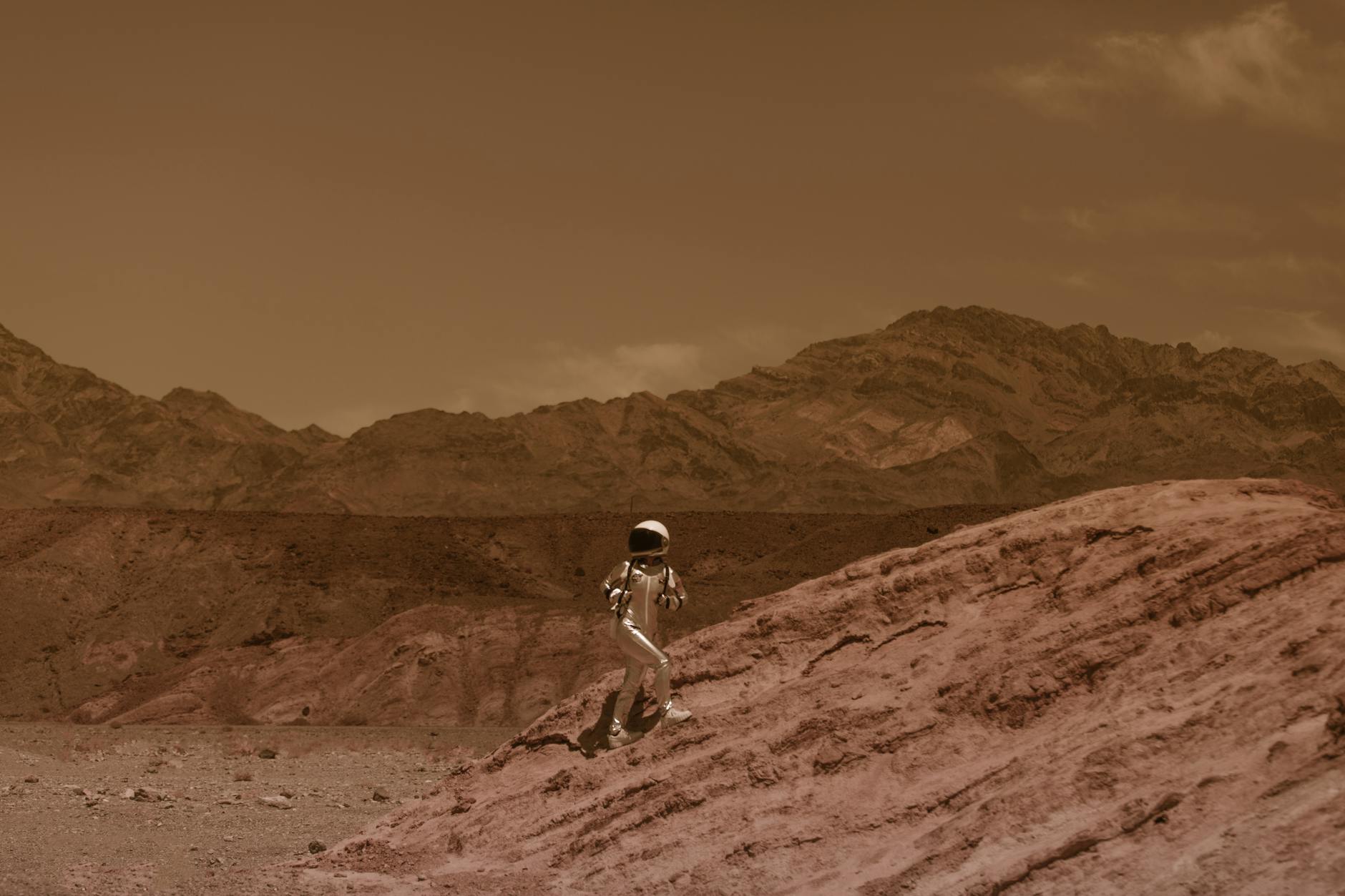
    After sitting through Mission to Mars and bouncing off it hard, it becomes a lot easier to understand why some space movies stick with people for years while others quietly fade into the background of cable reruns and forgotten DVD bins. It is not just about budget, cast, or even ambition. It is about execution, pacing, emotional grounding, and whether a film actually makes you feel like you are part of the journey instead of just observing a slideshow of space concepts.

    And when you line it up next to films like Interstellar and The Martian, the contrast becomes almost unfair. Because those two films do something Mission to Mars never managed to do, at least in my experience: they make space feel alive, urgent, and emotionally anchored in human stakes that actually matter.

    It is interesting because all three films are trying to operate in the same general space (no pun intended). They are all about Mars or space exploration, human survival, mystery, and the unknown. On paper, they share DNA. But in execution, they feel like completely different species of storytelling.

    With Mission to Mars, my experience was immediate detachment. Within thirty minutes, I felt like I was watching a film that was happening at me rather than with me. Scenes existed, but they did not pull me forward. Dialogue happened, but it did not spark curiosity. Even the premise, which should naturally be engaging, felt strangely flat in motion. That lack of momentum is what ultimately killed it for me.

    Now compare that to The Martian. From the very beginning, The Martian understands something crucial: survival is inherently interesting when it is personal. It is not just “a mission on Mars.” It is one man alone, stranded, forced to problem-solve in real time with limited resources and growing stakes. That immediately creates tension because the audience understands consequences in a grounded way. Every small decision matters. Every setback is measurable. Every win feels earned.

    That is something Mission to Mars never quite achieved in my viewing experience. It had the ingredients of space exploration, but it did not translate them into gripping, character-driven urgency. The Martian takes the same environment and turns it into a constant chain of problem-solving, where even quiet moments are filled with intellectual tension. You are not just watching events unfold; you are actively invested in whether the next solution works.

    Then there is Interstellar, which takes a different but equally effective approach. Instead of focusing only on survival mechanics, it builds emotional gravity first. The entire film is anchored in relationships, especially the connection between Cooper and his daughter. That emotional thread becomes the backbone of everything else. Even the most abstract or scientifically heavy parts of the film are grounded by something human.

    That is what gives Interstellar its power. It is not just space exploration. It is space exploration filtered through love, time, sacrifice, and loss. The science fiction elements are massive in scope, but they never feel detached because the emotional core is always pulling you back in.

    That is where Mission to Mars felt weakest to me. There was no strong emotional anchor pulling me forward early on. Without that grounding, the pacing feels heavier, slower, and less meaningful. Even when things are happening on screen, they do not feel like they are building toward something emotionally resonant. And when that happens, even interesting concepts can start to feel empty.

    Another key difference is momentum.

    The Martian and Interstellar both understand how to structure progression in a way that constantly renews interest. In The Martian, every new obstacle introduces a new layer of problem-solving. In Interstellar, every shift in location or time expands the stakes and recontextualizes what came before. There is always forward motion, even in quieter scenes.

    With Mission to Mars, at least in my viewing experience, that sense of escalating momentum was missing. It felt more like scenes existed in sequence rather than building into each other in a way that deepens engagement. And that is where viewer attention starts to slip. When progression feels flat, attention follows.

    There is also the issue of tone control.

    Interstellar manages to balance awe, tension, and emotional weight without collapsing into monotony. It knows when to slow down and when to escalate. It knows when to be silent and when to overwhelm you. It uses its pacing as part of the storytelling language rather than just a default rhythm.

    The Martian similarly balances humor, intelligence, and tension. It never feels like it is stuck in one emotional gear for too long. Even when things get serious, it allows moments of personality and levity to keep the human side of the story alive.

    That balance is critical. Because without it, space movies can easily become emotionally flat or overly mechanical.

    And that is where Mission to Mars felt uneven. It leaned into a tone that, to me, came across as overly subdued without enough emotional contrast to keep things engaging. When everything is serious all the time but not emotionally charged, it creates a kind of narrative stagnation.

    Another big difference is clarity of purpose.

    In The Martian, the goal is crystal clear: survive and get home. In Interstellar, the goal evolves, but there is always a strong emotional and existential direction guiding the story forward. Even when things get complicated, the audience understands what is at stake and why it matters.

    With Mission to Mars, I never fully felt that clarity in the first portion I watched. It felt more like events were unfolding without a strong emotional throughline tying them together. And when that happens, it becomes harder for the viewer to invest.

    But the biggest difference, and honestly the one that stood out the most to me, is this: space itself.

    In Mission to Mars, space did not feel like space.

    It felt like a continuation of Earth.

    That is the best way I can describe it. It did not feel like stepping into something alien, vast, dangerous, or fundamentally different. It felt like the same environments, the same emotional texture, just with a different backdrop. Like Earth scenes with a space filter applied over them. There was no sense of isolation that actually landed, no feeling of cosmic scale that reshaped how you perceive the characters’ situation. Even when the setting changed, the emotional experience did not feel like it changed with it.

    And that is a major problem for a space movie.

    Because space is supposed to feel like space.

    It is supposed to feel distant. Silent. Hostile. Beautiful in a way that does not care about you. It should feel like a place where human assumptions stop working. Where every small action carries weight because you are operating in an environment that is fundamentally not built for you.

    Interstellar nails this constantly. Space feels immense. Time behaves differently. Distance becomes emotional. Even silence has weight. You feel the scale of it in a way that is almost uncomfortable at times.

    The Martian does it in a different way. Mars feels like an actual alien surface. Not Earth with a tint, but a real hostile environment where everything is slightly wrong for human survival. The isolation is tangible. The landscape feels indifferent. The science becomes a lifeline because the environment is actively trying to kill you.

    Both films understand that space is not just a backdrop. It is a character in itself.

    Mission to Mars, at least in my experience, never fully reaches that level of immersion. It never makes space feel like a separate reality with its own rules and emotional consequences. And when that happens, the entire premise loses some of its power. Because if space does not feel like space, then the journey stops feeling extraordinary. It just feels like movement from one scene to another.

    And when combined with the pacing issues and lack of emotional pull, the result is a film that feels distant in all the wrong ways.

    That is ultimately why I bounced off it.

    I shut it off.

    No dramatic exit. No hate-watch finish. Just the realization that I was not being pulled into the experience, and there was no reason to force it.

    Meanwhile, Interstellar and The Martian succeed because they understand that space is not enough on its own. You need emotional gravity, narrative momentum, and environmental immersion working together at the same time. When those elements align, you do not just watch a space movie. You experience it.

    And that is the difference.

  • DC Comics x Cartoon Network x Nickelodeon: The Crossover That Needs to Happen Yesterday

    DC Comics x Cartoon Network x Nickelodeon: The Crossover That Needs to Happen Yesterday

    Alright, let’s take this to the next level. We’ve talked cartoons. We’ve talked live-action. But there’s one wild card that makes this entire crossover idea even more insane: DC Comics characters. Yes. Superman, Batman, Wonder Woman, the whole Justice League, Teen Titans—you name it—interacting with Cartoon Network and Nickelodeon characters in both animation and live-action.

    If the Paramount Global acquisition of Warner Bros. Discovery is happening, this is the exact kind of opportunity that cannot be ignored.

    Why DC characters make this crossover next-level

    Think about it: Nickelodeon and Cartoon Network characters are chaotic, imaginative, and often absurd. DC characters are iconic, heroic, and sometimes brooding. Throw them together and the possibilities are endless:

    • Batman taking Finn and Jake on a “serious detective mission” in Ooo
    • SpongeBob accidentally thwarting a Joker scheme in Bikini Bottom
    • Raven from Teen Titans reluctantly mentoring a group of Nickelodeon kids learning about “responsibility”
    • Superman landing in Retroville (yes, Jimmy Neutron’s town) and totally confused by the technology and personalities

    And the best part? This works in both cartoon and live-action formats. Imagine live-action DC actors interacting with the real actors from iCarly, Drake & Josh, or Level Up. Or animated DC versions hopping into Cartoon Network or Nickelodeon shows for dimension-hopping chaos.

    The ultimate rules: no limits

    This needs to be everything at once.

    • All Cartoon Network cartoons and live-action shows
    • All Nickelodeon cartoons and live-action shows
    • All major DC characters, and maybe even some obscure ones
    • Full multiverse chaos, dimension rifts, team-ups, rivalries, the works

    Every interaction should feel iconic, ridiculous, hilarious, and somehow emotionally satisfying. Don’t hold back on obscure characters or weird show tie-ins. Every “what if” fan thought about for decades? Now’s the time to make it canon.

    Game potential: even crazier

    Now, of course, if the animated and live-action crossover is happening, the game possibilities go off the charts:

    • A mega-platform fighter featuring Nickelodeon, Cartoon Network, and DC rosters
    • Open-world adventure game where dimensions collide and you switch between cartoon and live-action characters
    • Storylines where DC characters team up with Nickelodeon kids or Cartoon Network heroes to stop a multiversal threat

    Basically, every single fan’s ultimate dream game would suddenly exist—and it would sell like absolute wildfire.

    Why this is more than just nostalgia

    This isn’t just a “fan service” idea. It’s a full-blown cultural event. Cartoon Network, Nickelodeon, and DC have defined generations of storytelling, heroism, humor, and creativity. Bringing them together is not just hype—it’s a celebration of everything that has shaped pop culture for decades.

    And honestly? If this doesn’t happen now, it will be a missed opportunity the internet will never forgive.

    The final word

    Paramount Global acquiring Warner Bros. Discovery is already monumental. But to fully honor that merger and unleash the creative potential it gives us? They need to make this crossover. Cartoons, live-action, games, and DC characters interacting with every single icon from both networks. Full chaos. Full nostalgia. Full crossover glory.

    No excuses. Just do it.

  • Cartoon Network x Nickelodeon Live-Action Crossover: It’s Time They Went Full Chaos

    Cartoon Network x Nickelodeon Live-Action Crossover: It’s Time They Went Full Chaos

    Alright, so we’ve been talking cartoons, but let’s not sleep on the live-action side. Because here’s the thing: both Cartoon Network and Nickelodeon have had their fair share of live-action shows over the years. And if the merger between Paramount Global and Warner Bros. Discovery is happening, then this is absolutely the perfect time to go all out.

    I’m talking about a crossover so massive it makes all the fanfiction and “what if” posts look like child’s play. This isn’t just about throwing some Nickelodeon kids in a Cartoon Network universe, or vice versa. This is the full “everything collides” scenario.

    Why the live-action crossover matters

    People forget, both networks built huge fanbases not just on cartoons, but also on live-action shows:

    • Nickelodeon gave us classics like iCarly, Drake & Josh, Kenan & Kel, Zoey 101, and All That.
    • Cartoon Network had its own wild live-action experiments too—Level Up, Tower Prep, The Othersiders, plus more obscure stuff that deserves a comeback.

    Fans of these shows are now adults. Nostalgia is at peak levels. The perfect storm is here. And if you pull this off, you get the same chaos, the same universe-bending fun as with the cartoons—but with real human actors interacting with iconic personalities from the other network.

    What a live-action crossover could even look like

    Picture it:

    • Carly Shay (iCarly) accidentally stumbles into a Cartoon Network studio, where she’s interacting with characters from Level Up or even a live-action hybrid scene with Adventure Time actors (animated + live-action mix).
    • Drake & Josh team up with Nickelodeon’s All That cast for ridiculous sketch chaos in a shared universe.
    • Actors from Zoey 101 have to navigate an absurd dimension-crossing event where Cartoon Network and Nickelodeon characters’ worlds collide in the most chaotic way imaginable.

    It’s meta, it’s ridiculous, it’s exactly the kind of crossover the internet would explode for.

    Bring back old shows, don’t hold back

    Just like the cartoons, this needs to be full retro revival. Every show, every actor, every weird obscure live-action series. Don’t just pick the big hits. Go deep. All That, Kenan & Kel, Level Up, even stuff no one remembers until it comes back in full chaos mode.

    Why it would dominate pop culture

    We’re talking about two universes of content that shaped kids’ lives, now colliding in real-time, with the actual actors reprising their roles. Combine that with the animated crossover, and suddenly you’ve got a multi-dimensional, live-action/animation hybrid event unlike anything in TV history.

    This isn’t just nostalgia. It’s the perfect fan celebration, a pop-culture earthquake, and a golden opportunity for Paramount Global to actually show that this merger is about creative power, not just corporate headlines.

    The ultimate conclusion

    If the cartoons are getting their mega crossover, the live-action side cannot be left behind. It would be absurd to not do it. Full cast reunions, mash-ups, dimension-crossing chaos, meta comedy, and maybe even live-action versions of cartoon antics. The internet will lose its mind, fans will rejoice, and this will go down as one of the most insane entertainment events in history.

    Paramount Global acquiring Warner Bros. Discovery isn’t just about merging companies—it’s about finally giving fans what they’ve been dreaming of for decades. And the live-action crossover? Absolutely essential. No excuses. Go all out.

  • Cartoon Network x Nickelodeon: The Ultimate Crossover We’ve Been Waiting for Is Actually Happening

    Cartoon Network x Nickelodeon: The Ultimate Crossover We’ve Been Waiting for Is Actually Happening

    Okay, stop everything—this is real now. The merger is happening. Paramount Global is acquiring Warner Bros. Discovery. That means the impossible is no longer impossible. All the fanfiction, all the crossover dreams, all those “what if Cartoon Network met Nickelodeon” threads? They might actually come true.

    Because if this merger goes through, there’s only one logical conclusion: a full-on, universe-colliding, all-out Cartoon Network x Nickelodeon crossover event. And it needs to happen. Not just a cameo here or there, not some half-baked “reference episode” nonsense. The whole shebang.

    Finally, the crossover we’ve been dreaming about

    For decades, fans have been imagining this. They’ve been creating alternate universes where Gumball hangs out with SpongeBob, where Finn debates morality with Aang, where Raven and Danny Phantom just silently judge everyone. Reddit threads, YouTube AMVs, fan art galore—it’s all been leading to this.

    Now, thanks to corporate reality bending in our favor, the barrier that kept this from happening—the legal walls between Viacom-owned Nickelodeon and Warner Bros-owned Cartoon Network—is gone. The ownership issue? Solved. The stage is set.

    Go big or go home

    This isn’t the time for limits. Bring back every character. Every classic, every canceled series, every one-season wonder. Legacy voice actors? Check. Alternate timeline versions? Check. Epic multiverse chaos? Check.

    Imagine the possibilities:

    • Finn the Human teaming up with Aang
    • SpongeBob inexplicably in Townsville
    • Danny Phantom encountering Teen Titans-level ghost problems
    • Samurai Jack vs. Zuko, because why the hell not

    This would not just be fan service—it’s a celebration of two entire eras of animation.

    And yes, the game potential is insane

    We already got a taste with Nicktoons Unite!. Nickelodeon knows how to do crossover chaos, Cartoon Network knows how to do chaotic fun. So now imagine a modern mashup:

    Nicktoons United x Cartoon Network Mega Crossover Game

    Open-world hubs. Team-based battles. Storylines that jump between dimensions. Character abilities interacting in insane ways. Levels based on every iconic show you can think of.

    And the natural next step? A full-on platform fighter in the style of Super Smash Bros, but featuring both networks’ rosters. Imagine:

    • SpongeBob vs. Gumball
    • Ben 10 vs. Danny Phantom
    • The Powerpuff Girls vs. Team Avatar
    • Samurai Jack vs. Zuko

    Stages, music, and assist characters pulled from deep, deep cuts. Every character feels meaningful, every interaction is iconic. This isn’t just nostalgia—it’s the crossover the internet has been begging for.

    Why it’s more than nostalgia

    This isn’t just kids’ shows or retro bait. Cartoon Network and Nickelodeon shaped generations. They influenced humor, storytelling, character design, and even internet culture itself. This isn’t a gimmick—it’s a cultural checkpoint.

    A moment when two massive creative legacies finally acknowledge each other in the biggest, most chaotic way possible.

    The point is simple: they need to go all out

    Paramount Global acquiring Warner Bros. Discovery is the perfect storm. If the networks fail to seize this, it will be one of the biggest missed opportunities in entertainment history. The characters are there, the fan demand is insane, and the corporate ability to make it happen? Finally exists.

    So yes. Make it happen. Bring back every character, every story, every crazy scenario. Make the game. Make the show. Make the cultural event of the decade. Because the merger isn’t coming—it’s here. And this is our shot at the ultimate crossover.

  • The Ultimate Paranormal TV Crossover We Deserve: Grimm, Supernatural, Fringe, and The X-Files

    The Ultimate Paranormal TV Crossover We Deserve: Grimm, Supernatural, Fringe, and The X-Files

    There are some ideas that feel so obvious, so perfectly aligned with pop culture history, that it’s almost insane they haven’t happened yet.

    And this is one of them.

    We need a crossover between Grimm, Supernatural, Fringe, and The X-Files.

    Not a reboot. Not a remake. Not a “shared universe reboot attempt.”

    A true, full-on, multiverse-level paranormal crossover event while the actors are still alive, still capable, and still recognizable as the characters we grew up with.

    Because if there was ever a time to do it, it’s now.


    These Shows Were Already Basically the Same Universe

    Let’s be real for a second.

    All four of these shows were already orbiting the same core idea:

    • Something hidden is going on in the world
    • Governments either know too much or too little
    • Monsters, anomalies, or entities exist just beyond normal perception
    • A small group of people is constantly holding reality together

    The X-Files basically laid the foundation. Mulder and Scully set the tone for “investigate the unexplainable, get gaslit by institutions, repeat.”

    Then Fringe escalated it into multiverse horror sci-fi with alternate realities, mad science, and collapsing timelines.

    Then Supernatural said “what if we just made folklore, demons, angels, gods, and cosmic apocalypse part of a road trip buddy show for 15 seasons.”

    And then Grimm came in like “what if fairy tales were real, but hidden among humans, and the cops were secretly monster hunters?”

    These shows are not different genres.

    They are different dialects of the same language.


    The Crossover Concept Writes Itself

    You don’t even need to overthink it.

    Something goes wrong.

    Not just “monster of the week” wrong.

    Reality is destabilizing.

    Fractures from the Fringe universes begin bleeding into our own timeline. The boundaries between myth, alien phenomena, and supernatural law enforcement collapse.

    Suddenly:

    • FBI agents are getting X-Files cases that don’t behave like X-Files cases
    • Hunters from Supernatural are seeing creatures that don’t follow known lore
    • Grimm “wesen” rules start breaking down
    • And something from the deepest Fringe-style alternate universe is rewriting physics itself

    This isn’t “team-up to fight a villain of the week.”

    This is:

    “All of your shows were documenting different symptoms of the same apocalypse.”


    The Characters Already Feel Like They Could Meet

    This is the part people underestimate.

    The tone compatibility is already there.

    The X-Files

    The X-Files gives us:

    • Fox Mulder’s obsession with truth
    • Dana Scully’s scientific skepticism slowly eroded by reality

    And honestly, Mulder meeting literally anyone from these other shows just feels natural. He would immediately believe all of it. Scully would try to document it. Fail. Then still publish a paper about it.


    Supernatural

    Supernatural gives us:

    • Dean and Sam Winchester, who have literally fought everything from demons to gods to cosmic destiny itself

    At a certain point, they stop being surprised. They would meet Fringe scientists and go:

    “Yeah, okay, alternate universe again. Cool. Can we kill it?”

    Played by Jensen Ackles and Jared Padalecki, they are basically the emotional backbone of supernatural chaos.


    Fringe

    Fringe brings:

    • Olivia Dunham
    • Walter Bishop
    • Peter Bishop

    This trio would be the “explain what is actually happening” engine of the crossover.

    Especially Walter.

    Walter would look at everything happening and say something like:

    “Oh yes, I saw this once when I accidentally opened a door to a dimension where gravity is emotional.”

    Played by Joshua Jackson, Peter is the bridge between madness and logic.


    Grimm

    Grimm adds:

    • Hidden monster society
    • Police procedural grounding
    • Mythological creatures disguised as humans

    Nick Burkhardt walking into this crossover would basically be:

    “So you’re telling me this is NOT the weirdest case I’ve ever had?”

    And then immediately be proven wrong.


    The Villain: It’s Not a Monster, It’s Reality Itself

    Here’s where the crossover gets interesting.

    Because if you combine:

    • X-Files government conspiracies
    • Fringe multiverse instability
    • Supernatural cosmic hierarchy
    • Grimm mythological hidden society

    You don’t get a monster.

    You get a breakdown of structure.

    The antagonist shouldn’t be a demon or alien or Wesen.

    It should be:

    A collapsing “truth layer” where all explanations exist at once, and none of them are stable anymore.

    Meaning:

    • Science stops agreeing with itself
    • Magic stops obeying rules
    • Mythology becomes statistically real
    • Alternate realities overwrite memory

    This is the kind of threat where even Winchester logic fails.

    Even Walter Bishop gets scared.


    The Emotional Core Would Be Insane

    What makes this crossover actually work isn’t just spectacle.

    It’s grief.

    All four shows, in their own way, are about people who sacrifice normal life to hold back the unknown.

    • Mulder loses normalcy for truth
    • Scully loses certainty for reality
    • Dean and Sam lose everything for survival
    • Nick loses ignorance for responsibility
    • Olivia loses identity across timelines
    • Walter loses his mind to understand what’s coming

    Put them together and you don’t get a team.

    You get survivors of different wars realizing they were all fighting the same war.


    Imagine the First Meeting Scene

    Picture it:

    A government facility collapses due to a dimensional bleed.

    Mulder and Scully arrive.

    Then Dean and Sam kick in the door, weapons drawn.

    Nick Burkhardt is already there, trying to contain a Wesen outbreak that is behaving… wrong.

    Walter Bishop is calmly eating a sandwich while saying:

    “This is actually very exciting.”

    Olivia Dunham arrives last and immediately says:

    “This is not our universe.”

    And Dean responds:

    “Yeah, no kidding.”

    That’s it. That’s the show.


    Why This Needs to Happen Now

    This is the important part.

    All of these shows have aging fandoms. Many of the actors are still active. The nostalgia window is open, but it won’t stay open forever.

    • David Duchovny and Gillian Anderson still have cultural weight as Mulder and Scully
    • Jensen Ackles and Jared Padalecki are still deeply associated with supernatural storytelling
    • Joshua Jackson still carries Fringe’s legacy

    If there was ever a moment where studios could realistically coordinate something like this, it’s in this era of multiverse storytelling where audiences already accept impossible crossovers.

    We’ve literally been trained by modern cinema to say:

    “Sure, why not, throw them all together.”

    So why not do it with the best paranormal TV shows ever made?


    The Real Reason This Works

    It’s not just fan service.

    It’s thematic completion.

    These shows never got closure in relation to each other because they were never connected.

    But emotionally?

    They already were.

    They were all asking the same question in different ways:

    “What happens when reality stops being reliable?”

    A crossover doesn’t dilute that question.

    It amplifies it.


    Final Thought

    If you brought these universes together, you wouldn’t just get a crossover episode.

    You would get a cultural event.

    A “where were you when the paranormal multiverse collapsed” moment.

    And honestly?

    If the actors are still around, if the fandoms are still alive, and if Hollywood is still obsessed with multiverses…

    Then not doing this feels like a missed opportunity of almost mythic proportions.

    Because some ideas aren’t just good.

    They’re inevitable.