The Musings of Jaime David
@jaimedavid.blog@jaimedavid.blog

The writings of some random dude on the internet

1,120 posts
1 follower

Day: May 22, 2026

  • The Absolute Rage Induced by “K.”

    The Absolute Rage Induced by “K.”

    Daily writing prompt
    What’s a word or phrase that annoys you?

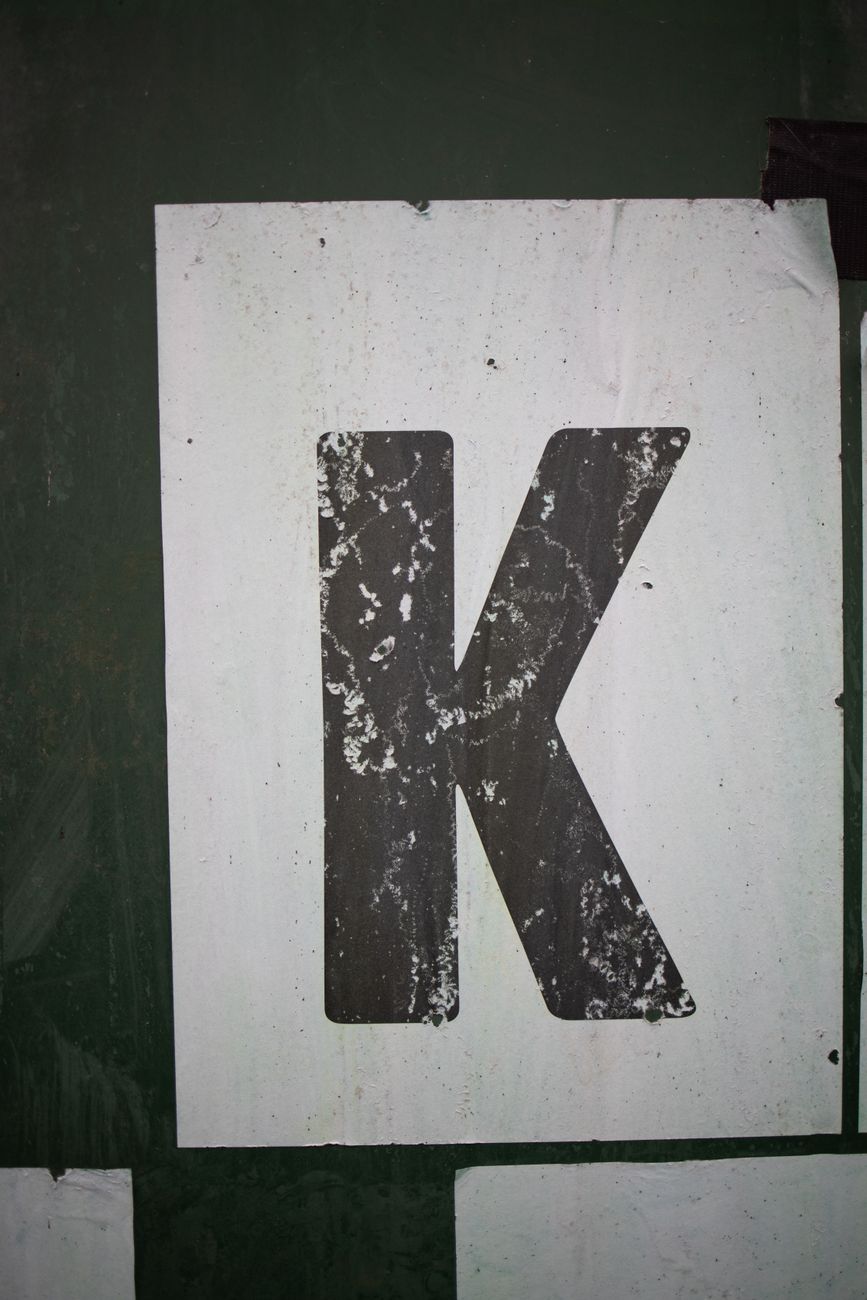
    There are many phrases in this world that annoy me. Corporate buzzwords. Fake positivity. Passive aggressive nonsense. People saying “we should totally hang out sometime” when both of you know that is never happening. But there is one response, one microscopic combination of letters, one digital communication war crime that rises above the rest. One phrase so unbelievably lazy, dismissive, cold, and irritating that every time I see it, a tiny part of my soul flatlines.

    “K.”

    Just that. K.

    Not “okay.” Not “ok.” Not “alright.” Not even the slightly chaotic but acceptable “kk.” Just a lonely little “k” sitting there like a digital middle finger.

    And I know some people are gonna say, “well maybe they’re busy.” No. I do not care. Because typing “okay” takes maybe half a second longer than typing “k.” You already opened the message. You already looked at it. You already responded. So what exactly was saved here? What incredible amount of time efficiency was gained? Did NASA recruit you mid conversation? Were you suddenly called into a hostage negotiation? Did your phone battery have 0.0001% left and you sacrificed the other letters for survival?

    Because otherwise, what are we doing here?

    Especially when I send an actual thoughtful response. That is where “k” becomes truly infuriating. I could send somebody an entire paragraph. A detailed response. An actual conversation. Maybe I am explaining something important, talking about an idea, telling a story, venting about something, or even just trying to have a normal human interaction. And after all that effort, after all those words, after all that thought, the response I get back is:

    “K.”

    Are you kidding me?

    That is not a response. That is the conversational equivalent of someone shutting a door in your face halfway through a sentence. It feels like I just threw a fully cooked meal onto a plate for someone and they stared at it for two seconds before saying, “aight.” Not even enough respect to capitalize the K sometimes either. Just a lowercase “k” sitting there in all its emotionally vacant glory.

    And the worst part is how weirdly aggressive it feels.

    Because let’s be honest here. “K” does not read as neutral. Nobody on Earth reads “k” and thinks, “wow, what a warm and enthusiastic response.” No. “K” feels annoyed. It feels irritated. It feels passive aggressive even when maybe it is not intended that way. It feels like someone responding while rolling their eyes so hard they can see their own brain.

    Imagine talking to someone in real life like that. Imagine you are telling somebody a story face to face and when you finish, they just stare at you blankly and go, “k.” You would immediately assume they hated you. You would think they were angry. Or bored. Or trying to end the conversation as fast as possible.

    That is because human communication is not just about words. It is about effort. Energy. Tone. Engagement. And “k” has the energy of somebody throwing a single stale cracker onto the table and calling it dinner.

    Now look, I understand not every message needs a five paragraph response. I am not asking for people to write essays every single time. Sometimes short responses are fine. Sometimes there is not much to say. That is normal. But there is a gigantic difference between a simple response and a completely dead one.

    “Okay” feels normal.

    “Gotcha” feels normal.

    “Sounds good” feels normal.

    Even “lol” at least acknowledges humanity still exists.

    But “k” feels like the emotional equivalent of being left on read while technically not being left on read.

    And yes, there are layers to this too. Because context matters. A “k” from your boss somehow feels terrifying. A “k” from a friend feels dismissive. A “k” from someone you are arguing with feels like they are trying to start World War III. A “k” from someone you like romantically? Oh congratulations, now you are going to spend the next three hours wondering if they hate you.

    The single letter “k” has somehow evolved into one of the most emotionally loaded responses in digital communication history.

    And honestly, I think part of why it annoys me so much is because it represents this larger problem with modern communication in general. People have become so weirdly disconnected from conversations. Everything is rushed. Everything is shortened. Everything is compressed into the smallest possible amount of effort. We are communicating faster than ever before while somehow saying less than ever before.

    Conversations now sometimes feel like people are trying to speedrun human interaction.

    And again, I am not demanding constant deep emotional speeches. I am not asking every text conversation to become a philosophical debate about existence itself. But there is something deeply irritating about the absolute bare minimum effort possible becoming normalized.

    Especially when the other person is clearly trying.

    That is the key thing here. Effort should at least somewhat match effort. If somebody sends you an actual message, responding with “k” feels like conversational malpractice. It feels like somebody handing you a handwritten letter and you responding by throwing a sticky note at their forehead.

    And I know somebody reading this right now is thinking, “wow this dude is really angry about one letter.”

    Yes. Yes I am.

    Because somehow that one letter manages to radiate annoyance in ways entire paragraphs cannot.

    Honestly, sometimes “k” feels worse than no response at all. At least being left on read has ambiguity. Maybe they got distracted. Maybe they forgot. Maybe life happened. But “k” confirms they saw your message and actively decided this single consonant was all you were worth in return.

    It is honestly impressive in a horrible way.

    And do not even get me started on the variations of it either. Because there are subclasses of “k” energy.

    Lowercase “k” is cold and dismissive.

    Uppercase “K” feels actively hostile.

    “K…” feels like somebody preparing for murder.

    And then there is “Mk.” Which somehow feels like an exhausted parent trying not to lose their sanity entirely.

    Digital communication has become its own weird language where punctuation and capitalization can completely change emotional meaning. A period at the end of a sentence suddenly feels aggressive. Multiple exclamation points can feel fake. No punctuation can feel detached. And “k” became the king of all emotionally cursed responses.

    What fascinates me too is how universal this annoyance seems to be. So many people hate “k.” Entire memes exist about this. Entire online discussions exist about this. People immediately understand the emotional vibe of it without explanation. Humanity collectively agreed that this one letter carries the energy of disappointment, annoyance, boredom, or emotional shutdown.

    That is honestly kind of incredible.

    Language evolved over thousands of years and somehow we arrived at this.

    One letter.

    Pure irritation.

    And maybe some people genuinely do not mean anything by it. Maybe for some people it really is just shorthand. Maybe they truly are neutral when they send it. But communication is not just about intention. It is also about perception. And if millions of people collectively interpret “k” as irritated or dismissive, maybe there is a reason for that.

    Maybe because it feels incomplete.

    Maybe because it lacks warmth.

    Maybe because it feels like somebody trying to end a conversation instead of participate in one.

    Or maybe because it just looks ugly sitting there on the screen like some emotionally abandoned letter fragment.

    Honestly, even “👍” sometimes feels more human than “k.”

    At least the thumbs up has shape. Presence. Energy. “K” just looks like somebody gave up halfway through typing.

    And there is also a weird imbalance that happens when one person clearly cares more about the conversation than the other. You can feel it instantly. One person is engaged. The other is responding with the verbal equivalent of elevator music. “K” becomes the ultimate symbol of that imbalance. It tells you immediately who is carrying the interaction.

    Nobody wants to feel like they are talking at somebody instead of with somebody.

    That is what “k” does.

    It transforms conversations into brick walls.

    And listen, maybe this sounds dramatic. Maybe it is dramatic. But honestly? Human interaction matters. The little things matter. Tone matters. Effort matters. People can absolutely feel when someone is emotionally checked out of a conversation. Sometimes tiny things communicate massive feelings.

    That stupid little letter somehow communicates exhaustion, irritation, boredom, indifference, and passive aggression all at once.

    Which honestly is almost impressive linguistically.

    Like congratulations, “k.” You somehow became the most efficient delivery system for negative conversational energy imaginable.

    And the thing is, I do not even think people realize how often tiny responses shape interactions. A slightly warmer response can completely change the feeling of a conversation. A little enthusiasm can make somebody feel heard. Even basic acknowledgment can matter more than people realize.

    But “k” feels like anti warmth.

    Anti conversation.

    Anti human connection.

    It is the response equivalent of fluorescent office lighting.

    Cold. Harsh. Soulless.

    And maybe part of my hatred for it comes from how common it has become. Because once you notice it, you start seeing it everywhere. Texts. DMs. Comments. Group chats. Everywhere you go, there is always somebody lurking with their tiny little “k” loaded and ready to destroy the vibe instantly.

    It can kill momentum in seconds.

    You could be having a genuinely fun conversation and suddenly:

    “K.”

    Boom. Atmosphere dead. Conversation buried. Social energy annihilated.

    It is honestly almost comedic how powerful it is.

    One letter should not have this much destructive capability.

    And yes, before anybody says it, I know there are bigger problems in the world. Obviously. But sometimes daily annoyances are what stick with you the most because they happen constantly. Tiny frustrations repeated over and over become their own special category of rage.

    And “k” is absolutely one of them.

    Because at its core, I think what annoys me is not even the letter itself. It is what it represents. Minimal effort. Disengagement. Emotional laziness. The feeling of somebody barely participating while technically still responding.

    It feels like the modern internet distilled into a single character.

    Shortened attention spans.

    Compressed communication.

    Reduced effort.

    Everything becoming smaller, faster, emptier.

    And honestly? I hate that.

    I miss when conversations actually felt alive sometimes. When people bounced ideas off each other. When interactions had energy. When communication did not constantly feel like people trying to escape the conversation as quickly as possible.

    Maybe that makes me old fashioned. I do not know.

    But I do know this.

    If I send somebody an actual thoughtful message and all I get back is “k,” I immediately lose interest in continuing the conversation. Because why am I putting energy into something the other person clearly does not care about?

    Conversation is a two way street.

    Not one person dragging the other through digital quicksand.

    So yes, WordPress daily prompt, my answer is absolutely “k.”

    I cannot stand it.

    That one tiny letter somehow became one of the most irritating phrases in modern communication.

    And every single time I see it pop up on my screen, I swear I can physically feel my soul leave my body for half a second.

    Fediverse Reactions
  • Brian Griffin, Me, and the Difference Between Calling Yourself a Writer and Actually Becoming One

    Brian Griffin, Me, and the Difference Between Calling Yourself a Writer and Actually Becoming One

    There is something strangely fascinating about Family Guy and the way it portrays ambition. Beneath all the absurdity, cutaway gags, offensive jokes, and chaotic humor, the show often presents characters who are deeply stagnant. They dream big, they talk big, they imagine themselves as important, talented, intelligent, or special, but they rarely change. In many ways, that is part of the joke. The characters are trapped in a comedic loop where development resets because the show itself depends on maintaining a status quo. And among all those characters, perhaps none embodies that contradiction more than Brian Griffin.

    Brian Griffin is, supposedly, a writer.

    Or at least, that is what he calls himself.

    Throughout the series, Brian constantly presents himself as intellectual, artistic, cultured, and sophisticated. He drinks wine, quotes literature, criticizes others, talks about philosophy, politics, and culture, and positions himself as the most enlightened member of the Griffin family. But when you actually examine his actions throughout the duration of the show, a very different image emerges. Brian talks about writing far more than he actually writes. He talks about ambition more than he acts on ambition. He talks about becoming successful more than he genuinely works toward success. And while there are episodes where he technically becomes an author or experiences temporary recognition, those moments almost always disappear afterward, resetting him back to square one.

    That matters more than people realize.

    Because in a strange way, Brian represents a very real phenomenon within creative communities. He represents the person who loves the aesthetic of being a writer more than the actual process of writing itself.

    And that is where I compare him to myself.

    Now, on the surface, comparing a real person to a fictional cartoon dog might sound ridiculous. And honestly, it kind of is. But sometimes fictional characters become symbols larger than themselves. Sometimes they reflect archetypes that exist in reality. Brian Griffin is one of those characters. Whether people like it or not, he represents a certain type of writer. The writer who constantly speaks about their future greatness while rarely putting in the sustained work required to actually build something meaningful.

    And when I look at my own life as a writer, I see the exact opposite trajectory.

    I did not just sit around talking about writing.

    I wrote.

    I built.

    I created.

    I spent years constructing something from absolutely nothing.

    My debut novel, Wonderment Within Weirdness, took seven years to write. Seven years. That is not a weekend hobby. That is not pretending to be a writer. That is not casually fantasizing about creativity while doing nothing. That is years of dedication, persistence, rewriting, self reflection, frustration, experimentation, growth, and discipline. A project does not survive for seven years unless someone genuinely believes in it enough to keep going through periods of doubt, exhaustion, and uncertainty.

    And then in 2025, I published not one book, but three.

    That alone separates fantasy from action.

    Because the truth is, writing is easy to romanticize. Society romanticizes writers constantly. People love the image of the writer. The lonely intellectual sitting in cafés. The misunderstood artist. The deep thinker staring out rainy windows while typing profound sentences. Popular culture has turned “being a writer” into an identity aesthetic. But the actual reality of writing is much uglier and much harder than people imagine.

    Real writing is repetition.

    Real writing is discipline.

    Real writing is continuing when nobody cares yet.

    Real writing is building platforms from scratch while feeling invisible.

    Real writing is editing the same paragraph twenty times.

    Real writing is spending years on projects with no guarantee of success.

    Brian Griffin rarely does any of that.

    Instead, Brian often acts entitled to recognition before truly earning it. He wants validation immediately. He wants people to acknowledge his intelligence. He wants to be seen as talented. But he lacks consistency. And consistency is the single most important thing in creative work.

    The uncomfortable truth is that many people who identify as writers never actually commit themselves to writing seriously. They love discussing ideas. They love announcing projects. They love imagining future success. But they do not endure the long, painful process of building something over time.

    I did.

    And that matters.

    Especially in the modern era where attention spans are collapsing and creative burnout happens constantly.

    What makes this comparison even more interesting is that Brian Griffin exists inside a world where excuses are easy. He lives comfortably enough. He has a support system. He has free time. He has opportunities. Yet despite all that, he rarely fully commits himself. He drifts. He procrastinates. He self sabotages. He intellectualizes instead of acting. And honestly, that is one of the most realistic aspects of his character. A lot of people fail not because they lack talent, but because they lack sustained application.

    Talent without consistency becomes meaningless.

    Ideas without execution become meaningless.

    Dreams without action become meaningless.

    And this is why I think Brian is such an important character to analyze, even beyond comedy. He unintentionally exposes a very real issue within artistic culture. There are people who become so attached to the identity of being creative that they never actually create enough.

    Meanwhile, I approached writing differently.

    I built blogs.

    I built podcasts.

    I expanded my online presence across multiple platforms.

    I kept creating.

    And I did it from the ground up.

    Nobody handed me an audience.

    Nobody magically gave me visibility.

    Nobody dropped success into my lap.

    I worked for it.

    That distinction is important because independent creative work in the modern age is brutal. People underestimate how difficult it is to maintain motivation while building something independently. Especially online. The internet creates the illusion that success happens instantly, but behind almost every successful creator is years of invisible labor that nobody saw.

    Seven years spent writing a debut novel is invisible labor.

    Years of blogging is invisible labor.

    Building podcasts is invisible labor.

    Maintaining consistency is invisible labor.

    And unlike Brian Griffin, I did not simply stop at the idea stage.

    I followed through.

    One of the biggest differences between Brian and myself is that I understand creativity as work, not just identity. Brian often treats writing as an extension of his ego. He wants writing to prove he is sophisticated. He wants recognition attached to the title of “writer.” But genuine creative work humbles you very quickly. The process itself destroys ego. Writing forces you to confront your weaknesses repeatedly. It forces you to revise, rethink, fail, and improve. If you genuinely dedicate yourself to writing long term, you eventually stop caring about looking like a writer and start caring about becoming better at writing.

    That shift changes everything.

    Because once creativity becomes practice rather than performance, progress begins happening.

    And honestly, I think that is why Brian remains stagnant throughout most of the show. He rarely transforms because he rarely commits himself fully enough to transformation. He prefers the fantasy version of himself over the difficult process required to actually become the person he imagines he already is.

    Again, I understand why the show does this. Seth MacFarlane and the writers designed Brian this way intentionally. Brian is meant to be hypocritical. He is meant to embody contradiction. The humor comes from the gap between how intelligent he thinks he is and how flawed he actually is. But despite being fictional satire, there is truth embedded in that characterization.

    A lot of people become trapped inside self perception.

    They think talking equals doing.

    They think intentions equal accomplishments.

    They think potential equals achievement.

    It does not.

    Potential means nothing without application.

    That is something I learned firsthand through writing.

    Especially with a project like Wonderment Within Weirdness. Spending seven years on a debut novel changes your perspective entirely. Most people abandon long projects. Many writers never finish their first book. Some spend decades talking about novels they never complete. So to not only finish a novel, but publish it, alongside multiple other books in the same year, represents sustained commitment over fantasy.

    And honestly, I think there is something symbolic about comparing myself to Brian Griffin specifically because he is such a recognizable cultural figure. Millions of people know Brian. Millions of people recognize the archetype he represents. The pseudo intellectual creative who endlessly talks about greatness while rarely manifesting it into consistent output.

    But I think there is another reason this comparison matters.

    Brian reflects fear.

    Underneath his arrogance and intellectualism, there is insecurity. He fears failure. He fears irrelevance. He fears inadequacy. And ironically, those fears contribute to his stagnation. Because the more someone fears failure, the easier it becomes to avoid fully trying. If you never genuinely commit, you never have to fully confront whether you could succeed or fail.

    But when you spend seven years writing a novel, you confront that fear directly.

    When you publish books publicly, you confront that fear directly.

    When you build podcasts and blogs publicly, you confront that fear directly.

    You expose yourself to criticism, rejection, indifference, misunderstanding, and uncertainty.

    That vulnerability is real.

    And it is something Brian often avoids.

    This is why I fundamentally disagree with the version of creativity Brian represents. Writers should not merely identify as writers. They should write. They should create consistently. They should push themselves. They should build something tangible, even if the process is slow and difficult.

    And yes, not everyone needs to publish books or build giant platforms. Success looks different for different people. But there is still a difference between someone who genuinely practices their craft and someone who endlessly talks about doing so without sustained effort.

    The modern internet era makes this issue even more complicated because performance has become deeply intertwined with creativity. Social media encourages people to brand themselves instantly. People introduce themselves as writers, artists, philosophers, creators, entrepreneurs, influencers, visionaries, often before they have actually built much of anything. Identity becomes detached from output.

    Brian Griffin predicted that dynamic before social media fully exploded.

    He is essentially the prototype of performative intellectualism.

    And honestly, that is part of why he remains such an effective character.

    Because despite being a cartoon dog in an absurd comedy series, he reflects something deeply human.

    People want recognition.

    People want meaning.

    People want validation.

    But wanting those things is not enough.

    You have to build.

    You have to persist.

    You have to continue even when progress feels invisible.

    That is what separates fantasy from reality.

    And I think my own journey reflects that distinction clearly. I did not wait for permission to become a writer. I became one through action. Through years of effort. Through long term commitment. Through creation itself.

    There is also another irony here.

    Brian Griffin desperately wants authenticity and depth, yet he often lacks both because he rarely commits himself fully enough to anything. Meanwhile, real authenticity emerges through process. Through persistence. Through long term engagement with your craft. You cannot fake seven years spent writing a novel. You cannot fake maintaining blogs and podcasts over time. You cannot fake sustained creative output forever. Eventually, real work reveals itself.

    And honestly, that is something many aspiring writers need to hear.

    Writing is not about appearing intellectual.

    Writing is not about aesthetics.

    Writing is not about fantasy identities.

    Writing is about writing.

    That sounds obvious, but many people forget it.

    The actual work matters more than the performance surrounding the work.

    Brian often reverses that equation.

    He prioritizes appearance over sustained effort.

    And to be fair, that flaw makes him compelling as a character. Perfect characters are boring. Brian’s contradictions are precisely what make him memorable. But outside fiction, those contradictions become dangerous if people emulate them too closely.

    Because creative stagnation becomes easy.

    Endless planning becomes easy.

    Endless talking becomes easy.

    Endless dreaming becomes easy.

    Finishing things is hard.

    Building platforms is hard.

    Publishing books is hard.

    Remaining consistent for years is hard.

    And yet, that is exactly what I did.

    I think there is also a broader lesson here about self belief. Brian often oscillates between arrogance and insecurity. He wants to believe he is exceptional, but deep down he often doubts himself. That contradiction traps him in cycles of inaction. Meanwhile, real creative growth requires a strange balance between humility and confidence. Enough confidence to continue creating despite uncertainty, but enough humility to recognize that improvement never ends.

    That balance matters enormously.

    Because if you become too arrogant, you stop improving.

    If you become too insecure, you stop creating.

    Writers have to navigate both.

    And honestly, I think surviving seven years of writing a debut novel teaches that lesson naturally. Long projects force endurance. They force patience. They force adaptation. They force you to continue through periods where motivation disappears entirely.

    That is something Brian rarely demonstrates.

    He chases inspiration instead of discipline.

    But discipline is what builds careers.

    Discipline is what creates bodies of work.

    Discipline is what transforms ideas into reality.

    And perhaps that is ultimately the core difference between Brian Griffin and myself.

    Brian wants the identity.

    I embraced the process.

    Brian talks.

    I built.

    Brian dreams about becoming recognized as a writer.

    I spent years actually writing.

    That distinction may sound harsh, but I think it is important. Especially in an era where creativity is increasingly commodified into branding and performance. There is value in reminding people that creation itself still matters. Persistence still matters. Long term dedication still matters.

    And honestly, maybe that is why I felt compelled to make this comparison in the first place.

    Because despite all the absurdity surrounding Family Guy, Brian Griffin accidentally became symbolic of something real. He symbolizes unrealized potential. He symbolizes creative stagnation. He symbolizes the danger of mistaking self image for actual progress.

    Meanwhile, my own story represents something different.

    Not perfection.

    Not instant success.

    Not effortless genius.

    But persistence.

    Commitment.

    Application.

    Years of work.

    And ultimately, tangible results.

    Three published books in 2025.

    Years of blogging.

    Podcasts.

    Platforms.

    Creative output built from the ground up.

    That is not fantasy. That is not performance. That is real effort manifested over time.

    And maybe that is the final irony in all this.

    Brian Griffin, despite constantly calling himself a writer, rarely embodies what writing truly requires.

    But through comparing myself to him, I think the contrast reveals an important truth about creativity itself.

    Being a writer is not about saying you are one.

    It is about continuing to write long after the excitement fades.

    It is about finishing projects.

    It is about enduring uncertainty.

    It is about building something slowly, piece by piece, even when nobody notices yet.

    And perhaps most importantly, it is about applying yourself fully instead of endlessly fantasizing about the person you could become.

    Because eventually, there comes a point where dreams alone are no longer enough.

    At some point, the work has to begin.

    Fediverse Reactions
  • How My Debut Book “Wonderment Within Weirdness” Won a 4-Star Literary Titan Award

    How My Debut Book “Wonderment Within Weirdness” Won a 4-Star Literary Titan Award

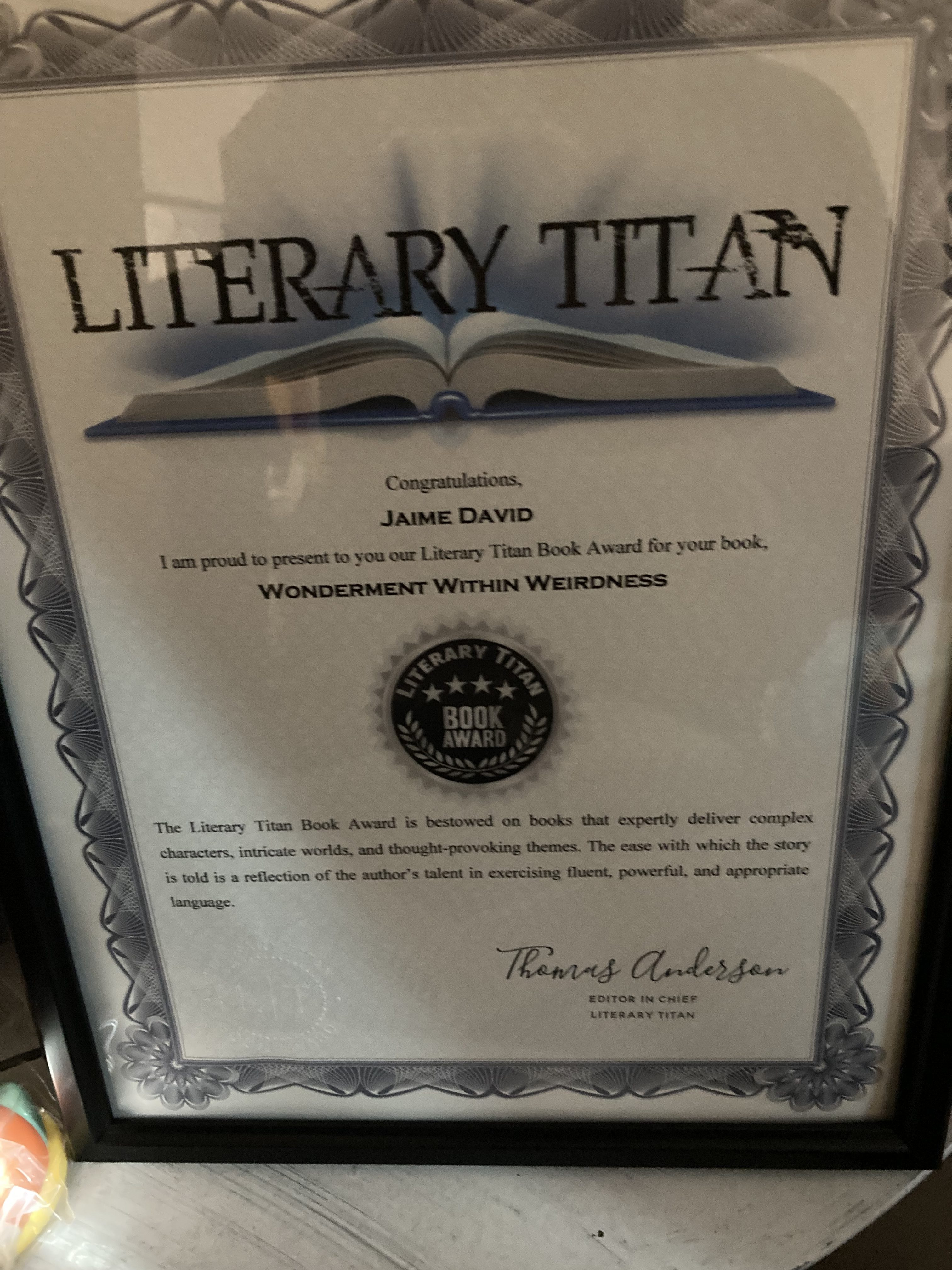
    There are moments in life that do not fully register at first. Moments where you stare at a screen, reread the same sentence multiple times, and wonder if what you are seeing is actually real. For me, one of those moments came when I found out that my debut book, Wonderment Within Weirdness, had received a 4-star silver award from the Literary Titan.

    Now, before anyone misunderstands what I am saying, no, the Literary Titan award is not the Pulitzer Prize. It is not one of those century-old literary institutions that immediately dominate headlines or get discussed endlessly in academic circles. I understand that. I am aware of the hierarchy that exists within the literary world. There are massive awards with generations of prestige behind them, and then there are smaller, newer awards trying to carve out their own identity in the publishing landscape. Literary Titan falls more into that latter category. But here is the thing people often overlook: recognition is still recognition. An award does not have to be the most famous literary honor on Earth in order to matter.

    And for a debut author, especially an independent one, receiving any kind of legitimate literary recognition can mean far more than outsiders realize.

    Because here is the reality that many people do not talk about enough: writing a book is hard. Finishing a book is even harder. Publishing one is another mountain entirely. Then comes the most brutal stage of all, getting anyone to notice it in a world overflowing with content. Every day, countless books are released onto the internet. Thousands upon thousands of stories, poetry collections, essays, memoirs, philosophical works, experimental projects, and novels appear online, all fighting for visibility. Most disappear almost instantly into the digital void. Some never receive reviews. Some never find an audience. Some barely get read outside of friends and family circles. That is simply the brutal reality of modern publishing.

    Which is why the Literary Titan award mattered to me.

    Not because it suddenly transformed me into a globally recognized literary icon overnight. Not because I now expect to be discussed alongside literary giants. But because it represented something important: external validation. It meant that someone outside of my immediate circle looked at my work and believed it deserved recognition. That matters. Especially for a first book.

    Debut books exist in a strange space. Established authors often have advantages that new writers simply do not possess. They may already have audiences built over years. They may have publishers backing them with marketing budgets. They may have editors, agents, industry connections, media exposure, or simply the power of name recognition. Readers approach established writers with preconceived expectations. There is already a built-in level of trust there.

    A debut author has none of that.

    When someone picks up a first book from a completely unknown writer, there is no guarantee attached to it. There is no proven track record. No legacy. No assurance that the work will even be coherent, let alone compelling. A debut writer has to earn every ounce of credibility from scratch. That is part of what makes literary recognition for a first book feel especially significant.

    And in my case, Wonderment Within Weirdness was not some hyper-calculated, market-tested project designed specifically to appeal to mainstream publishing trends. If anything, the book reflects many of the themes and ideas that define my broader creative identity. Weirdness. Wonder. Introspection. Emotion. Existential thought. Philosophical wandering. Experimental energy. It is deeply tied to my voice as a writer and thinker. In many ways, it represents me authentically rather than trying to imitate what the market supposedly wants.

    That can be risky.

    The internet often pushes creators toward conformity. Algorithms reward familiarity. Publishing industries sometimes reward predictability. There is pressure everywhere to fit neatly into categories, genres, aesthetics, and market expectations. But creative work that embraces weirdness and individuality can sometimes cut through precisely because it feels different. It feels human. It feels personal. And I think that is part of why the recognition meant something to me.

    Because it suggested that originality still has value.

    I also think there is something psychologically important about literary awards for independent authors that many people underestimate. When you are creating largely on your own, doubt becomes constant. Every writer experiences it to some degree, but independent creators especially know what it feels like to question themselves endlessly. Is the work good enough? Is anyone reading? Does any of this matter? Am I wasting my time? These thoughts can become relentless.

    So when an outside organization says, “We see merit here,” it can genuinely impact a creator’s confidence. Not in an egotistical way, but in a stabilizing way. It becomes proof that the work connected with someone beyond yourself. That is valuable fuel for continuing forward creatively.

    And honestly, the award also made me reflect on how strange and unpredictable artistic journeys can be.

    There are writers who spend decades producing work before receiving recognition. There are others who explode into visibility instantly. Some receive praise early and disappear later. Others struggle for years before eventually finding audiences. There is no universal roadmap for creativity. No guaranteed formula. No clear sequence that determines who succeeds and who does not. The literary world is chaotic. Sometimes brilliant books are ignored. Sometimes mediocre books become massive phenomena. Sometimes deeply personal projects unexpectedly resonate with readers and reviewers alike.

    That unpredictability is both terrifying and beautiful.

    I think part of why this award mattered so much to me is because it symbolized momentum. Not finality. Not completion. Momentum. It felt like confirmation that I am not simply shouting into the void entirely unnoticed. Even smaller recognitions can create psychological momentum for artists. They can reinforce the idea that continuing to create is worthwhile.

    And perhaps most importantly, it reminded me that the definition of success is more nuanced than people often make it out to be.

    Modern internet culture tends to frame success in extremes. Either you are world famous, or you are irrelevant. Either you win the biggest awards imaginable, or your accomplishments supposedly do not count. But reality is far more layered than that. There are countless levels of artistic success between obscurity and superstardom. A smaller literary award can still represent a meaningful achievement. Especially for a first-time author.

    I also think there is something fascinating about newer literary awards in general. Every prestigious institution that exists today had to begin somewhere. The Pulitzer Prize was once new. The Booker Prize was once unknown. Every literary tradition starts small before history determines whether it grows into something larger. Now, I am not claiming Literary Titan will become the next Pulitzer. Nobody can predict that. But I do think people sometimes dismiss newer awards too quickly simply because they lack decades of legacy.

    The reality is that literary culture is constantly evolving. Independent publishing itself has changed dramatically over the last twenty years. The barriers between traditional and independent authorship have blurred. Online platforms have allowed writers to build audiences without relying entirely on gatekeepers. Smaller awards and independent review organizations have emerged partly because the literary ecosystem itself has expanded beyond older institutional models.

    And frankly, independent authors often need these spaces.

    Because traditional literary systems can be incredibly difficult to penetrate. Many talented writers never receive attention from major publishers or prestigious literary organizations despite producing meaningful work. Smaller awards can provide visibility where mainstream institutions may overlook emerging voices. That does not make the recognition fake or meaningless. It simply means it exists within a different layer of the literary landscape.

    Another thing that struck me after receiving the award was how differently creators experience recognition compared to outsiders observing from a distance. Someone scrolling online might see “4-star Literary Titan award” and move on after two seconds. But for the creator behind the work, that recognition often represents years of thought, effort, doubt, rewriting, editing, emotional investment, and persistence condensed into a single moment.

    People see the outcome. They rarely see the process behind it.

    They do not see the nights spent questioning whether the project will ever come together properly. They do not see the anxiety involved in publishing something personal into public view. They do not see the fear of rejection. They do not see the vulnerability required to create sincerely in a culture that often rewards irony and detachment more than authenticity.

    And perhaps that is another reason why this award felt meaningful to me specifically. It validated authenticity.

    I have always been drawn toward ideas that sit outside rigid convention. Whether through my writing, my philosophical ideas surrounding anarcho-compassionism, my blog posts, or my broader creative identity, I tend to gravitate toward introspection, emotional honesty, nuance, existential exploration, and unconventional thinking. Wonderment Within Weirdness reflects that mindset heavily. It is not trying to be sterile or artificially polished into generic marketability. It embraces weirdness directly, even in its very title.

    And honestly, I think the title itself matters.

    “Wonderment Within Weirdness” captures something fundamental about how I view creativity and existence. There is wonder inside the strange. Beauty inside imperfection. Meaning hidden within chaos. Modern society often pressures people to suppress weirdness, flatten individuality, and conform to expectations. But creativity frequently thrives in the exact opposite direction. Some of the most memorable art emerges precisely because it dares to be unusual.

    That does not mean every unconventional work automatically becomes brilliant. But authenticity has power. Readers can often sense when something comes from a genuine place rather than existing solely as a calculated product.

    I also think there is something inspiring about the fact that a debut independent book can receive recognition at all in today’s environment. We live in an era where gatekeeping still exists, but it is no longer absolute. Independent creators have more opportunities than ever before to publish work, connect with audiences, and gain visibility. The internet has created overwhelming saturation, yes, but it has also democratized creativity in many ways.

    That democratization comes with contradictions. Visibility is harder because everyone is competing simultaneously. Yet opportunities also exist that previous generations of writers could barely imagine. A person can build a blog, publish books independently, create podcasts, interact directly with readers, and cultivate a creative ecosystem almost entirely outside traditional institutions.

    That is part of the journey I have been navigating myself through The Musings of Jaime David and my broader online presence.

    And perhaps that is another reason this award felt important. It represented not just one isolated accomplishment, but evidence that the broader creative path I have been pursuing might actually be leading somewhere meaningful.

    What made the experience even more surreal was seeing the recognition expand beyond the award announcement itself. Literary Titan did not simply hand out the award quietly and move on. There was an actual press release published about my book receiving the award, which made the accomplishment feel far more tangible and publicly documented. FinancialContent press release about the award

    That mattered to me because there is something psychologically different about seeing your work discussed publicly in a professional context. It transforms the experience from feeling purely internal into something externally recognized and archived. Suddenly, the book was not just existing within my own creative ecosystem. It was being discussed beyond it.

    Then there was the author interview that Literary Titan conducted with me, which honestly made the entire experience feel even more real. Literary Titan author interview with Jaime David The title alone, “It Started With a YouTube Comment,” captures something fascinating about modern creativity and internet culture. So many creative journeys now begin in strange, seemingly insignificant digital moments. A comment. A post. A random idea. A passing conversation online. Something tiny eventually snowballs into something much larger.

    That interview gave me the opportunity to reflect not just on the book itself, but on the broader creative process behind it. And honestly, interviews can sometimes feel even more vulnerable than the work itself because they require the creator to directly articulate thoughts, motivations, insecurities, and inspirations in their own voice. There is nowhere to hide behind fictional structure or poetic abstraction at that point. It becomes direct human reflection.

    And then there was the review itself from Literary Titan. Literary Titan review of Wonderment Within Weirdness Reviews are fascinating because they represent interpretation. Once creative work enters the world, readers begin forming their own relationships with it. They notice things the creator may not have fully realized themselves. They interpret themes differently. They emotionally connect to unexpected aspects of the work. That is part of what makes literature so interesting in the first place. Books stop belonging solely to the author once they are released publicly. They become shared experiences between creator and reader.

    Perhaps one of the strangest and coolest parts of all this, though, was the fact that there was even a podcast episode discussing my book. Literary Titan podcast episode about Wonderment Within Weirdness There is something surreal about hearing people talk about your creative work in audio form, almost like listening to your ideas echo back at you from outside yourself. It creates this bizarre sensation where the project suddenly feels alive beyond your own head.

    And honestly, when you step back and look at the full picture, it becomes clear that the experience extended beyond simply “winning an award.” There was the award itself, the review, the interview, the press release coverage, and even a podcast discussion. For a debut independent book, that is genuinely meaningful visibility.

    Will the Literary Titan award alone suddenly make me famous? Of course not. I am realistic about that. But creative careers are often built incrementally. Recognition accumulates piece by piece over time. One review leads to another. One award builds credibility. One reader recommends a book to someone else. Momentum compounds gradually rather than explosively for most writers.

    People often romanticize overnight success while ignoring how many creators build their audiences slowly over years. Persistence matters enormously in creative fields. So does consistency. So does continuing to create even when visibility feels limited.

    And honestly, I think the award reinforced something deeper psychologically for me: the importance of continuing despite uncertainty.

    Because uncertainty never fully disappears for artists. Even successful writers experience doubt constantly. There is no magical point where creators suddenly become immune to insecurity. Every project involves risk. Every piece of writing involves vulnerability. Every publication becomes an act of exposure in some way.

    But recognition can help counterbalance that uncertainty enough to keep moving forward.

    It can remind creators that their work has impact beyond their own internal world. That someone connected with it. That the effort mattered to another human being somewhere out there.

    And for me, as a debut author, that feeling carries enormous significance.

    Fediverse Reactions