The Musings of Jaime David
@jaimedavid.blog@jaimedavid.blog

The writings of some random dude on the internet

1,117 posts
1 follower

Tag: nostalgia

  • Cartoon Network x Nickelodeon Live-Action Crossover: It’s Time They Went Full Chaos

    Cartoon Network x Nickelodeon Live-Action Crossover: It’s Time They Went Full Chaos

    Alright, so we’ve been talking cartoons, but let’s not sleep on the live-action side. Because here’s the thing: both Cartoon Network and Nickelodeon have had their fair share of live-action shows over the years. And if the merger between Paramount Global and Warner Bros. Discovery is happening, then this is absolutely the perfect time to go all out.

    I’m talking about a crossover so massive it makes all the fanfiction and “what if” posts look like child’s play. This isn’t just about throwing some Nickelodeon kids in a Cartoon Network universe, or vice versa. This is the full “everything collides” scenario.

    Why the live-action crossover matters

    People forget, both networks built huge fanbases not just on cartoons, but also on live-action shows:

    • Nickelodeon gave us classics like iCarly, Drake & Josh, Kenan & Kel, Zoey 101, and All That.
    • Cartoon Network had its own wild live-action experiments too—Level Up, Tower Prep, The Othersiders, plus more obscure stuff that deserves a comeback.

    Fans of these shows are now adults. Nostalgia is at peak levels. The perfect storm is here. And if you pull this off, you get the same chaos, the same universe-bending fun as with the cartoons—but with real human actors interacting with iconic personalities from the other network.

    What a live-action crossover could even look like

    Picture it:

    • Carly Shay (iCarly) accidentally stumbles into a Cartoon Network studio, where she’s interacting with characters from Level Up or even a live-action hybrid scene with Adventure Time actors (animated + live-action mix).
    • Drake & Josh team up with Nickelodeon’s All That cast for ridiculous sketch chaos in a shared universe.
    • Actors from Zoey 101 have to navigate an absurd dimension-crossing event where Cartoon Network and Nickelodeon characters’ worlds collide in the most chaotic way imaginable.

    It’s meta, it’s ridiculous, it’s exactly the kind of crossover the internet would explode for.

    Bring back old shows, don’t hold back

    Just like the cartoons, this needs to be full retro revival. Every show, every actor, every weird obscure live-action series. Don’t just pick the big hits. Go deep. All That, Kenan & Kel, Level Up, even stuff no one remembers until it comes back in full chaos mode.

    Why it would dominate pop culture

    We’re talking about two universes of content that shaped kids’ lives, now colliding in real-time, with the actual actors reprising their roles. Combine that with the animated crossover, and suddenly you’ve got a multi-dimensional, live-action/animation hybrid event unlike anything in TV history.

    This isn’t just nostalgia. It’s the perfect fan celebration, a pop-culture earthquake, and a golden opportunity for Paramount Global to actually show that this merger is about creative power, not just corporate headlines.

    The ultimate conclusion

    If the cartoons are getting their mega crossover, the live-action side cannot be left behind. It would be absurd to not do it. Full cast reunions, mash-ups, dimension-crossing chaos, meta comedy, and maybe even live-action versions of cartoon antics. The internet will lose its mind, fans will rejoice, and this will go down as one of the most insane entertainment events in history.

    Paramount Global acquiring Warner Bros. Discovery isn’t just about merging companies—it’s about finally giving fans what they’ve been dreaming of for decades. And the live-action crossover? Absolutely essential. No excuses. Go all out.

  • Cartoon Network x Nickelodeon: The Ultimate Crossover We’ve Been Waiting for Is Actually Happening

    Cartoon Network x Nickelodeon: The Ultimate Crossover We’ve Been Waiting for Is Actually Happening

    Okay, stop everything—this is real now. The merger is happening. Paramount Global is acquiring Warner Bros. Discovery. That means the impossible is no longer impossible. All the fanfiction, all the crossover dreams, all those “what if Cartoon Network met Nickelodeon” threads? They might actually come true.

    Because if this merger goes through, there’s only one logical conclusion: a full-on, universe-colliding, all-out Cartoon Network x Nickelodeon crossover event. And it needs to happen. Not just a cameo here or there, not some half-baked “reference episode” nonsense. The whole shebang.

    Finally, the crossover we’ve been dreaming about

    For decades, fans have been imagining this. They’ve been creating alternate universes where Gumball hangs out with SpongeBob, where Finn debates morality with Aang, where Raven and Danny Phantom just silently judge everyone. Reddit threads, YouTube AMVs, fan art galore—it’s all been leading to this.

    Now, thanks to corporate reality bending in our favor, the barrier that kept this from happening—the legal walls between Viacom-owned Nickelodeon and Warner Bros-owned Cartoon Network—is gone. The ownership issue? Solved. The stage is set.

    Go big or go home

    This isn’t the time for limits. Bring back every character. Every classic, every canceled series, every one-season wonder. Legacy voice actors? Check. Alternate timeline versions? Check. Epic multiverse chaos? Check.

    Imagine the possibilities:

    • Finn the Human teaming up with Aang
    • SpongeBob inexplicably in Townsville
    • Danny Phantom encountering Teen Titans-level ghost problems
    • Samurai Jack vs. Zuko, because why the hell not

    This would not just be fan service—it’s a celebration of two entire eras of animation.

    And yes, the game potential is insane

    We already got a taste with Nicktoons Unite!. Nickelodeon knows how to do crossover chaos, Cartoon Network knows how to do chaotic fun. So now imagine a modern mashup:

    Nicktoons United x Cartoon Network Mega Crossover Game

    Open-world hubs. Team-based battles. Storylines that jump between dimensions. Character abilities interacting in insane ways. Levels based on every iconic show you can think of.

    And the natural next step? A full-on platform fighter in the style of Super Smash Bros, but featuring both networks’ rosters. Imagine:

    • SpongeBob vs. Gumball
    • Ben 10 vs. Danny Phantom
    • The Powerpuff Girls vs. Team Avatar
    • Samurai Jack vs. Zuko

    Stages, music, and assist characters pulled from deep, deep cuts. Every character feels meaningful, every interaction is iconic. This isn’t just nostalgia—it’s the crossover the internet has been begging for.

    Why it’s more than nostalgia

    This isn’t just kids’ shows or retro bait. Cartoon Network and Nickelodeon shaped generations. They influenced humor, storytelling, character design, and even internet culture itself. This isn’t a gimmick—it’s a cultural checkpoint.

    A moment when two massive creative legacies finally acknowledge each other in the biggest, most chaotic way possible.

    The point is simple: they need to go all out

    Paramount Global acquiring Warner Bros. Discovery is the perfect storm. If the networks fail to seize this, it will be one of the biggest missed opportunities in entertainment history. The characters are there, the fan demand is insane, and the corporate ability to make it happen? Finally exists.

    So yes. Make it happen. Bring back every character, every story, every crazy scenario. Make the game. Make the show. Make the cultural event of the decade. Because the merger isn’t coming—it’s here. And this is our shot at the ultimate crossover.

  • The Ultimate Paranormal TV Crossover We Deserve: Grimm, Supernatural, Fringe, and The X-Files

    The Ultimate Paranormal TV Crossover We Deserve: Grimm, Supernatural, Fringe, and The X-Files

    There are some ideas that feel so obvious, so perfectly aligned with pop culture history, that it’s almost insane they haven’t happened yet.

    And this is one of them.

    We need a crossover between Grimm, Supernatural, Fringe, and The X-Files.

    Not a reboot. Not a remake. Not a “shared universe reboot attempt.”

    A true, full-on, multiverse-level paranormal crossover event while the actors are still alive, still capable, and still recognizable as the characters we grew up with.

    Because if there was ever a time to do it, it’s now.


    These Shows Were Already Basically the Same Universe

    Let’s be real for a second.

    All four of these shows were already orbiting the same core idea:

    • Something hidden is going on in the world
    • Governments either know too much or too little
    • Monsters, anomalies, or entities exist just beyond normal perception
    • A small group of people is constantly holding reality together

    The X-Files basically laid the foundation. Mulder and Scully set the tone for “investigate the unexplainable, get gaslit by institutions, repeat.”

    Then Fringe escalated it into multiverse horror sci-fi with alternate realities, mad science, and collapsing timelines.

    Then Supernatural said “what if we just made folklore, demons, angels, gods, and cosmic apocalypse part of a road trip buddy show for 15 seasons.”

    And then Grimm came in like “what if fairy tales were real, but hidden among humans, and the cops were secretly monster hunters?”

    These shows are not different genres.

    They are different dialects of the same language.


    The Crossover Concept Writes Itself

    You don’t even need to overthink it.

    Something goes wrong.

    Not just “monster of the week” wrong.

    Reality is destabilizing.

    Fractures from the Fringe universes begin bleeding into our own timeline. The boundaries between myth, alien phenomena, and supernatural law enforcement collapse.

    Suddenly:

    • FBI agents are getting X-Files cases that don’t behave like X-Files cases
    • Hunters from Supernatural are seeing creatures that don’t follow known lore
    • Grimm “wesen” rules start breaking down
    • And something from the deepest Fringe-style alternate universe is rewriting physics itself

    This isn’t “team-up to fight a villain of the week.”

    This is:

    “All of your shows were documenting different symptoms of the same apocalypse.”


    The Characters Already Feel Like They Could Meet

    This is the part people underestimate.

    The tone compatibility is already there.

    The X-Files

    The X-Files gives us:

    • Fox Mulder’s obsession with truth
    • Dana Scully’s scientific skepticism slowly eroded by reality

    And honestly, Mulder meeting literally anyone from these other shows just feels natural. He would immediately believe all of it. Scully would try to document it. Fail. Then still publish a paper about it.


    Supernatural

    Supernatural gives us:

    • Dean and Sam Winchester, who have literally fought everything from demons to gods to cosmic destiny itself

    At a certain point, they stop being surprised. They would meet Fringe scientists and go:

    “Yeah, okay, alternate universe again. Cool. Can we kill it?”

    Played by Jensen Ackles and Jared Padalecki, they are basically the emotional backbone of supernatural chaos.


    Fringe

    Fringe brings:

    • Olivia Dunham
    • Walter Bishop
    • Peter Bishop

    This trio would be the “explain what is actually happening” engine of the crossover.

    Especially Walter.

    Walter would look at everything happening and say something like:

    “Oh yes, I saw this once when I accidentally opened a door to a dimension where gravity is emotional.”

    Played by Joshua Jackson, Peter is the bridge between madness and logic.


    Grimm

    Grimm adds:

    • Hidden monster society
    • Police procedural grounding
    • Mythological creatures disguised as humans

    Nick Burkhardt walking into this crossover would basically be:

    “So you’re telling me this is NOT the weirdest case I’ve ever had?”

    And then immediately be proven wrong.


    The Villain: It’s Not a Monster, It’s Reality Itself

    Here’s where the crossover gets interesting.

    Because if you combine:

    • X-Files government conspiracies
    • Fringe multiverse instability
    • Supernatural cosmic hierarchy
    • Grimm mythological hidden society

    You don’t get a monster.

    You get a breakdown of structure.

    The antagonist shouldn’t be a demon or alien or Wesen.

    It should be:

    A collapsing “truth layer” where all explanations exist at once, and none of them are stable anymore.

    Meaning:

    • Science stops agreeing with itself
    • Magic stops obeying rules
    • Mythology becomes statistically real
    • Alternate realities overwrite memory

    This is the kind of threat where even Winchester logic fails.

    Even Walter Bishop gets scared.


    The Emotional Core Would Be Insane

    What makes this crossover actually work isn’t just spectacle.

    It’s grief.

    All four shows, in their own way, are about people who sacrifice normal life to hold back the unknown.

    • Mulder loses normalcy for truth
    • Scully loses certainty for reality
    • Dean and Sam lose everything for survival
    • Nick loses ignorance for responsibility
    • Olivia loses identity across timelines
    • Walter loses his mind to understand what’s coming

    Put them together and you don’t get a team.

    You get survivors of different wars realizing they were all fighting the same war.


    Imagine the First Meeting Scene

    Picture it:

    A government facility collapses due to a dimensional bleed.

    Mulder and Scully arrive.

    Then Dean and Sam kick in the door, weapons drawn.

    Nick Burkhardt is already there, trying to contain a Wesen outbreak that is behaving… wrong.

    Walter Bishop is calmly eating a sandwich while saying:

    “This is actually very exciting.”

    Olivia Dunham arrives last and immediately says:

    “This is not our universe.”

    And Dean responds:

    “Yeah, no kidding.”

    That’s it. That’s the show.


    Why This Needs to Happen Now

    This is the important part.

    All of these shows have aging fandoms. Many of the actors are still active. The nostalgia window is open, but it won’t stay open forever.

    • David Duchovny and Gillian Anderson still have cultural weight as Mulder and Scully
    • Jensen Ackles and Jared Padalecki are still deeply associated with supernatural storytelling
    • Joshua Jackson still carries Fringe’s legacy

    If there was ever a moment where studios could realistically coordinate something like this, it’s in this era of multiverse storytelling where audiences already accept impossible crossovers.

    We’ve literally been trained by modern cinema to say:

    “Sure, why not, throw them all together.”

    So why not do it with the best paranormal TV shows ever made?


    The Real Reason This Works

    It’s not just fan service.

    It’s thematic completion.

    These shows never got closure in relation to each other because they were never connected.

    But emotionally?

    They already were.

    They were all asking the same question in different ways:

    “What happens when reality stops being reliable?”

    A crossover doesn’t dilute that question.

    It amplifies it.


    Final Thought

    If you brought these universes together, you wouldn’t just get a crossover episode.

    You would get a cultural event.

    A “where were you when the paranormal multiverse collapsed” moment.

    And honestly?

    If the actors are still around, if the fandoms are still alive, and if Hollywood is still obsessed with multiverses…

    Then not doing this feels like a missed opportunity of almost mythic proportions.

    Because some ideas aren’t just good.

    They’re inevitable.

  • Thirty, Somehow: A Birthday Reflection on Survival, Loss, and the Fragile Hope of Starting Again

    Thirty, Somehow: A Birthday Reflection on Survival, Loss, and the Fragile Hope of Starting Again

    I’m thirty years old today.

    And I’m sitting here thinking, holy shit. I actually made it.

    That sentence feels heavier than it probably should. People say it casually all the time, like getting older is just something that happens automatically, like breathing. But for me, and I think for a lot of us whether we admit it or not, making it to thirty doesn’t feel automatic. It feels earned. It feels like surviving something. It feels like crawling through a decade that didn’t always want you to come out the other side, and somehow, against all odds, you did.

    I made it through my twenties.

    That alone feels like something worth sitting with for a while.

    Because my twenties were not simple. They weren’t clean. They weren’t the kind of years you wrap up neatly in a highlight reel and say, “yeah, that was fun.” They were chaotic. Messy. Painful. Confusing. There were highs, sure, but they were often followed by lows that hit harder than I ever expected. There were moments where everything felt like it was coming together, and then moments where it all collapsed just as quickly.

    There were times I felt like I knew exactly who I was becoming. And then there were times I felt like I had absolutely no idea who I was at all.

    And yet, through all of that, I’m here.

    Thirty.

    It’s strange, too, because growing up, thirty always felt like some distant, almost mythical age. Like that’s when you’re supposed to have it all figured out. That’s when life “starts to make sense.” That’s when you’re stable, secure, grounded. That’s when you become a real adult.

    And now I’m here, and I can say with full honesty, I don’t have everything figured out. Not even close.

    But I do have something else.

    Perspective.

    And maybe that matters more.

    Because if my twenties taught me anything, it’s that life is not a straight line. It’s not a checklist. It’s not something you can plan perfectly and execute without disruption. Life is unpredictable in ways that can be beautiful and devastating at the same time.

    Sometimes, it gives you moments that feel perfect.

    And sometimes, it takes them away without warning.

    I think about that a lot today. Especially today.

    Because birthdays used to feel different.

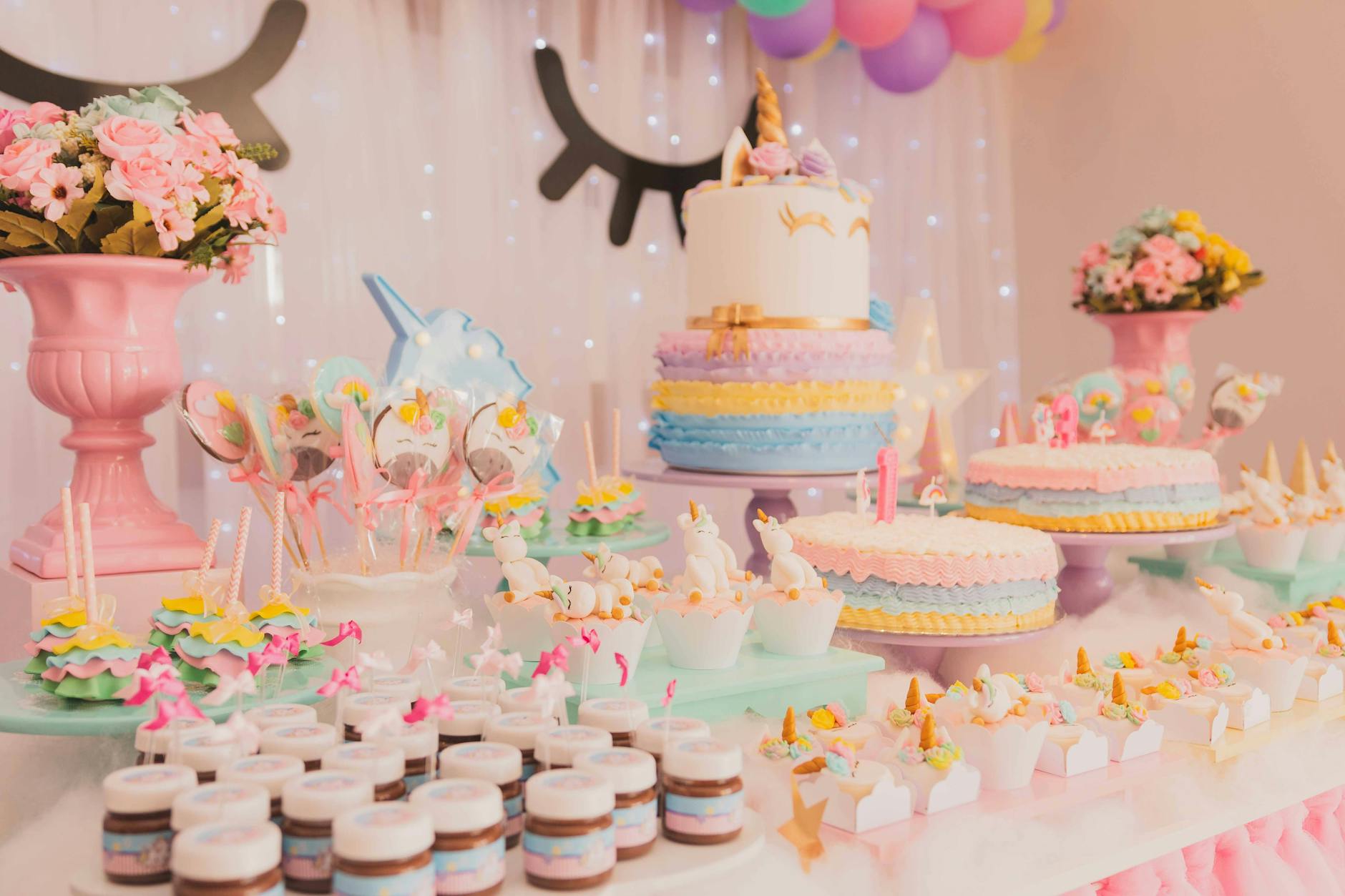
    Before 2019, my birthday felt like something lighter. Something joyful. Something I could just be present in without any weight attached to it. I didn’t think twice about it. It was just a day to celebrate, to be with people I cared about, to laugh, to exist in a moment that felt good.

    And I can still picture one of those moments so clearly.

    March 2019.

    I was at Chili’s with my friends. We were celebrating. Just eating, talking, laughing, having a genuinely good time. Nothing extraordinary on paper, but everything about it felt right. It was one of those nights where you don’t realize how much it means while you’re in it. You’re just there, living it, assuming there will be more nights like that. Assuming life will just keep unfolding in that same rhythm.

    I didn’t know it then, but that was the last time I felt truly, fully happy without anything looming over me.

    Just a few weeks later, everything changed.

    April 18, 2019.

    That date is burned into me in a way I wish it wasn’t.

    That’s the day my uncle died.

    My uncle on my dad’s side. But even saying “uncle” doesn’t fully capture it. He was more than that. He was like a second father to me. A presence that felt constant. Someone who was just… there. In the way you assume certain people will always be there.

    And then suddenly, he wasn’t.

    It didn’t feel real. It still doesn’t, sometimes.

    Even now, seven years later, there are moments where I think about it and my brain just kind of rejects it. Like, no, that didn’t actually happen. That can’t be right. He’s just… somewhere else. I’ll see him again. This isn’t permanent.

    But it is.

    And that’s the part that never fully settles.

    Because loss like that doesn’t just take a person away. It changes the way everything feels afterward. It reshapes your emotional landscape in ways that are hard to explain unless you’ve gone through it.

    Birthdays changed.

    Holidays changed.

    Moments that used to feel purely happy now carry something else with them. A kind of quiet sadness. A reminder of absence. A sense that something is missing, even when everything else is technically “fine.”

    Ever since 2019, my birthdays haven’t felt the same.

    There’s always this underlying feeling, this awareness that someone who should be here isn’t. Someone who would have been part of this day, part of this moment, part of this version of me turning thirty.

    And that absence doesn’t get easier. It just becomes more familiar.

    It becomes something you carry.

    So yeah, birthdays have been harder since then.

    Not unbearable. Not entirely negative. But different.

    Heavier.

    And I think part of me has been stuck on that, in some way, for years. Like a part of my happiness got frozen in time back in March 2019, sitting in that Chili’s with my friends, completely unaware of what was coming next.

    That was the last time everything felt uncomplicated.

    The last time joy didn’t have a shadow attached to it.

    And everything since then has been… something else.

    Not all bad. But not the same.

    And I’ve had to learn how to live with that.

    My twenties, especially the years after 2019, felt like a long stretch of trying to figure out how to exist in a world that suddenly felt more fragile. More unpredictable. More capable of taking things away without warning.

    And it wasn’t just personal stuff either.

    The world itself has felt like it’s been in constant chaos.

    Politically, socially, globally, everything has felt unstable. There’s been this constant sense of tension, like things could escalate at any moment. Like we’re always on the edge of something bigger, something worse.

    It’s been exhausting.

    And trying to navigate personal grief while also living through broader societal instability… that does something to you.

    It wears you down.

    It makes it harder to feel hopeful.

    It makes it harder to believe in the future in a straightforward way.

    There were times in my twenties where I genuinely didn’t know what the next few years would look like. Not in a normal, “life is uncertain” way, but in a deeper, more unsettling way. Like, what even is stability anymore? What does it mean to build something lasting in a world that feels like it’s constantly shifting?

    And yet, here I am.

    Thirty.

    Still standing.

    Still trying.

    Still here.

    That has to mean something.

    And I think that’s what I want to focus on today.

    Not just the loss. Not just the pain. Not just the ways things haven’t been the same.

    But the fact that I’m still here in spite of all of it.

    Because that matters.

    Survival matters.

    Getting through the hard years matters.

    Continuing to show up, even when things feel heavy, even when the world feels uncertain, even when your own emotions feel complicated and messy, that matters.

    And I’ve done that.

    I’ve made it through a decade that challenged me in ways I never expected.

    I’ve dealt with loss that reshaped how I experience happiness.

    I’ve lived through years that felt chaotic both personally and globally.

    I’ve had moments where I felt lost, uncertain, overwhelmed.

    And I still made it to thirty.

    That’s not nothing.

    That’s something real.

    And now I’m looking ahead at my thirties, and I feel… cautiously hopeful.

    Not in a naive way. Not in a “everything is going to magically be perfect now” way.

    But in a grounded way.

    A realistic way.

    A way that acknowledges everything I’ve been through, but still allows for the possibility that things can be better.

    Because I want my thirties to be different.

    I don’t expect them to be free of pain. That’s not how life works. Loss doesn’t just disappear. The world doesn’t suddenly become stable. Everything doesn’t suddenly fall into place just because you hit a new decade.

    But I do think there’s an opportunity here.

    A chance to approach life differently.

    A chance to build something more intentional.

    A chance to find moments of happiness again, even if they feel different than they used to.

    Because maybe happiness doesn’t look the same after loss.

    Maybe it’s not as light. Maybe it’s not as carefree.

    But that doesn’t mean it’s gone.

    It just means it’s changed.

    And maybe part of growing up, part of moving into your thirties, is learning how to accept that change without letting it completely take over.

    Learning how to hold both things at once.

    The sadness and the joy.

    The grief and the gratitude.

    The past and the future.

    Because they’re all part of the same life.

    And I don’t want to spend my thirties stuck in the idea that my best moments are behind me.

    I don’t want to believe that the last time I was truly happy was in March 2019 and that’s it. That’s the peak. Everything else is just an echo.

    I don’t think that’s true.

    I don’t want it to be true.

    I think there are still moments ahead that can feel just as meaningful. Maybe not identical. Maybe not in the same way. But still real. Still worth experiencing.

    I want to believe that I can sit somewhere again, with people I care about, laughing, feeling present, and not immediately thinking about what could go wrong next.

    I want to believe that kind of happiness is still possible.

    And maybe the difference now is that I’ll appreciate it more when it happens.

    Maybe I won’t take it for granted in the same way.

    Maybe I’ll recognize it in real time instead of only realizing its value after it’s gone.

    That’s something my twenties taught me the hard way.

    Pay attention to the good moments while you’re in them.

    Because you don’t always get a warning before things change.

    And speaking of time, it’s kind of surreal to think about what comes next.

    Thirty.

    Thirty-seven more years until retirement age, assuming that even stays the same. Which, honestly, who knows. The way things are going, they might move the goalposts again. Wouldn’t be surprising.

    But still.

    Thirty-seven years.

    That’s a long time.

    And at the same time, it doesn’t feel that long.

    Because the last ten years went by in what feels like a blur.

    A very intense, very chaotic blur.

    And then there’s this other number that’s been sitting in my mind.

    Nineteen years.

    In nineteen years, I’ll be the age my uncle would have been if he were still here.

    That’s a strange thought.

    A heavy one.

    It’s like there’s this invisible timeline running alongside my own, this “what could have been” version of things that I can’t help but think about.

    And I don’t know exactly how to process that.

    I don’t think there’s a clean way to.

    But maybe I don’t need to have all the answers right now.

    Maybe it’s enough to just acknowledge it.

    To recognize the weight of it without letting it define everything.

    Because today is still my birthday.

    I’m still here.

    I still have time ahead of me.

    And I want to use that time in a way that feels meaningful.

    Not perfect. Not flawless. But intentional.

    I want my thirties to be a decade where I try, genuinely try, to build something better for myself.

    Emotionally.

    Mentally.

    Maybe even physically.

    I want to find ways to reconnect with happiness, even if it looks different than it used to.

    I want to be more present.

    More aware.

    More appreciative of the moments that are good while they’re happening.

    And I want to carry the memory of my uncle in a way that honors him, without letting the grief completely overshadow everything else.

    That’s a balance I’m still figuring out.

    But I think that’s okay.

    Because if there’s one thing I’ve learned, it’s that life isn’t about having everything figured out.

    It’s about continuing to move forward anyway.

    Continuing to learn.

    Continuing to adapt.

    Continuing to find meaning where you can.

    And right now, the meaning I’m finding is simple.

    I made it to thirty.

    After everything, I’m still here.

    And that’s worth something.

    Maybe even everything.

    So yeah.

    Happy birthday to me.

    Let’s see what the thirties have in store.

    I’m ready to find out.

  • Contactless My Ass: Why Tapping Your Phone Isn’t Progress

    Contactless My Ass: Why Tapping Your Phone Isn’t Progress

    They call it contactless payment. Contactless. Like it’s some futuristic magic that lets you pay without touching anything. But that’s a lie. You still have to take out a card, a phone, or a smartwatch and tap it on a reader. Tap. That is contact. Not contactless. It’s barely-touchless, marketed as convenience, sold as progress, and yet it makes a simple task unnecessarily complicated.

    Think about the MetroCard. You swiped it. You shoved it in a slot. It worked. Always. No apps, no updates, no battery concerns, no mysterious failures. It didn’t matter if it was raining, if your hands were greasy, or if your phone was dead—your MetroCard just worked. That is the definition of reliability. And now we act like tapping a phone like some digital wand is progress. It isn’t. It’s a stress-inducing gimmick that leaves you feeling like a fool every time your device doesn’t cooperate.

    The reality of this “contactless” system is absurd. You’re standing at the turnstile, fumbling for the right card, hoping your phone isn’t dead, hoping the reader isn’t broken, hoping the payment goes through. If it doesn’t, suddenly you’re holding up the line, everyone behind you glares, and you feel ridiculous. Back in the MetroCard days, that never happened. Swipe, done. Simple, reliable, human-friendly.

    And let’s not ignore the outright dishonesty of calling this system “contactless” while forcing you to hold something in your hand. That’s like calling a hammer “contactless” because it flies through the air if you throw it. There’s still contact. The idea that this is magical, futuristic, clean, or invisible is nonsense. It’s just another way to make a mundane interaction more complicated and stressful.

    I miss the days when public transit wasn’t a tech arms race. The MetroCard didn’t crash, didn’t require updates, didn’t run on batteries, didn’t pretend to be magic. And yet, this “innovation” costs more: more maintenance, more infrastructure, more anxiety. The MetroCard was simple, cheap, and reliable. Now we pay more for less, all because someone thought “tap to pay” sounds more impressive than “swipe your card like a human being.”

    So yes, I’m calling out contactless payment for what it is. It’s not contactless. It’s not faster. It’s not more convenient. It’s a gimmick wrapped in fancy tech jargon. And the MetroCard? That thing was a masterpiece of simplicity. Reliable, straightforward, human-compatible. It didn’t ask for an update. It didn’t judge you. It just worked.

    The next time you tap your phone, your card, or your watch, remember the truth: you are holding something. You are making contact. You are relying on fragile technology to do something that used to be effortless. You are not a wizard, you are a commuter in 2025, standing at a turnstile, hoping a glowing rectangle acknowledges your existence. That is the farce of contactless payment. And the MetroCard, my friends, was real magic all along.

  • Fall Feels Friday: Autumn’s Whispering Reflection

    Fall Feels Friday: Autumn’s Whispering Reflection

    As autumn settles in, there’s a certain hush that blankets the world. The once-lush green trees begin to shed their leaves, turning shades of gold, red, and amber. The crispness in the air signals change—not just in the weather, but in ourselves. Fall has a way of inviting us to reflect on the past year, to take stock of where we’ve been and where we are headed.

    Autumn has a quiet wisdom. It doesn’t shout; it speaks softly, urging us to slow down and listen. It’s in the crunch of leaves underfoot, the smell of pumpkin spice wafting through the air, and the stillness of the evenings that draw us inward. The world seems to be asking us to pause and remember.

    Fall is a time of letting go. Just as the trees release their leaves, we too have moments in our lives that we must release. The nostalgia that comes with this season is both bittersweet and beautiful. It’s a time to embrace the fullness of what we’ve experienced, to appreciate the beauty of things passing, and to recognize that change is inevitable, yet always necessary.

    In this post, I reflect on the quiet wisdom of fall—the season that invites us to breathe deeply, take stock, and prepare for the renewal that comes with the winter months. I invite you to reflect on your own journey and the lessons autumn has to offer.

  • Flashback Fridays #18: The Early Days of YouTube — When Vlogs and Viral Videos Began

    Flashback Fridays #18: The Early Days of YouTube — When Vlogs and Viral Videos Began

    YouTube launched in 2005 and quickly transformed the internet landscape.

    User-Generated Content: Early videos were raw and personal — people sharing vlogs, tutorials, and funny clips with friends and strangers.

    Viral Hits: Videos like Charlie Bit My Finger, Evolution of Dance, and David After Dentist captured global attention, showing the power of viral sharing.

    YouTube Stars: Personalities like Smosh, Ray William Johnson, and early beauty vloggers started building massive followings.

    Monetization Beginnings: Early monetization was limited, but YouTube’s Partner Program eventually allowed creators to turn passion into careers.

    Nostalgia: The simple, unpolished early YouTube era feels like a digital playground compared to today’s polished productions and corporate presence.

  • Flashback Fridays #17: The Classic Arcade — Where Tokens Bought More Than Games

    Flashback Fridays #17: The Classic Arcade — Where Tokens Bought More Than Games

    Before home consoles ruled, arcades were the playgrounds of youth, buzzing with neon lights and electronic beeps.

    The Atmosphere: Filled with the smell of popcorn, soda, and occasionally cigarette smoke, arcades were sensory overload in the best way. The sound of quarters dropping into machines was a common soundtrack.

    Popular Games: Pac-Man, Street Fighter II, Dance Dance Revolution, and Galaga challenged players to master reflexes and strategy.

    Social Hubs: Arcades were gathering places for friends, dates, and rivalries. High scores brought local fame.

    Decline: The rise of home consoles with comparable graphics and gameplay led to the decline of arcades, but many remain nostalgic for that communal gaming vibe.

  • The Cool S: Humanity’s Forgotten Symbol of Hope

    The Cool S: Humanity’s Forgotten Symbol of Hope

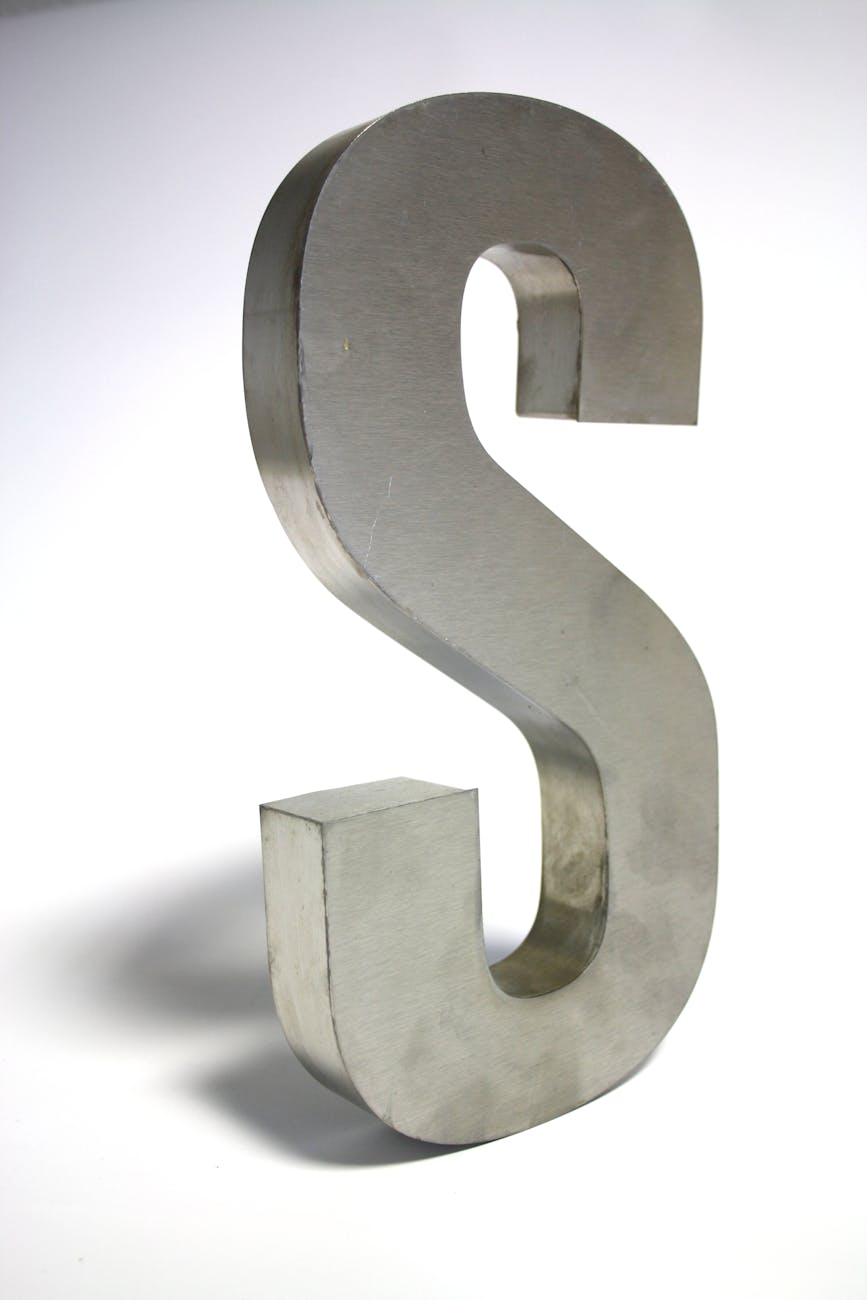
    When historians of the distant future dig through the cultural rubble of the early 21st century, they will no doubt stumble upon humanity’s most enduring legacy: not smartphones, not skyscrapers, not the internet. No, what they will find etched into every school desk, notebook margin, and bathroom stall across the globe is the Cool S. The mysterious six-line wonder, the untraceable emblem of childhood rebellion and unity, the doodle that transcended language, geography, and curriculum standards. And here is the shocking truth: perhaps, all along, this “S” was never just for “super,” “skater,” or “street,” but for something far nobler—hope.

    Think about it. No teacher taught us the Cool S. No official art curriculum contained a chapter titled “How to draw the universal sign of middle-school coolness.” And yet, every child, regardless of class, race, religion, or snack preference, knew it. It emerged in elementary schools like a secret handshake of the cosmos. You could move to a new school district in 1997, show up knowing no one, sit down with your cafeteria tater tots, and within five minutes you’d be quietly sketching an S in your notebook. And someone across the table would nudge you and nod, because they, too, carried the sacred knowledge. If that’s not hope, then what is?

    The Cool S was democracy in its purest form. You didn’t need artistic ability, social clout, or financial resources to draw it. Unlike collecting Pokémon cards or wearing name-brand sneakers, this status symbol was free. All you needed was a pencil and a willingness to scratch six little lines. In fact, the Cool S may have been the only universally accessible art project in human history. Picasso required a studio; Van Gogh needed oils; Banksy requires entire abandoned buildings. But every twelve-year-old, high on Capri Suns and raw angst, could summon the Cool S like a spell of solidarity.

    Superman had his S, yes. But Superman’s S required Hollywood lighting, Kryptonian backstory, and a carefully ironed spandex chest piece. The Cool S asked for nothing but lined notebook paper and maybe a five-minute lull in math class. Yet its presence was just as heroic. For the lonely kid ignored at recess, sketching the S was a small rebellion, a way to whisper, “I exist.” For the bored student, it was a silent prayer: “Please let this algebra period end.” For the ambitious doodler, connecting those lines into three-dimensional block letters was a feat rivaling Michelangelo’s Sistine Chapel. In every case, the Cool S carried with it a spark of resilience—a tiny, pointy, angular beacon of hope.

    Critics may say this is all nonsense. “It was just a doodle,” they sneer. But tell me: if it was just a doodle, why did everyone know it? Why did it appear on continents separated by oceans, in schools with no internet, in eras before memes could spread across social media? The Cool S has no known inventor. It emerged, spontaneously, like a Platonic ideal—the Jungian archetype of recess boredom. If aliens ever visit Earth, they won’t ask about Shakespeare or Beethoven. They’ll point to a weathered brick wall in a condemned middle school building and say, “We see you, fellow travelers of the cosmos. You, too, have known the S of hope.”

    Imagine, for a moment, what the world would be like if we actually leaned into this truth. What if the Cool S became our global emblem? Picture world leaders stepping onto the stage at the United Nations, not beneath sterile national flags, but beneath a giant metallic Cool S, glimmering with fluorescent optimism. Picture hospitals draped with banners not of corporate logos but of the S—because isn’t hope the first prescription we all need? Picture Superman himself peeling back his shirt to reveal not the stylized “S” of Krypton, but the six-line universal S of middle school. Metropolis would weep with joy.

    Of course, we would need to reclaim its meaning from its dubious past. For decades, the Cool S was associated with bathroom graffiti, skateboarding magazines, and the vague whiff of delinquency. But so was rock and roll. So was jazz. So was every single thing humans later decided was culturally important. If we can put Andy Warhol’s Campbell’s soup cans in a museum, we can put the Cool S on our money. In fact, put it on the dollar bill where the pyramid is. At least then people would understand it.

    The Cool S also teaches us something radical: the power of collective imagination. Nobody gave us instructions, yet we all drew it. Nobody told us it meant anything, yet it meant everything. It was not an assignment—it was ours. That’s what hope really is: the human instinct to create meaning out of thin air, to take six parallel lines and see not a mess, but a symbol. In a world constantly divided by politics, economics, and Marvel vs. DC debates, the Cool S is proof that we can, sometimes, all agree on something.

    In conclusion, if hope had a shape, it would not be a heart, a rainbow, or even a dove. Those are too obvious, too sentimental, too Hallmark. Hope is sharper than that. Hope is edgy, awkward, drawn in the margins when no one’s paying attention. Hope is the Cool S. And if future civilizations remember us for nothing else, let them remember that, despite our wars, our climate crises, and our TikTok dance trends, we still found a way to unite over something so simple, so perfect, and so universal.

    So next time you’re sitting with a pen and a scrap of paper, don’t just doodle mindlessly. Draw the S. Draw it proudly. Draw it as if you’re sketching the very emblem of resilience. Because you are. And who knows? Maybe someday, in the distant future, when humanity has colonized Mars and uploaded its consciousness into holographic clouds, a bored kid will sit in a Martian math class, pick up a stylus, and draw the Cool S. And the kid next to them will nod knowingly. That—that—will be hope.