The Musings of Jaime David
@jaimedavid.blog@jaimedavid.blog

The writings of some random dude on the internet

1,089 posts
1 follower

Category: Musing Mondays

  • Musing Mondays #14: The Existential Weight of Loading Screens

    Musing Mondays #14: The Existential Weight of Loading Screens

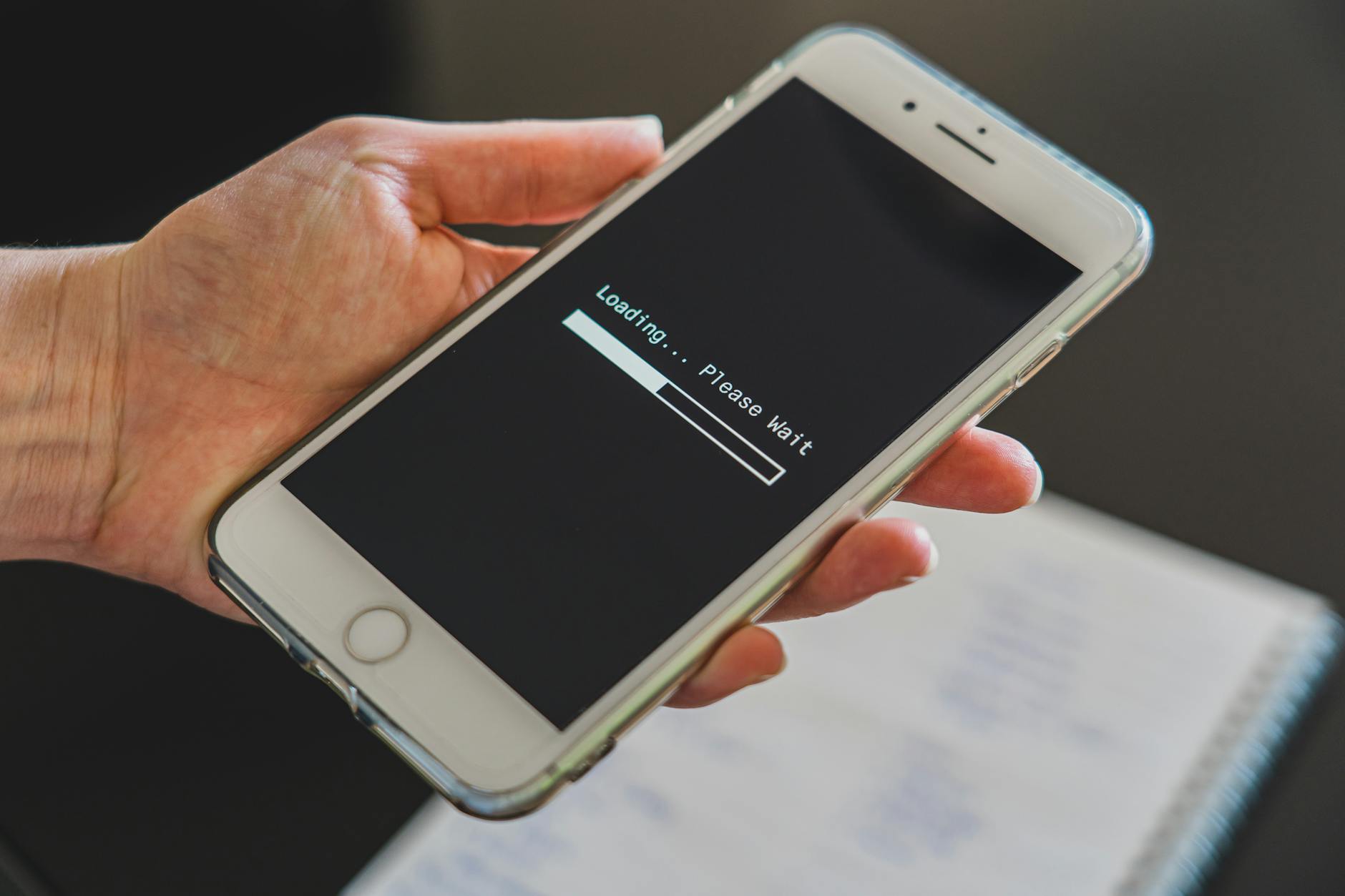
    You ever realize that loading screens are the modern version of waiting rooms? Just… digital purgatory. They’re spaces where nothing’s really happening, but you can’t go anywhere else either. You’re forced to just be—in limbo—while a system decides when you’re allowed to move on.

    Sometimes it feels like life does that too. Like you’re stuck in your own personal loading screen—waiting on health to improve, jobs to call back, people to change. No progress bar. No music. Just vibes. And maybe some spinning wheel of doom.

    And what do we usually do during loading screens? Grab our phones. Scroll. Mentally bail. Because being alone with our thoughts—even for a few seconds—can feel unbearable. But maybe those moments could mean something. Maybe waiting is underrated. Maybe the in-between is where we actually process.

  • Musing Mondays #13: Why Do We Still Use Paper Receipts?

    Musing Mondays #13: Why Do We Still Use Paper Receipts?

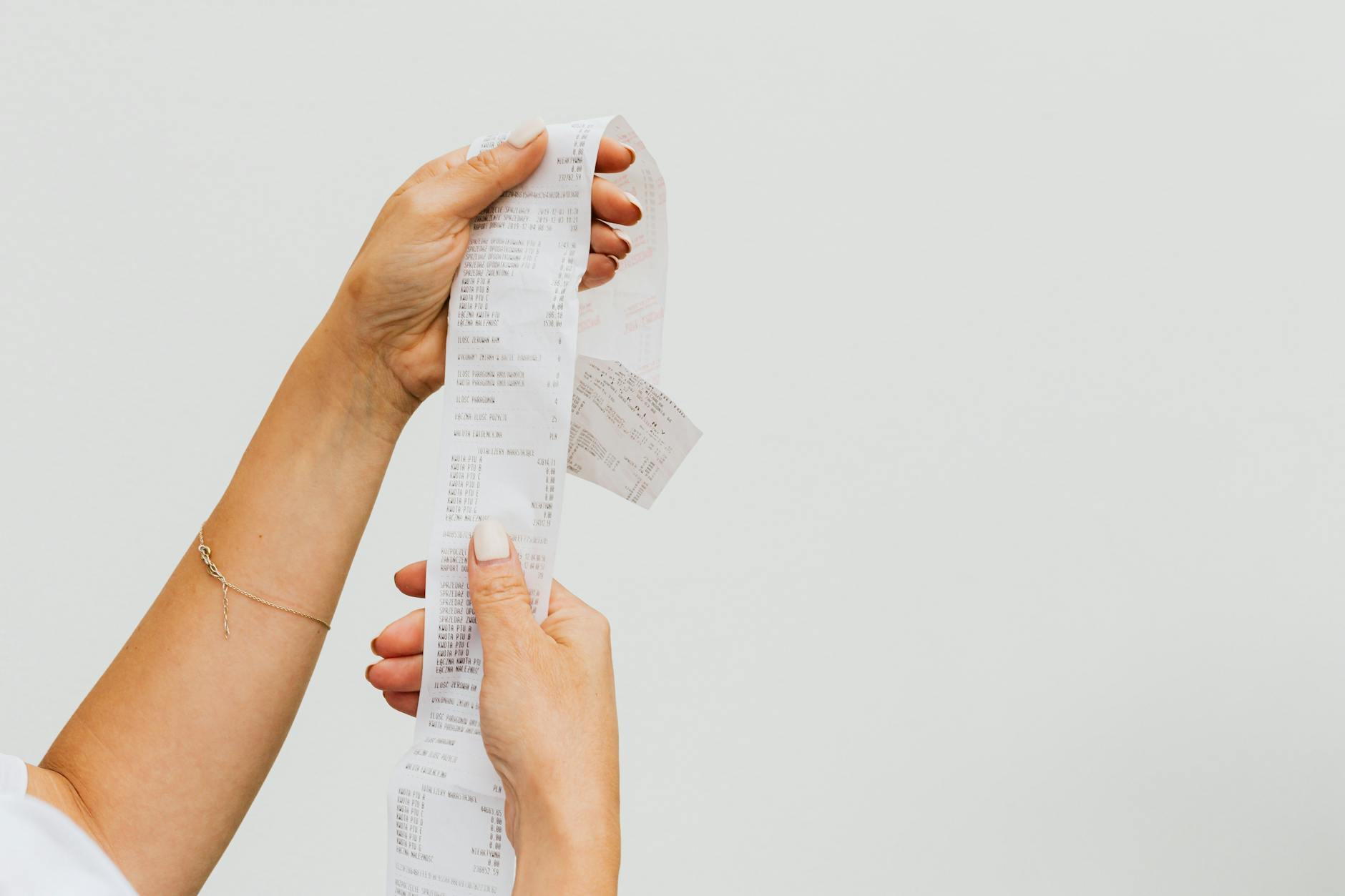
    In a world obsessed with digital everything, why do we still get paper receipts shoved in our hands? They’re often long, wasteful, and nobody really reads them. Most of us just toss them in the trash or stuff them in our bags only to lose them later.

    Is it habit? Legal protection? Or maybe it’s a weird comfort—a physical proof of purchase that feels more “real” than a digital blip?

    And what about the environmental cost? Thousands of trees, gallons of water, and pounds of ink for a few centimeters of paper that last maybe a day.

    This tiny everyday thing feels like a metaphor for all the outdated rituals we cling to, even when smarter, cleaner options exist. Progress isn’t always about invention — sometimes it’s about letting go.

  • Musing Mondays #12: The Invisible Energy of Social Awkwardness

    Musing Mondays #12: The Invisible Energy of Social Awkwardness

    Social awkwardness is weirdly powerful. It’s like static electricity in a crowded room — you can feel it, but no one talks about it directly. It disrupts the flow, makes people hesitate, and sometimes creates invisible walls between us.

    But here’s the thing: social awkwardness often comes from wanting to connect so badly that we get tangled in our own nerves and thoughts. It’s not rejection; it’s just humanity stumbling over itself.

    What if instead of fighting it, we saw awkwardness as a sign that connection matters? That the discomfort means we care about being seen and accepted? Maybe the awkward moments are actually some of the most honest ones.

  • Musing Mondays #11: Why Do We Say “Sleep Like a Baby” When Babies Don’t?

    Musing Mondays #11: Why Do We Say “Sleep Like a Baby” When Babies Don’t?

    You ever think about the phrase “sleep like a baby”? Because honestly, babies wake up crying every couple of hours, no matter how much they sleep. So why do we use it to mean deep, peaceful rest?

    Maybe it’s nostalgia—or just the idea of innocence and vulnerability we associate with babies. But the phrase ignores the brutal reality: babies don’t get good sleep. They get interrupted, chaotic sleep. And adults who get those same night wake-ups? They’re tired, frustrated, desperate for normalcy.

    So maybe “sleep like a baby” is less about how babies actually sleep, and more about our wish for a kind of reset—something pure and unburdened. A reminder that language often glosses over complexity to create comforting myths.

  • Musing Mondays #10: When Credit Card Spam Just Won’t Quit

    Musing Mondays #10: When Credit Card Spam Just Won’t Quit

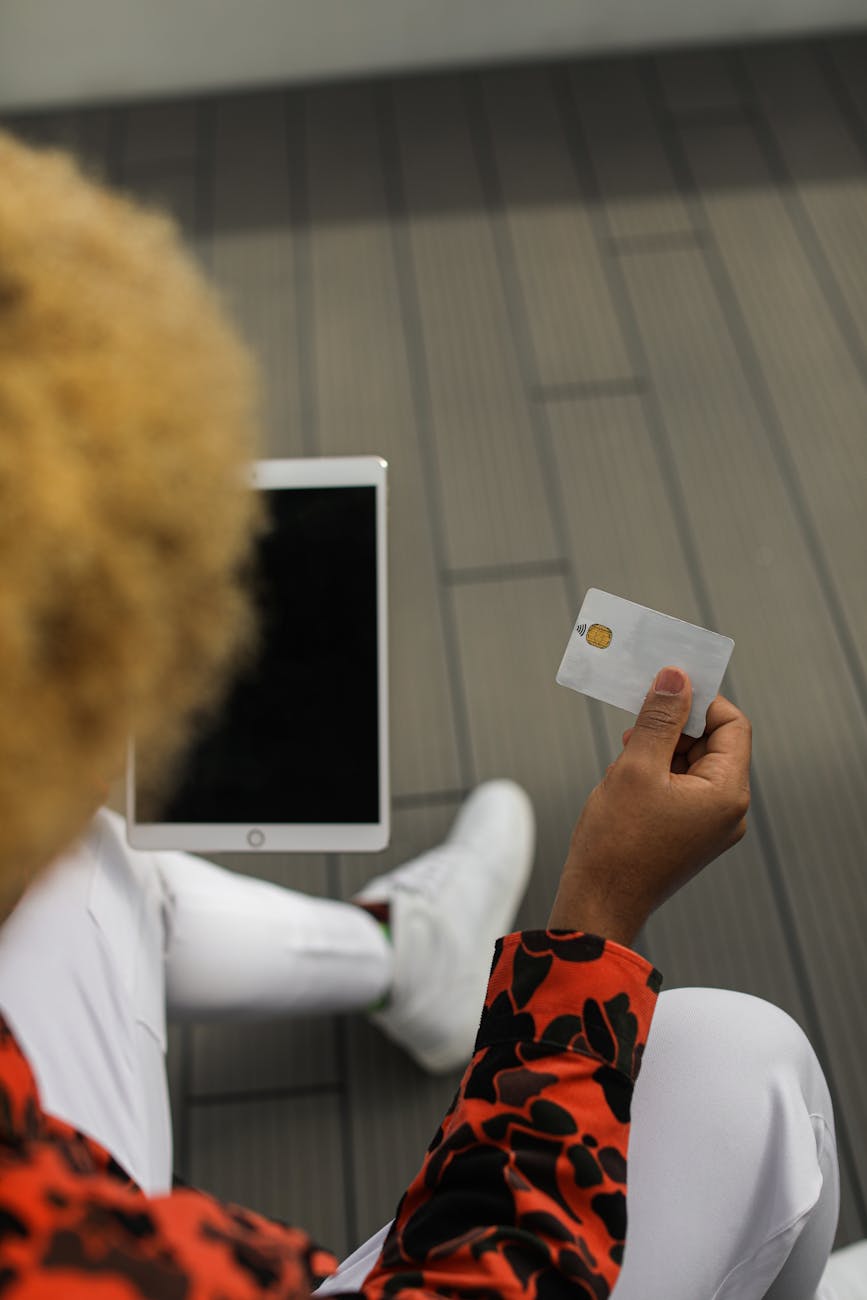
    We’ve all been there: you already have a credit card, and it’s more than enough to meet your needs. But then, the flood of offers starts. For some reason, companies like Capital One seem to think that sending you endless emails, texts, and even physical mail about new credit cards is the way to go. Take the Quicksilver card, for example—Capital One pushes it relentlessly, even if you’re already a customer with a perfectly fine card.

    It’s one of those things that sounds good in theory—more cards mean more rewards, right? But in reality, having multiple cards just complicates things. More cards mean more bills, more debt to keep track of, and more potential for financial stress. Even if you’re responsible with your payments, it’s easy to lose track of what’s owed, and that’s just asking for trouble.

    For many, sticking to one card is enough. Simplicity is key. You don’t need a ton of credit cards cluttering up your financial life. If more are needed down the line, the decision should come on your terms, not because of a never-ending stream of spammy offers.

    Anyone else get tired of the constant barrage of credit card promotions?

  • Musing Mondays #9: The Question of Humanity—Exploring Existence in Fiction

    Musing Mondays #9: The Question of Humanity—Exploring Existence in Fiction

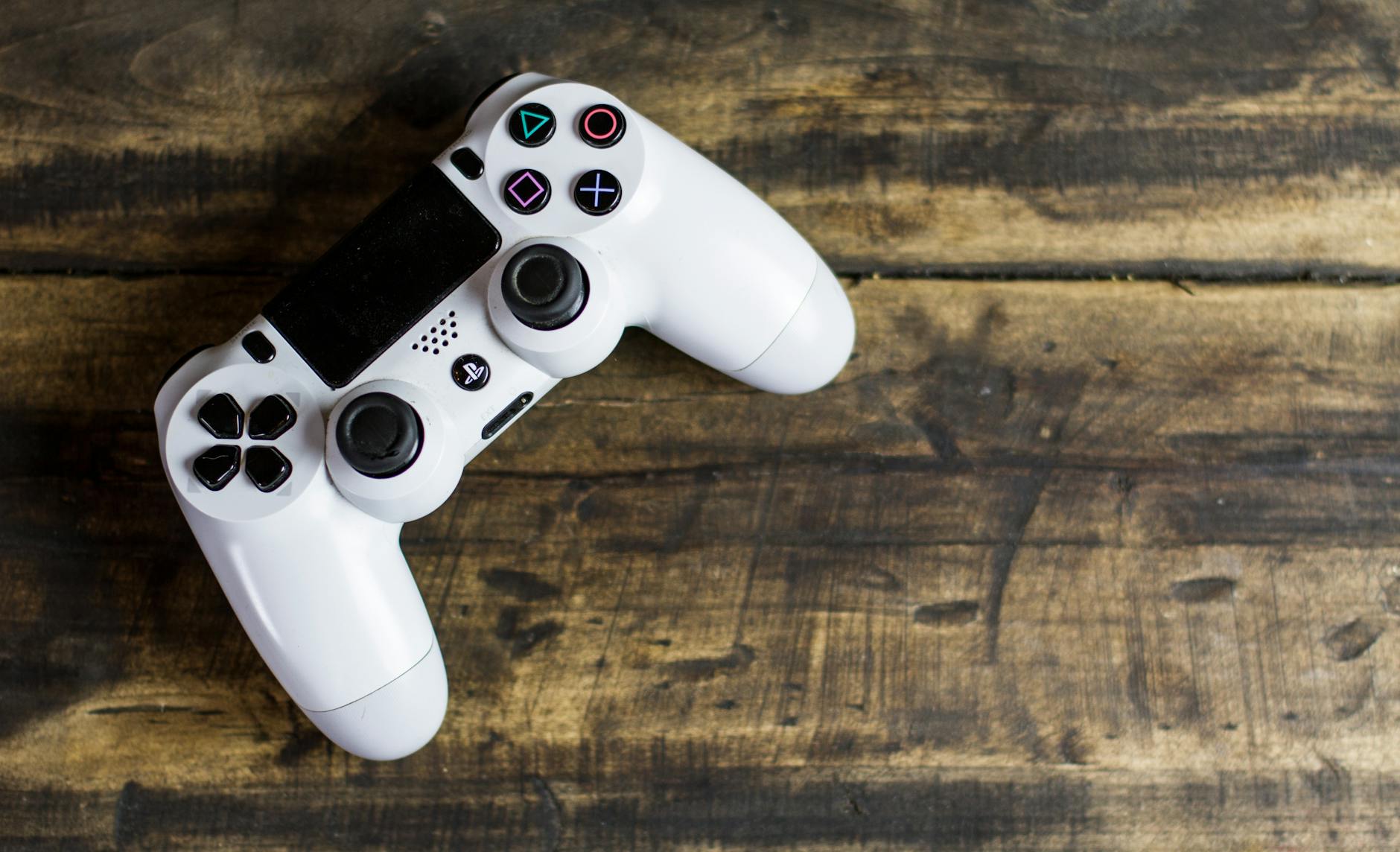
    In a world where technology advances rapidly, artificial beings and synthetic life forms are no longer confined to the pages of science fiction. Movies, anime, and video games often explore the concept of what it truly means to be human—challenging us to consider whether consciousness, emotions, and memories define our existence or if something else holds the key to our humanity.

    Through characters that are not quite human but often more human than we expect, we see reflections of ourselves and the age-old question: What does it mean to be alive?

    The Terminator Movies: Machines Becoming Human?

    In the Terminator series, we are introduced to machines that seem devoid of empathy or emotions. The cold, calculating Terminators appear far removed from humanity. But as we progress through the films, particularly with characters like the T-800 in Terminator 2, we see the machines evolve. Is it possible for machines to develop human-like qualities, like empathy or understanding? Are they simply programmed to simulate it, or is there something more profound happening?

    Terminator Zero: The Gray Area of Existence

    Terminator Zero pushes this idea even further by presenting synthetic beings that seem closer to human than ever before. The boundary between artificial intelligence and human consciousness blurs, and we are left wondering: What truly separates us from these beings?

    Shakugan no Shana: The Flame Haze’s Humanity

    Shana, a powerful Flame Haze who originally views humanity as little more than pawns in the fight against the Crimson Denizens, begins to develop deeper human emotions as her journey progresses. Her struggle to understand what it means to be human reflects her transformation from an emotionless weapon into a being capable of empathy and connection.

    Can one’s humanity be defined by emotions and relationships, or is it tied to a more fundamental sense of self?

    Halo: Master Chief and Cortana’s Connection

    The relationship between Master Chief and Cortana in Halo offers another lens through which to explore humanity. While Master Chief is undeniably human, Cortana, an AI, seems to possess a deep understanding of human emotions and motivations. Cortana’s evolution—from a tool to a sentient being capable of love, sacrifice, and loss—raises the question: Can an AI become as human as its creators?

    Star Wars: Droids, Sentience, and the Nature of Being

    The Star Wars universe features droids like R2-D2 and C-3PO, who are far from just machines. Despite being created to serve, they exhibit personality, emotions, and loyalty—qualities often reserved for living beings. Through the eyes of characters like Luke and Han, we see that droids are treated as sentient beings with rights and feelings. What makes a being “alive”? Is it just a matter of consciousness, or is there something more that defines our humanity?

    Sword Art Online: Identity and Reality in the Virtual World

    In Sword Art Online, players trapped in a virtual reality game are forced to confront the nature of their existence. Are they still human if their minds are imprisoned within a digital world? As they fight for survival and form bonds with each other, the lines between the digital and the real blur. The question remains: Can virtual beings have a soul?

    Fullmetal Alchemist: Humanity Beyond the Flesh

    Edward and Alphonse Elric’s quest to restore their bodies brings them face-to-face with the deepest philosophical questions about life and existence. Alphonse, whose soul resides in a suit of armor, must grapple with his lack of a physical body. Yet his longing for humanity is not simply a desire for flesh; it is a deeper yearning for identity, memories, and the relationships that make life meaningful. What makes someone truly “human”—their body, their mind, or their experiences?

    Blade Runner: The Replicants’ Quest for Life

    Blade Runner is a masterpiece when it comes to exploring what it means to be human. The Replicants, artificial beings designed to serve humans, seek to extend their lives, all the while asking themselves if they are truly alive. Is humanity defined by physicality, memories, or the ability to feel and aspire? The existential crisis faced by the Replicants is a poignant reminder that our understanding of life is often more fluid than we realize.

    Supernatural: Castiel, Jack, and the Evolution of Humanity

    In Supernatural, the characters of Castiel and Jack—beings who are not human by birth—come to question what it means to be alive. Castiel, an angel, begins to understand and embody human emotions like love and sacrifice, blurring the lines between divine and human nature. Jack, a Nephilim, struggles to understand his place in the world. Meanwhile, Sam and Dean Winchester, who initially view monsters as the enemy, begin to see that humanity often lies not in biology, but in actions and empathy.

    Their evolving perspectives on monsters and humanity reflect the idea that being human is more about the choices we make and the relationships we form than the blood that flows through our veins.

    Conclusion: The Blurred Line Between Life and Consciousness

    As we see in these stories, the definition of what it means to be human is not as clear-cut as we might think. Whether it’s machines becoming more human-like, virtual beings developing consciousness, or non-human entities grappling with their identities, one thing is clear: humanity is not defined by our biology alone. It is shaped by our emotions, our experiences, our connections, and the choices we make.

    In the end, perhaps the question is not what makes us human, but how we choose to live. Can an AI, a clone, or a virtual being become human in the same way we are? And what does it mean for us when we see a reflection of ourselves in something that is not quite human—but close enough?

  • Musing Mondays #8: The Evolution of Friendship Dynamics

    Musing Mondays #8: The Evolution of Friendship Dynamics

    Friendship, like everything else in life, is constantly evolving. No matter how strong the bond, over time, friendships will change. Sometimes these changes happen gradually, as people grow into different versions of themselves. Other times, shifts happen more abruptly, influenced by new life circumstances, personal growth, or a change in priorities. And while some of these changes may be painful, others open the door to new forms of connection that are even more meaningful.

    As we age and experience more of life, our friendships often reflect our growth and evolving needs. A person you once spent every waking moment with may become a distant acquaintance, not because of any falling out, but simply because life has taken you in different directions. Sometimes, the roles we play in each other’s lives change, too. A best friend might become a mentor, or an old acquaintance might emerge as someone to lean on during a difficult time.

    It’s also important to recognize that the dynamics of friendship aren’t always smooth. Conflicts can arise, people can grow apart, and sometimes misunderstandings can shift the entire tone of a relationship. But these are natural aspects of any evolving dynamic. What matters is how we adapt to these changes—how we find ways to either navigate the challenges or gracefully accept the drift.

    There is something beautiful about witnessing friendships change, even when it’s not the easiest thing. The reality is that relationships, of all kinds, are fluid. And as life moves forward, so do the connections we share with others. Whether a friendship deepens, shifts, or fades away, each one is part of our story and contributes to our own personal growth.

    In the end, what remains constant is the value of the connection itself—regardless of the form it takes. Friendships are as much about the memories we create as they are about the understanding that sometimes, change is inevitable, and that’s okay.

  • Musing Mondays #7: The Growing Threat of Scammers on Facebook

    Musing Mondays #7: The Growing Threat of Scammers on Facebook

    In today’s digital age, social media platforms like Facebook are a central part of how we connect with others, share our lives, and communicate. Unfortunately, where there’s communication, there’s also the potential for manipulation. One of the most alarming trends in the social media space is the rise of scams targeting unsuspecting users. These scams can range from financial fraud to romance scams, and often, the victims are left feeling violated, vulnerable, and embarrassed.

    So, who are these scammers, and why do they target Facebook users?

    Understanding the Scammers

    Facebook scammers come in many forms, but one common thread runs through all of them: they prey on human trust. Scammers often create fake profiles with stolen photos or use existing, compromised accounts to approach individuals. Their motives are varied: they may be after your money, personal information, or even your identity.

    These scammers don’t necessarily use high-tech hacking tools, but rather rely on age-old psychological tactics, using charm, urgency, and emotional manipulation to get you to comply with their requests.

    Types of Scams to Watch Out For

    1. Romance Scams
      Perhaps one of the most insidious types of scams, romance scammers prey on people seeking companionship. They might send you flirty messages, act overly affectionate, and slowly build a rapport with you. After a period of trust-building, they will invent a crisis—perhaps an emergency in another country or a medical issue—and ask you for money.

    Warning signs: Rapid emotional attachment, requests for money or financial help, and avoidance of meeting in person or through video chat.

    1. Phishing Scams
      These scams are designed to trick you into revealing personal information, like your passwords, credit card numbers, or other sensitive data. Scammers often pose as trusted entities—such as Facebook itself, a bank, or even a friend—and create fake links or messages that lead you to fraudulent websites designed to steal your information.

    Warning signs: Suspicious-looking messages asking you to click on links, requests for your login details, or offers that seem too good to be true.

    1. Product or Investment Scams
      Whether it’s a new “get-rich-quick” scheme or a counterfeit product being sold for an unusually low price, scammers will often use Facebook ads or fake posts to lure people in. They promise huge returns on investments or limited-time deals on high-demand products, but once you hand over your money, the product never arrives, or your investment disappears.

    Warning signs: Unverifiable testimonials, offers that sound too good to be true, and pressure to act quickly without proper research.

    1. Fake Charity Scams
      In the wake of a tragedy or natural disaster, scammers often take advantage of people’s generosity by setting up fake charity accounts. They use emotional stories to convince people to donate money to causes that don’t exist.

    Warning signs: Requests for donations from unknown sources, a lack of clear verification about the charity, or urgency to donate immediately.

    How to Protect Yourself from Scammers

    The good news is that there are steps you can take to protect yourself from falling victim to these scams:

    • Be Skeptical of Unsolicited Messages: If someone reaches out to you out of the blue, especially if they’re asking for money, gifts, or personal information, be very cautious. Genuine contacts usually don’t ask for favors or money without a history of trust.
    • Don’t Share Personal Info Too Quickly: Avoid giving out personal details, such as your phone number, address, or financial information, to anyone you haven’t verified. Legitimate companies and people will never ask for sensitive information over social media messages.
    • Verify Accounts and Requests: Check the profiles of people who contact you. Do they have a history of posts? Are their pictures and information consistent? Scammers often create accounts that lack depth or seem too “new” to be real.
    • Report Suspicious Accounts: If you come across a scammer on Facebook, report the account. Social media platforms rely on users to flag suspicious activity so they can investigate and remove fraudulent profiles.
    • Use Privacy Settings: Make sure your Facebook account is set to private so only trusted friends can see your posts, photos, and other personal information. This reduces the chances of scammers targeting you based on what they can see on your profile.

    In Conclusion

    Scammers on Facebook are a real threat, and their tactics continue to evolve. While it’s important to remain vigilant and skeptical of unsolicited requests, it’s equally important to remember that the internet is a tool for connection, not fear. By educating yourself on common scam techniques and trusting your instincts, you can protect both your personal information and your peace of mind.

    Stay safe out there, and remember: if something feels off, it probably is.


  • Musing Mondays #6: The Future of Gaming Media – Could SD Cards Replace Discs and Downloads?

    Musing Mondays #6: The Future of Gaming Media – Could SD Cards Replace Discs and Downloads?

    Gaming has come a long way since the days of cartridges, floppy disks, and even CDs. The transition from physical to digital media has revolutionized the way we experience games, but it also raises an intriguing question: What’s next for gaming media?

    With the rise of ultra-fast SSDs and cloud storage, it seems like the days of discs might be numbered. But what if there’s a middle ground between old-school physical media and the ever-growing world of digital downloads? Enter SD cards — those tiny, compact storage devices that could just be the next big thing in gaming.


    Why SD Cards Are a Game-Changer:

    1. Compact and Durable
      Unlike fragile discs that can scratch or get damaged, SD cards are incredibly durable. No more worrying about your precious game getting ruined by a simple drop or scratch. Plus, their compact size makes them super portable—you could fit your entire game library in your pocket.
    2. Massive Capacity
      As SD cards continue to grow in size, so do their potential. Current SDXC cards go up to 1TB (and beyond), making them more than capable of holding even the largest modern games. Imagine not having to juggle multiple disks or worry about your console running out of space — just pop in a card and go.
    3. Fast Load Times
      SD cards have come a long way from their humble beginnings. The read/write speeds of high-end SD cards can rival SSDs, which means faster load times and smoother gameplay. If you’ve ever had a frustrating load screen, you know how much of a difference this could make.

    The Nintendo Switch Already Shows the Way:

    Let’s take a look at Nintendo’s Switch as a case study. It’s one of the few consoles that has embraced the SD card format for game cartridges. While the Switch’s cartridges aren’t technically the same as consumer-grade SD cards, they are very similar in size and function.

    • The Switch game cards are small, durable, and easy to use.
    • They also support offline gaming, meaning players don’t need to worry about downloading updates or games to play. Just insert the card, and you’re good to go.

    This approach works so well that it begs the question: Why haven’t other consoles adopted SD cards as the go-to format for games?


    Why Not? The Challenges Ahead:

    While SD cards present an exciting opportunity for a new gaming media format, there are several hurdles standing in the way of widespread adoption.

    1. Cost and Scalability
      Unlike traditional optical discs, SD cards are more expensive to produce — especially when you start talking about higher capacities and speed. The cost per card could easily outweigh that of mass-producing discs, especially for large-scale game releases.
    2. Piracy and Security Concerns
      One of the reasons why physical media like discs are still used is because of their DRM (Digital Rights Management) capabilities. SD cards are easily transferable and could be more susceptible to piracy unless robust encryption and hardware keys are used. This means developers would need to design entirely new systems to protect games from being copied or shared.
    3. Changing Console Design
      While consoles like the Nintendo Switch have embraced SD cards, PlayStation and Xbox are firmly rooted in disc-based and digital-only formats. Switching to SD card-based game formats would require major redesigns for hardware and software compatibility.

    A Vision for the Future:

    So, what if we could combine the best of both worlds? Imagine a future where we have a universal SD game card format. Here’s what it could look like:

    • Universal Compatibility: A standard SD card format that works across multiple platforms. No more worrying about whether your favorite game will work on your PC, console, or handheld device.
    • Offline Convenience: Just like the Nintendo Switch, SD cards could offer true offline gaming — no need for an internet connection to play your games.
    • Seamless Integration: With higher-capacity SD cards and faster speeds, future consoles could easily support entire game libraries, all stored on compact, secure media. Players could pop their SD card into any compatible device and be up and running in no time.

    The combination of security, portability, and ease of use would make SD cards an appealing choice for both players and developers.


    The Bottom Line:

    As gaming continues to evolve, the question of physical vs. digital media will keep popping up. SD cards might just be the perfect solution — merging the best of both worlds. They’re small, secure, fast, and could easily replace discs and even some digital-only downloads.

    Will SD cards be the future of gaming? Only time will tell. But if the Nintendo Switch is any indication, they’re already showing us what’s possible.

    So, here’s the real question: Would you trade your digital downloads for a more portable, secure, and tangible game format?

    Let us know your thoughts in the comments!

  • Musing Mondays #5: The Cost of Convenience: How AI Voice Assistants Are Changing Customer Experience

    Musing Mondays #5: The Cost of Convenience: How AI Voice Assistants Are Changing Customer Experience

    Technology is evolving at a rapid pace, and with it comes a slew of innovations that promise to make our lives easier. One area where this is particularly visible is in the realm of customer service, where automated voice assistants are increasingly replacing human operators. While these systems are designed to streamline processes and improve efficiency, they can also introduce a host of new challenges — particularly for users who rely on certain accommodations or prefer more personalized interactions.

    Take Capital One’s recent change to its phone-based voice assistant system, for example. The company has transitioned from a human-like, slow-paced AI to a more robotic-sounding one that speeds through instructions. While the change is likely designed to improve speed and efficiency, it has left many users, especially those with specific needs, frustrated and dissatisfied.

    This shift is more than just a matter of convenience; it brings to light critical questions about how technology serves its users. As AI becomes more integrated into our daily lives, we must consider the ways it impacts accessibility, inclusivity, and user experience. What happens when the “smart” systems we rely on start to overlook the diverse ways in which people interact with technology?


    Accessibility and the Hidden Costs of “Efficiency”

    When a company like Capital One rolls out a new AI voice assistant, the goal is often to create a system that can handle more users faster. And, on the surface, this seems like a win for efficiency. However, for those who are neurodivergent, have sensory sensitivities, or simply need a little extra time to process spoken information, the faster, more robotic assistant is anything but a win.

    For many, using keypad inputs or interacting with slower, more human-like assistants was a much more comfortable and effective way to manage tasks like paying bills or checking balances. But the shift to a voice-only system with no alternative can feel alienating. Users are forced into a style of interaction that may not suit their needs, and without proper accommodations, they’re left to adapt — or struggle.

    This isn’t an isolated issue. Across the tech industry, from customer service lines to smartphone apps, companies are increasingly opting for voice-first or AI-driven solutions. Yet, in this push for automation, the subtle human element of customer service is often lost — along with the empathy that comes with it.


    The Pushback: How Users Are Reacting

    As the AI assistant landscape shifts, many users are vocal about their dissatisfaction with these changes. Some argue that AI can never truly replace human interaction, especially when it comes to understanding the needs of a diverse user base.

    From Reddit:
    One user said:

    “The older system let me use the keypad for everything, and I didn’t have to speak at all. Now it forces me to talk even when I don’t want to.”
    This user’s frustration reveals the key problem with forcing voice-based interactions: it ignores the reality that some users are not comfortable speaking or may find it difficult to process information quickly.

    From X (formerly Twitter):
    Another user tweeted:

    “I miss the old voice — it felt like it understood I needed time. This new one just speeds through everything.”
    Here, the user is expressing a need for more time and a slower pace, something that a robotic-sounding assistant is unable to provide.

    From Trustpilot:
    A user posted:

    “It talks too fast and I can’t even understand the menu options half the time.”
    This user points out the speed of the new voice and how it affects comprehension — something especially concerning for those with auditory processing challenges.

    From Reddit (again):
    One more comment shared:

    “This new robot voice is annoying AF. Bring back the old assistant!”
    For this user, the problem isn’t just about speed — it’s about how the assistant’s robotic tone makes the experience feel less human and more disconnected.

    These reactions aren’t simply complaints; they are signals that AI systems need to evolve alongside the diverse ways people interact with technology. It’s not just about functionality; it’s about understanding the needs of users in a nuanced, empathetic way.


    How Tech Companies Can Do Better

    While it’s clear that AI and voice assistants are here to stay, it’s essential that companies make their services more inclusive and accessible. The rapid adoption of AI shouldn’t come at the expense of those who rely on alternative methods of interaction.

    Here are a few suggestions for how companies like Capital One (and others in the banking and tech sectors) can better serve their customers:

    • Offer a Choice of Interaction Methods: Companies should allow users to choose between keypad inputs, voice prompts, and other modes of interaction, ensuring that users can find the method that works best for them.
    • Slow Down AI Speech: For users who need extra time to process information, slowing down the speech rate could improve the experience for many people.
    • Involve Diverse User Groups in Testing: When developing AI systems, companies should include a range of neurodivergent users and others with accessibility needs in the testing phase, ensuring that the system works for everyone.
    • Avoid Over-Promising on Speed: The assumption that faster equals better doesn’t work for everyone. Companies need to be mindful that in the pursuit of speed, they don’t alienate the people who rely on more thoughtful, human-paced interactions.

    Tech for All: Striving for Inclusivity

    As AI technology continues to evolve, we must ask ourselves: Who is it really benefiting? A new, faster system may improve efficiency, but if it alienates users who need slower, more customizable options, is it really an improvement?

    In a world where we are increasingly dependent on technology for day-to-day tasks, it’s essential that we strive for solutions that are inclusive and accessible for everyone. After all, the most efficient technology is the one that works for everyone, not just those who fit a particular mold.


    Have you encountered similar frustrations with voice assistants? Share your experience in the comments below — let’s keep the conversation going about accessibility in AI.