The Musings of Jaime David
@jaimedavid.blog@jaimedavid.blog

The writings of some random dude on the internet

1,127 posts
1 follower

Tag: adulthood

  • Sometimes, Even When You Give It Your All, Friendships Can Still Fade

    Sometimes, Even When You Give It Your All, Friendships Can Still Fade

    One of the hardest lessons I have learned about friendship is that effort is not always enough. We grow up hearing that relationships require work, communication, understanding, patience, and commitment. We are told that if we care about someone, we should fight for the connection. We should reach out. We should check in. We should be willing to have difficult conversations. We should make time. We should show up.

    And while there is truth in all of that, there is another truth that often goes unspoken.

    Sometimes, even when you do all of those things, friendships can still fade.

    That realization can be painful because it challenges the idea that every relationship can be saved if only we try hard enough. It forces us to confront something many of us do not want to admit. Relationships are not built by one person. They are built by multiple people. No matter how much effort one person invests, they cannot single-handedly carry a friendship forever.

    There is a tendency to look at a fading friendship and immediately search for a villain. Someone must have done something wrong. Someone must have failed. Someone must be responsible for the distance. Sometimes that is true. Sometimes there are betrayals, lies, manipulation, or cruelty. But often, friendships fade in far less dramatic ways.

    Sometimes people simply grow apart.

    Sometimes people change.

    Sometimes life takes people in different directions.

    Sometimes the friendship that once felt effortless begins to feel like work.

    And sometimes nobody notices it happening until years have already passed.

    One of the most difficult aspects of friendship is that it rarely comes with a clear beginning and end. Romantic relationships often have labels. There is a moment when people start dating. There is often a moment when they break up. Friendships are usually much messier. They evolve slowly. They drift. They transform. They become something different from what they once were.

    This can make it difficult to recognize when a friendship is no longer serving the people involved.

    Many people continue trying long after the friendship has changed. They keep reaching out. They keep initiating conversations. They keep making plans. They keep hoping things will return to the way they used to be.

    Sometimes they do.

    Sometimes they do not.

    And when they do not, it can create a unique kind of grief.

    The grief is not only about losing the friendship itself. It is about losing the version of the friendship that once existed. It is about remembering what the relationship used to feel like and realizing that those days may never return.

    That realization can be difficult because memories have a way of staying alive even when circumstances change.

    We remember the conversations.

    We remember the inside jokes.

    We remember the support.

    We remember the moments when everything felt easy.

    Those memories remain, even when the relationship itself has become something entirely different.

    What makes it even harder is that many people blame themselves when friendships fade.

    They wonder if they should have tried harder.

    They wonder if they should have been more patient.

    They wonder if they should have reached out more often.

    They replay conversations in their minds.

    They search for mistakes.

    They search for answers.

    And sometimes there are lessons to be learned. Self-reflection can be healthy. Growth can come from examining our own actions. But there comes a point where self-reflection turns into self-punishment.

    Not every fading friendship is the result of personal failure.

    Sometimes people genuinely gave their best.

    Sometimes they communicated.

    Sometimes they showed up.

    Sometimes they tried.

    And despite all of that, the friendship still faded.

    That can be difficult to accept because it means there was no simple solution. It means there was no magical conversation that could have fixed everything. It means that effort alone was not enough to bridge the growing distance.

    One of the most misunderstood aspects of friendship is compatibility.

    People often think compatibility is based solely on shared interests. If two people enjoy the same hobbies, believe similar things, or have similar values, they assume the friendship will naturally last forever.

    Reality is more complicated.

    Friendships are not only built on common interests. They are also built on communication styles, emotional needs, social preferences, availability, priorities, and expectations.

    Two people can have nearly identical interests and still struggle to maintain a friendship.

    Two people can agree on important values and still find themselves drifting apart.

    Two people can care deeply about each other and still discover that they need very different things from their relationships.

    This does not mean either person is wrong.

    It simply means compatibility is more complex than many of us realize.

    As people grow older, these differences often become more noticeable.

    Life becomes busier.

    Responsibilities increase.

    Priorities shift.

    People change careers.

    People move.

    People enter relationships.

    People start families.

    People discover new passions.

    People learn new things about themselves.

    The person someone was at sixteen may be very different from the person they become at thirty.

    That is not necessarily a bad thing.

    Growth is a natural part of life.

    The challenge is that growth does not always happen in the same direction for everyone.

    Sometimes one person becomes more social while another becomes more reserved.

    Sometimes one person wants deeper emotional connection while another becomes more independent.

    Sometimes one person prioritizes maintaining friendships while another focuses their energy elsewhere.

    None of these choices are inherently right or wrong.

    They are simply different.

    Yet differences can create distance.

    The painful reality is that caring about someone does not automatically guarantee compatibility.

    Many people have experienced the heartbreak of realizing that they still care deeply about a friend while simultaneously recognizing that the friendship no longer works.

    Those two truths can exist at the same time.

    You can appreciate someone.

    You can respect someone.

    You can wish them well.

    And still conclude that the relationship is no longer healthy for you.

    That realization often comes with a sense of guilt.

    People worry that walking away means they are abandoning the friendship.

    They worry that accepting the reality of the situation means they never cared.

    But there is a difference between giving up too soon and recognizing that a relationship has reached its natural conclusion.

    Giving up happens when someone stops trying before they have truly invested in the relationship.

    Acceptance happens when someone recognizes that they have already invested significant effort and that continuing to push is no longer creating meaningful change.

    Acceptance is not the same thing as apathy.

    In fact, acceptance often comes from caring deeply.

    Sometimes people let go precisely because they care.

    They care enough to stop forcing something that no longer feels natural.

    They care enough to acknowledge reality instead of pretending everything is fine.

    They care enough to recognize that both people deserve relationships that meet their needs.

    One of the most difficult truths about friendship is that intentions and actions are not always the same thing.

    Many people genuinely intend to maintain friendships.

    They intend to reach out.

    They intend to make plans.

    They intend to stay connected.

    But intentions alone do not sustain relationships.

    Relationships are built through action.

    They are built through communication.

    They are built through showing up.

    They are built through consistency.

    Good intentions matter, but relationships ultimately live or die based on what actually happens.

    This can create painful situations where nobody involved has bad intentions, yet the friendship still suffers.

    One person may genuinely care while consistently failing to make time.

    Another person may continue reaching out while feeling increasingly exhausted.

    Neither person is necessarily malicious.

    Yet the friendship becomes strained anyway.

    These situations can be particularly heartbreaking because there is no obvious villain.

    There is no betrayal.

    There is no dramatic conflict.

    There is simply a growing gap between what people want and what they are able or willing to give.

    When friendships fade this way, closure can become complicated.

    Many people search for a definitive answer.

    They want a clear explanation.

    They want a final reason.

    They want certainty.

    Unfortunately, life does not always provide neat endings.

    Sometimes there is no single moment when a friendship ends.

    Sometimes the ending is spread across years.

    Sometimes it happens through missed opportunities.

    Sometimes it happens through distance.

    Sometimes it happens through silence.

    Sometimes it happens through a gradual realization that the relationship no longer feels the same.

    And while that lack of clarity can be frustrating, it can also teach an important lesson.

    Not every ending requires complete understanding.

    Sometimes it is enough to acknowledge reality.

    Sometimes it is enough to recognize that something meaningful existed and that it has changed.

    Sometimes it is enough to appreciate the role someone played in your life without needing to hold onto them forever.

    This is perhaps one of the most difficult forms of maturity.

    Many people view relationships in extremes. Either they last forever or they fail. Either they remain exactly the same or they were never meaningful to begin with.

    But life rarely works that way.

    Some friendships last for decades.

    Some friendships last for seasons.

    Some friendships shape us profoundly despite not lasting forever.

    The value of a relationship is not determined solely by its duration.

    A friendship can be meaningful even if it eventually fades.

    A friendship can be important even if it ultimately ends.

    A friendship can leave a lasting impact while no longer existing in the present.

    Accepting this reality can help reduce the pressure we place on ourselves.

    Not every relationship is meant to last forever.

    That does not make it a failure.

    It makes it part of being human.

    The people we meet influence us in countless ways.

    They teach us lessons.

    They provide support.

    They help us grow.

    They challenge us.

    They shape our perspectives.

    Sometimes their role in our lives lasts a lifetime.

    Sometimes it does not.

    Neither outcome erases what came before.

    If there is one lesson I believe more people need to hear, it is this: your worth is not determined by your ability to save every friendship.

    You can be caring.

    You can be patient.

    You can be understanding.

    You can communicate honestly.

    You can give it your all.

    And a friendship may still fade.

    That reality is painful, but it is not a reflection of your value as a person.

    Sometimes relationships end because people change.

    Sometimes they end because circumstances change.

    Sometimes they end because needs change.

    Sometimes they end because effort becomes unbalanced.

    Sometimes they end for reasons that nobody fully understands.

    And sometimes they end despite the fact that both people once genuinely cared about each other.

    That is one of the saddest truths about friendship.

    But it is also one of the most freeing.

    Because once we accept that effort alone cannot control every outcome, we can stop carrying the impossible burden of believing every fading friendship is our fault.

    We can appreciate what was.

    We can learn from what happened.

    We can grieve what was lost.

    And then, when we are ready, we can continue moving forward.

    Not because the friendship never mattered.

    But because it did.
  • When Inspiration and Loss Collide: Writing This the Day After My 30th Birthday

    When Inspiration and Loss Collide: Writing This the Day After My 30th Birthday

    Yesterday was my birthday. March 27, 2026. I turned thirty.

    And I didn’t write about this yesterday.

    Not because it didn’t matter, and not because it didn’t hit me, but honestly because I was too sad to process it in real time. I also didn’t want to make my birthday entirely about grief again. I’ve had enough birthdays like that already. And on top of that, I needed space. Time to sit with what I heard, to let it settle, to understand why it affected me the way it did.

    So I’m writing this today instead.

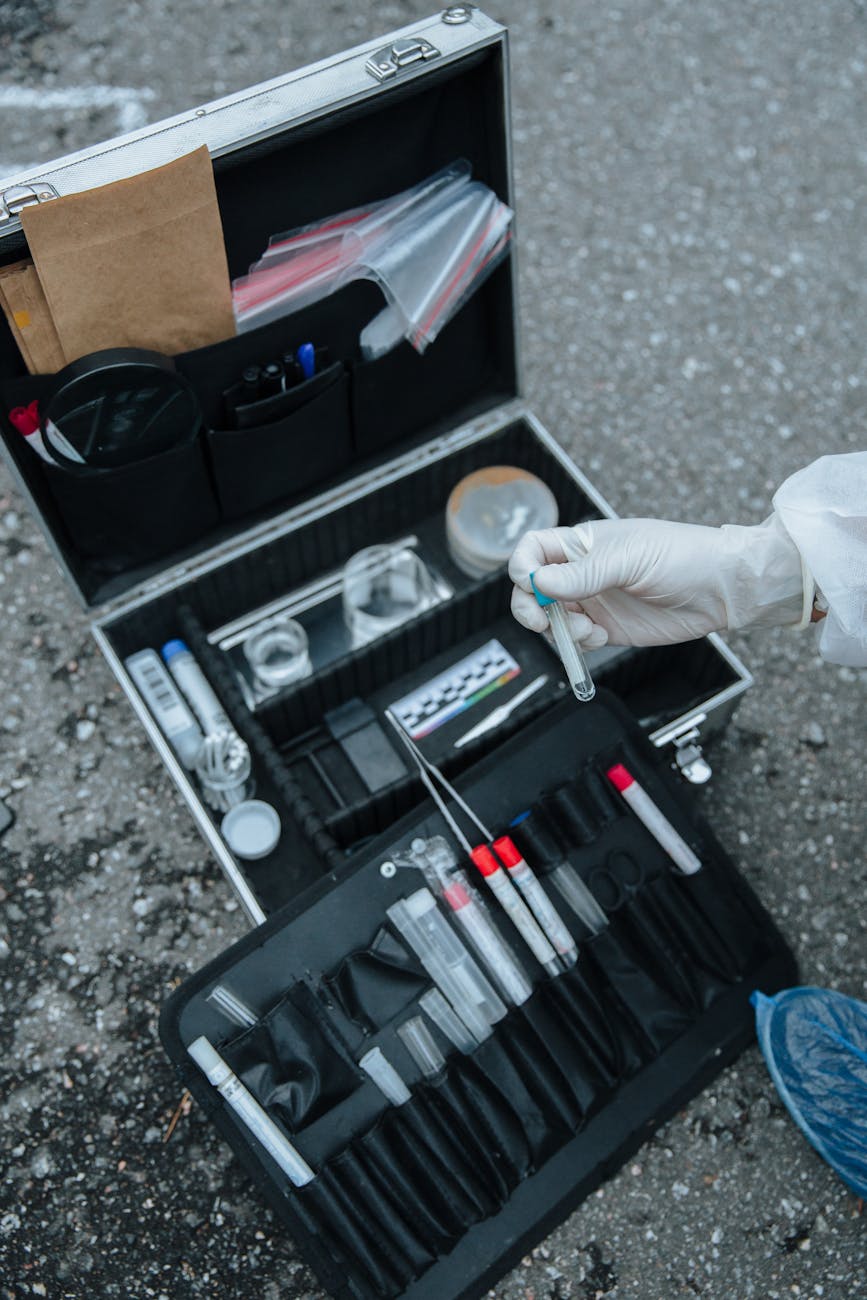
    Because yesterday, on my birthday, I found out that Henry C. Lee—one of the most well-known forensic scientists, someone whose name carries weight in the field, someone who was a genuine inspiration for me—passed away.

    And that hit me harder than I expected.

    I want to be clear about something up front. I didn’t know him personally. Not in the sense of having conversations with him, not in the sense of having a direct relationship. But I knew of him. I learned about him. His work, his presence in the forensic science world, the impact he had on education and on the field itself—it reached me.

    It influenced me.

    It played a role in why I studied forensics and biology.

    And that kind of influence matters more than we sometimes give it credit for.

    Because when you’re younger, when you’re trying to figure out what direction your life might take, you look for examples. You look for people who represent something bigger than where you currently are. People who show you that a path exists, that a certain kind of life is possible, that a certain field is worth exploring.

    For me, Henry C. Lee was one of those people.

    Not the only one. Not the sole reason. But part of that foundation.

    Part of that spark.

    And so when I heard that he died, on my birthday of all days, it created this strange emotional collision in my head.

    On one hand, it was supposed to be a day about stepping into a new decade. Reflecting on my twenties. Thinking about the future. Trying, in whatever way I could, to find some sense of hope or renewal as I turned thirty.

    And on the other hand, it became a day marked by the loss of someone who helped shape part of who I became.

    That’s a weird feeling to sit with.

    Because it’s not the same as losing someone you knew personally. The grief is different. It’s quieter, more abstract, less rooted in shared memories and more rooted in impact. But it’s still real.

    It’s the kind of sadness that makes you pause and think, “wow, that person was part of my story in a way I didn’t fully realize until now.”

    And when that loss happens on a significant day—your birthday, no less—it adds another layer to it.

    It ties the moment to you.

    Not in a literal way, not in a way that suggests the two things are connected beyond coincidence, but emotionally, it links them. It makes the day feel different. It changes how you remember it.

    From now on, March 27, 2026 won’t just be the day I turned thirty.

    It’ll also be the day I learned that someone who inspired me, someone who played a role in shaping my academic and intellectual path, was gone.

    And I think that’s part of why it felt so heavy yesterday.

    Because birthdays are already reflective. They already make you think about time, about where you’ve been, about where you’re going. And adding loss into that mix amplifies everything.

    It makes you more aware of how temporary things are.

    It makes you think about legacy.

    It makes you think about the people who influenced you, directly or indirectly, and what happens when they’re no longer here.

    And there’s also this strange, almost disorienting feeling that comes with losing someone you looked up to.

    It’s like a small piece of your internal map shifts.

    Even though, logically, nothing about your identity has changed. You’re still you. Your experiences are still yours. The influence they had on you doesn’t disappear just because they’re gone.

    But emotionally, it can feel like something moved.

    Like a reference point is no longer there in the same way.

    And that can be hard to articulate.

    It’s not grief in the traditional sense. It’s not the kind of loss that upends your daily life. But it’s also not nothing. It sits somewhere in between.

    A quiet kind of impact.

    And I think a lot of people experience this when public figures, mentors, or inspirations pass away.

    We don’t always talk about it, because it can feel like we’re not “allowed” to grieve someone we didn’t personally know. Like that grief somehow doesn’t count.

    But it does.

    Because influence is real.

    Inspiration is real.

    The people who shape our interests, our paths, our ways of thinking, they matter, even if they never knew us individually.

    And when they’re gone, it’s okay to feel something about that.

    It’s okay to acknowledge that they were part of your journey.

    It’s okay to sit with that sadness.

    I also found myself thinking about how unlikely it is, statistically, for something like this to happen.

    Out of all the days in a year, out of all the possible moments, the day someone who influenced you passes away happens to line up exactly with your birthday.

    I don’t know the exact probability of that. I’m sure it’s low. Not impossible, obviously, because it happened, but not common either.

    And maybe that rarity is part of what makes it feel so significant.

    It makes the moment stand out.

    It makes it feel almost surreal.

    Like, of all days, it had to be this one?

    And there’s no real answer to that question.

    It’s just how things lined up.

    Life doesn’t coordinate events based on emotional convenience. It doesn’t space things out in a way that makes them easier to process. Sometimes moments overlap in ways that feel almost unfair, even if they’re just random.

    And that’s what this felt like.

    A collision of two very different emotional experiences.

    A milestone birthday.

    And the loss of someone who helped shape a part of me.

    So I took yesterday to just sit with it.

    To not force myself to write.

    To not force myself to package it into something neat and reflective right away.

    Because sometimes you need that space.

    Sometimes the most honest thing you can do is just feel what you’re feeling without immediately trying to turn it into something productive.

    And today, writing this, I feel a little more grounded.

    Still sad.

    Still thinking about it.

    But also able to put it into words in a way that feels more complete.

    If anything, I think this moment reinforced something I’ve been realizing more and more as I get older.

    The people who inspire us leave a kind of imprint.

    Not just through direct interaction, but through the ideas they share, the work they do, the example they set.

    And that imprint doesn’t disappear when they’re gone.

    If anything, it becomes more noticeable.

    More defined.

    Because you start to recognize how much of what you care about, how much of what you chose to study or pursue or think about, was influenced by them.

    And in that sense, they’re still part of your story.

    Still present, just in a different way.

    So yeah.

    Yesterday was my 30th birthday.

    And it was also the day I learned that someone who helped inspire my path into forensics and biology passed away.

    That’s a strange sentence to write.

    But it’s true.

    And I think the best way I can process it is not by trying to separate those two things, but by acknowledging both.

    It was a day of reflection, of stepping into a new decade, of thinking about my own life.

    And it was also a day of recognizing the impact someone else had on that life, even from a distance.

    Both things can exist at the same time.

    And maybe that’s just part of what getting older is.

    Learning how to hold multiple emotions at once.

    Learning how to let moments be complicated.

    Learning how to move forward while still honoring the people and influences that helped get you here.

    Rest in peace to someone who helped shape a part of my journey.

    And as for me, stepping into thirty, I carry that influence with me.

    Even now.

    Especially now.

  • Thirty, Somehow: A Birthday Reflection on Survival, Loss, and the Fragile Hope of Starting Again

    Thirty, Somehow: A Birthday Reflection on Survival, Loss, and the Fragile Hope of Starting Again

    I’m thirty years old today.

    And I’m sitting here thinking, holy shit. I actually made it.

    That sentence feels heavier than it probably should. People say it casually all the time, like getting older is just something that happens automatically, like breathing. But for me, and I think for a lot of us whether we admit it or not, making it to thirty doesn’t feel automatic. It feels earned. It feels like surviving something. It feels like crawling through a decade that didn’t always want you to come out the other side, and somehow, against all odds, you did.

    I made it through my twenties.

    That alone feels like something worth sitting with for a while.

    Because my twenties were not simple. They weren’t clean. They weren’t the kind of years you wrap up neatly in a highlight reel and say, “yeah, that was fun.” They were chaotic. Messy. Painful. Confusing. There were highs, sure, but they were often followed by lows that hit harder than I ever expected. There were moments where everything felt like it was coming together, and then moments where it all collapsed just as quickly.

    There were times I felt like I knew exactly who I was becoming. And then there were times I felt like I had absolutely no idea who I was at all.

    And yet, through all of that, I’m here.

    Thirty.

    It’s strange, too, because growing up, thirty always felt like some distant, almost mythical age. Like that’s when you’re supposed to have it all figured out. That’s when life “starts to make sense.” That’s when you’re stable, secure, grounded. That’s when you become a real adult.

    And now I’m here, and I can say with full honesty, I don’t have everything figured out. Not even close.

    But I do have something else.

    Perspective.

    And maybe that matters more.

    Because if my twenties taught me anything, it’s that life is not a straight line. It’s not a checklist. It’s not something you can plan perfectly and execute without disruption. Life is unpredictable in ways that can be beautiful and devastating at the same time.

    Sometimes, it gives you moments that feel perfect.

    And sometimes, it takes them away without warning.

    I think about that a lot today. Especially today.

    Because birthdays used to feel different.

    Before 2019, my birthday felt like something lighter. Something joyful. Something I could just be present in without any weight attached to it. I didn’t think twice about it. It was just a day to celebrate, to be with people I cared about, to laugh, to exist in a moment that felt good.

    And I can still picture one of those moments so clearly.

    March 2019.

    I was at Chili’s with my friends. We were celebrating. Just eating, talking, laughing, having a genuinely good time. Nothing extraordinary on paper, but everything about it felt right. It was one of those nights where you don’t realize how much it means while you’re in it. You’re just there, living it, assuming there will be more nights like that. Assuming life will just keep unfolding in that same rhythm.

    I didn’t know it then, but that was the last time I felt truly, fully happy without anything looming over me.

    Just a few weeks later, everything changed.

    April 18, 2019.

    That date is burned into me in a way I wish it wasn’t.

    That’s the day my uncle died.

    My uncle on my dad’s side. But even saying “uncle” doesn’t fully capture it. He was more than that. He was like a second father to me. A presence that felt constant. Someone who was just… there. In the way you assume certain people will always be there.

    And then suddenly, he wasn’t.

    It didn’t feel real. It still doesn’t, sometimes.

    Even now, seven years later, there are moments where I think about it and my brain just kind of rejects it. Like, no, that didn’t actually happen. That can’t be right. He’s just… somewhere else. I’ll see him again. This isn’t permanent.

    But it is.

    And that’s the part that never fully settles.

    Because loss like that doesn’t just take a person away. It changes the way everything feels afterward. It reshapes your emotional landscape in ways that are hard to explain unless you’ve gone through it.

    Birthdays changed.

    Holidays changed.

    Moments that used to feel purely happy now carry something else with them. A kind of quiet sadness. A reminder of absence. A sense that something is missing, even when everything else is technically “fine.”

    Ever since 2019, my birthdays haven’t felt the same.

    There’s always this underlying feeling, this awareness that someone who should be here isn’t. Someone who would have been part of this day, part of this moment, part of this version of me turning thirty.

    And that absence doesn’t get easier. It just becomes more familiar.

    It becomes something you carry.

    So yeah, birthdays have been harder since then.

    Not unbearable. Not entirely negative. But different.

    Heavier.

    And I think part of me has been stuck on that, in some way, for years. Like a part of my happiness got frozen in time back in March 2019, sitting in that Chili’s with my friends, completely unaware of what was coming next.

    That was the last time everything felt uncomplicated.

    The last time joy didn’t have a shadow attached to it.

    And everything since then has been… something else.

    Not all bad. But not the same.

    And I’ve had to learn how to live with that.

    My twenties, especially the years after 2019, felt like a long stretch of trying to figure out how to exist in a world that suddenly felt more fragile. More unpredictable. More capable of taking things away without warning.

    And it wasn’t just personal stuff either.

    The world itself has felt like it’s been in constant chaos.

    Politically, socially, globally, everything has felt unstable. There’s been this constant sense of tension, like things could escalate at any moment. Like we’re always on the edge of something bigger, something worse.

    It’s been exhausting.

    And trying to navigate personal grief while also living through broader societal instability… that does something to you.

    It wears you down.

    It makes it harder to feel hopeful.

    It makes it harder to believe in the future in a straightforward way.

    There were times in my twenties where I genuinely didn’t know what the next few years would look like. Not in a normal, “life is uncertain” way, but in a deeper, more unsettling way. Like, what even is stability anymore? What does it mean to build something lasting in a world that feels like it’s constantly shifting?

    And yet, here I am.

    Thirty.

    Still standing.

    Still trying.

    Still here.

    That has to mean something.

    And I think that’s what I want to focus on today.

    Not just the loss. Not just the pain. Not just the ways things haven’t been the same.

    But the fact that I’m still here in spite of all of it.

    Because that matters.

    Survival matters.

    Getting through the hard years matters.

    Continuing to show up, even when things feel heavy, even when the world feels uncertain, even when your own emotions feel complicated and messy, that matters.

    And I’ve done that.

    I’ve made it through a decade that challenged me in ways I never expected.

    I’ve dealt with loss that reshaped how I experience happiness.

    I’ve lived through years that felt chaotic both personally and globally.

    I’ve had moments where I felt lost, uncertain, overwhelmed.

    And I still made it to thirty.

    That’s not nothing.

    That’s something real.

    And now I’m looking ahead at my thirties, and I feel… cautiously hopeful.

    Not in a naive way. Not in a “everything is going to magically be perfect now” way.

    But in a grounded way.

    A realistic way.

    A way that acknowledges everything I’ve been through, but still allows for the possibility that things can be better.

    Because I want my thirties to be different.

    I don’t expect them to be free of pain. That’s not how life works. Loss doesn’t just disappear. The world doesn’t suddenly become stable. Everything doesn’t suddenly fall into place just because you hit a new decade.

    But I do think there’s an opportunity here.

    A chance to approach life differently.

    A chance to build something more intentional.

    A chance to find moments of happiness again, even if they feel different than they used to.

    Because maybe happiness doesn’t look the same after loss.

    Maybe it’s not as light. Maybe it’s not as carefree.

    But that doesn’t mean it’s gone.

    It just means it’s changed.

    And maybe part of growing up, part of moving into your thirties, is learning how to accept that change without letting it completely take over.

    Learning how to hold both things at once.

    The sadness and the joy.

    The grief and the gratitude.

    The past and the future.

    Because they’re all part of the same life.

    And I don’t want to spend my thirties stuck in the idea that my best moments are behind me.

    I don’t want to believe that the last time I was truly happy was in March 2019 and that’s it. That’s the peak. Everything else is just an echo.

    I don’t think that’s true.

    I don’t want it to be true.

    I think there are still moments ahead that can feel just as meaningful. Maybe not identical. Maybe not in the same way. But still real. Still worth experiencing.

    I want to believe that I can sit somewhere again, with people I care about, laughing, feeling present, and not immediately thinking about what could go wrong next.

    I want to believe that kind of happiness is still possible.

    And maybe the difference now is that I’ll appreciate it more when it happens.

    Maybe I won’t take it for granted in the same way.

    Maybe I’ll recognize it in real time instead of only realizing its value after it’s gone.

    That’s something my twenties taught me the hard way.

    Pay attention to the good moments while you’re in them.

    Because you don’t always get a warning before things change.

    And speaking of time, it’s kind of surreal to think about what comes next.

    Thirty.

    Thirty-seven more years until retirement age, assuming that even stays the same. Which, honestly, who knows. The way things are going, they might move the goalposts again. Wouldn’t be surprising.

    But still.

    Thirty-seven years.

    That’s a long time.

    And at the same time, it doesn’t feel that long.

    Because the last ten years went by in what feels like a blur.

    A very intense, very chaotic blur.

    And then there’s this other number that’s been sitting in my mind.

    Nineteen years.

    In nineteen years, I’ll be the age my uncle would have been if he were still here.

    That’s a strange thought.

    A heavy one.

    It’s like there’s this invisible timeline running alongside my own, this “what could have been” version of things that I can’t help but think about.

    And I don’t know exactly how to process that.

    I don’t think there’s a clean way to.

    But maybe I don’t need to have all the answers right now.

    Maybe it’s enough to just acknowledge it.

    To recognize the weight of it without letting it define everything.

    Because today is still my birthday.

    I’m still here.

    I still have time ahead of me.

    And I want to use that time in a way that feels meaningful.

    Not perfect. Not flawless. But intentional.

    I want my thirties to be a decade where I try, genuinely try, to build something better for myself.

    Emotionally.

    Mentally.

    Maybe even physically.

    I want to find ways to reconnect with happiness, even if it looks different than it used to.

    I want to be more present.

    More aware.

    More appreciative of the moments that are good while they’re happening.

    And I want to carry the memory of my uncle in a way that honors him, without letting the grief completely overshadow everything else.

    That’s a balance I’m still figuring out.

    But I think that’s okay.

    Because if there’s one thing I’ve learned, it’s that life isn’t about having everything figured out.

    It’s about continuing to move forward anyway.

    Continuing to learn.

    Continuing to adapt.

    Continuing to find meaning where you can.

    And right now, the meaning I’m finding is simple.

    I made it to thirty.

    After everything, I’m still here.

    And that’s worth something.

    Maybe even everything.

    So yeah.

    Happy birthday to me.

    Let’s see what the thirties have in store.

    I’m ready to find out.

  • Privilege

    Privilege

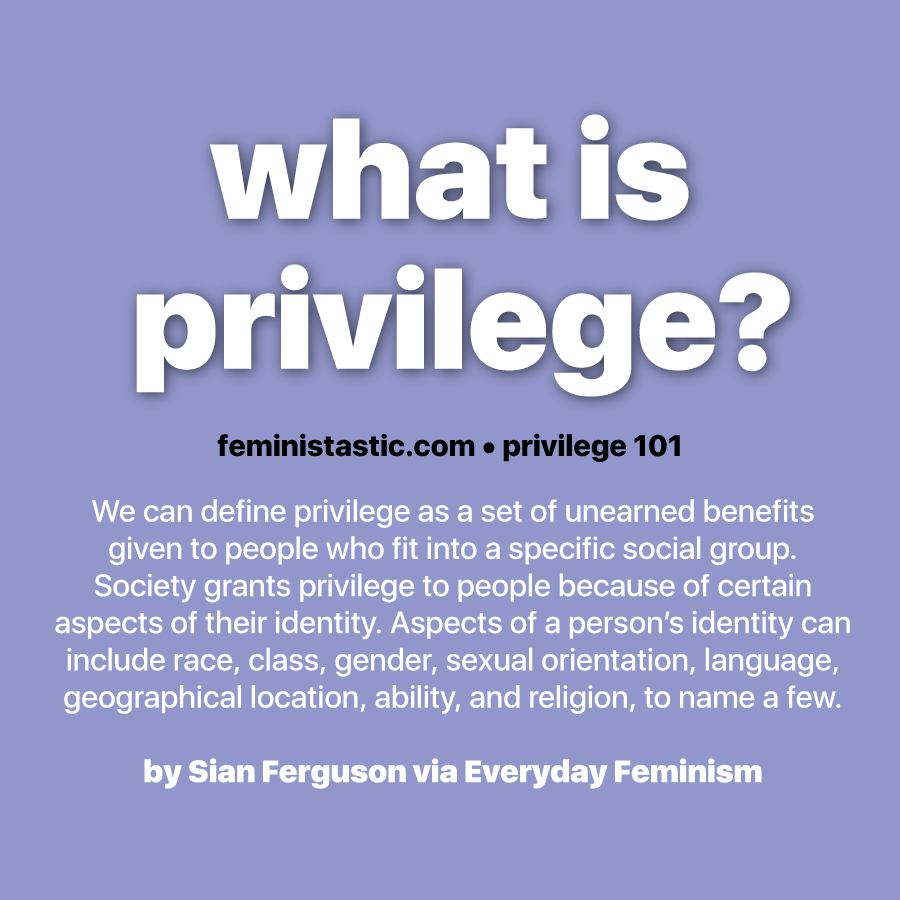
    Privilege; it’s a thing that exists.

    You can have privilege for being white, male, or cis.

    There’s also privilege for being pretty, tall, or thin.

    There is even privilege for being fucking rich.

    Privilege is everywhere, and it is fucking shit.

    It is a system where you can get judged for the color of your skin and pigments.

    It is a system where men can’t show their emotions.

    It is a system where rich men can pollute the environment.

    It is a system where businesses can lobby the government.

    It is a system where you can be demonized for being an immigrant, poor, or homeless.

    It is a system that causes great division.

    But do not despair; not all is hopeless!

    There is a way; a way we can fix this.

    We must make people aware; aware of their privilege.

    We must make people realize that the problem is systemic,

    And that privilege is not just simply something that one is born in.

    Privilege is something that society has decided.

    Privilege can give people an unfair advantage,

    And can also promote hypocrisy and double standards.

    Those with privilege can get praised for something,

    And if marginalized groups do it,

    Those with privilege have a fit.

    It’s bullshit.

    This shit needs to end.

    It’s time we give a voice to those who are voiceless.