The Musings of Jaime David
@jaimedavid.blog@jaimedavid.blog

The writings of some random dude on the internet

1,117 posts
1 follower

Tag: analysis

  • The Unbreakable Threads of One Piece: How Friendship, Labels, and Luffy’s Emotional Revolution Shape the Heart of the Story

    The Unbreakable Threads of One Piece: How Friendship, Labels, and Luffy’s Emotional Revolution Shape the Heart of the Story

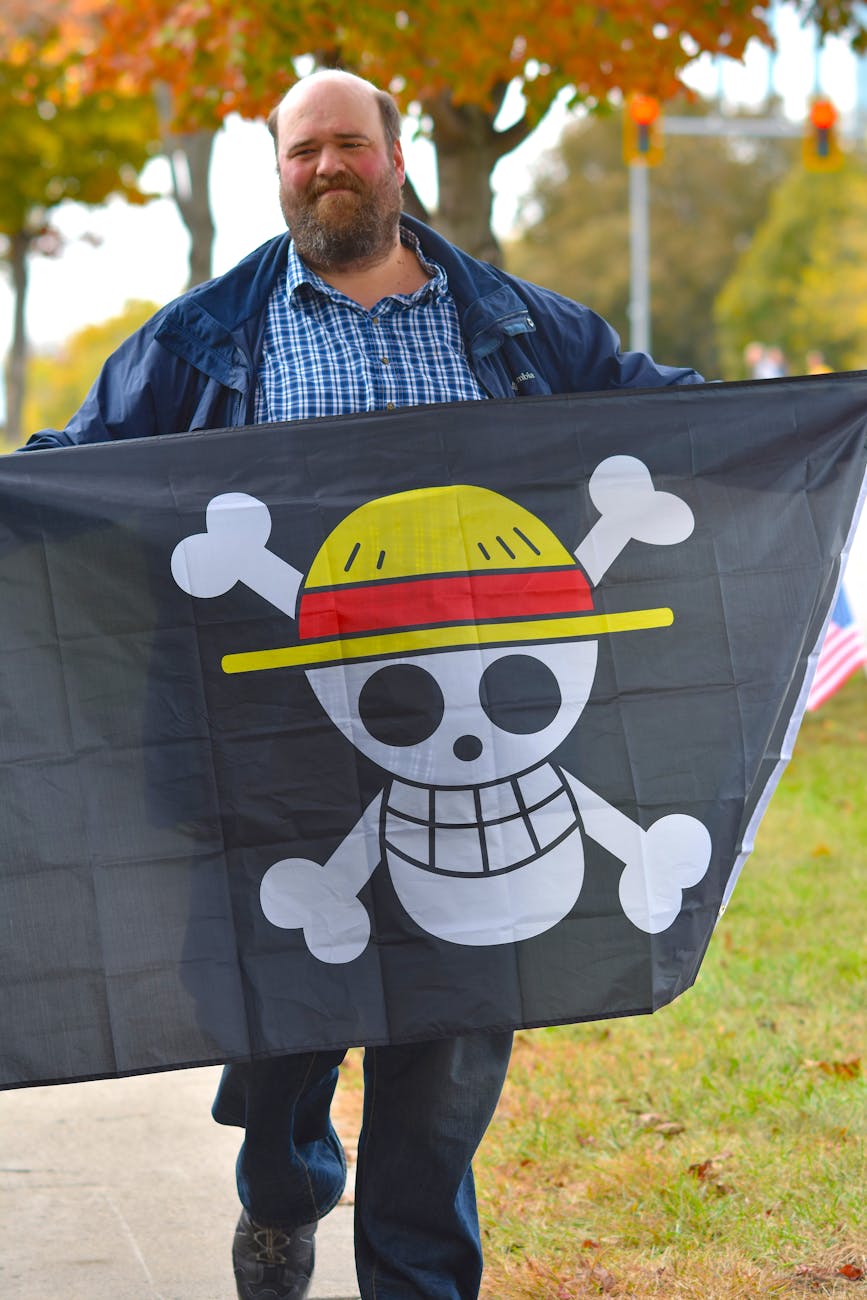
    Across decades of storytelling, One Piece has remained one of the most powerful and enduring narratives in anime and manga, not only because of its sprawling world, epic battles, and imaginative characters, but because of its profound exploration of friendship and the human heart. Beneath the layers of humor, adventure, and chaos, there is a deep emotional core that binds the series together. This emotional core is built on a single, unshakable truth: friendship is the force that drives the entire story, and it is a force that transcends labels, languages, boundaries, and backgrounds. At the center of this force stands Monkey D. Luffy, a young pirate whose simple dreams mask an extraordinary ability to break down walls—not only the physical ones he punches through, but the emotional and metaphorical barriers that people build around their hearts. Through his intentional simplicity, his unwavering loyalty, and his fearless compassion, Luffy becomes the kind of friend anyone would aspire to have, and more importantly, the kind of friend we aspire to be.

    One of the defining elements of One Piece is that Oda doesn’t write friendship as a convenient narrative mechanic or a shallow theme meant to be repeated. Instead, friendship in One Piece is something that is lived, breathed, and fought for. It is something that takes different shapes depending on who is experiencing it, but it ultimately connects everyone through a shared sense of purpose, loyalty, and emotional truth. The world of One Piece is filled with trauma, oppression, discrimination, and suffering, but these dark forces never fully extinguish the light of connection that the Straw Hat crew brings with them. That light stands opposed to the labeling, categorizing, and divisive tendencies of the world. In the Grand Line, people are labeled by their race, their value, their allegiance, or the price on their head. But with Luffy, those labels mean nothing. He doesn’t see fishmen, giants, cyborgs, nobodies, monsters, or criminals. He sees people. He sees potential friends.

    This is what makes Luffy such an unusual and endearing protagonist. His intelligence is often played off as comedic, yet he possesses the deepest emotional wisdom in the story: he understands that labels serve only to isolate and diminish; friendship serves to unite and uplift. From his earliest moments as a young pirate, we see him defy the conventions of what a pirate, a captain, or even a hero should be. He doesn’t recruit based on strength or skill. He never asks whether someone is useful. He simply asks whether someone is hurting, whether someone dreams, and whether someone needs a hand. This is most evident in how the Straw Hat crew comes together. Every member of his crew was someone living behind emotional walls—walls built to hide pain, fear, rejection, or shame. And every time, Luffy showed up, punched a hole straight through those walls, and reached inside with a hand full of warmth and sincerity.

    One of the most iconic examples of this emotional demolition comes from Nami’s devastating moment in Arlong Park. Nami’s life had been defined by manipulation and exploitation. She bore her pain silently, believing herself unworthy of true friendship because her childhood trauma taught her that trust only leads to loss. When she finally collapses under the weight of her suffering, begging for help despite her deep shame, Luffy does not lecture her, question her motives, or analyze her past. He simply places his treasured straw hat—his dream itself—on her head and tells her he will handle it. When Luffy walks toward Arlong Park, tearing through physical barriers with every punch, he is also tearing apart the psychological prison Nami lived in. He is destroying the walls built around her heart so she can breathe again. And when he defeats Arlong, it symbolizes more than a victory in battle. It symbolizes the liberation of a friend who had been locked in suffering for years.

    Another powerful moment comes from Robin’s story at Enies Lobby. Robin’s entire existence had been defined by the world’s labels: demon, monster, criminal, weapon. She accepted these titles because she believed that was all she was allowed to be. She lived in isolation and fear, believing she had no right to live, no right to dream, and no right to belong. Luffy’s fight to save her isn’t just about rescuing a crew member. It’s about demolishing the cruel labels the world forced upon her. When she finally cries out, “I want to live!”, she is breaking through her own emotional barriers, but she only has the courage to do so because Luffy and the others smashed the walls from the outside. Luffy literally orders his crew to burn down the flag symbolizing Robin’s oppression, proving that he doesn’t care about the world’s judgments, labels, or systems. He cares about the person behind them.

    The theme of friendship running deeper than labels extends beyond the core crew. Luffy’s entire journey is marked by encounters with people who believed themselves unworthy of companionship or who were rejected by the world for reasons beyond their control. Sabo believed he had lost everything, only to rediscover the power of brotherhood. Law walked a path of revenge and trauma until Luffy gave him room to breathe and dream again. Jinbe, labeled as an enemy and a criminal by the world, found acceptance and brotherhood through Luffy’s straightforward trust. Even characters like Bon Clay, whose identity is fluid and who exists outside conventional definitions, are embraced by Luffy without question or hesitation. Luffy does not care about gender, appearance, species, origin, or stigma. He only cares about the heart.

    This is what makes Luffy such a transformative force in the story. His ability to break down emotional and metaphorical walls is rooted in his refusal to treat people as anything other than equals. While many shonen protagonists fight for justice or peace, Luffy fights for freedom—the freedom to live, to dream, to choose, to be seen. And he does this not through sophisticated arguments or philosophical monologues, but through action, presence, and sincerity. He enters people’s lives like a storm of authenticity, shattering the false narratives they have internalized about themselves. He makes them believe they are worthy of love, loyalty, and a place in the world.

    Friendship in One Piece is not passive. It is active, fierce, demanding, and transformative. It requires sacrifice, vulnerability, and courage. It pulls characters out of despair and guides them toward redemption. Through Luffy’s eyes, friendship is not an obligation or a token of convenience; it is a sacred bond. His repeated acts of risking his life for his friends are not born from a hero complex or a need for validation, but from an instinctive understanding that connection is the strongest force in the world. He will walk into hell if it means someone he cares about will find a way back to the light.

    One of the most underrated aspects of One Piece is how it shows friendship as something that evolves. Luffy does not demand emotional transformation from his friends; he creates a space where transformation becomes possible. He doesn’t pressure Zoro to reveal his inner thoughts or force Sanji to talk about his past. Instead, he allows them to grow at their own pace, while providing unwavering support in the background. This kind of emotional patience is rare in protagonists. It illustrates that true friendship does not control or dictate. It nurtures and uplifts.

    Luffy’s friendships also transcend the binary distinctions that dominate society. He doesn’t seek out friends because they fit neatly into categories. In fact, the mismatched nature of the Straw Hat crew—pirate hunter, thief, liar, cyborg, skeleton musician, reindeer doctor, archaeologist labeled a demon—shows that labels are meaningless in the face of genuine connection. The crew is a testament to what happens when people choose each other not based on status or similarity, but based on authenticity and mutual respect. This theme becomes even more powerful when considering the various races and species across the world: fishmen who are discriminated against, giants treated as weapons, minks forced into hiding. Luffy’s refusal to see anyone as less-than allows the story to illustrate a profound truth: labels are often constructed to divide, but friendship exists to unify.

    In many ways, Luffy becomes a mirror for others. Through him, characters are forced to confront not only their potential but their fears, insecurities, and hidden wounds. His optimism challenges cynicism. His trust challenges doubt. His emotional honesty challenges denial. And his relentless pursuit of freedom challenges every system of oppression he encounters. Luffy’s journey is more than a pirate adventure. It is a revolution of the heart.

    Another layer to the theme of deep friendship in One Piece is the way it embraces emotional vulnerability. Luffy is not a traditional stoic hero. He laughs loudly, cries openly, gets scared, gets angry, and expresses love without shame. His emotions are not weaknesses—they are strengths that inspire the people around him. His willingness to feel deeply encourages his friends to do the same. This emotional openness dismantles the toxic narratives in many heroic stories that equate strength with emotional suppression. Instead, One Piece teaches that true strength comes from emotional courage, the bravery to care deeply even when the world punishes you for it.

    Throughout the series, emotional walls represent fear, shame, and conditioning. When Luffy breaks these walls—sometimes with his fists, sometimes with his heart—he is liberating people from the prisons built around them. Every island, every arc, every new ally serves as a testament to the idea that emotional freedom is just as vital as physical freedom. Luffy fights dragons, tyrants, government organizations, and world-shaking enemies, yet his greatest victories are the ones where he gives someone back their sense of self-worth and belonging.

    And this is why Luffy is a friend to aspire to. He represents the best qualities of companionship: loyalty without condition, acceptance without judgment, courage without hesitation, and love without limitations. He embodies the ideal of being someone who believes in others so strongly that they begin to believe in themselves. He never abandons his friends, never belittles their dreams, never questions their value. Instead, he amplifies their strengths and shields their vulnerabilities. Being Luffy’s friend means being seen, understood, and valued for who you are, not who the world says you must be.

    It is this combination of emotional bravery, unshakable loyalty, and boundless compassion that makes One Piece resonate so deeply with audiences across the world. It teaches that friendship is not a label you give someone. It is a bond forged through shared struggles, dreams, and moments of raw humanity. It teaches that labels have the power to divide, but friendship has the power to rebuild what is broken. And it teaches that sometimes, the greatest heroes are not the strongest or smartest, but the ones who show up, who care deeply, and who refuse to let anyone face their burdens alone.

    In the end, One Piece is not merely a story about pirates searching for treasure. It is a story about people searching for acceptance, meaning, and connection in a world that often tries to strip those things away. It is a story where friendship becomes a form of rebellion, a force stronger than oppression, and a beacon that guides people through the darkest seas. Luffy’s journey reminds us that while the world may attempt to define us through labels, the bonds we create through genuine friendship have the power to redefine everything.

    And that may be the deepest treasure One Piece has to offer: a reminder that walls—no matter how powerful or deeply rooted—can always be broken, especially when someone reaches for you with a heart that refuses to let go.


    Fediverse Reactions
  • How I Think The Simpsons Will End

    How I Think The Simpsons Will End

    It’s hard to imagine a world without The Simpsons. For decades, this animated yellow family from Springfield has been part of the cultural bloodstream, weaving itself into our collective consciousness. It’s more than just a show — it’s a time capsule of changing eras, a satire of American life, and, somehow, a story that keeps going. But one day, inevitably, it will have to end. And when that happens, I don’t think it’ll be some wild apocalypse, or some weird “it was all a dream” twist. No, I think it’ll be something far more human, far more grounded — and yet, still deeply Simpsons.

    I think the end will come with a decision — a big one — that the Simpsons family is leaving Springfield. That’s the heart of it. That’s the premise that could wrap everything up neatly, emotionally, and thematically. It’s the one thing that could bring closure not just to the family, but to the entire town itself. Because Springfield is almost a character in its own right — its quirks, its people, its chaos, all define the show’s world. So when the Simpsons decide to leave, that would be like the final curtain call.

    And through that departure, we’d get resolutions to all sorts of long-running gags and storylines. The show is legendary for its running jokes — the prank calls, the chalkboard gags, the couch gags, the ever-shifting geography of Springfield, and the bizarre elasticity of time that’s kept Bart ten years old since 1989. But among all these threads, I think two gags in particular would find their perfect ending. Two gags that, oddly enough, both circle around Bart Simpson.

    Because, at its core, The Simpsons began as Bart’s show. Back in the late ‘80s and early ‘90s, it was Bartmania. The rebellious, skateboarding, slingshot-carrying “Underachiever (and proud of it)” kid was the face of the show. Over time, Homer took over as the emotional and comedic center, but Bart’s legacy still lingers. And so, in the final episode, I think it’s only fitting that two of Bart’s most iconic running bits — El Barto and the prank calls to Moe’s Tavern — come to a close.


    The Reveal of El Barto

    For decades, Springfield has been covered in graffiti tagged by a mysterious figure: El Barto. Fans, of course, have always known the truth. El Barto is Bart’s alter ego, the mischievous artist leaving his signature all over town. It’s one of those jokes that never needed explanation, never needed a payoff — it just existed as part of the background. But in an ending, it would make perfect sense to bring it full circle.

    Picture this: the Simpsons are packing up. Boxes everywhere, Lisa’s carrying her saxophone case, Maggie’s holding her pacifier like a souvenir. Marge is frazzled, worried about logistics. Homer’s making sarcastic comments about how he’ll miss Lard Lad Donuts’ “fine cuisine.” And Bart’s sitting there, just kind of quiet. Maybe a little nostalgic, which for Bart is rare. He looks out the window at the Springfield skyline — the power plant, the Kwik-E-Mart, Moe’s, the school, all of it. And that’s when he turns to Homer and says something like, “Hey, Dad. Before we go, there’s something I should tell you.”

    And Homer, half-paying attention, maybe sipping a Duff, just grunts: “What is it, boy?”

    And Bart replies, “I’m El Barto.”

    Now, the beauty of that moment would be in how simple it is. For the audience, it’s not a revelation — we already know. But for Homer, maybe he never connected the dots. Maybe he just blinks, puts down his beer, and laughs, thinking Bart’s joking. Then, he realizes Bart’s serious. And there’s this flicker of pride in his eyes. Maybe even admiration. Because deep down, Homer might recognize that El Barto was more than mischief — it was Bart’s way of leaving his mark on the world. His way of saying, “I was here.”

    And maybe Homer, for once, doesn’t scold him. Maybe he says something like, “Well, you did a good job, boy. I see that tag everywhere.” And Bart smirks, like he always does, and says, “Thanks, man.” That would be such a simple, powerful way to acknowledge their relationship — built on mischief, misunderstanding, and underneath it all, love.

    Because The Simpsons, at its best, is about family. It’s about the way they mess up, fight, and still love each other despite everything. And that moment — Bart admitting who he is, Homer accepting it — could encapsulate that perfectly.


    The Last Prank Call

    Now, the second gag that deserves a conclusion — maybe even more than El Barto — is the legendary prank calls to Moe’s Tavern. These are some of the oldest jokes in The Simpsons history. Bart calls Moe’s, asks for some ridiculous fake name — “I.P. Freely,” “Amanda Huggenkiss,” “Al Coholic” — and Moe, ever the gullible barkeep, shouts it across the bar, only to realize he’s been had. It’s slapstick, it’s juvenile, and yet it’s so essential to Bart’s character.

    So how do you end that? You end it by doing it one last time — but differently.

    Imagine this: it’s near the end of the episode. The Simpsons’ house is half-empty now. Boxes stacked up, the walls bare. Bart looks at his old prank call list — maybe a notebook filled with scribbled names. He smiles, grabs the phone, and dials Moe’s one more time.

    Moe answers, in that gruff, tired voice: “Moe’s Tavern, where the elite meet to drink. Moe speaking.”

    Bart smirks. “Uh, yeah, is there a Hugh… Hugh Jass there?”

    Moe, as always, takes the bait. “Hey, everyone! I’m lookin’ for a Hugh Jass!” And, as usual, silence follows. Then someone in the background goes, “I’m Hugh Jass.” And Moe mutters, “Oh. Uh, sorry.” Then there’s that familiar beat of realization, that sigh of defeat.

    But this time, Bart doesn’t hang up.

    He hesitates. Maybe for a moment, you can even hear the emotion in his voice. And he says, “Hey, Moe… it’s me. It’s Bart. Bart Simpson.”

    There’d be silence on the other end. You could almost hear the bar quiet down.

    And Moe, confused, says, “Wait… you mean you’re the little punk who’s been prank calling me all these years?”

    Bart chuckles softly. “Yeah. That was me.”

    And Moe, in that half-resentful, half-sentimental way only Moe can manage, would probably go off. “You little son of a—! Do you have any idea how many times I fell for that? How many times I looked like an idiot?!”

    Bart, being Bart, might just say, “Every single time.”

    And then, in a rare moment of vulnerability, Moe’s tone changes. Maybe he sighs. “Y’know, kid… I ain’t gonna lie. Those calls… as much as they drove me nuts… I’m gonna miss ‘em.”

    And Bart says, “Yeah… me too.”

    Then Moe might add, “Don’t tell anyone I said this, but… you made the bar a little less miserable.”

    And Bart smiles, maybe says, “Thanks, Moe.” Then hangs up.

    It’s small. It’s simple. But it would be the perfect emotional punctuation to years of laughter. Because, really, those prank calls were about connection. Bart and Moe — total opposites, from different worlds — unknowingly shared a weird, comedic bond. And by ending that gag with honesty, the show would not only close a running joke, but highlight one of the most human things about The Simpsons: even absurd relationships can have meaning.


    The Farewell to Springfield

    From there, I imagine the episode winding down. The family says their goodbyes — Marge to her friends at the church, Lisa to her teachers and classmates, Homer to the power plant (and probably to Lenny and Carl in some hilariously heartfelt exchange), and Maggie, silent as ever, maybe gives a wave to the sandbox at the daycare.

    And as they drive out of town, maybe we see the residents of Springfield lined up — Moe, Apu, Principal Skinner, Krusty, Comic Book Guy, Ned Flanders, all waving goodbye. Each of them representing a piece of the show’s legacy.

    Then, perhaps as they cross the city limits, Bart looks out the back window and sees a wall — a blank one — and he sprays one last “El Barto” tag on it. His final mark. The car drives away, and the camera lingers on the graffiti. That’s the last image.

    “El Barto Was Here.”


    Why It Fits

    Ending The Simpsons this way makes sense, because it honors both its chaos and its heart. It’s funny, nostalgic, and quietly emotional without betraying the show’s tone. It doesn’t try to shock. It doesn’t go for a huge meta ending. It just lets the characters say goodbye in their own way.

    And the El Barto reveal and Moe’s Tavern confession — those are perfect encapsulations of Bart’s character growth. He’s still mischievous, still funny, but finally old enough (emotionally, at least) to own up to his actions. It’s closure for him — and, symbolically, for the whole show.

    Because in the end, The Simpsons has always been about time standing still. The characters don’t age, the town never changes too much, and everything resets at the start of the next episode. But in an ending, you’d want to finally break that cycle — not by killing anyone off, not by jumping ahead in time, but simply by having them move on.

    Springfield, as absurd and wonderful as it is, was always a metaphor for America itself — this flawed, chaotic, colorful place that’s equal parts hilarious and heartbreaking. And when the Simpsons leave, it’s like saying goodbye to a reflection of ourselves.


    Final Thoughts

    So yeah, that’s how I think The Simpsons will end — not with a bang, but with a heartfelt goodbye. A farewell that ties together humor, nostalgia, and emotion in a way only The Simpsons could.

    Bart finally admitting he’s El Barto. Bart finally telling Moe the truth. And then the family finally driving off into the sunset, leaving behind the town that shaped them — and that they, in turn, helped define.

    It’s the kind of ending that feels inevitable. Simple. Poetic. The perfect way to close one of the most enduring stories in television history.

    Because when you think about it, the Simpsons never really belonged to Springfield — Springfield belonged to them.

    And maybe that’s the real punchline.

    Fediverse Reactions
  • Musing Mondays #16: Data is a Mirror—But Only If You Know How to Look

    Musing Mondays #16: Data is a Mirror—But Only If You Know How to Look

    We throw around the word “data” like it’s objective, clean, absolute truth. But data’s messy. Biased. Shaped by who’s collecting it, who’s interpreting it, and what gets ignored in the process.

    Think about it like a funhouse mirror. It shows you something, but it might be distorted. Sometimes on purpose. Sometimes by accident. Sometimes because the mirror was made for someone else entirely.

    We live in a time where we’re swimming in data, but most people don’t know how to read it. Or question it. Or even notice when it’s manipulating them. And that’s dangerous. Because if we don’t interrogate what we’re looking at, we’ll accept the reflection at face value—even when it’s warped beyond recognition.

  • The Jaime David Podcast – Episode 9: Fame

    The Jaime David Podcast – Episode 9: Fame

    In this episode, I go over my poem “Fame”

    Listen on Spotify:

    Watch on Youtube:

    Transcript:

    The Jaime David Podcast – Ep. 9 “Fame”

    JAIME DAVID:
    Hey everyone, and welcome back to The Jaime David Podcast! I am your host, Jaime David, and in this episode, we’re talking about something that many people crave—fame. But, as we dive into this, we’ll also talk about what really matters when it comes to true success and happiness.

    In today’s episode, we’re discussing a short but powerful poem I wrote in December of 2019 called Fame. It’s one of those poems that cuts to the heart of the matter, pointing out the things we often get caught up in, and what truly holds value in life.

    Alright, let’s get into it.

    [Reading the poem]

    Fame

    You want fame?
    You got it!

    You want bling?
    Then buy it!

    But without a good friend,
    you ain’t got shit!

    JAIME DAVID:
    Now, I know this poem might come across as a bit blunt, but sometimes that’s the point. It’s all about perspective. We live in a world where fame, wealth, and material possessions are often seen as the ultimate goals. Everyone wants to be famous, everyone wants the designer clothes, the shiny cars, the flashy jewelry. And while those things can be fun, they can be distracting too.

    The first two lines of the poem, “You want fame? You got it!” and “You want bling? Then buy it!” highlight this idea that if you really want those things, you can go out and get them—whether it’s through hard work, luck, or a mix of both. But what happens when you achieve those things? Do they really make you happy? Do they fulfill you?

    True Value
    Then comes the punchline of the poem: “But without a good friend, you ain’t got shit!”
    This line flips everything on its head. Fame and material wealth might look shiny on the outside, but if you don’t have people who genuinely care about you, who are there for you when things get tough, then what do you really have?

    It’s a reminder that no amount of fame or fortune can replace the value of a true connection with someone—a good friend, a real friend. Because in the end, it’s those relationships that give life its meaning and depth. Fame might come and go, but a true friend? That’s something priceless.

    Reflection:
    We’ve all seen people chase fame, whether it’s in the media, online, or even just in our everyday lives. Social media culture encourages us to put our best foot forward, to highlight our accomplishments, to curate our lives in a way that looks perfect. But when the cameras stop rolling, when the likes stop coming in—what’s left?

    Without those meaningful relationships, without people who truly know us and care for us, fame doesn’t hold the same weight. It’s just noise. And material wealth? That fades too. It’s nice to have nice things, but they don’t hold a candle to the value of a real friendship.

    Closing Thoughts:
    So, the next time you catch yourself thinking about what you want to achieve—whether it’s fame, fortune, or success—remember this: The things that really matter in life are the things that can’t be bought or easily attained. The love and loyalty of a true friend? That’s priceless.

    Thank you for listening to today’s episode of The Jaime David Podcast. I hope this poem gives you something to think about when it comes to chasing after the things you think you want versus what you truly need.

    If you enjoyed this episode, make sure to check out the original blog post for more reflections, and I will be back with another episode soon. Until then, take care, stay grounded, and remember to value the relationships that truly matter.

    [End of episode]

    watch on tiktok:

    @jaimedavid41

    The Jaime David Podcast – Episode 9_ Fame In this episode, I discuss my poem called “Fame.” This episode features AI-generated voice narration based on my own voice. Due to my current recording environment and personal limitations, I’ve chosen to use this tool to bring my stories and poetry to life. The voice model was trained on my own recordings and reflects my tone, pacing, anddelivery. It’s still me — just with a bit of tech assistance to help me create and share content more consistently. Think of it like using autotune — it’s still the artist, just with some digital help. I’m using voice AI as a bridge between the ideas in my head and the stories I want you to hear. This helps me keep creating even when life makes it hard to record new episodes. podcast blog poetry

    ♬ original sound – jaimedavid41 – Jaime David (author)

    watch on rumble:

    watch on bitchute:

    https://www.bitchute.com/video/_ukLNISBpnA

    watch on dailymotion:

    watch on vimeo:

    watch on locals:

    The Jaime David Podcast – Episode 9: Fame (Writing … – jaimedavid Community

    watch on odysee:

    The Jaime David Podcast – Episode 9_ Fame

  • The Jaime David Podcast – Episode 8: Uniqueness

    The Jaime David Podcast – Episode 8: Uniqueness

    Episode 8 is out.

    Listen on Spotify:

    Watch on Youtube:

    Transcript:

    The Jaime David Podcast – Ep. 8 “Uniqueness”

    JAIME DAVID:
    Welcome back to another episode of The Jaime David Podcast! I am your host, Jaime David, and I am so glad you’re here with me today. In this episode, we’re diving into a poem I wrote in December of 2019, called Uniqueness. It’s one of those pieces where I explore the idea of individuality, but also the complexities that come with it. We are told that everyone’s unique, but what does that really mean?

    Let’s get into it.

    [Reading the poem]

    Uniqueness

    They say we’re all unique.
    But if we’re all unique, then we’re not unique.
    And if we’re not unique, then we’re all the same!

    But that’s not the case!
    We don’t look the same.
    We don’t act the same.
    We don’t think the same.
    We don’t feel the same.
    We are not the same!

    But uniqueness is something we all have in common.
    It is a common trait that makes us great.
    It allows us to see things in ways others can’t.
    It allows us to experience things in ways no one else can.

    We may be different, but that difference is what makes us us!
    It’s what makes us interesting.
    It’s what makes us human.

    JAIME DAVID:
    So, this poem is all about the paradox of being unique. We hear all the time that everyone is unique, and I get why people say that. It’s meant to empower, to remind us that we each have our own qualities that set us apart. But when you really stop and think about it, if everyone’s unique, then in a way, no one is, right?

    It’s like this circular logic. If we’re all unique, then the term “unique” itself becomes kind of diluted. But then, in the poem, I take that idea and turn it on its head.

    What makes us different is also what makes us the same.
    In the end, our uniqueness is something that we share—it’s a common trait. Every person is different, but that difference is what makes us all human. We experience the world in our own individual ways, and that’s what gives life its depth, its flavor, its complexity.

    You might think differently, feel differently, or look differently than the next person, but we all have the ability to experience the world from our own unique perspective. That’s the beauty of it. And it’s something we should celebrate, not just in ourselves, but in others too.

    Reflecting on the message:
    Sometimes it’s easy to get lost in the idea that we’re supposed to stand out. That being unique means we need to be extraordinary or different in some groundbreaking way. But the truth is, uniqueness doesn’t always mean “big” or “loud” or “flashy.” It can be as simple as the way you see the world, the way you interpret emotions, the way you create or connect with others.

    Each person’s perspective, their personal experience, is valuable, and that’s something we all share. So, the next time you think you’re not unique enough, just remember—it’s that very way of thinking, that inner voice telling you that you are, that makes you exactly who you are. And that is something to be proud of.

    I think the final line of the poem really sums it up: It’s what makes us human. Being unique is part of what makes us human—how we all differ in our ways, but also how those differences bind us together in this shared experience of life.

    Closing thoughts:
    Thanks for tuning in to today’s episode. If you enjoyed this poem, make sure to check out the original blog post on Jaime David dot blog. If you’re feeling inspired by this idea of uniqueness, maybe take a moment today to appreciate what makes you different—and how those differences are part of what makes you so special.

    I will be back soon with more poems and reflections. Until then, embrace your uniqueness and celebrate those little differences that make us all who we are.

    [End of episode]

    watch on tiktok:

    @jaimedavid41

    The Jaime David Podcast – Episode 8_ Uniqueness In this episode, I talk about my poem “Uniqueness.” This episode features AI-generated voice narration based on my own voice. Due to my current recording environment and personal limitations, I’ve chosen to use this tool to bring my stories and poetry to life. The voice model was trained on my own recordings and reflects my tone, pacing, anddelivery. It’s still me — just with a bit of tech assistance to help me create and share content more consistently. Think of it like using autotune — it’s still the artist, just with some digital help. I’m using voice AI as a bridge between the ideas in my head and the stories I want you to hear. This helps me keep creating even when life makes it hard to record new episodes. podcast blog poetry

    ♬ original sound – jaimedavid41 – Jaime David (author)

    watch on rumble:

    watch on bitchute:

    https://www.bitchute.com/video/LBgVTzrBvVT5

    watch on dailymotion:

    watch on vimeo:

    watch on locals:

    The Jaime David Podcast – Episode 8: Uniqueness … – jaimedavid Community

    watch on odysee:

    The Jaime David Podcast – Episode 8_ Uniqueness

  • The Jaime David Podcast – Episode 7: The Internet

    The Jaime David Podcast – Episode 7: The Internet

    Episode 7 of my podcast is out.

    Check it out on spotify:

    Watch it on Youtube:

    Transcript:

    🎙️ The Jaime David Podcast – Ep. 7 “The Internet”

    JAIME DAVID (thoughtful, calm tone):
    Hey there, and welcome back to The Jaime David Podcast! I’m your host, Jaime David, and if you’re new to the show, this is where I reflect on my writing, dive deep into the stories behind my poems, and explore the thoughts and themes that shape each piece. It’s part journal, part analysis, part creative outlet, and I’m glad to have you here.

    In today’s episode, we’ll be talking about a poem I wrote back in December of 2019, called The Internet. Now, this one is a bit more reflective—looking at the pros and cons of something that’s become such a huge part of our lives. If you’ve ever found yourself asking if the internet is really helping us connect—or if it’s just pulling us apart—this one’s for you.

    Let’s dive into the poem:

    JAIME DAVID (reading “The Internet”):

    Is it a detriment or a benefit?
    Is it harmful or is it helpful?
    Is it a tool to communicate,
    or does it only isolate?

    Does it make us very social
    or antisocial?

    What I do know for sure
    Is that it’s a double-edged sword!

    JAIME DAVID (reflection/analysis):
    When I first wrote this poem, I was just trying to capture the push and pull of the internet—how it’s this strange paradox. On the one hand, it’s an incredibly powerful tool. We can communicate with people across the globe in seconds, access information in the blink of an eye, and even build entire communities around shared interests and causes. But on the other hand, it can feel isolating. You’re connected to more people than ever before, but sometimes, you feel lonelier than ever. It’s strange, right?

    The structure of the poem is simple, but I think that’s what makes it effective. The questions I ask—Is it a detriment or a benefit?—they’re not meant to be answered immediately. They’re more of a reflection of the confusion and uncertainty that many of us feel about our relationship with the internet. The questions build on each other, layering the complexities of how we interact with technology.

    The line that always sticks with me, though, is the closing: What I do know for sure, is that it’s a double-edged sword. It’s like… at the end of the day, that’s what the internet is, right? It has its good side and its bad side, and we have to navigate it the best we can.

    SOCIETAL CONNECTION:
    Looking back at this now, it feels even more relevant. When I wrote this in 2019, social media and internet culture were already shaping the way we think and relate to one another. But in 2025? It’s even more of a reflection of the time we’re in. The rise of things like misinformation, social media echo chambers, and online polarization has only highlighted that “double-edged sword” quality.

    The internet connects us, but it can also divide us. It amplifies our voices but can drown them out at the same time. And I think that tension is part of what makes this poem timeless.

    PERSONAL REFLECTION:
    For me, this poem speaks to a feeling I’ve always had about technology—it’s both a blessing and a curse. It’s exciting, it’s convenient, it’s powerful—but it can also be overwhelming, draining, and sometimes even destructive.

    It also speaks to the changes in the way we communicate with one another. Are we really having conversations when we’re texting? Are we truly connecting when we’re just scrolling through someone’s feed? These are questions I still find myself grappling with in today’s digital world.

    OUTRO:
    Thanks for tuning in to this episode of The Jaime David Podcast. I hope this poem made you think a little more about how you experience the internet—how it both helps and harms us—and where it might take us in the future.

    If you enjoyed today’s episode, don’t forget to follow the podcast and check out the original post on my blog at Jaime David dot blog. And if you have a moment, share this episode with someone who’s got a lot to say about the internet and its effects.

    Next time, I’ll be diving into another piece, so stay tuned for more reflections and creative explorations.

    Until then—keep musing.

    watch on tiktok:

    @jaimedavid41

    The Jaime David Podcast – Episode 7_ The Internet In this episode, I discuss about my poem called “The Internet.” This episode features AI-generated voice narration based on my own voice. Due to my current recording environment and personal limitations, I’ve chosen to use this tool to bring my stories and poetry to life. The voice model was trained on my own recordings and reflects my tone, pacing, anddelivery. It’s still me — just with a bit of tech assistance to help me create and share content more consistently. Think of it like using autotune — it’s still the artist, just with some digital help. I’m using voice AI as a bridge between the ideas in my head and the stories I want you to hear. This helps me keep creating even when life makes it hard to record new episodes. podcast blog poetry

    ♬ original sound – jaimedavid41 – Jaime David (author)

    watch on rumble:

    watch on bitchute:

    https://www.bitchute.com/video/BmtQrjZNqiTk

    watch on dailymotion:

    watch on vimeo:

    watch on locals:

    The Jaime David Podcast – Episode 7: The Internet … – jaimedavid Community

    watch on odysee:

    The Jaime David Podcast – Episode 7_ The Internet

  • The Jaime David Podcast – Episode 6: Time

    The Jaime David Podcast – Episode 6: Time

    The next episode of The Jaime David Podcast is out.

    Listen on spotify:

    Watch on youtube:

    Transcript:

    🎙️ The Jaime David Podcast — Episode 6: “Time”

    JAIME DAVID (calm, introspective tone):

    Hey everyone—welcome back to The Jaime David Podcast. I’m your host, Jaime David, and today we’re diving into Episode 6 of this poetry series. Thanks for spending some time with me.

    Each episode, I read one of my poems and unpack a little of the meaning behind it—where my head was at when I wrote it, and where your thoughts might wander as you listen.

    Today’s poem is called Time. It’s a reflection on how we perceive and experience time in our lives.

    Let me read it for you.


    JAIME DAVID (reading “Time”):

    It is defined as a process
    In which things continue to progress.
    People, places, and things all move along with it.
    When we reminisce, the past is what we visit.
    When we’re looking forward, the future is what we look toward.
    But there’s one state; one state that we resent.
    That so-called state is what we call the present.
    When nothing goes our way, we begin to feel real hesitant.
    We don’t know when or how,
    We’ll stop feeling like we do now.
    When things go wrong,
    Time feels long.
    When things go great,
    Time accelerates.
    One day you’re twenty,
    All worried about money.
    Next day you’re fifty,
    With your own kids who are fifteen.
    Time is such a complex concept.
    How it progresses is based on our percept.
    Making the best of time is a great human conquest.


    JAIME DAVID (reflective commentary):

    This poem delves into the intricate nature of time and how our perception of it can vary based on our experiences and emotions. It’s fascinating how time can feel slow during challenging moments and seem to fly by during joyful times. This subjective experience of time is something many of us can relate to.

    The lines:

    “When things go wrong,
    Time feels long.
    When things go great,
    Time accelerates.”

    highlight this phenomenon. Our emotional state can significantly influence how we perceive the passage of time.

    Moreover, the poem touches on the idea that while we often dwell on the past or anticipate the future, we sometimes neglect the present. The present can be uncomfortable or uncertain, leading us to avoid fully engaging with it. Yet, it’s in the present where life truly unfolds.

    The concluding lines:

    “Time is such a complex concept.
    How it progresses is based on our percept.
    Making the best of time is a great human conquest.”

    emphasize that our perception shapes our experience of time. Embracing the present and making the most of our time is a challenge, but it’s also a significant achievement.

    OUTRO:

    That was Time, a poem reflecting on the complexities of our temporal experiences.

    Thanks for being here for Episode 6 of The Jaime David Podcast. If you’d like to read the poem or share it, it’s up on the blog at jaimedavid.blog.

    Feel free to follow or subscribe to the podcast, and if it resonates with you, share it with someone who might appreciate it.

    In the next episode, we’ll explore another piece—perhaps delving into themes of change, memory, or growth. Stay tuned.

    Until then, take care, and keep reflecting.

    watch on tiktok:

    @jaimedavid41

    The Jaime David Podcast – Episode 6_ Time In this episode, I deep dive and analyze my poem “Time.” podcast blog poetry

    ♬ original sound – jaimedavid41 – Jaime David (author)

    watch on rumble;

    watch on bitchute:

    https://www.bitchute.com/video/JYGdjsvknTeS

    watch on dailymotion:

    watch on vimeo:

    watch on locals:

    https://jaimedavid.locals.com/post/7206061/the-jaime-david-podcast-episode-6-time-writing-analysis

    watch on odysee:

    The Jaime David Podcast – Episode 6_ Time

  • “Disco 2000”: The Ultimate Friendzone Anthem (And That’s Not a Bad Thing)

    “Disco 2000”: The Ultimate Friendzone Anthem (And That’s Not a Bad Thing)

    There’s something strangely timeless about Pulp’s “Disco 2000.” On the surface, it’s a nostalgic Britpop banger with a driving beat and catchy chorus. But beneath that glittery exterior is something more poignant: a song about unrequited love, the passage of time, and the lingering ache of what could have been.

    In many ways, “Disco 2000” is the ultimate friendzone song — and I don’t mean that in the cynical, meme-ish way the internet often throws around that term. No bitterness, no entitlement, no scorekeeping. Just a vulnerable, almost celebratory acknowledgement that sometimes, you love someone deeply… and they simply don’t feel the same way.

    But instead of wallowing, “Disco 2000” dances.

    Jarvis Cocker’s lyrics paint a vivid picture of childhood closeness, adolescent yearning, and adult reflection. The narrator remembers every detail — Deborah’s looks, the way she laughed, how everyone wanted to be her friend. And him? He was just the friend. The one always in orbit, never the center. But still, he clings to those memories with tenderness, not resentment. The repeated refrain — “I never knew that you’d get married…” — carries a quiet heartbreak, but also acceptance. He didn’t get the girl, and life moved on.

    Yet there’s something radical in the song’s refusal to turn that experience into self-pity. The friendzone here isn’t a curse — it’s a reality, and it’s embraced with a kind of emotional maturity most songs about unrequited love don’t bother with.

    In “Disco 2000,” the heartbreak isn’t just about not being chosen. It’s about the strange beauty of being close to someone you care about, even when the romantic connection isn’t mutual. The song leans into that tension — the desire, the distance, and the deep appreciation for a shared history.

    It’s that honesty that makes “Disco 2000” more than just a great pop song. It becomes a kind of anthem for everyone who’s ever been the “almost.” Not in a bitter way, but in a deeply human way. A celebration of the connection, even if it didn’t lead where you hoped.

    So yeah — call it the ultimate friendzone song. But say it with love. Because “Disco 2000” doesn’t mock the feeling of being on the sidelines. It honors it. And sometimes, that’s even more powerful than getting the happy ending.

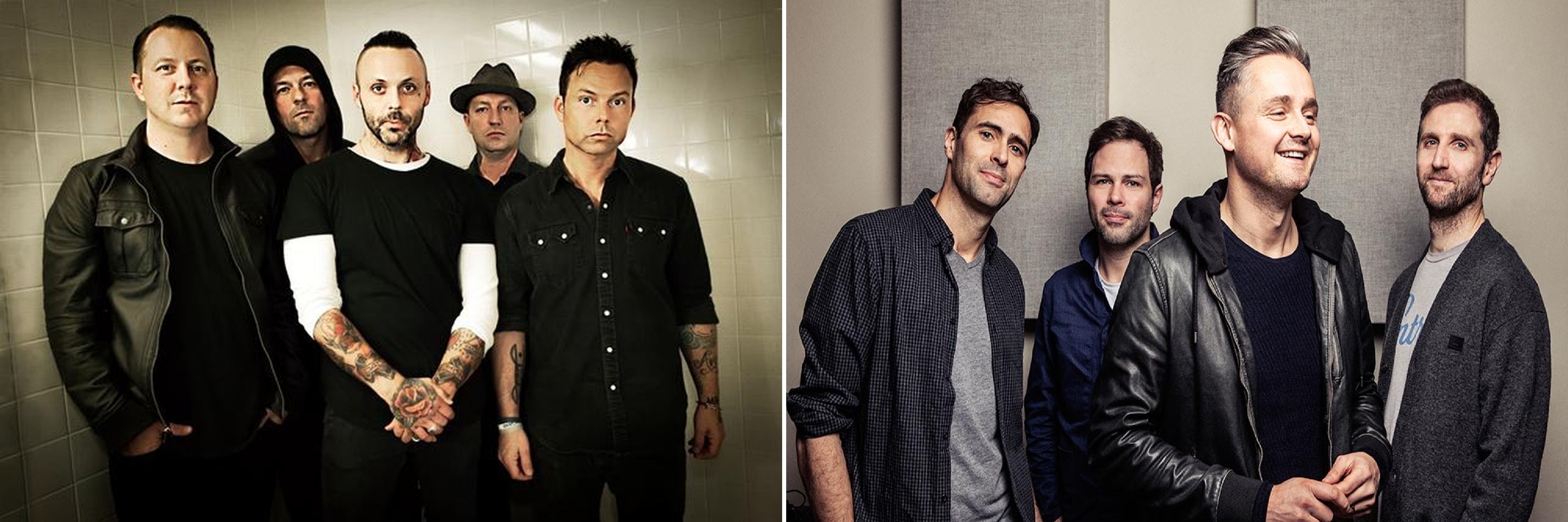
  • 🎶 Why Keane and Blue October Should Totally Collab (Even If It Sounds Crazy)

    🎶 Why Keane and Blue October Should Totally Collab (Even If It Sounds Crazy)

    Okay, hear me out.

    At first glance, Keane and Blue October seem like they live in completely different musical galaxies. One is known for soaring piano ballads and poetic British melancholy, the other for raw emotional alt-rock infused with violin, grit, and soul-baring vulnerability. It might not seem like the most obvious pairing.

    But that’s exactly why I think a Keane x Blue October collaboration would be brilliant.

    🎹✨ Two Different Sounds, One Shared Soul

    Keane brings lush, atmospheric piano-driven arrangements with introspective, lyrical storytelling. Songs like “Somewhere Only We Know,” “Everybody’s Changing,” and “You Are Young” wrap around you like nostalgia, memory, and hope.

    Blue October? They come in with raw passion, haunting violins, and emotionally intense lyrics that lay everything bare. “Hate Me,” “Into the Ocean,” and “I Hope You’re Happy” don’t just tell stories—they bleed them.

    But look closer, and both bands are exploring the same human experiences:

    • loss and change
    • identity and growth
    • depression and healing
    • the complicated mess of relationships
    • the desire to belong and be understood

    They just approach them from different angles—and that contrast is exactly what would make a collaboration so electric.

    🎧 Imagine This…

    • Keane’s piano opening Blue October’s “Oh My My,” giving it a cinematic lift while keeping its swagger
    • Justin Furstenfeld’s raw vocals layered into Keane’s “You Are Young,” giving it edge and urgency
    • A full mashup of “Everybody’s Changing” and “Calling You”—two songs about connection and disconnection from totally different perspectives
    • Blue October’s “Jump Rope” turned into a stripped-down duet with Tom Chaplin’s airy vocals
    • “Everlasting Friend” with a floating Keane-style arrangement, turning its warmth into a universal anthem of quiet loyalty

    I’m telling you—this could be something magical.

    🧩 Opposites Don’t Clash, They Complement

    It’s not about forcing one band into the other’s box. It’s about creating something new together. Keane has already shown they can push beyond their comfort zone with covers like “Disco 2000” and collabs like “Ishin Denshin.” Blue October’s arrangements have grown more layered, more polished, and more genre-fluid over the years.

    This kind of collab wouldn’t be chaotic. It would be intentional. Carefully arranged. Emotive. Honest.

    Think Linkin Park x Jay-Z—but instead of hip hop meets nu metal, it’s piano rock meets orchestral alt-rock, both emotionally charged and deeply lyrical.

    🎵 A 30-Track Dream Album?

    In my ideal universe, this collab becomes a full-scale double album. Covers, mashups, and reworks of fan-favorite tracks—plus overlooked gems like:

    • “Snowed Under”, “Tear Up This Town”, “Ishin Denshin” (Keane)
    • “Everlasting Friend”, “Overweight”, “Any Man in America”, “Inner Glow” (Blue October)

    Can you imagine the album artwork? The tour visuals? The emotional wreckage of the fanbase?

    Because I can. And I want it.

    💬 Final Thoughts

    Sure, maybe this collab won’t happen in real life. Maybe it’s just wishful thinking from a fan who’s obsessed with sound, mood, and the weird electricity that happens when unexpected voices come together.

    But music is about connection—and these two bands, as different as they seem, are speaking to the same hearts in different languages. So why not build a bridge?

    And who knows? Stranger things have happened in music. And sometimes the “crazy ideas” turn out to be the most unforgettable ones.

  • The Jaime David Podcast – Episode 5: Night

    The Jaime David Podcast – Episode 5: Night

    Episode 5 of my podcast is out.

    Listen on spotify: https://open.spotify.com/episode/6Ekx2lc6GcWXMc5JhsI8Bv?si=PWiN24-7S7yEWYWg3feK5Q

    Watch on youtube: https://youtu.be/uUXe1YbVFcU?si=cYzRbHZH5yEvqLH_

    Transcript:

    🎙️ The Jaime David Podcast — Episode 5: “Night”

    JAIME DAVID (gentle, reflective tone):

    Hey again, and welcome back to The Jaime David Podcast. I’m your host, Jaime David, and today we’re diving into Episode 5 of this poetry series. Thanks for spending some time with me.

    Each episode, I read one of my poems and unpack a little of the meaning behind it—where my head was at when I wrote it, and where your thoughts might wander as you listen.

    Today’s poem is called Night. It’s about darkness—literal and emotional—and the quiet promise of light.

    Let me read it for you.


    JAIME DAVID (reading “Night”):

    It is darkest at night,
    When there is no light,
    And you don’t feel right
    Because there is no sight.

    But in time,
    the Sun will rise,
    and soon there will be complete daylight.


    JAIME DAVID (reflective commentary):

    This piece came from a place of stillness and struggle. That feeling when everything is heavy, uncertain, maybe even frightening. It’s about those moments—whether late at night or deep in life—where you feel like you’re completely in the dark. You can’t see ahead, can’t find your footing, and everything just feels off.

    That’s the emotional core of the opening lines:
    “It is darkest at night, / When there is no light, / And you don’t feel right…”

    There’s a sense of helplessness that comes when you’re lost in the unknown. That darkness isn’t just outside—it’s internal. And what makes it worse is the absence of sight—of clarity, of hope, of direction.

    But this poem is also a reminder. A quiet reassurance.

    Because even in the deepest night, time doesn’t stop.
    And eventually, the sun does rise.

    “In time, / the Sun will rise, / and soon there will be complete daylight.”

    It’s a truth we all know, but sometimes forget when we’re hurting: no night lasts forever. The light does return, and with it, peace, perspective, maybe even renewal.

    PERSONAL NOTE:

    I wrote this for anyone who’s ever gone through a hard season—whether that’s depression, loss, anxiety, or just feeling stuck. I wanted to put something gentle and hopeful into the world, something simple enough for anyone to hold on to.

    Because sometimes all we need is a reminder that darkness isn’t the end of the story. It’s just a chapter.

    BIGGER PICTURE:

    There’s something universal about the sun rising. No matter where you are, or who you are, it happens. Every single day.

    That kind of reliability—especially when things feel chaotic—can be grounding. It’s nature’s way of reminding us that cycles exist, and that healing, clarity, and light are part of the rhythm.

    So if you’re listening to this and going through a tough time, maybe this poem can sit with you. Maybe it’s not offering solutions, but it is offering companionship and a little bit of faith in what’s coming next.

     OUTRO:

    That was Night, a poem about darkness and the quiet certainty of morning.

    Thanks for being here for Episode 5 of The Jaime David Podcast. If you’d like to read the poem or share it, it’s up on the blog at jaimedavid.blog.

    Feel free to follow or subscribe to the podcast, and if it speaks to you, pass it along to someone else who might need a little light.

    Next time, we’ll explore another poem—maybe something about movement, memory, or change. We’ll see.

    Until then, take care of yourself. Keep going. The sun always rises.

    watch on tiktok:

    @jaimedavid41

    The Jaime David Podcast – Episode 5_ Night In this podcast episode, I go over my poem “Night.” podcast blog poetry

    ♬ original sound – jaimedavid41 – Jaime David (author)

    watch on rumble:

    watch on bitchute:

    https://www.bitchute.com/video/VfOgiy9JgKQx

    watch on dailymotion:

    watch on vimeo:

    watch on locals:

    https://jaimedavid.locals.com/post/7206059/the-jaime-david-podcast-episode-5-night-writing-analysis

    watch on odysee:

    The Jaime David Podcast – Episode 5_ Night