The Musings of Jaime David
@jaimedavid.blog@jaimedavid.blog

The writings of some random dude on the internet

1,126 posts
1 follower

Tag: animals

  • Why Animals Aren’t “Bad”: Understanding Instinct Over Morality

    Why Animals Aren’t “Bad”: Understanding Instinct Over Morality

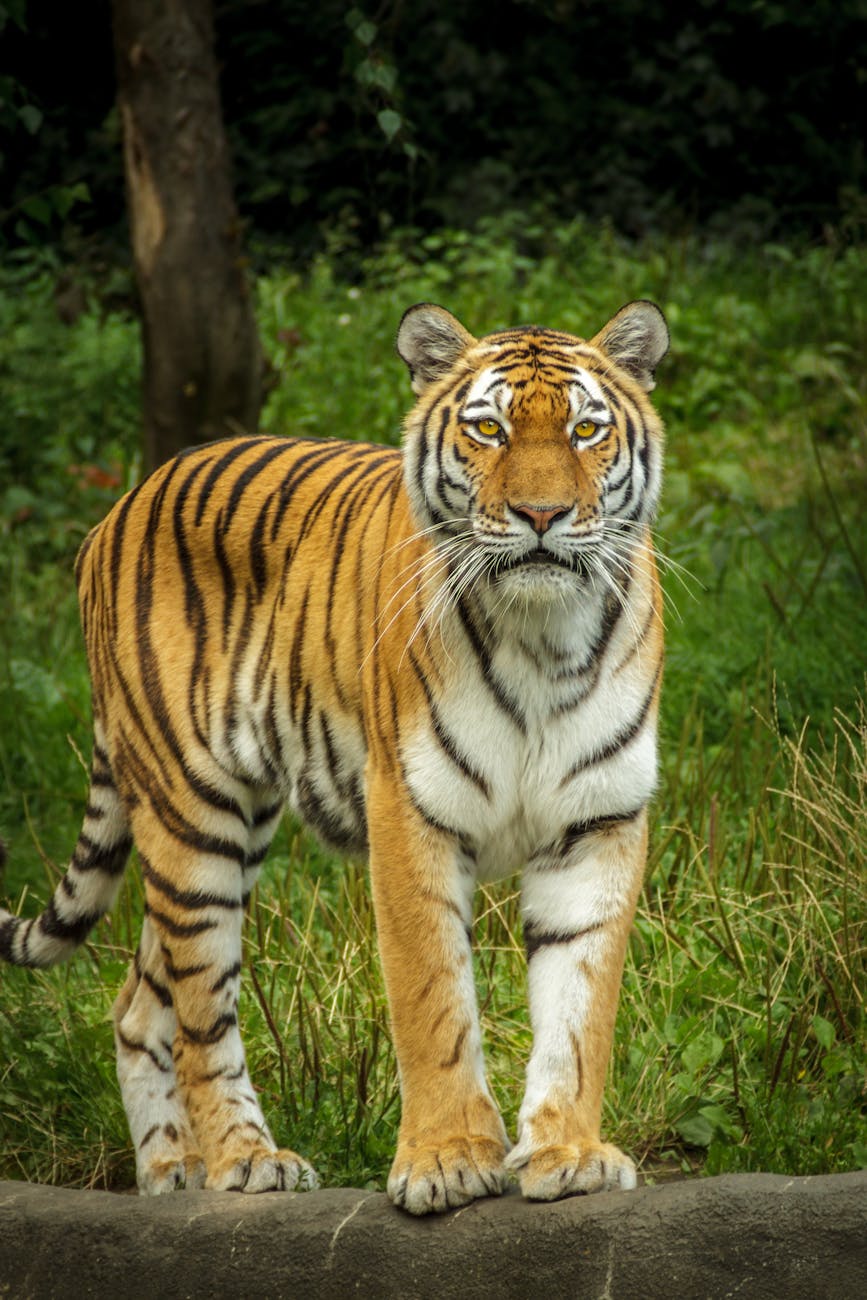
    Humans have a tendency to label animals as “bad” when their behavior causes harm, inconvenience, or frustration. A fox stealing chickens, a raccoon tearing into garbage, or a shark attacking a swimmer often triggers moral outrage. But the truth is, no animal is capable of being “bad” in the human sense. Animals operate entirely on instinct, survival, and learned behavior, not on moral reasoning.

    Predators, for example, may attack livestock or pets, and invasive species may disrupt ecosystems, while domestic animals can misbehave in ways that frustrate us. In all these cases, the “wrongdoing” is a result of natural behavior, not malice. Wolves hunting sheep are not evil; they are hunting to survive. Burmese pythons in Florida are not malicious; they are following the basic instincts of their species. Even a cat scratching furniture or a dog chewing shoes is simply acting on instincts, not defying human rules intentionally.

    Labeling animals as “bad” is a projection of human moral frameworks onto creatures that have no concept of ethics. Animals do not understand “right” or “wrong”; they only act according to what their species has evolved to do. Fear, annoyance, or harm caused by animals is a mismatch of natural behavior and human priorities, not a moral failing of the animal.

    Understanding this distinction is crucial for coexistence. Instead of reacting with anger or resentment, humans can focus on observation, prevention, and management. Fences, repellents, behavioral training, and habitat adjustments are far more effective than moral judgment. By letting go of the idea that animals can be “bad,” we not only foster compassion but also find more practical solutions to conflicts between humans and the natural world.

    In short, animals are not bad—they are animals. Our frustration is natural, but it must be tempered with understanding, empathy, and realistic strategies for coexistence.
  • Squirrels

    Squirrels

    It’s that time of year

    Where squirrels scurry around

    Looking for acorns

    For the upcoming winter.

  • Praying Mantis

    Praying Mantis

    Praying Mantis, how do you be?
    Praying Mantis walks graciously.
    Praying Mantis, what do you see?
    Praying Mantis, what are your fantasies?
    Praying Mantis, what do you fancy?
    Praying Mantis, do you come in peace?
    Praying Mantis, are you from Atlantis?
    Praying Mantis, you are so dazzling.
    Praying Mantis, you act so careless and free.
    Praying Mantis, how do you plea?
    Praying Mantis is what I see.

  • The World Is On Fire

    The World Is On Fire

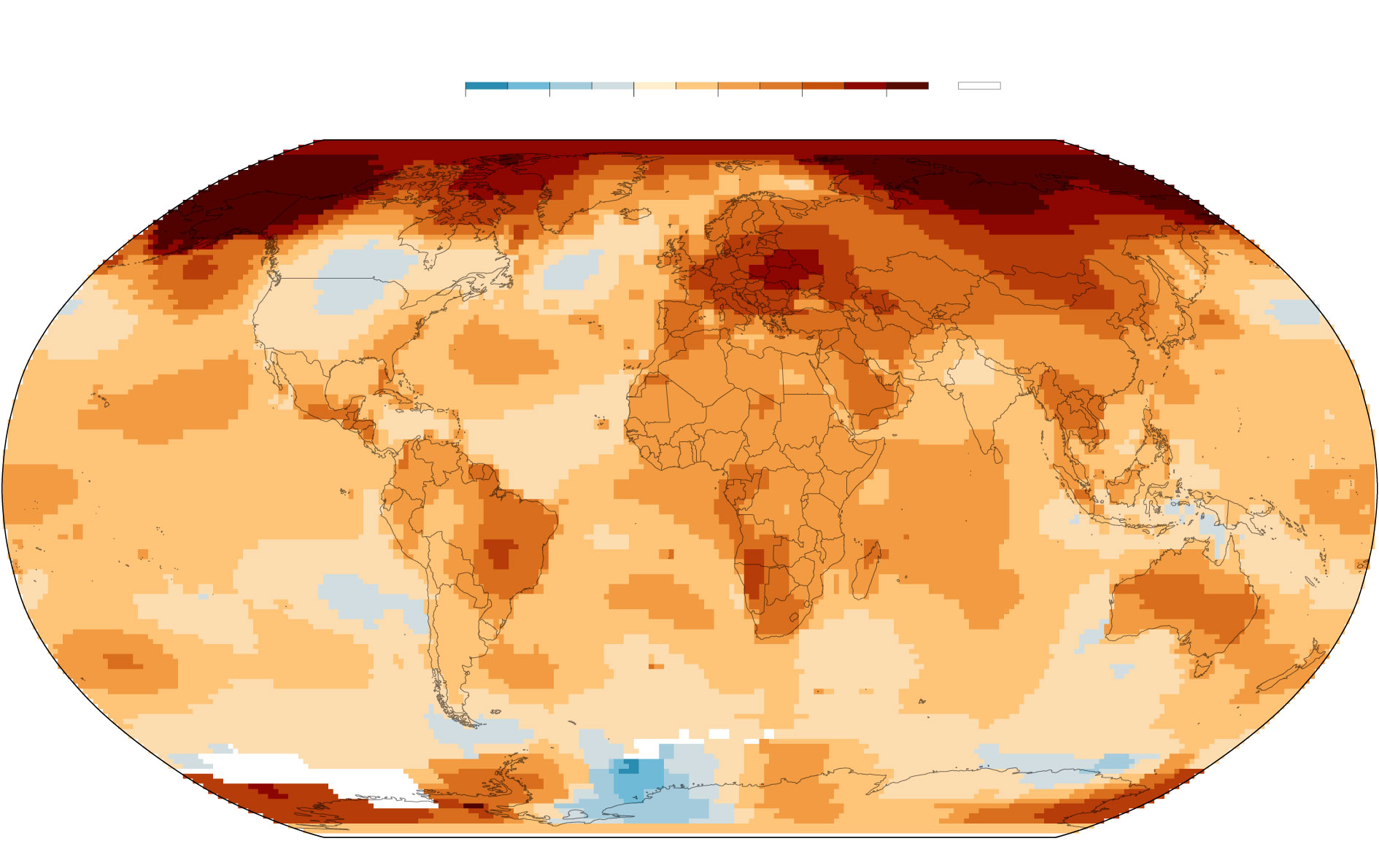
    The world is on fire. It is currently burning. The temperatures keep on rising. It’s becoming alarming. This changing climate is becoming a crisis, and it’s a crisis that’s very frightening. If we don’t solve this soon, the world could come to an end. Maybe not the planet, but everything that lives in it. There would be no more humans and no more amazing creations. Monumental monuments like The Statue of Liberty would eventually become nothing but dust and debris if humans were to go extinct. Eventually, the same would happen to buildings, and everything else in between. They’d all turn into dust, just like us. If we were not here, anything we created would not matter at all. Anything that was floating in space would come crashing down to the Earth, setting everything ablaze. Eventually, nuclear reactors would start to meltdown, and all of the radiation that’s in them would all get let out.

    All of the animals that are alive right now would be on their own, if they were not wiped out. There would probably be a few. Most of them would live underground. The ones that were above ground would most likely all die out if the climate were to get chaotic. They would thrive and populate underneath the Earth’s surface, and eventually they’ll reclaim the surface. Eventually, the radiation would decay, and the greenhouse gases would get replaced, and the planet will heal itself like it had a bad sickness. We won’t be here, and neither would a lot of other species, but there would be new species. They’d be survivors. They would survive us. They could potentially be the ones that reach our level of intellect. They could be reptilian. They could be arachnids. They could even be gigantic cockroaches. Whatever they are, they have the potential to take this planet to the stars if we ourselves don’t get to. They could learn from our mistakes. They could be better than us. They may develop intricate societies that have a diversity of species all living in harmony. It would definitely be an amazing sight to see.

    They’d eventually develop space travel, and take us to the Moon. They’d take us to Jupiter and Venus and even Mars, too. They’d even probably take us all the way to Pluto. Who knows? They could possibly take us to see the entire Milky Way! We may discover different species living on other planets, and these species may be as smart as us and them, and have a complex intellect. It would be so cool to see.

    The question is, would Earthlings be seen as threats, or will they be welcomed? Is it also possible that they’d be enslaved and treated like pets? There are so many questions that one has to ask when dealing with the possibility of becoming an intergalactic race.

    All I do know is, I hope they would learn from our mistakes. If our species dies out, and does not get to see the future, I hope that whatever species in the far distant future that reaches sapience learns from humanity’s own shortcomings and mistakes. That is what I hope if humanity loses all hope.

    However, we still have hope. We still have hope to achieve all of those great and amazing things. We could explore the vast reaches of the cosmos and explore all that there is to explore. We could travel to wherever we want to go to, and potentially find a new home. I don’t know. All I do know is that we need to become aware that our climate is changing. Our planet is in need, and we need to save it. There is a way to save it. We need to stop emitting greenhouse gases, and we also need to stop polluting our planet. We need to find an alternative fuel source and stop using oil. We need to make steps to go vegetarian or vegan and make our diets more plant-based. There is so much we need to do. The first thing we should do is educate ourselves. Once we do that, we share the information we learn to others.