
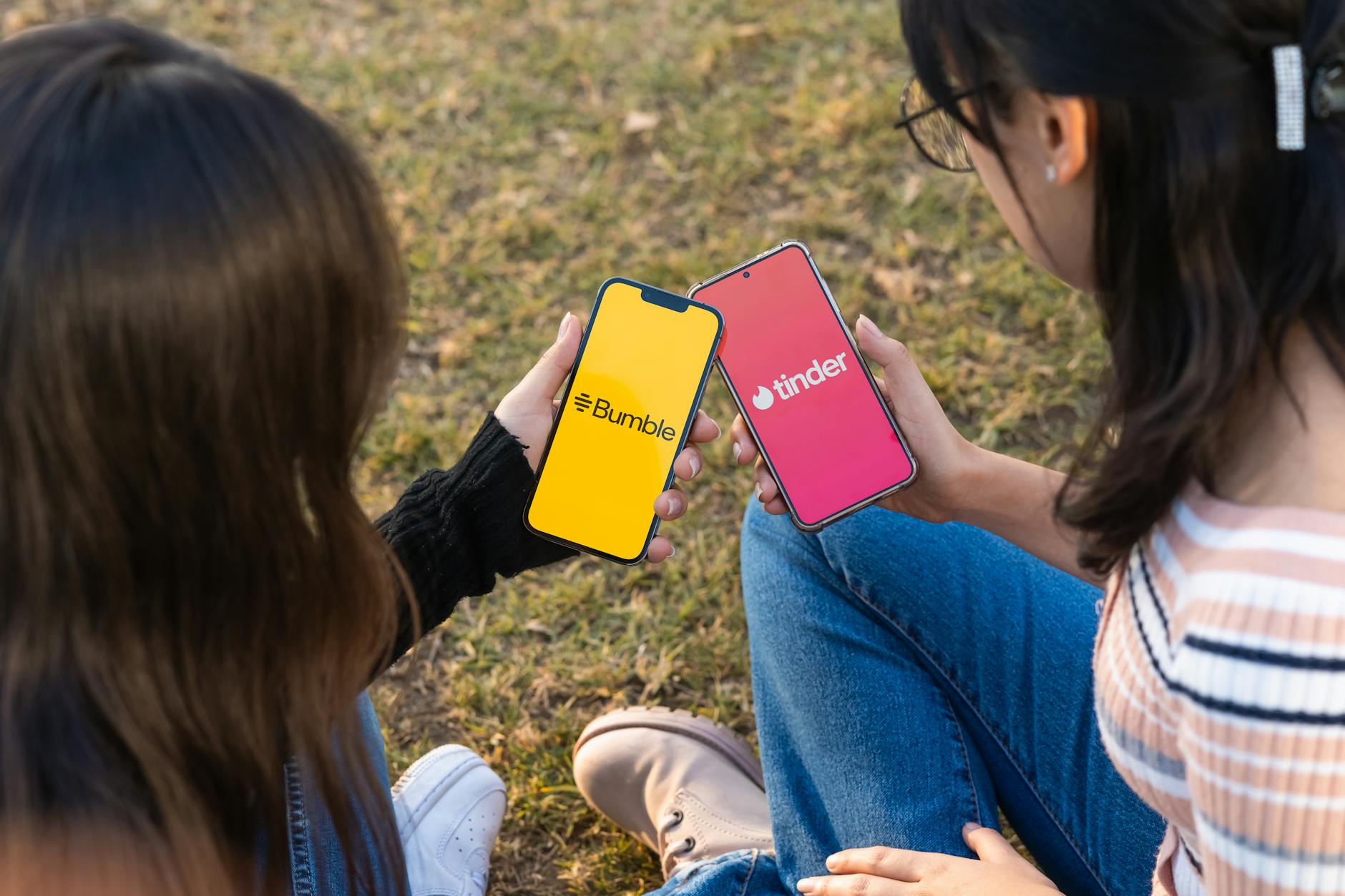
Bumble has always touted itself as a platform that puts women first, offering a space where they have the freedom to choose who they engage with. The app has been a proponent of giving users the autonomy to decide on their terms, whether it’s swiping right, initiating conversations, or deciding who gets access to their profiles. But recent news that Bumble is moving to a mandatory verification system raises questions about the platform’s commitment to choice and empowerment. It’s ironic that a service built on giving women the power to control their online dating experience is now taking away their ability to choose whether they want to verify their profiles or not.
For many, the optional verification system had a certain charm. It allowed users to decide whether or not to take the extra step in proving their authenticity. It wasn’t just about status or a badge—it was a personal decision. Some chose to verify their profiles to give potential matches peace of mind, while others opted out, feeling that their realness didn’t need to be validated by a third party. There was a sense of control that came with having the choice to verify—or not—and it gave users the freedom to define their own online presence.
The irony lies in the fact that Bumble’s original model was rooted in autonomy and choice, especially for women. The platform marketed itself as a space where women could take charge of their interactions. But now, with mandatory verification on the horizon, that choice is being stripped away. Users who once had the option to remain unverified and still form meaningful connections are now being forced into a decision they may not be comfortable with. This shift from optional to mandatory feels like a betrayal of Bumble’s original promise: the right to choose.
It’s also worth noting that the introduction of mandatory verification comes with a significant change in the dynamics of the platform. While some might argue that verification helps weed out fake profiles, it also creates a barrier to entry. Many real users, who for whatever reason chose not to verify, may feel alienated or even distrustful of the system now. Verification was never the norm on Bumble; it was a voluntary tool. But as it becomes mandatory, the very idea of what it means to be “real” online is challenged. People who didn’t verify before—whether because of privacy concerns or because it didn’t seem necessary—are now being told they must comply or risk being sidelined in an increasingly curated dating space.
In some ways, the push for mandatory verification on Bumble might be a response to rising concerns about fake profiles and online safety. But it overlooks a fundamental truth: verification doesn’t guarantee authenticity. People can still manipulate systems, steal identities, or bypass safeguards. A verified badge doesn’t make someone trustworthy; it just means they’ve submitted personal information to a platform, which could still be compromised. As such, the system isn’t a foolproof solution—it’s more of a bandaid, creating a false sense of security while ignoring the deeper issue of online privacy and trust.
Bumble’s decision to implement mandatory verification also raises another concern: the potential for further privacy erosion. If the platform is already asking for a form of identity verification, what’s next? Will they start requesting even more personal information in the name of “safety” or “security”? The boundaries of what’s acceptable are becoming blurred, and users are left wondering how much control they have over their personal data in the long run.
Ultimately, Bumble’s mandatory verification policy is a clear departure from its original promise of choice and autonomy. It’s a decision that doesn’t just affect users’ profiles; it affects the very nature of how we interact in the digital age. What happens when platforms that once championed freedom of choice start limiting that freedom for the sake of security or standardization? In this case, Bumble may have lost sight of its core mission to empower women to control their online dating experiences. By mandating verification, they’ve traded the illusion of safety for the reality of lost autonomy.