
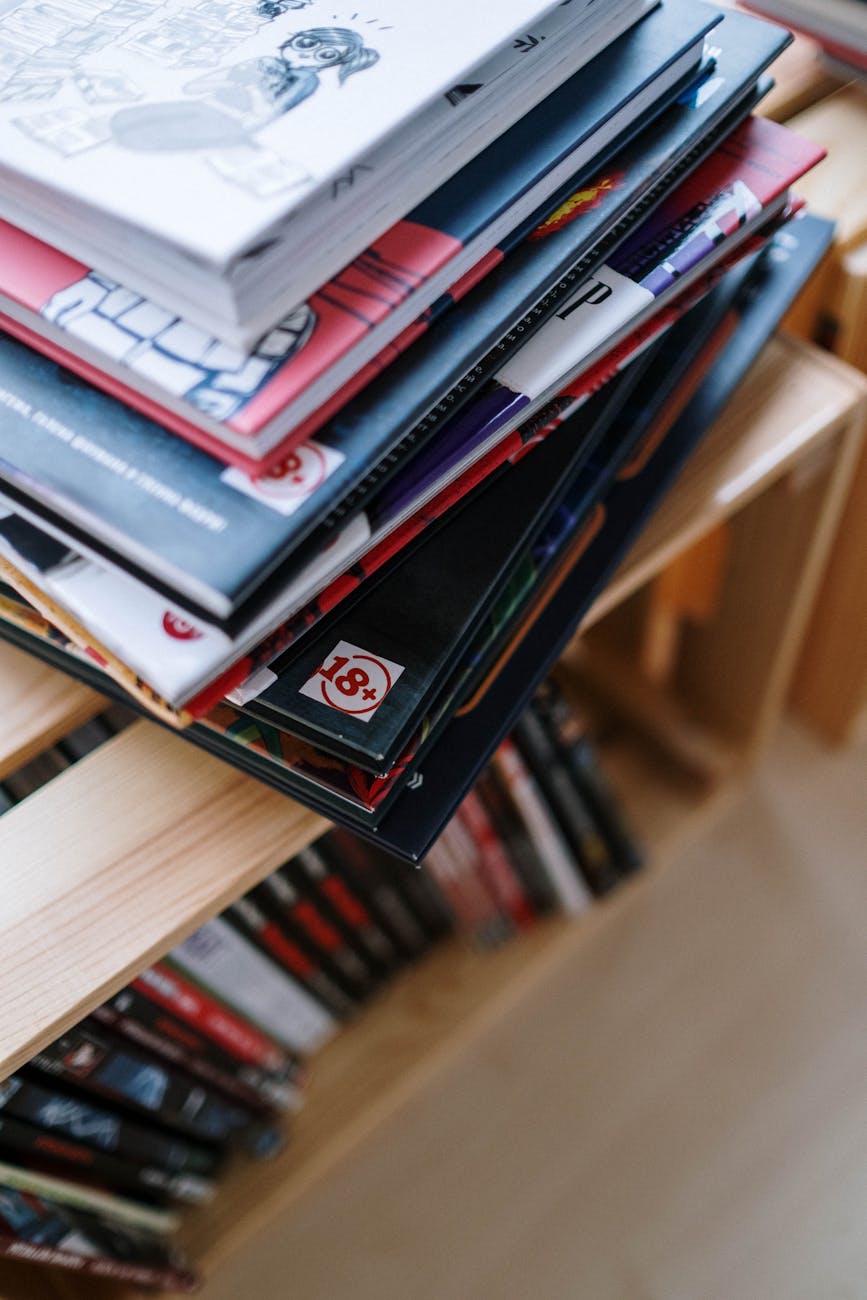
Books have always been a battleground for free expression. From novels banned in schools to graphic novels challenged in libraries, literature is often where society tests the limits of what should be read, shared, and celebrated. Now, with Texas Senate Bill 20 (SB20) in effect, those limits may become narrower than ever.
SB20 criminalizes the possession or promotion of “obscene visual material” that appears to depict minors. While its stated intent is to stop child exploitation, the language is so vague and sweeping that it does not stop at harmful real-world depictions. Instead, it extends to animation, AI-generated images, comics, graphic novels, and manga—works of pure fiction. For writers, artists, publishers, and readers, that is a deeply troubling development.
Graphic Novels in the Crosshairs
Graphic novels and manga rely on stylized art to tell stories. Characters may look younger than their canon ages due to artistic conventions. Themes of growth, identity, and coming-of-age often involve youth characters in dramatic, sometimes challenging contexts. Under SB20, such depictions could be misread as “obscene” depending on how an individual judge, prosecutor, or even police officer interprets them.
That interpretation doesn’t require malicious intent. A librarian stocking Made in Abyss, a bookstore selling Bleach or Dragon Ball, or a fan who owns a volume of Attack on Titan could all suddenly be viewed through a criminal lens. The issue isn’t that these books exploit anyone—they don’t. The issue is that the law makes no room for artistic conventions, fictional storytelling, or cultural nuance.
The Slippery Slope of Censorship
SB20 continues a long tradition of book censorship in America, but with a dangerous new twist. Traditionally, challenges to books like Maus or Gender Queer have come through school boards or library systems, where community debates determine availability. SB20 escalates the stakes by attaching criminal penalties to certain kinds of art. Instead of arguing about what’s appropriate for libraries, the law risks criminalizing the very act of creating, publishing, or owning certain works.
That is a chilling precedent. Writers and illustrators may censor themselves before putting pen to paper, worried that their work could be misconstrued. Publishers may avoid certain genres altogether, especially those like manga that play with youthful aesthetics. Libraries may quietly pull entire categories of books rather than risk controversy. Readers, meanwhile, may hesitate to buy, collect, or even publicly discuss their favorite titles.
The Cultural Significance of Manga
Manga in particular is vulnerable because of its global popularity and unique style. Characters with large eyes, youthful faces, and slim frames are staples of the medium—even when those characters are canonically adults. Many stories also explore school settings or fantastical worlds where age and appearance are intentionally ambiguous.
That ambiguity is part of manga’s charm. It allows creators to tell universal stories about courage, friendship, trauma, and growth in ways that resonate across cultures. But under SB20, that same ambiguity could be weaponized against fans. The very traits that make manga beloved—the art style, the themes, the imaginative freedom—are the same traits that could now trigger suspicion in Texas.
Libraries and Readers at Risk
Beyond creators and publishers, SB20 affects the everyday experience of readers. Libraries may face pressure to remove manga or graphic novels that could be misinterpreted. Independent bookstores could find themselves in legal jeopardy for stocking titles that someone deems questionable.
And for fans, especially young readers, the message is clear: your hobbies and passions might make you a criminal. Imagine a teenager in Texas who checks out a volume of Naruto or buys a graphic novel adaptation of a YA fantasy. Under SB20’s broad language, their simple act of enjoying fiction could become entangled in legal suspicion. That is not child protection—it is paranoia.
Creativity Under Pressure
Writers and illustrators often turn to graphic novels and manga because the medium allows for freedom. Visual storytelling can explore ideas too raw, surreal, or fantastical for prose alone. But when the law criminalizes ambiguous depictions, that freedom shrinks.
An author writing a coming-of-age graphic novel may hesitate to depict adolescent characters realistically for fear of accusations. An artist may avoid drawing in a manga-inspired style altogether. Over time, this leads not just to fewer books but to a narrower imagination, where creators stick to “safe” ideas rather than risk legal scrutiny.
A Broader Trend
Texas is not acting in isolation. Mississippi has floated similar proposals, and the United Kingdom has already passed its Online Safety Act, which imposes strict rules on digital content. The trend is clear: governments are equating fictional, artistic works with real-world harm, and in the process, they are reshaping the boundaries of free expression.
Books are a prime target because they are accessible, visual, and influential. Graphic novels and manga in particular are easy scapegoats for lawmakers who do not understand the art form but want to appear tough on crime. If SB20 stands unchallenged, it could encourage other states or countries to follow suit, eroding creative freedom on a global scale.
Defending Literature’s Role
Books have always been lightning rods for controversy because they matter. They shape culture, inspire readers, and push conversations forward. Graphic novels and manga are no different—they are simply the modern form of an age-old tradition of storytelling.
If we care about literature as a space for imagination, we must resist laws like SB20 that blur the line between fiction and crime. Protecting children is essential, but that protection cannot come at the cost of criminalizing art. Otherwise, we risk not only silencing creators but also depriving future generations of the books that could inspire them most.
SB20 may have started as a law against exploitation, but in practice, it threatens the freedom of books, graphic novels, and manga alike. For writers, publishers, libraries, and readers, the message is clear: vigilance is necessary. Because if we allow vague laws to dictate what stories can be told, the bookshelf itself becomes a battleground—and every page is at risk.