Paste my profile into the search field of your favorite open social app or platform.
Your Profile
Or, if you know your own profile, we can start things that way! Why do I need to enter my profile?
This site is part of the ⁂ open social web, a network of interconnected social platforms (like Mastodon, Pixelfed, Friendica, and others). Unlike centralized social media, your account lives on a platform of your choice, and you can interact with people across different platforms.
By entering your profile, we can send you to your account where you can complete this action.
Over the years, I’ve poured myself into countless creative projects—blogs, podcasts, books, and beyond. Each one reflects a part of my passions, curiosity, and perspectives. I want to take a moment to invite you in. I know how easy it is to scroll past content online, but these works are meaningful to me—and I hope they’ll spark something for you too.
While many know my original blog, The Musings of Jaime David, I’ve created other spaces that dive into specific interests, explore new ideas, and offer perspectives you might not find elsewhere.
Blogs Each blog started from curiosity, a desire to explore, and the need to share.
Anime, Comics, and Manga – A space for the storytelling and visual artistry that captivated me since childhood. Here, I explore both mainstream and obscure works, examining character development, themes, cultural impact, and how stories resonate globally.
Jaime David Music – More than reviews or playlists, this blog dives into how music shapes emotion, culture, and identity.
Jaime David Science – A playground for curiosity about the natural world, technology, and the strange wonders of discovery. Science is approachable, engaging, and sometimes delightfully odd here.
Jaime David Gaming – From video games to board games, I explore storytelling, strategy, and the human experience through play.
Oddities in Media – A space for the overlooked, the weird, and the culturally fascinating in movies, music, games, and more.
Let’s Be Different Together – For mental health, individuality, and social reflection. A space for those who have ever felt different or misunderstood.
The Interfaith Intrepid – Exploring spirituality, culture, and philosophy with nuance and empathy, fostering dialogue in a divided world.
Of course, The Musings of Jaime David remains my most personal and experimental space, where essays, reflections, and philosophical musings flow freely. But I want each of my other projects to shine—they offer unique flavors, perspectives, and insights.
Podcast The Jaime David Podcast lets me share ideas in real-time. I revisit old writings, explore creative processes, and dive into cultural phenomena. It’s a chance to experience my thoughts in a personal, engaging way.
Books
Wonderment Within Weirdness – My debut novel, exploring the extraordinary and unexpected.
My Powerful Poems – Reflections and emotions distilled into lyrical moments.
Some Small Short Stories – Brief narratives revealing larger truths through small moments.
Each book is a window into a different facet of my imagination and curiosity.
Newsletter The Jaime David Newsletter connects you directly to my work—blogs, podcast episodes, book updates, and insights not always shared elsewhere. It’s the most direct way to stay engaged and explore the full breadth of my creative universe.
These projects exist not only for my expression but as invitations to explore, reflect, and discover. While separate, they share a common thread: curiosity, creativity, and connection. Your engagement—reading, listening, subscribing, or sharing—helps these projects thrive. It allows me to keep creating, experimenting, and reaching more people.
So if something here sparks your interest, I hope you’ll dive into my blogs, listen to the podcast, explore my books, and subscribe to the newsletter. There’s a universe of ideas, creativity, and discovery waiting, and I hope you find something that surprises, inspires, or delights you.
Over the years, I’ve poured myself into countless creative projects—blogs, podcasts, books, and more. Each one reflects my passions, curiosities, and perspectives, and I want to take a moment to share them with you. I know how easy it is to scroll past content online, to overlook what doesn’t immediately grab attention. But these works are important to me, and I hope you’ll give them a look—they’re invitations into a world shaped by curiosity, creativity, and the love of discovery.
While many people know my original blog, The Musings of Jaime David, I want to shine a light on my other projects—spaces that explore specific interests, push creative boundaries, and offer perspectives you might not find elsewhere.
Let’s start with my blogs. Each one began from a personal curiosity or desire to explore a topic deeply.
Anime, Comics, and Manga is my dedicated space for exploring the worlds of storytelling and visual artistry that have fascinated me since childhood. I grew up captivated by the characters, intricate narratives, and imaginative universes that creators built, and this blog became a place to share that passion. It goes beyond simple reviews—here, I dive into both mainstream and obscure works, analyzing themes, character development, cultural impact, and the ways these stories resonate with audiences globally. Over time, the blog has evolved from a personal hobby into a space for critical reflection, discussion, and celebration of the creativity and depth these media offer.
Jaime David Music grew from my love for music—not just listening, but reflecting on how sound shapes emotion, culture, and identity. This blog isn’t just reviews or playlists; it’s a space where I explore trends, artistry, and the emotional resonance of music.
Jaime David Science is a playground for anyone curious about the natural world, technology, and discoveries that make us stop and wonder. I strive to make science approachable, intriguing, and sometimes delightfully strange. It’s for the casual learner and the enthusiast alike.
Jaime David Gaming is where I dive into games—video games, board games, and more. Gaming has always been a lens for storytelling, strategy, and human behavior. Here, I share reflections, analysis, and commentary for anyone who enjoys the craft and thought behind play.
Oddities in Media started as a way to notice the small, overlooked, or strange aspects of pop culture. Over time, it’s become a space to dig into the weird, the unexpected, and the culturally fascinating in movies, music, games, and beyond. It’s about exploring creativity with curiosity and nuance.
Let’s Be Different Together is my space for mental health, individuality, and social reflection. It’s for anyone who has ever felt different or misunderstood and seeks thoughtful exploration of society, human behavior, and personal growth.
The Interfaith Intrepid is for those interested in spirituality, culture, and philosophy. Here, I explore faith, religious traditions, and cultural intersections with nuance and empathy, striving to foster dialogue in a world too often divided by belief.
Of course, The Musings of Jaime David remains my most personal and experimental blog, where I write freely—essays, reflections, philosophical musings, and more. But I want to make sure my other spaces get their due. Each blog has its own flavor, its own purpose, and something unique to offer.
Beyond blogs, The Jaime David Podcast is a place to explore ideas in conversation. I revisit old writings, reflect on creative processes, and dive into cultural phenomena. The podcast is a chance to experience my thoughts in real-time, in a personal and engaging way.
I’ve also channeled my creativity into books. Wonderment Within Weirdness, my debut novel, explores the extraordinary and the unexpected. My Powerful Poems distills reflections and emotions into concentrated lyrical moments. Some Small Short Stories experiments with brief narratives that highlight the small moments revealing larger truths. Each project is a window into different facets of my imagination and curiosity.
Finally, my Jaime David Newsletter connects readers directly to all of my creative work—blogs, podcast episodes, book updates, and insights that don’t always appear elsewhere. It’s a direct line to stay updated and engaged.
These projects exist not just for my own expression but as invitations to explore, reflect, and discover. They are separate, but they share a common thread: curiosity, creativity, and connection. I encourage you to explore beyond my original blog—dive into the other sites, listen to the podcast, read the books, and subscribe to the newsletter. There’s a universe of ideas, creativity, and expression waiting, and I hope you’ll find something that surprises, delights, or inspires you.
also want to take a moment to invite you to explore all of my other projects. While The Musings of Jaime David may be my original and most personal blog, my other sites each offer something unique—spaces for music, science, gaming, mental health, spirituality, media analysis, and more. By checking them out, reading, listening, and engaging, you’re not just exploring different facets of my creativity—you’re actively supporting the growth of my work overall. Every visit, comment, share, or subscription helps these projects thrive, allows me to continue creating, and encourages me to keep experimenting and exploring new ideas. Your support helps these endeavors reach more people, spark conversations, and foster communities around curiosity and creativity.
So if something in my work sparks your interest, I hope you’ll take the time to dive into my other blogs, listen to the podcast, explore my books, and subscribe to the newsletter. Each project is a reflection of my passions, and your engagement helps keep this creative universe alive.
Over the years, I’ve poured myself into countless creative projects—blogs, podcasts, books, and more. Each of these endeavors is a reflection of my passions, curiosities, and perspectives, and I want to take a moment to share them with you. I don’t do this lightly; I understand how easy it is to scroll past content online, to overlook what might not immediately grab attention. But these are works I am proud of, and they deserve to be seen, explored, and engaged with. They are invitations into my world, a world shaped by curiosity, creativity, and a love for the unexpected.
Let’s begin with my blogs, which are perhaps the most personal projects I’ve worked on. Each one started from a specific interest or an urge to explore a subject more deeply than usual, and over time, they’ve evolved into spaces that reflect my thinking, research, and creative energy. My blog dedicated to anime, manga, and comics was born from a lifelong fascination with storytelling and visual artistry. I grew up immersed in these worlds, captivated by the characters, the intricate narratives, and the imaginative universes that creators built. I started the blog as a way to discuss the media I loved, to share my thoughts on both mainstream and obscure works, and to provide analysis that went beyond surface-level reviews. Over time, it became more than just a hobby; it’s a space where I think critically about themes, character development, cultural influence, and the ways these stories resonate with audiences around the world.
Then there’s Let’s Be Different Together, a blog that emerged from my desire to challenge social norms, question assumptions, and celebrate individuality. I noticed how often people feel isolated for being different or thinking differently, and I wanted to create a space that encouraged curiosity, empathy, and open-mindedness. Here, I write about mental health, creativity, societal issues, and human behavior, always emphasizing nuance and understanding. The blog grew organically from personal reflections, but it quickly became a place for dialogue—a space where those who feel marginalized or misunderstood can find something relatable and inspiring.
Oddities in Media started as a casual project, almost as a mental exercise in noticing the small, weird, or overlooked aspects of movies, television, music, games, and more. I realized I had a knack for spotting details most people would miss and for drawing connections between seemingly unrelated elements. What began as a fun hobby turned into a blog where I explore the strange, the absurd, and the intriguing in media. It’s a space where I dig into cultural phenomena and analyze them in ways that are both critical and entertaining. Oddities often reveal deeper truths about creativity and society, and I love sharing these observations with others who appreciate nuance and discovery.
For those interested in spirituality, culture, and philosophical reflection, The Interfaith Intrepid was born from my curiosity about religious traditions and the desire to bridge understanding between different faiths. I realized there were so many discussions about religion online that were either polarized or shallow, and I wanted to create something that approached these subjects with respect, thoughtfulness, and inclusivity. The blog explores contemporary and historical issues, examining the intersections between faith, culture, and society. My goal has always been to foster dialogue and empathy, to highlight voices that are often overlooked, and to offer perspectives that encourage understanding in a world that is too often divided by belief.
The Musings of Jaime David is perhaps my most personal and experimental blog. It started as a place for me to write without restriction, to explore ideas that didn’t necessarily fit neatly into other categories. Over time, it has become a reflection of my mind—a place for essays, reflections, observations, and even whimsical thoughts. It’s a space for freeform writing, for exploring philosophy, society, creativity, and life itself. I enjoy the unpredictability of this blog because it mirrors the way I think: nonlinear, sometimes contradictory, but always curious.
Creativity also finds its way into my musical pursuits through Jaime David Music, which grew out of a love for sound, songwriting, and the ways music can influence emotion and culture. I realized that I had insights to share—not just reviews of songs or albums, but reflections on how music intersects with identity, society, and personal experience. The blog is both analytical and celebratory, highlighting artists I admire while exploring musical trends, production, and the emotional power of sound. Music has always been a central part of my life, and sharing this blog is my way of inviting others to experience it with me.
My fascination with knowledge, discovery, and the natural world led to Jaime David Science, which began as a personal exploration of science topics that fascinated me, from ecology to physics to technology. I wanted to create a space where scientific ideas could be shared in an engaging and accessible way, free from the dryness or intimidation often associated with science writing. Over time, the blog developed into a platform where I discuss research, discoveries, and scientific phenomena in ways that are intriguing, approachable, and sometimes delightfully strange. It’s a space for anyone curious about the universe, whether they’re a casual learner or a science enthusiast.
For those who enjoy interactive experiences, Jaime David Gaming is a space born from my love of video games, board games, and other forms of play. Gaming has always been more than entertainment for me; it’s a lens through which I explore narrative, strategy, and human behavior. The blog grew from reflections on personal experiences with games, and now it encompasses reviews, analysis, and commentary on gaming culture. It’s meant for anyone who enjoys the mental challenge, storytelling, or artistry of games and wants to think about them more deeply.
In addition to my blogs, I host The Jaime David Podcast, which I highly recommend exploring. The podcast emerged from a desire to share stories, ideas, and reflections in a conversational format. It allows me to revisit past writings, discuss cultural phenomena, and explore creative processes in ways that aren’t possible in written form. The podcast is an invitation to join me on a journey through curiosity, analysis, and storytelling. It’s personal, engaging, and an opportunity to experience my thoughts in real-time.
Beyond blogs and podcasts, I’ve also poured energy into several books. My debut novel, Wonderment Within Weirdness, reflects my fascination with the unusual, the extraordinary, and the unexpected in life. It’s a story that encourages readers to embrace curiosity, wonder, and the beauty hidden in strangeness. Writing the novel was an exercise in imagination and reflection, blending my love for storytelling with philosophical and emotional exploration.
My poetry collection, My Powerful Poems, allows me to distill emotions, insights, and observations into concentrated, lyrical forms. Poetry is a medium through which I can explore personal reflection, societal observation, and imagination, all while experimenting with language and expression. Each poem is an invitation into a moment, an emotion, or a perspective that I hope resonates with readers.
Finally, my short story collection, Some Small Short Stories, presents a series of brief narratives that explore characters, scenarios, and ideas in compact, meaningful ways. Each story reflects my fascination with the small moments that reveal larger truths and my desire to create narratives that provoke thought, evoke emotion, and entertain. Writing these stories allowed me to experiment with storytelling in ways that are concise yet impactful.
And, of course, there is The Jaime David Newsletter, my way of connecting directly with readers who want to stay updated on all of my creative work. Subscribing ensures access to new blog posts, podcast episodes, and book releases. It’s also a space for reflections, updates, and insights that don’t always appear elsewhere. The newsletter is a bridge between my creative projects and the people who are most interested in exploring them.
Each of these endeavors—blogs, podcast, books, and newsletter—originated from curiosity, passion, and a desire to share perspectives with others. They are separate projects, yet they share a common thread: a commitment to exploration, creativity, and connection. They are invitations to think differently, explore deeply, and embrace curiosity. I encourage anyone reading this to take the time to explore them, to engage with the content, and to see what resonates.
These projects exist not merely for my personal satisfaction but as offerings to readers, listeners, and fellow creators. They are spaces to think critically, reflect deeply, and experience creativity in many forms. Whether you are discovering my work for the first time or have followed my journey for years, there is something here for you—something to entertain, inspire, or provoke reflection.
I invite you to dive into my blogs, listen to my podcast, read my books, and subscribe to my newsletter. Every post, episode, and story is an invitation into a world I’ve built with curiosity, dedication, and love for the process. Thank you for taking the time to read this, and I hope you discover something in my work that surprises, delights, or inspires you. There’s a universe of ideas, creativity, and expression waiting, and I can’t wait for you to explore it.
In a world overflowing with media, it’s easy to feel like we’ve seen it all. From blockbuster films to trending social media posts, from best-selling books to viral videos, content surrounds us at every turn. But sometimes, the most fascinating and memorable moments in media are the ones that defy expectations—the strange, the quirky, and the unusual. These are the moments that make us pause, laugh, question, or simply scratch our heads. And that is exactly the space my new site, Oddities in Media, is designed to explore.
Oddities in Media is a blog dedicated to highlighting the odd, the overlooked, and the utterly unique corners of all forms of media. It doesn’t matter whether it’s social media, YouTube, movies, TV shows, books, or other creative outlets—if it’s unusual, unexpected, or fascinatingly strange, it belongs here. The goal is simple: to shine a light on the media that most people miss, ignore, or dismiss, and to explore what makes it so compelling.
The idea for this site stems from my fascination with media as a reflection of culture and creativity. Often, the content that seems odd, strange, or even ridiculous at first glance tells us more about society, artistic experimentation, or collective human behavior than the mainstream hits ever could. A bizarre viral video might reveal fascinating trends in internet culture. An obscure movie scene might reflect societal anxieties or creative risks from its era. Even an unusual book or TV episode can challenge conventions, experiment with narrative, or present ideas in ways that demand attention. By exploring these oddities, Oddities in Media offers readers a new lens through which to view and understand the media they consume.
This blog is not just about cataloging strange content—it’s about celebrating it. Media doesn’t always have to be polished or commercially successful to be valuable. Often, it’s the imperfections, the quirks, and the unexpected moments that make a work memorable. A movie scene that seems unintentionally funny, a viral meme that surprises us with its absurdity, or a forgotten book with experimental storytelling all have a story to tell. Oddities in Media aims to give these works the attention and appreciation they deserve. It’s about curiosity, laughter, reflection, and discovery.
Another goal of Oddities in Media is to provide context and analysis. It’s one thing to point out that something is strange; it’s another to explore why it exists, what it reveals, and why it captures—or fails to capture—attention. Posts on the site will often dig deeper, looking at historical, cultural, or artistic context, examining what makes a particular work odd, and exploring the impact it has on audiences. By combining observation with insight, the site encourages readers to think critically while still enjoying the weirdness and charm of unusual media.
The scope of the blog is intentionally broad. It covers a wide variety of media, from the newest viral videos to forgotten movies, TV shows, YouTube channels, or books that may have slipped through the cracks. Oddities can be small, like a quirky line in a scene, or large, like a completely unconventional narrative structure or aesthetic choice. Social media posts, obscure fan videos, experimental art, and unusual adaptations are all fair game. By keeping the focus wide, Oddities in Media can uncover hidden gems, spark curiosity, and provide a space where readers can encounter content they might never have discovered otherwise.
One of the joys of exploring odd media is that it invites conversation. Strange content often provokes strong reactions—laughter, confusion, awe, or curiosity—and discussing it allows us to see different perspectives. Oddities in Media aims to be a space for community engagement, where readers can share thoughts, reactions, and their own discoveries. Whether it’s a particularly bizarre movie scene, a viral social media trend, or a forgotten TV show, there’s always room to discuss, debate, and explore. The blog encourages interaction and discovery, making it more than just a collection of posts—it’s a hub for curiosity.
Oddities in media often reveal patterns, insights, and trends that are otherwise invisible. They show us the unexpected side of creativity, the ways artists experiment, and the ways audiences respond. Sometimes these moments are unintentionally funny or strange; other times they are deeply thought-provoking. By highlighting these works, the blog invites readers to expand their understanding of media, culture, and storytelling. It’s a reminder that the unusual often holds more significance than we realize and that paying attention to what’s “offbeat” can lead to fresh perspectives and new appreciation.
The site also emphasizes the fun of discovery. In a media landscape dominated by algorithms and trending topics, it can be easy to miss the small, strange, or unconventional gems that exist just beyond the mainstream spotlight. Finding an odd, fascinating, or overlooked piece of media can be incredibly rewarding—and that’s exactly the experience Oddities in Media wants to share. Readers can expect posts that uncover hidden gems, explain what makes them unique, and invite discussion, all while celebrating the unpredictability of creative expression.
In short, Oddities in Media is a celebration of curiosity, creativity, and the strange corners of culture. It’s about embracing the weird, the unexpected, and the overlooked, and finding value in moments that might otherwise pass unnoticed. By exploring media through this lens, the site encourages readers to think critically, laugh, reflect, and above all, enjoy the fascinating diversity of the creative world.
I invite readers of The Musings of Jaime David to visit Oddities in Media and join me on this journey. Whether you are looking for strange and hilarious moments in media, overlooked artistic gems, or deeper insights into cultural trends, there’s something here for everyone. By celebrating the unusual and unexpected, Oddities in Media hopes to inspire curiosity, foster discussion, and remind us that sometimes the most memorable experiences come from the things we least expect.
So, if you’ve ever been intrigued by the weird, the quirky, or the wonderfully strange, Oddities in Media is your new destination. Explore, discover, laugh, think, and enjoy. The world of media is vast and full of surprises, and sometimes the oddest corners are the most rewarding to explore.
Books have always been a battleground for free expression. From novels banned in schools to graphic novels challenged in libraries, literature is often where society tests the limits of what should be read, shared, and celebrated. Now, with Texas Senate Bill 20 (SB20) in effect, those limits may become narrower than ever.
SB20 criminalizes the possession or promotion of “obscene visual material” that appears to depict minors. While its stated intent is to stop child exploitation, the language is so vague and sweeping that it does not stop at harmful real-world depictions. Instead, it extends to animation, AI-generated images, comics, graphic novels, and manga—works of pure fiction. For writers, artists, publishers, and readers, that is a deeply troubling development.
Graphic Novels in the Crosshairs
Graphic novels and manga rely on stylized art to tell stories. Characters may look younger than their canon ages due to artistic conventions. Themes of growth, identity, and coming-of-age often involve youth characters in dramatic, sometimes challenging contexts. Under SB20, such depictions could be misread as “obscene” depending on how an individual judge, prosecutor, or even police officer interprets them.
That interpretation doesn’t require malicious intent. A librarian stocking Made in Abyss, a bookstore selling Bleach or Dragon Ball, or a fan who owns a volume of Attack on Titan could all suddenly be viewed through a criminal lens. The issue isn’t that these books exploit anyone—they don’t. The issue is that the law makes no room for artistic conventions, fictional storytelling, or cultural nuance.
The Slippery Slope of Censorship
SB20 continues a long tradition of book censorship in America, but with a dangerous new twist. Traditionally, challenges to books like Maus or Gender Queer have come through school boards or library systems, where community debates determine availability. SB20 escalates the stakes by attaching criminal penalties to certain kinds of art. Instead of arguing about what’s appropriate for libraries, the law risks criminalizing the very act of creating, publishing, or owning certain works.
That is a chilling precedent. Writers and illustrators may censor themselves before putting pen to paper, worried that their work could be misconstrued. Publishers may avoid certain genres altogether, especially those like manga that play with youthful aesthetics. Libraries may quietly pull entire categories of books rather than risk controversy. Readers, meanwhile, may hesitate to buy, collect, or even publicly discuss their favorite titles.
The Cultural Significance of Manga
Manga in particular is vulnerable because of its global popularity and unique style. Characters with large eyes, youthful faces, and slim frames are staples of the medium—even when those characters are canonically adults. Many stories also explore school settings or fantastical worlds where age and appearance are intentionally ambiguous.
That ambiguity is part of manga’s charm. It allows creators to tell universal stories about courage, friendship, trauma, and growth in ways that resonate across cultures. But under SB20, that same ambiguity could be weaponized against fans. The very traits that make manga beloved—the art style, the themes, the imaginative freedom—are the same traits that could now trigger suspicion in Texas.
Libraries and Readers at Risk
Beyond creators and publishers, SB20 affects the everyday experience of readers. Libraries may face pressure to remove manga or graphic novels that could be misinterpreted. Independent bookstores could find themselves in legal jeopardy for stocking titles that someone deems questionable.
And for fans, especially young readers, the message is clear: your hobbies and passions might make you a criminal. Imagine a teenager in Texas who checks out a volume of Naruto or buys a graphic novel adaptation of a YA fantasy. Under SB20’s broad language, their simple act of enjoying fiction could become entangled in legal suspicion. That is not child protection—it is paranoia.
Creativity Under Pressure
Writers and illustrators often turn to graphic novels and manga because the medium allows for freedom. Visual storytelling can explore ideas too raw, surreal, or fantastical for prose alone. But when the law criminalizes ambiguous depictions, that freedom shrinks.
An author writing a coming-of-age graphic novel may hesitate to depict adolescent characters realistically for fear of accusations. An artist may avoid drawing in a manga-inspired style altogether. Over time, this leads not just to fewer books but to a narrower imagination, where creators stick to “safe” ideas rather than risk legal scrutiny.
A Broader Trend
Texas is not acting in isolation. Mississippi has floated similar proposals, and the United Kingdom has already passed its Online Safety Act, which imposes strict rules on digital content. The trend is clear: governments are equating fictional, artistic works with real-world harm, and in the process, they are reshaping the boundaries of free expression.
Books are a prime target because they are accessible, visual, and influential. Graphic novels and manga in particular are easy scapegoats for lawmakers who do not understand the art form but want to appear tough on crime. If SB20 stands unchallenged, it could encourage other states or countries to follow suit, eroding creative freedom on a global scale.
Defending Literature’s Role
Books have always been lightning rods for controversy because they matter. They shape culture, inspire readers, and push conversations forward. Graphic novels and manga are no different—they are simply the modern form of an age-old tradition of storytelling.
If we care about literature as a space for imagination, we must resist laws like SB20 that blur the line between fiction and crime. Protecting children is essential, but that protection cannot come at the cost of criminalizing art. Otherwise, we risk not only silencing creators but also depriving future generations of the books that could inspire them most.
SB20 may have started as a law against exploitation, but in practice, it threatens the freedom of books, graphic novels, and manga alike. For writers, publishers, libraries, and readers, the message is clear: vigilance is necessary. Because if we allow vague laws to dictate what stories can be told, the bookshelf itself becomes a battleground—and every page is at risk.
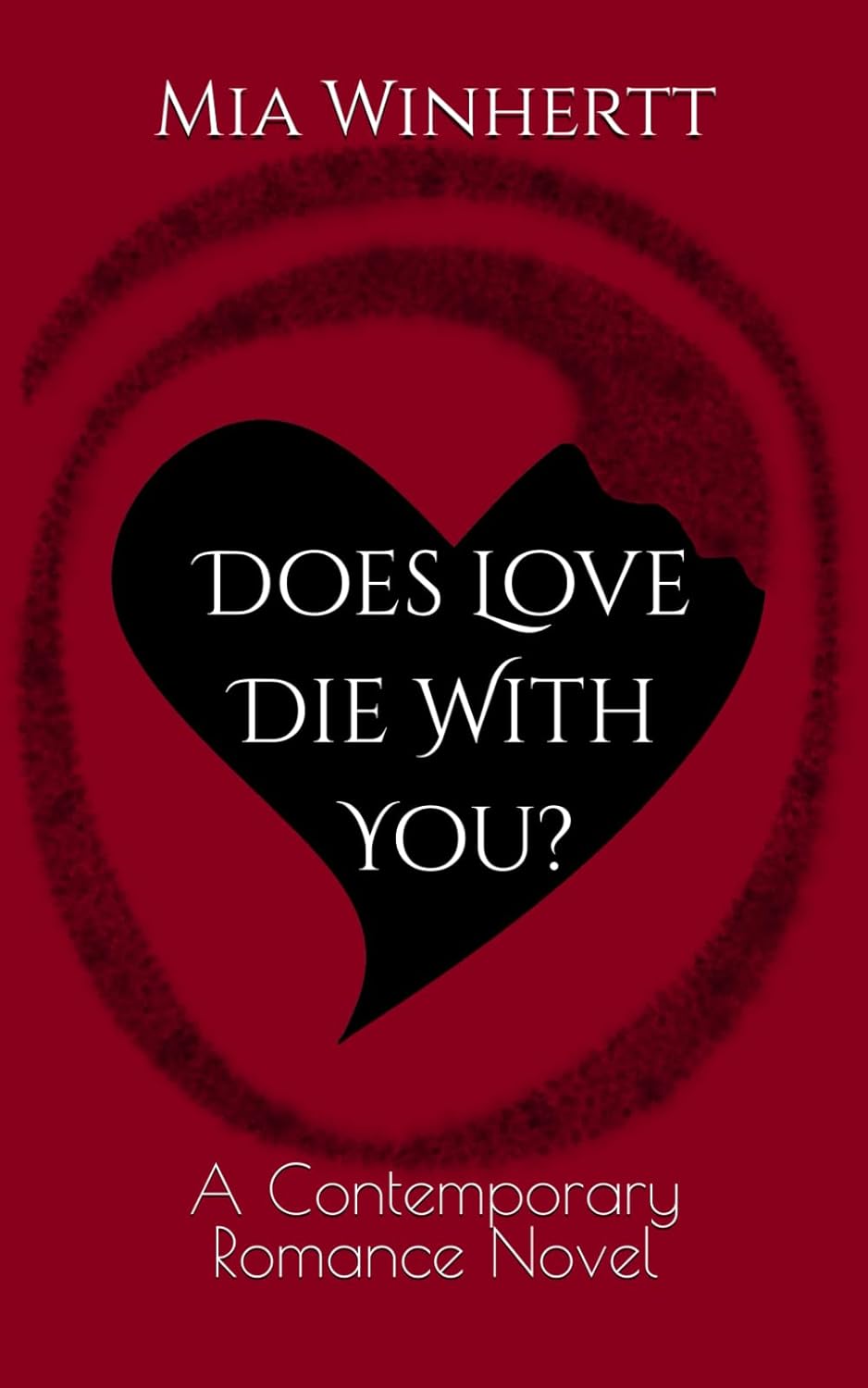
If you’re in the mood for a heartfelt story that explores the depths of love, loss, and resilience, Does Love Die With You? by Mia Winhertt is a beautiful choice. This contemporary romance follows Aaron and Diya — best friends caught in a tangle of emotions, fate, and the question that lingers: can love truly die?
With emotional twists and thought-provoking moments, this debut novel promises a moving journey through heartbreak, healing, and what it means to truly live.
You can check out Does Love Die With You?here on Amazon. Romance lovers — this one’s worth the read!
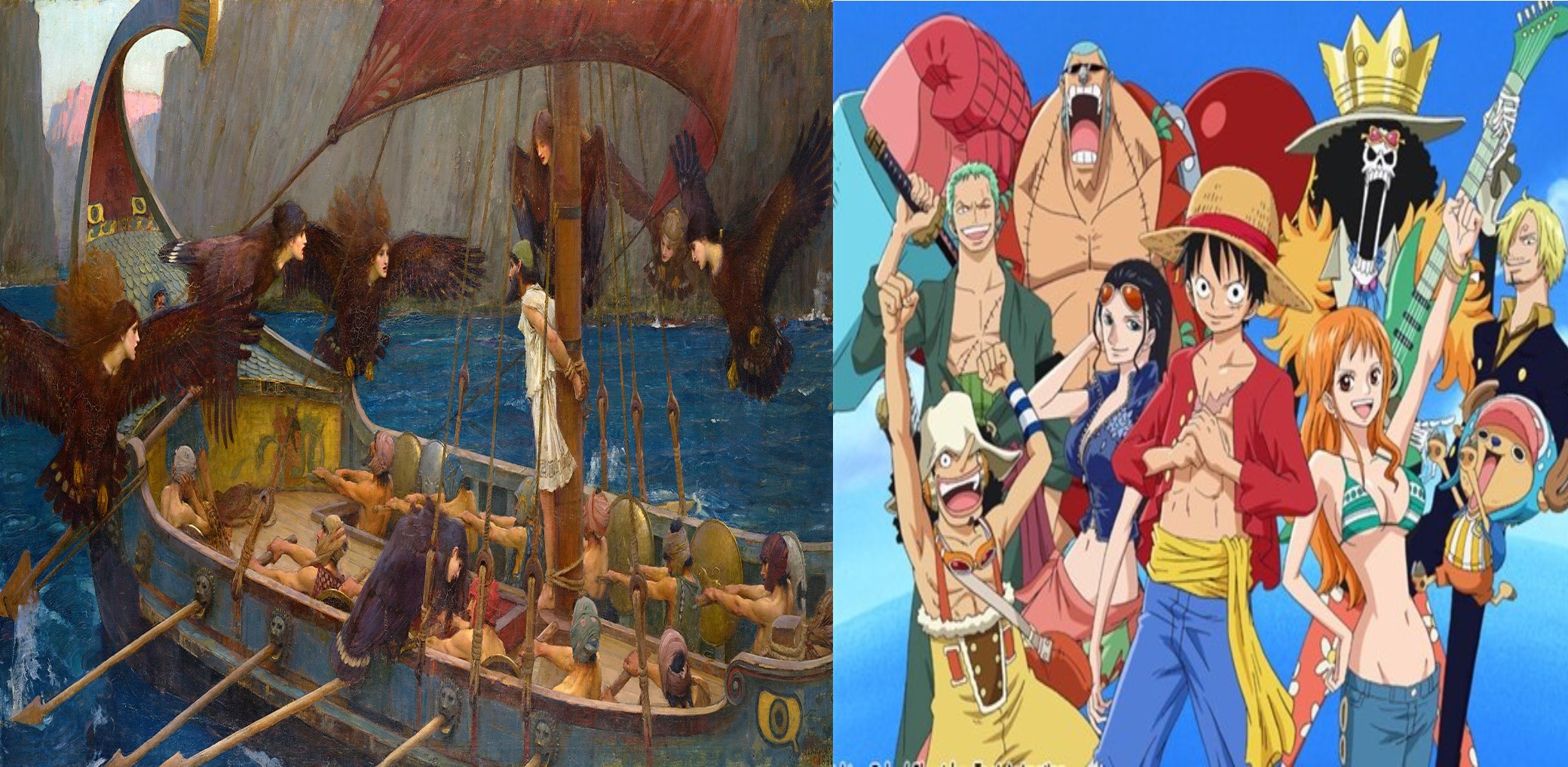
So, I don’t know if I’m the only one who thinks this, but One Piece is a modern-day Odyssey. Nani (for those of you who don’t know, “nani” is the Japanese word for “what”)???? Yes, you heard it right! The anime/manga series “One Piece” is a modern-day version of “The Odyssey!” You know; that epic from ancient Greece that you learn about in high school and whatnot (at least, I assume people learn about it in high school. I don’t know what the curriculum is like in other high schools. I went to a private school, and I know that I learned about “The Odyssey” in my school)? The one that’s written by a guy named Homer who’s last name is not Simpson (and who, as far as I’m aware, doesn’t even have a last name, because it was written during a period of time when last names weren’t a thing, or at the very least, weren’t very common)? Yes; that “Odyssey!” How so? Well, One Piece has a lot of similar themes, and a similar story structure, to The Odyssey! Let me show you what I mean! Now, before I begin, I’m going to point out that there are A LOT of themes in both The Odyssey and One Piece that I could make numerous blog posts about and whatnot, but I’ll save those for another time! For now, I just want to highlight some major themes and story structures that are similar in both works. Oh, and spoiler alert for those who haven’t read the Odyssey nor read/watched One Piece! With that out of the way, let’s begin!
Synopses
As with all comparative essays, one must start with synopses of the works that are being compared. I will do the same for this blog post!
The Odyssey:
“The Odyssey” focuses on Odysseus’ 10-year journey home to Ithaca after the Trojan War. Along the way, he sails the sea, explores different islands, faces many powerful enemies (such as gods and monsters), and meets many different people!
One Piece:
“One Piece” is about a boy named Luffy who sets off to sea at 17 to find the elusive treasure named “The One Piece.” Along the way, he gets together a crew, explores different islands, faces many powerful enemies (some with superhuman abilities, thanks to these fruits called “Devil Fruits,” and some without), and makes many new friends!
Similarities
Now that I’ve summarized the premises of “One Piece” and “The Odyssey,” I will now present to you the various similarities in both works!
Epic-style storytelling:
Right off the bat, one should note that both works have an epic-style storytelling. What is an epic? According to Merriam-Webster dictionary, an epic is defined as “a long narrative poem in elevated style recounting the deeds of a legendary or historical hero” (https://www.merriam-webster.com/dictionary/epic). Now, obviously “The Odyssey” fits this definition exactly. It was a long poem, written during ancient Greece, that narrates the journey of Odysseus as he makes his way home to Greece. Along the way, he accomplishes many feats that seem “legendary” and “heroic.” Odysseus embarks on the hero’s journey, and we see him grow and evolve as the narrative goes on. “The Odyssey” definitely fits the definition of what constitutes an epic. Does “One Piece” fit the definition, as well? I would say yes.
How does “One Piece” fit the definition of what it means to be an epic? Of course, it isn’t a poem. It is an anime/manga series! However, it is focused mainly on the journey of a central character (Luffy) as he travels the world in search of the mysterious “One Piece” and become Pirate King! Throughout the series, Luffy and his crew are seen accomplishing many feats that other characters thought were impossible to achieve! We (the audience) see Luffy and his crew grow and develop throughout the course of the series! Sure, “One Piece” may not be the standard form of an epic tale, however, it is still an epic tale, in my opinion! Luffy embarks on the hero’s journey at the very start of the series, and from there, we witness Luffy’s quest to reach “The One Piece!” Similarly, in “The Odyssey,” we (the audience) witness Odysseus’s quest to get back home!
Importance of the sea:
The sea plays a pivotal role in both “The Odyssey” and “One Piece.” In both works, the sea is used as a mode of transport to get from one destination to another. The characters use sea-faring ships to traverse the sea and go from island to island.
The sea is also a means of escape for the characters in both works. Odysseus uses the sea to escape Calypso’s island, and the Straw Hats use the sea to escape many perilous situations, such as escaping from Enies Lobby after their battle with CP9. The sea also evokes a sense of uncertainty and danger in both “The Odyssey” and “One Piece.” In “The Odyssey,” once Odysseus sets out to see after escaping the island of Calypso, he doesn’t know what lies ahead of him. All he does know is that for him to reach Greece, he has to traverse straight through the uncertainty that lies ahead. In “One Piece,” the end goal of the Straw Hats from the very beginning of the series is to reach Raftel and find the One Piece. To get there, they have to travel along the Grand Line, which has it’s own perils and dangers that many pirates may not expect.
The sea is also used as a means to world-build and character-build. Many interesting characters are met on the sea, many unique places are discovered while traveling on the sea, and many pivotal moments for the characters in both works take place on the sea!
Significance of the number “10”:
The number “10” is prevalent throughout both works. In “The Odyssey,” the number “10” is used to denote how many years have passed since the end of the Trojan War. The Trojan War itself had lasted for 10 years, which parallels how long it’s been since Odysseus has not returned home.
In “One Piece,” the number “10” is the number of crew members Luffy wants to gather before the end of the series (so far, he has nine, which leads fans to speculate who is, or will be, the 10th member of the Straw Hats). The number “10” is also the number of members are on Blackbeard’s crew (excluding Blackbeard himself, and excluding Doc Q’s horse). The 10 crew members on Blackbeard’s crew are nicknamed “The Ten Titanic Captains,” for they are captains of smaller divisions of the Blackbeard crew. Blackbeard and his crew are foreshadowed to be the antitheses for Luffy and his crew, for the are the opposite in almost every single way in terms of personality, but similar in every single way in terms of their capabilities and roles on their respective crews. The number “10” is also the number of years it was between Luffy meeting Shanks for the first time and receiving the Straw Hat at 7 years old to Luffy setting out to sea and beginning his adventure at 17. The number “10” is also the number of years it was between Shanks lost his arm to save Luffy from drowning and getting eaten from the giant Sea King and Luffy defeating the Sea King with one punch, which was a pivotal moment for Luffy and his character. When Luffy was 7, he was weak. He had just eaten the Gum-Gum fruit and received his rubber abilities, so he was not used to his powers and weaknesses (such as losing the ability to swim for the rest of his life). Because Luffy was weak, he could not defend himself from the bandits that kidnapped him, he could not swim to safety, and he could not fight against the Sea King that tried to eat him. Thus, he relied on Shanks, his hero, to save Luffy during those critical moments in his life. At the end of all of that, when Shanks and his crew were about to leave Foosha Village, Luffy tells Shanks that he wants to be just like him when he grows up, and that he’ll gather his own crew and become a pirate just like him. As a symbol of their bond, Luffy’s dreams, and the promise that Luffy makes to Shanks, Shanks gives Luffy the straw hat he was wearing, and tells Luffy to give it back to him when they meet again! Ten-years was also how old Luffy’s brother Sabo had set out to sea and “died.” It was after Sabo’s “death” that Luffy and his brother Ace made a promise to always protect each other, that they’d set out to sea at 17, and that no matter what crew they were on, they’d always be brothers at heart!
As you all can see, the number “10” is a significant number in both works! There are probably even more examples I could list about the significance of the number “10,” but I won’t because I don’t want to sound like a bore. However, it is something interesting to think about!
Larger-than-life villains:
Both works are filled TO THE BRIM with larger-than-life villains, both literally and figuratively! In “The Odyssey,” Odysseus fights against gods, giants, monsters, and creatures. In “One Piece,” Luffy and crew face off against giants, creatures, really big enemies that aren’t considered giants, and characters that are very powerful. In both works, these enemies are represented as larger-than-life, either physically (i.e. size) or figuratively (i.e. power). Significant size differences can make someone seem small. Luffy’s and Odysseus’s sizes are closest to the sizes of a real human, and seeing them face off against gigantic enemies can create a feeling of tension, and it can be very cathartic to see them overcome the enemies that are larger than them.
Obstacles:
In both works, there are TONS of obstacles throughout the worlds! In “The Odyssey,” Odysseus face monsters, giants, gods, and creatures, prevails through storms, whirlpools, and wreckage, treks through different islands, and deals with the wrath of numerous gods in order to get back home.
In One Piece, Luffy and crew come across various obstacles while traveling the seas, from pirate crews attacking them to Marines ambushing them. They also need to brave through storms, fight past sea monsters, and find their way past rocks, cliffs, and mountains that get in their way.
Theme of freedom:
Both works have a running theme of freedom. Odysseus and Luffy both long freedom. For Odysseus, he longs to be free of the curse that the gods put on him so he can get back home. When he is trapped on numerous islands, he wants to be free from his prison so he can get back home. Once Odysseus is home, he defeats all of the suitors so he can be free to be with his wife in private and live the rest of his life in peace and tranquility.
In One Piece, Luffy and crew desire freedom in their own way. They all want to be free to roam the seas without any Marines or pirates attacking them, and they want to be able to freely accomplish the dreams and goals that they have. When Luffy and crew are trapped by enemies, they long to return to the sea, because for them, the sea represents freedom. It is at the sea that they are truly free. On the sea, they can sail away to anywhere. When Luffy sees other people getting hurt, he wants to do everything that he can so that they can be free of the pain and suffering that they are enduring.
Theme of rebellion:
There is a lot of rebellion in both works. In “The Odyssey,” Odysseus rebels against the will of the gods. The gods want him to die, but Odysseus defies what they want. When he returns to Ithaca, he finds that suitors want his wife. Odysseus defies what the suitors want by slaying all of them.
In One Piece, Luffy and crew rebel against antagonistic forces on numerous occasions. When they face Crocodile on Alabasta, they rebel against him and his entire organization in order to save the people living in the kingdom. When they face Doflamingo on Dressrosa, they rebel against him and his crew, and create an uprising of pirates, Marines, citizens, and enslaved denizens so that they can save the island from the evil tyrant. There are so many more examples that I can list, but I won’t. I only listed notable examples from the series.
Theme of loyalty:
In both works, loyalty is a major theme. Both Odysseus and Luffy care about their respective crews and families. Odysseus cares about his crew and his wife a lot. He does all he can to try to bring his crew home, and he does all he can to try to get back to Ithaca to see his wife.
In One Piece, Luffy cares a lot about his crew, his friends, his brothers, his grandpa, anyone he meets along his journey whom he finds really nice, and anyone who is in suffering or is in pain. He does all he can to help people in need, and will go at great lengths for people he cares about, regardless of how long he’s known them. He’s even willing to go so far as to sacrifice himself for his crew. Luffy’s crew is also very loyal to him and one another. Whenever they are faced with difficult situations, they are willing to put themselves on the front line in order to save each other.
Theme of resilience:
The main protagonists in both works are very resilient. Odysseus faces so many foes, obstacles, and hardships to get back home, and even when he’s home, he faces so many enemies to get to his wife. For many, witnessing one’s own crew perish right in front of their own eyes would cause them to break, but not Odysseus. Instead, he stands tall and braves through it all. He braves through every obstacle that the gods throw at him so he can make it back home, even if he winds up returning home alone. It is his resilience, willpower, and bravery that allows him to get back home.
In One Piece, Luffy and crew are very resilient. No matter how tough the enemies may be, they use all of their strength, skills, and wit in order to defeat them. Even if they are almost on the verge of defeat, they manage to pull through and come out victorious.
Differences
Some vs none:
In “The Odyssey,” Odysseus starts out with a crew. Towards the end, he loses his crew, as well as all of the people that helped him get back home. In “One Piece,” Luffy starts his journey by himself. Over the course of the series, he gathered a crew and made allies along the way. Luffy’s journey is the reverse of Odysseus’s in terms of how it starts out. Luffy starts out with no one and eventually ends up with a crew and allies, while Odysseus starts out with a crew and allies, but ends up coming back home without them.
Individualism vs collectivism:
In both works, there are many examples of Odysseus and Luffy holding their own, as well as many examples of them relying on others. When comparing the two characters, however, Odysseus tends to rely on his crew and others a lot, while Luffy relies on himself most of the time. There are some cases, however, where Odysseus is forced to rely on himself (i.e. when his crew members perish in front of his eyes). As for Luffy, there are cases where he needs to rely on his crew (i.e. when there is an enemy that is too strong for any of them to handle individually).
Brains vs brawn:
When it comes to Luffy and Odysseus, there is a stark contrast when it comes to how they deal with enemies. For Odysseus, he is strategic. He plans his every move, and relies on his brains and wit in order to overcome difficult situations. For Luffy, on the other hand, he relies on strength and emotion. He uses his brawn to fight his way through most of his problems. This mentality has gotten Luffy and his crew into trouble on more than one occasion.
Maturity vs immaturity:
To build upon the previous point, relying on brains can be seen as an example of maturity, while relying on strength can be seen as an example of immaturity. When challenges arise in life, one needs to be logical and strategic. Relying on pure emotion gets one nowhere, because it clouds one’s judgment and prevents them from seeing other perspectives, outcomes, and solutions. This is especially true in survival situations. In order to have the best chances of success and making it out alive, one needs to be logical and strategic, for one mistake or mishap could prove fatal.
During the Punk Hazard arc, there is one scene where Zoro scolds Luffy for being too reckless, and that he needs to take things more seriously, otherwise he’d put him and the rest of the crew in serious danger.
Conclusion
So, as you can see, there are a lot of interesting similarities and parallels between “The Odyssey” and “One Piece.” There is a lot more comparisons and contrasts I could probably make, but I think I’ve said enough for now. If you want, check out this blog post from another One Piece fan who had also found interesting similarities between “One Piece” and “The Odyssey.” Give it a read!
The shortage of toilet paper that has been plaguing stores nationwide has left college students with no choice but to use their useless textbooks as a substitute for toilet paper. The hundreds, or sometimes even thousands, of dollars spent on these books that don’t even get used most of the time will finally pay off.
“It’s been a life-saver,” one student said. “I now have a reason to actually use the books!”
These useless textbooks have been beneficial to many young college students. There are hundreds of pages of unread content that can now be used as extra bathroom tissue in the event that students run out of the real thing, which has been the case for many. This is good because a decently-sized textbook could last you about a month or two, or longer, if used sparingly.
Just make sure you have textbooks with thin paper, experts warn. If you use thick textbook paper, it could be a pain in the behind (literally)! One could only imagine how painful that would be.