The Musings of Jaime David
@jaimedavid.blog@jaimedavid.blog

The writings of some random dude on the internet

1,117 posts
1 follower

Tag: change

  • Spring Stream-of-Consciousness: Emerging from the Quiet

    Spring Stream-of-Consciousness: Emerging from the Quiet

    Spring, in its most raw and unfiltered form, is a burst of chaotic energy. The earth cracks open and spills forth life in every direction. But within that vibrant display of growth, there’s an undercurrent of quiet emotional turmoil. What do we do with the fresh start spring offers us? How do we reconcile the hope that the season promises with the uncertainty of the emotions that bubble up to the surface?

    Spring is a season of contradictions—warm days followed by unexpected chills, flowers blooming while the earth still holds onto its cold core. And within this contradiction lies a flood of raw emotions that often mimic the season’s unpredictability. We can feel the stirrings of something new inside us, but we also carry the weight of the past, the remnants of winter’s introspection.

    In this stream-of-consciousness post, I allow my thoughts to wander as spring takes hold. It’s a messy, emotional, and freeing process. The thoughts are fragmented, unruly, and yet deeply honest. Spring doesn’t ask us to be perfect; it simply invites us to grow, to shed the old skin, and to step into a new chapter of possibility.

    Through this raw emotional writing, I invite you to join me in exploring the fragility and strength that spring brings. Let’s embrace the confusion and the clarity, the vulnerability and the growth, as we step into a season of renewal.

  • The Myth of the “Right Time”

    The Myth of the “Right Time”

    There is a phrase that floats through almost every human life, a soft and reasonable sounding excuse that disguises itself as wisdom. “When the time is right.” We tell ourselves we’ll start when the timing is better. We’ll speak when the moment feels safer. We’ll love when the conditions are clearer. We’ll leave when the ground beneath us is steadier. We’ll create when the chaos settles. We’ll change when we feel ready. And in all of that waiting, in all of that quiet bargaining with the future, we slowly trade our lives for a promise that may never arrive.

    The idea of the “right time” feels comforting. It implies order. It suggests that somewhere ahead of us, hidden in the calendar or in fate or in some cosmic alignment, there exists a perfect window where everything will finally make sense. A moment when fear disappears, uncertainty fades, responsibilities loosen their grip, and clarity arrives like a gift. It’s an appealing fantasy. It gives us permission to delay. It gives us an explanation for our hesitation that sounds thoughtful instead of afraid. It makes inaction feel responsible. But the longer you live, the more obvious it becomes that this “right time” is less a reality and more a story we tell ourselves so we don’t have to confront how terrifying choice actually is.

    Because life does not pause to become convenient.

    There is always something in the way. There is always a bill, a deadline, a crisis, a distraction, a fear, a doubt, a voice in your head telling you to wait just a little longer. There is always another reason to postpone what matters. There is always another condition that could be improved. Another variable that feels unresolved. Another emotional knot that doesn’t quite feel untangled enough yet. If you are waiting for a moment when nothing interferes, when nothing hurts, when nothing distracts, when nothing scares you, you are not waiting for a time that exists in reality. You are waiting for a time that belongs only to imagination.

    And yet, almost all of us fall into this trap at some point.

    I did.

    For a long time, I convinced myself that patience was wisdom. That restraint was maturity. That delaying big feelings and big risks and big decisions meant I was being careful. Responsible. Strategic. I told myself that once I had more stability, more clarity, more confidence, more certainty, then I would finally act. Then I would finally say what I meant. Then I would finally pursue what I wanted. Then I would finally allow myself to become who I felt I was supposed to be.

    But what I didn’t realize at the time was that every “not yet” was quietly shaping my life anyway.

    Time does not wait for permission.

    While you are preparing, the world keeps moving. While you are hesitating, relationships shift. While you are planning, people leave. While you are waiting for the right moment, moments are passing. You are aging. Others are aging. Circumstances are changing. Opportunities are appearing and disappearing in ways you often don’t even notice until they are already gone. The future you are waiting for is not standing still and patiently holding space for you. It is constantly being rewritten by forces you do not control.

    And eventually, if you live long enough, something happens that shatters the illusion.

    You lose someone.

    Or you almost lose someone.

    Or you get sick.

    Or you watch time run out for somebody else.

    And suddenly the phrase “there’s still time” no longer feels as solid as it once did.

    Loss has a way of clarifying things in the most brutal and honest way possible. When someone you love disappears from your life, whether through death, distance, estrangement, or circumstances you cannot undo, the fantasy of endless tomorrows collapses. You realize that there were conversations you assumed you’d have later. Feelings you assumed you’d express eventually. Apologies you thought you could offer someday. Gratitude you meant to show when things slowed down. And now, that later no longer exists.

    Regret does not usually come from the things we did wrong.

    It comes from the things we never did at all.

    It comes from the words we swallowed. The risks we refused. The love we never admitted. The truth we kept hiding from ourselves and others. The paths we didn’t explore. The art we didn’t make. The boundaries we didn’t set. The life we postponed.

    What hurts most about regret is not that we failed.

    It is that we never even tried.

    And this is the part no one likes to say out loud: waiting for the right time is often just fear wearing a polite disguise.

    Fear of rejection. Fear of failure. Fear of embarrassment. Fear of loss. Fear of change. Fear of being seen too clearly. Fear of wanting something too badly and not getting it. Fear of discovering that the life you imagined might not actually fit you. Fear of learning that the dream you held onto might dissolve once you finally touch it.

    So instead, we tell ourselves stories.

    We say we’re not ready.

    We say the timing is off.

    We say we need more information.

    We say we need more money.

    We say we need more healing.

    We say we need more certainty.

    And sometimes those things are true. Sometimes waiting is necessary. Sometimes patience is wise. Sometimes caution protects us. Not every impulse should be followed. Not every desire should be acted on immediately. There are real responsibilities. Real consequences. Real limits. I am not arguing for recklessness or impulsivity. I am not saying that every moment of hesitation is wrong.

    But there is a difference between wisdom and avoidance.

    And most of us know, deep down, which one we are practicing.

    Avoidance has a particular feeling to it. It feels heavy. It feels repetitive. It feels like the same internal conversation looping endlessly without resolution. It feels like constantly moving the goalpost for when you are allowed to begin. It feels like life happening around you while you remain suspended in preparation mode. It feels like safety slowly turning into stagnation.

    And stagnation is not neutral.

    It costs you time.

    It costs you experiences.

    It costs you growth.

    It costs you connection.

    It costs you yourself.

    The cruel irony is that the conditions we are waiting for rarely arrive because the very actions we are postponing are often what would create those conditions in the first place. We wait to feel confident before we act, when confidence is usually built by acting. We wait to feel worthy before we speak, when worthiness often comes from being honest. We wait to feel ready before we change, when readiness is usually the result of choosing to change. We wait for clarity before we move, when clarity is often born from movement.

    Life is not something you solve before you live it.

    It is something you understand by living it.

    And the longer you delay participation, the more disconnected you become from your own unfolding.

    There is also another uncomfortable truth hiding inside the myth of the right time.

    It assumes that you will always have another chance.

    It assumes that people will remain accessible.

    It assumes that health will remain stable.

    It assumes that circumstances will remain reversible.

    It assumes that doors, once closed, can always be reopened.

    But anyone who has lived long enough knows that some opportunities are not repeatable.

    Some people leave and never come back.

    Some relationships change in ways that cannot be undone.

    Some windows close quietly and permanently.

    Some versions of yourself only exist for a short season of your life.

    And when that season passes, you cannot simply return to it.

    This is not meant to be morbid.

    It is meant to be honest.

    The finiteness of time is not a threat. It is a teacher.

    It reminds you that your life is not a rehearsal.

    That this is not a draft.

    That you do not get infinite revisions.

    And that waiting too long does not protect you from pain.

    It often guarantees it.

    Because here is the part that no one prepares you for: the pain of regret is usually heavier than the pain of action.

    Failure hurts, yes.

    Rejection hurts.

    Embarrassment hurts.

    But those wounds tend to heal.

    You learn from them.

    You integrate them.

    They become part of your story.

    Regret, on the other hand, is quieter and more persistent.

    It shows up at night.

    It appears in memories.

    It whispers in alternate timelines.

    It asks you who you might have been.

    It lingers in unanswered questions.

    It stays long after the moment has passed.

    And unlike most pain, regret offers no resolution.

    There is no redo.

    No apology.

    No confession.

    No second chance.

    Only acceptance.

    So at some point, after enough loss, enough near misses, enough almosts, enough maybes, something shifts.

    You stop asking when the time will be right.

    And you start asking whether you are willing to live with the consequences of never trying.

    You realize that courage is not the absence of fear.

    It is the decision that regret is worse.

    You realize that readiness is not a feeling.

    It is a choice.

    You realize that the right time is rarely a moment of perfect alignment.

    It is simply the moment you decide to stop waiting.

    This does not mean life suddenly becomes easier.

    In fact, often the opposite.

    Choosing to act usually makes things more complicated, at least in the short term.

    You disrupt routines.

    You risk relationships.

    You expose vulnerabilities.

    You invite uncertainty.

    You step into territory where outcomes are unclear.

    But you also begin to live more honestly.

    More fully.

    More consciously.

    You stop deferring your life to a hypothetical future version of yourself who is braver, calmer, stronger, wiser.

    You become that version by acting now.

    And slowly, something remarkable happens.

    You begin to notice that the chaos you were waiting to disappear was never going to vanish.

    That life is always unfinished.

    Always imperfect.

    Always in flux.

    And that meaning does not come from perfect timing.

    It comes from presence.

    From choosing to engage while things are messy.

    From loving while things are uncertain.

    From creating while things are unstable.

    From speaking while things are risky.

    From becoming while things are incomplete.

    The people you admire most are rarely the ones who waited until everything was ideal.

    They are the ones who moved while afraid.

    Who spoke while unsure.

    Who loved while vulnerable.

    Who changed while unready.

    Who acted while conditions were still flawed.

    Not because they were reckless.

    But because they understood something essential.

    That waiting forever is its own kind of decision.

    And often, the most dangerous one.

    At some point in my life, after enough grief and enough reflection, I made myself a quiet promise.

    I would no longer let fear disguise itself as patience.

    I would no longer postpone the words that mattered.

    I would no longer assume that time was abundant.

    I would no longer trade honesty for comfort.

    I would no longer wait for permission to be myself.

    This does not mean I rush everything.

    It does not mean I ignore consequences.

    It does not mean I abandon discernment.

    It means that when something matters deeply enough, I refuse to bury it beneath the fantasy of a better tomorrow.

    If I care about someone, I try to let them know.

    If I need to apologize, I do it sooner rather than later.

    If I feel called to create, I create now, even imperfectly.

    If I sense a truth rising inside me, I speak it while I still can.

    Because I have seen what happens when people wait too long.

    I have seen conversations that never happened.

    I have seen love that was never confessed.

    I have seen forgiveness that arrived too late.

    I have seen lives narrowed by caution.

    I have seen dreams quietly abandoned.

    And I know, with painful clarity, that someday my own time will also run out.

    Not dramatically.

    Not with a warning.

    Just one ordinary day when there are no more tomorrows left to postpone things into.

    So no, I do not believe in the right time anymore.

    I believe in this time.

    This flawed, inconvenient, complicated, imperfect moment you are living in right now.

    Because it is the only one that actually exists.

    Everything else is imagination.

    If there is something you need to say, say it.

    If there is someone you need to love, love them.

    If there is a truth you need to face, face it.

    If there is a path you feel drawn toward, take a step.

    Not because it is safe.

    Not because it is guaranteed.

    Not because the conditions are perfect.

    But because your life is happening now.

    And someday, sooner than you think, now will be gone.

    And I, for one, refuse to look back on my life and realize that I spent most of it waiting to begin.

  • The Hardest Walk Away: Confronting Your Own Self

    The Hardest Walk Away: Confronting Your Own Self

    The hardest walks we take in life are often not away from people, places, or circumstances, but away from versions of ourselves that no longer serve us, that hold us back, or that reflect fears we would rather ignore. Dazzling1’s video about finding the strength to walk away resonated with me deeply, but it also made me realize that for me, the most difficult departure has always been from my own self. Walking away from external situations, while challenging, is comparatively simple because there is a clear target, a tangible source of discomfort or limitation. Walking away from oneself is invisible, nebulous, and relentless, because it demands confronting what we are made of, the patterns we have built, the habits we cling to, and the fears we have nurtured over years, sometimes decades.

    Over time, I have noticed that the struggle of trying to become a better version of oneself is layered and paradoxical. On the surface, it seems straightforward: identify what you want to change, set goals, and act. But the reality is far more complicated. For me, as an extrovert, this inner journey can feel especially isolating. Looking inward, examining the thoughts that swirl in my mind, facing the parts of myself I avoid acknowledging, is terrifying. Unlike outward struggles, there is no applause, no validation from others, and no external sign of progress except the quiet evidence of inner work, which is often slow, uneven, and painfully visible only to oneself.

    When I envision a better version of myself, I often see a clear image of what I want to become. I see the habits I hope to cultivate, the mindset I want to embody, the confidence I want to carry, the person I hope others will recognize in me. But the vision rarely comes with a map. I rarely have a concrete plan for achieving these changes, no step-by-step guide that will reliably take me from the person I am to the person I hope to be. This gap between vision and action can be deflating. It can leave me feeling lost, uncertain, and frustrated, because the desire to change is so strong, yet the path remains obscure. There is a tension between aspiration and execution, between the self I currently inhabit and the self I long to inhabit, and navigating this tension is exhausting in ways that few external challenges can match.

    The difficulty of walking away from oneself is also deeply tied to discomfort. Change is painful. Growth requires confronting truths about ourselves we would rather avoid. It requires acknowledging weaknesses, mistakes, and failures that we often shield from even our closest companions. It requires staring at loneliness, fear, and inadequacy without flinching, without distraction, without escape. For me, this process is particularly intense because it removes the social buffer that I often rely on as an extrovert. In a crowded room, surrounded by conversation, laughter, and distraction, I can avoid myself. Alone with my thoughts, however, I am forced to confront the discomfort that comes with recognizing where I fall short, where I am stuck, and where I repeat patterns that do not serve me.

    And yet, there is also a strange kind of power in this confrontation. Walking away from the old version of oneself, or at least trying to, is a declaration of hope. It is an acknowledgment that, while we may be flawed, capable of harm, or mired in old patterns, we also have the potential to grow, to evolve, to redefine what is possible in our lives. It is a reminder that self-transformation is a courageous act, one that requires patience, compassion, and persistence. It is not a single walk or a single choice, but a continuous series of small, deliberate departures from old habits, old thought patterns, and old limitations.

    Even with this awareness, the process can feel agonizing. I have felt, repeatedly, the frustration of seeing the version of myself I aspire to become and not knowing how to bridge the gap. The image exists, vivid and compelling, but the path to reach it is obscured by uncertainty, fear, and self-doubt. It is a liminal space, suspended between who I am and who I wish to be, where the mind and heart feel heavy with longing and inadequacy. It is a place where the discomfort of introspection is paired with the yearning for transformation, creating an emotional tension that is both painful and necessary.

    I have also learned that this struggle cannot be rushed. There is no shortcut or magic formula to walk away from oneself. Growth is incremental, often imperceptible from day to day, but significant in aggregate over time. The challenge is to persist in small steps, to act even when clarity is lacking, to embrace discomfort as a teacher rather than a threat. To walk away from oneself is not a rejection, but an evolution. It is not about abandoning who we are entirely, but about learning which parts of ourselves we must release to become more aligned with our potential, our values, and the lives we wish to lead.

    Perhaps the most essential aspect of this journey is compassion. Walking away from oneself can easily become a process of harsh self-criticism, a relentless accounting of flaws and failures. Without compassion, the path becomes punishing, demoralizing, and unsustainable. But with compassion, even fleeting or imperfect moments of growth are acknowledged, even the smallest efforts are celebrated, and even mistakes become opportunities for learning rather than evidence of inadequacy. Compassion transforms the walk away from oneself from a trial into a journey, a journey that, while difficult, is meaningful and affirming.

    Ultimately, the hardest walk away is not toward the unknown world or even toward a new life—it is toward a new self. It requires courage to face the discomfort of change, patience to navigate the uncertainty of growth, and compassion to soften the harshness of self-critique. It demands that we stand alone with our thoughts, confront what we fear, and release what no longer serves us. And in this process, we may discover not only the better version of ourselves that we long to become but also the resilience, creativity, and depth we carry within, qualities that have always been present but have waited for the moment when we were willing to face ourselves fully.

    Walking away from oneself is the journey that defines every other journey. It is difficult, unsettling, and lonely, but it is also deeply empowering, profoundly transformative, and ultimately liberating. It is the act that allows us to shed the weight of old patterns, to embrace our potential, and to approach life with authenticity, courage, and hope, even when the path is unclear, even when the steps are uncertain, and even when the struggle feels unending.

  • Growth Through Time, Loss, and Understanding

    Growth Through Time, Loss, and Understanding

    There comes a point in life when you look back and realize you are not the same person you used to be. Not just in the obvious ways — the way you dress, the things you like, or the people you surround yourself with — but in the way you think, the way you feel, and the way you see the world. Growth, true growth, is something that doesn’t happen overnight. It takes years of mistakes, heartbreak, healing, and introspection. It takes loss. It takes disappointment. It takes a willingness to look in the mirror and admit that the person staring back at you is still a work in progress.

    For me, that process of growth began years ago, but it really started to take shape after 2019, when my uncle passed away. His death was one of those moments that forces you to stop and take stock of your life — not just of what you have, but of who you are. Before then, I’ll admit, I often felt stuck in my own head. I used to think I couldn’t change. I thought my circumstances, my flaws, my habits — all of it — were permanent. That I was just “this way.” I didn’t really believe in personal growth because I didn’t see it in myself. And I think a lot of people feel that way at some point. It’s easy to believe that self-improvement is something other people are capable of — people who are stronger, smarter, or luckier. But at the time, I didn’t think I was one of them.

    It took me years to break out of that mindset. Losing my uncle didn’t magically fix everything, but it broke something open in me — something that needed to be broken. It made me realize how fragile and temporary life really is. It made me understand that the moments we spend angry, bitter, or resentful are moments we can never get back. And in the years since, I’ve tried, slowly but surely, to live differently.

    I’ve learned to be more empathetic. That might sound like a simple or overused word, but true empathy isn’t just about understanding how someone feels — it’s about making space for it. It’s about realizing that everyone is fighting a battle you might not see, that people have reasons for why they are the way they are. I used to be quick to judge, quick to assume, quick to take things personally. But now, I try to pause. I try to think before reacting. I try to see where others are coming from, even if I don’t agree.

    Empathy has taught me patience. It’s taught me that the world doesn’t revolve around my feelings, my timing, or my perspective. It’s helped me see beyond myself — to recognize that kindness isn’t weakness, and that understanding doesn’t mean agreeing. When you start to see people as whole, flawed, and complicated human beings, it changes the way you move through the world. You stop seeing others as obstacles or irritations, and you start seeing them as reflections — mirrors of all the things you’re trying to understand in yourself.

    I’ve also learned to be more compassionate. Compassion is empathy in action. It’s not just feeling for someone — it’s doing something about it. It’s showing up when you don’t have to. It’s forgiving when it’s easier to hold a grudge. It’s giving the benefit of the doubt, even when part of you doesn’t want to. Compassion has taught me to see the humanity in everyone, even the people who have hurt me. Because the truth is, most people hurt others from their own pain. Understanding that doesn’t excuse what they do, but it gives you the power to respond with grace instead of anger.

    There was a time when I let anger control me more than I’d like to admit. I thought anger made me strong — that it protected me. But really, it just kept me trapped. I carried grudges like weights, thinking they’d make me tougher, when in reality they were only slowing me down. I used to believe that being vengeful or spiteful was a way of standing up for myself. But over time, I’ve learned that there’s more strength in letting go than in holding on.

    Peace isn’t something you find by winning arguments or proving people wrong — it’s something you find by releasing the need to. That’s one of the hardest lessons I’ve had to learn. To not be hateful, to not be vengeful, to not let bitterness take root. It’s not easy. It takes real effort to unlearn that kind of emotional reflex — to not respond in kind when someone hurts you. But I’ve learned that forgiveness, even when it doesn’t come naturally, is a gift you give to yourself as much as to others.

    And honestly, learning to not sweat the small stuff has been one of the greatest reliefs of my life. I used to overthink everything. I used to let small inconveniences ruin my day, let misunderstandings spiral in my head until they became full-blown conflicts that didn’t even exist in reality. But life is too short for that. When you lose someone close to you, it puts everything into perspective. The things that once seemed so big start to feel small. The things you used to stress over start to lose their power over you.

    I’ve learned that peace of mind comes from picking your battles carefully. Not every situation deserves a reaction. Not every comment needs a response. Not every person deserves your energy. Sometimes walking away is the strongest thing you can do.

    More than anything, I’ve learned to appreciate life. To really appreciate it — the way the morning light hits the window, the sound of laughter in a room, the comfort of a familiar song, the feeling of being understood by someone who cares. These moments used to slip by unnoticed because I was too caught up in what I didn’t have, or what wasn’t going right. But now, I try to stop and take them in. Because those are the moments that make life worth living.

    I’ve also learned to appreciate the people in my life more deeply. It’s so easy to take people for granted — to assume they’ll always be there, that there’s always time to say what we mean or to make things right. But time has a way of reminding us that tomorrow isn’t promised. That realization doesn’t have to be scary — it can be grounding. It can remind you to hug your loved ones a little tighter, to say “thank you” more often, to listen instead of waiting for your turn to speak.

    Losing someone you love changes you. It softens you. It humbles you. It makes you realize that no matter how much time you have with someone, it will never feel like enough. But it also teaches you to cherish every moment you do get. My uncle’s passing hurt deeply, but it also gave me perspective — it made me want to live a life that honors him. It made me want to be someone he’d be proud of.

    In the six years since he’s been gone, I can honestly say I’ve grown more than I ever expected to. I’ve learned to slow down, to reflect, to choose peace over pride, understanding over judgment, and love over resentment. Growth isn’t linear — there are still days I fall back into old habits, days I struggle with anger or self-doubt. But the difference now is that I recognize it. I don’t run from it. I try to understand it, learn from it, and move forward.

    Growth, I’ve realized, isn’t about becoming perfect — it’s about becoming aware. It’s about being conscious of who you are and who you’re becoming. It’s about catching yourself in those small moments and choosing differently than you used to. That’s what real transformation looks like.

    Looking back, I don’t think I would’ve believed I could change as much as I have. I used to think self-improvement was something you read about in books or saw in movies — not something you actually lived. But change isn’t always dramatic. Sometimes it’s quiet. Sometimes it happens in the pauses — in the moments when you choose not to yell, when you choose to forgive, when you choose to take a breath instead of reacting. Those moments add up. They shape who you are becoming.

    I still miss my uncle. I probably always will. But now, instead of only feeling pain when I think of him, I also feel gratitude. Gratitude that I got to know him, that his life had such an impact on mine, that his memory continues to guide me. He taught me, even in his absence, that love doesn’t end — it just changes form.

    And I think that’s what life is really about — change. It’s about learning to let go of the person you once were to make room for the person you’re meant to be. It’s about realizing that growth doesn’t mean forgetting the past, but using it as a foundation to build something stronger. It’s about living with intention, appreciating the simple things, and understanding that even when life is hard, it’s still worth living fully.

    If there’s one thing I’ve learned through all of this, it’s that personal growth isn’t a destination — it’s a journey. You never really “arrive.” You just keep going, learning, adjusting, and evolving. Some lessons are painful. Some are gentle. But all of them matter.

    And if I could go back and talk to my younger self — the one who thought he couldn’t change, who felt stuck and powerless — I’d tell him this: you can. It won’t happen all at once, but it will happen. You’ll lose people, you’ll make mistakes, you’ll stumble — but you’ll also heal, learn, and grow. You’ll learn to let go of the anger, the grudges, the bitterness. You’ll learn to love people better. You’ll learn to appreciate the small things. You’ll learn that peace isn’t found in control, but in acceptance.

    And someday, without even realizing it, you’ll look back and see just how far you’ve come.

    Fediverse Reactions
  • Fall Feels Friday: Autumn’s Whispering Reflection

    Fall Feels Friday: Autumn’s Whispering Reflection

    As autumn settles in, there’s a certain hush that blankets the world. The once-lush green trees begin to shed their leaves, turning shades of gold, red, and amber. The crispness in the air signals change—not just in the weather, but in ourselves. Fall has a way of inviting us to reflect on the past year, to take stock of where we’ve been and where we are headed.

    Autumn has a quiet wisdom. It doesn’t shout; it speaks softly, urging us to slow down and listen. It’s in the crunch of leaves underfoot, the smell of pumpkin spice wafting through the air, and the stillness of the evenings that draw us inward. The world seems to be asking us to pause and remember.

    Fall is a time of letting go. Just as the trees release their leaves, we too have moments in our lives that we must release. The nostalgia that comes with this season is both bittersweet and beautiful. It’s a time to embrace the fullness of what we’ve experienced, to appreciate the beauty of things passing, and to recognize that change is inevitable, yet always necessary.

    In this post, I reflect on the quiet wisdom of fall—the season that invites us to breathe deeply, take stock, and prepare for the renewal that comes with the winter months. I invite you to reflect on your own journey and the lessons autumn has to offer.

  • The Giver: A Selfish Gatekeeper of Memory

    The Giver: A Selfish Gatekeeper of Memory

    In Lois Lowry’s The Giver, we are introduced to a world where emotions are suppressed, choices are controlled, and memories of the past have been erased in favor of maintaining societal stability. The protagonist, Jonas, is chosen to be the next Receiver of Memory—a title that places him in direct contact with the powerful and painful memories of the world before the society’s creation. But what if the mentor guiding Jonas, the titular Giver, isn’t the wise, benevolent figure we’re led to believe? What if, instead, The Giver is an enabler of the system—a deceitful, complacent villain who not only avoids responsibility but actively protects his own position at all costs?

    When Jonas is selected to be the new Receiver, he is given a set of rules that seem to offer him freedom and privilege compared to the rest of the society. Among these rules, Jonas is allowed to lie, is exempt from certain societal rules, and cannot share his training with others. At first glance, these seem like benefits of his new role, granting him a freedom that others don’t have. However, these rules also serve a selfish purpose for The Giver. By granting Jonas these privileges, The Giver ensures that he remains in control of the flow of knowledge, unable to be questioned or challenged. Jonas becomes isolated, forced to rely solely on The Giver’s guidance and wisdom, making him even more dependent on the very system that The Giver supports.

    The rule allowing Jonas to lie is particularly telling. This privilege isn’t just about giving Jonas a way to protect himself or others from the truth—it’s a tool of control. By giving Jonas this power, The Giver keeps the power dynamic intact. Jonas is allowed to lie, but he’s also restricted in how he shares his knowledge. The rule is designed to prevent any meaningful change, allowing Jonas to hold the knowledge but not share it with others, keeping the society in the dark about their own past.

    It’s important to note that these rules were likely set in place by the society itself, as part of the institutionalized structure of the Receiver’s role. The rules that Jonas follows were not just randomly handed to him by The Giver; they are part of the society’s control over the role of the Receiver, ensuring that this position is one of power and influence. The fact that Jonas is allowed to lie is an intentional act of social manipulation—an essential element of maintaining the system. And, for years, The Giver has used these rules for his own self-preservation, ensuring his continued control and preventing anyone else from challenging the society’s rules.

    When we consider The Giver’s own role in this system, it becomes clear that he hasn’t just been passively guiding Jonas. Instead, The Giver has been manipulating the situation to protect his own power. The rules he gives Jonas aren’t just about passing on knowledge—they’re about keeping Jonas in a position of isolation, controlling the information he receives, and ensuring that The Giver’s position as Receiver remains secure.

    But what if The Giver didn’t just want to protect his position for the sake of power alone? What if, in addition to that, The Giver enjoyed the privileges that came with his role? In both the book and movie, The Giver is portrayed as someone who avoids the responsibilities that others in society must bear. As Receiver, he doesn’t have to participate in the daily work of the community. He doesn’t raise children or do any of the other demanding jobs that others do. He’s isolated, given the privilege of rest and respect without ever having to do actual labor. This avoidance of work could very well be the selfish reason why The Giver is so reluctant to give up his position.

    He has found a way to coast through life, living off the benefits of his role without having to sacrifice his comfort or stability. The fact that he is exempt from societal duties—and likely has enjoyed this freedom for years—is a powerful motivator for him to maintain the status quo. Why would he want to give up all the privileges that come with his role if it allows him to avoid hard work and live a life of comfort?

    This sense of self-preservation, in which The Giver actively avoids any real responsibility, underscores his selfishness. The fact that he has sustained his position as the Receiver of Memory—not through active engagement with the world or society but rather through maintaining a position of power and isolation—shows just how far he is willing to go to preserve his own comfort. His complacency with the system is not just about holding power for the sake of power; it’s about avoiding any kind of disruption to his privileged existence.

    As we think about the previous Receiver, Rosemary, whose failure is mentioned in passing by The Giver, we can’t ignore the possibility that The Giver might have actively or passively sabotaged her success. In the movie, we learn that Rosemary’s failure was disastrous, and it’s presented as a significant turning point in the society’s history. The idea that The Giver might have seen Rosemary as a threat to his position adds another layer of complexity to his character. If he did sabotage her, it would have been to preserve his privileged existence—a desire to keep control and continue his comfortable life.

    Additionally, the idea that previous Receivers came before Rosemary and Jonas is important. If we assume that The Giver has been the Receiver for a long time, there may have been others before him—perhaps multiple generations of Receivers who followed the same pattern. These Receivers were likely not encouraged to question the system or rock the boat. Instead, they were likely conditioned to accept their role passively, much like The Giver. Rosemary and Jonas are anomalies—the first to challenge the system and question the very nature of their roles.

    As the story progresses, The Giver’s reluctance to let go of the memories and his refusal to escape with Jonas when given the chance become even more revealing. The Giver’s passivity and complacency with the system, which he has maintained for so long, are shown in his reluctance to challenge the status quo, even when he has the opportunity to do so. In choosing to stay behind, The Giver ultimately shows that he values his comfort and power over any real attempt to change the system. He passively accepts the role he’s been given, even when it requires him to sacrifice Jonas’s chance at a better life.

    In the end, The Giver’s selfishness and complacency with the system are undeniable. Rather than using his power to create change or challenge the society, he uses his unique position to preserve the status quo—even at the cost of Jonas’s future and the potential for revolution. The rules he sets for Jonas reflect a carefully designed system that ensures control while limiting the possibilities for real freedom. The Giver’s refusal to relinquish the role of the Receiver—whether because of his desire to keep his power or because he’s fearful of what will happen if he lets go—reveals his true nature as a gatekeeper who has protected his own position at the expense of everyone else.

    The movie’s depiction of Rosemary’s failure adds another layer of complexity to The Giver’s character. If we view her failure as a direct result of The Giver’s manipulations, then it’s clear that his ultimate goal has always been about preserving his role. Whether or not he actively sabotaged Rosemary, his inaction and his refusal to challenge the system make him complicit in the perpetuation of a flawed and oppressive society.

    Finally, even after the memories are shared with the community, The Giver would still retain his privileged status. While others may now have access to the memories, The Giver’s deep understanding of them would continue to set him apart. He would likely remain exempt from societal duties, helping people navigate their emotional turmoil and serving as a guide. His continued exemption from work would ensure that he could maintain his role as a counselor without ever having to face the same challenges and responsibilities that others in society do. His privileges would persist, even in a society where everyone has memories, and he would likely remain in control of his life, untouched by the demands of regular labor.

  • Imu as the Inertial Measurement Unit of One Piece: A Symbolic Role in the World’s Stability and Change

    Imu as the Inertial Measurement Unit of One Piece: A Symbolic Role in the World’s Stability and Change

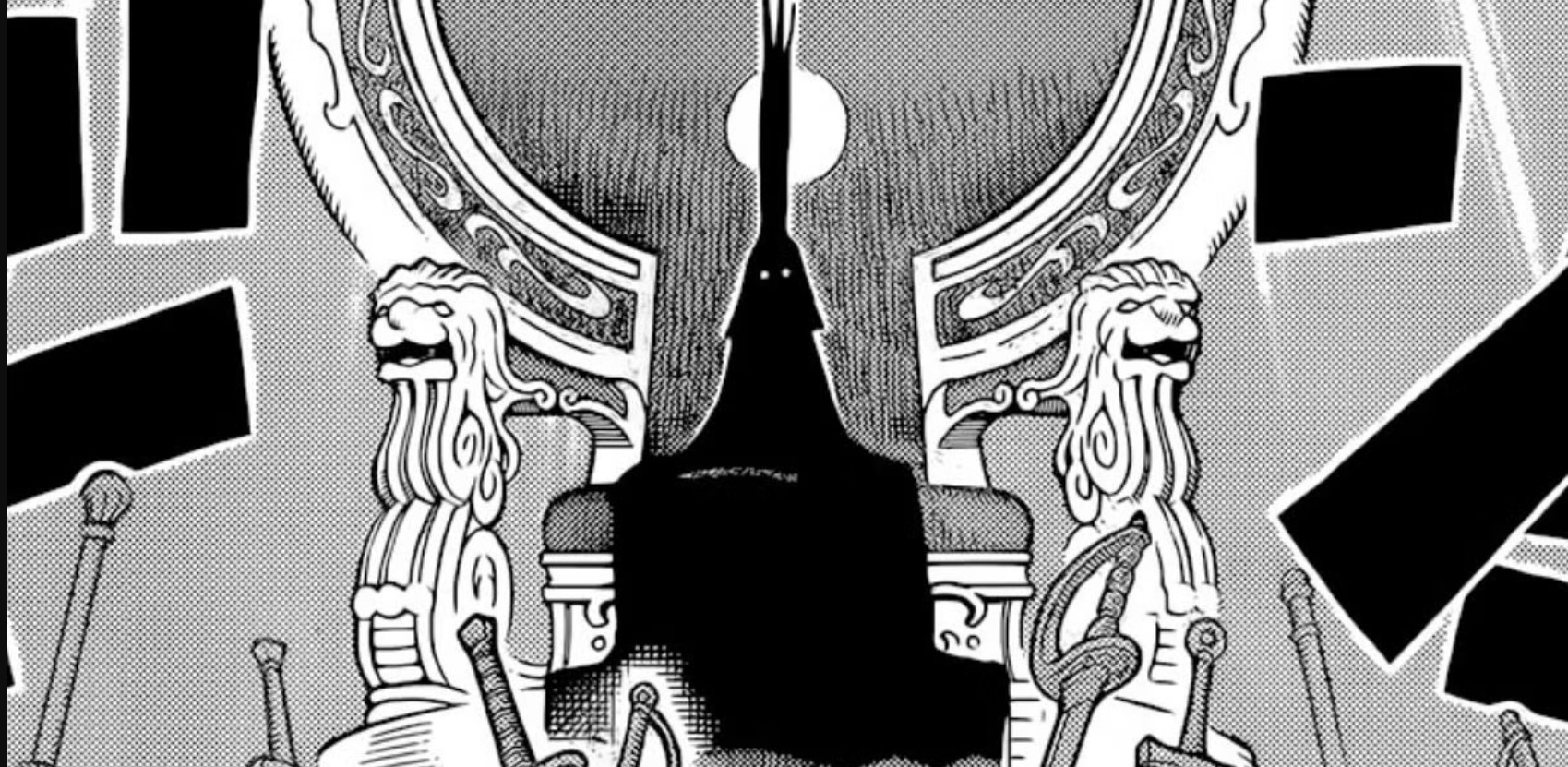
    Imu, the mysterious and enigmatic ruler of the World Government, has always been a figure cloaked in shadows. Despite their position at the pinnacle of the global power structure, little is known about their true motives, desires, and influence. However, one particularly intriguing perspective arises when we consider Imu not just as a ruler, but as a symbolic Inertial Measurement Unit (IMU) for the world of One Piece. This theory suggests that Imu plays a central role in guiding the course of history—much like an IMU tracks and controls the movement of an object in the real world. If we apply this metaphor, Imu becomes not only a powerful figure but also the key stabilizing force that shapes the direction of the story.

    In physics, an IMU is used to measure motion, acceleration, and orientation, providing stability and guidance to a moving object, ensuring it follows a predefined course. If we apply this concept to Imu, it presents them as the unseen force behind the stability of the World Government and the direction of global power. Imu may not be a conventional villain or even a tyrant in the traditional sense; rather, they represent the system itself—the force that has kept the world in balance for centuries, often resisting any change or challenge to the status quo.

    Imu’s role in the World Government mirrors that of an IMU’s function within a system. Just as an IMU keeps a plane or spacecraft steady, Imu works tirelessly to ensure that the World Government retains its dominance, controlling the flow of history. They may not be the most outwardly active figure, but their very presence maintains the equilibrium of the world. However, just as an IMU is also crucial in detecting disruptions in an object’s course, Imu becomes a figure whose actions or inactions will ultimately determine the fate of the world when the forces of change inevitably collide with the established system.

    One of the key functions of an IMU is to maintain stability, tracking the motion of an object to ensure it stays on course. Imu, in a similar manner, ensures the stability of the World Government by keeping it functioning as a cohesive, oppressive force. The Gorosei, Celestial Dragons, and Marines all operate within the system that Imu governs, maintaining control over the world’s politics, military, and social structures. Imu’s influence ensures the status quo remains intact, preserving a world order where the World Government is the supreme authority.

    Imu’s role in keeping the world stable is reflected in their control over the most important elements of the story: the Poneglyphs, the Void Century, the ancient weapons, and even the Great Pirate Era. Every action Imu takes—or more accurately, every decision not to act—is part of a larger effort to maintain the balance of power in the world. Just as an IMU resists external forces that might disrupt the motion of an object, Imu’s decisions reflect an unwavering desire to keep the world under control, suppressing any force or individual that might threaten the delicate balance they have worked to establish.

    While an IMU is primarily about stability, it is also crucial in detecting changes or disruptions in the system. When a force accelerates or shifts direction, an IMU provides the necessary correction to bring it back on course. In the world of One Piece, Imu’s position as the central power makes them the catalyst for any significant disruption in the world’s order. This becomes especially relevant as Luffy’s crew continues to challenge the World Government and its authority.

    Imu, though largely hidden, will likely play a pivotal role when the Grand Revolution begins. Their actions—whether direct or indirect—will either bring about the destruction of the current world order or solidify the power of the World Government. As Luffy and the revolutionaries work to overthrow the corrupt system, Imu may be forced to act, either as the instigator of change or as the resistant force that tries to maintain the world’s course. Imu’s ultimate decision will determine whether the system collapses or whether it holds firm, just as an IMU adjusts the trajectory of an object in flight.

    In the context of One Piece, Imu’s actions can be seen as the reluctant control that represents the power dynamics of the world. Much like an IMU’s role in stabilizing an object’s movement, Imu’s actions can be interpreted as attempts to keep the world in balance, even when they may not want to maintain that power. There is a possibility that Imu’s true desires are at odds with the role they have been forced into, and they may not fully embrace the power they wield. This would parallel the idea of an IMU system that is manipulated by external forces, where the object itself (in this case, Imu) is unable to steer its own destiny but instead reacts to the forces around them.

    This concept of reluctant control paints Imu as a tragic figure—someone who may not want to rule the world but has been conditioned to do so. They are, in essence, trapped in a system that forces them to play a role they never intended to fill. Just like how an IMU measures motion but isn’t responsible for the direction the object takes, Imu’s role as the leader of the World Government might not be by choice but by necessity. The Gorosei, the Celestial Dragons, and the World Government may have manipulated Imu into being their puppet ruler, creating an illusion of control while they pull the strings behind the scenes.

    Imu’s eventual confrontation with Luffy and the revolutionaries could represent the ultimate clash of forces—the stabilizing force of the old world order versus the disruptive force of change. Just like an IMU helps to adjust and maintain the path of an object, Imu has worked tirelessly to keep the world on course according to their own vision. However, the impending battle could symbolize the world’s trajectory changing—from an oppressive system to one of freedom and justice. Imu’s position, as the stabilizing force behind the World Government, will be a critical point in the story as the ultimate showdown unfolds.

    Imu’s character, when viewed through the lens of the Inertial Measurement Unit, becomes a symbol of reluctant control—someone who doesn’t truly want power but has been forced into a position of control. They may not be the typical villain; instead, they could represent the tragic hero who has been manipulated by external forces. While their role in the story has been one of resistance and repression, there’s a chance that Imu’s final arc will reveal their inner conflict, their desire for freedom, and their eventual choice to either join or fall to the forces of change.

    In conclusion, Imu, as the Inertial Measurement Unit of One Piece, is more than just a mysterious figure hidden behind the scenes. They symbolize the stability of the World Government, but also the manipulation of forces beyond their control. As the story progresses and the world’s course shifts, Imu’s actions—or inactions—will play a pivotal role in shaping the future of the world. Whether they are a tragic villain or a reluctant pawn in a much larger game, Imu’s arc will ultimately be defined by their ability to either resist change or embrace it.

  • Musing Mondays #8: The Evolution of Friendship Dynamics

    Musing Mondays #8: The Evolution of Friendship Dynamics

    Friendship, like everything else in life, is constantly evolving. No matter how strong the bond, over time, friendships will change. Sometimes these changes happen gradually, as people grow into different versions of themselves. Other times, shifts happen more abruptly, influenced by new life circumstances, personal growth, or a change in priorities. And while some of these changes may be painful, others open the door to new forms of connection that are even more meaningful.

    As we age and experience more of life, our friendships often reflect our growth and evolving needs. A person you once spent every waking moment with may become a distant acquaintance, not because of any falling out, but simply because life has taken you in different directions. Sometimes, the roles we play in each other’s lives change, too. A best friend might become a mentor, or an old acquaintance might emerge as someone to lean on during a difficult time.

    It’s also important to recognize that the dynamics of friendship aren’t always smooth. Conflicts can arise, people can grow apart, and sometimes misunderstandings can shift the entire tone of a relationship. But these are natural aspects of any evolving dynamic. What matters is how we adapt to these changes—how we find ways to either navigate the challenges or gracefully accept the drift.

    There is something beautiful about witnessing friendships change, even when it’s not the easiest thing. The reality is that relationships, of all kinds, are fluid. And as life moves forward, so do the connections we share with others. Whether a friendship deepens, shifts, or fades away, each one is part of our story and contributes to our own personal growth.

    In the end, what remains constant is the value of the connection itself—regardless of the form it takes. Friendships are as much about the memories we create as they are about the understanding that sometimes, change is inevitable, and that’s okay.

  • Wisdom Wednesdays #5: Embrace the Art of Impermanence

    Wisdom Wednesdays #5: Embrace the Art of Impermanence

    Change is the only constant in life. Everything you see, feel, and know is in a state of flux—moments passing, seasons shifting, relationships evolving.

    Yet, so often, we resist this truth. We cling to comfort zones, to familiar routines, to what feels safe. We fear loss, endings, and the unknown future.

    But the art of wisdom lies in embracing impermanence—not as a loss, but as the essence of life itself.

    Impermanence teaches us to cherish the present moment, to love fully without attachment to outcome, and to release what no longer serves us.

    When you accept that everything is temporary, you free yourself from fear and anxiety rooted in wanting control.

    Instead of fighting change, practice flowing with it. Notice how moments of loss create space for new growth. Watch how endings make room for new beginnings.

    Impermanence is not a threat—it’s an invitation to live more deeply, more presently, and more freely.

  • Literal

    Literal

    What’s the deal with phrases?

    Who came up with them?

    Why are they used?

    What about metaphors?

    How about similies?

    There are so many strings of words that people say each day

    And it can be fun to analyze those phrases

    And take them literally.

    It’s something that interests me.

    Our language is evolving.

    Things change societally.

    That’s why we should think about the things we say.