The Musings of Jaime David
@jaimedavid.blog@jaimedavid.blog

The writings of some random dude on the internet

1,096 posts
1 follower

Tag: city life

  • MTA x Fex: A Legendary Partnership for NYC Transit with “Subways of Your Mind”

    MTA x Fex: A Legendary Partnership for NYC Transit with “Subways of Your Mind”

    There’s a certain magic that comes with the right partnership—when two worlds collide in a way that feels almost predestined. And as much as the NYC subway system is woven into the fabric of New York’s identity, there’s one perfect pairing that hasn’t yet happened but should be brought to life immediately: a collaboration between the Metropolitan Transportation Authority (MTA) and the band Fex, using their enigmatic track “Subways of Your Mind” to advertise the NYC bus and subway system.

    This idea isn’t just a creative stretch—it’s a concept that feels almost too fitting. In 2026, with the continued resurgence of “Subways of Your Mind” and the song’s association with the subway culture, a partnership between the MTA and Fex could elevate both the song’s legacy and the city’s iconic transportation system. The advertising campaign would not only tap into the deep cultural history of the subway system but also solidify the track’s place as a defining element of urban transit.

    So, what would it look like if the MTA teamed up with Fex to create an unforgettable, legendary advertisement? Let’s explore the potential.

    The Power of “Subways of Your Mind” in NYC Transit Culture

    “Subways of Your Mind” is more than just a song; it’s a cultural artifact. It represents the mystery of urban life, the anonymity of commuters, and the connection between people moving through space. With its haunting melody and otherworldly atmosphere, it fits perfectly within the NYC subway system, where the clattering of trains and the flow of people create an environment ripe for introspection. The song evokes the stillness of a mind lost in thought, as well as the transient nature of subway passengers, making it a symbolic fit for a campaign focused on transit.

    In 2026, as the song’s mystery continues to unfold, why not bring it into the heart of the city it was made to soundtrack? With an advertising campaign featuring “Subways of Your Mind,” the MTA could elevate the song’s association with New York’s transit system, turning it into an anthem for city travel.

    The MTA x Fex Ad Concept

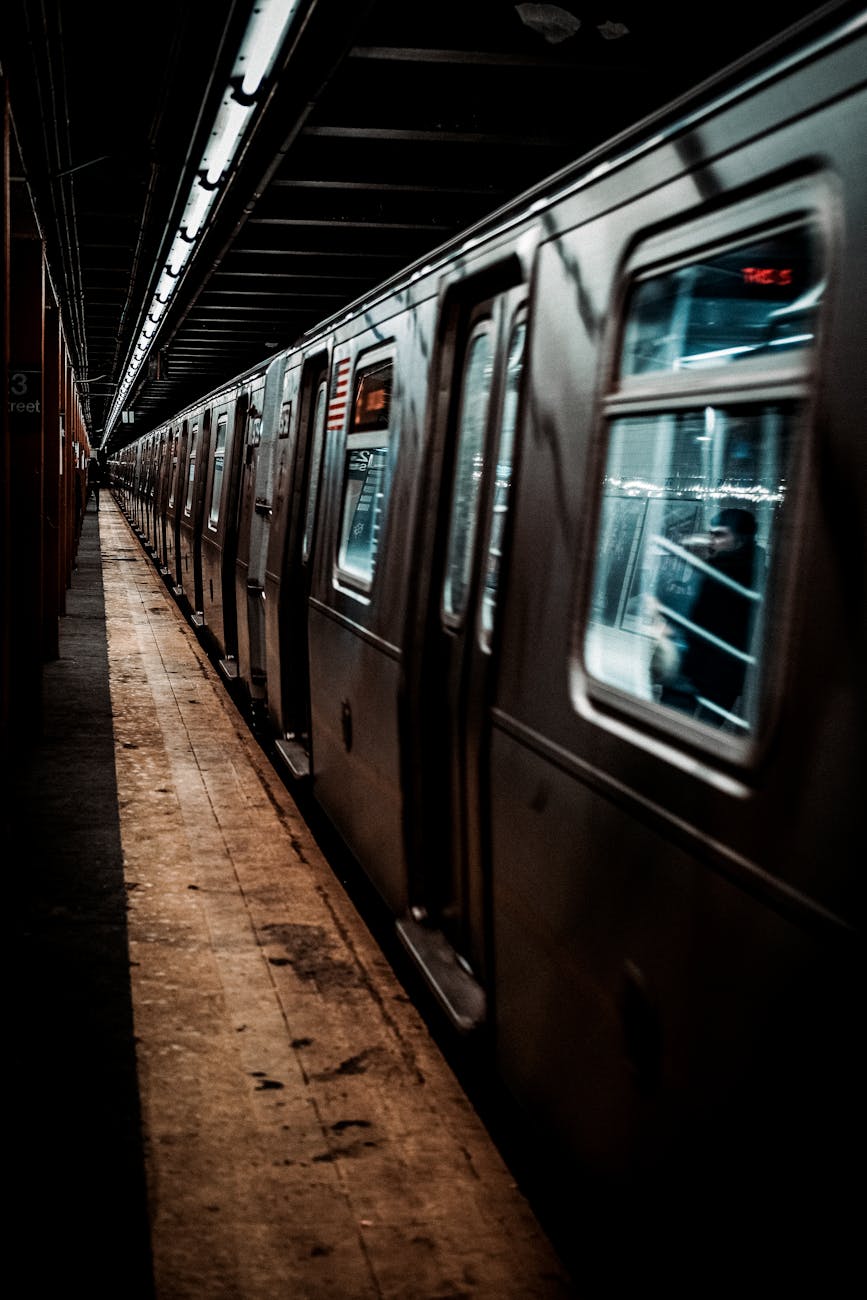
    Imagine the campaign starting with a visual of a bustling NYC subway platform, the kind of place that feels like its own world. Commuters are flowing like clockwork, and the familiar clatter of the train echoes through the underground tunnels. Suddenly, the soft, atmospheric tones of “Subways of Your Mind” begin to play in the background, drawing attention. As the music rises, a calm, cinematic shot captures the rhythm of the city—a scene that feels suspended in time, a moment of stillness amidst the chaos.

    The campaign could feature a series of scenes, each one showcasing different facets of the NYC subway system: the busy morning rush, the quiet late-night trains, the moments of calm between the clatter of wheels on tracks. Each scene would be accompanied by the music, capturing the duality of subway travel—the rush of a fast-paced city mixed with moments of solitude and introspection.

    The tagline could be simple but powerful: “Find your rhythm. Ride the subway. With Fex’s ‘Subways of Your Mind.’”

    This ad would be more than just an advertisement; it would be a tribute to the unique vibe of New York’s transit culture. The MTA’s iconic blue-and-white branding would blend seamlessly with the dreamlike atmosphere of the song, making the whole campaign feel like a love letter to the city and its subway system.

    The Campaign’s Potential Impact

    What makes this idea so legendary is its potential to create a lasting cultural moment. NYC is a city where public transit is an integral part of daily life for millions of people. It’s a place where strangers are united by their shared journey, where the subway becomes a space for personal reflection, and where music has the power to elevate the everyday experience. By incorporating “Subways of Your Mind” into an MTA campaign, the song could become a staple of NYC’s subway culture, much like the sound of the trains themselves.

    Moreover, this campaign would do more than just advertise a mode of transport—it would tie together two quintessentially New York elements: the subway system and the city’s rich history of music. Fex’s track, with its ethereal, almost cinematic quality, would bring a new layer of mystique to the subway experience. This partnership could also introduce the song to a whole new audience, people who might have never encountered the track online or through internet culture, but who now associate it with the iconic NYC subway system.

    Additionally, by tapping into the city’s unique identity and pairing it with a song that evokes both the urban chaos and quiet solitude of subway life, the MTA could strike a deep emotional chord with New Yorkers and visitors alike. The ad campaign could create a sense of nostalgia for longtime commuters and introduce a new dimension to the experience of riding the subway.

    The Legacy of This Collaboration

    If executed correctly, an MTA x Fex collaboration would stand the test of time. The partnership would not just be a one-off campaign—it would become part of New York’s cultural fabric, much like the subway itself. It could even pave the way for future campaigns that explore other iconic songs and artists that tie into the city’s urban soundscape.

    One thing is clear: if “Subways of Your Mind” becomes the soundtrack of the MTA’s new advertising campaign, it will be a moment that fans of the song, commuters, and New Yorkers in general will never forget. The seamless pairing of the music with the city’s transportation system would elevate both, creating a sense of synergy between the subway and the music it represents.

    And of course, there’s the viral potential. Imagine subway riders sharing clips of the ad on social media, capturing the atmosphere of the music paired with the raw energy of the subway. The campaign would not only be a local phenomenon—it would spread globally, showcasing the creative energy that makes NYC the cultural epicenter it is.

    Why Now?

    The time is ripe for this partnership. In 2026, “Subways of Your Mind” is experiencing a resurgence, and the track has never been more relevant. The NYC subway system remains a central part of the city’s identity, and with the world’s attention increasingly focused on New York as a cultural hub, this campaign could help bring the song—and the city’s subway system—into the spotlight.

    With the rise of internet memes, social media sharing, and viral moments, an MTA x Fex collaboration could become a moment of collective recognition for the song, embedding it even deeper into the city’s urban narrative. The iconic, mysterious track and the MTA, representing the gritty, real-life pulse of the city, could come together to create an ad campaign that is as unforgettable as the subway itself.

    Conclusion: The MTA and Fex—A Legendary Partnership

    The MTA’s partnership with Fex, featuring “Subways of Your Mind” as the soundtrack for a citywide advertising campaign, would be legendary. The song and the subway system have already proven to be a match made in heaven, and this campaign would solidify that connection. In a city as diverse and dynamic as New York, where the subway plays such a central role in daily life, a partnership like this would not only make a statement—it would become part of the cultural fabric of NYC itself.

    It’s time for the MTA to take this opportunity and create something that celebrates both the music and the transit system that has shaped the lives of millions. A campaign like this would be more than just an advertisement; it would be a moment of magic, a blending of two worlds that are, at their core, inseparable.
  • How the MTA Fucks Up Every Single Time

    How the MTA Fucks Up Every Single Time

    If you’ve ever dared to step onto a New York City subway, bus, or LIRR platform and believed for a single second that the Metropolitan Transportation Authority gives a shit about your time, your sanity, or the basic mechanics of moving people from point A to point B, congratulations, you’ve been delusional. The MTA, in all its bureaucratic glory, is an institution built not to serve commuters but to grind their patience into dust, to confuse, frustrate, and humiliate anyone foolish enough to expect reliability from a public service. Let’s start with the basics: delays, cancellations, and mysterious “service changes” that appear out of nowhere like cruel jokes. The digital signs on platforms are either lying or entirely useless, announcing that a train will arrive “in 2 minutes” while you watch the same empty tunnel stretch into infinity, and the train eventually arrives twenty minutes later, like a drunken uncle at a family reunion. And when you ask the conductor or station agent for clarification, they shrug, mumble something about “signal problems,” and disappear back into the bowels of the system, leaving you with nothing but existential despair and a rising anger that could fuel a small city.

    But delays are just the tip of the iceberg. The MTA has perfected the art of obfuscation, the bureaucratic tango that makes you feel like your very presence as a commuter is a personal affront. Service changes, often scheduled on weekends, are announced with a level of cryptic indifference that would make a hieroglyphic scholar weep. “F trains rerouted via the E line” sounds simple until you realize that the E line doesn’t exist in the neighborhoods you live in, and suddenly your fifteen-minute trip has become an odyssey worthy of Homer, complete with confusion, swearing, and missed appointments. And heaven forbid you need to ride during rush hour, because then you get to experience the MTA’s true masterpiece: overcrowding. Subways are packed like sardines, buses are standing room only, and the air quality is so bad you start to question whether the MTA is secretly running a biological experiment. And while you’re sweating and cursing under the fluorescent lights, some middle manager in an office somewhere is looking at a pie chart of “ridership efficiency” and feeling like a goddamn genius.

    The trains themselves are another arena where the MTA demonstrates its disregard for human dignity. Old, broken, and sometimes outright dangerous, the subway cars rattle along like they were assembled during the Great Depression by a committee of drunken masons. Doors stick, brakes screech, air conditioning is a cruel joke in the summer months, and heat blasts at the wrong times during winter like the MTA is mocking us for daring to live in the city at all. And the escalators, oh, the escalators—half of them always broken, leaving commuters to trudge up flights of stairs as if this is some kind of medieval punishment. Accessibility is a fantasy: elevators fail with uncanny regularity, forcing people in wheelchairs, parents with strollers, and the elderly to navigate impossible stairways or wait for someone to miraculously show up to fix the damn thing. And when maintenance finally arrives, it’s usually in the form of a tiny “Out of Order” sign that does nothing to alleviate the stress or danger of the situation.

    Let’s talk about buses, because nothing says “reliable public transportation” like waiting twenty minutes for a bus, watching three pass by in a row without stopping, and then realizing the schedule was a lie all along. Bus drivers are sometimes heroes, navigating streets clogged with double-parked cars, tourists taking selfies in the middle of the road, and taxis that believe they own the entire avenue, but even the best drivers can’t overcome the systemic dysfunction. Bus lanes are ignored by everyone, from delivery trucks to the very cars the city supposedly regulates, turning what should be a ten-minute ride into a forty-five-minute ordeal. And payment systems are not exempt from chaos: OMNY and MetroCards are confusing at best, unreliable at worst, and the MTA’s digital infrastructure seems determined to make every transaction a small act of defiance against commuters.

    Then there’s the issue of communication—or the absolute lack thereof. When trains are delayed, rerouted, or canceled, the information you get is either non-existent or misleading. Twitter feeds and websites are updated sporadically, often with errors, and apps can’t seem to handle real-time updates, leaving you glued to your phone like a junkie waiting for a fix that never comes. And if you dare to complain or ask for help? Customer service is a Kafkaesque nightmare of phone trees, robotic voices, and long waits, eventually delivering you back to the exact same problem you called about in the first place. There is no accountability. There is no apology. There is only the relentless grinding of the system, like a passive-aggressive machine designed to teach patience through suffering.

    Budget mismanagement deserves a paragraph of its own because it’s astonishing how an organization that runs entirely on taxpayer money, fares, and state subsidies can consistently fail in almost every operational category. Funds are diverted, projects overrun, and capital improvements lag decades behind what was promised, while executives draw salaries that could fund a fleet of new buses or fully renovate multiple subway lines. The infamous “MTA Rescue Plan” is often little more than a euphemism for paper-shuffling and public relations stunts, designed to give the illusion of competence without actually addressing the dysfunction. And when crises hit—storms, accidents, signal failures—the MTA’s response is as slow and clumsy as if they were powered by molasses and bad intentions.

    Every single day, New Yorkers are reminded of the MTA’s incompetence, from the commuter forced to sprint across a platform to catch a delayed train, to the tourist who steps onto a bus with a confused look and quickly learns that the concept of “schedule” is optional, to the office worker arriving late because the L train decided to take a day off for reasons unknown. It’s not just a matter of inconvenience; it’s a systemic failure, a breakdown of a public utility that millions rely on, a daily exercise in frustration, humiliation, and rage. The MTA isn’t just bad; it’s an institutionally sanctioned comedy of errors, a bureaucratic nightmare that somehow continues to operate while simultaneously making every other city transit system in the world look competent by comparison.

    And yet, despite all of this, people keep paying, keep riding, keep hoping that maybe tomorrow will be different. Maybe next week the escalators will work, maybe the trains will run on time, maybe a bus will actually stop for you. But hope is a cruel joke, a necessary evil to maintain the illusion that the MTA is at least trying. In reality, it’s an organization that thrives on chaos, that treats commuters as expendable, and that has perfected the art of public suffering to the point where frustration has become a civic sport. The MTA doesn’t just fail; it succeeds in its mission to remind New Yorkers, every single day, that patience is not a virtue—it’s a survival mechanism.

    In the end, the MTA is a mirror held up to the city itself: loud, crowded, dirty, unpredictable, frustrating, yet somehow indispensable. You complain, you rage, you curse, but you keep using it because there is no alternative. The MTA embodies every flaw, every shortcoming, and every absurdity of modern urban life, and it does so with unrepentant consistency. And while there may be occasional improvements, new trains, new technologies, and promises of reform, the truth is simple: the MTA will continue to fuck up, and we will continue to pay, wait, sweat, and curse, because that is life in New York City, and the MTA is the cruel, incompetent, yet strangely iconic engine driving it all.