The Musings of Jaime David
@jaimedavid.blog@jaimedavid.blog

The writings of some random dude on the internet

1,089 posts
1 follower

Tag: corporate greed

  • The Lorax Left When We Needed Him Most

    The Lorax Left When We Needed Him Most

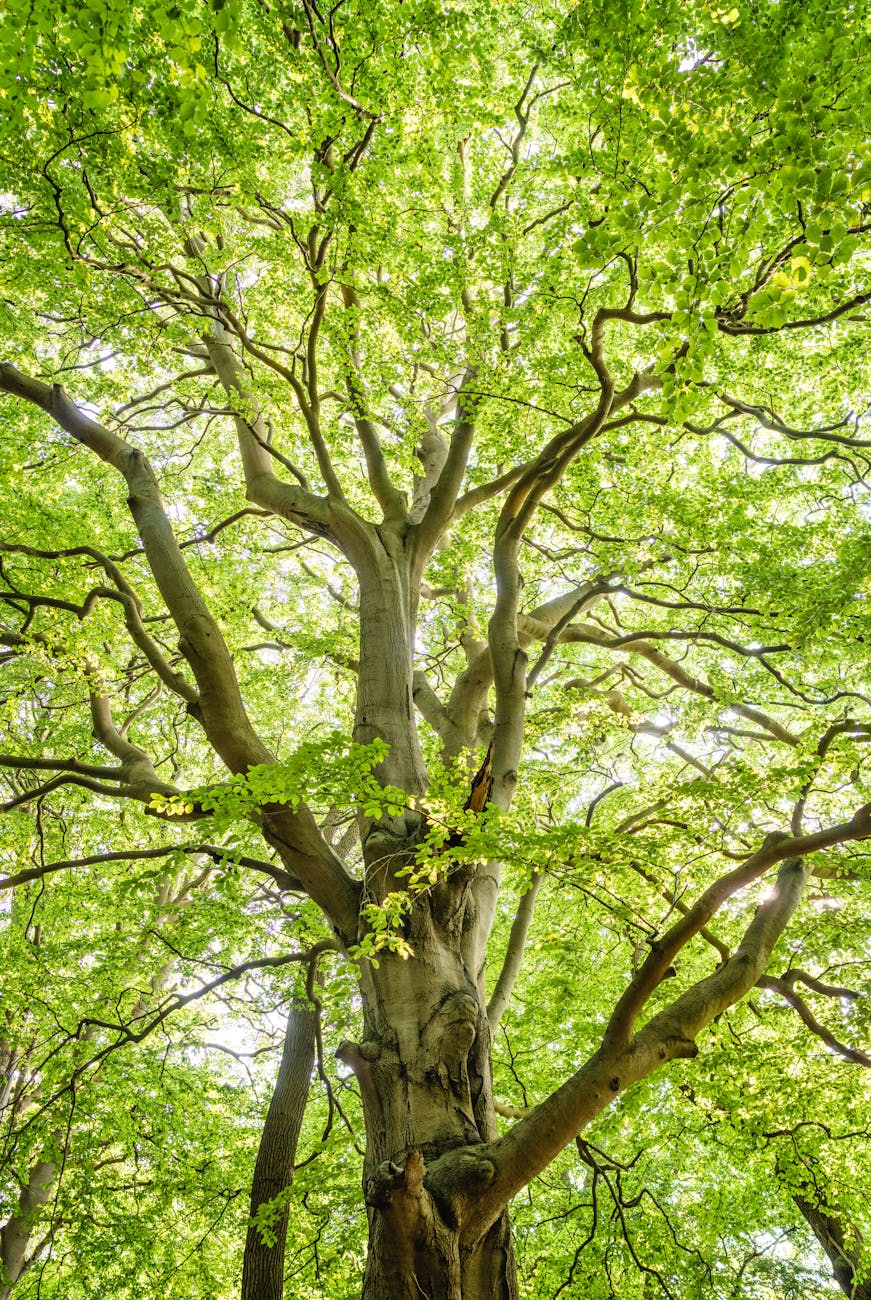
    We’ve all been told that The Lorax is a story about environmentalism, corporate greed, and the consequences of unchecked exploitation of nature. And sure, that’s all in there. But let’s not ignore the uncomfortable truth: the Lorax, the self-declared guardian of the forest, leaves when things get bad. He doesn’t protest harder. He doesn’t organize. He doesn’t chain himself to the last Truffula tree or build a grassroots resistance. He just floats up into the sky and vanishes, leaving behind a cryptic stone with the word “UNLESS” on it. That’s it. That’s the end of his fight. The guy who “speaks for the trees” gives a vague hint and then peaces out.

    And what does that really mean? If you speak for the trees, shouldn’t that come with a little more responsibility? Speaking is great—important, even—but when the trees are being chopped down one by one and the air is thick with smog, maybe it’s time for more than words. Maybe it’s time to act. But the Lorax doesn’t organize a coalition of forest creatures. He doesn’t lobby the Once-ler. He doesn’t call a press conference or draft legislation. He just lectures a bit, gets ignored, and then bails. If he truly cared, wouldn’t he have stayed until the bitter end, standing in front of the last tree like it was the sacred line in the sand?

    The Lorax’s exit feels less like noble despair and more like strategic abandonment. Sure, the Once-ler didn’t listen. But people don’t always listen the first time—or the tenth. That’s the whole point of activism. You keep going. You show up. You resist. You make noise. But the Lorax essentially says, “Welp, I tried,” and disappears. Can you imagine if real-world climate activists behaved this way? Greta Thunberg just floating into the clouds after one bad press conference? The Sierra Club just closing shop the moment a single forest was paved over? That’s not activism. That’s quitting with extra flair.

    The message we should have gotten from The Lorax is that caring means sticking around, even when things look hopeless. Especially when they look hopeless. Instead, we get this mythical tree-hugger who delivers a warning, gets ignored, and then evaporates—leaving a child (and us) with the burden of fixing everything after the fact. And that’s a lot of pressure to put on a kid. Maybe instead of just leaving behind a stone with a single cryptic word, the Lorax could’ve left an instruction manual, a protest plan, or at the very least, a phone number.

    So yes, the Lorax speaks for the trees. But maybe what we needed was someone who fought for them. Someone who got arrested at a pipeline protest, who glued themselves to the Once-ler’s machinery, who built a Truffula Tree Sanctuary and refused to leave. Someone who stayed. Because at the end of the day, speaking only goes so far. Action—messy, relentless, inconvenient action—is what actually makes a difference. And when the trees were gone, the Lorax should have been the last one standing. Not the first one to vanish.

  • Slam Sunday: Post 10 – “Bodies on the Line”

    Slam Sunday: Post 10 – “Bodies on the Line”

    In a world where workers’ voices are still drowned beneath the hum of machines and the greed of corporations, labor rights remain an urgent battleground. This week, with historic strikes sweeping industries from healthcare to delivery, “Bodies on the Line” roars with the pain and power of those who refuse to be invisible. It’s a visceral slam poem that pulses with solidarity, rage, and the unyielding demand for dignity and justice in work—and life.


    Bodies on the Line

    Hear this —
    the hum of factories, the grind of gears,
    the pounding hearts behind unpaid hours,
    the silent screams in office cubicles,
    the sweat dripping off backs bent under invisible weights—
    these are the bodies on the line.

    Clock in, clock out,
    but whose time is it anyway?
    They measure us in minutes,
    in broken promises,
    in wages that barely kiss the floor—
    while CEOs swim in pools of gold,
    unfazed by hunger’s gnaw or rent’s demand.

    We are the hands that build,
    the voices that care,
    the muscles that move the world forward—
    yet we get crumbs for our battles,
    chains for our struggle.

    But hear this —
    we rise.
    Fists clenched, feet planted,
    voices booming louder than assembly lines,
    because bodies on the line
    will no longer be silent,
    will no longer be invisible.

    This is our strike song,
    our battle cry,
    our refusal to bow to exploitation’s weight.

    Our labor is life—
    our dignity non-negotiable—
    and when we march, when we shout,
    the world will know:
    the future belongs to the fighters.

  • Slam Sunday: Post 8 – “The House Is Burning”

    Slam Sunday: Post 8 – “The House Is Burning”

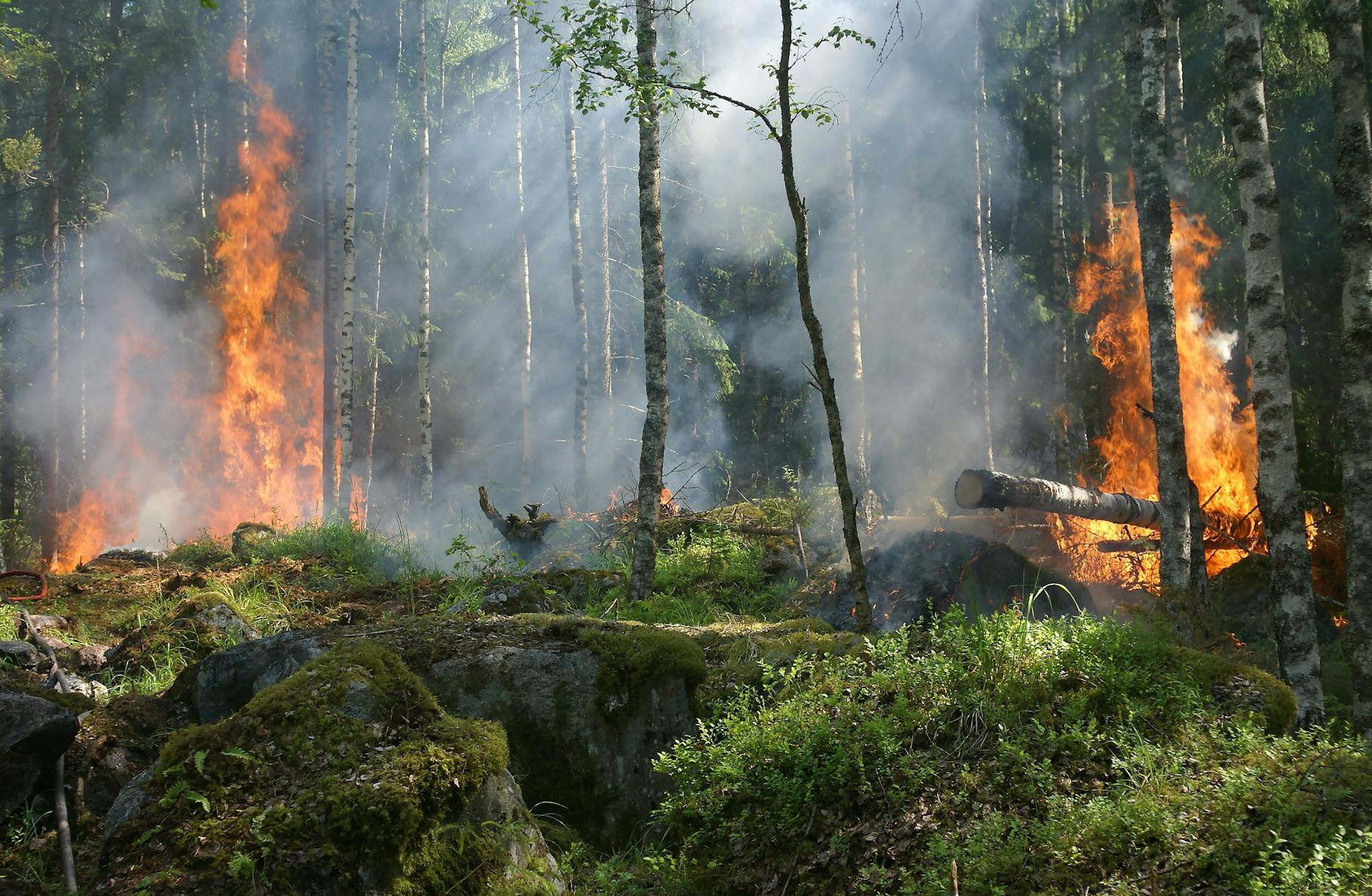
    This week, as wildfires scorch continents and the planet’s fever spikes higher, the urgency of climate justice has never been clearer. Meanwhile, heat waves, droughts, and displacement remind us: the climate crisis is a crisis of inequality, of power, of ignored warnings. “The House Is Burning” is a fierce, unapologetic slam poem that channels the panic, the blame, the grief—and the fierce demand for action. It’s a call not just to notice the flames, but to fight the arsonists still stoking them.


    The House Is Burning

    Listen up,
    the house is burning—
    and no, it’s not just smoke on the horizon,
    it’s the crackling roar beneath your feet,
    the searing breath of a world betrayed.

    They sold us a future
    wrapped in plastic promises and empty lies,
    peddling poison like it’s progress,
    while glaciers wept and forests screamed—
    the price tag: our children’s air, their water, their tomorrow.

    Heat waves like a fist pounding on the door,
    droughts carving scars across the skin of the earth,
    and floods swallowing neighborhoods whole—
    nature’s fury isn’t random, it’s a reckoning.

    And who’s to blame?
    The CEOs counting profits in a rising sea,
    the politicians kissing fossil fuel lips,
    the corporations burning coal like it’s holy scripture—
    all while the poor, the frontline,
    the marginalized choke on their smoke-filled lungs.

    But we won’t stay silent,
    won’t watch the ashes pile higher,
    won’t bow to the pyromaniacs of greed.

    This is resistance—
    not just trees and rivers, but voices rising like wildfire,
    marches, laws, divestments, rebirth.

    The house is burning,
    and we are the firefighters,
    the builders, the dreamers—
    the ones who will rise from these flames
    and build a world worthy of breath.