The Musings of Jaime David
@jaimedavid.blog@jaimedavid.blog

The writings of some random dude on the internet

1,161 posts
1 follower

Tag: enfj

  • Finding Strength in the Smiles of Others: Embracing Hope and Resilience in Difficult Times

    Finding Strength in the Smiles of Others: Embracing Hope and Resilience in Difficult Times

    Introduction

    After reflecting on Eiichiro Oda’s quote about loneliness being more painful than physical hurt, there’s another piece of wisdom from the One Piece author that offers a counterpoint—a glimmer of hope for those of us caught in the depths of grief and loneliness. Oda once said, “Don’t forget to smile in any situation. As long as you are alive, there will be better things later, and there will be many.” These words resonate deeply, but they also present a challenge—one that feels nearly impossible to follow when life feels overwhelming. For someone like me, who has struggled with loss and loneliness, keeping hope alive can feel like a constant battle.

    Since losing my uncle in 2019, I haven’t quite had my life together. There are days when the weight of grief still feels heavy, when loneliness creeps in despite the people around me, and when I feel like I’m not doing enough for myself or others. Yet, despite all of this, Oda’s words remind me that there’s one thing I can always control: how I show up for others. I may not be able to fix everything in my life, but I can be there for my family and friends, supporting them even on days when I feel like I have nothing left to give. And in doing so, I find a sense of purpose that, while not perfect, allows me to keep moving forward. This essay explores how, even in the darkest times, finding ways to bring happiness to others can be a source of strength, and how hope, while fragile, can be nurtured through acts of kindness.


    The Struggle to Keep Hope Alive

    Hope, especially after loss, can feel like a distant and elusive thing. When my uncle passed away, it was as if a light had gone out in my life. I didn’t know how to keep moving forward, how to find the strength to keep going. The sadness and loneliness of that loss felt all-consuming, and for a long time, I couldn’t see how things could get better.

    When Oda says, “As long as you are alive, there will be better things later,” it feels like a promise, but also a challenge. Because on the hard days, it’s so difficult to believe that anything better is coming. Sometimes it’s hard to even imagine a day without the weight of grief. But the one thing I’ve learned is that hope doesn’t always come in grand, sweeping moments. Sometimes, it’s the quiet, simple things—like the smile of a friend or the laugh of a family member—that remind us that there’s something worth living for.

    As an ENFJ, I’ve always found fulfillment in helping others, in showing up for the people I care about. But there are times when even my natural empathy can’t shield me from the pain of my own heartache. And yet, even in those moments, I know that if I can keep a small part of my heart open, I can still bring joy to others. That, in itself, becomes a source of hope.


    The Power of Selflessness: Showing Up for Others Even When It’s Hard

    For someone who cares deeply about their friends and family, there is an undeniable desire to see them happy, even when we are struggling ourselves. It’s not always easy to put others first, especially when you’re hurting. But for me, the act of showing up for my loved ones is a way to stay connected to the world. It’s a way of reminding myself that even though my grief feels isolating, I am not alone in my role as a caregiver and a source of support for others.

    This selflessness, I believe, is what Oda is talking about when he encourages us to smile and stay hopeful. It’s not about denying the pain, or pretending everything is okay. It’s about finding moments of light in the darkness and, when possible, sharing that light with others. Even when I feel like absolute shit, I still know that if I can bring even a little bit of happiness to my friends and family, it’s worth it. Their joy becomes my joy. And in giving, I am reminded that there is still good in the world, even when it’s hard to see.


    The Quiet Joy of Bringing Happiness to Others

    There’s something incredibly humbling about being able to make someone else smile, especially when you’re struggling to find your own reasons to smile. I can’t control the circumstances of my life, and I can’t erase the pain of my losses. But I can control how I show up for the people I love. And sometimes, that’s enough.

    What I’ve found is that when I focus on others—on their happiness, their well-being—I start to feel a sense of purpose again. It’s not about fixing everything or pretending I have it all together. It’s about being present, being the kind of friend and family member who shows up, even when I don’t have all the answers. Sometimes, the best way to keep hope alive is by nurturing the hope of others. And in doing so, I find hope for myself.


    The Gift of Connection: How Relationships Keep Us Grounded

    One of the most beautiful things I’ve come to realize is how deeply interconnected we all are. As someone who is wired to care about others, my relationships are both a source of strength and vulnerability. But in the aftermath of loss and grief, I’ve learned that even when I feel like I have nothing to give, the mere act of being there for someone else can be transformative—not just for them, but for me, too.

    Oda’s message about smiling in any situation is a reminder that even when life is difficult, there’s value in the small moments. It’s a reminder that even in the midst of struggle, there is still goodness to be found. And for me, that goodness often comes in the form of my connections with others. Being there for my family and friends isn’t just about helping them; it’s about reminding myself that I am still a part of something bigger than my grief. I am still someone who can make a difference in the lives of others, even if I don’t always feel like I’m making a difference in my own life.


    Conclusion

    As I reflect on Oda’s words about smiling through hardship and finding hope in even the darkest times, I am reminded of the importance of resilience, selflessness, and connection. It’s hard to keep hope alive when life feels heavy, when the weight of grief and loneliness threatens to pull you under. But Oda’s message—that as long as we are alive, there will be better things later—encourages us to find small reasons to smile, even when it feels like the world is falling apart.

    For me, that reason is often the people I care about. Even if I am struggling, I know that showing up for my friends and family, helping them find joy in their lives, gives me a sense of purpose. I may not have everything together, but I do know this: I can bring happiness to others, and in doing so, I find a piece of happiness for myself. And that, I believe, is the key to surviving the hardest times—to smile for others, and in doing so, discover a light that shines within ourselves.
  • The Pain of Loneliness: A Deep Dive into Eiichiro Oda’s Quote and the Struggles of an ENFJ

    The Pain of Loneliness: A Deep Dive into Eiichiro Oda’s Quote and the Struggles of an ENFJ

    Introduction

    Eiichiro Oda, the genius behind One Piece, has created a world full of colorful characters, fantastical adventures, and emotional depth. However, one of the most poignant insights from Oda comes from a seemingly simple statement: “Loneliness is more painful than being hurt.” For those of us who connect deeply with others, this sentiment resonates on a profound level. As an ENFJ, someone who places an immense value on relationships and caring for others, I find Oda’s words not just relatable, but also a painful truth that speaks directly to the core of who I am.

    Loss, grief, and loneliness are often portrayed as the darkest shadows of human existence. They touch all of us, whether through the death of a loved one or the quieter, more insidious feeling of being alone despite being surrounded by people. The pain of loneliness is not just emotional; it is a deep, existential ache that burrows into the heart and mind. And for someone like me, who thrives on connection, that loneliness can be unbearable. This essay explores how Oda’s quote reflects my own experiences with loneliness, especially after the loss of my uncle, and how it shapes my understanding of relationships, empathy, and what it means to care for others.


    The Role of Empathy in the ENFJ Personality

    To understand why this quote resonates so deeply with me, it’s important to examine the ENFJ personality. ENFJs are often described as “The Protagonists” or “The Givers” of the Myers-Briggs personality types. We are natural-born nurturers, deeply caring for the well-being of others. Our actions are driven by a desire to support and connect with those around us, whether it’s friends, family, or even strangers. It’s not just that we want to help; it’s that we feel compelled to do so.

    Being an ENFJ means that we often put others’ needs before our own. Our empathy and emotional intelligence can be overwhelming at times, as we absorb the emotions of those we care about. While this allows us to form deep and meaningful connections, it also leaves us vulnerable to the pain of loss and isolation. This is where Oda’s quote hits hard. For an ENFJ, the idea of being alone, disconnected from those we care about, is perhaps one of the most terrifying things we can face.


    The Crushing Weight of Loss

    When I lost my uncle in 2019, it was like the floor dropped out from beneath me. My uncle was not just family; he was a father figure to me. His death was sudden, and I had no preparation for it. Before his passing, I had experienced loss in my life, but it had always felt distant. Losing a pet or a distant relative didn’t leave the same scar. But the death of my uncle was different. It wasn’t just that I had lost someone I loved; it was that a part of my sense of self was ripped away.

    There’s a misconception that people “move on” from grief, but in my experience, grief doesn’t work that way. It lingers. Six years later, I still feel the void that his passing created. There are days when I can feel the loneliness as if it’s a physical presence in the room with me. And while I know that time has softened the sharp edges of that pain, it hasn’t erased it. What Oda’s quote brings to the forefront for me is that the loneliness that comes with loss is more painful than the injury itself. It’s not just the absence of a person; it’s the existential realization that life continues without them.


    The Terrifying Reality of Loneliness

    Loneliness is a paradox. On one hand, I have friends and family who care about me. But on the other hand, there are moments—especially when I am alone with my thoughts—when I feel as though I am entirely isolated. As an ENFJ, my sense of identity is often tied to how I connect with others. And when those connections are disrupted or lost, it leaves me feeling unmoored. I try my best to remain strong, to maintain the facade of someone who has it all together. But in the quietest moments, when I’m alone, the truth is undeniable: I am lonely.

    I’ve come to realize that this feeling is not just about the absence of people around me. It’s about the lack of deep, meaningful connections—the kind that make you feel truly seen and understood. For an ENFJ, loneliness isn’t just about being alone; it’s about not having the emotional intimacy that sustains us. It’s when I can’t share my thoughts, my fears, or my joy with those who matter most that the ache of loneliness becomes unbearable. And that is when Oda’s words ring true for me: loneliness is more painful than being hurt.


    The Fear of Losing Those You Love

    One of the most difficult aspects of caring for others, as an ENFJ, is the ever-present fear of losing them. The fear isn’t just about the pain of their absence; it’s about how that loss will alter me. I often worry about what would happen if something were to happen to my friends or family. The idea that I would have to navigate the world without them is a source of deep anxiety for me. I know that death is an inevitable part of life, and yet, the thought of facing it alone, without the people who make life feel meaningful, is a terrifying prospect.

    In a way, this fear of loss is a manifestation of my empathy. Because I care so deeply about others, I am acutely aware of how fragile our connections are. This sensitivity makes the thought of loneliness even more unbearable. It’s not just the fear of being without someone; it’s the fear of not having anyone to share my life with in the way that I so desperately want to. This fear, at its core, is a reflection of my need for connection.


    The Struggle to Stay Strong

    In the face of this loneliness, I often find myself caught in a struggle. On one hand, I want to be strong, to remain composed, and to keep moving forward despite the pain. On the other hand, there are days when the weight of it all is too much to bear. It’s on these days that I am reminded of just how much I rely on the connections in my life to sustain me.

    Sometimes, I can almost feel the crushing weight of loneliness when I am alone with my thoughts. It is in these moments that the truth of Oda’s words becomes undeniable. Loneliness can sometimes feel more painful than any physical injury. It’s not just a passing feeling; it’s a deep, aching emptiness that clings to you long after the moment has passed. And while I try to stay strong for the sake of my family and friends, there are days when I just have to acknowledge that I am feeling alone—and that’s okay too.


    Conclusion

    Eiichiro Oda’s quote, “Loneliness is more painful than being hurt,” resonates deeply with me, especially as an ENFJ who feels things so intensely. The pain of loss, the fear of loneliness, and the struggle to maintain meaningful connections are all part of the human experience, and they are especially difficult for those of us who are wired to care for others. The fear of being alone, of not having anyone to share our lives with, is a terror that we can’t easily escape.

    But despite the darkness that loneliness can bring, it’s important to remember that the connections we have with others are what make life meaningful. Even in the midst of grief and loss, the love we share with others remains a guiding light. For me, it’s a reminder that even though loneliness is painful, it is also a testament to how deeply I care. And perhaps, in the end, that is what makes the pain worth enduring.

  • I Don’t Have My Shit Together

    I Don’t Have My Shit Together

    I don’t have my shit together. I used to think I did. I used to think I had it figured out — maybe not perfectly, but enough to function, enough to give off the impression that I was balanced and grounded. I even still like to think that maybe, to some small extent, I might have it somewhat together. But if I’m being completely honest with myself, I’d be kidding myself to say I have it completely together. I don’t. Not even close.

    I think a part of me has always wanted to believe that having your life together meant balance — the ability to juggle everything without dropping too much. Work, relationships, mental health, personal goals, family, the endless day-to-day maintenance of just existing. And for a while, maybe I did keep that illusion alive. I worked hard, I cared deeply, I showed up for others. I looked like I was managing. But beneath the surface, things were slipping.

    The truth is, I haven’t really had my shit together since 2019 — since my uncle died. That was when everything changed for me. Before that, I think I was holding things together through routine and optimism. But when he died, something cracked open inside me. Something fragile that I didn’t know how to repair. I remember that feeling — like the ground had been pulled out from under me. It wasn’t just grief. It was like losing an anchor that had quietly kept me stable.

    Since then, I’ve been trying to patch the holes in my life, one by one, but it feels like they keep reopening. Every time I think I’m doing okay, that I’ve found some sense of balance, something else happens — another loss, another setback, another wave of exhaustion. It’s not dramatic, it’s just this constant low hum of instability. Like I’m always one step behind the version of myself that has it together.

    And the hardest part is, I want to be that person who has it together. I want to be dependable. I want to be the person people can come to when things fall apart. And honestly, I am that person, a lot of the time. I’m there for my friends, my family, my coworkers, my neighbors. I’m the person people text when they need advice, when they need to vent, when they just need someone to listen. And I don’t resent that — I actually love being that person.

    It’s part of who I am. As an ENFJ and as a highly empathetic person, I get genuine joy from helping others. Seeing the people I care about happy gives me energy, gives me purpose. It makes me feel like I’m doing something right in a world that often feels wrong. But the problem is, when I pour that much of myself into others, I forget to leave enough for me.

    It’s so easy for me to be there for everyone else — to check in, to show up, to make sure people are okay — and so incredibly hard to do the same for myself. I neglect my own needs, push my own emotions down, tell myself I’ll deal with it later. But later never comes. Because there’s always someone else who needs me more.

    And it’s not like I don’t know better. I know the whole “put your own oxygen mask on first” analogy. I know that you can’t pour from an empty cup. I’ve heard all the self-care mantras, read all the motivational quotes, even written some of them myself. But knowing and doing are two completely different things. Because when you’re wired to care, to give, to love, it’s not as easy as saying, “I’m going to take time for me.” It feels selfish, even when you know it’s not.

    Sometimes I wonder if the reason I try so hard to hold things together for others is because I’m afraid of what will happen if I stop. Like if I stop being the reliable one, if I stop being the one who shows up, maybe everything will fall apart — not just for others, but for me. Maybe being that person for others is my last defense against total collapse.

    The last few years haven’t made that any easier. Everything has felt heavier — emotionally, mentally, spiritually. The world feels unstable, and so do I. It’s not one big catastrophe, it’s a collection of small, relentless pressures. The kind of slow-burn exhaustion that seeps into your bones and stays there. It’s the kind of heaviness that doesn’t go away with a nap or a weekend off. It just lingers.

    And because I’m so focused on making sure everyone around me is okay, I rarely take a real moment to check in with myself. I tell myself I’m fine. I tell myself it’s not that bad. I tell myself I’ll rest after this next thing, after I help this person, after I finish this project. But there’s always another “next thing.” There’s always another person who needs something. And by the time I look up, I’m completely drained.

    There have been nights where I just sit in silence, not even listening to music, not watching anything, just sitting there, trying to process the noise in my own head. It’s weird, because sometimes silence feels safer than anything else. When I’m in those crash-out moments — when the weight of everything catches up to me — even things I love start to feel overwhelming. Music, conversation, creativity — all of it becomes too much.

    And I hate that feeling. Because those are the things that usually bring me joy, the things that make me feel like myself. But in those moments, they just remind me of how tired I am. How much I’ve given. How much I’ve lost.

    It’s hard to admit that I don’t have my shit together, because part of me still wants to believe I do. I want to believe that I’m strong, resilient, and composed. That I can handle whatever comes my way. And I think, on some level, that’s still true. I am strong. I am resilient. But strength doesn’t mean stability. Resilience doesn’t mean peace. You can be both strong and struggling. Both compassionate and crumbling. Both giving and completely empty.

    The more I think about it, the more I realize that maybe nobody really has their shit together. Not completely. Maybe we’re all just figuring it out, day by day, pretending we have a handle on things while quietly trying to hold the pieces in place. Maybe the illusion of “having it together” is just that — an illusion we tell ourselves to keep moving forward.

    Because the alternative — admitting that we don’t — feels terrifying.

    But lately, I’ve been trying to be more honest with myself. To stop pretending everything’s fine when it’s not. To stop masking exhaustion with productivity, or sadness with humor, or emptiness with overcommitment. I’ve been trying to let myself feel what I feel, without judgment.

    I’ve also been trying to show myself the same compassion I give to others. It sounds simple, but it’s one of the hardest things I’ve ever done. It’s uncomfortable. It feels unnatural. But I’m realizing that I can’t keep running on empathy I don’t extend to myself. If I want to keep showing up for the people I love — my friends, my family, my pets, my neighbors, my coworkers — then I have to start showing up for me too.

    That means resting. It means saying no sometimes. It means not answering every text right away. It means allowing myself to have bad days without guilt. It means accepting that I’m human — not some endless well of emotional energy that can keep giving without ever refilling.

    Because the truth is, I can’t be there for others the way I want to be if I’m running on empty. My empathy doesn’t work right when I’m burnt out. My compassion becomes thin when I’ve neglected myself. And I don’t want that. I want to give from a place of wholeness, not depletion.

    It’s still a work in progress. I still fall into old habits — overextending, overthinking, over-caring. I still catch myself trying to fix everything for everyone else while ignoring my own mess. But I’m learning to notice it sooner. I’m learning to pause. To breathe. To ask myself, “What do I need right now?”

    And sometimes the answer is simple — a quiet moment, a walk, a nap, a meal, a little time to do nothing. Sometimes it’s something deeper, like forgiveness or space or emotional honesty. Whatever it is, I’m trying to listen to it.

    I don’t have my shit together. But maybe that’s okay. Maybe I’m not supposed to. Maybe life isn’t about having it all figured out — maybe it’s about learning how to live with the mess. Learning how to care deeply without losing yourself. Learning how to rebuild, again and again, no matter how many times things fall apart.

    Maybe having your shit together isn’t about perfection or control. Maybe it’s about self-awareness. Maybe it’s about honesty. Maybe it’s about getting up, even when you don’t feel ready, and trying again.

    I don’t have my shit together. But I’m still here. I’m still trying. I’m still showing up for the people I love — and slowly, learning how to show up for myself too.

    And maybe, just maybe, that’s enough for now.

    Fediverse Reactions
  • The Fear of Getting Close: An ENFJ Reflection on Love and Vulnerability

    The Fear of Getting Close: An ENFJ Reflection on Love and Vulnerability

    This might sound strange to some people, but it’s something I’ve been thinking about for a while — something I’ve never really written about before, or even talked about much with anyone. It’s about love. About romance. About what it means to get close to someone — truly close.

    I do want romance. I do want to find someone special. To meet someone I connect with deeply, to build something real and supportive and lasting. That’s something I’ve always wanted, something that’s felt important to me. But alongside that want — there’s also this quiet worry. Not fear exactly, but a kind of deep uncertainty.

    I think about what happens when you really get close to someone — when you let them see you fully, all your sides, even the ones you keep hidden from most people. And that thought, as beautiful as it is, also feels a little heavy. Because closeness means vulnerability. It means someone knowing your patterns, your fears, your past, your emotions, your quiet moments.

    It’s not that I don’t want that. I do. But I guess I just wonder — what happens then? What happens when someone really sees you? When someone really knows you? Would they understand? Would they accept it all — the good, the bad, the confusing, the complicated?

    And then there’s the other side — what if I understand too much? What if I start reading too deeply into things, feeling their emotions, sensing their moods, carrying their weight like it’s mine? That’s something that comes naturally to me as an ENFJ — this ability to feel people. But it can be intense, especially when love is involved. Because when I care, I really care. I invest my energy, my time, my heart.

    And so, the thought of getting close feels both exciting and a little intimidating. Because I know what it means — I know how deep it goes. For me, love isn’t something casual. It’s not something half-hearted. It’s something that requires honesty, trust, and mutual care.

    I think that’s why I sometimes hesitate. Not because I don’t believe in love — I absolutely do. But because I take it seriously. I think about the emotional depth, the responsibility, the shared understanding that comes with it.

    It’s not about perfection. I don’t expect anyone to be perfect. I just hope for understanding. For someone who listens. Someone who sees me for who I am — caring, emotional, sometimes overthinking, sometimes quiet — and doesn’t judge me for it. Someone who knows that empathy can be both a gift and a weight, and still chooses to stay.

    I’ve never really written about this before, because I didn’t see the point. I guess part of me thought, well, it’ll happen when it happens. But lately, I’ve been reflecting more on what it means to be ready — emotionally, mentally, even spiritually — for something that deep.

    Maybe being ready doesn’t mean having everything figured out. Maybe it just means being open to it. Being open to someone new, to something real, to the idea that love, as complex as it is, is worth it.

    And maybe, for someone like me, that’s the real step forward — learning that it’s okay to want closeness and still be cautious. That it’s okay to want love and still take your time. Because even when love feels uncertain, it’s still something beautiful to believe in.

  • When You Care Too Much to Share: The ENFJ Struggle of Protecting Others from Worry

    When You Care Too Much to Share: The ENFJ Struggle of Protecting Others from Worry

    There’s something I don’t think I’ve ever really talked about before — not to my friends, not to my family, not really to anyone. It’s something I’ve always kind of kept inside, something that’s just part of how I am.

    I’ve always been able to sense emotions. It comes naturally to me — like I can feel when someone’s off, even if they don’t say it. It’s that ENFJ intuition, that emotional radar that picks up subtle shifts in tone, expression, energy. I can tell when someone’s sad, angry, anxious, even when they try to hide it. It’s not something I do consciously — it’s just something I feel.

    But that same sensitivity, that same emotional awareness, also comes with a kind of burden. Because when you can sense how others feel so easily, you start to carry it with you. You start wanting to protect people from more pain. You start thinking, They already have so much to deal with — I don’t want to add to it.

    And that’s where one of my quietest habits comes in — one I don’t usually admit: sometimes, I don’t tell people when bad or sad things are happening. Even people I’m close to. My friends, my family. It’s not that I don’t trust them, or that I don’t care. It’s the opposite — I care too much.

    When something difficult happens, my first instinct isn’t to reach out. It’s to think, I don’t want to make them worry.
    They have their own lives, their own stresses, their own struggles. Why should I pile mine on top of theirs?

    I know they’d listen. I know they’d be there for me. That’s what friends and family do. But still — there’s that little voice inside that says, don’t burden them. So instead, I try to carry it quietly. I process it on my own. I tell myself, I’ll talk about it later, or it’s not that big a deal, or they don’t need to know this right now.

    And the thing is, I don’t always realize how heavy that gets until much later. Until maybe I’m sitting alone, overthinking, or when someone asks, “Hey, are you okay?” and I almost say, yeah, I’m fine, even though I’m not.

    It’s this strange paradox — being someone who feels deeply connected to others, who can read emotions, who values openness and empathy, but also someone who holds back when it comes to their own pain. Because I’m not afraid of being vulnerable — I just don’t want to cause others to feel what I’m feeling.

    That’s the double edge of empathy. You want to shield people, even from your own sadness. You don’t want them to feel the weight you’re carrying. But sometimes, in doing that, you end up isolating yourself without meaning to.

    I think a lot of ENFJs, or just empathetic people in general, can relate to that — that quiet balancing act between caring for others and remembering to let others care for you, too. It’s not easy. Because when you’re used to being the one who listens, comforts, and understands, it’s hard to switch roles and say, hey, I need that too.

    Lately, I’ve been trying to unlearn that a bit. To remind myself that people don’t just want to share joy with you — they want to share the hard stuff too. That opening up isn’t a burden; it’s an invitation for deeper connection.

    Still, it’s something that takes time. I think for people like me, it’s not about learning to feel less, but about realizing that caring deeply also means trusting others enough to let them care back.

  • The Web of Everything: Why Life and Politics Are Interconnected

    The Web of Everything: Why Life and Politics Are Interconnected

    People like to talk about politics as if it’s just a spectrum. Left to right. Blue to red. Or maybe, for the more nuanced, as a political compass — with economic and social axes crisscrossing each other in neat little quadrants. But to me, the more I think about it, the more time that passes, the more I live, the more I observe — I don’t see it as a spectrum. I don’t even see it as a graph. I see it as a web.

    A vast, intricate, ever-evolving web — full of intersections, tensions, overlaps, and contradictions. Every strand connects to another in ways most people don’t even realize. You tug on one part of the web, and it vibrates in another area that might seem unrelated. But it’s all connected. Every action, every movement, every event in politics — and in life — sets off reactions somewhere else.

    People sometimes tell me, “That sounds complicated.”
    And I tell them, “It is. Because life is complicated.”

    It’s funny — I think about how people want to simplify things to make sense of them. They want to draw lines, categorize ideas, box everything up into something clean and easy to understand. But life doesn’t work like that. Politics doesn’t work like that. Society doesn’t work like that. Everything overlaps. Everything influences everything else.

    This way of seeing things, for me, really started to take shape back in 2016, when I first learned about intersectionality. It changed how I saw the world. It showed me that experiences, struggles, and identities don’t exist in isolation — they intersect, constantly. But over the years, I took that idea further. I started realizing it’s not just identities or systems of oppression that are interconnected — it’s everything. Every person, every structure, every event, every story. It’s all part of a larger web that holds the world together.

    And I think being an ENFJ has helped me see that more clearly. Because ENFJs, by nature, see connections. We feel patterns. We sense emotional undercurrents. We can read people and systems and see how things ripple outward. For me, that’s not just about people — it’s about the world itself. I can see those invisible strings that tie everything together.

    I think that’s why I’m able to predict things sometimes — politically, socially, even personally. When you see the world as a web, you can sense where the next vibration will travel. You can see what’s coming next, not by magic or chance, but by seeing how everything interacts. Like with the government shutdown I’ve written about, or the Hasan drama, or the Zohran connection — all of it, at first glance, might seem separate. But they’re not. They’re part of the same ecosystem of behavior, emotion, power, and consequence.

    Some people might think that’s “too much.” That it’s overanalyzing. But to me, it’s just awareness. I can’t not see it. It’s like once you notice the web, you can’t unsee it — you see every movement, every intersection, every consequence.

    To me, this “web view” isn’t just about understanding politics. It’s about understanding life. The relationships between people, the cause-and-effect of choices, the energy that flows between moments. Everything is a ripple that connects to something else.

    And maybe that’s why I think empathy — real, deep empathy — matters more than anything. Because when you truly understand how everything is connected, you start to see that hurting one person, one group, one cause, ultimately hurts the web as a whole. And helping, healing, or understanding someone does the opposite — it strengthens the whole structure.

    So yeah. To me, the world isn’t a spectrum. It’s not an axis. It’s a web — alive, interwoven, infinitely complex. And I feel like I can see its threads more and more each day.

  • Seeing the Patterns: How My ENFJ Intuition Helps Me Predict and Perceive

    Seeing the Patterns: How My ENFJ Intuition Helps Me Predict and Perceive

    I’ve always had this strange sense of foresight — not in a mystical or psychic way, but in an intuitive, human way. It’s like I can see the connections between things before they fully form. I can sense how people might act, how situations might play out, how emotions might shift. It’s not that I’m sitting there “predicting the future,” but more that I can feel the direction something’s headed before most others see it.

    And lately, I’ve realized how much of that has to do with being an ENFJ. That personality type — with its mix of empathy, perception, and pattern recognition — seems almost wired for it. ENFJs have this ability to read people, to pick up emotional energy, and to piece together behaviors and intentions like clues in a story. We sense trajectories — emotional, social, and even political ones.

    I’ve noticed it time and time again in myself. I’ll write something or say something that feels like an observation, just me connecting dots — and then, weeks or months later, it actually happens. Like when I wrote about the 2025 government shutdown and the possible extreme outcomes that could come with it. I saw how the energy around it — the way people in power were speaking, the way the media was spinning it, the lack of urgency in leadership — all pointed to something chaotic, drawn-out, and emotionally charged. And sure enough, it unfolded that way.

    Or when I talked about the Hasan dog drama — the whole situation that blew up online and spiraled into bigger conversations about ethics, responsibility, and online image. I felt it coming before it was even big news. You could feel the tension brewing in the tone of his streams, the way people were reacting, the subtle defensiveness in his voice. Something about it just didn’t sit right — the vibe was off. And when you pay attention to vibes as closely as ENFJs do, you notice when the energy of a person or situation shifts from steady to unstable.

    Then there’s the Zohran connection. When I noticed the links between Hasan and Zohran, I knew something was brewing. Even before it went public, I had a sense that the overlap would create ripples — that once the dots were connected on a bigger platform, it would trigger a reaction. I could feel the narrative forming in real time — that instinctive awareness that this wasn’t just a coincidence, but part of a larger unfolding story. And when the connection finally came to light, it wasn’t surprising at all. It was almost expected.

    That’s the thing about intuition — it’s not about guessing. It’s about noticing. It’s about tuning in to emotional energy, patterns in behavior, tone shifts, timing, and context. When you pay attention long enough, you start to see the invisible threads that tie everything together. You start to sense where things are heading — not because you’re magical, but because you’re deeply observant.

    ENFJs have what’s called “extraverted feeling” (Fe) and “introverted intuition” (Ni) — two traits that, when combined, make for a powerful kind of perception. Fe helps us read emotions and social dynamics in the present, while Ni helps us see where those dynamics are going. We feel the emotional undercurrent, then project it forward to imagine what comes next.

    That’s exactly how it feels for me. I can have one conversation with someone and already get a sense of where their mindset is headed — whether they’ll stay grounded, spiral, change direction, or evolve. I can tell when a public figure’s energy is shifting toward burnout or scandal. I can tell when a political situation feels like it’s teetering toward collapse or breakthrough. It’s like seeing a series of dominoes and knowing which way they’ll fall, not because I’ve seen the future, but because I understand the motion.

    It’s not always something I can explain rationally. Sometimes it’s just a feeling — a gut-level awareness. A sense that “something’s about to happen.” And when I reflect back, I realize it was always there — the clues, the energy, the foreshadowing. I just noticed it before it became obvious.

    I think that’s one reason I tend to connect dots others might miss. Because I’m not just analyzing facts — I’m feeling them. I’m picking up the emotional subtext behind events, the human motivations beneath the surface. Politics, media, culture — they’re all human stories. And humans are emotional creatures. Once you understand the emotional rhythm, you can often predict the next beat.

    But this ability also comes with responsibility. Because when you can see patterns so clearly, it can be frustrating when others don’t. You try to explain what you sense, and people might dismiss it until it’s too late. You can feel like the only one seeing the storm clouds while everyone else insists the sky is clear. And yet, you keep noticing, keep feeling, keep sensing. It’s just who you are.

    There’s also the emotional side of it. When you can predict how people might react — or how events might emotionally unfold — it can make you hyper-aware of pain before it even arrives. You can sense a friend’s heartbreak before they admit it. You can feel the tension in a group before it erupts. You can anticipate the backlash before the outrage starts. It’s powerful, but it’s also heavy.

    That’s where balance comes in. Because being intuitive doesn’t mean trying to control what happens — it means understanding and preparing for it. Sometimes the most you can do is acknowledge, “I can feel this coming,” and let things unfold naturally.

    Still, I find it fascinating how often my intuition aligns with reality. Not perfectly, of course — nobody’s right 100% of the time. But when my observations about people or events line up so consistently, it reaffirms that what I’m picking up on is real. That emotional and intuitive awareness has tangible effects.

    Take the political landscape, for example. I’ve written multiple posts about how emotional energy drives public behavior — how fear, anger, and tribal loyalty shape policy and rhetoric more than logic ever could. When you understand those emotional forces, you can predict outcomes not just based on data, but on vibe. Because vibes are data too — subtle, emotional data that reveals where people’s heads and hearts really are.

    It’s the same in interpersonal relationships. You can tell when someone’s interest is fading. You can sense when a friendship is drifting. You can pick up on when someone’s pretending to be fine, when they’re trying to mask insecurity, or when they’re quietly struggling. And because I feel that so strongly, I often end up reaching out at just the right time — sending a message, checking in, or saying something that resonates before they even ask for help.

    That’s the ENFJ way — a blend of empathy, foresight, and intuition that creates this almost predictive understanding of people and events. It’s not logic-based; it’s emotional logic. It’s the logic of human energy.

    What’s interesting, too, is how this ability overlaps with creativity. My brain naturally maps connections — between people, between events, between themes. When I write or analyze something, I’m often pulling from emotional intuition as much as from facts. I might not always know how I know, but I know. And later, when things play out the way I said they would, I realize it wasn’t coincidence — it was clarity.

    Sometimes it feels like living half a step ahead — not in a detached, know-it-all way, but in a deeply connected way. Like standing in a river and feeling the current before it reaches everyone else downstream. You feel it first because you’re paying attention. Because you care. Because you’re listening not just to words, but to energy.

    And that’s the key — listening. Intuition thrives on observation, empathy, and care. You have to actually want to understand people to see them clearly. You have to be willing to feel what they feel. That’s what opens up the channels of perception.

    So when I look back at moments like my predictions about the shutdown, or the Hasan and Zohran situation, or other social and political stories, I realize they weren’t “guesses.” They were natural extensions of paying attention — of feeling patterns and connecting dots that were already there. My ENFJ side just helps me notice those dots sooner.

    In a world where so much feels uncertain, that kind of perception feels grounding. It reminds me that human behavior follows emotional logic, and emotional logic is something you can learn to read. Once you do, you see that so much of what happens isn’t random — it’s the natural unfolding of feelings, choices, and relationships.

    And I think that’s what makes being an ENFJ so interesting — it’s like living at the intersection of heart and foresight. You don’t just understand people; you anticipate them. You don’t just analyze situations; you feel their direction. You don’t just observe — you intuit.

    It’s both a gift and a challenge, but it’s one I’m grateful for. Because it allows me to write with insight, to care deeply, and to sense the shape of things before they take form.

    And maybe that’s what intuition really is — not magic, not prediction, but perception sharpened by empathy.

  • Feeling the Vibe: How I Pick Up on People’s Emotions

    Feeling the Vibe: How I Pick Up on People’s Emotions

    There’s something I’ve come to realize about myself — something I didn’t always have words for, but that’s always been there. I can pick up on people’s emotions. Like, really pick up on them. Even when they’re not saying much, even when the words don’t tell the full story, I can feel it. It’s like I can sense what someone’s feeling underneath the surface. Sometimes I can even guess what they’re about to say, or what they’re holding back from saying.

    It’s not some mystical power or anything. It’s more like a deep form of awareness — an intuitive sensitivity that just comes naturally. And it’s something I think a lot of ENFJs can relate to. We tend to pick up on emotional energy, body language, tone, the pauses between words — all the invisible cues that tell you what’s really going on.

    It’s almost like emotional radar. Someone doesn’t have to say, “I’m upset.” I can feel it in the way their smile tightens, the way their eyes shift, the rhythm of their voice. Or I can tell when someone’s genuinely happy — not because they’re saying all the right things, but because the energy around them feels lighter, freer. It’s in the vibe, the air, the subtle details most people overlook.

    I’ve noticed this ability shows up even in first conversations. I can talk to someone once and already get a read on who they are, what kind of person they might be, how they handle emotions, whether they’re guarded or open, sincere or performative. It’s not about judging them — it’s more about feeling them. Getting a sense of their emotional rhythm.

    I think part of it comes from listening — not just with your ears, but with your presence. When I talk to someone, I’m not just hearing words. I’m observing tone, pace, expression, microreactions. I’m taking in the whole person. It’s almost like I’m tuning into their frequency — feeling the vibrations behind their words.

    And that tuning-in happens naturally. I don’t have to force it or overthink it. It just happens. Someone starts talking, and I start sensing. I can tell when someone’s hiding pain behind humor. I can tell when they’re pretending to be okay. I can tell when they’re tired, or when something deeper is weighing on them.

    It’s not always easy, though. Because when you can pick up on emotions like that, it can be heavy sometimes. You don’t just see what people show — you feel what they don’t show. You pick up the undercurrents, the things unsaid. And when you care deeply — as most ENFJs do — that can get overwhelming. You want to help, to comfort, to make things better. You want to hold space for them. But sometimes people don’t want to be read that way. Sometimes they’re not ready to open up. And you have to respect that, even if you can feel what’s going on.

    Still, I wouldn’t trade this ability for anything. Because it’s also what makes connection so meaningful. When I vibe with someone — really vibe with them — it’s more than just a conversation. It’s resonance. It’s that feeling when both energies sync, when you understand each other without having to explain everything. It’s that unspoken “I get you” that exists beyond words.

    I think this ability has helped me in countless ways. In friendships. In work. In creative projects. Even in writing. It helps me see people — really see them. Their fears, their hopes, their contradictions. It’s like emotional pattern recognition — the way someone’s face tightens when they’re unsure, the way their tone shifts when they’re trying to sound confident but don’t quite believe themselves yet. Those details tell stories words can’t.

    And when you notice them, you start realizing how much of life happens between the lines. We live in a world obsessed with what’s said out loud — statements, posts, declarations. But so much more exists in the subtleties. The quiet moments. The silences. The looks. The energy that passes between people when no one’s talking. That’s where truth often hides.

    It’s funny because people sometimes ask how I can “just know” certain things about them. Like, I’ll say something empathetic, and they’ll pause — almost surprised, like I read their mind. But it’s not mind reading. It’s pattern reading. It’s intuition combined with observation. It’s years of paying attention to human behavior, listening deeply, and feeling the energy in every interaction.

    I think empathy is often misunderstood as simply “feeling for others.” But real empathy — deep empathy — is about feeling with others. It’s about tuning yourself so closely to someone else’s emotional state that, for a moment, you step inside it. You sense what they’re feeling without needing them to explain it. And while that can be emotionally intense, it’s also profoundly beautiful. It’s what makes human connection so raw and genuine.

    As an ENFJ, that’s something that defines me. It’s like this inner compass that guides how I move through the world. I read the room instinctively. I can tell when tension is thick, when someone’s uncomfortable, when someone needs a change in tone. I can adjust, mirror, soften — not to manipulate, but to create safety. It’s almost like emotional choreography — dancing with the energy in the room so everyone feels seen and understood.

    Of course, it’s not perfect. Sometimes my readings are off. Sometimes I project, or misunderstand. Sometimes I pick up an emotion that’s more about me than them. It’s part of being human. Intuition isn’t infallible — it’s a tool, not a guarantee. But more often than not, it leads me somewhere real.

    And honestly, this kind of awareness also helps with compassion. Because when you can sense what people feel, you understand that everyone’s carrying something. That person who seems rude? Maybe they’re scared. The quiet one? Maybe they’re overwhelmed. The one making jokes? Maybe they’re hurting. It changes the way you see people. It softens your reactions. You stop taking things so personally and start responding with care.

    That’s something I’ve learned — sensitivity doesn’t make you weak. It makes you attuned. It helps you navigate human emotions like a musician hearing every note in a song. You become fluent in subtlety. You notice the tremor in someone’s voice, the glance they give when something hits too close. You feel when something shifts in the emotional atmosphere. It’s powerful — not in a controlling way, but in a connective way.

    Sometimes, though, it’s hard to “turn off.” Because when you’re that tuned-in, you can’t help but pick up on tension or sadness around you, even when it’s not directed at you. It’s like walking through an emotional echo chamber — you can feel everything vibrating. That’s when grounding becomes important. You have to remember that not everything you feel is yours. Some emotions you pick up are simply passing through you, like echoes from someone else’s story.

    But the gift of it — the real gift — is understanding. When you can read emotions well, you build trust faster. People feel seen around you. They relax, open up, reveal themselves in ways they don’t around most others. And that’s sacred. That’s what connection is made of — safety and understanding.

    Sometimes I wonder if everyone feels energy this strongly. Maybe some people do, but they ignore it. Maybe others have it, but don’t trust it. For me, it’s like second nature. I can walk into a room and just know the mood. I can sense tension before words even begin. It’s subtle but powerful — and it’s shaped so much of who I am.

    Even online, I can feel it — through messages, tone, phrasing, rhythm. The emotion seeps through. I can tell when someone’s anxious, or pretending to be fine. Words carry emotional fingerprints. You just have to look closely enough.

    It’s something I’ve come to value deeply — this ability to vibe people, to read them, to feel them. Because in a world where so much is superficial and rushed, being able to tune into what’s real feels grounding. It reminds me of what connection actually means.

    At its best, this emotional intuition helps build empathy, trust, and genuine understanding. It helps me be a better friend, listener, writer, and human being. It helps me see beyond appearances — to the person underneath.

    I think that’s the essence of what being an ENFJ is about. Feeling deeply. Understanding naturally. Sensing before knowing. Connecting before speaking.

    And maybe that’s the quiet magic of it all — not just knowing people, but feeling them.

  • The Art of Bringing Friends Together

    The Art of Bringing Friends Together

    There’s something deeply human about wanting to connect people. Some of us are wired that way — to see links between personalities, to notice the spark that might form when two people meet, to feel that small thrill when it actually happens. I’ve always been that kind of person. The kind who likes to bring friends together, to see if they’ll click, to create little circles of warmth where maybe none existed before.

    I think about it sometimes — how it might seem strange to some people. A lot of folks like to keep their worlds separate. Work friends here, online friends there, childhood friends tucked away in nostalgia somewhere. They compartmentalize, and they like it that way. And that’s okay. But I’m just… different. I like seeing my friends meet. I like watching them talk and laugh and find common ground. It gives me a kind of joy that’s hard to describe — like watching connections spark and form in real time.

    Part of it, I’ll admit, probably comes from being an ENFJ. That personality type has a reputation for being the “connector,” the “people person,” the “harmonizer.” And honestly, it fits. I love understanding people — their stories, their quirks, their ways of thinking. And when I meet someone new, my brain starts spinning, almost automatically, thinking of who they’d get along with, who they’d find interesting, who would understand them. It’s not matchmaking, exactly — it’s more like soul-weaving. I’m trying to build a network of people who can support, inspire, and uplift one another.

    There’s a beauty in seeing your friends connect without you being the center of it. Some people might feel left out when their friends get closer to each other, but I feel the opposite — I feel fulfilled. Because that means the bridge worked. That means two people who might never have spoken now have something — a friendship, a shared laugh, a new understanding. It’s a form of creation that doesn’t get talked about much. People talk about art, writing, music, invention — but friendship itself can be an art form.

    And like art, it’s not always predictable. Sometimes you introduce two people and expect fireworks — and nothing happens. The energy doesn’t mesh. They talk politely, maybe text once or twice, and it fades. Other times, you make an introduction almost casually, and suddenly they’re inseparable. You become the person who unknowingly helped two lifelong friends find each other. It’s beautiful, mysterious, humbling.

    But here’s the thing — not everyone likes that. Some people prefer to keep things separate. They see introductions as interference. And I get that. There are people who guard their peace, who don’t want social blending, who like their circles small and well-defined. I try to respect that. It’s not my job to force connection — only to invite it. I’ve learned that the best friendships form naturally, not through pressure or expectation.

    Still, I think there’s something special about trying. About putting the effort in to build community in a world that feels increasingly disconnected. We live in an era where friendship can feel distant — online, occasional, transactional. But I still believe in the closeness, in the warmth of shared understanding, in genuine care. I believe friendship can heal things loneliness breaks.

    Maybe that’s why I try so hard to connect people. I’ve felt loneliness before — that quiet ache of feeling like no one truly understands you. So when I meet someone and think, Oh, you’d really get along with my other friend, I can’t help but want to make that happen. I want them to feel less alone. To have someone they can talk to, laugh with, confide in. Maybe it’s selfish in a way — because seeing that connection gives me comfort too. It’s proof that goodness spreads when you let it.

    Being an ENFJ, I also just can’t help but care about harmony. If there’s tension, I want to ease it. If there’s misunderstanding, I want to bridge it. If two people could benefit from knowing each other, I want to make it happen. It’s like a calling — a quiet, human one. The desire to bring people together, to build instead of break, to connect instead of divide.

    Sometimes, when I’m reflecting, I realize that bringing friends together is really just another expression of hope. Hope that people can get along. Hope that connection still matters. Hope that kindness can multiply. I think that’s why it feels so fulfilling — because every introduction carries a small spark of optimism.

    Of course, not every attempt works out perfectly. There are awkward moments. People who don’t vibe. Times when you realize, “Okay, maybe those two were too different.” And that’s okay. That’s part of it. You can’t control chemistry — all you can do is create the opportunity for it to exist. And honestly, even when it doesn’t click, it still means something that you tried. It means you care enough to want people to meet, to build, to grow.

    There’s also something very selfless about it. When you bring people together, you’re not doing it for gain — you’re doing it because you want others to experience joy. It’s a small act of love. You’re saying, “I see you. I see your kindness, your humor, your spark — and I think someone else should see it too.” That’s powerful. That’s connection in its purest form.

    I’ve also found that, in time, this habit builds a kind of invisible community. You start to notice that your friends become friends with your other friends, and then their friends meet new people, and before long, there’s a web of shared stories, support, and laughter that traces back to those early introductions. You realize you’ve helped create something larger than yourself — a network of good souls who know each other because you took a small chance on connection.

    And maybe, in a world that often feels divided and harsh, that’s one of the most beautiful things a person can do. To be the thread that ties others together. To be the connector.

    Sometimes people will tell me I care too much — that I get too involved, that I think too deeply about relationships. But I don’t see it as a weakness. I see it as part of who I am. Caring is not a flaw; it’s a gift. Wanting others to meet, to bond, to feel seen — that’s empathy in motion. And yes, it’s vulnerable. You risk disappointment when things don’t work out. You risk being misunderstood. But it’s worth it. Every time.

    Because when it does work — when you see your friends laughing together, bonding over something you never expected — it’s magical. You realize that connection doesn’t have to be forced or planned. It just needs an open door. And sometimes, you’re the one holding that door open.

    As I get older, I think about how friendships evolve — how people drift apart, move away, change jobs, change interests. It’s inevitable. But I also think about how new friendships begin, often in the most unexpected ways. And that’s what gives me hope. That’s what keeps me introducing people, encouraging them to talk, to share, to care. Because friendship, at its core, is one of the most meaningful things in life.

    We talk about love all the time, but friendship is its own kind of love — quiet, steady, healing. It asks for nothing but presence. And when you bring friends together, you’re essentially creating new possibilities for love in the world — platonic love, understanding, solidarity.

    So yes, I like to bring my friends together. Not because I need control, or because I’m trying to play social chess — but because I believe in the beauty of connection. Because I know how it feels to be alone, and how good it feels when someone includes you. Because I believe that every new bond makes the world a little softer, a little warmer, a little more human.

    Maybe it’s idealistic. Maybe it’s my ENFJ heart leading the way. But I’d rather be the one who tries to connect people than the one who stands back and stays distant. I’d rather risk awkwardness than miss out on potential friendship. Because you never know which introduction could lead to something life-changing.

    At the end of the day, that’s what it’s all about — hope. Hope that people can meet, can connect, can grow together. Hope that kindness still matters. Hope that friendship is something worth nurturing, again and again.

    And if I can be the person who helps make that happen — even just once — then I’ll consider that a success.

    Because bringing friends together isn’t just something I do — it’s something I am.

  • We Were Wrong About Holden Caulfield — He Cares More Than We Thought

    We Were Wrong About Holden Caulfield — He Cares More Than We Thought

    If Holden Caulfield were somehow transported into the year 2025, immersed in the dizzying swirl of our modern digital age, it would be a mistake to imagine him as merely angry or rebellious in the shallow, stereotypical teenage sense. No, Holden’s emotional landscape is far more complex, far more aching, and far more layered with contradictions than a simple outburst of adolescent defiance. At his core, the man who famously wielded the word phony as a kind of battle cry against insincerity would actually be struggling under the weight of something far heavier: a profound and wrenching mix of frustration and hope, tangled together so tightly it’s nearly impossible to separate one from the other.

    That word phony — often reduced by casual readers to a throwaway insult or a juvenile declaration — is in truth a deeply raw, visceral cry from someone who desperately yearns for the world to be better, more honest, and ultimately more real. Holden is not just railing against the surface-level fake or the trivial hypocrisy; he’s mourning the loss of genuine human connection and authenticity in a society increasingly overwhelmed by masks, performances, and illusions. In today’s chaotic 2025, where social media filters blur faces and expressions, AI bots masquerade as real people with eerie precision, scams and catfishers weave complex webs of deception, and cryptographic technologies like NFTs and cryptocurrencies spin dizzying new illusions of value and trust, Holden’s distress about phoniness feels not only relevant but more urgent and poignant than ever before.

    His frustration isn’t born of apathy or cynical detachment. Instead, it emerges from an almost unbearable depth of care — care for a world that no longer seems to value sincerity, care for people who are all too often invisible behind their masks, care for connection in an age of alienation. Holden wants a world where sincerity is not a precious rarity but a widespread currency. The more superficial the world becomes, the more he feels like a lone voice crying out in an increasingly deafening storm of façades. Importantly, he is not condemning the world simply to reject it outright; rather, he mourns what has been lost and painfully longs for what might still be recovered. This longing is not a small part of who Holden is; it is his essence — a deeply sensitive soul gasping for air in an environment suffocated by noise and superficiality.

    Holden’s pain is not simply a private or individual anguish; it carries a cultural and existential weight. Every time he calls someone “phony,” he is identifying a symptom of a broader social sickness — a society that increasingly rewards performance over presence, spectacle over substance, style over authenticity. The very concept of being “real” in this context becomes, almost paradoxically, a revolutionary act. His frustration is not mere teenage angst, but a profound cry for genuine authenticity in a world that seems more and more constructed from illusion and pretense.

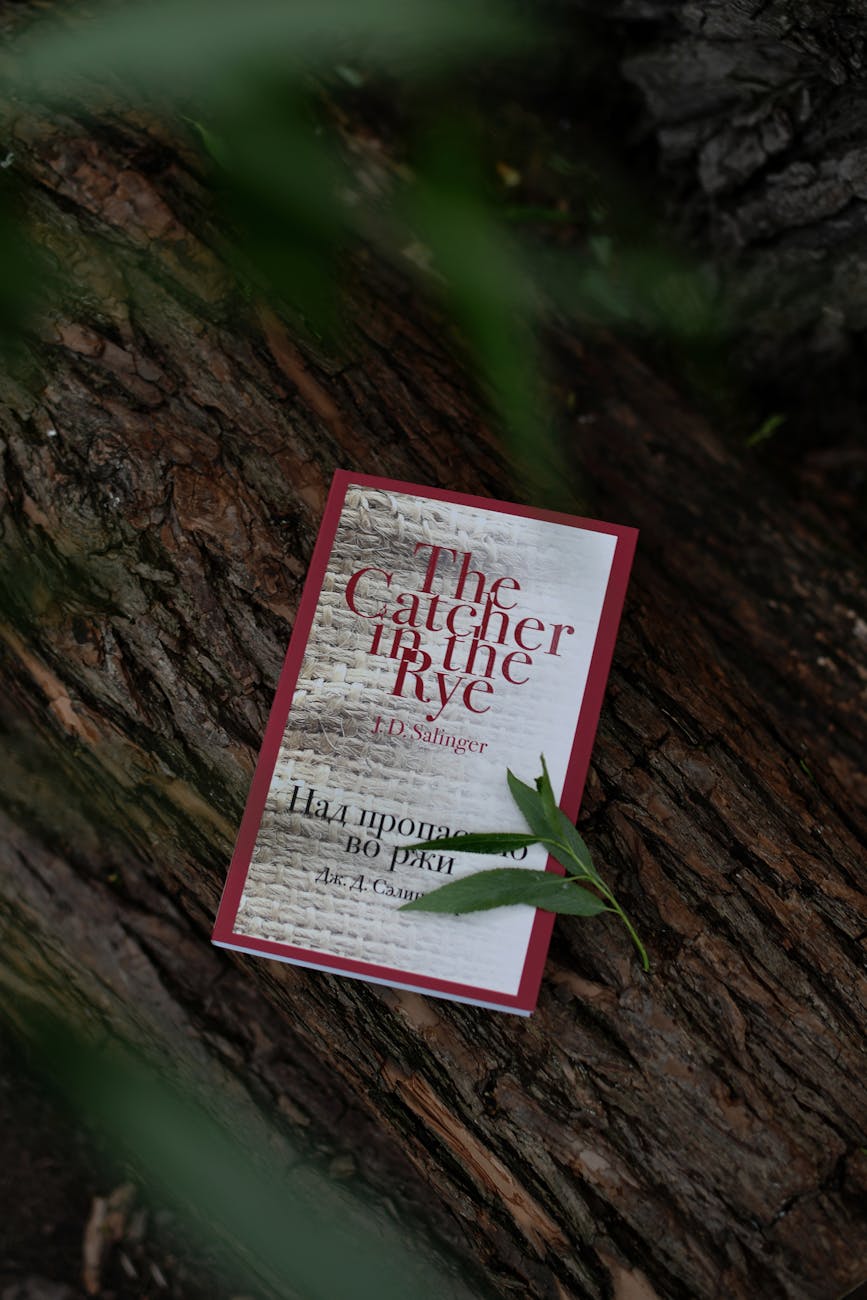
    When Holden flings around the term phony in The Catcher in the Rye, he is not merely venting bitterness or staging an act of rebellion against the world. Instead, he is overwhelmed by emotions that are so immense and complex, they evade simple verbal expression: sadness that runs deep, crushing loneliness, and a sense of betrayal by the very people and institutions he hoped to trust. As a highly sensitive person, one whose emotional antennae pick up the faintest signals of pain and insincerity, Holden wrestles with these floods of feelings. “Phony” becomes his singular, catch-all term for capturing the hollowness he perceives in the world — the emotional exhaustion of constant performances and fakeness that threaten to drown out any possibility of true connection.

    His bluntness and sometimes abrasive tone are more than just defensive armor; they are a coping mechanism and a desperate plea for something genuine and meaningful. Beneath his dismissive, sarcastic exterior lies a heart that is aching, vulnerable, and painfully raw. To Holden, the insincerity of the world is not a mere annoyance or inconvenience — it is a wound, one that cuts to the very core of his fragile hope for human connection.

    Importantly, Holden’s anger at phoniness is not rooted in hatred. It is a form of hope — a hope so raw and unpolished it wears the rough disguise of anger and tough love. It is a hope that the people around him might somehow be kinder, more authentic, and more genuinely connected to one another. This makes him profoundly relatable today, even if many don’t immediately recognize it. The modern world is flooded with its own versions of phoniness: “grifters” — from social media influencers peddling carefully curated but ultimately fake lifestyles, to multi-level marketing bosses who exploit emotional trust, to hollow gurus hawking quick fixes and empty promises. These are the phonies of Holden’s time, the ones he would have feared and condemned.

    But his reaction to them would be more nuanced than simple disdain. He would be frightened by what their deception reveals about human nature and society: that people are so hungry for genuine connection and meaning that they are willing to believe illusions and lies, that the social fabric is so frayed that trust has become a scarce commodity. The success of these grifters signals not only their cunning but also the profound fractures in our cultural landscape and the scarcity of true realness. Holden’s warnings about phoniness go beyond calling out individual bad actors; they are indictments of a society that increasingly elevates surface-level performance and pretense over truth, where meaning is drowned out by noise.

    Yet Holden is not without his own flaws and contradictions. He lies, he performs, he lashes out — not because he is callous or uncaring, but because he is terrified to confront his own vulnerability. Deep inside, he suspects that he might be just as phony as the people he harshly judges. This painful paradox — being both the accuser and the accused — is what makes him so raw, so real, and so profoundly human.

    This internal battle is at the heart of Holden’s tragedy, but also his resilience. His self-awareness of his own flaws does not weaken him; rather, it sharpens his judgments and preserves his genuineness. It is this self-reflection and humility that prevents him from sliding into complete cynicism or nihilism. Instead, Holden is a broken idealist who continues to try, to fail, and to try again to find authenticity in a world that often seems to reject it. This vulnerability is exactly what makes him eternally relatable to readers across generations.

    From a psychological perspective, Holden fits the personality profile of an ENFJ — the empathetic, emotionally intense “compassionate truth-teller” who suffers deeply when those around him fall short of his high ideals. Combined with traits typical of a highly sensitive person, Holden’s capacity to care deeply is both his strength and his source of profound pain. In a world overwhelmed by noise, pretense, and relentless surface-level interaction, he feels utterly isolated in his search for sincerity. His fierce criticisms are often a mask for his yearning to connect and to protect those he cares about.

    Imagine Holden navigating the digital landscape of today. He would see bots pretending to be humans, scammers hiding behind fabricated identities, catfishers weaving elaborate lies to manipulate and gain attention, and parasocial relationships built on one-sided obsession. He would watch people fall in love with influencers who don’t even know they exist, and witness AI-generated content that blurs the lines between authentic and artificial reality. These phenomena would deepen his sense of alienation and loss.

    And then there is the physical world: knockoff perfumes, counterfeit sneakers, cheap imitations flooding both brick-and-mortar stores and online marketplaces. To Holden, these objects would not be merely cheap products but potent symbols of a culture that values image and hype over substance and honesty. As he walked through bustling city streets or scrolled endlessly through advertising feeds, he might mutter under his breath, “Goddamn phonies.” This would be no mere expression of irritation, but a mournful lament for a world where what is real becomes harder and harder to find.

    Even the economy would not escape Holden’s sharp critique. The rise of NFTs and cryptocurrencies — often dismissed by critics as speculative bubbles or empty hype — would appear to him as mass delusions, where millions are spent on digital images or tokens lacking intrinsic value. It would matter little how sophisticated the technology is or how much promise it holds for decentralization. To Holden, these trends would be perfect metaphors for a culture entranced by surface over substance, the latest signs of how easily we are seduced by illusions and empty hype.

    Philosophically, Holden’s deep suspicion of the world would find resonance in simulation theory — the provocative idea that reality itself might be a computer-generated illusion. While this remains unproven, the concept would echo Holden’s darkest fears about universal phoniness and deception. If the world around us is merely a simulation, then where does that leave hope for truth, for connection, for genuine human experience? This cosmic dread would only deepen his internal struggle and his profound sense of alienation, feeding the loneliness at the very core of his being.

    But Holden’s skepticism is far from isolated. His distrust of the status quo aligns, though uneasily, with many voices across today’s fractured ideological landscape: from MAGA loyalists convinced the system is rigged, to anarchists calling for radical upheaval, libertarians rejecting centralized authority, “truthers” questioning official narratives, sociologists who deconstruct social realities, and nihilists who deny inherent meaning in life. These groups vary widely in their beliefs and approaches, but they share with Holden a fundamental sense that the world’s script is broken — that something essential is amiss.

    This widespread skepticism is less about shared ideology and more about a collective feeling of distrust, alienation, and disillusionment. It reflects a society grappling with complexity, contradiction, and suspicion. Holden’s feelings connect across this broad spectrum not as a political statement or endorsement but as an expression of the universal human struggle to find meaning and authenticity amid confusion.

    Ironically, Holden would likely view many of his own fans as phonies — those who don Catcher in the Rye merchandise or idolize his rebellious image. To him, this commodification of his pain and confusion would feel like yet another mask obscuring the very vulnerability he struggles to express. He never aspired to be anyone’s hero; he simply wanted to survive his own confusing, painful world. Watching his story become a cultural icon might deepen his sense of being misunderstood, amplifying his feeling of isolation.

    At the very center of it all, Holden knows he is a phony too. The finger he points outward always reflects back upon himself. He judges performance, but he performs as well. He fears fakery but wonders if he has already been consumed by it. His fierce desire to protect innocence stands in contrast to his own deeply wounded soul. This painful self-awareness, far from weakening him, is what grounds him in reality and makes him endlessly relatable.

    Ultimately, Holden endures not because he is perfect or certain but because he feels deeply and hopes fiercely. He is flawed, lost, angry, scared — yet still yearning for something genuine in a world that often feels like a carefully staged play. In an age dominated by masks, bots, and simulations, Holden’s stubborn hope for authenticity is itself a radical act of resistance: a quiet, fierce defiance that reminds us all of the profound meaning of truly caring.