The Musings of Jaime David
@jaimedavid.blog@jaimedavid.blog

The writings of some random dude on the internet

1,096 posts
1 follower

Tag: environmental crisis

  • Surviving the Storm: How The Martian Could Foreshadow Interstellar’s Dust-Choked Earth

    Surviving the Storm: How The Martian Could Foreshadow Interstellar’s Dust-Choked Earth

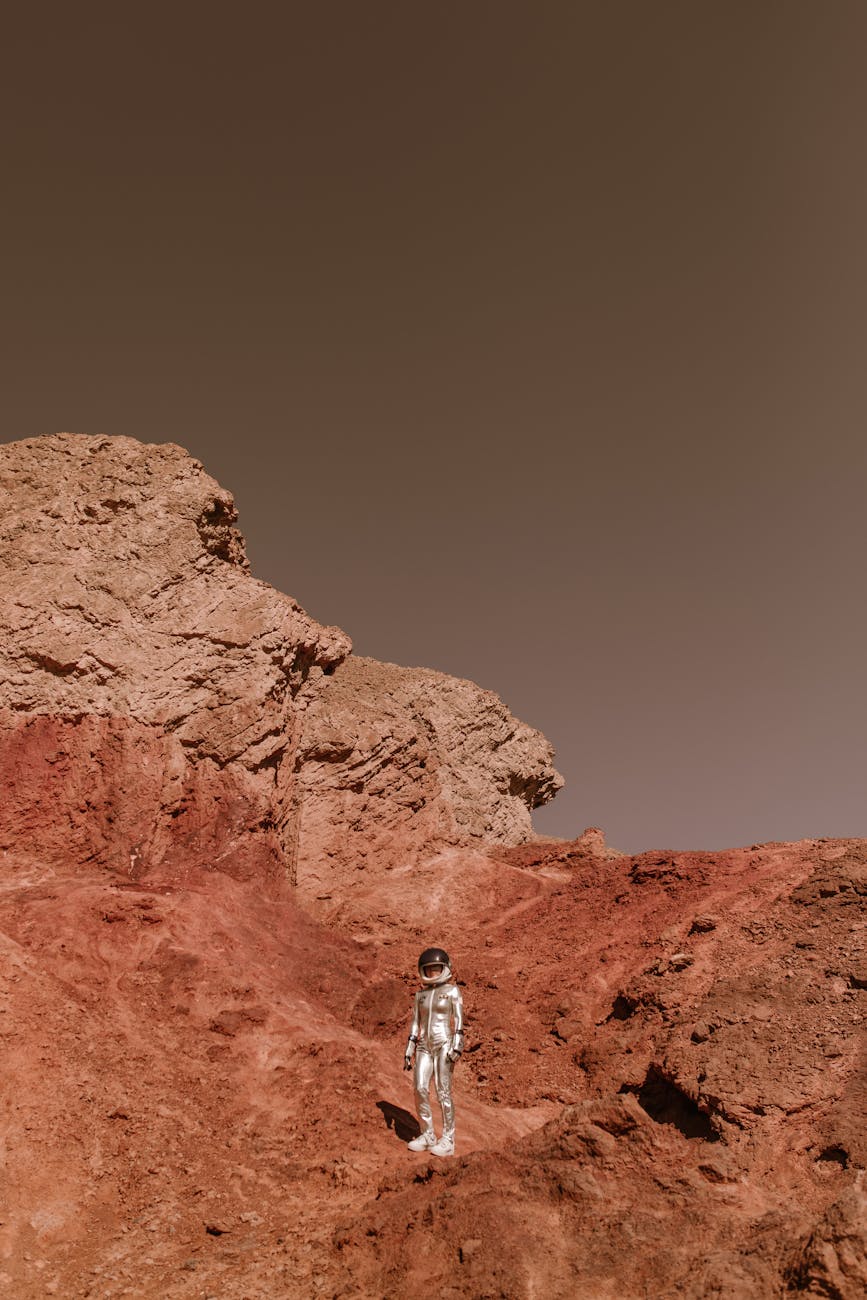
    When we watch The Martian (2015), it’s easy to see Mark Watney’s story as a thrilling tale of survival on a distant planet. He battles isolation, resource scarcity, and, most pressingly, Mars’ massive dust storms. Meanwhile, Interstellar (2014) portrays a dying Earth, ravaged by relentless dust storms and agricultural collapse. On the surface, the films seem unrelated — different worlds, different crises, different stakes. But a fascinating fan theory suggests that the Mars mission in The Martian might have been humanity’s trial run for surviving exactly the kind of environmental catastrophe that we see in Interstellar.


    Mars as a Dust Storm Laboratory

    In The Martian, the storm that forces Watney’s crew to evacuate is the inciting incident for his ordeal. The dust isn’t just a dramatic backdrop — it’s a relentless hazard that shapes every aspect of his survival strategy. He must seal habitats, engineer oxygen production, conserve water, and grow crops in harsh, wind-driven conditions. Every improvised solution is a test of human ingenuity under environmental pressure.

    Now imagine if NASA designed the Mars mission with a dual purpose: exploration and environmental research. The goal would be to see how humans could survive and adapt in extreme, dusty conditions — essentially using Mars as a laboratory for techniques that could later be applied to Earth’s declining ecosystems. Every rover drive, every habitat seal, every nutrient calculation becomes a rehearsal for surviving future dust storms on our own planet.


    From Mars Lessons to Earth Survival

    Fast forward to the timeline of Interstellar: Earth is experiencing massive dust storms that devastate crops and threaten global food security. While NASA operates in secrecy, the lessons learned from Watney’s Mars mission — life support, resource rationing, habitat resilience, and psychological endurance — could have informed their plans for humanity’s long-term survival.

    If we accept the headcanon that Watney eventually becomes Dr. Mann, the connection deepens. Mann’s expertise in extreme survival would be informed by firsthand experience on Mars. His ability to assess planetary environments, manage life support systems, and react under intense pressure stems not only from his natural skill but from a “dress rehearsal” on the red planet.


    Psychological Preparation

    Dealing with dust storms on Mars doesn’t just test physical survival — it tests mental resilience. Watney faces isolation, frustration, and the constant threat of failure. This psychological endurance is directly applicable to the high-stakes missions in Interstellar, where astronauts must confront vast distances, near-impossible odds, and the crushing loneliness of space. Watney’s experience shows that surviving the elements is as much about mental fortitude as it is about engineering prowess.


    A Hidden Continuity

    By framing the Mars mission as an environmental experiment, the subtle connections between the two films become compelling. The dust storms in The Martian aren’t just a plot device; they’re a precursor to the challenges in Interstellar. The narrative link suggests a shared universe where human ingenuity and resilience are tested repeatedly — first on Mars, then on a dying Earth, and finally in the uncharted expanse of space.

    Watney’s journey thus becomes more than a thrilling survival story; it’s a blueprint for the survival of humanity itself. Every improvised solution, every adaptation to dust, is a step toward preparing humanity for the world we see in Interstellar.


    Conclusion

    While The Martian and Interstellar were made independently and have distinct stories, imagining the Mars mission as a survival experiment for Earth’s environmental collapse provides a fascinating lens for analysis. It transforms Watney’s adventures into a precursor for Mann’s mission, links the dust storms of two worlds, and adds a layer of thematic continuity to both films. In this light, humanity’s struggle against the elements — whether on Mars or Earth — is a continuous story of adaptation, ingenuity, and resilience.


    Fediverse Reactions
  • New York’s Subtropical Future: A Grief for a City I Thought I’d Know Forever

    New York’s Subtropical Future: A Grief for a City I Thought I’d Know Forever

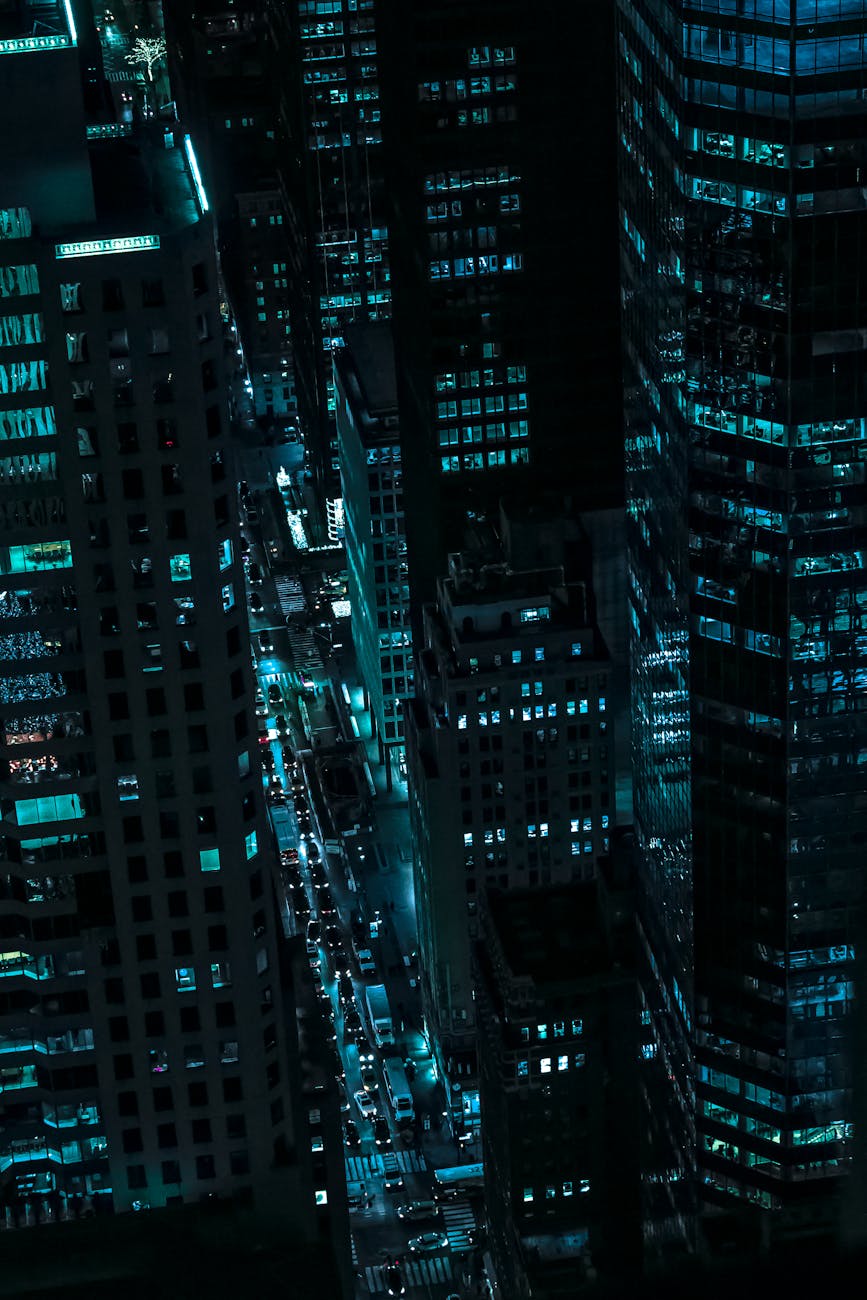
    It’s a cold, gray morning in New York City, the kind where the rain seems endless, the air heavy with humidity, and the sky never quite clears. A feeling of sorrow lingers in the streets, as the city I’ve known for so long starts to show signs of becoming something else—something foreign. Something unrecognizable.

    Today, I am sharing a reflection I wrote. I am reflecting on a poem I wrote in 2019 titled “Rain.” You can find the poem here:

    Rain – The Musings of Jaime David

    You can also find the podcast episode of this poem here:

    The Jaime David Podcast – Episode 1: Rain – The Musings of Jaime David

    Recently, I had come across an article stating that NYC is considered subtropical climate. The article can be found here.

    NYC Is So Hot Right Now It’s Considered A Subtropical Climate

    I never wanted to be right. When I wrote that poem back in 2019, I was just trying to make sense of the shifting weather patterns around me. It was a gut feeling that something wasn’t right—constant rain, unseasonably warm winters, and an unnerving frequency of downpours. I tried to make sense of it, as any writer does, by putting the words out into the world. And then I hypothesized: could this be climate change? Could it be that the weather in New York, a city that’s always prided itself on stability, was beginning to break down, shifting into something new?

    Back then, I thought maybe I wouldn’t see the full effects of these changes for another decade or so. Perhaps, I thought, the signs were only visible in the periphery, small shifts that wouldn’t come to fruition for years, or maybe decades. But six years later—six short years later—I’m staring at an article that declares New York City is now officially classified as a humid subtropical climate. I was right. The very thing I feared, the thing I predicted with an aching sense of dread, has come to pass.

    The signs were there, even in 2019. Constant rain. Unpredictable weather. A New York that seemed increasingly out of sync with what I remembered as a stable, temperate climate. And now, in 2025, it’s here, but not in the far-off future I imagined. It’s here now, and it’s happening faster than anyone predicted. The projections I read about in the past—those quiet warnings from climate scientists—weren’t distant dreams. They weren’t hypothetical. They were warnings. And as the days pass, the temperature continues to rise, the skies continue to darken, and the rain continues to fall.

    I wish I wasn’t right. I wish I could take back that moment of realization when I first began to notice the changes and wonder aloud if it was climate change creeping in. But I can’t. And now, as we stand on the brink of what feels like an irreversible shift, there is an urgency to our reality. This is no longer something we can push to the back of our minds or wait for someone else to fix. This is happening in real-time. This is a crisis. And we can’t afford to waste time.

    What does it mean to live in a city like New York if it’s no longer the New York we once knew? To walk these streets and know that something fundamental is slipping away? The New York I grew up with, with its temperate weather and bustling energy, seems to be fading into the background, replaced by a version of the city that feels more like a stranger than a home. The constant rain, the heat waves, the unpredictable storms—this is not what I signed up for.

    But it’s not just about nostalgia. It’s not just about grieving the city’s changing weather patterns. It’s about the urgency of the matter. We can’t waste any more time. We can’t keep pretending that this is some distant problem that won’t affect us for years. The fact is, climate change is here—and it’s happening faster than even I imagined. If we don’t act now, if we don’t recognize the gravity of this moment, there may be no New York left to save.

    So, as I reflect on how quickly the world around us has changed, I can’t help but feel a profound sadness—not just for the city I thought I knew, but for the world that is slipping away beneath our feet. We are running out of time. And I can’t help but wonder, as I look up at the gray skies and listen to the rain, whether we are ready to face what comes next.