Paste my profile into the search field of your favorite open social app or platform.
Your Profile
Or, if you know your own profile, we can start things that way! Why do I need to enter my profile?
This site is part of the ⁂ open social web, a network of interconnected social platforms (like Mastodon, Pixelfed, Friendica, and others). Unlike centralized social media, your account lives on a platform of your choice, and you can interact with people across different platforms.
By entering your profile, we can send you to your account where you can complete this action.
JAIME DAVID (host): Welcome back to The Jaime David Podcast. I’m Jaime David, and today’s episode is about something that continues to define our era—climate change.
This poem was written in April 2020. A lot of us were locked down, reeling from the uncertainty of a global pandemic. But even while the world seemed to stop, the climate crisis didn’t. It kept going—worsening. And that’s what makes this poem still incredibly relevant today.
Let me share it with you.
Climate Change
My name is James, and this poem’s about change.
Climate change is real. I know you don’t want to hear That humans are to blame for a climate that’s insane, But it is the truth. We were the ones to pollute
The planet with greenhouse gases And lakes and rivers with deadly toxins Such as nuclear radiation, Medical, drug, and coal waste, And all sorts of other things that can hurt the environment!
It was on us. This is our mess. In order to stop this, we must fight this. We must work together to make the world better.
In order to do that, now is the time to act. If we wait, it will be too late. There may not be a world for future generations to inhabit.
This is our one shot to get it all right. This is our world, and this is our fight!
JAIME DAVID (host): There’s no sugarcoating it. This poem gets straight to the point, and it has to. Because the reality of what we’re facing demands that kind of honesty.
It’s not comfortable to think about how much damage humans have done to this planet. But that discomfort? That’s where change begins. Acknowledging our role is the first step toward fixing what we’ve broken.
The poem calls this “our mess”—and it is. But what gives me hope is that it also makes it clear: we’re not powerless. We can fight this. We can act. And we don’t need to wait for someone else to fix it.
Whether it’s supporting clean energy, reducing waste, educating others, or demanding action from those in power—what we do matters.
The most powerful line, in my view, is right at the end: “This is our one shot to get it all right. This is our world, and this is our fight.”
That’s the kind of mindset we need to carry. Not defeat, not apathy—ownership and determination.
If you’re feeling overwhelmed, you’re not alone. But remember, movements are built by regular people who decide to care, to speak up, and to keep going even when it’s hard.
We still have a chance. And that’s worth everything.
Thanks for tuning in to this episode. Keep pushing forward. Keep staying informed. And never underestimate what you can do—especially when we act together.
We’ve all been told that The Lorax is a story about environmentalism, corporate greed, and the consequences of unchecked exploitation of nature. And sure, that’s all in there. But let’s not ignore the uncomfortable truth: the Lorax, the self-declared guardian of the forest, leaves when things get bad. He doesn’t protest harder. He doesn’t organize. He doesn’t chain himself to the last Truffula tree or build a grassroots resistance. He just floats up into the sky and vanishes, leaving behind a cryptic stone with the word “UNLESS” on it. That’s it. That’s the end of his fight. The guy who “speaks for the trees” gives a vague hint and then peaces out.
And what does that really mean? If you speak for the trees, shouldn’t that come with a little more responsibility? Speaking is great—important, even—but when the trees are being chopped down one by one and the air is thick with smog, maybe it’s time for more than words. Maybe it’s time to act. But the Lorax doesn’t organize a coalition of forest creatures. He doesn’t lobby the Once-ler. He doesn’t call a press conference or draft legislation. He just lectures a bit, gets ignored, and then bails. If he truly cared, wouldn’t he have stayed until the bitter end, standing in front of the last tree like it was the sacred line in the sand?
The Lorax’s exit feels less like noble despair and more like strategic abandonment. Sure, the Once-ler didn’t listen. But people don’t always listen the first time—or the tenth. That’s the whole point of activism. You keep going. You show up. You resist. You make noise. But the Lorax essentially says, “Welp, I tried,” and disappears. Can you imagine if real-world climate activists behaved this way? Greta Thunberg just floating into the clouds after one bad press conference? The Sierra Club just closing shop the moment a single forest was paved over? That’s not activism. That’s quitting with extra flair.
The message we should have gotten from The Lorax is that caring means sticking around, even when things look hopeless. Especially when they look hopeless. Instead, we get this mythical tree-hugger who delivers a warning, gets ignored, and then evaporates—leaving a child (and us) with the burden of fixing everything after the fact. And that’s a lot of pressure to put on a kid. Maybe instead of just leaving behind a stone with a single cryptic word, the Lorax could’ve left an instruction manual, a protest plan, or at the very least, a phone number.
So yes, the Lorax speaks for the trees. But maybe what we needed was someone who fought for them. Someone who got arrested at a pipeline protest, who glued themselves to the Once-ler’s machinery, who built a Truffula Tree Sanctuary and refused to leave. Someone who stayed. Because at the end of the day, speaking only goes so far. Action—messy, relentless, inconvenient action—is what actually makes a difference. And when the trees were gone, the Lorax should have been the last one standing. Not the first one to vanish.
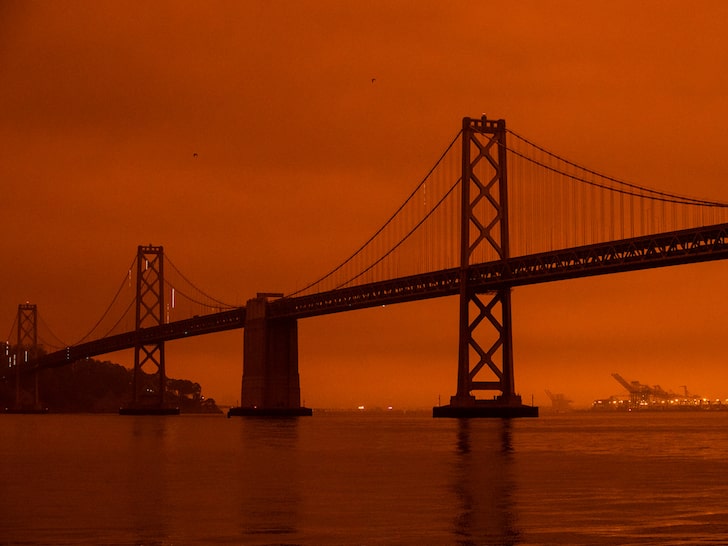
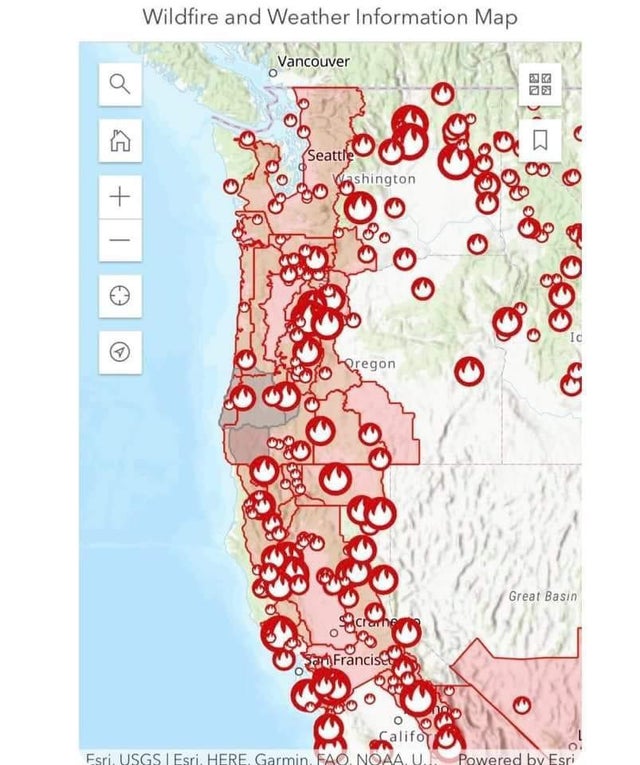
Preface: So I came up with these parody lyrics for the song “The Sun’s Gone Dim and the Sky’s Turned Black” by Johan Johansson that relate to what is currently happening on the West Coast. There aren’t many lyrics to the song; just four lines. It is mostly an instrumental song. I will link the song below.
Ironically enough, this song was used in the trailer for the 2011 movie “Battle: Los Angeles,” which takes place in CA. California is also where the recent wildfires originated from.
Now, without further ado, here are the parody lyrics!
The world is on fire. It is currently burning. The temperatures keep on rising. It’s becoming alarming. This changing climate is becoming a crisis, and it’s a crisis that’s very frightening. If we don’t solve this soon, the world could come to an end. Maybe not the planet, but everything that lives in it. There would be no more humans and no more amazing creations. Monumental monuments like The Statue of Liberty would eventually become nothing but dust and debris if humans were to go extinct. Eventually, the same would happen to buildings, and everything else in between. They’d all turn into dust, just like us. If we were not here, anything we created would not matter at all. Anything that was floating in space would come crashing down to the Earth, setting everything ablaze. Eventually, nuclear reactors would start to meltdown, and all of the radiation that’s in them would all get let out.
All of the animals that are alive right now would be on their own, if they were not wiped out. There would probably be a few. Most of them would live underground. The ones that were above ground would most likely all die out if the climate were to get chaotic. They would thrive and populate underneath the Earth’s surface, and eventually they’ll reclaim the surface. Eventually, the radiation would decay, and the greenhouse gases would get replaced, and the planet will heal itself like it had a bad sickness. We won’t be here, and neither would a lot of other species, but there would be new species. They’d be survivors. They would survive us. They could potentially be the ones that reach our level of intellect. They could be reptilian. They could be arachnids. They could even be gigantic cockroaches. Whatever they are, they have the potential to take this planet to the stars if we ourselves don’t get to. They could learn from our mistakes. They could be better than us. They may develop intricate societies that have a diversity of species all living in harmony. It would definitely be an amazing sight to see.
They’d eventually develop space travel, and take us to the Moon. They’d take us to Jupiter and Venus and even Mars, too. They’d even probably take us all the way to Pluto. Who knows? They could possibly take us to see the entire Milky Way! We may discover different species living on other planets, and these species may be as smart as us and them, and have a complex intellect. It would be so cool to see.
The question is, would Earthlings be seen as threats, or will they be welcomed? Is it also possible that they’d be enslaved and treated like pets? There are so many questions that one has to ask when dealing with the possibility of becoming an intergalactic race.
All I do know is, I hope they would learn from our mistakes. If our species dies out, and does not get to see the future, I hope that whatever species in the far distant future that reaches sapience learns from humanity’s own shortcomings and mistakes. That is what I hope if humanity loses all hope.
However, we still have hope. We still have hope to achieve all of those great and amazing things. We could explore the vast reaches of the cosmos and explore all that there is to explore. We could travel to wherever we want to go to, and potentially find a new home. I don’t know. All I do know is that we need to become aware that our climate is changing. Our planet is in need, and we need to save it. There is a way to save it. We need to stop emitting greenhouse gases, and we also need to stop polluting our planet. We need to find an alternative fuel source and stop using oil. We need to make steps to go vegetarian or vegan and make our diets more plant-based. There is so much we need to do. The first thing we should do is educate ourselves. Once we do that, we share the information we learn to others.
I initially wrote this poem in hopes to possibly have it included in a book about climate relocation. It unfortunately wasn’t accepted, so I’m sharing it on here!
Before I get to the poem itself, let me tell you about the background of what inspired and led me to write the poem in the first place, for the story is a pretty interesting one. It all started about a month ago. I wss browsing YouTube and decided to watch a video from YouTube user DarkDocs titled “Is America’s Own Chernobyl Sitting In The Middle of the Ocean.”
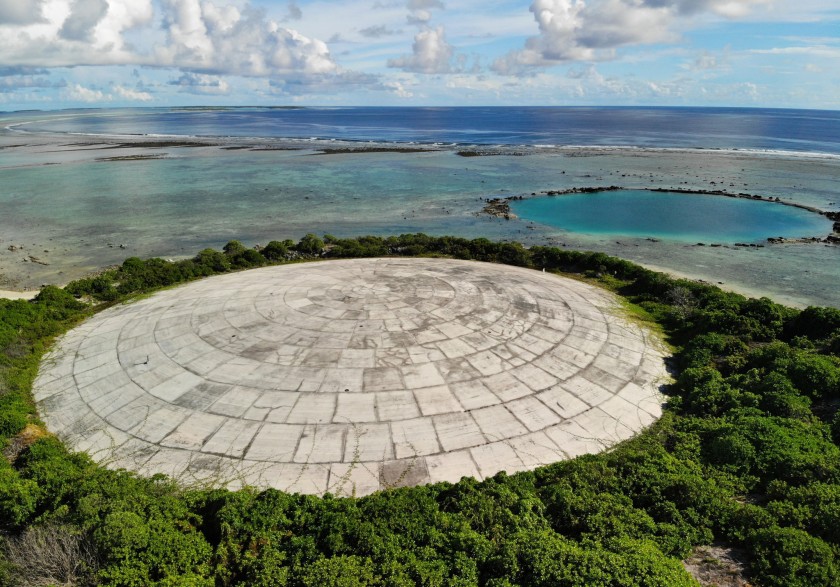
In the video, he describes the history of the Runit Dome and the effects it could have on the environment today.
After the video was over, I watched in the suggestions tab titled “This Concrete Dome Holds A Leaking Toxic Timebomb | Foriegn Correspondent.”
It was a video by ABC News In-depth. In the video, it talks about the history of the Runit Dome and how it is affecting the Marshallese people presently. One of the people who was mentioned in the video was Kathy Jetnil-Kijiner, a poet from the Marshall Islands. In 2014, she had read a poem for her daughter in front of the UN for the Climate Summit. I thought her poem was very inspiring, so I wanted to follow her on social media to check out more of her work. I followed her on Facebook and Twitter. On her Twitter, I saw that she had shared an advertisement for a book that two climate scientists were working on getting published. The book would be a collection of works ranging from scientific articles to poems. I decided to submit a poem. I had sent a short excerpt of it to them. They said they liked it and that I should hear back a month later if my poem will be accepted or not. Fast forward to today, and I found out my poem was not accepted. However, they said they enjoyed the excerpt that I had sent to them, and that there were a lot of submissions to choose from. I wish the both of them good luck in getting the book published, and without further ado, here is the full poem that I had wrote!
The Poem
Bikini Atoll;
They were told
The US were protectors
Of hope
And of freedom.
Instead, they were relo-
-cated from their homes
While their atolls
Were bombarded with radiation,
Which had took a toll
On them and their souls,
And the remains of it all
Were buried underneath a dome
That is called “The Tomb.”
How ironic it’s name is, so,
Because the Runit Dome
Has the potential
To become their own tombs.
With sea level rising,
It’s becoming a crisis
That if the radiation finds its
Way out, it could
Completely poison
The entire Earth’s oceans,
And this is because of the
Changing Earth’s climate!
Is there any hope for us to survive this
Disastrous threat that could possibly annihilate us?
I’d say there is, but we need to realize this:
For us to survive it,
We all need to rise up and
Take a stand for what’s right, which
Is saving the entire planet
From total destruction.
It may sound bleak; it may sound alarmist,
But I believe we all can grow and thrive despite this!
That is why I, a mere man who writes this,
An artist with a creative mind that is
Concerned about the state of the world and this climactic climate crisis,
Had decided to sit down and take the time to write this.
I wrote this poem
Because I care about my home.
I care about the loved ones that I call my own.
I wrote this for my friends; my family, too!
I wrote this for their friends, and their families, too!
I wrote this for everyone; everyone that’s in the room;
The room that is so big and so round and so blue;
The room that has oceans that spans millions of miles;
The room that has a diversity of creatures both on land and in the sea;
The room that has been around for billions of years;
The room that houses a species that has accomplished many great feats, but has also caused a myriad of tragedies that led countless people to defeat;
The room that I’m proud to call planet Earth.
I was not asked to be born on this Earth,
But it is my place; the place of my birth.
It sorta just happened; one day I was conceived.
I grew to a fetus, then a baby, and then eventually an adult human being.
It was a slow process; just like humanity’s growth on this Earth for thousands of years.
We started out in caves, and eventually made great things.
Along the way, we also had created
Devastating weapons that can harm us and hurt us in many ways.
The same goes with climate change; it’s mostly man-made.
It is a mess that we ourselves had made.
The consequences are dire; the Earth is on fire.
But if we take a stand now, I believe we’ll survive this!
The Earth is our home; it is our dome.
It is the one thing that should come above all!
Just as the dome
Located in the Enewetak Atoll
Has the potential
To destroy us all,
We too have the potential;
The potential to be saviors
For not just the here and now,
But for future generations.
That is why I had wrote this poem.
So if you see this message, please heed the urgency
To do something about this climactic climate emergency
That could lead to insurgency
Of disastrous natural convergency
That could inadvertently lead
To extreme diathermancy
And create great divergency.
We must fight this looming threat, and we must do so with great fervency,
For it is this Earth that we love with great ardency!
We must stand up and fight, and must do so without errancy.
We must not treat this threat as a mere nonemergency.
We must respect this planet with great amounts of conservancy,
And clean up this world with great levels of detergency.
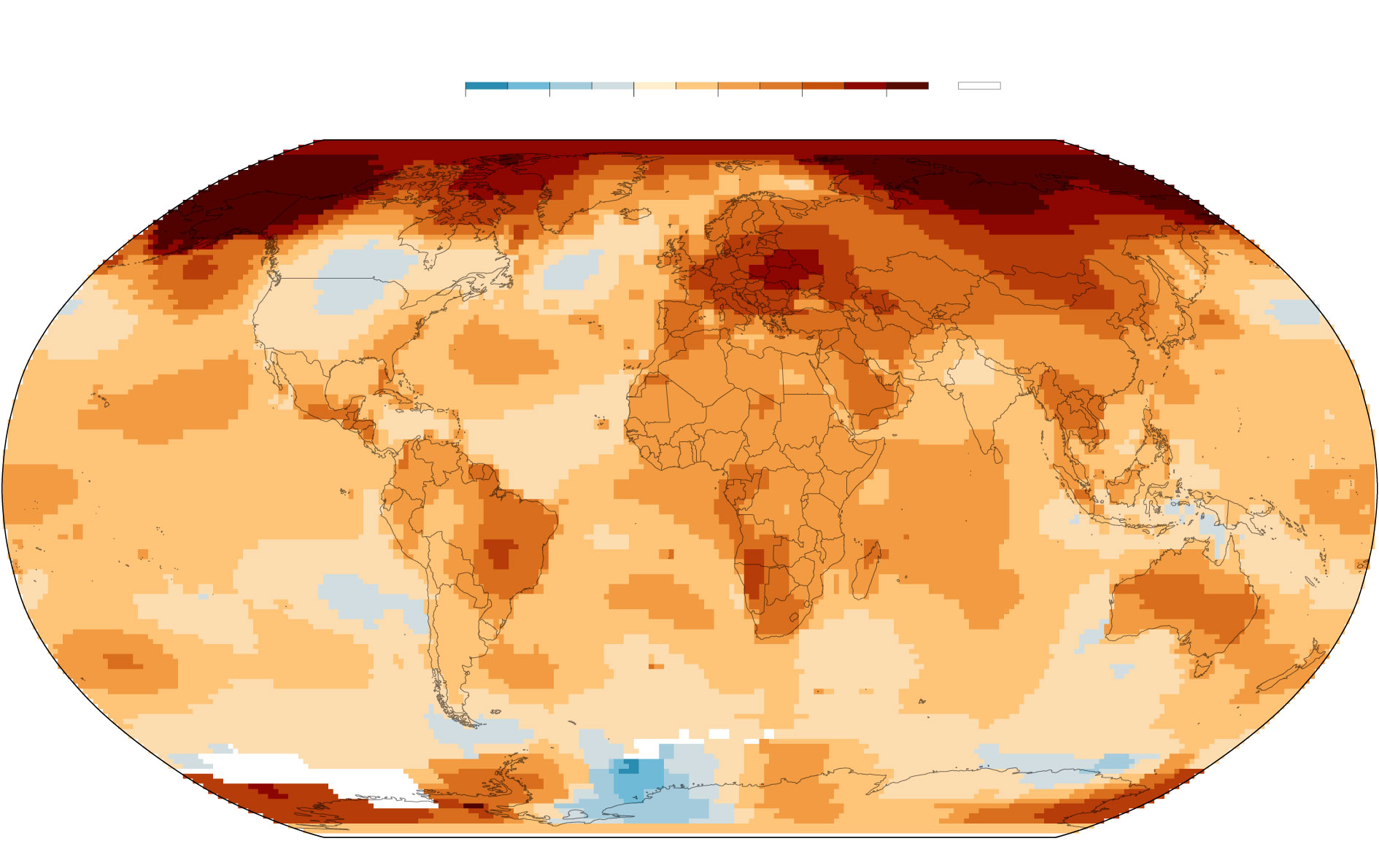
After reading this article by the NY Times, I was somewhat inspired to write a short poem about climate change in response to the title of the article. Hope you enjoy!