The Musings of Jaime David
@jaimedavid.blog@jaimedavid.blog

The writings of some random dude on the internet

1,089 posts
1 follower

Tag: Family

  • Holiday Musings: The Light That Shines Through the Darkest Days

    Holiday Musings: The Light That Shines Through the Darkest Days

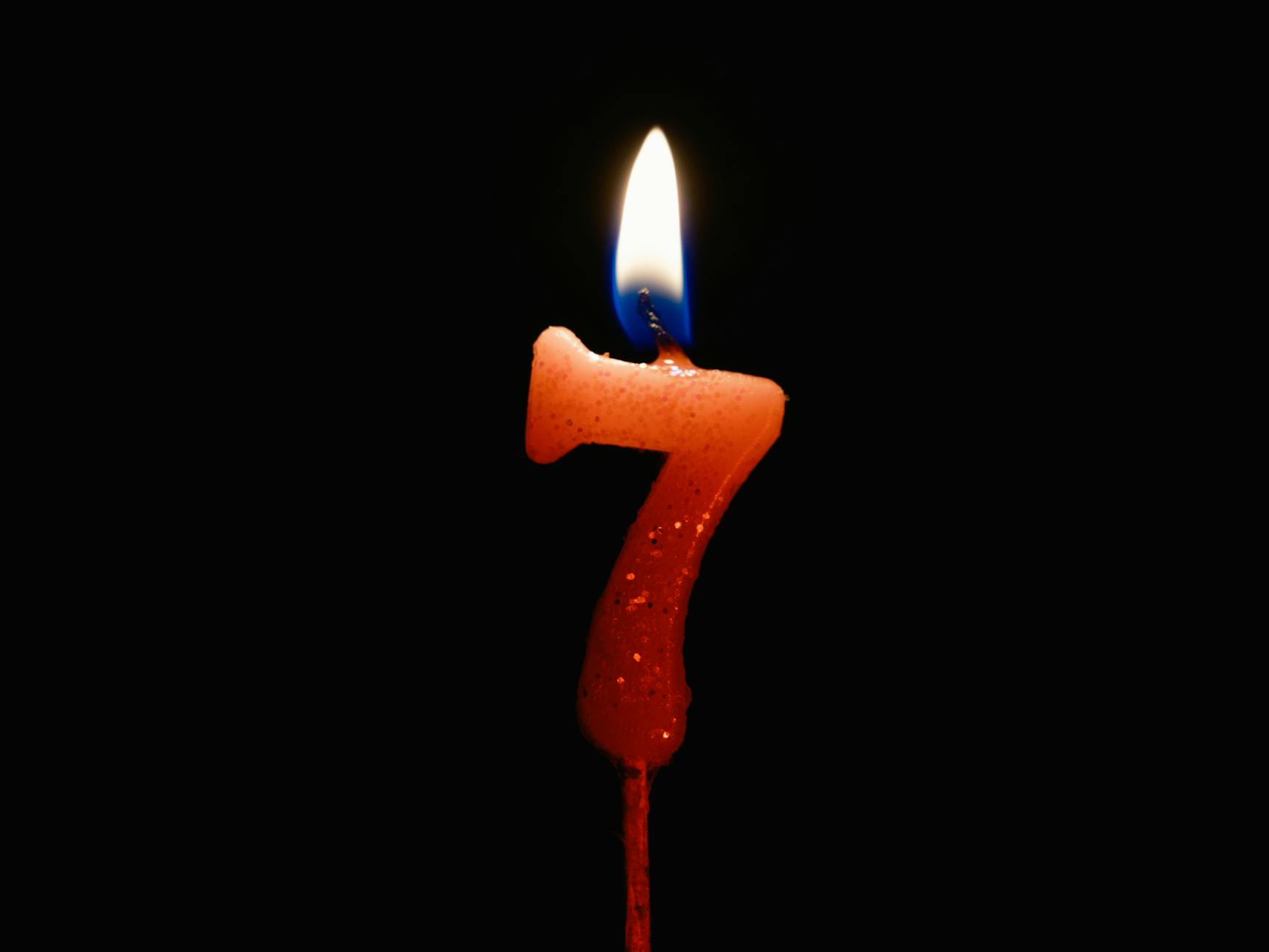
    The holidays are a time of celebration, but they can also bring with them a quiet sense of loneliness or grief. For many, the festive season is a reminder of what has been lost, or what feels out of reach. Yet, even in the darkness, there is light. The holiday season brings with it a special kind of magic, where the simple things—a glowing candle, a shared meal, a moment of kindness—can shine brighter than ever.

    In this post, I reflect on the duality of the holiday season. It is a time of joy for some, but for others, it is a time of solitude and reflection. The contrast between these emotions is what makes the season so poignant. It’s about holding space for both joy and sorrow, recognizing that the holidays are complex and personal.

    The light of the holiday season, whether it’s from a Christmas tree or the hope of a new year, reminds us that even in the darkest of times, there is always something to hold onto. It’s a time for community, for reflection, and for gratitude. As we gather with loved ones or spend time alone, we must remember that the season’s true light shines in the heart.

  • Finding Strength in the Smiles of Others: Embracing Hope and Resilience in Difficult Times

    Finding Strength in the Smiles of Others: Embracing Hope and Resilience in Difficult Times

    Introduction

    After reflecting on Eiichiro Oda’s quote about loneliness being more painful than physical hurt, there’s another piece of wisdom from the One Piece author that offers a counterpoint—a glimmer of hope for those of us caught in the depths of grief and loneliness. Oda once said, “Don’t forget to smile in any situation. As long as you are alive, there will be better things later, and there will be many.” These words resonate deeply, but they also present a challenge—one that feels nearly impossible to follow when life feels overwhelming. For someone like me, who has struggled with loss and loneliness, keeping hope alive can feel like a constant battle.

    Since losing my uncle in 2019, I haven’t quite had my life together. There are days when the weight of grief still feels heavy, when loneliness creeps in despite the people around me, and when I feel like I’m not doing enough for myself or others. Yet, despite all of this, Oda’s words remind me that there’s one thing I can always control: how I show up for others. I may not be able to fix everything in my life, but I can be there for my family and friends, supporting them even on days when I feel like I have nothing left to give. And in doing so, I find a sense of purpose that, while not perfect, allows me to keep moving forward. This essay explores how, even in the darkest times, finding ways to bring happiness to others can be a source of strength, and how hope, while fragile, can be nurtured through acts of kindness.


    The Struggle to Keep Hope Alive

    Hope, especially after loss, can feel like a distant and elusive thing. When my uncle passed away, it was as if a light had gone out in my life. I didn’t know how to keep moving forward, how to find the strength to keep going. The sadness and loneliness of that loss felt all-consuming, and for a long time, I couldn’t see how things could get better.

    When Oda says, “As long as you are alive, there will be better things later,” it feels like a promise, but also a challenge. Because on the hard days, it’s so difficult to believe that anything better is coming. Sometimes it’s hard to even imagine a day without the weight of grief. But the one thing I’ve learned is that hope doesn’t always come in grand, sweeping moments. Sometimes, it’s the quiet, simple things—like the smile of a friend or the laugh of a family member—that remind us that there’s something worth living for.

    As an ENFJ, I’ve always found fulfillment in helping others, in showing up for the people I care about. But there are times when even my natural empathy can’t shield me from the pain of my own heartache. And yet, even in those moments, I know that if I can keep a small part of my heart open, I can still bring joy to others. That, in itself, becomes a source of hope.


    The Power of Selflessness: Showing Up for Others Even When It’s Hard

    For someone who cares deeply about their friends and family, there is an undeniable desire to see them happy, even when we are struggling ourselves. It’s not always easy to put others first, especially when you’re hurting. But for me, the act of showing up for my loved ones is a way to stay connected to the world. It’s a way of reminding myself that even though my grief feels isolating, I am not alone in my role as a caregiver and a source of support for others.

    This selflessness, I believe, is what Oda is talking about when he encourages us to smile and stay hopeful. It’s not about denying the pain, or pretending everything is okay. It’s about finding moments of light in the darkness and, when possible, sharing that light with others. Even when I feel like absolute shit, I still know that if I can bring even a little bit of happiness to my friends and family, it’s worth it. Their joy becomes my joy. And in giving, I am reminded that there is still good in the world, even when it’s hard to see.


    The Quiet Joy of Bringing Happiness to Others

    There’s something incredibly humbling about being able to make someone else smile, especially when you’re struggling to find your own reasons to smile. I can’t control the circumstances of my life, and I can’t erase the pain of my losses. But I can control how I show up for the people I love. And sometimes, that’s enough.

    What I’ve found is that when I focus on others—on their happiness, their well-being—I start to feel a sense of purpose again. It’s not about fixing everything or pretending I have it all together. It’s about being present, being the kind of friend and family member who shows up, even when I don’t have all the answers. Sometimes, the best way to keep hope alive is by nurturing the hope of others. And in doing so, I find hope for myself.


    The Gift of Connection: How Relationships Keep Us Grounded

    One of the most beautiful things I’ve come to realize is how deeply interconnected we all are. As someone who is wired to care about others, my relationships are both a source of strength and vulnerability. But in the aftermath of loss and grief, I’ve learned that even when I feel like I have nothing to give, the mere act of being there for someone else can be transformative—not just for them, but for me, too.

    Oda’s message about smiling in any situation is a reminder that even when life is difficult, there’s value in the small moments. It’s a reminder that even in the midst of struggle, there is still goodness to be found. And for me, that goodness often comes in the form of my connections with others. Being there for my family and friends isn’t just about helping them; it’s about reminding myself that I am still a part of something bigger than my grief. I am still someone who can make a difference in the lives of others, even if I don’t always feel like I’m making a difference in my own life.


    Conclusion

    As I reflect on Oda’s words about smiling through hardship and finding hope in even the darkest times, I am reminded of the importance of resilience, selflessness, and connection. It’s hard to keep hope alive when life feels heavy, when the weight of grief and loneliness threatens to pull you under. But Oda’s message—that as long as we are alive, there will be better things later—encourages us to find small reasons to smile, even when it feels like the world is falling apart.

    For me, that reason is often the people I care about. Even if I am struggling, I know that showing up for my friends and family, helping them find joy in their lives, gives me a sense of purpose. I may not have everything together, but I do know this: I can bring happiness to others, and in doing so, I find a piece of happiness for myself. And that, I believe, is the key to surviving the hardest times—to smile for others, and in doing so, discover a light that shines within ourselves.

  • The Pain of Loneliness: A Deep Dive into Eiichiro Oda’s Quote and the Struggles of an ENFJ

    The Pain of Loneliness: A Deep Dive into Eiichiro Oda’s Quote and the Struggles of an ENFJ

    Introduction

    Eiichiro Oda, the genius behind One Piece, has created a world full of colorful characters, fantastical adventures, and emotional depth. However, one of the most poignant insights from Oda comes from a seemingly simple statement: “Loneliness is more painful than being hurt.” For those of us who connect deeply with others, this sentiment resonates on a profound level. As an ENFJ, someone who places an immense value on relationships and caring for others, I find Oda’s words not just relatable, but also a painful truth that speaks directly to the core of who I am.

    Loss, grief, and loneliness are often portrayed as the darkest shadows of human existence. They touch all of us, whether through the death of a loved one or the quieter, more insidious feeling of being alone despite being surrounded by people. The pain of loneliness is not just emotional; it is a deep, existential ache that burrows into the heart and mind. And for someone like me, who thrives on connection, that loneliness can be unbearable. This essay explores how Oda’s quote reflects my own experiences with loneliness, especially after the loss of my uncle, and how it shapes my understanding of relationships, empathy, and what it means to care for others.


    The Role of Empathy in the ENFJ Personality

    To understand why this quote resonates so deeply with me, it’s important to examine the ENFJ personality. ENFJs are often described as “The Protagonists” or “The Givers” of the Myers-Briggs personality types. We are natural-born nurturers, deeply caring for the well-being of others. Our actions are driven by a desire to support and connect with those around us, whether it’s friends, family, or even strangers. It’s not just that we want to help; it’s that we feel compelled to do so.

    Being an ENFJ means that we often put others’ needs before our own. Our empathy and emotional intelligence can be overwhelming at times, as we absorb the emotions of those we care about. While this allows us to form deep and meaningful connections, it also leaves us vulnerable to the pain of loss and isolation. This is where Oda’s quote hits hard. For an ENFJ, the idea of being alone, disconnected from those we care about, is perhaps one of the most terrifying things we can face.


    The Crushing Weight of Loss

    When I lost my uncle in 2019, it was like the floor dropped out from beneath me. My uncle was not just family; he was a father figure to me. His death was sudden, and I had no preparation for it. Before his passing, I had experienced loss in my life, but it had always felt distant. Losing a pet or a distant relative didn’t leave the same scar. But the death of my uncle was different. It wasn’t just that I had lost someone I loved; it was that a part of my sense of self was ripped away.

    There’s a misconception that people “move on” from grief, but in my experience, grief doesn’t work that way. It lingers. Six years later, I still feel the void that his passing created. There are days when I can feel the loneliness as if it’s a physical presence in the room with me. And while I know that time has softened the sharp edges of that pain, it hasn’t erased it. What Oda’s quote brings to the forefront for me is that the loneliness that comes with loss is more painful than the injury itself. It’s not just the absence of a person; it’s the existential realization that life continues without them.


    The Terrifying Reality of Loneliness

    Loneliness is a paradox. On one hand, I have friends and family who care about me. But on the other hand, there are moments—especially when I am alone with my thoughts—when I feel as though I am entirely isolated. As an ENFJ, my sense of identity is often tied to how I connect with others. And when those connections are disrupted or lost, it leaves me feeling unmoored. I try my best to remain strong, to maintain the facade of someone who has it all together. But in the quietest moments, when I’m alone, the truth is undeniable: I am lonely.

    I’ve come to realize that this feeling is not just about the absence of people around me. It’s about the lack of deep, meaningful connections—the kind that make you feel truly seen and understood. For an ENFJ, loneliness isn’t just about being alone; it’s about not having the emotional intimacy that sustains us. It’s when I can’t share my thoughts, my fears, or my joy with those who matter most that the ache of loneliness becomes unbearable. And that is when Oda’s words ring true for me: loneliness is more painful than being hurt.


    The Fear of Losing Those You Love

    One of the most difficult aspects of caring for others, as an ENFJ, is the ever-present fear of losing them. The fear isn’t just about the pain of their absence; it’s about how that loss will alter me. I often worry about what would happen if something were to happen to my friends or family. The idea that I would have to navigate the world without them is a source of deep anxiety for me. I know that death is an inevitable part of life, and yet, the thought of facing it alone, without the people who make life feel meaningful, is a terrifying prospect.

    In a way, this fear of loss is a manifestation of my empathy. Because I care so deeply about others, I am acutely aware of how fragile our connections are. This sensitivity makes the thought of loneliness even more unbearable. It’s not just the fear of being without someone; it’s the fear of not having anyone to share my life with in the way that I so desperately want to. This fear, at its core, is a reflection of my need for connection.


    The Struggle to Stay Strong

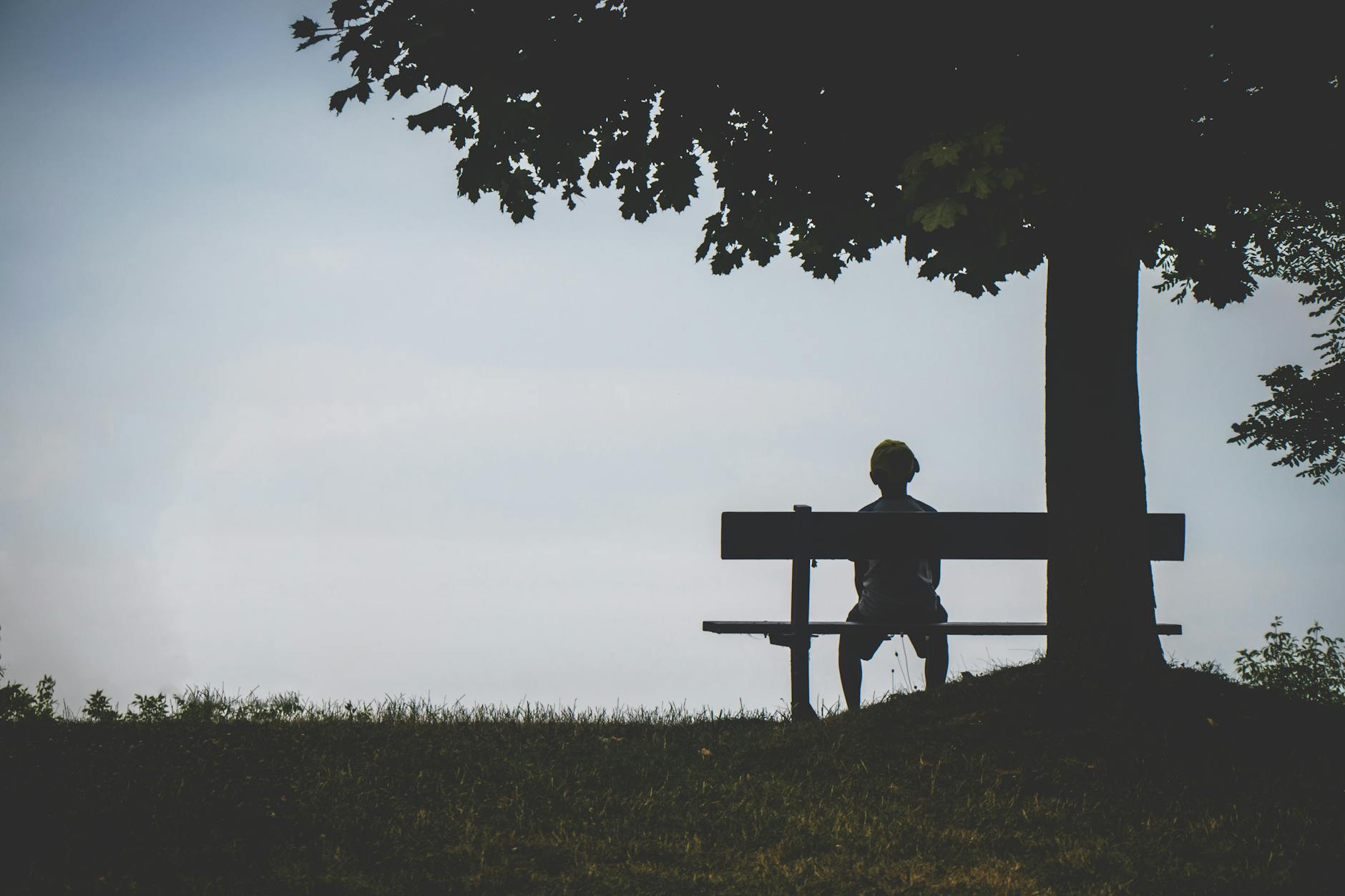
    In the face of this loneliness, I often find myself caught in a struggle. On one hand, I want to be strong, to remain composed, and to keep moving forward despite the pain. On the other hand, there are days when the weight of it all is too much to bear. It’s on these days that I am reminded of just how much I rely on the connections in my life to sustain me.

    Sometimes, I can almost feel the crushing weight of loneliness when I am alone with my thoughts. It is in these moments that the truth of Oda’s words becomes undeniable. Loneliness can sometimes feel more painful than any physical injury. It’s not just a passing feeling; it’s a deep, aching emptiness that clings to you long after the moment has passed. And while I try to stay strong for the sake of my family and friends, there are days when I just have to acknowledge that I am feeling alone—and that’s okay too.


    Conclusion

    Eiichiro Oda’s quote, “Loneliness is more painful than being hurt,” resonates deeply with me, especially as an ENFJ who feels things so intensely. The pain of loss, the fear of loneliness, and the struggle to maintain meaningful connections are all part of the human experience, and they are especially difficult for those of us who are wired to care for others. The fear of being alone, of not having anyone to share our lives with, is a terror that we can’t easily escape.

    But despite the darkness that loneliness can bring, it’s important to remember that the connections we have with others are what make life meaningful. Even in the midst of grief and loss, the love we share with others remains a guiding light. For me, it’s a reminder that even though loneliness is painful, it is also a testament to how deeply I care. And perhaps, in the end, that is what makes the pain worth enduring.

  • Through Loss, I Learned to Live Without Regret

    Through Loss, I Learned to Live Without Regret

    When my uncle passed away in 2019, it changed something fundamental in me. His death wasn’t just a moment of loss—it was a mirror. A mirror that forced me to look at myself, my choices, and how I lived my life. Up until then, I had heard that old adage—“live life with no regrets”—countless times, but it always felt cliché, something people said because it sounded poetic. It wasn’t until I experienced grief firsthand that I truly understood what it meant. Losing him made me realize how fleeting everything is. How tomorrow is never guaranteed. And from that point on, I made a promise to myself: I would live my life without regret.

    That didn’t mean living recklessly or impulsively. It meant being conscious—deeply conscious—of my words, my actions, my thoughts, and how I treated others. It meant treating every day as if it could be my last, because one day, it will be. That awareness doesn’t come from fear anymore, but from appreciation. Every day I wake up and remind myself that the small irritations, the grudges, the little moments of anger or resentment—none of it is worth holding onto. I used to get caught up in them, like everyone does. Someone cutting me off in traffic, a message left on “read,” a rude comment online. But now, I’ve learned to breathe through it, to let it go. Life is too fragile to waste on bitterness.

    I’ve also learned to take chances. Not wild, reckless leaps, but meaningful ones—the kind that push you forward. The kind that force you to live a little more openly. Losing my uncle reminded me that fear is often the thing that keeps us from really living. Fear of failure, fear of rejection, fear of embarrassment. But when you realize how finite life is, those fears lose their power. I still consider risks carefully, but I’ve learned that sometimes the greater risk is in not taking one. Whether that means opening up to someone, trying something new, or just saying what I truly feel, I’ve learned that authenticity is worth more than comfort.

    In a strange way, grief softened me. It didn’t harden me, even though it easily could have. It made me more empathetic, more understanding of what others might be carrying silently. I’ve learned to communicate better—to tell people how I feel instead of bottling it up. I’ve learned to listen more and judge less. And I’ve learned that expressing myself doesn’t make me weak; it makes me human. Grief teaches that life isn’t about perfection—it’s about presence.

    That lesson has also helped quiet some of the anxious thinking that used to plague me. I used to catastrophize everything—if someone didn’t reply right away, I’d imagine the worst. If something went slightly wrong, I’d spiral. But now, I try to remind myself of perspective. The worst thing that can happen, truly, is the loss of life. And most things aren’t that. Most things are temporary inconveniences or misunderstandings that don’t deserve the weight we give them. Losing someone teaches you scale—it teaches you what really matters.

    But this awareness is a balance. Knowing that life can end at any moment doesn’t mean living in constant dread of it—it means living in constant gratitude despite it. I’ve learned to tell people how I feel, to express appreciation, to say “I love you” or “thank you” or even just “I’m sorry” when it matters. Because if any day could be the last, I wouldn’t want anyone to carry a negative memory of me as their final impression. I wouldn’t want to leave words unsaid or kindness unshown.

    My uncle’s death was painful, but the lessons it brought were transformative. Through loss, I gained clarity. Through grief, I found grace. I learned that “living with no regrets” isn’t about doing everything right—it’s about living honestly. It’s about forgiving yourself and others, taking risks that honor your heart, and remembering that the small stuff is just that—small. Every day since, I’ve tried to live like I mean it. Because in the end, that’s what it means to live without regret—to live fully, consciously, compassionately, before the day comes when you no longer can.

    Fediverse Reactions
  • A Man Who Left Echoes

    A Man Who Left Echoes

    Daily writing prompt
    Describe a family member.

    There are people whose presence shapes the world around them in ways you don’t fully understand until they’re gone, people whose absence leaves not just a void but a subtle weight that settles into the corners of memory, lingering in quiet moments when the world feels a little too loud or a little too empty. My uncle was one of those people. I remember him not as a figure from a photograph or a fleeting image in the past, but as a presence — a combination of gestures, laughter, words, and silences that somehow managed to make the world feel more grounded, more bearable, more alive. He had a way of filling a room without trying, quietly, almost invisibly, but undeniably. When he entered a space, it wasn’t the clamor of someone demanding attention, but the gravity of someone who seemed to understand its weight, who made it feel lighter simply by being there.

    He was a man who noticed things others overlooked, a man whose attention to detail was never intrusive but always comforting. He remembered birthdays months in advance, not because it was an obligation, but because he cared, genuinely and fully. He remembered stories you barely told in passing, the small confessions of life that you thought were insignificant, and he remembered them in a way that made you feel seen. It was never about showing off knowledge or being impressive; it was about being present, about showing that people mattered, that moments mattered, that you mattered.

    Humor was one of his most subtle gifts. It wasn’t boisterous or performative; it was sly, dry, occasionally mischievous, and always disarming. He could crack a joke at the exact right moment, a joke that landed not with loud laughter but with the quiet release of tension you didn’t even realize you were carrying. And he laughed in a way that made you want to laugh too, not because it was funny on the surface, but because it carried warmth, the warmth of someone who had lived, observed, and emerged from life with a softness rather than a hardness, with a clarity that didn’t judge but understood.

    He loved stories. Not just books or movies, though he loved those as well, but stories of people, the kind of narratives that happen quietly, behind closed doors, in kitchens and living rooms and quiet walks. He had a way of listening that made the teller of a story feel important, felt like their life, their experiences, their small victories and failures, mattered. And in those moments, you didn’t just share a story with him; you shared a part of yourself, and he held it carefully, reverently, as if it were a precious thing. There was an art to his listening, an intimacy that seemed effortless but was intentional, a kind of generosity that left its mark in ways words often fail to capture.

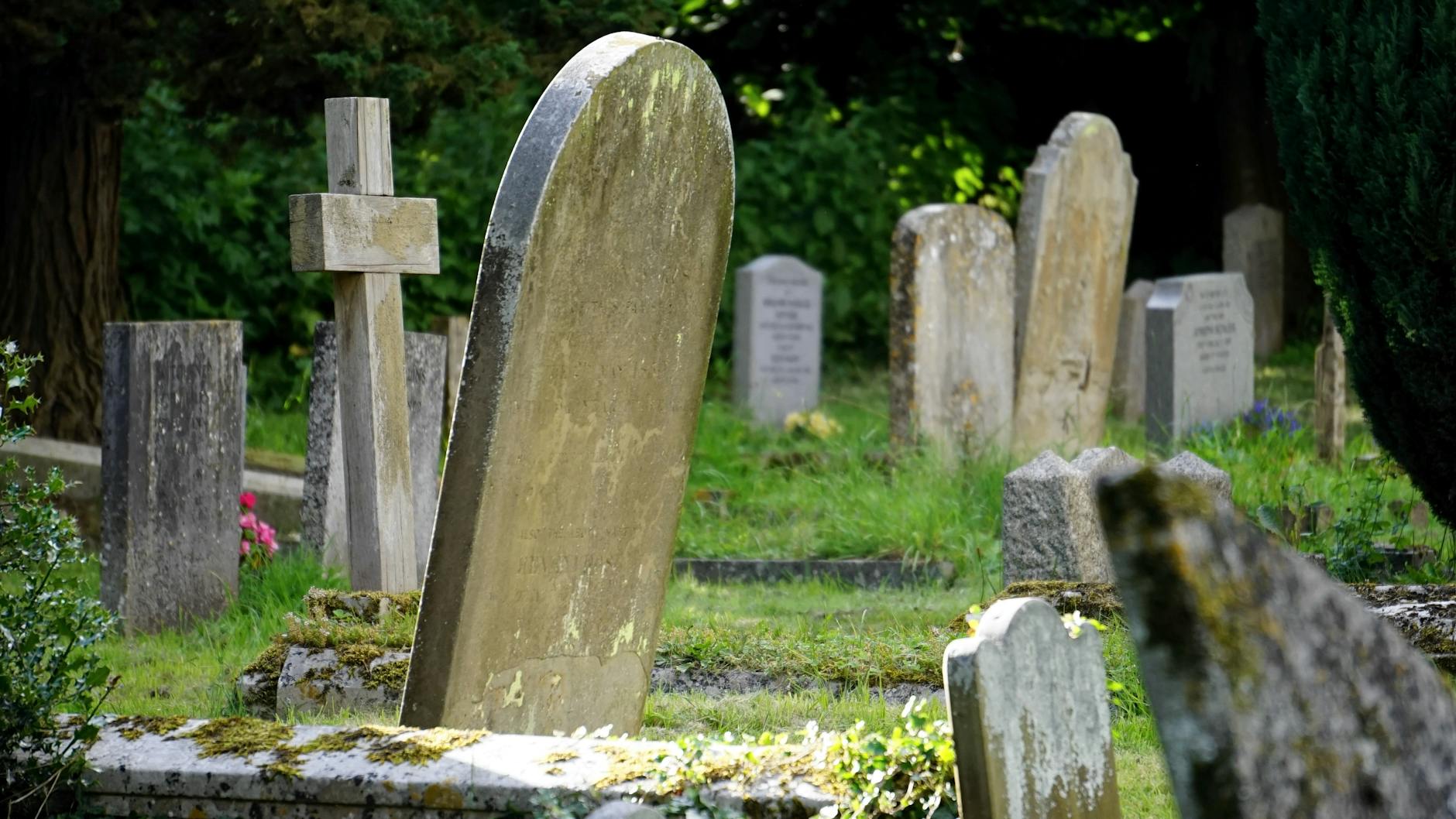
    Grief doesn’t arrive like a storm; it sneaks in like a shadow that grows longer and darker the more you try to ignore it. Losing him in 2019 hit like that — quiet, insistent, unrelenting. There were days when it felt like the air had grown heavier, when the world itself seemed smaller, quieter, less certain. His absence was everywhere, in the laughter that no longer echoed in family rooms, in the stories that no longer had a living witness, in the small, ordinary moments that suddenly felt incomplete. And yet, even in that grief, even in the silence and the ache, he left something behind: a thread, a spark, a reminder. He had always been a quiet teacher, and even in death, he taught. He taught me about presence, about kindness, about the quiet ways you can leave a mark on the world.

    It’s strange, how people live on in the echoes of their actions, in the memories they shape, in the habits and values they instill. My uncle’s influence is woven through the life I lead now, through the words I write, the ways I observe the world, the ways I respond to pain, joy, confusion, and beauty. He left behind a kind of blueprint for attention and care, a reminder that being present, being attentive, being real, can resonate far longer than any flashy gesture or grand declaration. In every post I write, every story I tell, every poem I craft, there is a trace of him — a whisper of his presence, a residue of his wisdom, a spark of his warmth.

    I remember sitting with him in the kitchen during long, unremarkable afternoons, talking about everything and nothing, and yet feeling like these conversations carried weight, like they were shaping me in ways I couldn’t understand at the time. He had this way of asking questions that didn’t feel intrusive but opened doors, questions that guided rather than demanded, that encouraged reflection rather than defensiveness. And when he spoke, it wasn’t always profound in an obvious sense, but it carried clarity, insight, and empathy. He had a gift for noticing the small things — the way someone held a cup of coffee, the hesitation in a word, the fleeting expression that revealed a deeper truth. And he remembered those details, not for manipulation or advantage, but because they mattered.

    Grief has a strange way of teaching you about absence, about the invisible threads that bind us to others. Losing him was like losing a part of my internal compass. There were moments when I felt adrift, moments when the world seemed too harsh, too loud, too indifferent. And yet, in those same moments, memories of him — small, fleeting, ordinary — became lifelines. The way he laughed at my worst jokes, the way he encouraged curiosity, the way he simply sat with you in silence when the world was overwhelming — these became touchstones, guiding me through dark days, reminding me that presence matters, that kindness matters, that attention matters.

    He was not perfect. No one is. But he carried flaws with a kind of grace that made them human rather than burdensome. He could be stubborn, opinionated, occasionally sharp, yet even those traits were tempered with humor and warmth. And in his imperfections, he taught the most profound lessons: that human beings are complicated, contradictory, and evolving, and that love and respect aren’t about perfection but about effort, understanding, and persistence.

    Looking back, it’s clear how much he shaped my approach to writing, to observation, to expression. My blogs, my stories, my poems — they are infused with the curiosity, empathy, and attentiveness that he embodied. Writing became my outlet, my way of processing grief, my way of carrying forward lessons that could no longer be shared in person. In many ways, the act of writing is a dialogue with him, a way of translating his presence into words, a method of keeping his spirit alive in the spaces I create.

    I remember one afternoon in particular, years before he passed, sitting with him and my family in a small, sunlit living room. We were laughing over some absurd memory, and he paused, looked at us, and said something I didn’t fully appreciate at the time: “Life’s messy, sure, but it’s worth noticing.” I didn’t understand then how much weight those words carried. I understood it later, after his passing, when I was trying to navigate grief and uncertainty, when I was searching for a way to keep going. It was in that simple phrasing — “worth noticing” — that I found a principle to live by, a lens for observing the world, a framework for writing.

    He had a subtle, almost invisible influence on the way I approach empathy. Watching him interact with the world, observing his attentiveness, his patience, his gentle insistence on understanding before judging — it shaped how I see others, how I listen, how I respond. In writing, this translates to the care I take with words, the way I try to inhabit perspectives, the way I seek to illuminate human experience with honesty and respect. It is, in a sense, a continuation of his influence, a channeling of the lessons he imparted without ever lecturing, without ever instructing overtly.

    Loss is a teacher in its own right, albeit a harsh one. Losing him revealed not only the depth of my grief but also the resilience embedded in memory, in love, in the echoes of a person’s life. It taught me to find meaning in ordinary moments, to notice the small gestures that carry immense significance, to cherish the people in my life while they are present. And it underscored the value of creative expression as a lifeline, a method of processing, a way of keeping connection alive across absence.

    As I reflect on him now, six years after his passing, I realize that describing a family member — truly describing them — is never about completeness. It’s about tracing the ripples they leave, the impact they have, the ways they persist in memory and action. My uncle’s influence isn’t contained in anecdotes or physical presence; it’s alive in the ways I write, in the empathy I try to cultivate, in the attention I give to others. It’s in the quiet insistence that life, with all its mess and grief, is worth noticing, worth engaging, worth transforming into meaning.

    He would have appreciated the irony in all this — the idea that someone could live on through words, through blogs, through stories, through poems. He wasn’t one for dramatics, yet he understood the power of small acts to ripple outward, to touch lives, to carry essence beyond presence. And that is what I strive for now, in memory of him: to take what was given, what was observed, what was learned, and channel it into something tangible, something that can comfort, connect, and illuminate, even in the absence of his voice, his hands, his laugh.

    My uncle’s life reminds me that legacy isn’t measured by grand gestures or monumental achievements. It’s measured by attentiveness, by warmth, by the quiet ways you shape the world around you. It’s in the laughter you inspire, the curiosity you nurture, the empathy you model, the care you take in noticing others. It’s in the lives you touch, subtly, gently, consistently. And in that sense, he is everywhere — in the moments I remember, in the stories I tell, in the words I write, in the attention I give to life itself.

    To describe him fully in words is impossible, yet in trying, I honor him. I honor the presence that shaped me, that influenced me, that continues to guide me. I honor the humor, the kindness, the attentiveness, the quiet insistence that life — even in its messiness and grief — is worth noticing. And I honor the ways his absence has taught me, shaped me, and inspired me to create, to write, to live with intention.

    Even now, as I write these words, I feel the pull of his presence, not as a ghost, not as a shadow, but as a living echo. He is the subtle rhythm in my observations, the reminder to notice the small gestures, the inspiration to express care, empathy, and curiosity. Six years later, I carry him not as a memory alone, but as a living thread woven into the fabric of my creative life, my reflections, my stories.

    And so, in answering the question — describing a family member — I find that I cannot separate him from the life I live now, from the writing I do, from the empathy I strive to cultivate. To describe him is to describe the ripples he left behind, the quiet insistence that life is worth noticing, worth engaging, worth reflecting upon. It is to honor presence, influence, and the enduring power of ordinary human attentiveness to transform, shape, and inspire.

    My uncle lives on in every post, every paragraph, every poem, every story I write. He lives on in the attention I give to others, in the way I listen, in the way I notice, in the way I try to understand. He lives on in the quiet insistence that life — messy, painful, beautiful, fleeting — is worth noticing. And in that, he has become eternal, not through grand monuments or accolades, but through the subtle, indelible echoes of a life well-lived, a presence fully given, and a love quietly, persistently expressed.

    Fediverse Reactions
  • When You Care Too Much to Share: The ENFJ Struggle of Protecting Others from Worry

    When You Care Too Much to Share: The ENFJ Struggle of Protecting Others from Worry

    There’s something I don’t think I’ve ever really talked about before — not to my friends, not to my family, not really to anyone. It’s something I’ve always kind of kept inside, something that’s just part of how I am.

    I’ve always been able to sense emotions. It comes naturally to me — like I can feel when someone’s off, even if they don’t say it. It’s that ENFJ intuition, that emotional radar that picks up subtle shifts in tone, expression, energy. I can tell when someone’s sad, angry, anxious, even when they try to hide it. It’s not something I do consciously — it’s just something I feel.

    But that same sensitivity, that same emotional awareness, also comes with a kind of burden. Because when you can sense how others feel so easily, you start to carry it with you. You start wanting to protect people from more pain. You start thinking, They already have so much to deal with — I don’t want to add to it.

    And that’s where one of my quietest habits comes in — one I don’t usually admit: sometimes, I don’t tell people when bad or sad things are happening. Even people I’m close to. My friends, my family. It’s not that I don’t trust them, or that I don’t care. It’s the opposite — I care too much.

    When something difficult happens, my first instinct isn’t to reach out. It’s to think, I don’t want to make them worry.
    They have their own lives, their own stresses, their own struggles. Why should I pile mine on top of theirs?

    I know they’d listen. I know they’d be there for me. That’s what friends and family do. But still — there’s that little voice inside that says, don’t burden them. So instead, I try to carry it quietly. I process it on my own. I tell myself, I’ll talk about it later, or it’s not that big a deal, or they don’t need to know this right now.

    And the thing is, I don’t always realize how heavy that gets until much later. Until maybe I’m sitting alone, overthinking, or when someone asks, “Hey, are you okay?” and I almost say, yeah, I’m fine, even though I’m not.

    It’s this strange paradox — being someone who feels deeply connected to others, who can read emotions, who values openness and empathy, but also someone who holds back when it comes to their own pain. Because I’m not afraid of being vulnerable — I just don’t want to cause others to feel what I’m feeling.

    That’s the double edge of empathy. You want to shield people, even from your own sadness. You don’t want them to feel the weight you’re carrying. But sometimes, in doing that, you end up isolating yourself without meaning to.

    I think a lot of ENFJs, or just empathetic people in general, can relate to that — that quiet balancing act between caring for others and remembering to let others care for you, too. It’s not easy. Because when you’re used to being the one who listens, comforts, and understands, it’s hard to switch roles and say, hey, I need that too.

    Lately, I’ve been trying to unlearn that a bit. To remind myself that people don’t just want to share joy with you — they want to share the hard stuff too. That opening up isn’t a burden; it’s an invitation for deeper connection.

    Still, it’s something that takes time. I think for people like me, it’s not about learning to feel less, but about realizing that caring deeply also means trusting others enough to let them care back.

  • Letting Go: Reflections on Loss and “El Camino”

    Letting Go: Reflections on Loss and “El Camino”

    April 2019 was a month that left a permanent mark on my life. It was the month I lost my uncle, someone who had been a constant presence throughout my childhood and into adulthood. His passing felt sudden, and yet, somehow inevitable, a stark reminder of the fragility of life. Losing him forced me into a space I had never fully encountered before—a space of grief, reflection, and ultimately, learning to let go. I didn’t know at the time just how long the journey would be or how deeply it would affect me. But the universe has a way of giving us reflections, subtle and strange, in unexpected forms. For me, one of those reflections came in the form of a movie that arrived just months after my uncle’s death: El Camino: A Breaking Bad Movie.

    El Camino was released in October 2019, six months after I had said goodbye to my uncle. The timing was uncanny, almost eerie, yet in that coincidence, I found a strange kind of comfort. The film follows Jesse Pinkman in the aftermath of the Breaking Bad series finale, dealing with the consequences of a life surrounded by chaos, betrayal, and loss. Walt is gone. Jesse has survived, but at a tremendous cost. In the movie, he struggles with freedom, guilt, and the uncertainty of what comes next—an emotional and psychological journey that, in many ways, mirrored my own experience of loss. Watching Jesse navigate his post-Walt life felt almost symbolic, as if the story were acknowledging a personal grief I hadn’t fully articulated yet.

    Grief is strange in how it manifests. When someone you love passes away, the immediate absence is almost tangible. You notice the empty chair at the table, the silence on the phone, the lack of shared laughter in familiar spaces. For me, losing my uncle was more than losing a family member; it was losing a touchstone, a figure who represented stability, guidance, and unconditional support. In the weeks following his death, I felt untethered. Life continued around me, moving forward in a rhythm I couldn’t keep up with, and yet, I was stuck in a loop of remembrance, replaying memories, and grappling with the weight of absence.

    Watching El Camino in that context was unexpectedly cathartic. Jesse’s journey after the fall of Walter White resonated with me because it was a story about transition—about the painful process of leaving behind something that defined you, even if it was destructive or complicated. Jesse had to navigate a world without Walt, a figure who, despite everything, had been central to his life. Similarly, I had to navigate a world without my uncle, someone whose influence had been deeply woven into the fabric of my own life. The parallel was not exact, of course. Jesse’s world was fictional, violent, and chaotic, while my own grief was personal, quiet, and internal. But the emotional truth—the challenge of learning to let go and move forward—was shared between us.

    Letting go is not a single act; it is a process that unfolds over time. There is no magic moment when grief disappears or when pain is erased. Instead, it becomes a series of small concessions, moments of acceptance, and quiet realizations that life continues despite the hole left by those we have lost. For me, the first step was acknowledging the depth of my grief without judgment. There were days when I could not focus, when laughter felt impossible, and when the world seemed absurdly unfair. And yet, there were also moments of reflection, where the memory of my uncle brought warmth instead of pain, and gratitude instead of sorrow.

    The next step, as I gradually realized, was understanding that letting go does not mean forgetting. It does not mean erasing someone from your life or pretending their influence did not exist. Rather, it means finding a way to carry their memory forward without allowing it to anchor you in a place of perpetual mourning. Just as Jesse ultimately has to step into a new life at the end of El Camino, I had to find a way to step into a life that acknowledged loss without being defined by it. It was a process of learning to breathe, to move, and to accept that the world continues—even when it feels unbearably empty.

    The connection between my grief and El Camino was not something that struck me immediately. At first, the timing of the movie’s release felt coincidental, almost trivial in the shadow of actual loss. But as I reflected on Jesse’s story, I began to see the resonance. There is a universality in his struggle: the grappling with freedom, responsibility, and identity after a profound rupture. In the months following my uncle’s death, I recognized the same themes in my own life. I had to redefine myself, my routines, and my emotional boundaries. I had to confront questions I had never anticipated: How do you honor someone’s memory while still allowing yourself to live? How do you reconcile love with absence? How do you find peace in a world that feels smaller without them?

    The journey is ongoing. Even now, years later, there are moments when grief resurfaces unexpectedly—a song, a smell, a fragment of a conversation. But the difference lies in the way I relate to it. Instead of resisting, I try to acknowledge it, allowing myself to feel without being consumed. I try to carry forward the lessons, the laughter, and the love that my uncle imparted, using them as guideposts rather than weights. It is a delicate balance, a negotiation between memory and presence, past and future.

    In some ways, El Camino became more than a film for me. It became a metaphor, a reflective lens through which I could view my own experience. Jesse’s journey from chaos to tentative freedom mirrored my own path from shock to acceptance. His struggles reminded me that grief is not linear, that the process of letting go is messy, unpredictable, and profoundly human. And while his story is fictional, the emotional truth it conveys is undeniably real: loss is transformative, and the way we respond shapes the lives we continue to live.

    Ultimately, what my uncle’s passing and the release of El Camino taught me is that letting go is not about closure in the conventional sense. It is about integration—finding a way to include absence in the ongoing story of your life. It is about moving forward without erasing the past, honoring love while embracing the possibility of new experiences. And it is about recognizing, in both fiction and reality, that survival, adaptation, and hope are inextricably linked to the human condition.

    The year 2019, marked by loss and cinematic reflection, became a pivotal point in my life. It reminded me that grief can coexist with growth, that pain can coexist with gratitude, and that letting go can be an act of courage rather than surrender. Just as Jesse steps into an uncertain but promising future at the end of El Camino, I continue to navigate my own path forward, carrying memory, love, and lessons learned. The journey is ongoing, sometimes challenging, sometimes surprisingly beautiful, but always a testament to the resilience of the human spirit and the enduring impact of those we have loved and lost.

  • Finding Hope Through Hurt: A Reflection on the Manhattan Shooting

    Finding Hope Through Hurt: A Reflection on the Manhattan Shooting

    On the evening of July 28, 2025, a tragic event unfolded in Midtown Manhattan, forever altering the lives of many. A shooting at 345 Park Avenue claimed the lives of four people, including a beloved New York City police officer, Officer Didarul Islam, who was serving to protect others. While the pain of this loss weighs heavily on the hearts of those directly affected, it also serves as a powerful reminder of the strength, resilience, and kindness that exists within our community, even in the darkest of times.

    In moments like these, it’s easy to feel overwhelmed by the sorrow and uncertainty that tragedy brings. It’s hard not to wonder how such a senseless act of violence can occur, especially in a city as familiar and bustling as New York. Yet, even in the midst of grief, we must hold on to the hope that together, we can find a way through the hurt.

    One of the most inspiring aspects of this tragedy is the story of Officer Islam himself. A man who, despite knowing the risks of his job, chose to protect others with unwavering courage. He gave his life so that others might live, a reminder of the extraordinary sacrifices so many first responders make each day to keep us safe. His legacy will not be defined by the violence that took him, but by the love he had for his family, his community, and his city.

    While it is important to acknowledge the pain, it is equally important to recognize the ways in which we come together in times of crisis. In the aftermath of the shooting, New Yorkers have once again shown their strength, offering support to those who were affected and coming together as one community. The NFL and its employees are rallying around one of their own who was injured in the attack, and local law enforcement has continued to show unwavering dedication to keeping us safe.

    This is what we must hold on to. In the face of sorrow, there is also kindness. In times of fear, there is hope. We have seen it time and time again in New York, where, no matter what happens, the city unites to support each other. This tragedy may have shaken us, but it will not break us. We will rise above the hurt, and in the process, we will be reminded of the deep connections we share with one another.

    In the days and weeks to come, it’s essential that we continue to lean on each other. Whether through a kind word, a helping hand, or simply standing together in solidarity, we can each play a part in healing. Though it may feel like a dark time now, we can take comfort in knowing that we are not alone. We will get through this, just as we’ve gotten through past challenges—together.

    As we reflect on the lives lost, let’s also remember to celebrate the goodness around us: the courage of those who protect us, the compassion of our neighbors, and the strength of our collective spirit. We are more than the pain we experience. We are defined by how we come together in the face of adversity, how we lift each other up, and how we move forward with hope, even in the darkest of times.

  • One Year Later

    One Year Later

    It’s been a year since you’ve been gone.

    You’re gone from our lives, but not our hearts.

    I’ve known you all my life, and I still can’t believe you’re gone.

    I miss you a lot. I wish you were here.

    I’ve got so much to tell you. I’ve got so much to say.

    All I can really do is live life day by day

    And take chances in life to see where things will congregate.

    I don’t know where I’ll be in a couple of years from now,

    But one thing I do know is that I won’t ever back down.

    I won’t let fear and insecurity

    Prevent me from being me,

    Seeing all I can see,

    And being the best person that I can be!

    You always taught me to not give up,

    To not give in,

    And to never quit.

    You taught me to pursue my goals and dreams no matter how hard they may be.

    You taught me to overcome obstacles and challenges no matter how difficult they may seem.

    You had so much potential and so much life left to live.

    I wanted to see you be happy and succeed.

    You were taken from this world too soon.

    I wish you could see the person that I’ve become!

  • Birthday

    Birthday

    So today is my birthday. Does not feel like much of a birthday today, though. With the whole coronavirus pandemic going on in the world, I have not been in much of a celebratory mood.

    It really sucks, for I was looking forward to my birthday for a while. Back in January, before things got as bad as they did with coronavirus, I was looking forward to hanging out with friends on my birthday. I wanted to grab a bite to eat with them. I was thinking about trying “Beyond Sushi” in the city with them. It was a vegan sushi restaurant, and I wanted to try something new and different. I was also thinking about going to Gamestop to buy a new game, or possibly going to a book store to get some books for myself. There was so much I was thinking about doing for my birthday both with friends and for myself.

    Things did not turn out that way, however. Currently, the world is dealing with a pandemic, and in the US, the cases are skyrocketing. It’s pretty serious. It is really depressing, too. It is really depressing to hear about all of this shit going on. I want things to get better. I hope they get better. I know at some point, this virus will subside, but what will be the result? Who even knows?

    All I do know is that I will try to make the best of the situation. I still have books. I still have music. I still have movies. I still have YouTube. I still have the Internet. I still have family. I still have friends. I still have my health. I will try to keep in touch with my friends and family for as long as I can, and I will try to stay as healthy as I can for as long as I can. I hope I don’t wind up getting sick. I do not want to get sick, and I do not want to get other people sick. Nobody knows what will happen days, weeks, or months from now, but what is for certain is that we have to try to remain positive, take precautions, social distance as much as possible, and if we are still working, hold onto our jobs for as long as possible. We have to take things one day at a time and see what happens.