The Musings of Jaime David
@jaimedavid.blog@jaimedavid.blog

The writings of some random dude on the internet

1,089 posts
1 follower

Tag: freedom

  • Imu as a Tragic Villain: A Reluctant Ruler of Shadows

    Imu as a Tragic Villain: A Reluctant Ruler of Shadows

    In the vast world of One Piece, the villainous forces are often complex and multifaceted. Characters like Crocodile, Doflamingo, and Kaido are all embodiments of different aspects of ambition, power, and control. However, amidst these more traditional villains, Imu stands out as a potential tragic villain—a reluctant ruler, trapped in a position of power, manipulated by forces far greater than themselves. Imu might not be the true orchestrator of the World Government’s dark deeds, but instead a puppet—a person who, through a mix of fate and manipulation, has been thrust into a role they never wanted or even sought.

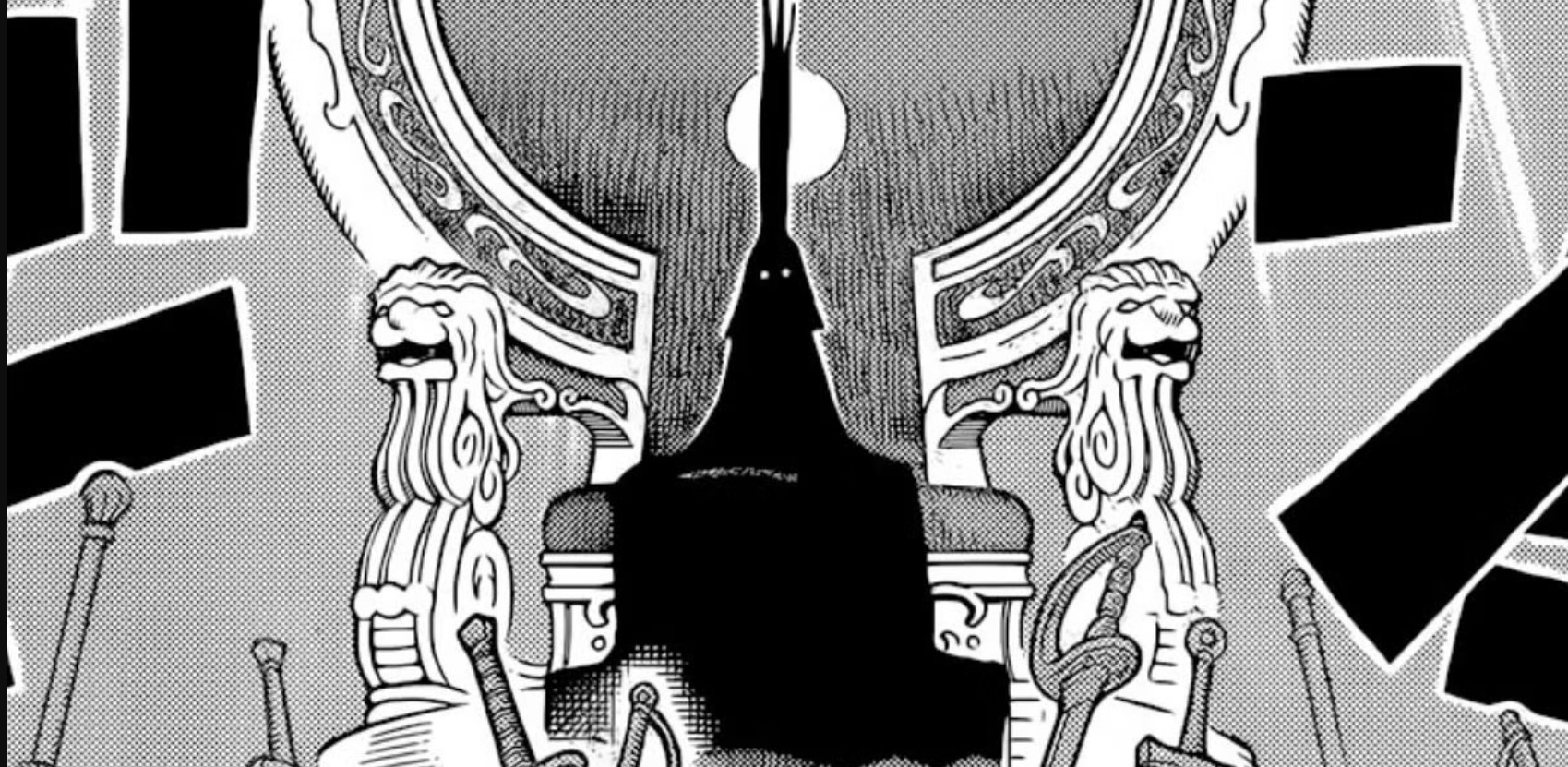
    Imu’s introduction in the story is anything but typical. They are not the flashy antagonist we might expect but rather a shadowy figure who is rarely seen. Imu’s most prominent appearance occurs during the Reverie arc, where we see them seated on a throne, invisible to most of the world, hiding behind the Gorosei. This first interaction with Imu sets the stage for their mysteriousness—they are hidden from the world, manipulating things from behind the curtain, and giving orders from the shadows. But what if this hiding isn’t about exerting control but about hiding from it? What if Imu doesn’t actually want to be at the top of the world’s power structure? Perhaps Imu is forced to remain in the shadows, with the Gorosei acting as the real power behind the throne. The Gorosei have always been presented as the true puppeteers, with Imu as the puppet—and their role could be designed to create a figurehead who takes the blame for the corruption of the World Government.

    While we’ve seen Imu give a few commands (such as suppressing Cobra and later ordering the assassination of certain world leaders), their true role appears more reactive than proactive. Imu doesn’t seem to be a decision-maker in the traditional sense. When Cobra confronts Imu, Imu does not lash out or demand action. Instead, they stay silent and observe Cobra, almost as though they are waiting for something. This could indicate that Imu is powerless to act on their own and that they’re forced to remain in this position due to the influence of the Gorosei or other unknown forces. In fact, this silence is arguably one of Imu’s most telling traits. It could reflect an inner struggle between the power they hold and their desire to escape from it. Their actions—such as assassinating Cobra—could be driven not by a desire for complete control, but by a duty they feel trapped by. They may even fear that stepping out of the role they’ve been forced into could have catastrophic consequences.

    One of the most crucial moments in the story that hints at Imu’s reluctance as a villain is their interaction with Cobra. When Cobra meets Imu, he is shocked by the presence of this hidden ruler, and Imu does not fight for power in the way most traditional villains would. Instead of using threats or intimidation, Imu waits to see how Cobra will react, almost as though they are testing the waters for a way out of their burden. Perhaps Cobra, sensing something in Imu, could have offered them an escape, had he acted differently. Cobra’s reaction is more out of fear than understanding, and it’s clear that Imu’s silence could be reflective of their own inner conflict. They have been placed in a position of absolute power, but they are not the one pulling the strings—they are a puppet in a game controlled by the Gorosei. This moment could represent a tragic opportunity lost, with Imu perhaps subconsciously hoping Cobra would find a way to offer them freedom from the chains of power. Instead, Cobra’s fear and the Gorosei’s oppressive rule trap Imu deeper into their role, further reinforcing their tragic status as someone forced into villainy against their will.

    One of the strongest indicators of Imu’s tragic status is how they are manipulated by the Gorosei. While it’s true that Imu has some level of influence, it’s often the Gorosei who take action, give orders, and determine the fate of the world. The Gorosei are portrayed as being extremely powerful, and they clearly treat Imu as a figurehead. There’s no indication that Imu truly controls the Gorosei—they seem to be puppeteered into their role. Imu’s powerlessness, in this sense, mirrors the experience of many tragic characters in literature—people who hold immense power but are ultimately controlled by forces beyond their control. Imu, in this context, could be seen as a tragic ruler trapped in a gilded cage, forced to play a role that might not align with their true desires. It’s a classical tragic trope, where the figurehead ruler is ultimately powerless and controlled by hidden forces.

    Another possible clue to Imu’s tragic nature lies in their reaction to the Void Century and the Poneglyphs. Imu, as the ruler of the world, has likely been witnessing the oppression caused by the World Government for centuries. Yet, we’ve never seen Imu take pleasure in the suffering that the World Government causes. In fact, they might even resent it. The destruction of the ancient kingdom and the cover-up of the Void Century could weigh heavily on Imu’s conscience. They might be trying to hide the truth not because they want to control the world, but because they feel responsible for the atrocities committed by the World Government. Imu’s silence on these issues could be a sign of guilt and remorse for the things they’ve been forced to uphold.

    Finally, if we accept the premise that Imu’s villainy is reluctant, we have to consider the possibility of a redemption arc. What if, after seeing Luffy’s journey and his desire for freedom, Imu begins to realize that they are not bound to the throne? That they can choose a different path, just as many other characters have done in the story? Luffy’s capacity for forgiveness and understanding could serve as a catalyst for Imu’s eventual rebellion against the Gorosei. The final battle could be framed not just as a clash of ideals but as a struggle for freedom, where Imu, the reluctant villain, is finally freed from their own chains.

    Imu could very well be a tragic villain—someone who was forced into power and trapped by the systems around them. Their role in the story is not one of ambition or domination but one of reluctance and subjugation. Imu’s actions could reflect the inner turmoil of someone who never sought to be a ruler and who may be desperate for an escape from the very system they uphold. Their tragic journey could follow the narrative of someone trapped in a role they did not choose, longing for freedom and redemption.

    This theory not only aligns with the recurring One Piece themes of freedom, manipulation, and growth but also offers a deeper understanding of Imu’s role in the overall story. Instead of being the ultimate villain, Imu could represent a tragic figure—one who, through circumstance and manipulation, became a villain when they were never meant to be one.

  • The Final Three: Shanks, Crocodile, and Smoker as Luffy’s Last Straw Hat Crew Members

    The Final Three: Shanks, Crocodile, and Smoker as Luffy’s Last Straw Hat Crew Members

    Over the course of One Piece, Luffy’s crew has grown from a group of misfits to one of the most powerful and diverse pirate crews in the world. However, the final three members who will join Luffy’s crew are far from conventional choices. These candidates—Shanks, Crocodile, and Smoker—represent not just the culmination of Luffy’s journey but also the evolution of pirate ideology, duty, and redemption in the world of One Piece. The selection of these three figures to complete the Straw Hat crew speaks volumes about the themes of the series and how far Luffy has come as a captain, as well as how these figures’ arcs intertwine with his own.

    The story of Shanks, Crocodile, and Smoker spans across nearly every phase of the series, from its earliest chapters to the most current arcs. These three are not just members of the old guard but foundational pieces of the One Piece narrative. Their evolution from antagonists or neutral figures into potential members of Luffy’s crew symbolizes the deep thematic connection between freedom, redemption, and growth. Each character, through their actions and interactions with Luffy, has grown in a way that not only justifies their place on the crew but highlights the central message of the series: people change, they evolve, and they ultimately find their path in the face of overwhelming odds.

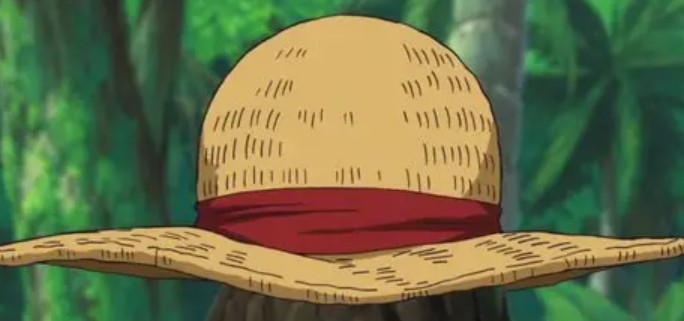
    Shanks, the first man to ever inspire Luffy to become a pirate, is one of the oldest characters we’ve seen, not only in terms of age but in the story itself. From the moment he saved Luffy from Higuma the mountain bandit, Shanks has been a guiding force in Luffy’s journey. However, the true significance of Shanks lies in the fact that he embodies the idea of freedom and the Pirate King’s legacy, even if that legacy is something he never directly sought. Shanks is a Yonko, a captain, and the leader of a powerful crew, yet at his core, he is a symbol of restraint. His understanding of balance and his decision to avoid the wars that define other pirates show that he knows when to fight and when to let others carry the weight of the world. He also plays a key role in Luffy’s development, teaching him about the pirate world’s harsh realities while pushing him toward his own freedom.

    However, Shanks’ own journey is one of unfulfilled potential. He is a man who has reached the peak of piracy without ever truly embracing the selfishness and ruthlessness that defines most pirates. When Shanks recognizes Luffy’s potential, he begins to see a future where his old restraint can give way to Luffy’s ambition. Shanks’ role in Luffy’s future crew will be significant. It will mark a moment of mutual respect between the two men who share the same drive for freedom, yet come from different perspectives. Shanks would bring wisdom, experience, and the gravitas of a true leader who is not concerned with power but with guiding others to their potential. His presence would serve as the bridge between Luffy’s pure, unbridled optimism and the realpolitik of piracy that Shanks has experienced firsthand.

    Crocodile, on the other hand, is the embodiment of a ruthless pirate turned potential ally. Once one of the Seven Warlords of the Sea, Crocodile represents the darker side of piracy, one that prioritizes power and personal ambition above all else. Yet, over time, Crocodile has shown complexity and growth. His sacrifice during the War at Marineford for Luffy is one of the most profound acts of his arc, hinting at a deep, if begrudging, respect for Luffy’s ideals. Crocodile’s motivations have always been aligned with freedom, but his methods are far more cynical, and his willingness to sacrifice others for his own advancement has been his downfall. However, his arc is one of redemption. Crocodile’s decision to save Luffy at Marineford marks a pivotal shift, a sign that he sees Luffy’s rise as an opportunity to achieve the freedom he has always sought but in a more honest and selfless way.

    Crocodile is a strategist who excels in manipulation and planning. If he were to join Luffy’s crew, he would undoubtedly take on the role of the crew’s strategist or advisor, guiding them through the most treacherous waters of the New World and beyond. As a former Warlord, Crocodile would bring a wealth of knowledge about the World Government and the underworld, providing insights into how Luffy can outmaneuver those in power. More than that, Crocodile’s understanding of betrayal, power struggles, and the long-term consequences of actions would make him a valuable resource for Luffy. His journey from enemy to ally would mirror Luffy’s own capacity for forgiveness, as well as his understanding that even those who have been enemies can find a place in his crew.

    Smoker, the stoic marine captain who has always stood in Luffy’s way, represents the moral complexity of the world of One Piece. Unlike the other two, Smoker embodies the tension between duty and freedom, constantly walking the fine line between his role as a Marine and his growing awareness of the flaws within the World Government. He is a man who has witnessed Luffy’s rise from a reckless kid to a force that will eventually challenge the world’s established order. His sense of justice has been tested throughout the series, and over time, he has realized that the World Government’s version of justice is flawed and often hypocritical. While he doesn’t fully embrace Luffy’s pirate ideals, he recognizes in Luffy a genuine desire to change the world and bring about true freedom.

    Smoker’s role on the crew would be one of a mentor and commander. His experience as a Marine and his combat abilities would make him a natural fit to train the Straw Hats in combat and strategy, particularly as they approach the final leg of their journey. His unique position—having once been Luffy’s antagonist and now potentially joining his crew—would symbolize the blurring of lines between what it means to be a pirate and a Marine, echoing Luffy’s own fight against arbitrary distinctions between “good” and “evil.” Smoker’s willingness to let go of his old allegiances would highlight his growth as a character and would also reflect the moral fluidity that is a recurring theme in One Piece. In joining Luffy’s crew, Smoker would be rejecting the corrupt system he once worked for, choosing instead to fight for a world where freedom and justice go hand in hand.

    The inclusion of Shanks, Crocodile, and Smoker as the final three members of the Straw Hat crew would be the ultimate narrative payoff for One Piece. These three characters represent the old guard, the antagonists, and the graying moral lines of the pirate world. As the series draws closer to its conclusion, the addition of these three would signify Luffy’s victory over the status quo, symbolizing the passing of the torch from the previous generation of pirates to the new one. The thematic richness of these three characters—redemption, freedom, and honor—would mirror Luffy’s own arc, one that has evolved from simple dreams to a larger purpose that could change the world.

    In conclusion, the final three Straw Hat members—Shanks, Crocodile, and Smoker—are not just powerful pirates but essential figures in Luffy’s journey. They are characters who have been with us since the earliest arcs of the series, growing alongside Luffy, each dealing with their own versions of ambition, betrayal, and redemption. Their eventual inclusion in the crew would provide narrative depth, challenge Luffy’s ideals, and bring the series full circle. It would be a powerful testament to how even the most hardened of characters can change, and how Luffy, as the future Pirate King, is capable of inspiring those around him to rise above their pasts and fight for a better future.

    The roles each of these characters would play within the Straw Hat crew are equally significant. Shanks, with his immense experience as a captain and Yonko, would be Commander of the Grand Fleet. His role would not be one of direct leadership of the crew but as the individual who unites Luffy’s allies into a collective force. As Commander, Shanks would be the one ensuring that the Grand Fleet remains cohesive and functional, guiding each member of the fleet with his understanding of balance and restraint. His calm, collected nature, combined with his leadership experience, would make him the perfect individual to command the vast coalition of pirates that Luffy will eventually form, ensuring the unity and effectiveness of the Grand Fleet in their final push for victory.

    Crocodile would take on the role of Strategist of the Grand Fleet. With his intellect, cunning, and deep understanding of the political landscape, Crocodile would be the perfect individual to lead the Grand Fleet’s long-term planning. He would focus on devising the best course of action for the fleet, analyzing potential risks and rewards, and manipulating situations to Luffy’s advantage. Crocodile’s role would require him to think in terms of strategy, carefully calculating moves to ensure the fleet’s success. His strategic mind and understanding of power dynamics would make him an invaluable asset, allowing Luffy and his crew to outmaneuver the most formidable enemies.

    Finally, Smoker, with his combat experience and keen tactical insight, would serve as the Combat Specialist or Tactician of the Grand Fleet. His role would be to analyze battle situations and make real-time decisions that could turn the tide of a fight. While Crocodile excels at the long game, Smoker would be on the front lines, using his vast combat experience to adjust strategies on the fly. His military background as a Marine captain would allow him to assess the battlefield and deploy tactics that could give Luffy’s crew an edge in even the most chaotic and high-stakes fights. His experience as a tactician would be crucial in combat scenarios, ensuring that the Grand Fleet operates efficiently and effectively under pressure.

    These roles—Shanks as Commander, Crocodile as Strategist, and Smoker as Tactician/Combat Specialist—would allow each character to contribute their unique skill set to the final push against the forces of the World Government and Blackbeard, while also reflecting their growth and redemption arcs. Through their combined efforts, the final stage of Luffy’s journey will be marked by these three complex figures, whose evolution mirrors the overarching narrative of One Piece: that no one is beyond change, and that with the right people by your side, you can achieve the impossible.

  • Summer of Imagination: The Sun-Soaked Dreamscape

    Summer of Imagination: The Sun-Soaked Dreamscape

    Summer is a season of boundless potential. The sun, more generous than any other time of the year, casts its golden light on everything it touches. There’s a unique magic in summer, where the ordinary becomes extraordinary. A walk down a quiet street becomes a journey into a different world, where the sounds of birds and the rustling of leaves speak of adventure.

    This is the time when our minds are free to wander without the constraints of winter’s cold grip. We allow ourselves to daydream about the places we could go, the lives we could live, and the adventures we might take. Summer invites us to shed the heavy layers of thought and simply exist in the moment, basking in the sun’s warmth and letting our imaginations take flight.

    There’s a certain kind of beauty in the simplicity of summer days—the feeling of warm sand between your toes, the sound of ice cubes clinking in a glass, and the way the sky stretches endlessly above us. But it’s more than just the weather. Summer is about embracing a slower pace, where we allow ourselves to dream and wonder, to live in the present and to imagine what could be.

    In this post, I invite you to remember those moments of pure summer bliss, where the world felt like it was at your fingertips. To revel in the boundless energy the season offers and to tap into that childlike wonder that summer brings..