The Musings of Jaime David
@jaimedavid.blog@jaimedavid.blog

The writings of some random dude on the internet

1,089 posts
1 follower

Tag: hope

  • I’m Just Like Rubber, I Always Bounce Back

    I’m Just Like Rubber, I Always Bounce Back

    There is something quietly radical about refusing to stay broken. Not in the loud, motivational-poster sense, not in the shallow optimism that pretends pain doesn’t exist, but in the stubborn, almost absurd insistence on continuing anyway. I’ve realized that if there is one consistent trait that defines me, it’s this: I bend, I stretch, I get knocked down, flattened, twisted into shapes I never asked to take, and yet I come back. Over and over again. I don’t shatter. I don’t permanently collapse. I bounce back. Like rubber. Like Luffy.

    At first, that comparison sounds almost childish. A pirate made of rubber from an anime about adventure, friendship, and dreams sounds like a strange symbol to use when talking about real-world exhaustion, grief, disappointment, and systemic cruelty. But the more I sit with it, the more accurate it feels. Luffy doesn’t win because he’s the smartest person in the room. He doesn’t win because he’s the strongest in a conventional sense, at least not at first. He wins because he keeps getting back up. He absorbs punishment that would break others, not because it doesn’t hurt him, but because it doesn’t stop him. That’s the part that matters. That’s the part that resonates.

    Being like rubber doesn’t mean being invincible. Rubber stretches. Rubber gets scuffed, torn, burned, degraded. Rubber can feel the strain. It just doesn’t respond to force the way brittle things do. Instead of snapping, it adapts. Instead of shattering, it recoils and returns. That’s how I’ve survived so many moments that should have ended me, or at least changed me into something unrecognizable. I didn’t avoid damage. I absorbed it. I didn’t escape pain. I carried it. And somehow, I still came back as myself.

    The world has a way of testing this trait relentlessly. It doesn’t test you once and then leave you alone. It tests you in waves, sometimes gently, sometimes brutally, sometimes with such monotony that the exhaustion feels worse than any single blow. Jobs fall apart. Relationships fracture. Friendships fade or reveal themselves as hollow. Systems fail you while insisting it’s your fault. You try to do everything right, and still the ground gives way beneath you. Over time, you start to wonder if resilience is even worth it, or if bouncing back is just another way of prolonging suffering.

    That’s where the metaphor deepens. Luffy doesn’t bounce back because he loves pain or because he’s chasing suffering. He bounces back because he has a reason to. A dream. A promise. A sense of self that refuses to be negotiated away. He knows who he is, even when the world tries to define him as weak, foolish, reckless, or impossible. That clarity doesn’t make things easier, but it makes them survivable. In my own way, I’ve had to learn the same thing. If I don’t know who I am, every hit threatens to erase me. If I do know who I am, the hits hurt, but they don’t define the ending.

    There’s a misconception that resilience is loud. That it looks like confidence, swagger, bravado, or constant forward momentum. In reality, resilience is often quiet. It looks like getting out of bed when you don’t want to. It looks like taking a break instead of quitting entirely. It looks like withdrawing when you need to, then returning when you’re ready. It looks like surviving days that don’t feel meaningful at all. Bouncing back isn’t always dramatic. Sometimes it’s barely visible. Sometimes it’s just choosing not to disappear.

    I think people underestimate how much strength it takes to keep returning to a world that keeps disappointing you. Every time you bounce back, you’re making a wager. You’re saying, “Despite everything that has happened, I still believe there is something here worth engaging with.” That belief doesn’t have to be grand or idealistic. It can be small. It can be fragile. It can even coexist with cynicism. What matters is that it exists at all. Rubber doesn’t need to be perfect to work. It just needs enough elasticity to respond.

    There have been moments where I didn’t feel elastic at all. Moments where I felt stretched too thin, pulled in too many directions, worn down by repetition and uncertainty. Moments where bouncing back felt less like strength and more like obligation, as if the world expected me to recover on schedule and perform resilience for its comfort. That kind of expectation is toxic. Real resilience isn’t about pleasing others or proving something. It’s about survival on your own terms. Sometimes bouncing back means redefining what “back” even means.

    Luffy changes as the story goes on. He gets stronger, yes, but he also gets more scarred. More aware. More burdened by loss. He carries the weight of people he couldn’t save and battles he barely survived. He doesn’t reset to a pristine version of himself after every arc. Neither do I. Bouncing back doesn’t mean reverting to who you were before the damage. It means integrating the damage without letting it hollow you out. It means becoming someone new who can still move forward.

    There’s also something deeply important about how Luffy never does it alone. Even though he’s the captain, even though he throws himself into danger first, he is constantly supported by others. His crew believes in him, challenges him, saves him when he can’t save himself. That’s another myth about resilience that needs to die, the idea that bouncing back must be a solo act. Sometimes rubber needs reinforcement. Sometimes elasticity is preserved through connection, through being seen, through knowing that someone else will grab you before you hit the ground too hard.

    In my own life, I’ve learned that isolation masquerades as strength far too often. I’ve told myself I was handling things when I was really just suppressing them. I’ve bounced back in ways that were technically functional but emotionally hollow. That kind of resilience has a cost. It keeps you alive, but it doesn’t necessarily keep you whole. True resilience includes vulnerability. It includes admitting when you’re tired of bouncing back and letting someone else absorb a bit of the impact.

    What makes rubber remarkable isn’t just that it returns to shape, but that it does so repeatedly. One recovery isn’t impressive. Anyone can get lucky once. It’s the pattern that matters. Over time, bouncing back becomes a kind of identity. Not a boast, not a badge, but a quiet understanding. You start to trust yourself differently. You stop seeing setbacks as verdicts and start seeing them as interruptions. Pain still hurts, failure still stings, but neither feels final in the same way.

    That doesn’t mean optimism replaces realism. If anything, resilience sharpens realism. You become more aware of your limits, more honest about what you can and can’t handle. Rubber isn’t infinite. It can snap if pushed beyond its capacity. Knowing that is part of resilience too. Rest is not weakness. Stepping away is not quitting. Even Luffy collapses after fights. Even he needs time to recover. Bouncing back requires acknowledging when you’re down.

    There’s also a defiant joy in this kind of resilience. A refusal to let the world grind all the wonder out of you. Luffy laughs in the face of impossible odds not because he’s naive, but because he refuses to let fear be the final word. That laughter is powerful. It’s an act of rebellion. In a world that thrives on discouragement and control, choosing joy, even imperfect joy, is a radical act. Bouncing back isn’t just about endurance. It’s about preserving your capacity to feel alive.

    I’ve noticed that the more I accept this part of myself, the less ashamed I feel of the times I’ve fallen. Failure stops being evidence of inadequacy and starts being evidence of engagement. You can’t fall if you’re not moving. You can’t get hurt if you never care. Bouncing back implies that you were willing to risk something in the first place. That willingness matters. It means you’re still participating in life, even when life doesn’t play fair.

    There’s a strange comfort in knowing that I don’t need to be unbreakable. I just need to be flexible enough to return. I don’t need to dominate every challenge or emerge victorious every time. I just need to keep going. That’s the real lesson. Strength isn’t about never being knocked down. It’s about refusing to let being knocked down define the end of the story.

    Like Luffy, I don’t always know exactly how I’ll win, or even if I’ll win in the way I imagine. I just know that I won’t stop. I’ll adapt. I’ll stretch. I’ll take hits I didn’t see coming. I’ll retreat when I need to. And when the moment comes, I’ll stand back up, bruised but intact, still myself, still moving forward.

    Being like rubber means trusting in recovery, not as a guarantee, but as a pattern. It means believing that whatever shape I’m forced into today doesn’t have to be the shape I stay in forever. It means understanding that resilience is not a performance, not a virtue to be admired, but a practice, something lived day after day, quietly, imperfectly, honestly.

    So when I say I’m just like rubber, I’m not saying I’m immune to damage. I’m saying I refuse to let damage be the end. I’m saying that no matter how many times I’m knocked flat, I will find my way back up. I will bounce back, not because it’s easy, not because it’s heroic, but because it’s who I am. Like Luffy, I keep going. And that, more than anything else, is my strength.

  • Courage in the Unknown: Doing Hard Things While Afraid

    Courage in the Unknown: Doing Hard Things While Afraid

    There is a strange power in choosing to act while fear is present. Fear, after all, is a natural and unavoidable part of life. It signals risk, potential pain, and uncertainty, but it does not have to be a stop sign. One of the most profound realizations I have had in life is that the moments that shape us most often come not from certainty or careful planning, but from stepping into situations we cannot fully control, into challenges that loom large and intimidating, and doing so with our hearts racing and our minds uncertain. The act of doing something hard, precisely because it is hard, is transformative—not because the fear disappears, but because we learn to move in spite of it.

    Fear has a way of exaggerating possibilities. When facing a difficult choice or a daunting task, the mind constructs worst-case scenarios that feel tangible, immediate, and paralyzing. We imagine failure in vivid detail: the embarrassment, the disappointment, the doors that might close forever. Yet stepping forward even when these thoughts are present is a statement of courage. It is the conscious decision to prioritize growth, experience, and self-trust over the mind’s dramatization of danger. In a sense, doing the hard thing while afraid is a rebellion against the tyranny of our own imagination. It acknowledges the fear, respects it, but refuses to let it dictate the boundaries of what is possible.

    Perhaps the most humbling aspect of this process is that there is no blueprint. Life does not hand us clear instructions for navigating every difficult choice or uncertain endeavor. Often, the path forward is a foggy one. We do not know how things will unfold, and planning, while useful, can only take us so far. This requires a certain faith—not necessarily religious faith, but a trust in the resilience of life itself, in our own adaptability, and in the possibility that even if outcomes are not ideal, they are rarely as catastrophic as we predict. We discover that our capacity to cope, to adjust, and to find unexpected solutions is greater than we imagined. Every step taken without certainty becomes a testament to our resourcefulness and determination.

    Uncertainty, surprisingly, can carry a subtle thrill. There is something undeniably exhilarating about stepping into the unknown, about feeling that mix of nervousness and anticipation that pulses through the body when the outcome is unclear. It awakens a sense of aliveness, a heightened awareness that is difficult to replicate in safe, predictable situations. The mind is sharper, the senses are more alert, and even the simplest actions feel charged with intensity. Fear and excitement often coexist in these moments, intertwining in a way that makes the experience deeply compelling. It is not just courage that emerges—it is the sensation of truly feeling alive, of engaging with life at its most raw and immediate level.

    The process of moving forward despite fear is not a linear one. Fear does not magically disappear once action begins; it often persists, and sometimes it intensifies. But each small act of courage, each decision to engage with the hard, the unfamiliar, or the intimidating, chips away at its power. Over time, a pattern emerges: the things that once seemed insurmountable gradually become manageable, the unknown becomes less terrifying, and our confidence in our ability to face uncertainty grows. This is the paradox of courage: it is not the absence of fear, but the choice to act in its presence, and with each choice, fear loses a little of its grip.

    Faith in uncertainty also transforms the way we perceive outcomes. When we accept that results may be unpredictable, we open ourselves to possibilities that rigid expectations would block. Success might look different than imagined, and failure might be less destructive than feared. There is freedom in this ambiguity. By acting despite not knowing, we engage with life in a fuller, more authentic way, unshackled from the constraints of imagined worst-case scenarios. Even if we fail, we gain insight, resilience, and often a sense that the consequences were survivable, manageable, and even instructive. Fear becomes a teacher rather than a jailer.

    It is also worth noting that doing hard things while afraid builds a profound sense of self-trust. We learn to rely not solely on preparation or external validation, but on our inner capacity to navigate uncertainty. This trust is empowering; it allows us to step into new challenges with the knowledge that, regardless of outcome, we are capable of handling what comes. It is a reminder that life rarely unfolds in neat, predictable lines, and that mastery of fear is less about controlling circumstances than about mastering ourselves. Each act of courage reinforces this truth, and gradually, a pattern of resilience takes shape that carries over into every facet of life.

    This approach to challenge also shifts our relationship with fear itself. Instead of seeing fear as a signal to retreat, we begin to see it as a companion on the journey. Fear indicates that we are on the edge of growth, that we are encountering something significant. By acknowledging fear and acting alongside it, we cultivate a richer, more nuanced understanding of ourselves. We learn that fear is not a marker of weakness but a guidepost pointing toward experiences that matter, toward challenges that are worth facing, and toward life fully lived rather than cautiously endured.

    Perhaps the most profound insight comes when we look back on the moments we feared most. The anticipation often outweighs the reality, the imagined disasters rarely occur, and the experience itself—filled with uncertainty, struggle, and vulnerability—becomes a source of pride, learning, and strength. There is a strange irony in this: the fear we carried so heavily before acting often diminishes in retrospect, leaving behind only the rewards of having acted despite it. The act itself, not the outcome, proves transformative, and we begin to understand that courage is not measured by success but by the willingness to confront what terrifies us.

    Living this way requires both patience and persistence. Fear does not vanish overnight, and the inclination to seek certainty is deeply human. Yet the more we practice moving forward despite not knowing, the more comfortable we become with the unknown. We learn to embrace the tension of uncertainty as a fertile space for growth, creativity, and yes, even exhilaration. The flutter of the unknown can energize us, sharpen our perception, and make the journey thrilling in ways safe and predictable paths rarely do. We learn that life’s richness is found not in ease or predictability, but in the willingness to engage with what is hard, what is uncomfortable, and what challenges us to stretch beyond our habitual limits.

    Ultimately, doing hard things while afraid is about trust: trust in ourselves, trust in the process, and trust in life’s capacity to unfold in ways we cannot fully predict. It is about stepping into the unknown with open eyes and a willing heart, acknowledging fear without letting it dictate our choices, and finding the courage to act even when the path ahead is unclear. It is about embracing the tension between vulnerability and strength, between uncertainty and determination, and discovering that the act of facing the hard itself carries its own rewards. The uncertainty that once felt paralyzing can now feel alive, exciting, and full of possibility.

    Courage, then, is less a heroic burst of invincibility than a quiet, persistent willingness to engage with life’s uncertainties. It is the accumulation of countless moments when we step forward, not because we are fearless, but because we trust that we can handle what comes, and because we believe that even if things do not go as planned, the outcome is rarely as dire as fear predicts. In this way, fear and uncertainty cease to be barriers and become guides, teachers, and companions on the journey toward a fuller, braver, more resilient, and unexpectedly exhilarating life.

  • Clarity in the Chaos: Why Endless Possibilities Calm Me Instead of Overwhelming Me

    Clarity in the Chaos: Why Endless Possibilities Calm Me Instead of Overwhelming Me

    For many people, the idea of having too many choices feels suffocating. The phrase “too many options” is usually followed by anxiety, indecision, paralysis. We live in a culture that constantly warns us about burnout, overload, and the mental strain of abundance. Choice fatigue is treated almost like a universal law of the human experience. The more doors in front of you, the harder it becomes to walk through any of them. And I understand that perspective. I really do. I’ve felt that paralysis before. I’ve watched people freeze under the weight of possibility, terrified of making the wrong move, terrified that every decision closes off a better life that could have been. But for me, something strange happens when the number of options grows. Instead of panic, I feel clarity. Instead of confusion, I feel energized. Instead of fear, I feel excitement.

    This might sound backward, especially in a world that constantly tells us to simplify, narrow down, cut back, focus on one thing. We’re taught that clarity comes from reduction, that peace comes from limitation. Pick a lane. Choose a path. Eliminate distractions. And yet, when I’m faced with a wide open field of possibilities, something in my brain clicks into place. The chaos organizes itself. The noise becomes information instead of threat. The abundance doesn’t crush me; it reassures me. Because to me, more possibilities don’t mean more chances to fail. They mean more chances for things to go right.

    I think part of this comes down to how we interpret uncertainty. For a lot of people, uncertainty feels like danger. The unknown becomes a looming shadow filled with worst-case scenarios. If nothing is guaranteed, then anything could go wrong. But I tend to experience uncertainty differently. To me, uncertainty is spacious. It’s breathable. It’s a reminder that the future hasn’t hardened yet, that it’s still soft and malleable, still responsive to effort, still open to surprise. When there’s only one path forward, failure feels catastrophic. When there are many paths, failure feels survivable. It becomes just one outcome among many, not the end of the story.

    Having many options also strips perfection of its power. If there is only one “right” choice, then that choice becomes sacred, fragile, terrifying. Every decision carries unbearable weight. But when there are many viable paths, perfection loses its grip. You stop chasing the mythical best possible outcome and start looking for a good enough one, a meaningful one, a workable one. And strangely, that’s when things start to feel clearer. The pressure eases. The fear quiets. You’re no longer trying to engineer a flawless future; you’re engaging with a living, evolving present.

    I’ve noticed that when people talk about being overwhelmed by choices, they’re often haunted by the idea of regret. What if I choose wrong. What if I miss out. What if the life I could have had is better than the one I end up with. Regret becomes this looming specter that turns every decision into a potential tragedy. But abundance reframes regret for me. If there are many possibilities, then no single choice holds the monopoly on happiness. Joy is no longer scarce. Meaning isn’t locked behind one correct answer. If one path doesn’t work out, there are others. Different, yes, but not necessarily worse.

    This mindset doesn’t come from blind optimism or denial of reality. I know things don’t always work out. I know plans fall apart. I know effort doesn’t guarantee success. But I also know that life rarely collapses completely because of one imperfect choice. More often, it bends, reroutes, adapts. And the more possible routes there are, the more room there is for adaptation. Possibility becomes a safety net, not a threat.

    There’s also something deeply human about imagining different futures. We’re storytelling creatures. We’re constantly running simulations in our heads, picturing what might happen if we do this instead of that. For some people, that internal storytelling becomes overwhelming, a loop of what-ifs that never resolves. For me, it feels like exploration. I’m not trapped in indecision; I’m mapping a landscape. Each possibility teaches me something about what I value, what excites me, what scares me, what I’m willing to risk. The abundance of options becomes a mirror, reflecting parts of myself I might not notice otherwise.

    Clarity, for me, doesn’t come from certainty. It comes from contrast. When I can see multiple paths side by side, I can feel which ones resonate and which ones don’t. My intuition has something to push against. When there’s only one option, it’s harder to tell if I want it or if I’m just accepting it because it’s there. Choice, paradoxically, helps me listen to myself better.

    I think this is especially true in creative and intellectual spaces. When you’re writing, for example, having only one idea can feel terrifying. If that idea fails, everything collapses. But when you have many ideas, you’re free to experiment. You can follow one thread, abandon it, return to another. Creativity thrives on possibility. It needs room to wander, to make mistakes, to circle back. For me, life feels similar. When there are many potential directions, I feel more alive, more engaged, more willing to try.

    There’s also a quiet comfort in knowing that progress doesn’t have to be linear. Too many choices can feel overwhelming if you believe that you must choose once and then stick with that choice forever. But life rarely works that way. We revise. We pivot. We change our minds. We grow. Possibility means you’re allowed to evolve. You’re not locking yourself into a single identity or destiny. You’re acknowledging that who you are today might not be who you are tomorrow, and that’s okay.

    Some people crave closure, a sense of finality that comes with narrowing things down. I get that. There’s safety in commitment, in knowing where you stand. But I’ve learned that openness doesn’t mean a lack of commitment. You can commit to growth, to curiosity, to effort, without committing to a single rigid outcome. You can move forward while still acknowledging that other futures exist. That awareness doesn’t weaken your resolve; it strengthens it, because your commitment is to the process, not just the result.

    Another reason abundance brings me clarity is that it reframes success. When success is defined narrowly, as one specific outcome, the stakes become unbearable. Anything less feels like failure. But when success can take many forms, it becomes more attainable, more humane. You stop measuring your life against one imagined ideal and start recognizing progress in smaller, quieter victories. Things don’t have to go perfectly to go positively. In fact, they rarely do. And that’s okay.

    There’s a subtle but important distinction between chaos and complexity. Chaos is noise without meaning. Complexity is richness with structure. Many choices can feel chaotic if you don’t trust yourself to navigate them. But if you do, if you believe that you can learn, adapt, and recover, then complexity becomes stimulating rather than overwhelming. It becomes an invitation instead of a warning sign.

    Trust plays a huge role here. Trust in your ability to make decisions, even imperfect ones. Trust in your resilience if things don’t work out. Trust that you’re not one mistake away from total ruin. When that trust exists, possibility becomes exciting. It becomes a reminder that your life isn’t fragile glass, but something flexible, something that can absorb impact and keep moving.

    I think a lot of people were taught, explicitly or implicitly, that the world is unforgiving. That one wrong move can ruin everything. That there’s a narrow window for success and if you miss it, you’re done. In that kind of worldview, too many choices are terrifying, because every choice feels like a test you can fail permanently. But I’ve come to believe that life is far more forgiving than we’re led to think. Not easy, not fair, not gentle all the time, but forgiving in the sense that it allows for course correction. Possibility is evidence of that forgiveness.

    There’s also joy in not knowing exactly how things will turn out. Anticipation, curiosity, surprise. When everything is predetermined, life feels flat. When there are many potential futures, each day feels charged with possibility. Even mundane moments carry a quiet sense of potential, a feeling that something unexpected could emerge. That feeling keeps me engaged with the present instead of obsessing over a single imagined endpoint.

    This doesn’t mean I never feel overwhelmed. I do. There are moments when the noise gets loud, when the options blur together, when decision-making feels heavy. But even in those moments, I’d rather have too many doors than none. I’d rather feel briefly overwhelmed by abundance than permanently trapped by scarcity. Overwhelm can be managed. Scarcity suffocates.

    At its core, my relationship with possibility is tied to hope. Not naive hope that everything will work out perfectly, but grounded hope that something can work out well enough. That even if things go wrong, they won’t go wrong in every possible way at once. That there are multiple ways to build a meaningful life, multiple definitions of success, multiple forms of happiness. Possibility reminds me that the story isn’t over yet.

    And maybe that’s why abundance gives me clarity. Because clarity, for me, isn’t about knowing exactly what will happen. It’s about knowing that I’m not stuck. That I’m not boxed in. That I’m allowed to imagine, to try, to fail, to adjust. The more possibilities there are, the more room there is for grace, for learning, for unexpected joy.

    Another layer to why possibility feels calming rather than overwhelming for me is how I view failure itself. A lot of fear around choices comes from fear of failing, but when I really sit with that fear and examine it, most failures aren’t actually that terrifying. Unless a failure can realistically make me sick, injured, dead, or imprisoned, it doesn’t carry the kind of existential weight people often assign to it. It might be uncomfortable. It might be embarrassing. It might sting my pride or force me to recalibrate. But those things are survivable. They’re temporary. They don’t define me unless I let them.

    I think many people are taught to treat all failures as catastrophic, as moral indictments or permanent stains. Fail the wrong class, pick the wrong job, say the wrong thing, and suddenly it feels like your entire future is compromised. But when I zoom out, most failures are just information. They tell me what didn’t work, what didn’t fit, what needs adjustment. They don’t erase my worth or my potential. In a landscape full of possibilities, failure becomes just another data point, not a verdict.

    There’s even a strange sense of calm I find in this realization. A kind of zen. When you stop inflating failure into something monstrous, it loses its power to terrify you. You’re no longer walking on eggshells, terrified that one misstep will end everything. You can move more freely, more honestly. You can try things without the constant background noise of dread. That freedom makes abundance feel manageable, even comforting.

    Ironically, accepting failure is what makes possibility feel lighter. When failure isn’t the end of the world, choices stop feeling like traps. They become experiments. Explorations. Attempts. Some will work. Some won’t. And that’s fine. The world doesn’t collapse because you chose wrong; it simply responds, and you respond back.

    This mindset also strips fear of its urgency. If the worst realistic outcome is disappointment, inconvenience, or the need to start again, then fear doesn’t get to dominate the decision-making process. Caution still has a place, especially when health, safety, or freedom are on the line. But outside of those high-stakes boundaries, fear becomes background noise instead of a command. I can acknowledge it without obeying it.

    And that’s where the calm really comes from. Knowing that I don’t need to avoid every possible failure to live a good life. Knowing that I’m allowed to stumble, to misjudge, to learn the hard way sometimes. Possibility paired with survivable failure isn’t overwhelming; it’s liberating. It means I don’t have to get it right the first time, or even the second. I just have to keep engaging, keep moving, keep choosing.

    In that context, even a future full of unknowns doesn’t feel threatening. It feels open. And openness, to me, is peace.

    So when people talk about choice overload and decision fatigue, I understand the concern. I don’t dismiss it. But I also know that for some of us, possibility is not a burden. It’s a lifeline. It’s the thing that keeps us moving forward when certainty would paralyze us. It’s the quiet reassurance that even if the path ahead isn’t clear, there are many paths, and that somewhere among them, there are outcomes that are good, meaningful, and worth striving for, even if they’re imperfect.

    Because perfection was never the goal. Growth was. Meaning was. Motion was. And in a world full of possibilities, those things feel not just attainable, but inevitable in some form. And that, strangely and beautifully, brings me peace.

  • Finding Strength in the Smiles of Others: Embracing Hope and Resilience in Difficult Times

    Finding Strength in the Smiles of Others: Embracing Hope and Resilience in Difficult Times

    Introduction

    After reflecting on Eiichiro Oda’s quote about loneliness being more painful than physical hurt, there’s another piece of wisdom from the One Piece author that offers a counterpoint—a glimmer of hope for those of us caught in the depths of grief and loneliness. Oda once said, “Don’t forget to smile in any situation. As long as you are alive, there will be better things later, and there will be many.” These words resonate deeply, but they also present a challenge—one that feels nearly impossible to follow when life feels overwhelming. For someone like me, who has struggled with loss and loneliness, keeping hope alive can feel like a constant battle.

    Since losing my uncle in 2019, I haven’t quite had my life together. There are days when the weight of grief still feels heavy, when loneliness creeps in despite the people around me, and when I feel like I’m not doing enough for myself or others. Yet, despite all of this, Oda’s words remind me that there’s one thing I can always control: how I show up for others. I may not be able to fix everything in my life, but I can be there for my family and friends, supporting them even on days when I feel like I have nothing left to give. And in doing so, I find a sense of purpose that, while not perfect, allows me to keep moving forward. This essay explores how, even in the darkest times, finding ways to bring happiness to others can be a source of strength, and how hope, while fragile, can be nurtured through acts of kindness.


    The Struggle to Keep Hope Alive

    Hope, especially after loss, can feel like a distant and elusive thing. When my uncle passed away, it was as if a light had gone out in my life. I didn’t know how to keep moving forward, how to find the strength to keep going. The sadness and loneliness of that loss felt all-consuming, and for a long time, I couldn’t see how things could get better.

    When Oda says, “As long as you are alive, there will be better things later,” it feels like a promise, but also a challenge. Because on the hard days, it’s so difficult to believe that anything better is coming. Sometimes it’s hard to even imagine a day without the weight of grief. But the one thing I’ve learned is that hope doesn’t always come in grand, sweeping moments. Sometimes, it’s the quiet, simple things—like the smile of a friend or the laugh of a family member—that remind us that there’s something worth living for.

    As an ENFJ, I’ve always found fulfillment in helping others, in showing up for the people I care about. But there are times when even my natural empathy can’t shield me from the pain of my own heartache. And yet, even in those moments, I know that if I can keep a small part of my heart open, I can still bring joy to others. That, in itself, becomes a source of hope.


    The Power of Selflessness: Showing Up for Others Even When It’s Hard

    For someone who cares deeply about their friends and family, there is an undeniable desire to see them happy, even when we are struggling ourselves. It’s not always easy to put others first, especially when you’re hurting. But for me, the act of showing up for my loved ones is a way to stay connected to the world. It’s a way of reminding myself that even though my grief feels isolating, I am not alone in my role as a caregiver and a source of support for others.

    This selflessness, I believe, is what Oda is talking about when he encourages us to smile and stay hopeful. It’s not about denying the pain, or pretending everything is okay. It’s about finding moments of light in the darkness and, when possible, sharing that light with others. Even when I feel like absolute shit, I still know that if I can bring even a little bit of happiness to my friends and family, it’s worth it. Their joy becomes my joy. And in giving, I am reminded that there is still good in the world, even when it’s hard to see.


    The Quiet Joy of Bringing Happiness to Others

    There’s something incredibly humbling about being able to make someone else smile, especially when you’re struggling to find your own reasons to smile. I can’t control the circumstances of my life, and I can’t erase the pain of my losses. But I can control how I show up for the people I love. And sometimes, that’s enough.

    What I’ve found is that when I focus on others—on their happiness, their well-being—I start to feel a sense of purpose again. It’s not about fixing everything or pretending I have it all together. It’s about being present, being the kind of friend and family member who shows up, even when I don’t have all the answers. Sometimes, the best way to keep hope alive is by nurturing the hope of others. And in doing so, I find hope for myself.


    The Gift of Connection: How Relationships Keep Us Grounded

    One of the most beautiful things I’ve come to realize is how deeply interconnected we all are. As someone who is wired to care about others, my relationships are both a source of strength and vulnerability. But in the aftermath of loss and grief, I’ve learned that even when I feel like I have nothing to give, the mere act of being there for someone else can be transformative—not just for them, but for me, too.

    Oda’s message about smiling in any situation is a reminder that even when life is difficult, there’s value in the small moments. It’s a reminder that even in the midst of struggle, there is still goodness to be found. And for me, that goodness often comes in the form of my connections with others. Being there for my family and friends isn’t just about helping them; it’s about reminding myself that I am still a part of something bigger than my grief. I am still someone who can make a difference in the lives of others, even if I don’t always feel like I’m making a difference in my own life.


    Conclusion

    As I reflect on Oda’s words about smiling through hardship and finding hope in even the darkest times, I am reminded of the importance of resilience, selflessness, and connection. It’s hard to keep hope alive when life feels heavy, when the weight of grief and loneliness threatens to pull you under. But Oda’s message—that as long as we are alive, there will be better things later—encourages us to find small reasons to smile, even when it feels like the world is falling apart.

    For me, that reason is often the people I care about. Even if I am struggling, I know that showing up for my friends and family, helping them find joy in their lives, gives me a sense of purpose. I may not have everything together, but I do know this: I can bring happiness to others, and in doing so, I find a piece of happiness for myself. And that, I believe, is the key to surviving the hardest times—to smile for others, and in doing so, discover a light that shines within ourselves.

  • The Cool S: Humanity’s Forgotten Symbol of Hope

    The Cool S: Humanity’s Forgotten Symbol of Hope

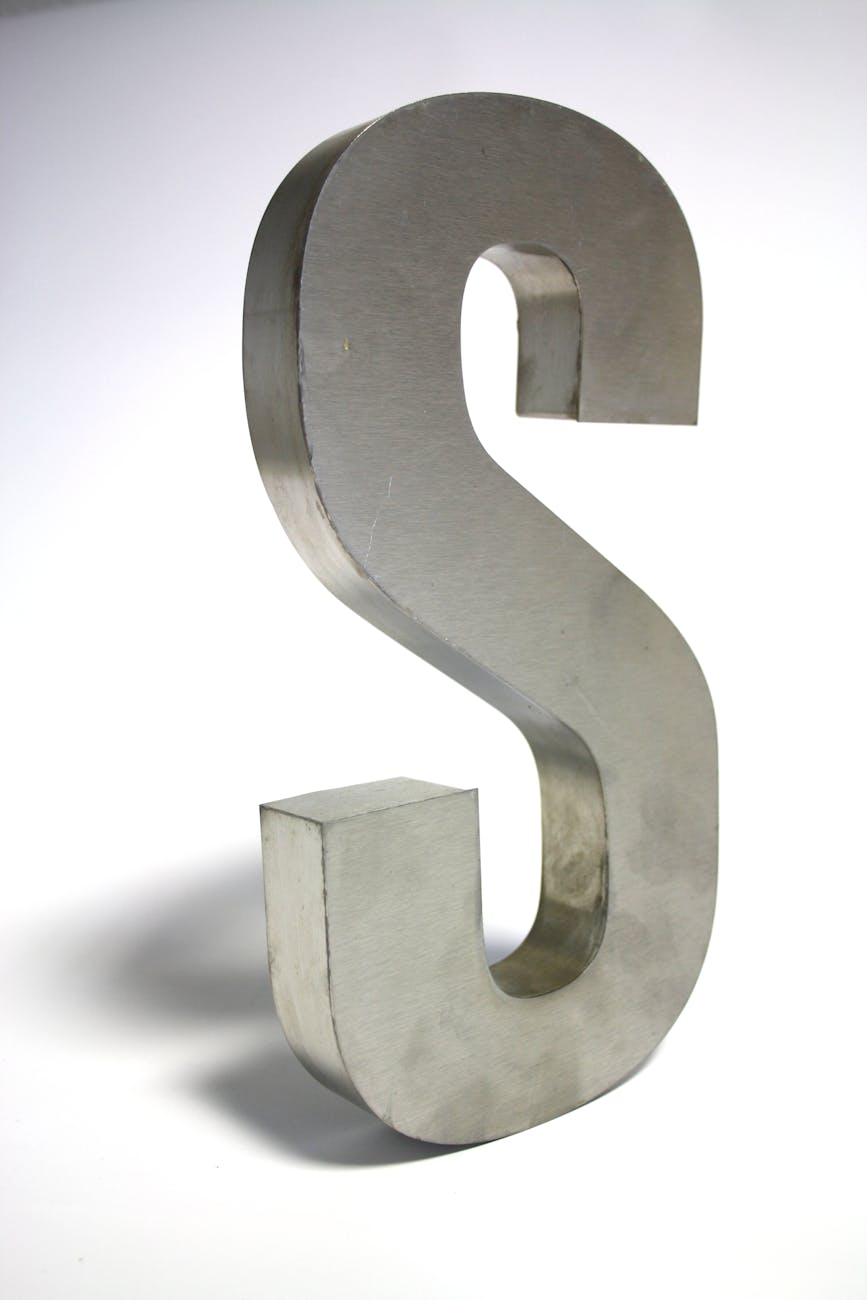
    When historians of the distant future dig through the cultural rubble of the early 21st century, they will no doubt stumble upon humanity’s most enduring legacy: not smartphones, not skyscrapers, not the internet. No, what they will find etched into every school desk, notebook margin, and bathroom stall across the globe is the Cool S. The mysterious six-line wonder, the untraceable emblem of childhood rebellion and unity, the doodle that transcended language, geography, and curriculum standards. And here is the shocking truth: perhaps, all along, this “S” was never just for “super,” “skater,” or “street,” but for something far nobler—hope.

    Think about it. No teacher taught us the Cool S. No official art curriculum contained a chapter titled “How to draw the universal sign of middle-school coolness.” And yet, every child, regardless of class, race, religion, or snack preference, knew it. It emerged in elementary schools like a secret handshake of the cosmos. You could move to a new school district in 1997, show up knowing no one, sit down with your cafeteria tater tots, and within five minutes you’d be quietly sketching an S in your notebook. And someone across the table would nudge you and nod, because they, too, carried the sacred knowledge. If that’s not hope, then what is?

    The Cool S was democracy in its purest form. You didn’t need artistic ability, social clout, or financial resources to draw it. Unlike collecting Pokémon cards or wearing name-brand sneakers, this status symbol was free. All you needed was a pencil and a willingness to scratch six little lines. In fact, the Cool S may have been the only universally accessible art project in human history. Picasso required a studio; Van Gogh needed oils; Banksy requires entire abandoned buildings. But every twelve-year-old, high on Capri Suns and raw angst, could summon the Cool S like a spell of solidarity.

    Superman had his S, yes. But Superman’s S required Hollywood lighting, Kryptonian backstory, and a carefully ironed spandex chest piece. The Cool S asked for nothing but lined notebook paper and maybe a five-minute lull in math class. Yet its presence was just as heroic. For the lonely kid ignored at recess, sketching the S was a small rebellion, a way to whisper, “I exist.” For the bored student, it was a silent prayer: “Please let this algebra period end.” For the ambitious doodler, connecting those lines into three-dimensional block letters was a feat rivaling Michelangelo’s Sistine Chapel. In every case, the Cool S carried with it a spark of resilience—a tiny, pointy, angular beacon of hope.

    Critics may say this is all nonsense. “It was just a doodle,” they sneer. But tell me: if it was just a doodle, why did everyone know it? Why did it appear on continents separated by oceans, in schools with no internet, in eras before memes could spread across social media? The Cool S has no known inventor. It emerged, spontaneously, like a Platonic ideal—the Jungian archetype of recess boredom. If aliens ever visit Earth, they won’t ask about Shakespeare or Beethoven. They’ll point to a weathered brick wall in a condemned middle school building and say, “We see you, fellow travelers of the cosmos. You, too, have known the S of hope.”

    Imagine, for a moment, what the world would be like if we actually leaned into this truth. What if the Cool S became our global emblem? Picture world leaders stepping onto the stage at the United Nations, not beneath sterile national flags, but beneath a giant metallic Cool S, glimmering with fluorescent optimism. Picture hospitals draped with banners not of corporate logos but of the S—because isn’t hope the first prescription we all need? Picture Superman himself peeling back his shirt to reveal not the stylized “S” of Krypton, but the six-line universal S of middle school. Metropolis would weep with joy.

    Of course, we would need to reclaim its meaning from its dubious past. For decades, the Cool S was associated with bathroom graffiti, skateboarding magazines, and the vague whiff of delinquency. But so was rock and roll. So was jazz. So was every single thing humans later decided was culturally important. If we can put Andy Warhol’s Campbell’s soup cans in a museum, we can put the Cool S on our money. In fact, put it on the dollar bill where the pyramid is. At least then people would understand it.

    The Cool S also teaches us something radical: the power of collective imagination. Nobody gave us instructions, yet we all drew it. Nobody told us it meant anything, yet it meant everything. It was not an assignment—it was ours. That’s what hope really is: the human instinct to create meaning out of thin air, to take six parallel lines and see not a mess, but a symbol. In a world constantly divided by politics, economics, and Marvel vs. DC debates, the Cool S is proof that we can, sometimes, all agree on something.

    In conclusion, if hope had a shape, it would not be a heart, a rainbow, or even a dove. Those are too obvious, too sentimental, too Hallmark. Hope is sharper than that. Hope is edgy, awkward, drawn in the margins when no one’s paying attention. Hope is the Cool S. And if future civilizations remember us for nothing else, let them remember that, despite our wars, our climate crises, and our TikTok dance trends, we still found a way to unite over something so simple, so perfect, and so universal.

    So next time you’re sitting with a pen and a scrap of paper, don’t just doodle mindlessly. Draw the S. Draw it proudly. Draw it as if you’re sketching the very emblem of resilience. Because you are. And who knows? Maybe someday, in the distant future, when humanity has colonized Mars and uploaded its consciousness into holographic clouds, a bored kid will sit in a Martian math class, pick up a stylus, and draw the Cool S. And the kid next to them will nod knowingly. That—that—will be hope.

  • Finding Hope Through Hurt: A Reflection on the Manhattan Shooting

    Finding Hope Through Hurt: A Reflection on the Manhattan Shooting

    On the evening of July 28, 2025, a tragic event unfolded in Midtown Manhattan, forever altering the lives of many. A shooting at 345 Park Avenue claimed the lives of four people, including a beloved New York City police officer, Officer Didarul Islam, who was serving to protect others. While the pain of this loss weighs heavily on the hearts of those directly affected, it also serves as a powerful reminder of the strength, resilience, and kindness that exists within our community, even in the darkest of times.

    In moments like these, it’s easy to feel overwhelmed by the sorrow and uncertainty that tragedy brings. It’s hard not to wonder how such a senseless act of violence can occur, especially in a city as familiar and bustling as New York. Yet, even in the midst of grief, we must hold on to the hope that together, we can find a way through the hurt.

    One of the most inspiring aspects of this tragedy is the story of Officer Islam himself. A man who, despite knowing the risks of his job, chose to protect others with unwavering courage. He gave his life so that others might live, a reminder of the extraordinary sacrifices so many first responders make each day to keep us safe. His legacy will not be defined by the violence that took him, but by the love he had for his family, his community, and his city.

    While it is important to acknowledge the pain, it is equally important to recognize the ways in which we come together in times of crisis. In the aftermath of the shooting, New Yorkers have once again shown their strength, offering support to those who were affected and coming together as one community. The NFL and its employees are rallying around one of their own who was injured in the attack, and local law enforcement has continued to show unwavering dedication to keeping us safe.

    This is what we must hold on to. In the face of sorrow, there is also kindness. In times of fear, there is hope. We have seen it time and time again in New York, where, no matter what happens, the city unites to support each other. This tragedy may have shaken us, but it will not break us. We will rise above the hurt, and in the process, we will be reminded of the deep connections we share with one another.

    In the days and weeks to come, it’s essential that we continue to lean on each other. Whether through a kind word, a helping hand, or simply standing together in solidarity, we can each play a part in healing. Though it may feel like a dark time now, we can take comfort in knowing that we are not alone. We will get through this, just as we’ve gotten through past challenges—together.

    As we reflect on the lives lost, let’s also remember to celebrate the goodness around us: the courage of those who protect us, the compassion of our neighbors, and the strength of our collective spirit. We are more than the pain we experience. We are defined by how we come together in the face of adversity, how we lift each other up, and how we move forward with hope, even in the darkest of times.

  • Short Story Saturday: Post #11 – “The Whispering Clock”

    Short Story Saturday: Post #11 – “The Whispering Clock”

    No one in Marrow Creek knew where the clock in the old town hall came from. It was ancient, its face cracked and hands frozen at midnight. But every night at exactly midnight, the clock whispered secrets—just faint enough for those who listened closely to hear.

    Lena was the only one who dared to stand by the clock each night. Drawn by a haunting melody woven into its ticks and tocks, she felt the whispers unraveling pieces of her past she didn’t know she had lost.

    One night, the clock murmured the name “Elias.” Lena’s breath caught. Elias was the brother she never remembered, taken when they were children, vanished without a trace.

    With trembling hands, she pressed her ear to the glass. The clock whispered stories of hidden rooms, forgotten letters, and a promise never broken. It was a map of memories, a guardian of truths the town had buried.

    Driven by the whispers, Lena found an old key tucked inside the clock’s base. It opened a small, dust-covered drawer beneath the floorboards—inside were letters from Elias, written in a shaky hand, telling her he was never gone, just waiting to be found.

    The clock fell silent then, its mission complete. Lena held the letters close, realizing sometimes the past speaks in whispers to remind us where to find hope.

  • Short Story Saturday: Post #10 – “Echoes of the Forgotten”

    Short Story Saturday: Post #10 – “Echoes of the Forgotten”

    Eli woke to a world muted, colors faded to a dull gray, as if the life had been drained from everything overnight. His small town was abandoned, streets empty except for the soft hum of flickering streetlights and the distant, ghostly echoes of conversations long gone.

    He wandered through the ruins of what once was, clutching a small device he had found in the attic—a silver cube that pulsed faintly with a blue light. The screen flickered words he didn’t understand but felt deep in his chest, stirring a mix of dread and hope.

    As Eli touched the cube, memories not his own flooded in: laughter under summer skies, whispered secrets shared in hidden corners, tears shed quietly in darkness. They were fragments of lives erased, stories erased by a sudden, inexplicable silence that had swallowed the town.

    He realized the cube was a vessel, a keeper of memories, a guardian of forgotten souls. It was waiting for someone who could carry the past forward.

    With trembling hands, Eli spoke aloud the names whispered in the flashes of memory. One by one, the colors slowly bled back into the world, voices returning as a gentle chorus. The town was waking.

    The cube dimmed, its purpose fulfilled—not to erase the past, but to remind the future that even forgotten echoes can sing again.

    Eli smiled, knowing that memories, no matter how deeply buried, hold the power to rebuild hope.

  • The Struggle Between Health and Hope: A Personal Journey

    The Struggle Between Health and Hope: A Personal Journey

    I’ve spent so much time in the past few months looking back at who I used to be, before all of this. Before the sickness. Before the daily battle that has become my life. I’ve grieved for the past, for the person I once was — healthy, stable, able to go to work, function through the day, and live a life without being held back by the weight of constant illness. I wasn’t always this way. I didn’t always wake up dreading what my body would put me through. I didn’t always feel like I was carrying a burden that no one could see or understand. But that’s the reality now. And that’s the part I’ve struggled with the most — the grief. The loss of a life I thought would always be mine.

    It’s difficult to explain to people who haven’t experienced something similar. It’s not just about being sick once in a while. This is not the common cold or a flu that passes after a few days. This is an unrelenting series of symptoms that come and go unpredictably, often showing up when I least expect it. The nausea, the vomiting, the headaches, the body aches, the fatigue — it all hits me like a wave, sometimes before I even step into the building where I work, sometimes hours later when I’m trying to focus on the tasks at hand. And when the wave hits, it’s hard to hold on. I’ve missed work. I’ve left early. I’ve struggled to make it through the day, only to find myself curled up in the restroom, hoping it will pass. But it doesn’t pass. It keeps coming back.

    The thing about this illness is that it’s both visible and invisible. The symptoms are visible in the most physical sense. The vomit can be seen. It’s real. It’s there. The janitors have had to clean it up. They’ve seen me struggle. They’ve seen me physically suffer. But they don’t see what’s going on inside of me. The invisible part is far more complex. No one knows what’s happening beneath the surface. No one can explain why it’s happening. No one can pinpoint the trigger, and no one can give me answers. It’s a confusing mess of symptoms without a clear cause, and that is what makes it the most frustrating. There’s no tangible thing to point to. It’s all the unknown.

    My coworkers have seen me sick. They’ve seen me missing work. They’ve seen me leave early, sometimes unable to make it through the day. My managers have had to look for me, wondering where I’ve gone, why I haven’t returned to my desk. They know something is wrong, but like me, they don’t have the answers. It’s not just my physical absence that they notice, but the visible toll this sickness takes on me. And yet, the solutions remain out of reach. I’m in a cycle of uncertainty, unable to break free from the constant question of why this is happening to me.

    I’ve seen so many doctors, specialists, and experts, all with their own theories, their own suggestions, and their own plans for me. Yet, nothing has worked. The medications, the allergy shots, the sprays, the pills — none of it has brought relief. The doctors tell me the same thing: “It could be environmental,” but no one can tell me what in the environment is causing it. I’ve become a patient who feels like a puzzle no one can solve. And I’m tired. I’m so tired of hearing, “We’re not sure,” or “Let’s try this next.” I’m tired of being told that this might be my new normal when I don’t even understand why this is happening in the first place.

    I think the hardest part is feeling invisible. The symptoms are invisible. The pain is invisible. But that doesn’t make it any less real. No one else at my job seems to be affected the way I am. No one else seems to have the same battles, the same struggles. And I wonder, what did I do wrong? Why is this happening to me? I used to be just like everyone else, able to show up to work and do my job without thinking twice about my health. Now, it feels like I’m constantly fighting against my own body, every step of the way.

    I’ve tried. I’ve tried so many things. I’ve tried to push through, to ignore it, to pretend like I’m okay. But it doesn’t work. You can’t push through something when it feels like it’s inside of you, controlling you. You can’t ignore the constant toll it takes on your mind and body. I’ve reached out for help, asked for accommodations, tried to make people understand, but it feels like I’m shouting into an empty room. I’m the sick person at work, and no one seems to know how to help. No one seems to be able to offer any answers.

    But here’s the thing: even though it feels like I’m stuck, even though it feels like I’m losing, I’m not giving up. It’s easy to feel like I’m at the end of my rope. It’s easy to feel like I’ve tried everything and there’s no hope left. But deep down, I know I can’t stop fighting. Even when I feel defeated. Even when the days seem endless. Even when the frustration threatens to overwhelm me — I won’t stop. I refuse to stop.

    Because even though I’m uncertain about what’s happening to me, I still have hope. I still believe that somewhere, somehow, there’s an answer out there. Maybe it’s in a test I haven’t taken yet. Maybe it’s in a doctor I haven’t met. Maybe it’s in the right environment, or the right treatment, or the right conversation that hasn’t happened yet. I don’t know. But I’m not ready to give up. I’m far from giving up.

    And so, I continue. I keep searching, I keep advocating for myself, I keep reaching out. Because at the end of the day, I am still here. And that means I still have a chance. I still have a voice. And as long as I have those things, I won’t stop fighting for the answers I deserve.

    I may not know what’s happening, but I do know this: I am not giving up. And that, in itself, is the victory I hold onto.

  • Short Story Saturday: Post #9 – “The Last Library”

    Short Story Saturday: Post #9 – “The Last Library”

    In a city where words were outlawed, where silence was the only law, there stood a forgotten library. It wasn’t much to look at—cracked windows, a faded sign hanging crooked—but inside, the air shimmered with stories long banned and voices unheard.

    Mira had heard rumors of this place. A sanctuary, a relic. She wandered through the empty streets, heart pounding, clutching a single tattered book—a forbidden treasure she had smuggled from her school days. She was desperate to read, to remember what was lost.

    Inside, dust motes floated like tiny ghosts. Shelves bowed under the weight of paper and ink. As Mira ran her fingers over the spines, the words whispered to her—not aloud, but in the silence of her mind. The books didn’t just tell stories; they sang of hope, rebellion, love, and fear. They held memories, emotions that had been smothered by fear.

    Suddenly, the floor trembled. The city’s patrol was near, hunting any who defied the law. Panic surged, but Mira clutched the book tighter. From the shadows stepped an old man with eyes as bright as stars.

    “Words are the last magic we have,” he said. “This library isn’t just a building—it’s a promise. When the silence falls, stories will rise.”

    With that, the walls seemed to breathe. The books glowed faintly, pages fluttering like wings. The patrol burst in, but found only dust and echoes.

    Mira escaped into the night, carrying a spark of rebellion in her heart.

    The library lived—not in stone or glass, but in every story whispered in secret.