The Musings of Jaime David
@jaimedavid.blog@jaimedavid.blog

The writings of some random dude on the internet

1,127 posts
1 follower

Tag: manga analysis

  • Why Fujitora’s Awakening Could Bring Enel Back to the Story

    Why Fujitora’s Awakening Could Bring Enel Back to the Story

    One of the most fascinating possibilities in the final saga of One Piece involves the unexpected return of a long-forgotten character: Enel. While fans have speculated about which villains might resurface, I believe there’s strong narrative potential for Enel to make a brief, yet impactful, return—and the trigger for this could be none other than Admiral Fujitora’s awakening.

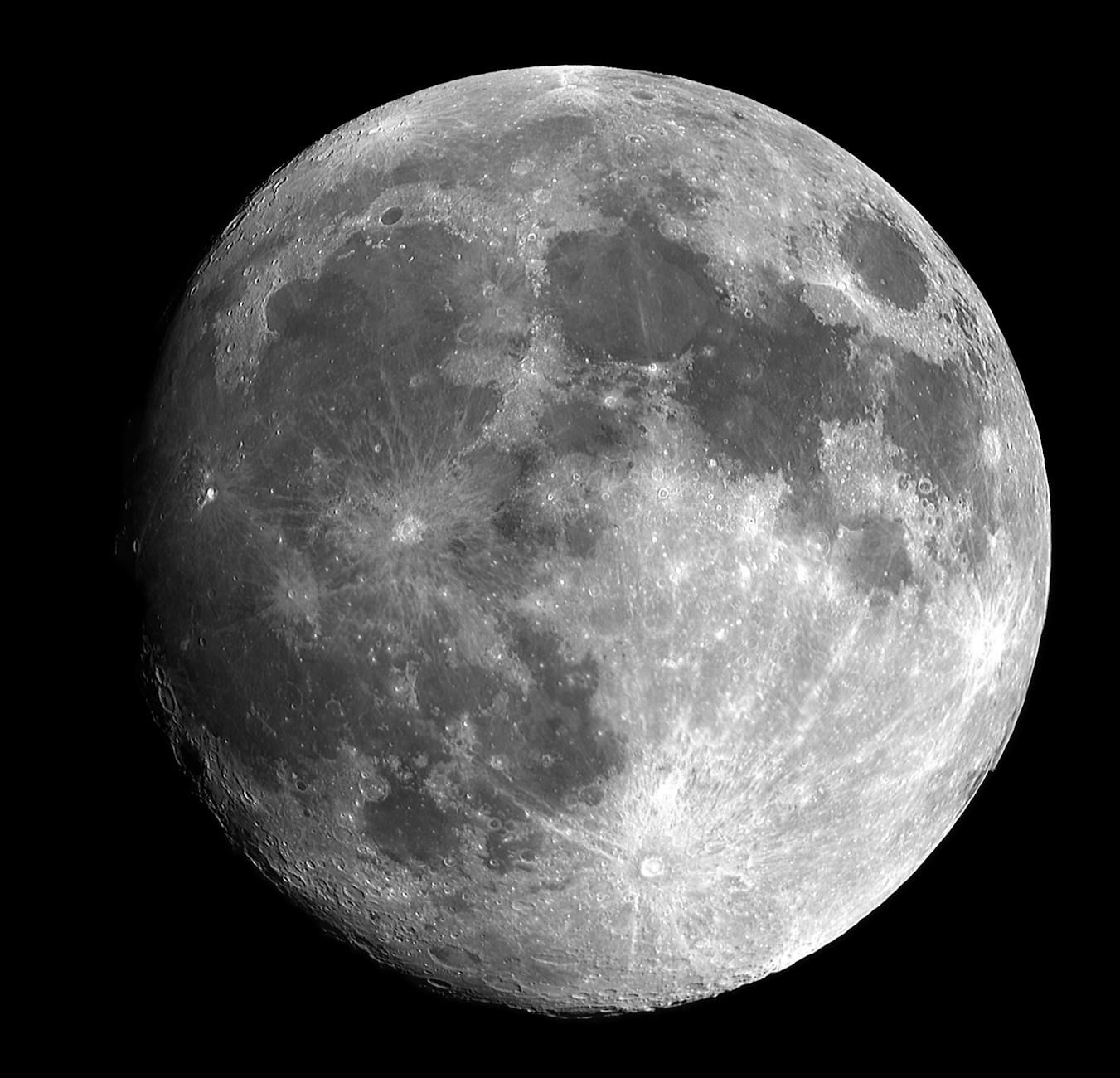
    We know Fujitora’s Devil Fruit powers revolve around gravity manipulation, and in the manga and the anime, he has already demonstrated the ability to call down meteors with precision. His full awakening, however, could expand his powers in dramatic ways. Imagine if Fujitora were to bring down an object of planetary scale—say, the moon itself.

    Why the moon makes sense as a next step in Fujitora’s awakening: we’ve seen meteors before, so naturally, the next escalation of his gravity powers would be something exponentially bigger. What is bigger than a meteor? The moon. It’s a logical, dramatic, and visually spectacular way to showcase Fujitora at full strength.

    Here’s where Enel comes in. Remember, Enel was last seen on the moon, living in his own sky-bound domain, after escaping Skypiea. If Fujitora’s awakened gravity were strong enough to bring the moon crashing toward the Blue Sea, it would naturally pull Enel back into the human world. This sets up a brief but comedic and chaotic scenario: Enel, enraged and disoriented by being dragged back down to Earth, comes face-to-face with the Straw Hats for the first time in years.

    Now, some might wonder: wouldn’t bringing the moon down destroy the Earth? Well, it’s important to remember that the One Piece world is theorized to be much larger than our own world. We get glimpses of this in the constellation maps, showing that the planetary scale is enormous. So while a falling moon is dramatic, it wouldn’t necessarily annihilate everything—it simply creates a spectacular event with world-altering consequences.

    Importantly, this encounter doesn’t need to be a full-fledged battle. The humor comes from Enel recognizing Luffy, remembering how he was defeated pre-time skip, and immediately realizing the threat. Luffy, being Luffy, would remain completely nonchalant, creating a perfect comedic contrast. The Straw Hats who were not in Skypiea might not even recognize him, adding further confusion and amusement. Even the Marines and World Government figures witnessing this would be baffled, unsure who this powerful, lightning-wielding figure is.

    Narratively, this brief reappearance serves multiple purposes:

    1. Reintroduces a classic villain: Enel becomes relevant again without overshadowing current storylines.
    2. Showcases Fujitora’s awakening in a visually spectacular and world-altering way.
    3. Maintains the balance of humor and threat in One Piece: Enel remains dangerous, yet his interaction with Luffy and the Straw Hats provides comedic relief.
    4. Leaves open potential for future involvement: Enel, now on Earth and separated from the moon, could appear again in later arcs, including in side adventures like the theorized Urouge encounter on a distant island.

    In conclusion, the interplay between Fujitora’s awakening and Enel’s return fits perfectly within Oda’s storytelling style: escalating powers, surprising returns, humor, and opportunities for character payoffs years in the making. The idea that a seemingly unrelated event—the moon crashing—could reconnect old villains with the current saga is exactly the kind of intricate, long-term plotting that One Piece fans have come to expect.

  • Why Blackbeard Must Impersonate Luffy: The Ultimate Endgame Twist in One Piece

    Why Blackbeard Must Impersonate Luffy: The Ultimate Endgame Twist in One Piece

    When we talk about the endgame of One Piece, two villains dominate the conversation: Imu, the shadowy ruler of the World Government, and Marshall D. Teach, a.k.a. Blackbeard, the pirate who embodies chaos, ambition, and betrayal. If Imu represents tyranny hidden in the shadows, then Blackbeard is the nightmare made flesh — the ugliest, most dangerous side of the dream Luffy is chasing.

    If Oda wants Blackbeard to truly test the Straw Hats, he cannot simply show up for a giant brawl. Kaido was brute force. Big Mom was endurance. Doflamingo was manipulation on a kingdom scale. Blackbeard must be worse. He must strike deeper than fists or cannons. He must target the one thing that has kept the Straw Hats unshakable for over a thousand chapters: their trust in their captain. The ultimate way to do this is to impersonate Luffy, while Catarina Devon impersonates Law. Together, they create the most insidious deception in One Piece history.

    The first cracks appear with Usopp. Alone on the deck while Zoro is outside meditating, Usopp begins to notice subtle irregularities in Luffy’s mannerisms, speech, and tone. Something about the captain feels off — small hesitations, offhand gestures, a coldness that never existed before. His instincts scream danger. Usopp realizes silently that Luffy is not Luffy. To avoid alerting the crew, he fabricates an excuse, claiming he is going to scout the surroundings or maintain a lookout. But as soon as he is far enough from the ship, panic overcomes him. Heart racing, adrenaline pumping, he flees, convinced that remaining onboard could mean death.

    Zoro, outside the ship, notices Usopp fleeing in terror. Usopp would never abandon the ship lightly; the act itself signals danger. Zoro’s instincts kick in. Something is wrong aboard the ship. He moves silently, observing the crew, noticing subtle anomalies in Luffy’s behavior — orders delivered in an unnatural tone, slight inconsistencies in gestures, the weight in his aura heavier, darker. Piece by piece, Zoro deduces the unthinkable: Blackbeard is in Luffy’s body. This realization doesn’t make Zoro panic. He remains methodical, ready to act when the time is right.

    Meanwhile, as Usopp flees, he stumbles upon the Double Law situation. The real Law, trapped in Blackbeard’s old body, and the fake Law, Catarina Devon, present a horrifying dilemma. Usopp’s sharp eye picks up tiny, subtle cues — differences in speech, body language, and presence — and he realizes he is facing an imposter. Fear drives him, but he also knows he must act. Here, he must choose: trust the real Law or confront the fake. This is Usopp’s ultimate crucible — his intelligence, perception, and courage tested under extreme pressure, forced to operate in isolation.

    Back on the ship, Zoro observes “Luffy” in private. Blackbeard, confident in the Straw Hats’ loyalty, attempts a subtle manipulation, maybe isolating Nami or arranging a trap for another crew member. Zoro intervenes silently, sword drawn, eyes narrowed, stopping him before anyone else notices. The stand-off becomes a tense chess match, testing wits and instincts more than brute strength. In a quiet confrontation, Zoro makes it clear he knows the truth. Blackbeard may taunt, trying to maintain the illusion, but Zoro’s sharp intuition exposes cracks in the deception.

    Luffy, trapped in Blackbeard’s body, faces his greatest challenge. He must think like Blackbeard, plan strategically, anticipate every suspicion, and orchestrate survival while maintaining his own moral code. Every move must be calculated; every interaction could trigger suspicion among his crew. Crucially, he cannot directly attack Blackbeard-in-Luffy. Even if he escapes immediate danger from the Blackbeard crew, any aggressive move would appear to the Straw Hats as an attack from their captain, putting them in immediate jeopardy. This limitation transforms the body swap into a multi-layered ticking-clock scenario. Every passing moment increases the risk to the Straw Hats while Luffy must navigate enemy territory, avoid detection, and plan a way to restore himself to his own body.

    The tension is compounded by sleep. Blackbeard cannot rest; Luffy in Blackbeard’s body must maintain the pretense while anticipating every possible move. One slip, one instinctive reaction, one delayed nap, and the entire ruse could collapse. The psychological pressure is immense, spanning both sides: Luffy trapped in the body of his greatest enemy, and Blackbeard exploiting the trust of the crew as his weapon.

    This story works because it escalates stakes on every level. It tests the Straw Hats’ unshakable bond with their captain, reveals a calculating side of Luffy never seen before, elevates Devon as a manipulative threat, highlights Usopp as the first to notice and forced strategist, and showcases Zoro confronting deception with intuition and skill. Blackbeard is no longer just brute force; he becomes the ultimate anti-Kaido, a master manipulator whose weapon is perception, trust, and fear.

    The climax of such an arc wouldn’t rely solely on Devil Fruits or raw strength. Victory would hinge on faith, loyalty, and perception. The Straw Hats’ bonds, sharpened by paranoia and deception, would be the only force capable of exposing the truth and restoring order. The body swap, the ticking clock, and the psychological warfare create a story arc that could redefine One Piece’s narrative scale, tension, and thematic depth.

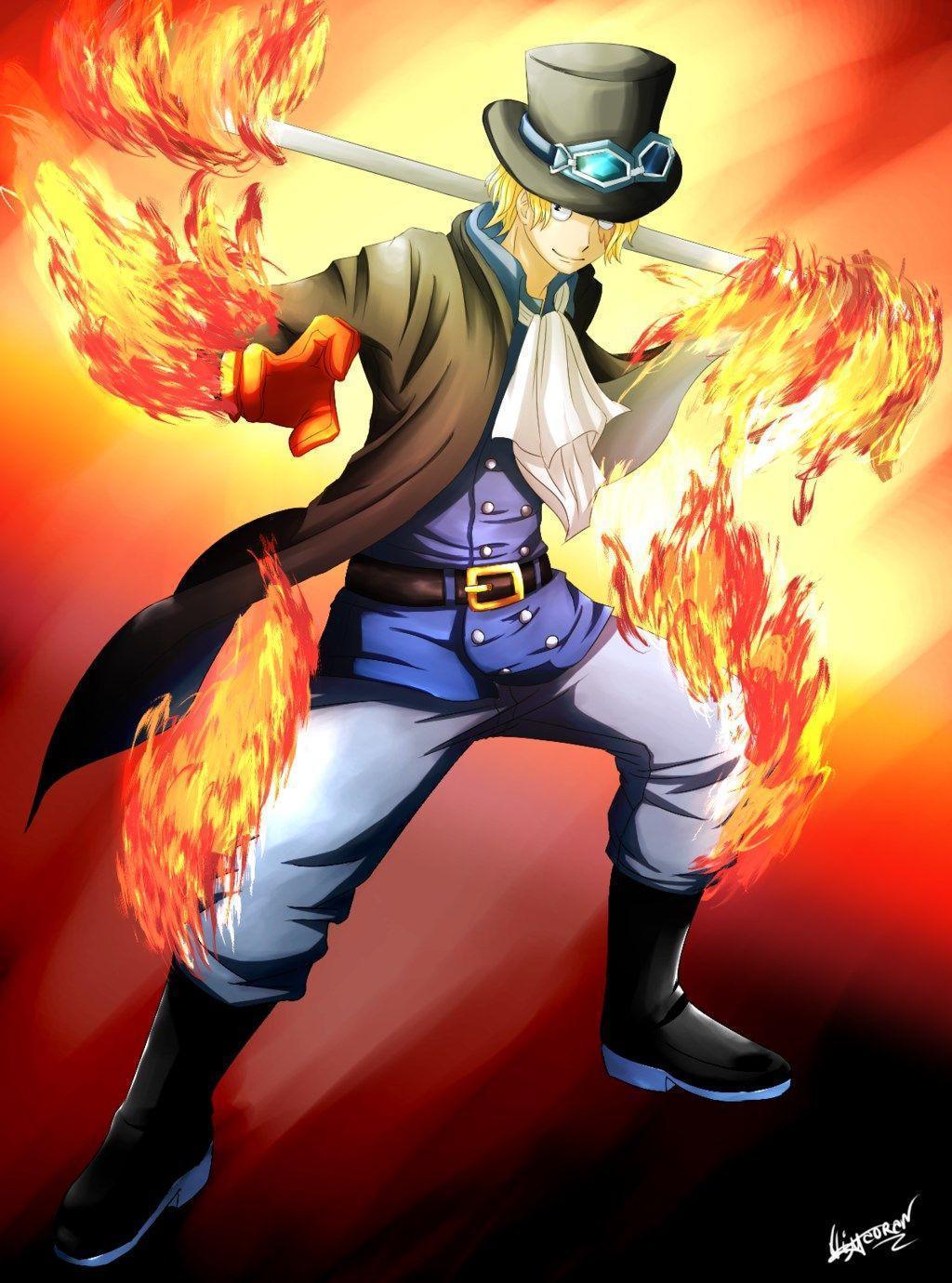
  • Sabo’s Survival Isn’t a Plot Hole — It Actually Makes Narrative Sense

    Sabo’s Survival Isn’t a Plot Hole — It Actually Makes Narrative Sense

    In One Piece, the return of Sabo in Dressrosa took many fans by surprise. After being presumed dead since the childhood flashback arc, some were quick to label his reappearance as a plot hole. However, when you look closely at the structure of One Piece’s storytelling, world-building, and character motivations, Sabo’s survival—and the secrecy surrounding it—actually makes a great deal of sense. The choices surrounding who knew about Sabo’s survival, when they learned it, and why they didn’t tell Luffy are narratively consistent, emotionally powerful, and aligned with the series’ core themes of family, freedom, and sacrifice.

    The idea of Sabo losing his memories isn’t just a convenient excuse to delay his reintroduction—it’s a carefully placed storytelling mechanism that aligns with One Piece’s long history of delayed payoffs and emotional reveals. After Sabo is shot down by a Celestial Dragon, he suffers massive trauma and is rescued by Dragon and the Revolutionary Army. His amnesia is believable not just because of the physical trauma, but also because of the mental shock. It’s important to note that this is not unprecedented in the world of One Piece. Characters like Law and Robin have deep-seated traumas that shape their identities and their silence. Emotional extremes are often used by Oda as catalysts for transformation or clarity—Zoro after Mihawk, Nami after Arlong, Sanji after Zeff—and Sabo is no exception. The loss of Ace at Marineford is what finally unlocks the dam inside Sabo’s mind. His brother’s death triggers a flood of memories and guilt, pushing him back into the spotlight as a man with purpose, rather than a shadow of a past life.

    The theory that Ace might have found out Sabo was alive—and chose to say nothing—isn’t just plausible, it’s in character. Ace is introduced as hot-headed, but as his arc progresses, we see more and more of his emotional intelligence. He was fiercely loyal, thoughtful, and protective of those he loved. He would’ve understood that revealing Sabo’s existence—if he discovered it—might put both Sabo and Luffy in danger. Perhaps Ace spotted Sabo in a newspaper or heard rumors whispered by those who kept tabs on the Revolutionary Army. Maybe he didn’t get confirmation, but had enough reason to believe Sabo survived. And if so, Ace—knowing Luffy’s impulsiveness and emotional core—would have made the difficult decision to keep quiet.

    This restraint is supported by something visual: Ace’s hat and goggles. While Oda never explains their origin, the goggles—one side a smiling face, the other a sad one—carry powerful visual symbolism. They could represent the duality of emotions Ace felt upon learning Sabo was alive: joy for his survival, sorrow for the silence it demanded. It fits with Ace’s growing maturity, and more importantly, his poetic heart. He was someone who burned fiercely, but also someone who carried the weight of his emotions deeply. Choosing to remain silent wouldn’t be out of character—it would be the ultimate act of quiet love and self-control.

    That same logic applies to others who might have known before Luffy. Garp is a Vice Admiral with close ties to Dragon and the Marines. If Dragon knew Sabo was alive and training with the Revolutionaries, it’s hard to imagine Garp didn’t know as well. Garp’s reaction to Ace’s death was one of emotional devastation, but he still put on a mask of control. Garp has always kept secrets from Luffy “for his own good”—whether it’s his parentage or his Marine responsibilities. Keeping Sabo’s survival quiet, especially if it meant protecting him from Government attention or keeping Luffy focused on his own journey, is entirely consistent with Garp’s complicated morality. He loves his grandsons but he’s a man of discipline and secrets. He understands that timing is everything.

    Dadan, too, could have learned the truth. Whether through Garp or rumors from Foosha or Grey Terminal, Dadan is part of a community that watches closely and gossips widely. She raised Luffy, Ace, and Sabo. If she knew Sabo was alive, she would’ve carried that knowledge with the same fierce protectiveness we see in her reaction to Ace’s death and Luffy’s journey. She is emotional, rough around the edges, but ultimately maternal. She may have broken down in tears knowing Sabo lived, but she would’ve stayed quiet—because telling Luffy too soon could’ve been dangerous. She would have trusted Garp’s judgment or even Ace’s instincts. The same goes for the residents of Foosha Village, who already knew to keep secrets about Luffy’s past. They knew about Dragon. They didn’t talk. A precedent for collective silence exists in One Piece, and it fits here too.

    Then there’s Robin. If anyone is accustomed to holding life-altering information in silence, it’s her. Robin met the Revolutionary Army during the two-year time skip and was most likely introduced to Sabo during that time. By then, Sabo had regained his memories, and if he asked Robin to keep his existence secret from Luffy, she would comply. Not out of coldness, but out of understanding. Robin has always carried the burden of knowledge. Her role on the crew is not just as an archaeologist, but as a protector of dangerous truths. She understands the weight of history and the danger of premature revelation. Her silence would not only be a strategic choice but a kind one. By keeping quiet, she gave Sabo time to prepare, and she gave Luffy the space to grow without distraction. Even if it pained her, she would honor that request.

    In fact, this paints Robin’s eventual reaction to Sabo’s reveal in Dressrosa in a new light. She’s composed, not shocked. Because maybe she already knew. And perhaps, in her own way, she had silently hoped for this reunion to finally happen—on Sabo’s terms, and at a time when Luffy was strong enough to face it.

    All of this leads to the central point: Luffy learning the truth in Dressrosa wasn’t late. It was right on time. At that point, Luffy had just survived the Marineford War, lost Ace, matured emotionally, and gained new strength. Sabo’s return wasn’t just an emotional surprise—it was a thematic reward. It came when both characters were ready to reconnect. Sabo had regained himself. Luffy had become more resilient. They were no longer children. They were men, standing on their own paths, meeting again not in tragedy, but in battle, as equals.

    The choice to keep Sabo’s survival a secret—by Ace, by Garp, by Dadan, by Robin, and maybe even by the entire Revolutionary Army—was not plot inconsistency. It was a conscious, layered narrative decision grounded in character behavior and world logic. It reflects the very real idea that secrets are sometimes acts of love. And in a world like One Piece, where timing, loyalty, and sacrifice are everything, it’s not only believable—it’s beautiful.

    If Oda ever chooses to show this thread from the perspectives of those who knew Sabo was alive before Luffy, the emotional payoff could be monumental. Imagine a flashback that weaves through the eyes of Garp silently reading a classified Marine report, Dadan crying alone by a campfire with a wanted poster of Sabo in her hands, Ace spotting a photo in a newspaper and quietly buying goggles as a symbolic gesture. Each reaction would carry its own weight—grief, relief, restraint—and together they would form a mosaic of love held in painful silence.

    We might see Robin meeting Sabo during the time skip, her quiet nod as she agrees to keep the secret, perhaps watching from afar as he trains. Her calm exterior masking the knowledge that Luffy’s final brother is alive. Even Foosha Village could play a role—Makino holding a newspaper behind the counter, her eyes widening, then quickly folding the page before Luffy ever returns.

    This kind of flashback wouldn’t just serve to clarify timelines—it would deepen our understanding of the emotional burden these characters carried. It would retroactively add depth to Ace’s final moments, Garp’s conflicted pride, Robin’s stoicism, and even Sabo’s guilt. It could become one of One Piece’s most quietly powerful moments—a sequence about people choosing silence not out of apathy, but out of deep, selfless love.

    But it doesn’t have to be purely sorrowful. There is also something inherently hopeful in such a flashback. These characters—especially Ace, Dadan, Robin, and Garp—may have held onto the secret not only to protect Luffy, but to preserve hope. Hope that one day, Sabo and Luffy would meet again. Hope that their reunion would be joyful, not tragic. That’s the real emotional core: not just mourning what was lost, but preserving what could still be regained. Even in silence, they were planting seeds for healing. In that way, the flashback wouldn’t just be a tearjerker—it would be a quiet, radiant tribute to love, loyalty, and the long arc of reunion.

    If Oda ever plans to show this flashback, the perfect narrative moment may already be looming: Marineford 2.0.

    One Piece loves mirroring and arc inversions—Skypiea inverts Alabasta, Dressrosa echoes Enies Lobby, Wano reflects both Thriller Bark and Marineford in tone and stakes. So it’s not far-fetched to imagine another major war, another last-ditch rescue, another desperate race against time. And this time, the one who needs saving might not be Ace—it might be Sabo.

    Imagine Marineford 2.0 as the Revolutionary Army’s fall, or the World Government tightening its grip. Sabo is captured, beaten, and close to death—just as Ace was. But unlike Ace, this time the Straw Hats arrive. This time, they are the ones charging into battle to save a brother. And maybe just before that final confrontation—before Luffy reaches Sabo—a flashback hits.

    We could see the world reacting to Sabo’s survival years ago: Robin meeting him, Garp quietly holding back, Dadan weeping in secret. We might relive Luffy and Sabo’s Dressrosa reunion from Sabo’s point of view, watching how much it meant to finally see his little brother again, alive and strong.

    And then—back in the present—Luffy grabs Sabo’s hand and pulls him from the gallows, a perfect inversion of Marineford’s tragedy. What was once a death becomes a rescue. What was once loss becomes redemption. And the flashback, now full-circle, becomes not just a memory—but a promise fulfilled.

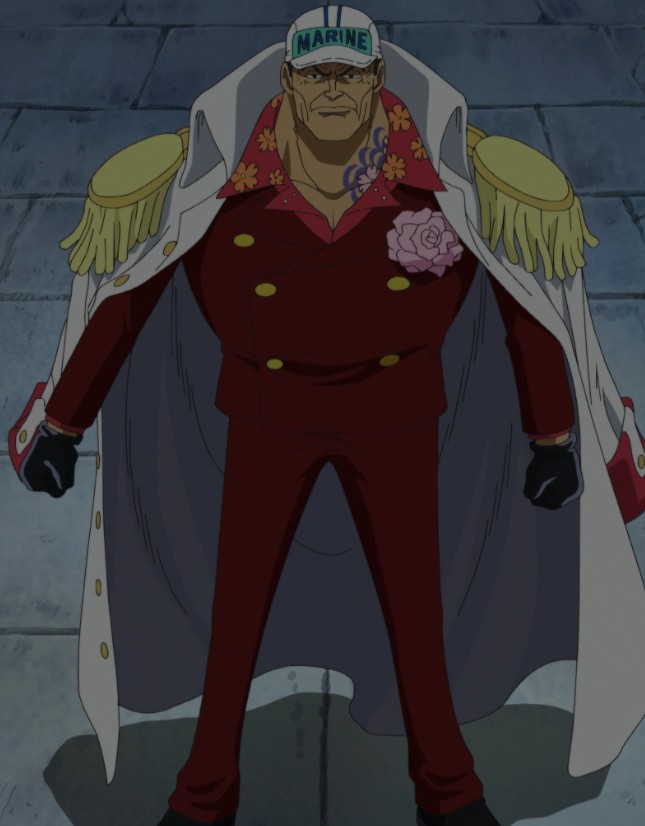
  • Akainu: The Intersection of the D, Yin, and Yang

    Akainu: The Intersection of the D, Yin, and Yang

    Akainu (Sakazuki) is one of the most polarizing figures in One Piece, known for his unwavering commitment to “Absolute Justice” and his role as the ruthless Fleet Admiral of the Marines. However, beyond his position as a villain, there exists an intriguing layer to his character—one that positions him as a unique figure capable of intersecting the roles of a D. bearer, Yin, and Yang. Few characters in One Piece can be interpreted in such a complex way, but Akainu stands as a rare example of a character whose ideology and actions span across these three distinct aspects.

    Akainu has long been speculated as a potential D. bearer, which initially seems counterintuitive given the association of the Will of D. with freedom, rebellion, and chaos. However, Akainu’s embodiment of absolute control and his brutal commitment to order could actually align him with the D. lineage in a more unconventional manner. The D. doesn’t always have to represent the forces of chaos or freedom—what if it also represents a powerful disruptor of the status quo, but one whose methods are rooted in an authoritarian, oppressive form of change? Akainu disrupts the existing world order, but he does so through a rigid, oppressive lens. His extreme methods—his willingness to sacrifice freedom, innocence, and lives for the sake of law and order—show that his disruption doesn’t come with a goal of widespread freedom, but rather with the idea of creating a world governed by an uncompromising, hierarchical order. In this way, Akainu could be a D. bearer, not because he seeks to destroy corrupt systems for the sake of liberty, but because he represents a dark force aimed at disrupting the world through a rigid, totalitarian vision of order.

    Akainu’s role as a Yin is another aspect of his complexity. Traditionally, Yin is associated with balance, control, and a passive yet controlling force. While it’s easy to view Yin as something softer or more subtle, Akainu’s take on it is far darker. For him, Yin represents the unyielding control that must be exerted over the world to restore balance. This balance, however, is one that comes at the expense of freedom. Akainu’s belief in Absolute Justice and his willingness to crush anyone who deviates from this ideal puts him firmly in the realm of Yin, albeit in a twisted, rigid form. He doesn’t see justice as something flexible or adaptable—his form of justice is fixed, black and white, where there is no room for mercy or understanding. Akainu’s version of balance isn’t about harmony but about the subjugation of chaos, where only one type of justice can exist. This makes his approach to balance far from peaceful, but rather a totalitarian force designed to suppress anything that might disturb the world order he wishes to create.

    Yet, Akainu is also a powerful embodiment of Yang. Yang is the active, aggressive, and forceful counterpart to Yin, and Akainu’s approach to justice is a perfect example of this. His magma-based powers and his role as an enforcer of law show how he uses sheer force to impose his will on the world. As the head of the Marines, Akainu actively uses his position to exercise violence and domination over anyone who dares challenge his idea of justice. His brutality is a symbol of Yang energy—a destructive and overpowering force that aims to impose order through sheer violence. Akainu’s role in the Marineford War, where he killed Whitebeard, is a direct example of his Yang nature—he doesn’t just enforce order, he does so by crushing resistance with his own hands. His justice is not just a matter of law enforcement; it is a force that decimates anything that stands in his way.

    Akainu’s intersection of the D., Yin, and Yang creates a multifaceted character whose motivations and actions challenge the usual understanding of these concepts. While the D. lineage has been primarily associated with rebellion and freedom, Akainu offers a different view: the D. could also be about disruption through authoritarianism and control. As a Yin, Akainu represents balance, but it’s a balance that requires absolute order at the cost of freedom. As a Yang, he is the living embodiment of force and power, using violence to achieve his goals and impose his vision of justice.

    This complexity makes Akainu one of the few characters in One Piece who can be seen as embodying these three aspects. His brutal pursuit of order is both a reaction to and a reflection of the Will of D., but one that operates in a darker, more authoritarian vein. His character is a reminder that the Will of D. doesn’t always have to represent good or chaotic rebellion—it can also be about disrupting the status quo for the sake of something entirely different, in this case, absolute control. Akainu’s intersection of Yin and Yang makes him a complex antagonist in the story, embodying the tension between freedom and control, order and chaos, and ultimately serving as a symbol of the complex nature of power.

    Akainu’s position as a D. bearer, Yin, and Yang forces fans to rethink what these categories mean and how they apply to the world of One Piece. His character is far more than just a simple villain or antagonist; he represents a deeper philosophical divide within the story—one that questions whether order, when taken to its extreme, is ultimately any better than chaos. As the series progresses, Akainu will continue to be a key player in the world’s ultimate struggle, and his ambiguous role in the narrative makes him one of the most fascinating and unpredictable characters in One Piece.

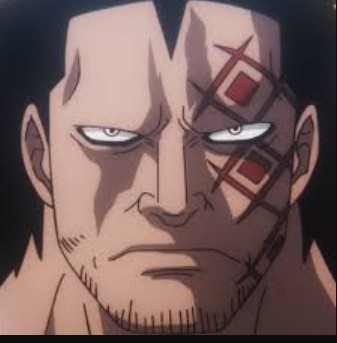
  • The Secret Mission Theory: Dragon as a Hidden Marine Within the Revolutionary Army

    The Secret Mission Theory: Dragon as a Hidden Marine Within the Revolutionary Army

    One of the most intriguing and complex aspects of One Piece is the nature of the Revolutionary Army and its leader, Monkey D. Dragon. Publicly, Dragon is known as the world’s most wanted man, leading a group bent on overthrowing the World Government. But what if Dragon’s role in the revolution isn’t as straightforward as it seems? What if, beneath the surface, Dragon is still operating within the very system he claims to oppose? What if the Revolutionary Army is, in fact, Dragon’s most public-facing operation, but his true, hidden agenda involves remaining closely connected to the Marines and the World Government in a highly covert and strategic way?

    This theory builds off two existing fan theories: the first, the notion that Kuzan (Aokiji) is still secretly working for the Marines, infiltrating the Blackbeard Pirates under an undercover mission orchestrated by Akainu, Garp, and other influential members of the Marines, including those aligned with SWORD; and the second, the theory that Dragon was once a Marine or had some prior relationship with the World Government. When these theories are combined, they paint a picture of Dragon’s true role as a long-term, undercover operator with the Marines, using the Revolutionary Army as a cover for his more secretive operations.

    First, let’s look at the theory surrounding Kuzan. Aokiji’s departure from the Marines, following his battle with Akainu, initially seemed like a definitive break. However, there has been considerable speculation that Kuzan’s exit was merely a strategic maneuver, orchestrated by him and other members of the Marines, particularly SWORD, to further infiltrate and destabilize the growing threat of the Blackbeard Pirates. The fact that Kuzan has joined the Blackbeard Pirates is seen by many as a clear indication that his loyalty is now with them. However, this could all be part of a larger, long-term plan to remain in the shadows and play a double game. Akainu, Garp, and key members of the Marines (especially those with connections to SWORD) may be aware of Kuzan’s true mission, working alongside him to undermine Blackbeard from within.

    Now, applying this theory to Dragon offers even more intriguing possibilities. Dragon has always been presented as the world’s most wanted criminal and the leader of the Revolutionary Army. His purpose, as we know, is to dismantle the World Government, yet his exact role and motives remain mysterious. If we take the idea that Dragon was once a Marine, or at the very least had strong ties to the World Government, it opens up a new layer of complexity to his character. The idea that Dragon may have once served in the Marines or had a high position within the World Government makes his break from that system even more fascinating.

    What if Dragon never actually left the Marines? What if, instead of fully abandoning the system he once served, he took on the role of an undercover agent, working in tandem with the Revolutionary Army to covertly manipulate events from the inside out? His break from the Marines could have been part of a carefully calculated plan, one that allowed him to work behind enemy lines for years, setting the stage for the eventual collapse of the World Government. The Revolutionary Army could be, at its core, a public front for Dragon’s true mission—one that involves working closely with key figures within the Marines to strategically bring down the oppressive power structures that hold the world in place.

    The involvement of other D. Marines in this scheme could help reinforce this theory. There are numerous D. Marines who are aligned with Dragon’s cause, yet outwardly appear to be working against him. These individuals, such as Aokiji, Sengoku, Garp, and Tsuru, could all be playing double roles, working within the Marines to manipulate events from behind the scenes while also supporting Dragon’s greater mission. They could be part of a secret faction within the Marines—one that operates under the radar, communicating with Dragon’s faction in coded messages, hidden alliances, and covert operations. Dragon could very well still be in active communication with these figures, playing the ultimate long game to infiltrate and destroy the World Government from the inside.

    This theory not only explains Dragon’s ambiguous relationship with the World Government but also ties into the larger narrative of Luffy’s journey. As Luffy continues to grow and rise as a figurehead of change, he could unknowingly be working in alignment with Dragon’s more secretive efforts. The Revolutionary Army might be a key part of Luffy’s future, but Dragon’s role could be far more complex than simply leading an army of rebels. His deep ties to the Marines, if true, could mean that the very institution Luffy seeks to destroy has been infiltrated and redefined from within. Dragon’s ultimate goal might not be a direct confrontation with the Marines but a systemic dismantling of the entire oppressive structure, making it an even more profound, long-term plan than anyone realizes.

    The narrative implications of this theory are significant. If Dragon has been secretly working with the Marines all along, it would change the entire framework of the story. Instead of a black-and-white conflict between the World Government and the Revolutionary Army, we would see the struggle as a battle of ideologies—one that is waged in the shadows, with figures like Dragon, Aokiji, and others playing a subtle, strategic game of infiltration, sabotage, and reformation. The Revolutionary Army might not be the only force working to overthrow the World Government, but rather, Dragon’s ultimate masterstroke involves shifting the balance of power within the Marines themselves, causing the system to collapse under its own weight.

    Ultimately, this theory challenges our traditional understanding of Dragon as the leader of a rebellion and suggests that his true intentions go far beyond mere overthrow. If Dragon has always been a double agent, working with select D. Marines and using the Revolutionary Army as a public cover, then the story of One Piece takes on a new, deeper level of intrigue and complexity, blurring the lines between ally and enemy, revolution and reform, and freedom and control. The revolution may be much more complicated than anyone expects—so much so that Dragon’s grand plan could only be revealed at the very end of the series, when the final pieces of this secret war are put into place.