Episode 23 of The Jaime David Podcast is out now!
Listen on Spotify:

The writings of some random dude on the internet

Episode 23 of The Jaime David Podcast is out now!
Listen on Spotify:

I’ve got another little update to share about my growing collection of blogs.
I’ve now created FeedBurner feeds for four more of my blogs: my Anime, Comics and Manga Blog, Let’s Be Different Together, Oddities in Media, and The Interfaith Intrepid.
I’ve been setting up FeedBurner feeds for some of my smaller and more niche blogs because I want to give them more ways to reach people. Some of these blogs don’t get nearly as much traffic as my main blog, and some can be difficult to find through search engines unless you already know the exact site or have a direct link.
RSS gives me another way around that.
Instead of someone having to remember to visit the blog and check whether something new has been posted, they can subscribe to the feed and have new posts delivered through an RSS reader or another service that supports RSS.
And now these four blogs have their own feeds.
First up is my Anime, Comics and Manga Blog.
As the name suggests, this is where I can write about anime, comics, manga, and the various things surrounding those forms of media.
If that’s your kind of thing, you can follow the blog through its FeedBurner feed here:
Anime, Comics and Manga Blog FeedBurner Feed
Next is Let’s Be Different Together.
This is one of my blogs centered around difference, individuality, and the idea that being different doesn’t have to mean being isolated from everyone else.
If you’d like to follow new posts from that blog, you can subscribe to its FeedBurner feed:
Let’s Be Different Together FeedBurner Feed
Then there’s Oddities in Media.
This is a place for exploring the strange, unusual, weird, fascinating, and sometimes downright bizarre things that can be found throughout media.
If you’re interested in following those posts, the FeedBurner feed is here:
Oddities in Media FeedBurner Feed
And finally, there’s The Interfaith Intrepid.
This blog gives me another place to explore ideas surrounding faith, spirituality, interfaith topics, and the different ways people understand and experience these subjects.
You can follow that blog through its FeedBurner feed here:
The Interfaith Intrepid FeedBurner Feed
The reason I’ve been doing this with my smaller blogs is pretty simple: I want these sites to actually have a chance to reach people.
A blog doesn’t have to be huge to be worth following.
Sometimes a blog can have a very specific audience. Sometimes it can be about a subject that isn’t going to attract millions of visitors. Sometimes it’s simply a place where someone has something they want to say.
That’s what these blogs are for me.
They’re different pieces of my interests and my writing.
And rather than relying entirely on search engines or social media to bring people to them, I’m giving people another option.
RSS is old technology in internet terms, but honestly, that’s part of what I like about it. It doesn’t require an algorithm to decide whether somebody should see my latest post. If someone chooses to subscribe, they can simply follow the content.
That’s especially useful for smaller blogs.
Maybe somebody discovers one of these sites through a post I share somewhere. Maybe they find it through a search. Maybe somebody sends them a link. Maybe they stumble across it completely by accident.
If they like what they find, they can subscribe to the RSS feed and keep up with what comes next.
That’s the goal.
I’m not expecting FeedBurner to suddenly make these blogs enormous. That’s not really what this is about.
It’s about making the blogs easier to follow.
I’ve got a lot of different things I like to write about, and that’s why I have so many different blogs in the first place. Anime and manga are different from media oddities. That’s different from writing about individuality and difference. And that’s different from exploring interfaith topics.
Rather than forcing everything into one giant website, I’ve given these subjects their own spaces.
Now I’m giving each of those spaces another way to reach readers.
So if any of these blogs sound interesting to you, check out their feeds.
Subscribe to the ones you want.
Follow along.
And maybe discover something weird, interesting, thoughtful, entertaining, or completely unexpected along the way.
The internet is a big place.
I’m just trying to make sure my little corners of it are easier to find.
I don’t usually write about the stuff I buy.
Most of my blog posts are about music, politics, books, philosophy, anime, science, or whatever happens to be on my mind that day. That’s generally what people expect when they visit my blog. Every now and then I’ll write something personal, but I rarely sit down and talk about something as simple as a lightbulb.
But honestly?
Fuck it.
It’s my blog.
If I feel like talking about a lightbulb today, then that’s exactly what I’m going to do.
Recently I ordered a color-changing LED lightbulb from Amazon for the lamp in my room. It isn’t some expensive smart home setup or anything extravagant. It’s just a bulb that lets me change the color whenever I want. Blues, reds, greens, purples, warm white, cool white—you get the idea.
And I absolutely love it.
It sounds like such a tiny thing to get excited about, but it’s one of those purchases that somehow changes the atmosphere of a room far more than you’d expect.
I’ve found myself sitting in my room at night with the lights dimmed, changing the colors depending on my mood. Sometimes I’ll put it on a deep blue while listening to Blue October. Other nights I’ll switch it to purple while writing. Sometimes I’ll make it green just because it reminds me of forests or fantasy worlds. Sometimes I’ll use red if I’m watching a horror movie or playing a darker video game.
It’s silly.
It’s simple.
But it’s fun.
And maybe that’s enough.
One thing I’ve realized over the past several years is that I’ve slowly been transforming my room into something that actually feels like me.
When I was younger, my room was…well…just a room.
There wasn’t much personality in it.
It had furniture.
It had a bed.
It had a desk.
That was about it.
Now, when I walk inside, it actually feels like stepping into my own little world.
I’ve been decorating it piece by piece over the years.
Not all at once.
Not by spending thousands of dollars.
Just little additions whenever I found something I liked.
I have posters hanging on my walls and on my bedroom door.
Those posters remind me of different interests and different periods of my life. Every time I look at them, they tell a little story about something that mattered to me.
Then there’s one of my favorite decorations.
A One Piece Straw Hat.
Not just any straw hat.
Luffy’s straw hat.
Hanging up on my wall.
As someone who’s been following One Piece for years, that hat isn’t just another decoration. It’s symbolic.
Adventure.
Freedom.
Friendship.
Dreams.
Never giving up.
Those are themes that One Piece has always represented for me.
Seeing that straw hat hanging there makes me smile.
It reminds me of one of my favorite fictional worlds ever created.
Then there’s my Funko Pop collection.
I know Funko Pops can be divisive.
Some people love them.
Some people think they’re overrated.
Some people think they’re just plastic toys collecting dust.
That’s perfectly fine.
For me, though, each one reminds me of a character I enjoyed.
Every figure represents a movie, a TV show, an anime, a video game, or some other story that left an impression on me.
They’re little reminders of fictional worlds that brought me happiness.
I also have a stuffed plush collection.
I know some people think stuffed animals are just for kids.
I completely disagree.
Comfort doesn’t have an age limit.
Neither does nostalgia.
Sometimes something soft sitting on a shelf simply makes a room feel warmer.
More welcoming.
Less sterile.
There’s nothing wrong with that.
Then there are my books.
Books everywhere.
I’ve always loved books.
Whether they’re novels, nonfiction, philosophy, science, psychology, history, or fantasy, I enjoy surrounding myself with them.
Some people decorate with expensive sculptures.
I decorate with shelves full of stories.
Even better, now some of those books are my own.
That still feels strange to say.
Seeing copies of my own published books sitting alongside books written by authors I’ve admired throughout my life is honestly surreal.
It’s a reminder that dreams sometimes become reality if you keep working at them.
Next to those books are comics.
Then manga.
Again, every single volume represents another story.
Another world.
Another adventure.
I’ve always believed stories matter.
Whether they’re told through novels, comic books, manga panels, television, animation, movies, or video games, stories shape how we think.
They teach empathy.
They inspire imagination.
They make us laugh.
Sometimes they make us cry.
Sometimes they stay with us for years.
Then there’s my CD collection.
Yes.
CDs.
In 2026.
I know streaming exists.
I use streaming.
But there’s something satisfying about owning physical albums.
Holding them.
Looking through the artwork.
Reading the lyrics.
Seeing the booklet the artists designed.
It’s an experience.
Music feels more tangible that way.
Every CD represents a memory.
An artist.
A soundtrack to different chapters of my life.
Blue October.
Story of the Year.
Seether.
Starset.
Keane.
Filter.
Eminem.
And plenty of others.
Music has always been one of the biggest parts of who I am.
Having those albums displayed isn’t just decoration.
It’s part of my identity.
The same goes for my video game collection.
Every game reminds me of a different period in my life.
Some remind me of childhood.
Some remind me of high school.
Some remind me of college.
Some remind me of difficult times when escaping into another world for a few hours helped me recharge mentally.
Video games are often dismissed as simple entertainment.
But I think they’re one of the greatest storytelling mediums we’ve ever created.
They combine art.
Music.
Writing.
Programming.
Psychology.
Design.
Animation.
Voice acting.
Problem solving.
Interactivity.
They’re incredibly complex creative works.
Having those game cases on display reminds me of that.
Then there are my board games.
And my card games.
Those represent something different.
They remind me that entertainment doesn’t always require a screen.
There’s something timeless about sitting around a table with other people playing a game together.
Laughing.
Competing.
Thinking.
Making memories.
I hope someday I get to play more of them with friends.
Looking around my room now, I realize something.
None of these things by themselves are particularly extraordinary.
A poster.
A plush.
A comic.
A book.
A lamp.
A lightbulb.
A CD.
None of them are life-changing individually.
But together…
Together they create an environment.
They create a feeling.
They create a place where I actually enjoy spending time.
And I think that’s important.
Your room is where you wake up.
It’s where you go after a stressful day.
It’s where you think.
It’s where you sleep.
It’s where you create.
It’s where you recharge.
Why shouldn’t it reflect who you are?
I’ve never really understood the idea that adults shouldn’t decorate their rooms with things they enjoy.
Why?
Who made that rule?
If someone likes minimalist interior design, great.
If someone likes sports memorabilia, awesome.
If someone fills their room with plants, that’s cool too.
If someone decorates with anime, comics, books, records, plushies, action figures, or movie posters…
Why should anyone care?
Life is stressful enough already.
If looking at a shelf full of your favorite stories makes you smile every day, then I’d argue that’s a worthwhile investment.
The funny thing is that my room has evolved naturally.
There wasn’t one day where I said, “Today I’m going to redesign everything.”
It happened slowly.
One poster.
A few books.
Another shelf.
A plush.
A Funko Pop.
A comic.
Another manga volume.
A CD.
A new lamp.
Now a colorful lightbulb.
Little by little.
Year after year.
I think that’s how most meaningful spaces are created.
Not through one massive shopping spree.
But through gradual accumulation.
Each item has a story.
Where I bought it.
Why I bought it.
When I bought it.
What it reminds me of.
That’s what gives a room personality.
I also think our surroundings affect our creativity far more than we realize.
As someone who writes books, blogs, newsletters, podcast scripts, and countless other things, I’m in my room a lot.
This is where ideas happen.
This is where chapters get written.
This is where blog posts come together.
This is where podcast episodes are planned.
Having an environment that inspires creativity actually matters.
Sometimes simply changing the lighting changes my mood enough to get unstuck creatively.
That new lightbulb has already done that a few times.
It’s funny.
People often think inspiration has to come from huge life-changing moments.
Sometimes inspiration comes from a purple lamp in the corner of your room.
Sometimes it comes from staring at a bookshelf.
Sometimes it comes from glancing over at Luffy’s straw hat hanging on the wall and remembering one of your favorite anime scenes.
Creativity feeds off atmosphere.
Another thing I’ve started appreciating more as I’ve gotten older is collecting intentionally instead of obsessively.
There was a point where collecting could easily become about having more.
More figures.
More games.
More books.
More everything.
Now I don’t really care about having the biggest collection.
I care about having a collection that actually means something to me.
I’d rather own fifty things I genuinely love than five hundred things I barely remember buying.
Every item should earn its place.
That’s become my philosophy.
It’s less about quantity.
It’s more about meaning.
There’s also something comforting about physical media and physical collections in an increasingly digital world.
Streaming services remove movies.
Games disappear from online stores.
Songs get pulled.
Digital storefronts shut down.
Accounts disappear.
Companies change.
But the books sitting on my shelf?
They’re still there.
The CDs?
Still there.
The comics?
Still there.
The manga?
Still there.
There’s something reassuring about that permanence.
Maybe that’s another reason I enjoy collecting physical things.
They’re real.
They’re tangible.
They exist regardless of whether some server somewhere stays online.
As I look around my room today, I realize it tells my story better than I probably could.
Someone could walk in and immediately know some things about me.
They’d know I love books.
They’d know I love music.
They’d know I enjoy anime.
They’d know I enjoy comics.
They’d know I play games.
They’d know I collect things that make me happy.
They’d probably figure out pretty quickly that I’m a huge nerd.
And honestly?
I’m perfectly okay with that.
Being passionate about things isn’t something I’m embarrassed by anymore.
If anything, I think it’s one of the best parts of being human.
We all have things that excite us.
Things that inspire us.
Things that remind us of happier moments.
Whether that’s sports, music, painting, cooking, travel, collecting records, building model trains, gardening, photography, or decorating your room with anime memorabilia, those passions add color to life.
Literally, in my case.
Because now I have a lightbulb that can make my room glow every color imaginable.
It might seem like such a small purchase.
It probably is.
But sometimes it’s the small purchases that end up bringing the biggest smiles.
Maybe that’s what this post is really about.
Not a lightbulb.
Not posters.
Not collections.
Not decorations.
It’s about creating a space that feels like home.
A space where you can relax.
Think.
Dream.
Create.
Laugh.
Cry.
Write.
Listen to music.
Read.
Play games.
Or simply sit quietly while your room glows blue or purple after a long day.
I think everyone deserves a space like that, whatever it looks like for them.
It doesn’t have to be expensive.
It doesn’t have to impress anyone else.
It just has to make you happy.
Because at the end of the day, you’re the one living there.
You’re the one waking up there every morning.
You’re the one spending countless hours surrounded by those walls.
So fill those walls with memories.
Fill those shelves with stories.
Fill your room with pieces of yourself.
And if that includes something as simple as a color-changing lightbulb that makes your room feel just a little more magical every night, then I’d say that’s money well spent.
Sometimes happiness really does come from the little things.




This post was written on 6/18/2026.
There is a scene in One Piece that does not have a lot of explosions. Nobody gets sent flying through a wall. No Haki crackles in the air. No finishing move is declared. And yet, for anyone who has ever been tested by someone who simply was not worth their time, the Mocktown bar scene on the island of Jaya might be the most quietly powerful moment in the entire series. Luffy and Zoro sit there, drinks in hand, while Bellamy and his crew hurl insults at them, laugh at their dreams, and make a spectacle of themselves in front of everyone in that bar. And Luffy does not move. Zoro does not move. They absorb it all like stone, pay the jeering absolutely no mind, and walk away without throwing a single punch. Not out of fear. Not out of weakness. But because those people simply were not worth the energy.
I thought about that scene today. I thought about it on the New York City subway, of all places, while a group of rowdy young people — teenagers or maybe barely adults, it was hard to tell and honestly irrelevant — decided that I was going to be their entertainment for a few stops.
It started the way these things always start: with noise. One of them had an air horn. An actual air horn, the kind you take to a sporting event, now deployed in an enclosed metal tube underground for the purpose of annoying strangers on a Thursday afternoon. They were loud, they were laughing at their own antics, and then they turned their attention toward me specifically. Insults started flying. Comments designed to get under my skin, to make me react, to give them the little dopamine hit of knowing they had gotten to somebody. The air horn went off a couple more times for good measure. Classic stuff, really. A performance in search of an audience.
And I gave them nothing.
Not a glance. Not a sigh. Not a twitch of irritation. Not even the subtle satisfaction of watching me look away deliberately, which would itself have been a reaction and therefore a kind of victory for them. I sat there the way you sit when the thing making noise is a jackhammer outside your window — mildly aware of it, completely unaffected by it, already thinking about something else. Because here is the honest truth: it did not feel worth the effort or the time to pay them any mind whatsoever. The calculus was simple and it resolved in about two seconds. These were not people whose opinions of me could mean anything. They were not a threat that required my attention or my preparation. They were noise. And you do not negotiate with noise.
What I was doing, without consciously naming it in that moment, was the Mocktown Principle.
Go back to Jaya. Bellamy the Hyena was not a small obstacle. Within the world of One Piece at that point in the story, he was a formidable pirate with a 55 million berry bounty, which in those early arcs was genuinely impressive. His crew was loyal and vicious. He held real social power in Mocktown, a place where the ruthless survived and the dreamers were mocked. When he started in on Luffy and Zoro — sneering at their dreams of finding Sky Island, calling them fools chasing myths, getting his whole crew to laugh along with him — he was doing exactly what bullies have always done: performing cruelty in front of an audience, hoping to break someone down and enjoy the breaking.
And Luffy, who has punched literal sea monsters and gone to war with the most powerful forces in the world, just sat there and drank. Zoro, who has stared down death with his swords sheathed and his arms folded, did not even look at them. It was not passivity out of fear. It was something far more deliberate and far more devastating: a refusal to grant these people the significance they were demanding.
That is the key thing. What Bellamy wanted — what he needed, psychologically, from that interaction — was a reaction. He wanted Luffy to get angry. He wanted Zoro to reach for a sword. He wanted the whole bar to see him make these newcomers flinch, because that would have confirmed his worldview that dreamers are weak and he is strong. The performance only works if the target participates. Luffy and Zoro understood, consciously or not, that the most effective response to someone performing cruelty for an audience is to decline to be in their show.
That is exactly what happened on the train today.
The air horn crowd was running a performance. They wanted eyes. They wanted energy. They wanted someone to get flustered, or angry, or scared, or to try to say something back and then get laughed at harder. The whole social dynamic they were creating required a willing participant on the other side. And I was not interested in being that participant. So I just was not. I looked at my phone or the middle distance or whatever it is you look at when you are purposefully inhabiting your own world, and I let them perform into a void.
And here is what happens when you do that: they look ridiculous. Not to themselves, maybe — they were having a great time, fueled by each other’s laughter and the sugar rush of chaos. But to everyone else on that train, and I noticed this, the other passengers were doing the same thing I was. Nobody was engaging. People were looking at their books, their headphones, their windows. A few were making that micro-expression New Yorkers have perfected over decades of subway life, the one that says I see this, I am cataloguing it, and I am choosing not to care. The whole car was collectively deciding, without conferring, that this group of people making noise were not worth the oxygen. And that is exactly what they looked like: kids making themselves look like idiots in front of a crowd that had unanimously decided to stop watching.
It is worth being honest about the physical piece of this. In the Mocktown scene, Luffy and Zoro do not fight Bellamy that day. They leave. And later, when they are forced into conflict, Luffy handles it with one punch and does not even look proud about it. The restraint was not because they were incapable of fighting. It was because fighting Bellamy was not worth what it would cost them in time and energy and focus, not when they had a sky island to find.
On the train, I want to be clear: I was not scared. I assessed the situation the way you do when something unexpected happens in a public space, quickly and honestly. These were kids with an air horn. They were disruptive and obnoxious, but they were not escalating toward anything that felt genuinely dangerous. If something physical had happened, I would have defended myself, full stop. Self-defense is not the same as taking bait. There is a difference between rising to provocation designed to get a reaction and responding to an actual threat. I was ready to do the second thing if it became necessary. It did not become necessary. What they were offering was purely the first thing, bait on a hook, and I had no interest in biting.
The Mocktown Principle is not about being passive or conflict-averse in some general philosophical sense. Luffy is not passive. He fights constantly. He is one of the most confrontational characters in anime. But he fights for things that matter to him — his crew, his friends, his dream, his freedom. He does not spend his energy on people who cannot threaten those things. And Bellamy, for all his bluster and his bounty, could not threaten what Luffy actually cared about. He was just a loud guy in a bar. The air horn kids on the train were just loud kids on a train. Noise, in both cases. And you do not fight noise.
There is something freeing about this framework, actually. Most of us spend a lot of mental energy on people like this — processing the insult, wondering if we should have said something, replaying the moment and imagining the perfect response. We feel, on some level, like not reacting means we lost. Like we should have defended ourselves. But what, exactly, would we have been defending against? Someone called you a name on the subway. Someone sneered at your dream in a pirate bar on an island full of criminals. What does fighting that accomplish, other than giving the performance what it needed to succeed?
The Mocktown scene is a lesson in what maturity looks like when it is not performing itself. Maturity is not about having the best comeback. It is not about showing everyone how unbothered you are in a way that is itself a show. It is about genuinely not caring, genuinely not being disturbed, and then moving on with your life toward the things that actually matter to you. Luffy walked out of that bar and kept thinking about the sky. I sat on that train and kept doing whatever I was doing before the air horn. That is the whole thing. That is the entire move.
What strikes me about both situations, looking back, is how the same dynamic plays out regardless of scale or fictional stakes. Bellamy had a crew and a reputation and a bar full of people watching. The train kids had each other and an air horn and a subway car full of strangers. The intention was identical: manufacture a confrontation, extract a reaction, feel powerful by making someone else feel small. And the defense against it is identical too — just genuinely not give it to them. Not as a strategy, not as a power move, not as a calculated display of superiority, but as the honest expression of the fact that some things simply are not worth your attention.
I think there is also something specifically New York about the way this played out. This city has a particular collective wisdom about public nuisance. You develop it riding the subway for years. There are things that happen on trains that would be genuinely alarming if they happened, say, in your office or a quiet restaurant, but in the context of the subway they are just part of the ambient texture of city life. A performer, a preacher, someone having a very loud phone conversation, a group of kids with an air horn. The city teaches you to calibrate your alarm responses carefully, to reserve actual concern for actual threats, and to develop an extremely thick outer layer of I am not participating in whatever this is. The other riders on that train today had clearly received that same education. We were all, collectively, Luffy and Zoro at the bar.
And the kids made themselves look like idiots. Not to anyone who mattered to them, probably. Their audience was each other, and in that sense they had a great time. But from where the rest of us were sitting, they were a minor, forgettable disruption in an otherwise ordinary commute, remembered only because the contrast was interesting — a group of people demanding to be seen, surrounded by people who had looked away in unison.
Bellamy, too, probably felt like he had won something in that Mocktown bar. He got his laughs. His crew cheered him on. He ran Luffy and Zoro out of the place and told himself a story about dreamers and weakness. And then Luffy found the sky island. And the log pose and the rubber man were remembered, and Bellamy faded, as all performers eventually do when no one is left in the audience.
The train pulled into my stop. I got off. The air horn faded behind me as the doors closed. I kept walking, already thinking about something else.



Time for my occasionally post shilling my stuff. Lol.
Over the years, I’ve poured myself into countless creative projects—blogs, podcasts, books, and more. Each one reflects my passions, curiosities, and perspectives, and I want to take a moment to share them with you. I know how easy it is to scroll past content online, to overlook what doesn’t immediately grab attention. But these works are important to me, and I hope you’ll give them a look—they’re invitations into a world shaped by curiosity, creativity, and the love of discovery.
While many people know my original blog, The Musings of Jaime David, I want to shine a light on my other projects—spaces that explore specific interests, push creative boundaries, and offer perspectives you might not find elsewhere.
Let’s start with my blogs. Each one began from a personal curiosity or desire to explore a topic deeply.
Anime, Comics, and Manga is my dedicated space for exploring the worlds of storytelling and visual artistry that have fascinated me since childhood. I grew up captivated by the characters, intricate narratives, and imaginative universes that creators built, and this blog became a place to share that passion. It goes beyond simple reviews—here, I dive into both mainstream and obscure works, analyzing themes, character development, cultural impact, and the ways these stories resonate with audiences globally. Over time, the blog has evolved from a personal hobby into a space for critical reflection, discussion, and celebration of the creativity and depth these media offer.
Jaime David Music grew from my love for music—not just listening, but reflecting on how sound shapes emotion, culture, and identity. This blog isn’t just reviews or playlists; it’s a space where I explore trends, artistry, and the emotional resonance of music.
Jaime David Science is a playground for anyone curious about the natural world, technology, and discoveries that make us stop and wonder. I strive to make science approachable, intriguing, and sometimes delightfully strange. It’s for the casual learner and the enthusiast alike.
Jaime David Gaming is where I dive into games—video games, board games, and more. Gaming has always been a lens for storytelling, strategy, and human behavior. Here, I share reflections, analysis, and commentary for anyone who enjoys the craft and thought behind play.
Oddities in Media started as a way to notice the small, overlooked, or strange aspects of pop culture. Over time, it’s become a space to dig into the weird, the unexpected, and the culturally fascinating in movies, music, games, and beyond. It’s about exploring creativity with curiosity and nuance.
Let’s Be Different Together is my space for mental health, individuality, and social reflection. It’s for anyone who has ever felt different or misunderstood and seeks thoughtful exploration of society, human behavior, and personal growth.
The Interfaith Intrepid is for those interested in spirituality, culture, and philosophy. Here, I explore faith, religious traditions, and cultural intersections with nuance and empathy, striving to foster dialogue in a world too often divided by belief.
Of course, The Musings of Jaime David remains my most personal and experimental blog, where I write freely—essays, reflections, philosophical musings, and more. But I want to make sure my other spaces get their due. Each blog has its own flavor, its own purpose, and something unique to offer.
Beyond blogs, The Jaime David Podcast is a place to explore ideas in conversation. I revisit old writings, reflect on creative processes, and dive into cultural phenomena. The podcast is a chance to experience my thoughts in real-time, in a personal and engaging way.
I’ve also channeled my creativity into books. Wonderment Within Weirdness, my debut novel, explores the extraordinary and the unexpected. My Powerful Poems distills reflections and emotions into concentrated lyrical moments. Some Small Short Stories experiments with brief narratives that highlight the small moments revealing larger truths. Each project is a window into different facets of my imagination and curiosity.
Finally, my Jaime David Newsletter connects readers directly to all of my creative work—blogs, podcast episodes, book updates, and insights that don’t always appear elsewhere. It’s a direct line to stay updated and engaged.
These projects exist not just for my own expression but as invitations to explore, reflect, and discover. They are separate, but they share a common thread: curiosity, creativity, and connection. I encourage you to explore beyond my original blog—dive into the other sites, listen to the podcast, read the books, and subscribe to the newsletter. There’s a universe of ideas, creativity, and expression waiting, and I hope you’ll find something that surprises, delights, or inspires you.
also want to take a moment to invite you to explore all of my other projects. While The Musings of Jaime David may be my original and most personal blog, my other sites each offer something unique—spaces for music, science, gaming, mental health, spirituality, media analysis, and more. By checking them out, reading, listening, and engaging, you’re not just exploring different facets of my creativity—you’re actively supporting the growth of my work overall. Every visit, comment, share, or subscription helps these projects thrive, allows me to continue creating, and encourages me to keep experimenting and exploring new ideas. Your support helps these endeavors reach more people, spark conversations, and foster communities around curiosity and creativity.
So if something in my work sparks your interest, I hope you’ll take the time to dive into my other blogs, listen to the podcast, explore my books, and subscribe to the newsletter. Each project is a reflection of my passions, and your engagement helps keep this creative universe alive.


Over the years, I’ve poured myself into countless creative projects—blogs, podcasts, books, and beyond. Each one reflects a part of my passions, curiosity, and perspectives. I want to take a moment to invite you in. I know how easy it is to scroll past content online, but these works are meaningful to me—and I hope they’ll spark something for you too.
While many know my original blog, The Musings of Jaime David, I’ve created other spaces that dive into specific interests, explore new ideas, and offer perspectives you might not find elsewhere.
Blogs
Each blog started from curiosity, a desire to explore, and the need to share.
Of course, The Musings of Jaime David remains my most personal and experimental space, where essays, reflections, and philosophical musings flow freely. But I want each of my other projects to shine—they offer unique flavors, perspectives, and insights.
Podcast
The Jaime David Podcast lets me share ideas in real-time. I revisit old writings, explore creative processes, and dive into cultural phenomena. It’s a chance to experience my thoughts in a personal, engaging way.
Books
Each book is a window into a different facet of my imagination and curiosity.
Newsletter
The Jaime David Newsletter connects you directly to my work—blogs, podcast episodes, book updates, and insights not always shared elsewhere. It’s the most direct way to stay engaged and explore the full breadth of my creative universe.
These projects exist not only for my expression but as invitations to explore, reflect, and discover. While separate, they share a common thread: curiosity, creativity, and connection. Your engagement—reading, listening, subscribing, or sharing—helps these projects thrive. It allows me to keep creating, experimenting, and reaching more people.
So if something here sparks your interest, I hope you’ll dive into my blogs, listen to the podcast, explore my books, and subscribe to the newsletter. There’s a universe of ideas, creativity, and discovery waiting, and I hope you find something that surprises, inspires, or delights you.
Over the years, I’ve poured myself into countless creative projects—blogs, podcasts, books, and more. Each one reflects my passions, curiosities, and perspectives, and I want to take a moment to share them with you. I know how easy it is to scroll past content online, to overlook what doesn’t immediately grab attention. But these works are important to me, and I hope you’ll give them a look—they’re invitations into a world shaped by curiosity, creativity, and the love of discovery.
While many people know my original blog, The Musings of Jaime David, I want to shine a light on my other projects—spaces that explore specific interests, push creative boundaries, and offer perspectives you might not find elsewhere.
Let’s start with my blogs. Each one began from a personal curiosity or desire to explore a topic deeply.
Anime, Comics, and Manga is my dedicated space for exploring the worlds of storytelling and visual artistry that have fascinated me since childhood. I grew up captivated by the characters, intricate narratives, and imaginative universes that creators built, and this blog became a place to share that passion. It goes beyond simple reviews—here, I dive into both mainstream and obscure works, analyzing themes, character development, cultural impact, and the ways these stories resonate with audiences globally. Over time, the blog has evolved from a personal hobby into a space for critical reflection, discussion, and celebration of the creativity and depth these media offer.
Jaime David Music grew from my love for music—not just listening, but reflecting on how sound shapes emotion, culture, and identity. This blog isn’t just reviews or playlists; it’s a space where I explore trends, artistry, and the emotional resonance of music.
Jaime David Science is a playground for anyone curious about the natural world, technology, and discoveries that make us stop and wonder. I strive to make science approachable, intriguing, and sometimes delightfully strange. It’s for the casual learner and the enthusiast alike.
Jaime David Gaming is where I dive into games—video games, board games, and more. Gaming has always been a lens for storytelling, strategy, and human behavior. Here, I share reflections, analysis, and commentary for anyone who enjoys the craft and thought behind play.
Oddities in Media started as a way to notice the small, overlooked, or strange aspects of pop culture. Over time, it’s become a space to dig into the weird, the unexpected, and the culturally fascinating in movies, music, games, and beyond. It’s about exploring creativity with curiosity and nuance.
Let’s Be Different Together is my space for mental health, individuality, and social reflection. It’s for anyone who has ever felt different or misunderstood and seeks thoughtful exploration of society, human behavior, and personal growth.
The Interfaith Intrepid is for those interested in spirituality, culture, and philosophy. Here, I explore faith, religious traditions, and cultural intersections with nuance and empathy, striving to foster dialogue in a world too often divided by belief.
Of course, The Musings of Jaime David remains my most personal and experimental blog, where I write freely—essays, reflections, philosophical musings, and more. But I want to make sure my other spaces get their due. Each blog has its own flavor, its own purpose, and something unique to offer.
Beyond blogs, The Jaime David Podcast is a place to explore ideas in conversation. I revisit old writings, reflect on creative processes, and dive into cultural phenomena. The podcast is a chance to experience my thoughts in real-time, in a personal and engaging way.
I’ve also channeled my creativity into books. Wonderment Within Weirdness, my debut novel, explores the extraordinary and the unexpected. My Powerful Poems distills reflections and emotions into concentrated lyrical moments. Some Small Short Stories experiments with brief narratives that highlight the small moments revealing larger truths. Each project is a window into different facets of my imagination and curiosity.
Finally, my Jaime David Newsletter connects readers directly to all of my creative work—blogs, podcast episodes, book updates, and insights that don’t always appear elsewhere. It’s a direct line to stay updated and engaged.
These projects exist not just for my own expression but as invitations to explore, reflect, and discover. They are separate, but they share a common thread: curiosity, creativity, and connection. I encourage you to explore beyond my original blog—dive into the other sites, listen to the podcast, read the books, and subscribe to the newsletter. There’s a universe of ideas, creativity, and expression waiting, and I hope you’ll find something that surprises, delights, or inspires you.
also want to take a moment to invite you to explore all of my other projects. While The Musings of Jaime David may be my original and most personal blog, my other sites each offer something unique—spaces for music, science, gaming, mental health, spirituality, media analysis, and more. By checking them out, reading, listening, and engaging, you’re not just exploring different facets of my creativity—you’re actively supporting the growth of my work overall. Every visit, comment, share, or subscription helps these projects thrive, allows me to continue creating, and encourages me to keep experimenting and exploring new ideas. Your support helps these endeavors reach more people, spark conversations, and foster communities around curiosity and creativity.
So if something in my work sparks your interest, I hope you’ll take the time to dive into my other blogs, listen to the podcast, explore my books, and subscribe to the newsletter. Each project is a reflection of my passions, and your engagement helps keep this creative universe alive.


Over the years, I’ve poured myself into countless creative projects—blogs, podcasts, books, and more. Each of these endeavors is a reflection of my passions, curiosities, and perspectives, and I want to take a moment to share them with you. I don’t do this lightly; I understand how easy it is to scroll past content online, to overlook what might not immediately grab attention. But these are works I am proud of, and they deserve to be seen, explored, and engaged with. They are invitations into my world, a world shaped by curiosity, creativity, and a love for the unexpected.
Let’s begin with my blogs, which are perhaps the most personal projects I’ve worked on. Each one started from a specific interest or an urge to explore a subject more deeply than usual, and over time, they’ve evolved into spaces that reflect my thinking, research, and creative energy. My blog dedicated to anime, manga, and comics was born from a lifelong fascination with storytelling and visual artistry. I grew up immersed in these worlds, captivated by the characters, the intricate narratives, and the imaginative universes that creators built. I started the blog as a way to discuss the media I loved, to share my thoughts on both mainstream and obscure works, and to provide analysis that went beyond surface-level reviews. Over time, it became more than just a hobby; it’s a space where I think critically about themes, character development, cultural influence, and the ways these stories resonate with audiences around the world.
Then there’s Let’s Be Different Together, a blog that emerged from my desire to challenge social norms, question assumptions, and celebrate individuality. I noticed how often people feel isolated for being different or thinking differently, and I wanted to create a space that encouraged curiosity, empathy, and open-mindedness. Here, I write about mental health, creativity, societal issues, and human behavior, always emphasizing nuance and understanding. The blog grew organically from personal reflections, but it quickly became a place for dialogue—a space where those who feel marginalized or misunderstood can find something relatable and inspiring.
Oddities in Media started as a casual project, almost as a mental exercise in noticing the small, weird, or overlooked aspects of movies, television, music, games, and more. I realized I had a knack for spotting details most people would miss and for drawing connections between seemingly unrelated elements. What began as a fun hobby turned into a blog where I explore the strange, the absurd, and the intriguing in media. It’s a space where I dig into cultural phenomena and analyze them in ways that are both critical and entertaining. Oddities often reveal deeper truths about creativity and society, and I love sharing these observations with others who appreciate nuance and discovery.
For those interested in spirituality, culture, and philosophical reflection, The Interfaith Intrepid was born from my curiosity about religious traditions and the desire to bridge understanding between different faiths. I realized there were so many discussions about religion online that were either polarized or shallow, and I wanted to create something that approached these subjects with respect, thoughtfulness, and inclusivity. The blog explores contemporary and historical issues, examining the intersections between faith, culture, and society. My goal has always been to foster dialogue and empathy, to highlight voices that are often overlooked, and to offer perspectives that encourage understanding in a world that is too often divided by belief.
The Musings of Jaime David is perhaps my most personal and experimental blog. It started as a place for me to write without restriction, to explore ideas that didn’t necessarily fit neatly into other categories. Over time, it has become a reflection of my mind—a place for essays, reflections, observations, and even whimsical thoughts. It’s a space for freeform writing, for exploring philosophy, society, creativity, and life itself. I enjoy the unpredictability of this blog because it mirrors the way I think: nonlinear, sometimes contradictory, but always curious.
Creativity also finds its way into my musical pursuits through Jaime David Music, which grew out of a love for sound, songwriting, and the ways music can influence emotion and culture. I realized that I had insights to share—not just reviews of songs or albums, but reflections on how music intersects with identity, society, and personal experience. The blog is both analytical and celebratory, highlighting artists I admire while exploring musical trends, production, and the emotional power of sound. Music has always been a central part of my life, and sharing this blog is my way of inviting others to experience it with me.
My fascination with knowledge, discovery, and the natural world led to Jaime David Science, which began as a personal exploration of science topics that fascinated me, from ecology to physics to technology. I wanted to create a space where scientific ideas could be shared in an engaging and accessible way, free from the dryness or intimidation often associated with science writing. Over time, the blog developed into a platform where I discuss research, discoveries, and scientific phenomena in ways that are intriguing, approachable, and sometimes delightfully strange. It’s a space for anyone curious about the universe, whether they’re a casual learner or a science enthusiast.
For those who enjoy interactive experiences, Jaime David Gaming is a space born from my love of video games, board games, and other forms of play. Gaming has always been more than entertainment for me; it’s a lens through which I explore narrative, strategy, and human behavior. The blog grew from reflections on personal experiences with games, and now it encompasses reviews, analysis, and commentary on gaming culture. It’s meant for anyone who enjoys the mental challenge, storytelling, or artistry of games and wants to think about them more deeply.
In addition to my blogs, I host The Jaime David Podcast, which I highly recommend exploring. The podcast emerged from a desire to share stories, ideas, and reflections in a conversational format. It allows me to revisit past writings, discuss cultural phenomena, and explore creative processes in ways that aren’t possible in written form. The podcast is an invitation to join me on a journey through curiosity, analysis, and storytelling. It’s personal, engaging, and an opportunity to experience my thoughts in real-time.
Beyond blogs and podcasts, I’ve also poured energy into several books. My debut novel, Wonderment Within Weirdness, reflects my fascination with the unusual, the extraordinary, and the unexpected in life. It’s a story that encourages readers to embrace curiosity, wonder, and the beauty hidden in strangeness. Writing the novel was an exercise in imagination and reflection, blending my love for storytelling with philosophical and emotional exploration.
My poetry collection, My Powerful Poems, allows me to distill emotions, insights, and observations into concentrated, lyrical forms. Poetry is a medium through which I can explore personal reflection, societal observation, and imagination, all while experimenting with language and expression. Each poem is an invitation into a moment, an emotion, or a perspective that I hope resonates with readers.
Finally, my short story collection, Some Small Short Stories, presents a series of brief narratives that explore characters, scenarios, and ideas in compact, meaningful ways. Each story reflects my fascination with the small moments that reveal larger truths and my desire to create narratives that provoke thought, evoke emotion, and entertain. Writing these stories allowed me to experiment with storytelling in ways that are concise yet impactful.
And, of course, there is The Jaime David Newsletter, my way of connecting directly with readers who want to stay updated on all of my creative work. Subscribing ensures access to new blog posts, podcast episodes, and book releases. It’s also a space for reflections, updates, and insights that don’t always appear elsewhere. The newsletter is a bridge between my creative projects and the people who are most interested in exploring them.
Each of these endeavors—blogs, podcast, books, and newsletter—originated from curiosity, passion, and a desire to share perspectives with others. They are separate projects, yet they share a common thread: a commitment to exploration, creativity, and connection. They are invitations to think differently, explore deeply, and embrace curiosity. I encourage anyone reading this to take the time to explore them, to engage with the content, and to see what resonates.
These projects exist not merely for my personal satisfaction but as offerings to readers, listeners, and fellow creators. They are spaces to think critically, reflect deeply, and experience creativity in many forms. Whether you are discovering my work for the first time or have followed my journey for years, there is something here for you—something to entertain, inspire, or provoke reflection.
I invite you to dive into my blogs, listen to my podcast, read my books, and subscribe to my newsletter. Every post, episode, and story is an invitation into a world I’ve built with curiosity, dedication, and love for the process. Thank you for taking the time to read this, and I hope you discover something in my work that surprises, delights, or inspires you. There’s a universe of ideas, creativity, and expression waiting, and I can’t wait for you to explore it.
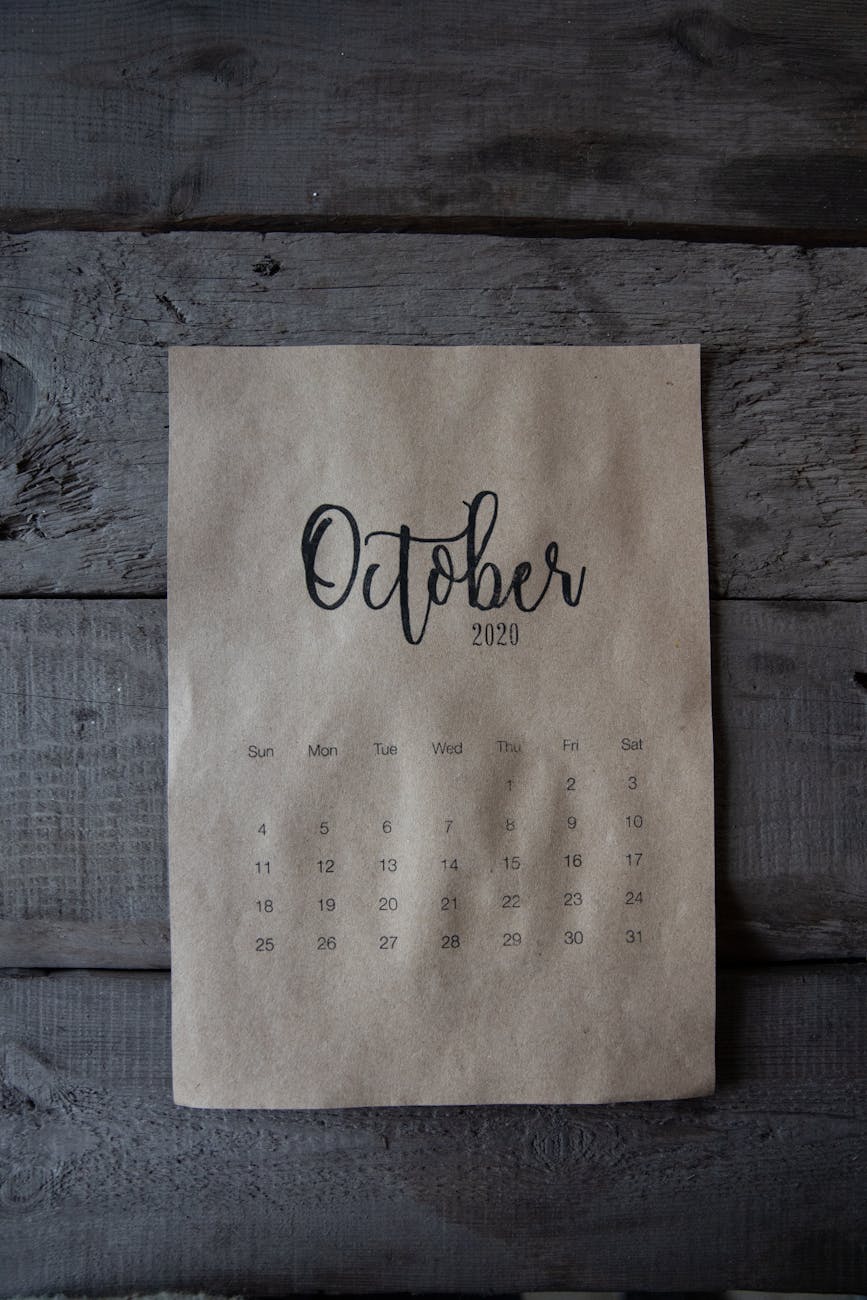
October 3rd has, strangely and beautifully, become one of the most iconic dates in pop culture. Unlike other “fan holidays” that get created artificially or through marketing campaigns, October 3rd has significance for two completely different fandoms that, at first glance, could not be further apart: Mean Girls and Fullmetal Alchemist. On one side, we have a 2004 teen comedy film that satirizes high school cliques, social hierarchy, and the pressures of fitting in. On the other side, we have a profound Japanese manga and anime series that deals with grief, war, science, morality, and the consequences of human ambition. Both of them, in their own ways, marked October 3rd as important. This overlapping coincidence has created a fascinating cultural phenomenon where fans online celebrate the day with memes, tributes, essays, and endless callbacks. October 3rd has become a “double holiday,” a day when two worlds—fetch pink and philosophical alchemy—come together.
In Mean Girls, October 3rd is immortalized through a single, simple line. Cady Heron, the protagonist, narrates that “On October 3rd, he asked me what day it was.” She’s talking about Aaron Samuels, the popular boy she has a crush on. The humor and charm of the line is that it’s so mundane. It isn’t a dramatic confession of love, or an important milestone, but rather a trivial detail. Yet that is precisely what makes it so powerful: many of our most memorable teenage experiences are not grand declarations, but little, seemingly random interactions that become engraved in memory. Fans latched onto this line as something deeply relatable. Everyone remembers that one ordinary exchange that suddenly became special because of who said it, or how it made us feel. October 3rd in Mean Girls represents that teenage longing, the way a simple conversation can feel like a moment of destiny. Over time, fans turned it into a holiday, and every year, the internet becomes awash with pink-colored memes, GIFs, and tweets declaring “It’s October 3rd!”
On the other side of the cultural spectrum, October 3rd plays a very different role in Fullmetal Alchemist. The date has weight, gravity, and deep sorrow. Edward and Alphonse Elric, two brothers who broke the laws of alchemy in a desperate attempt to resurrect their mother, suffer devastating consequences: Edward loses his arm and leg, and Alphonse loses his entire body, his soul tethered to a suit of armor. In order to move forward with their lives and commit fully to their journey to restore what they lost, they burn down their childhood home on October 3rd. This act is symbolic. They are erasing the possibility of ever returning to the life they once had. Edward even engraves the date—“Don’t forget 3.Oct.10”—on his State Alchemist pocketwatch, a constant reminder of the sacrifice, the pain, and the commitment they made.
What’s fascinating is how different these two uses of October 3rd are, and yet how similar they feel when filtered through the lens of fandom. In one case, October 3rd is a sweet, nostalgic memory of teenage infatuation. In the other, it is a solemn vow tied to grief and responsibility. And yet both share the same root: memory. For Cady, October 3rd is worth remembering because of the boy she liked. For Edward, October 3rd is worth remembering because of what he lost and what he swore never to forget. Both works understand that humans often attach significance to dates as markers of who we are and where we’ve been. Whether trivial or tragic, these markers give us a way to frame time, to make sense of life’s chaos.
This duality is also a reflection of why fandom culture loves anniversaries and dates. Fans are always looking for points of connection, touchstones that can bring people together. When October 3rd rolls around, fans of Mean Girls and Fullmetal Alchemist flood the internet with tributes. Sometimes they are separate: pink-themed posts about Cady Heron and Aaron Samuels on one side, somber references to the Elric brothers on the other. Sometimes, though, they cross over, and that’s where the internet magic happens. You’ll see memes of Edward Elric wearing pink on Wednesdays, or Aaron Samuels holding a Philosopher’s Stone. These crossovers are not just silly—they’re examples of how digital culture allows fans to stitch together unrelated works into a shared tapestry of meaning.
What’s also interesting is how both fandoms reflect on growing up, though in radically different tones. Mean Girls is about the social battles of adolescence: the insecurities, the cliques, the desperate need to belong. Its October 3rd moment is lighthearted, almost comedic, but beneath the joke is a reflection of how awkward teenage years are navigated. Fullmetal Alchemist, meanwhile, is about the forced maturity of children who experienced tragedy far too young. Its October 3rd moment is heavy, brutal, and about moving on when you are not ready to. Both capture the theme of transitions—of life forcing you forward whether you like it or not.
Why, then, has October 3rd resonated so strongly with audiences worldwide? Part of the answer lies in the universality of marking time. People everywhere love rituals, and in a digital age, fandom rituals become collective experiences. October 3rd is not just a fandom date; it’s a digital holiday. Just as May 4th has become Star Wars Day (“May the Fourth be with you”), October 3rd has carved its own place as a day where people all over the world know exactly what it means to certain fans. The fact that it unites two very different kinds of fandom only makes it more powerful.
Consider how the internet itself has amplified October 3rd. In 2004, when Mean Girls first came out, fandom was more localized—people might have quoted lines with friends at school, but the idea of a collective October 3rd celebration wasn’t widespread. By the late 2000s and early 2010s, social media platforms like Tumblr, Twitter, and Facebook gave fans spaces to amplify the significance of the date. Similarly, Fullmetal Alchemist fans, who had always viewed October 3rd as meaningful because of the manga and anime, found new audiences who could engage with that symbolism. Over time, the convergence of these two fandoms created a snowball effect: now, every October 3rd, the date trends worldwide.
There is also something beautiful about how two pieces of media from such different cultures—an American teen comedy and a Japanese anime—ended up connected this way. It shows how storytelling transcends geography. Both films and anime are deeply local in their origins—Mean Girls satirizes American high school culture, while Fullmetal Alchemist is steeped in Japanese perspectives on grief, morality, and war. And yet both ended up speaking to global audiences. October 3rd, then, becomes a cross-cultural bridge, a reminder that art can unify people in unexpected ways.
Another angle worth exploring is how fans themselves project meaning onto dates. It’s not the creators of Mean Girls or Fullmetal Alchemist who told us, “Celebrate October 3rd every year.” That was fans, taking ownership of the story, carving rituals into the calendar. This fan-driven appropriation of dates is a kind of cultural authorship, a way of saying, “This moment mattered to us, and we’re not going to let it fade.” The phenomenon of October 3rd demonstrates how audiences can keep media alive long after release. Mean Girls could have remained just another 2000s teen comedy. Fullmetal Alchemist could have remained just one more shonen anime among many. But because of fandom, they are eternal.
Critically, we can also see how October 3rd has evolved into not just a fandom holiday, but a point of intergenerational connection. Younger fans discovering Mean Girls on streaming platforms still laugh at the October 3rd line, while older fans remember seeing it in theaters. Similarly, new viewers of Fullmetal Alchemist: Brotherhood still gasp at the Elric brothers’ decision to burn their home, while older fans recall reading the manga chapter as it was released. October 3rd creates continuity, a shared moment where old and new fandoms meet.
Memes and social media jokes aside, there is something deeply human about needing to remember. Both Mean Girls and Fullmetal Alchemist capture that instinct. Cady remembers October 3rd because it felt important to her heart. Edward remembers October 3rd because it defined his life’s path. And we, as audiences, remember October 3rd because both stories taught us that dates, however arbitrary, become sacred when tied to emotion.
So every October 3rd, the internet turns pink and silver, fetch and alchemy. Some fans will laugh about Aaron Samuels asking what day it is. Others will post images of Edward Elric’s pocketwatch with “Don’t forget 3.Oct.10.” And some will do both, creating mashups that honor how strange and wonderful it is that two different works, from two different continents, gave us the same date to hold onto.
And perhaps that is the ultimate lesson of October 3rd: memory doesn’t need to be monumental to matter. A crush asking the date, or two brothers burning their home, both mean something because they remind us of what it feels like to be alive, to want, to lose, to move forward. Whether we laugh with Cady or cry with Edward, October 3rd has become a vessel for remembering, together.
Anime, comics, and manga are more than just entertainment—they are gateways to imagination, storytelling, and culture. Each medium offers a unique way of experiencing narratives, building worlds, and connecting with characters. Whether it’s the sweeping epic of a long-running manga, the emotional depth of an anime series, or the intricate artistry of a comic book, these mediums have captivated fans for decades. Today, I’m excited to announce the launch of my new blog: Anime, Comics, and Manga, a space dedicated to exploring, celebrating, and analyzing all the incredible stories these worlds have to offer.
The idea for this blog comes from a lifelong passion for storytelling in all its forms. Anime, manga, and comics each provide something distinct yet complementary. Anime combines movement, sound, and visual artistry to create immersive experiences that are hard to replicate in any other medium. Manga, with its carefully designed panels and narrative pacing, offers a depth of story and character development that is often even more intricate than its animated adaptations. Comics—whether superhero epics, indie projects, or experimental works—blend art and text to explore imagination, social commentary, and culture in ways that can be both entertaining and profound. Anime, Comics, and Manga aims to celebrate these mediums while diving deep into the creativity, artistry, and storytelling that make them so beloved.
One of the primary goals of this site is to provide readers with news and updates from the worlds of anime, manga, and comics. From exciting new anime seasons to upcoming manga releases and major comic book announcements, staying informed is part of the fun of fandom. The blog will cover industry news, spotlight new series, explore adaptations, and keep readers updated on everything happening in these creative spaces. But it isn’t just about reporting—it’s about understanding the significance behind these stories, characters, and releases, and what they mean for fans, creators, and the larger cultural landscape.
Beyond news, the blog will offer deep dives and thoughtful analysis. Every story has layers, every character has depth, and every world is crafted with intention. Anime, Comics, and Manga will explore these elements, examining character development, narrative structure, themes, and artistic choices. From analyzing how a long-running manga evolves over time to exploring how an anime adapts and reinterprets its source material, readers can expect in-depth content that enriches their understanding and appreciation of the media they love. These posts will be as much about discovery and insight as they are about celebration.
Anime has a unique ability to combine multiple elements—animation, voice acting, music, writing—into a seamless, emotionally resonant experience. From classics like Cowboy Bebop to contemporary sensations like My Hero Academia and Chainsaw Man, anime captivates through its ability to immerse viewers in rich, detailed worlds. Anime, Comics, and Manga will explore these experiences, breaking down what makes particular series resonate, examining standout episodes, and highlighting the artistry that brings stories to life. Readers can expect thoughtful exploration of both mainstream hits and hidden gems that deserve more attention.
Manga offers another fascinating perspective on storytelling. Its focus on visual storytelling through static panels allows for unique experimentation with pacing, composition, and character development. Many anime are adaptations of manga, yet the source material often contains deeper or alternate narratives, subtle thematic exploration, and creative choices that deserve examination. The blog will cover a wide range of manga genres, from shonen and shojo to seinen and josei, as well as one-shots, experimental works, and long-running series. Each post will aim to provide insight into the artistry, storytelling, and cultural significance of manga in all its diversity.
Comics, both Western and global, add yet another dimension to visual storytelling. Superhero comics are widely known, but indie comics, graphic novels, and experimental works showcase the breadth and innovation of the medium. Comics can entertain, provoke thought, explore identity, and challenge societal norms—all through a combination of art and narrative. By covering comics alongside anime and manga, Anime, Comics, and Manga embraces a broad view of visual storytelling, highlighting the creativity, craft, and cultural impact of each work. Posts will include reviews, character studies, thematic analysis, and discussions of the evolving comic landscape.
Another focus of the blog is the intersection between mediums. Many anime are adapted from manga, while comics are often adapted into anime or live-action series. Examining these adaptations allows for fascinating exploration of creative choices, storytelling adjustments, and audience reception. Understanding how a story shifts across mediums sheds light on both the strengths and limitations of each format, offering readers a richer appreciation for the art of adaptation and creative reinterpretation.
Community is a vital aspect of anime, manga, and comics fandom, and Anime, Comics, and Manga aims to celebrate that. Fans create art, cosplay, fanfiction, theories, and discussions that enrich the experience of storytelling. The blog will highlight these contributions, providing a space to explore fan creativity, community reactions, and interpretations that add depth to the worlds we love. Engaging with fan culture allows the site to connect official content with the passion and creativity of the community, offering readers a well-rounded perspective on the media they enjoy.
The site also values the joy of discovery. While popular series and mainstream hits are exciting, some of the most rewarding experiences come from exploring hidden gems, underrated series, and overlooked works. Anime, Comics, and Manga will introduce readers to these treasures, highlighting unique stories, innovative artistry, and creative experiments that may have slipped under the radar. Celebrating both the popular and the obscure ensures a diverse, engaging experience for all readers.
At its core, Anime, Comics, and Manga is about fostering curiosity, critical thinking, and appreciation. It encourages readers to look beyond surface-level enjoyment and explore the artistry, narrative depth, and cultural significance of their favorite works. Posts will be designed to entertain, inform, and inspire, creating a space where fans can deepen their understanding while celebrating the joy, excitement, and emotional resonance that these mediums provide.
Ultimately, the mission of Anime, Comics, and Manga is to provide a comprehensive, engaging, and thoughtful resource for fans of visual storytelling. Whether you are a lifelong enthusiast or just discovering these worlds, the blog offers news, analysis, and exploration across anime, manga, and comics. It is a place to celebrate the creativity, imagination, and artistry that make these mediums so compelling, and to connect with a community of like-minded readers who share the same passion.
I invite readers of The Musings of Jaime David to explore Anime, Comics, and Manga, dive into the stories, and join me in celebrating the incredible worlds these mediums offer. From the latest anime releases to classic manga series, from mainstream comic events to indie gems, there is something here for everyone. Whether you’re looking to stay informed, explore in depth, or simply enjoy the beauty and creativity of these stories, Anime, Comics, and Manga is your destination.
So, if you’ve ever been captivated by animation, drawn to the pages of a comic, or fascinated by the artistry of manga, this is the place for you. Let’s dive into these imaginative worlds, celebrate the stories that inspire us, and discover new favorites—one episode, one chapter, and one panel at a time.