The Musings of Jaime David
@jaimedavid.blog@jaimedavid.blog

The writings of some random dude on the internet

1,127 posts
1 follower

Tag: mental health

  • Ideas Worth Sharing: Jaime David Writes On Medium

    Ideas Worth Sharing: Jaime David Writes On Medium

    This is where all my thoughts converge. On Medium, I write about everything from politics and philosophy to technology, science, mental health, and social issues. If I think it’s worth exploring, it ends up here.

    Whether it’s a well-researched essay or a spontaneous reflection, each post is an invitation to think deeper, question norms, and connect dots across disciplines.

    Follow me if you’re into multidisciplinary takes, intersectional ideas, and writing that challenges as much as it clarifies.

    📝 Let’s think out loud—together.

    https://medium.com/@jaimedavid327

  • Check out my books and my podcast and other stuff!!!

    Check out my books and my podcast and other stuff!!!

    Hey everyone!

    Just figured I would make a comprehensive ad that combines all of my major works so far into one.

    Check out my short story compilation book “Some Small Short Stories:”

    Paperback: https://www.lulu.com/shop/jaime-david/some-small-short-stories/paperback/product-gjypv69.html

    Ebook: https://www.lulu.com/shop/jaime-david/some-small-short-stories/ebook/product-7kvw9gg.html

    Check out my poem compilation book “My Powerful Poems:”

    Paperback: https://www.lulu.com/shop/jaime-david/my-powerful-poems/paperback/product-dy68n5r.html

    Ebook: https://www.lulu.com/shop/jaime-david/my-powerful-poems/ebook/product-q6dwzpm.html

    Check out my novel “Wonderment Within Weirdness:”

    Paperback version: https://www.lulu.com/shop/jaime-david/wonderment-within-weirdness/paperback/product-q6kydmk.html?q=wonderment+within+weirdness&page=1&pageSize=4

    Ebook version: https://www.lulu.com/shop/jaime-david/wonderment-within-weirdness/ebook/product-2m42ewm.html?q=wonderment+within+weirdness&page=1&pageSize=4

    Check out my podcast “The Jaime David Podcast” on Spotify, YouTube, and more!

    Spotify: https://open.spotify.com/show/2ckvJZisk8njUvZAkxZNC4

    YouTube: https://youtube.com/playlist?list=PLOaTKcyxB_H5ZuHUKMn8xon94QZVyDWmu&si=SHbV_rpEzDhaofpW

    Follow me on my social media (you can find my social media linked on this page here):

    Also check out my other sites:

    The Interfaith Intrepid: https://theinterfaithintrepid.art.blog/

    Let’s Be Different Together: https://letsbedifferenttogether.wordpress.com/

    Jaime David Science: https://jaimedavidscience.hashnode.dev/

    Jaime David Gaming: https://jaimedavidgaming.hashnode.dev/

    Medium blog: https://medium.com/@jaimedavid327

    Jaime David Music: https://jaimedavidmusic.blogspot.com/

    Jaime David Archive:  https://jaimedavid327.wixsite.com/jaimedavidarchive

  • The Masks We Wear: Learning Who’s Really in Your Corner

    The Masks We Wear: Learning Who’s Really in Your Corner

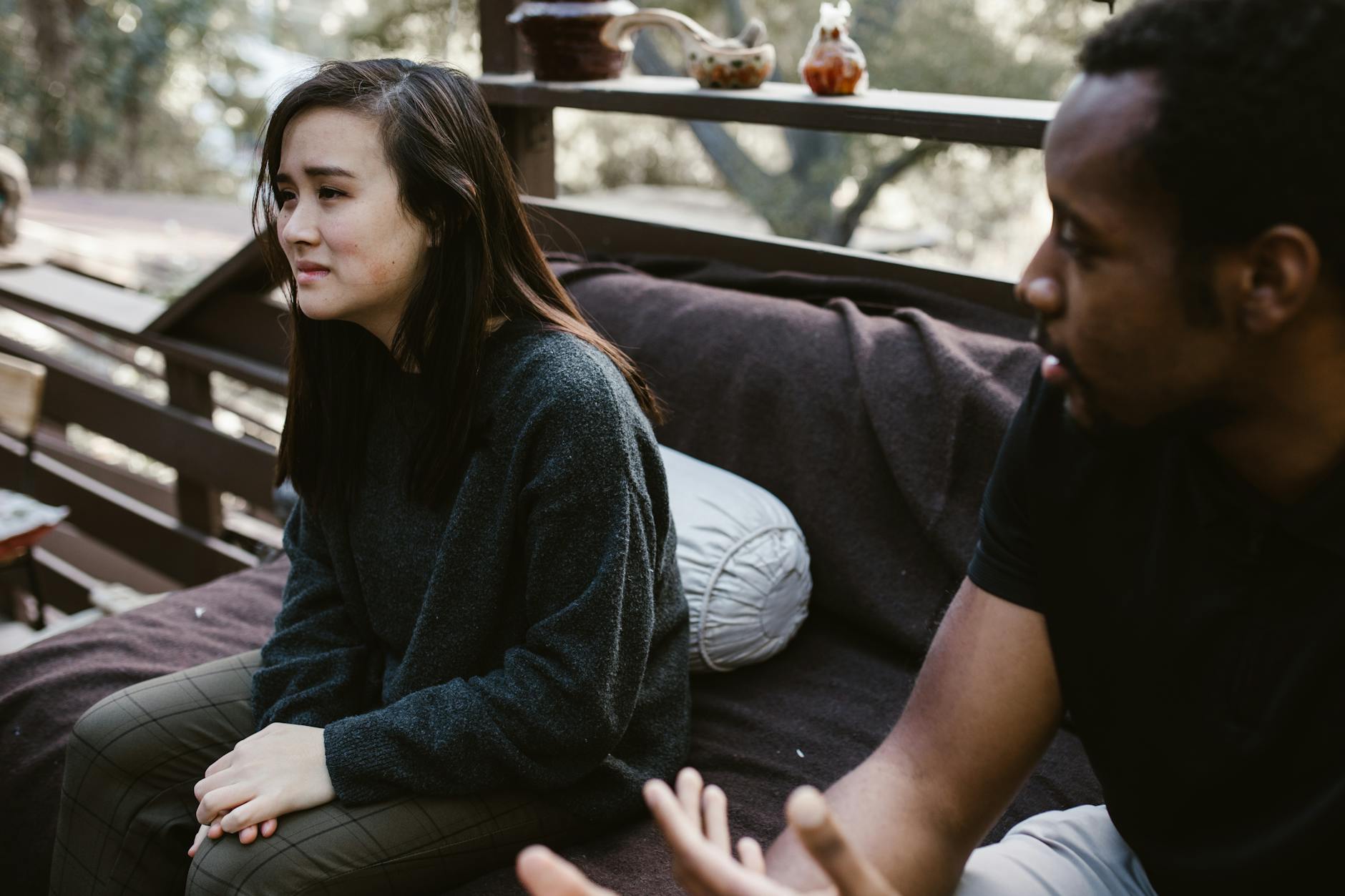
    There’s something beautiful about friendship. The laughter. The late-night talks. The sense of belonging that makes the world feel a little less heavy. We open our hearts to people because we believe in connection — and because, for a while, it feels like they truly see us. But sometimes, things shift.

    Over time, people reveal who they really are. It’s not always dramatic. Sometimes, it’s subtle. A change in tone. A pattern of small betrayals. A slow erosion of trust. Other times, it’s a full mask-off moment — when someone you thought was your friend suddenly turns on you, leaving you confused, hurt, and questioning everything. And that’s the thing: not everyone who calls you a friend acts like one.

    We don’t always see the red flags at first. That doesn’t make you naïve. It makes you human. Trusting someone isn’t a flaw — but ignoring your gut when things feel off? That’s where the danger lies. One of the hardest lessons in life is realizing that not every connection is healthy, and not every relationship is meant to last. Sometimes people wear masks, showing you only what they want you to see. But eventually, the truth surfaces.

    And when it does, you have to protect your peace. It’s not petty. It’s not overreacting. It’s self-preservation. You’re allowed to distance yourself from chaos. You’re allowed to say no. You’re allowed to walk away — even if it’s someone you once cared about deeply. Because your peace of mind matters more than keeping the peace with people who bring you pain.

    But here’s the good news: there are good people out there. People who don’t make you question your worth. People who vibe with your values, respect your space, and show up when it counts. People who make you feel safe, heard, and seen. And those people? They’re worth holding onto. Not every loss is a bad thing. Sometimes letting go is the beginning of something better.

    If you’re going through something like this — you’re not alone. It’s okay to grieve the friendship you thought you had. It’s okay to feel angry or betrayed. But don’t stay stuck there. Learn from it. Heal. And move forward knowing that you deserve friends who treat you with the same kindness and respect you give. Let go of what’s fake. Make room for what’s real.

  • Loneliness: The Path to Inner Contentment and Emotional Resilience

    Loneliness: The Path to Inner Contentment and Emotional Resilience

    I recently watched a video by Michael Mikey titled “A Loneliness Epidemic?” in which he addresses the growing narrative around male loneliness. He challenges the idea that loneliness is something exclusive to men, and instead, he highlights how this issue affects people across all demographics. Mikey argues that while loneliness is real, the media often exaggerates or oversimplifies the problem for the sake of sensationalism. He encourages us to think critically about the structural and cultural forces, like capitalism and digital alienation, that contribute to isolation. Mikey’s approach struck a chord with me, especially when he pointed out that loneliness isn’t something that needs to be “fixed” in the typical sense. Instead of focusing on finding more people to fill emotional gaps, he emphasizes the importance of understanding loneliness and learning to coexist with it, which led me to think more deeply about how we can learn to be content with ourselves and our lives as they are.

    Loneliness isn’t something new. We’ve all felt it at one point or another. But recently, there’s been a surge in discussions around loneliness, especially in the context of gender—particularly male loneliness. The media narrative often makes it seem as though loneliness is a condition to be fixed, something that must be overcome with relationships, friendship, and an emotional lifeline. But what if loneliness isn’t necessarily something that needs to be fixed in the conventional sense? What if the key to overcoming loneliness isn’t about finding more people to fill the emotional gaps, but learning to be content with yourself?

    I’m not talking about some idealized version of contentment where you simply “accept your situation” as it is, or make peace with the fact that you’re lonely. What I mean is deeper. I’m talking about finding peace within your own life, your own mind, and your own choices. This isn’t about forcing happiness or pretending everything is fine—it’s about developing a level of emotional resilience that allows you to feel at peace even when loneliness knocks at your door.

    Here’s the paradox: loneliness is painful, but that doesn’t mean the solution is always found in chasing others to fill that void. Sometimes, the best way to deal with loneliness is through emotional detachment—not in the extreme sense where you shut down or withdraw from the world, but in a healthy way where you stop allowing your emotions to be dictated by the presence or absence of others.

    Detachment doesn’t mean you stop caring. It doesn’t mean you stop wanting relationships, friendships, or emotional connections. It means learning how to not let your emotional well-being hinge entirely on those external sources. It’s about finding a level of internal peace where loneliness becomes something you can experience without it completely overwhelming you.

    This might sound counterintuitive—how could apathy or detachment lead to contentment? Isn’t detachment the opposite of connection? The trick is finding balance. You don’t want to detach so much that you lose your ability to connect with others. You don’t want to shut yourself off from love or companionship. But by detaching from the need for external validation or constant interaction, you can start to build a foundation of self-contentment. In this space, you can thrive even in solitude. This form of self-sufficiency isn’t about rejection; it’s about acceptance of the present and a deeper understanding of your emotional needs.

    This is where optimistic nihilism can play a role. Yes, the world can feel meaningless at times. There’s a lot of suffering, a lot of emptiness, and a lot of things that seem out of our control. But that’s exactly why embracing an optimistic nihilist outlook can help in times of loneliness. It’s the realization that nothing has inherent meaning, but you get to create meaning. In a world that often feels chaotic, your ability to focus on what matters to you—not to society’s expectations or what others think—is an act of liberation.

    Optimistic nihilism teaches that while the universe might not care about your loneliness, you do. And that’s enough. You are the creator of your own narrative. You get to define what gives you joy, what sustains you, and what makes your life worthwhile. And when you come from that perspective, loneliness doesn’t feel like the end of the world. It just becomes a temporary phase—a passing moment that doesn’t need to define you.

    I get it. This is hard work. It’s easy to say, “Find peace within yourself,” but the reality is that it takes time. It’s a journey, not a destination. It’s okay to not have it all figured out. It’s okay to feel lonely some days. The goal isn’t to push away those feelings or to force yourself into constant self-sufficiency. The goal is to allow those feelings, acknowledge them, and then move through them with grace.

    If you’re in your 20s, like I am, or at any other stage in life, and you’re just starting to come to terms with your own emotional needs, you’ll likely find that this process isn’t quick. It’s not something that happens overnight. But with patience, introspection, and some level of emotional detachment, you can eventually reach a place where you’re not at war with your loneliness. Instead, you’ll find ways to coexist with it, live with it, and even use it as a tool for growth.

    Ultimately, contentment with oneself is a deeply personal journey. It’s not about becoming numb to the world or losing the ability to care about others. It’s about discovering how to find meaning, purpose, and peace without constantly looking outward. You don’t need to fix loneliness. You just need to understand it. And with time, you’ll see that being okay with yourself, as you are—lonely or not—is the truest form of freedom.

  • Check out my books and my podcast and other stuff!!!

    Check out my books and my podcast and other stuff!!!

    Hey everyone!

    Just figured I would make a comprehensive ad that combines all of my major works so far into one.

    Check out my short story compilation book “Some Small Short Stories:”

    Paperback: https://www.lulu.com/shop/jaime-david/some-small-short-stories/paperback/product-gjypv69.html

    Ebook: https://www.lulu.com/shop/jaime-david/some-small-short-stories/ebook/product-7kvw9gg.html

    Check out my poem compilation book “My Powerful Poems:”

    Paperback: https://www.lulu.com/shop/jaime-david/my-powerful-poems/paperback/product-dy68n5r.html

    Ebook: https://www.lulu.com/shop/jaime-david/my-powerful-poems/ebook/product-q6dwzpm.html

    Check out my novel “Wonderment Within Weirdness:”

    Paperback version: https://www.lulu.com/shop/jaime-david/wonderment-within-weirdness/paperback/product-q6kydmk.html?q=wonderment+within+weirdness&page=1&pageSize=4

    Ebook version: https://www.lulu.com/shop/jaime-david/wonderment-within-weirdness/ebook/product-2m42ewm.html?q=wonderment+within+weirdness&page=1&pageSize=4

    Check out my podcast “The Jaime David Podcast” on Spotify, YouTube, and more!

    Spotify: https://open.spotify.com/show/2ckvJZisk8njUvZAkxZNC4

    YouTube: https://youtube.com/playlist?list=PLOaTKcyxB_H5ZuHUKMn8xon94QZVyDWmu&si=SHbV_rpEzDhaofpW

    Follow me on my social media (you can find my social media linked on this page here):

    Also check out my other sites:

    The Interfaith Intrepid: https://theinterfaithintrepid.art.blog/

    Let’s Be Different Together: https://letsbedifferenttogether.wordpress.com/

    Jaime David Science: https://jaimedavidscience.hashnode.dev/

    Jaime David Gaming: https://jaimedavidgaming.hashnode.dev/

    Medium blog: https://medium.com/@jaimedavid327

    Jaime David Music: https://jaimedavidmusic.blogspot.com/

    Jaime David Archive:  https://jaimedavid327.wixsite.com/jaimedavidarchive

  • The Struggle Between Health and Hope: A Personal Journey

    The Struggle Between Health and Hope: A Personal Journey

    I’ve spent so much time in the past few months looking back at who I used to be, before all of this. Before the sickness. Before the daily battle that has become my life. I’ve grieved for the past, for the person I once was — healthy, stable, able to go to work, function through the day, and live a life without being held back by the weight of constant illness. I wasn’t always this way. I didn’t always wake up dreading what my body would put me through. I didn’t always feel like I was carrying a burden that no one could see or understand. But that’s the reality now. And that’s the part I’ve struggled with the most — the grief. The loss of a life I thought would always be mine.

    It’s difficult to explain to people who haven’t experienced something similar. It’s not just about being sick once in a while. This is not the common cold or a flu that passes after a few days. This is an unrelenting series of symptoms that come and go unpredictably, often showing up when I least expect it. The nausea, the vomiting, the headaches, the body aches, the fatigue — it all hits me like a wave, sometimes before I even step into the building where I work, sometimes hours later when I’m trying to focus on the tasks at hand. And when the wave hits, it’s hard to hold on. I’ve missed work. I’ve left early. I’ve struggled to make it through the day, only to find myself curled up in the restroom, hoping it will pass. But it doesn’t pass. It keeps coming back.

    The thing about this illness is that it’s both visible and invisible. The symptoms are visible in the most physical sense. The vomit can be seen. It’s real. It’s there. The janitors have had to clean it up. They’ve seen me struggle. They’ve seen me physically suffer. But they don’t see what’s going on inside of me. The invisible part is far more complex. No one knows what’s happening beneath the surface. No one can explain why it’s happening. No one can pinpoint the trigger, and no one can give me answers. It’s a confusing mess of symptoms without a clear cause, and that is what makes it the most frustrating. There’s no tangible thing to point to. It’s all the unknown.

    My coworkers have seen me sick. They’ve seen me missing work. They’ve seen me leave early, sometimes unable to make it through the day. My managers have had to look for me, wondering where I’ve gone, why I haven’t returned to my desk. They know something is wrong, but like me, they don’t have the answers. It’s not just my physical absence that they notice, but the visible toll this sickness takes on me. And yet, the solutions remain out of reach. I’m in a cycle of uncertainty, unable to break free from the constant question of why this is happening to me.

    I’ve seen so many doctors, specialists, and experts, all with their own theories, their own suggestions, and their own plans for me. Yet, nothing has worked. The medications, the allergy shots, the sprays, the pills — none of it has brought relief. The doctors tell me the same thing: “It could be environmental,” but no one can tell me what in the environment is causing it. I’ve become a patient who feels like a puzzle no one can solve. And I’m tired. I’m so tired of hearing, “We’re not sure,” or “Let’s try this next.” I’m tired of being told that this might be my new normal when I don’t even understand why this is happening in the first place.

    I think the hardest part is feeling invisible. The symptoms are invisible. The pain is invisible. But that doesn’t make it any less real. No one else at my job seems to be affected the way I am. No one else seems to have the same battles, the same struggles. And I wonder, what did I do wrong? Why is this happening to me? I used to be just like everyone else, able to show up to work and do my job without thinking twice about my health. Now, it feels like I’m constantly fighting against my own body, every step of the way.

    I’ve tried. I’ve tried so many things. I’ve tried to push through, to ignore it, to pretend like I’m okay. But it doesn’t work. You can’t push through something when it feels like it’s inside of you, controlling you. You can’t ignore the constant toll it takes on your mind and body. I’ve reached out for help, asked for accommodations, tried to make people understand, but it feels like I’m shouting into an empty room. I’m the sick person at work, and no one seems to know how to help. No one seems to be able to offer any answers.

    But here’s the thing: even though it feels like I’m stuck, even though it feels like I’m losing, I’m not giving up. It’s easy to feel like I’m at the end of my rope. It’s easy to feel like I’ve tried everything and there’s no hope left. But deep down, I know I can’t stop fighting. Even when I feel defeated. Even when the days seem endless. Even when the frustration threatens to overwhelm me — I won’t stop. I refuse to stop.

    Because even though I’m uncertain about what’s happening to me, I still have hope. I still believe that somewhere, somehow, there’s an answer out there. Maybe it’s in a test I haven’t taken yet. Maybe it’s in a doctor I haven’t met. Maybe it’s in the right environment, or the right treatment, or the right conversation that hasn’t happened yet. I don’t know. But I’m not ready to give up. I’m far from giving up.

    And so, I continue. I keep searching, I keep advocating for myself, I keep reaching out. Because at the end of the day, I am still here. And that means I still have a chance. I still have a voice. And as long as I have those things, I won’t stop fighting for the answers I deserve.

    I may not know what’s happening, but I do know this: I am not giving up. And that, in itself, is the victory I hold onto.


  • Slam Sunday: Post 5 – “Screens of Discontent”

    Slam Sunday: Post 5 – “Screens of Discontent”

    Intro:
    In a world addicted to the glow of screens, this poem digs into how technology shapes truth, divides us, and fuels discontent — the digital battleground where reality fractures and rage spreads.

    Poem:
    Scroll, swipe, like, repeat,
    A digital heartbeat, incomplete.
    Truth gets filtered, bent, and spun,
    Behind every click, a war begun.

    Algorithms cage us tight,
    Feeding fears in the dead of night.
    Echo chambers, walls of sound,
    Where common ground is rarely found.

    We rant in pixels, fight in threads,
    While empathy quietly dreads.
    Fake news breeds in shadowed code,
    And lies grow heavy like a load.

    But what if we looked up, eyes wide,
    And found the humans on the other side?
    Could connection break the chain,
    Or will we drown in our own disdain?

  • Community Care (A Post Written by A Friend)

    Community Care (A Post Written by A Friend)

    One of my friends made this facebook post. I really liked it a lot, and wanted to share it on here.

    “I just wanted to acknowledge that in times where the majority of people are suffering to some degree–layers of suffering–that it is both incredibly unifying and isolating. Why should anyone care about my personal gripes when everything around me is on fire, in crisis? What right do I have to need attention when I hold privilege in any amount? How do I have a right to suffer when so many more people have it so much worse? These are not new questions to 2020, but are valid questions nonetheless.

    I think the most meaningful part about community care, real uncommodifiable community care, is that when we partake in it, we hold space for each other when we ourselves are suffering. No one’s needs and pain should be ignored. Your pain and exhaustion is valid, and you deserve considerate space to be held for you to release it all in a considerate way. Especially in a time where many of us cannot afford, cannot access, and/or have identities that make it hard to benefit from traditional professional psychology and therapy. Conscious of our privileges, power dynamics, pettiness, and places in the world, we may hold space for one another, assist in the healing of one another. We may create compassion and care where larger systems fail us–it has been going on for centuries on this land. Not codependence, but interdependence. Your pain is valid and weighty and difficult, and I recognize it. It’s hard to resist isolation when nearly everything and everyone is in crisis, but a better world involves trusting the love of those who know you + your situation, and letting them trust in you. It’s not easy but while we are tirelessly fighting for rights and life, it’s necessary.

    I’m far from perfect at this, and am currently resisting the urge waste away into nothing alone, but friends, know I’m trying”

    Check out my friend’s blog site!

    https://homagetolyric.substack.com/

  • Mental health support group

    Mental health support group

    https://www.facebook.com/groups/139839214072165

    A support group for people with social/learning disabilities, emotional trauma, anxiety, and depression to be themselves without any judgement. You can ask for advice or give it. You can also meet other people who have disabilities, depression, anxiety, and emotional trauma.