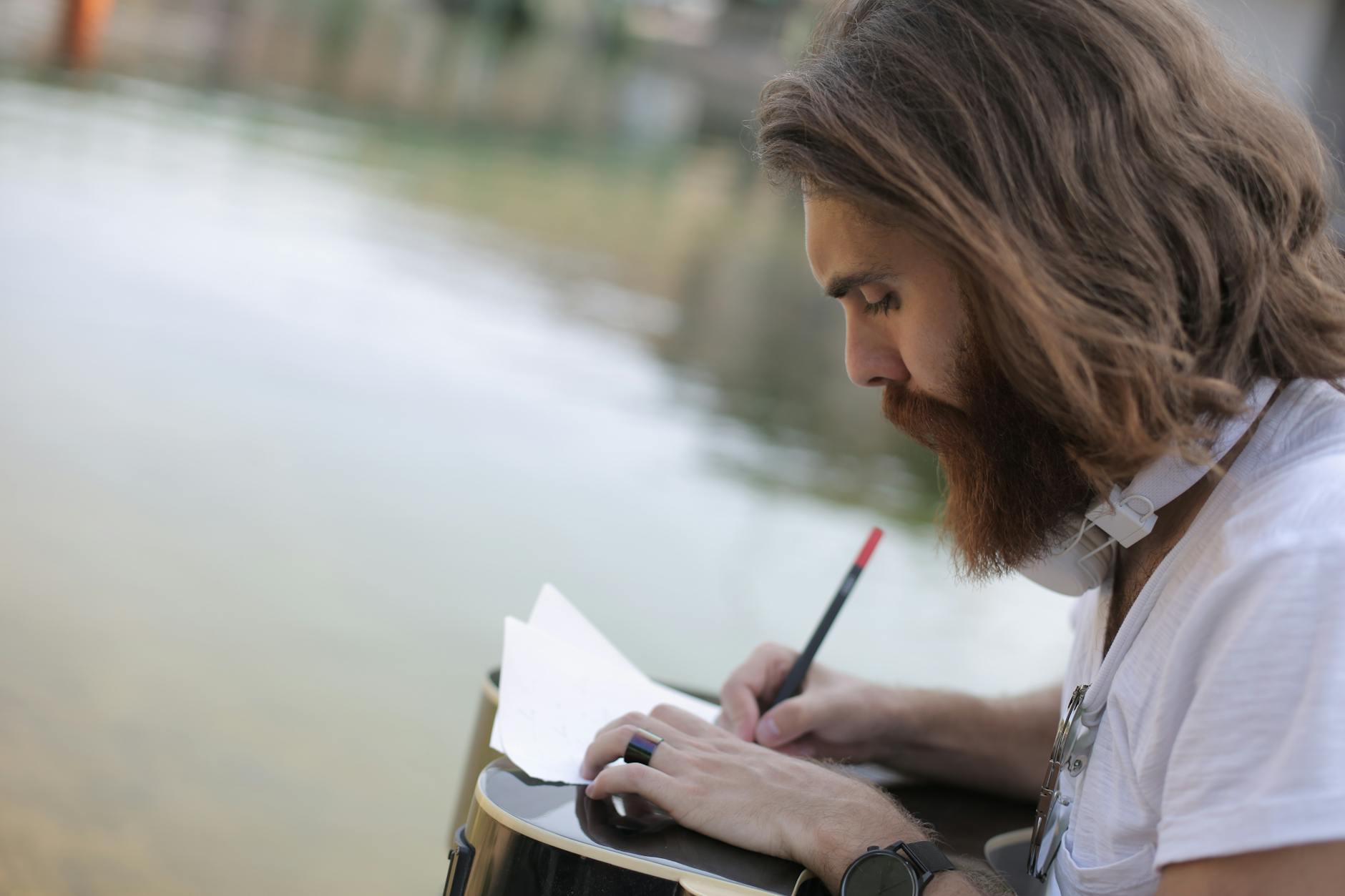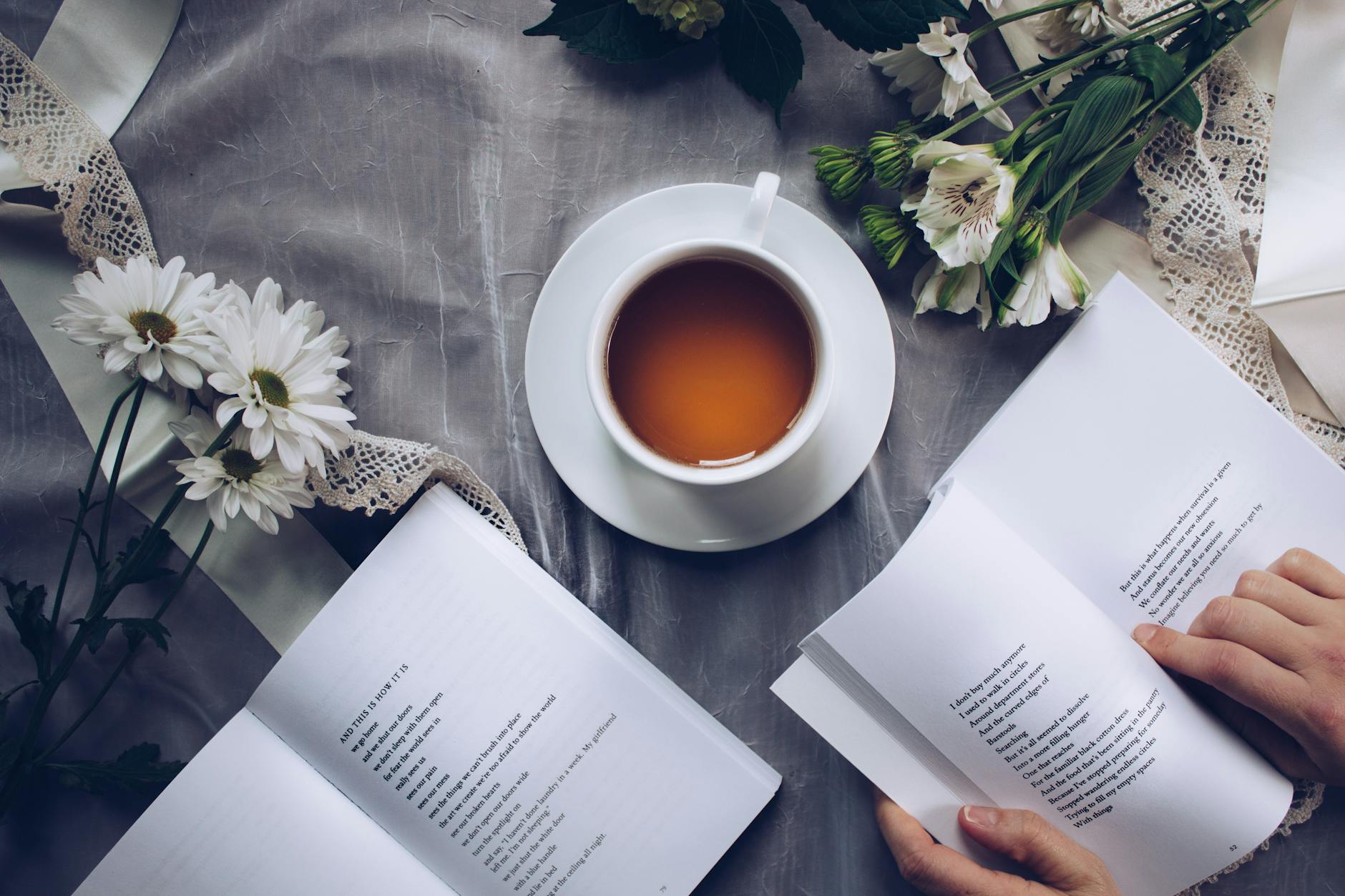
Writing a poem is one of the most personal forms of expression you can engage in. Poetry is freedom. It’s about what comes from your heart, your soul, your mind — not about following a prescribed structure or set of rules. And the best part? Anyone can write a poem. If you have emotions, thoughts, or a story to tell, you have the ingredients to write poetry. Whether you’re a seasoned writer or someone just starting out, there are no wrong ways to do it.
So, if you’ve been wondering, “How do I start writing poetry?” I’m here to tell you: Just start writing. Poetry is your voice, and your voice doesn’t need permission.
1. Embrace the Freedom of Poetry — There Are No Rules
Poetry doesn’t have to rhyme, and it doesn’t have to follow any specific format. If you feel something deep inside and you can express it, then it’s poetry. Some poems rhyme; some don’t. Some follow specific structures like a sonnet or a haiku; others are completely free-flowing.
The beauty of poetry is that it’s an art form meant to express your innermost thoughts and emotions. If that means your poem is just a few lines, or it’s a longer, sprawling piece — that’s fine. Poetry can be anything you want it to be. It doesn’t need to follow tradition to be powerful.
2. Poetry Is About Expression — Not Structure
While traditional components of poetry include imagery, rhythm, and emotion, don’t feel bound by them. Poetry is personal, and it’s meant to convey what you’re feeling. Here’s how to think about it:
- Imagery: Poetry uses vivid imagery to evoke feelings. You don’t have to overdo it with metaphors or similes, but try to describe things in a way that resonates with your emotions. For instance, you might say, “My heart is a fragile glass,” or “My thoughts are like scattered leaves in the wind.” Let your imagery come naturally — what does your emotion feel like?
- Rhythm: Not every poem needs a strict rhythm, but the sound of words is important. Play with how your words flow when read aloud. Does the poem sound smooth? Jarring? Rhythmic? If it does, then you’ve got rhythm.
- Emotion: Above all, poetry is about feeling. How do you feel about the world, life, or love? Poetry allows you to explore these feelings in a way that no other writing can.
3. Don’t Overthink — Just Write
It’s easy to get stuck in your own head and think, “Is this poem good enough?” But remember, perfection isn’t the goal. The key is to keep writing and allow yourself to evolve.
- Freewriting: Try setting a timer for 10 minutes and just write. Don’t worry about whether or not it’s a poem yet. Just let your thoughts flow and see what emerges. Afterward, you can go back and find the parts that speak to you.
- Sensory Writing: Take a walk outside and use your senses. What do you see, hear, smell, or feel? Write it down. Sensory details bring a poem to life in ways nothing else can.
- Use Prompts: If you’re stuck, use a word or image as a prompt. For example, “rain” could prompt a poem about sadness or renewal. Start with something simple, and see where it takes you.
4. Experiment — Play With Form and Language
Don’t worry about having to “get it right.” Start small, and allow your poem to evolve naturally. Free verse poems, for instance, don’t follow any specific rules, and you can break all the rules if it suits your poem.
- Free Verse: Start by just writing words or sentences that describe how you feel. When you have enough, break it into lines or stanzas to give it shape.
- Concrete Poetry: This form is fun — you shape your poem into an image. Maybe you write about a flower, and your words form the shape of a flower on the page.
- Short Form: You don’t need to write long poems. A short, impactful poem can be just as powerful. Don’t let length define your success.
5. Where to Find Inspiration and Learn More
To really get into the groove of poetry, reading other poets can help spark your creativity. Here are some poets who bring fresh voices to the art:
- Billy Collins: Known for his accessible yet profound poetry, Collins’ work is full of wit and wisdom.
- Rupi Kaur: Famous for her short and powerful poetry, Kaur’s work speaks directly to the emotions we all experience.
- Warsan Shire: Her poetry delves deep into themes of identity, migration, and trauma.
- Langston Hughes: His work often captures the struggles of Black Americans in poetic yet accessible ways.
There are also amazing resources like “The Poetry Handbook” by Mary Oliver and “A Poetry Handbook” by John Lennard that help guide you in the craft of writing poetry.
6. Don’t Forget — Music Can Be Poetry
A powerful way to see poetry is through music. Songs are poetry with a rhythm and melody to back them up. The lyrics of your favorite songs? That’s poetry! Whether it’s the rebellious spirit of punk rock, the emotional depth of ballads, or the lyrical beauty of a love song, lyrics have the same power as poetry.
In fact, when you break down song lyrics, you’ll see that they often follow the same structure as poetry: imagery, rhythm, and emotion. Think about iconic lyrics like Bob Dylan’s “Blowing in the Wind” or Kendrick Lamar’s “Alright”. These are powerful poems wrapped in music.
Consider listening to song lyrics as part of your poetry practice. Break down your favorite lyrics and study how they evoke emotion. See how they use rhythm, repetition, and metaphor, and then incorporate those tools into your own poems.
7. Keep Going, Keep Experimenting — Your Voice Matters
Above all else, remember: there is no right or wrong way to write poetry. The more you write, the more you will discover your own voice. Each poem you write will teach you something new, and each new discovery will help you grow as a poet.
At the end of the day, poetry is yours to define. So don’t stress about getting it “right” — just express yourself.
Final Thoughts: Just Write
The most important piece of advice I can give you is this: just write. Your first poem doesn’t have to be perfect. Your second one doesn’t either. Just keep experimenting, keep playing with words, and allow yourself to be messy. You’ll discover your own voice over time.
Poetry isn’t about following rules; it’s about creating something meaningful to you. So pick up your pen and start writing today. Your poem is waiting to be written.