The Musings of Jaime David
@jaimedavid.blog@jaimedavid.blog

The writings of some random dude on the internet

1,168 posts
1 follower

Tag: One Piece

  • Why Lode Star Island Will Be the Straw Hats’ Final Stand Before Laugh Tale

    Why Lode Star Island Will Be the Straw Hats’ Final Stand Before Laugh Tale

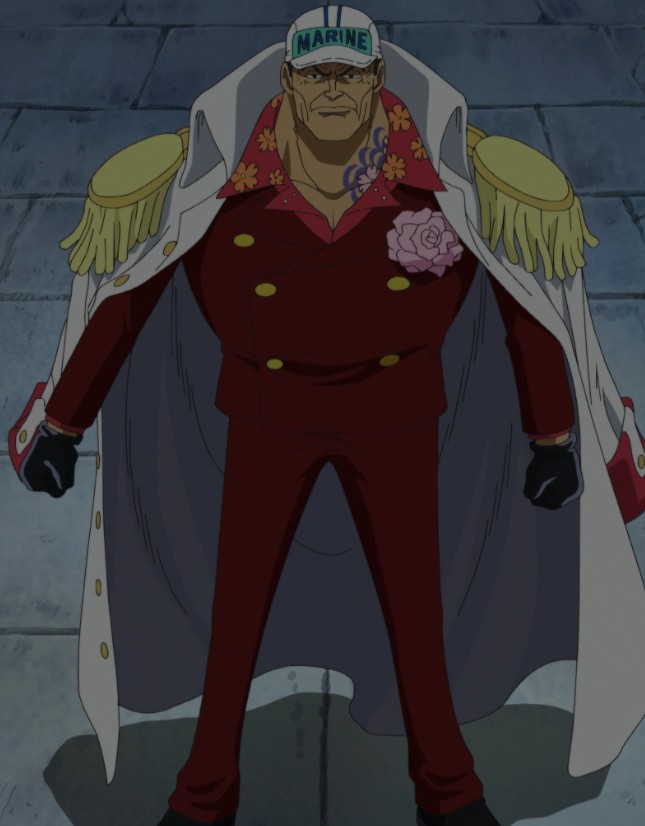
    As the Straw Hats continue their journey toward the ultimate prize, One Piece has increasingly signaled that the endgame isn’t just about reaching Laugh Tale or confronting the final villains. There are narrative milestones along the way, and one of the most crucial is Lode Star Island, the final island on the Log Pose. This isn’t just another destination. Lode Star is both a literal and figurative tipping point: the last known navigational landmark before the uncharted waters leading to Laugh Tale. Based on the stakes, this is where the Straw Hats are most likely to face Akainu, the full might of the Navy, and the culmination of many long-looming plot threads, including the Grand Fleet’s involvement.

    To understand why Lode Star is primed for such a confrontation, we need to consider both narrative precedent and the logic of the Grand Line. Every major arc in One Piece has layered conflict: exploration, discovery, and finally, confrontation. Lode Star, as the final island marked by the Log Pose, represents the ultimate threshold before entering territories completely unmapped and uncertain. The Straw Hats’ arrival here isn’t about leisure; it’s about preparation, survival, and proving their strength against the world’s strongest forces.

    Nami’s mapping abilities also make Lode Star crucial. By this point, she has likely charted every route and gathered every piece of critical information from prior islands, making her an indispensable leader for navigation. This ensures that the Straw Hats can move through these last safe waters efficiently—but it also signals to the Navy and Akainu that the Straw Hats are approaching their most significant objectives. The very act of arriving at Lode Star is a declaration: the Straw Hats are ready to enter uncharted territory, and the World Government cannot ignore this.

    The narrative stakes suggest that Akainu, as one of the most persistent and ruthless threats, will be waiting. Unlike previous villains, Akainu represents not just brute force but the unyielding power of the Marines. He is the ultimate embodiment of justice under the World Government’s banner. But the threat won’t stop there: the Admirals and Vice Admirals could also converge on Lode Star, ensuring that the Straw Hats face overwhelming numbers, and forcing them to rely on both strategy and teamwork to survive. Lode Star becomes not just a battleground but a trial by fire, where the Straw Hats’ skills, bonds, and wits are pushed to the absolute limit.

    Lode Star is also where the Grand Fleet, hinted at back in Dressrosa, finally makes its presence felt. This is the moment the narrator foreshadowed: the Straw Hats’ alliances with various crews culminate here, adding layers of strategy, reinforcements, and narrative payoff. The Grand Fleet’s arrival elevates the battle from a single-crew conflict to a large-scale naval clash, demonstrating the Straw Hats’ influence across the world and the stakes of their journey.

    The island itself may provide environmental advantages: natural chokepoints, high terrain, and defensible positions. Nami’s knowledge of the area could allow her to coordinate precise strikes, while the others use guerrilla tactics against superior numbers. Unlike previous arcs, the crew cannot simply rely on raw power—they must use intelligence, strategy, and unity. Every member contributes not just with strength but with planning and ingenuity.

    From a narrative perspective, Lode Star also serves as a thematic checkpoint. Up until now, the Straw Hats’ journey has involved reaching new islands, uncovering secrets, and slowly increasing the scale of their conflicts. Lode Star is the last “known” island before they step into the truly unknown—the uncharted seas leading directly to Laugh Tale. By forcing the Straw Hats into a confrontation with Akainu, the Admirals, Vice Admirals, and the Navy here, Oda can achieve multiple narrative goals: showcase the crew’s evolution, underscore the dangers of the world, and establish the stakes before the chaos of Blackbeard at Laugh Tale and the politically charged conflicts at Mary Joa.

    Another critical factor is pacing. Lode Star, as a site for a major battle, gives the story a necessary moment of tension before the chaos of Laugh Tale and Mary Joa. It allows the Straw Hats to engage in a large-scale combat scenario that tests their limits while keeping the narrative grounded. The fight against Akainu and the Navy at this stage emphasizes that the Straw Hats’ journey isn’t just about defeating pirates—it’s about surviving a world dominated by the World Government’s full might.

    The choice of Lode Star also aligns with narrative symbolism. It is the “lodestar,” a guiding point that signals direction, destiny, and purpose. By staging a battle here, Oda can highlight the Straw Hats’ resolve: they are guided not just by the pursuit of treasure but by the desire to confront injustice, protect their allies, and push forward into the unknown. It is the perfect thematic intersection of action and meaning.

    Finally, there’s the question of consequence. Unlike smaller arcs, Lode Star cannot be a mere speed bump. Defeat here—or even minor failure—has real stakes. If the Straw Hats falter, they risk losing their strategic advantage before reaching Laugh Tale and Mary Joa. They must fight to preserve momentum, protect their crew, and establish their dominance before the world’s most dangerous players make their next moves. This elevates the confrontation from a mere battle to a pivotal narrative juncture, making Lode Star a cornerstone of the final saga.

    In conclusion, Lode Star Island represents a convergence of narrative, thematic, and tactical elements that make it the ideal location for the Straw Hats’ final stand before Laugh Tale against Akainu, the Navy, and any remaining high-ranking adversaries. It is the last safe island, a point of guidance and destiny, and the stage for a test of everything the crew has learned. The battle at Lode Star is not just another fight—it is the Straw Hats’ definitive stand before entering uncharted waters, a test of courage, loyalty, and skill that sets the tone for the final chapters of One Piece.

  • The Moment Zoro and Sanji’s True Bond Could Be Revealed

    The Moment Zoro and Sanji’s True Bond Could Be Revealed

    For years, fans of One Piece have been entertained by the rivalry between Zoro and Sanji. Their constant bickering, insults, and competitive antics are a defining feature of the Straw Hat dynamic. On the surface, it seems like they simply don’t get along. But for those paying close attention, subtle hints have always suggested that this rivalry masks something deeper—a bond of respect, care, and shared purpose. Now, imagining the endgame, it’s easy to see how Oda could deliver one of the most emotionally powerful moments in the series: a scene where Zoro and Sanji’s true bond is revealed.

    Picture a pivotal moment in battle or crisis. One of them is badly injured—seriously, though not necessarily fatally. The stakes are high, the tension unbearable. And for the first time, the usual insults, sarcastic jabs, and teasing vanish. In this vulnerable state, one of them turns to the other and says something like:

    “If I don’t make it… just know, I always cared about you, brother.”

    The other, equally affected, responds:

    “I cared about you too… partner.”

    A single, quiet exchange like this would completely redefine their relationship for viewers. Fans who have only witnessed the surface-level rivalry would be stunned, finally realizing that all the teasing and conflict was a mask for mutual care. Meanwhile, those who have been studying the subtle hints—their coordinated teamwork, moments of concern, and acts of sacrifice—would see it as a natural, deeply earned moment, a confirmation of what they’ve long suspected.

    This imagined scene works on multiple levels. Emotionally, it would hit hard, delivering a rare moment of vulnerability between two of the crew’s strongest and most stoic members. Narratively, it would validate all the subtle cues Oda has placed throughout the series: Zoro’s unwavering trust in Sanji during battle, Sanji’s protective instincts, and the ways in which they complement each other’s strengths. The scene would also reinforce their hidden dreams: Zoro’s desire to inspire and Sanji’s drive to nurture and connect, now expressed not only in their contributions to Luffy’s vision, but directly toward each other.

    Psychologically, it makes perfect sense. Intense emotions, whether expressed as love or conflict, often occupy the same space. The “hate” fans have watched for years is really intense care and investment. By showing them acknowledge each other in a moment of vulnerability, Oda would be making this invisible bond visible, rewarding viewers who noticed the hints while shocking those who only watched the surface.

    Moreover, this scene would become an iconic moment for the Straw Hat crew. It’s not just about Zoro and Sanji—it’s a statement about the nature of bonds forged through shared purpose and emotional intensity. Their rivalry has always been a mechanism to push each other to their best, and seeing them openly acknowledge that would tie perfectly into the broader theme of Luffy’s universal dream: connection, friendship, and the power of people bringing out the best in each other.

    In conclusion, a moment like this—where Zoro calls Sanji “brother” and Sanji calls him “partner,” free of insults or teasing—would be a masterstroke of storytelling. It would reward attentive fans, shock casual viewers, and crystallize a subtle, years-long narrative arc. The rivalry between Zoro and Sanji has never been just about jokes or surface conflict; it has always been about mutual respect, care, and the desire to see each other succeed. A scene like this would finally make that explicit, giving fans a deeply emotional and satisfying payoff that has been decades in the making.

  • Zoro and Sanji: When Rivalry Reveals Brotherhood and Hidden Alignment

    Zoro and Sanji: When Rivalry Reveals Brotherhood and Hidden Alignment

    At first glance, the rivalry between Zoro and Sanji in One Piece seems straightforward. They bicker constantly, insult each other at every turn, and engage in a kind of competitive sparring that makes it seem like they simply don’t like one another. Many fans take it at face value, chalking it up to conflicting personalities or comedic relief. Zoro is stoic, disciplined, and blunt, while Sanji is flamboyant, theatrical, and emotionally expressive. The surface-level tension makes it easy to assume antagonism. But if we look deeper, a far more interesting truth emerges: their rivalry is not actual conflict. It’s a window into a profound emotional and narrative alignment, a form of brotherly love expressed through intensity, challenge, and mutual growth.

    One of the keys to understanding this dynamic lies in their hidden dreams. Zoro’s secret dream goes beyond simply becoming the greatest swordsman. While that goal is tied to his promise to Kuina and his personal ambition, beneath it lies a deeper purpose: to inspire others. Zoro’s mastery of the sword is a vehicle for encouraging people to pursue their own dreams, challenge stereotypes, and realize their potential. Sanji’s hidden dream, on the other hand, goes beyond finding the All Blue. While the All Blue represents a culinary paradise, the deeper layer is about connection, nourishment, and fostering unity. Through his food and care, Sanji enables people to live, thrive, and engage fully with the world around them. Both hidden dreams, though different in method, contribute to Luffy’s ultimate vision: a network of global friendship and connection.

    The rivalry gains a new dimension when we consider this: Zoro and Sanji’s hidden dreams are fundamentally about helping people be their best. Zoro inspires excellence through strength and discipline; Sanji fosters excellence through care, support, and nourishment. On the surface, their interactions look combative, but the underlying reality is that they are pushing each other to reach their fullest potential. Every insult, challenge, or teasing remark is an unconscious mechanism to make the other stronger, sharper, and more capable. Their so-called “hate” is actually a profound expression of mutual investment and respect.

    Psychology helps explain this. There’s a well-known principle that intense emotions—whether negative or positive—are often two sides of the same coin. Love and hate can coexist when deep investment is present. Zoro and Sanji’s surface-level animosity reflects intense care and engagement. They notice each other’s strengths and weaknesses, and the emotional energy that manifests as rivalry is the same energy that binds them to the crew, Luffy, and the larger mission. It’s brotherly in nature: challenging, sometimes abrasive, but fundamentally rooted in shared purpose and loyalty.

    The narrative reinforces this repeatedly. In moments of danger or high stakes, Zoro and Sanji coordinate instinctively, trust each other implicitly, and support one another without hesitation. The rivalry is not wasted energy—it’s a performative layer over a deeply functional and emotional bond. Oda uses the surface-level conflict to entertain and provide tension, while the hidden alignment reinforces the thematic core of the Straw Hats’ hidden and universal dreams.

    When we connect this to the broader framework of the Straw Hats’ universal dreams, the pattern becomes even clearer. Zoro’s hidden dream of inspiring others complements Sanji’s dream of uniting and nourishing people. Both contribute different dimensions to Luffy’s ultimate vision: Zoro provides the emotional and motivational spark, while Sanji ensures people are cared for and able to participate. Their surface-level friction, then, is not a disruption of the network but a mechanism that strengthens it. Their rivalry keeps both sharp, aligned, and actively contributing to a shared mission.

    Viewed through this lens, the Zoro-Sanji dynamic transcends simple rivalry. It becomes a metaphor for cooperation through tension. Their arguments, insults, and competitions are expressions of mutual investment, shared values, and brotherly care. Every clash is a push toward excellence—each is holding the other accountable in subtle, emotionally rich ways. Their “hate” is a sign that they care deeply, that they value each other’s growth, and that they are committed to contributing to something larger than themselves.

    In conclusion, Zoro and Sanji’s rivalry is far more than comedic banter or surface-level conflict. Their hidden dreams—Zoro’s drive to inspire others and Sanji’s desire to connect and nurture—show that they are fundamentally aligned in purpose. Their apparent “hate” is actually an expression of mutual care and motivation, a brotherly push toward excellence, and a crucial part of the Straw Hats’ network of support that makes Luffy’s universal dream of friendship and connection possible. Oda’s storytelling genius lies in creating relationships where conflict and care coexist, where rivalry is a form of love, and where surface tension masks deep emotional and thematic alignment. Zoro and Sanji remind us that sometimes, the strongest bonds are the ones that challenge us the most.

  • The Hidden Thread That Connects the Straw Hats: Luffy’s True Dream

    The Hidden Thread That Connects the Straw Hats: Luffy’s True Dream

    In the world of One Piece, fans often focus on the Straw Hats’ stated dreams. Luffy wants to become Pirate King, Zoro aims to become the greatest swordsman, Sanji searches for the All Blue, Nami desires to map the entire world, and each crew member has a goal that seems personal and isolated. These ambitions drive the story forward, and on the surface, they make each character distinct and compelling. However, if you dig deeper, a fascinating pattern emerges: the Straw Hats’ hidden or secret dreams are not merely personal—they all point toward the same universal goal. Every Straw Hat’s ultimate drive, when examined through the lens of motivation and action, is about connecting people in meaningful ways. This insight reframes how we understand Oda’s narrative structure and sheds light on the hidden architecture of the crew’s endgame.

    Take Luffy, for example. His stated dream is simple and iconic: to become the Pirate King. But by now, it is clear to attentive fans that Luffy’s desire goes beyond personal glory. His secret dream is to be friends with the entire world. Luffy’s adventures are not just about treasure or notoriety—they are about building bonds, creating trust, and fostering connections. This is evident in how he approaches every interaction, whether it’s with a crew member, an ally, or even former enemies. Luffy’s charisma, unyielding optimism, and fearlessness act as the hub for a network of relationships that span the world. In essence, he is not just chasing a title; he is creating the conditions for a global web of friendship, a dream that extends far beyond the personal realm.

    Zoro, on the other hand, offers an interesting case study. His stated dream—to become the greatest swordsman—is, on the surface, a personal goal tied to Kuina, his childhood friend. But if we look closely at his character and his actions, it becomes clear that Zoro’s dream has a much broader purpose. His pursuit of sword mastery is a vehicle for something deeper: inspiring others. By achieving greatness, Zoro demonstrates the power of discipline, perseverance, and courage. He shows people that no matter what obstacles or stereotypes exist, they can achieve their own dreams. In this sense, Zoro’s hidden dream aligns perfectly with Luffy’s ultimate vision. He doesn’t just want to be strong for himself; he wants the world to see that strength can empower others to reach their potential. The sword is a symbol, but the real objective is emotional and societal connection—encouraging others to pursue their goals, break boundaries, and connect with the world in their own way.

    Brook provides another compelling example. His surface-level dream is to reunite with Laboon, the whale he left behind long ago. At first glance, this seems deeply personal—a promise to a friend and a longing rooted in nostalgia. However, Brook’s hidden dream transcends even this touching objective. His time with the Rumbar Pirates, whose lives were defined by music, joy, and celebration, planted a seed that goes far beyond personal reunion. Brook’s ultimate dream is to share music with the world, spreading the joy and emotional resonance that the Rumbar Pirates embodied. Music, in this sense, is a medium for connection, capable of bridging language, culture, and even species. Laboon is the starting point, the emotional anchor, but the universal application of Brook’s dream is global. Through his music, he unites hearts and evokes empathy, joy, and reflection, directly contributing to Luffy’s broader network of connections.

    Sanji’s dream also operates on multiple layers. His surface-level goal is the All Blue, the legendary sea where all fish converge. At first, it seems like a purely culinary ambition, a personal fantasy for a chef who loves to cook. But Sanji’s hidden dream has both a social and a practical dimension. By sharing meals, he fosters unity, joy, and interpersonal bonds, creating spaces where people can gather, share, and connect. At the same time, food is essential for survival, and by nourishing others, Sanji ensures that they can live, thrive, and engage fully in the world. In this way, Sanji’s dream supports Luffy’s universal goal on two fronts: emotionally, through shared experiences, and physically, by enabling life and health, which are prerequisites for forming meaningful connections.

    Other Straw Hats also fit this pattern. Nami maps the seas, making the world navigable and understandable, which allows people to physically reach one another. Usopp inspires courage and hope, equipping people with the emotional tools to take risks, connect, and act. Chopper heals, removing physical and emotional barriers that might prevent people from participating in relationships or alliances. Robin uncovers and teaches history, fostering empathy, understanding, and cultural connection. Franky builds ships and infrastructure, enabling exploration and safe travel across vast distances. Jinbe works to bridge divides between humans and fishmen, demonstrating that reconciliation and inclusion are possible across even the most entrenched societal boundaries.

    When viewed as a whole, a fascinating picture emerges. The Straw Hats’ dreams are nested layers: each has a surface-level personal goal, a hidden dream that expands their influence, and a universal core that ties directly into Luffy’s secret dream. This universal core is the desire to connect people—emotionally, socially, culturally, physically, and intellectually. Zoro inspires, Brook spreads joy, Sanji nourishes, Nami navigates, Usopp motivates, Chopper heals, Robin teaches, Franky enables, Jinbe reconciles, and Luffy binds it all together. Each crew member contributes a unique dimension, and together they form a network that makes global friendship and understanding possible.

    This perspective shifts the way we interpret One Piece as a narrative. The Straw Hats are not just a team of adventurers chasing personal ambitions; they are a coordinated network of forces, each complementing the others, all working toward a singular meta-goal. The personal stakes keep the story engaging and relatable, but the hidden and universal layers provide depth, thematic cohesion, and a sense of inevitability. Oda is not merely telling individual stories—he is building a framework where every character’s actions and dreams contribute to a larger, interconnected vision of global unity.

    It’s a rare insight because it is subtle and largely underexplored in fan discussions. While many fans analyze the stated or hidden dreams of individual Straw Hats, few have noticed that there is a universal dream shared by all of them. This realization transforms how we view the endgame of One Piece: it’s not just about treasure, the Pirate King title, or adventure—it’s about achieving a world where people are empowered, connected, and capable of forming meaningful relationships. The Straw Hats’ individual journeys, sacrifices, and triumphs are all instruments for creating this network of human connection.

    In conclusion, the Straw Hats’ dreams are not isolated ambitions—they are part of a carefully constructed thematic system. Each member has a personal dream, a hidden dream that broadens its impact, and a universal core that aligns with Luffy’s secret vision of friendship and connection across the world. Zoro inspires potential, Brook spreads emotional bonds through music, Sanji nourishes both physically and socially, and every other member contributes in their own way. Together, they form a network of connection, making Luffy’s dream possible. Oda’s genius lies in crafting a crew where the individual and universal intersect, creating a story that is as much about people and relationships as it is about adventure, treasure, and the seas. The Straw Hats’ hidden network of dreams is perhaps the greatest treasure of all—a blueprint for a world where everyone can reach out, connect, and be part of something bigger than themselves.

  • Why Imu Must Erase Luffy’s Memories: The Ultimate Endgame Move in One Piece

    Why Imu Must Erase Luffy’s Memories: The Ultimate Endgame Move in One Piece

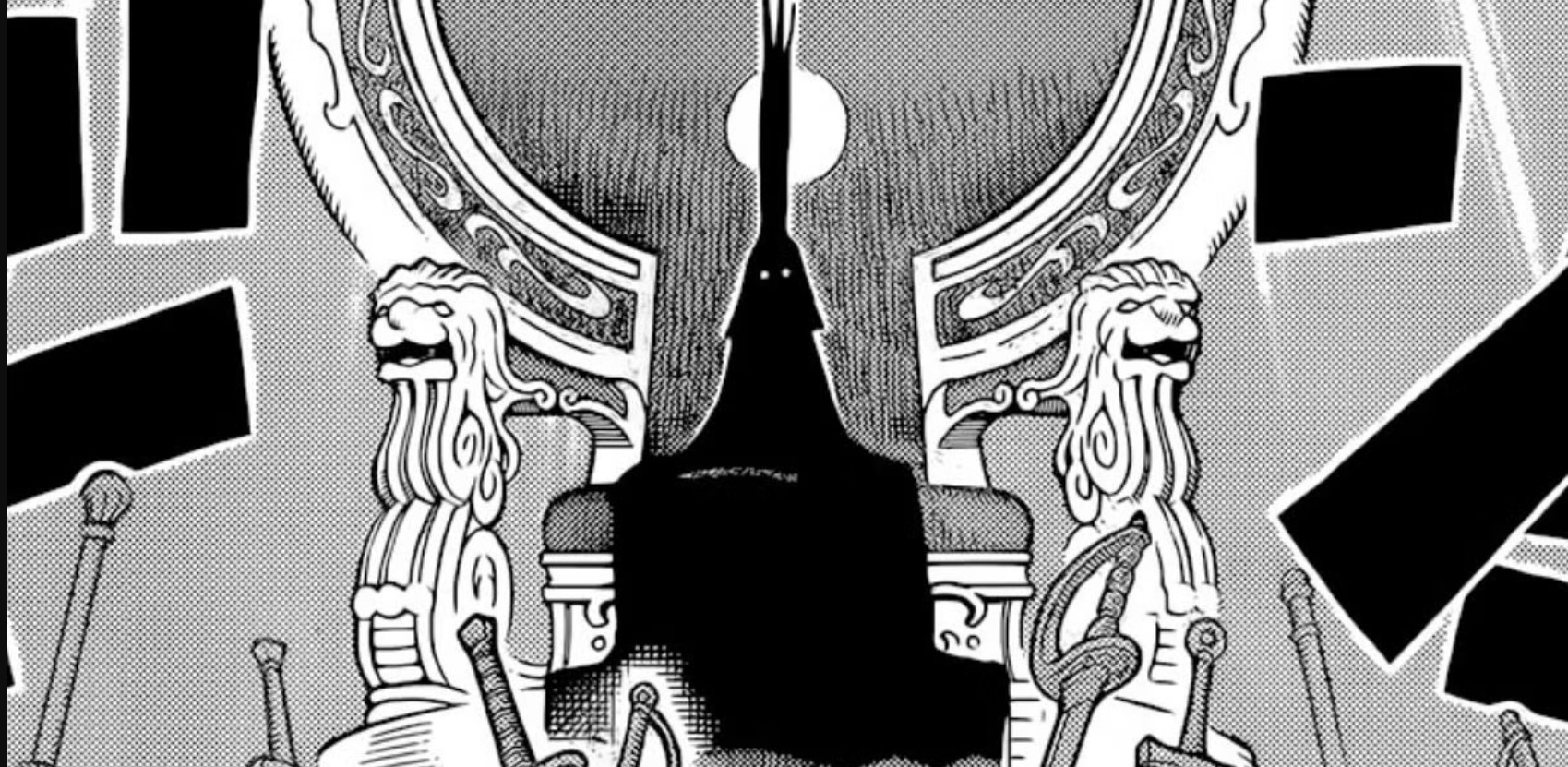
    If Blackbeard represents the ultimate personal and psychological threat to Luffy — sowing deception, betrayal, and confusion among the Straw Hats — then Imu, the shadowy ruler of the World Government, must operate on a far higher, almost unfathomable plane. Blackbeard exploits trust and bonds, turning Luffy’s crew against him temporarily and forcing him into a chess-like survival scenario. Imu, in contrast, should test everything Luffy is at his core, stripping him of the people, memories, and connections that define him.

    By the time Luffy reaches Imu, he will have endured numerous trials, both physical and psychological. Every major antagonist before has challenged one facet of Luffy: Crocodile tested his endurance and resilience; Enel challenged his adaptability and willpower; Doflamingo tested leadership and decision-making; Kaido tested strength and perseverance. Blackbeard would challenge trust and perception, weaponizing impersonation to make Luffy doubt the very bonds that have sustained him. Imu must do something even more extreme — something that redefines the stakes entirely. Erasing Luffy’s memories achieves exactly that.


    The first reason memory erasure works narratively is that it forces Luffy to stand completely alone. One Piece has rarely, if ever, shown Luffy entirely without support from his crew. Even in situations like Marineford, where he was effectively alone against a near-impossible force, the Straw Hats’ presence and influence loomed in his mind. Removing his memories of the crew places him in a truly unprecedented position: he must fight for a world that is unfamiliar to him, guided only by instinct, intuition, and the ideals that have shaped him outside the immediate influence of his friends. This is not just a physical test but an existential one.

    Importantly, erasing Luffy’s memories would not erase all of Luffy’s moral compass or his dreams. Oda has repeatedly emphasized that Luffy’s motivations extend beyond personal ambition. From his confrontation with Kaido at the end of Wano, we know that Luffy’s dream is not selfish; he fights for a world where people do not starve and where freedom is accessible to all. Even without memories of the Straw Hats, Luffy’s innate sense of justice and his desire to improve the world would persist, giving him a reason to fight. In essence, Imu would be stripping him of his emotional anchors, but not of his true self. This makes the challenge all the more compelling: Luffy must rediscover what and who he is while still confronting an opponent whose power seems nearly limitless.


    The next reason this works is tied to the theme of bonds transcending memory. Kingdom Hearts has long toyed with the idea that memories and connections can exist independently, that bonds between friends can guide and sustain someone even when everything else is erased. In the series, Sora never forgets Donald and Goofy, but the idea of completely wiping a hero’s memories while leaving the bonds intact has only ever been hinted at as a theoretical possibility. One Piece could take this concept further: Luffy could be memory-less regarding his crew but still possess an unspoken recognition of their importance. This would heighten the emotional impact for readers and viewers, as we watch Luffy struggle through confusion, frustration, and isolation, yet gradually sense the presence of his friends in subtle, instinctual ways.

    Imagine the climactic scene: Luffy, stripped of memories, battles Imu in a world that feels alien and unmoored. Imu might taunt him, questioning what he fights for, challenging every instinct. Luffy would initially feel lost, frustrated by the absence of the very people who have always grounded him. Slowly, glimpses of memory flash: a laugh shared with Zoro, a reassuring smile from Nami, the camaraderie of a long voyage. Each memory would appear as Luffy grapples with the void, a gradual return of both clarity and purpose. By the time he reaches the apex of the battle, he would recall his friends in full, shouting their names and charging forward with renewed vigor. The tension and emotional resonance here are unmatched; Luffy’s victory is not merely physical, but deeply personal and psychological.


    Memory erasure also dramatically raises the stakes for the entire world. One Piece has always intertwined personal stakes with global consequences. Imu is theorized to possess powers capable of manipulating reality, potentially even erasing existence or rewriting history. Erasing Luffy’s memories would not just be a personal affront; it would threaten the crew’s influence on the wider world. Luffy, who has consistently been a catalyst for liberation and justice, would be removed from the battlefield mentally even if physically present. The world itself would hang in suspense, dependent on the hero’s gradual reclamation of identity and bonds.

    Furthermore, this scenario would allow Oda to explore Luffy’s innate heroism in a way never before possible. Without the immediate reinforcement of the Straw Hats, Luffy’s decisions, strategies, and morality must come from his core self. His instincts, intuition, and innate sense of right and wrong — the purest elements of Luffy’s character — would drive the narrative. This emphasizes a central theme of One Piece: that strength is not merely physical or even relational, but rooted in ideals and unshakable conviction.


    The psychological impact of memory erasure also mirrors the ticking-clock disaster archetype seen throughout One Piece. Battles often hinge on critical moments when the protagonist is hindered: the bomb in Alabasta, Luffy sent overboard in Skypeia, the Birdcage in Dressrosa, or the Buster Call in Enies Lobby. Blackbeard’s impersonation of Luffy serves as a penultimate test of trust, paranoia, and identity — a high-stakes ticking clock for the crew. Imu’s memory erasure elevates the ticking-clock scenario to the ultimate extreme: the hero’s mind itself becomes the battlefield, and every second spent disoriented is a second the world remains in jeopardy.

    In this scenario, Luffy’s journey is not just about physical confrontation but about reclaiming himself and his bonds under extraordinary pressure. He cannot rely on his crew’s guidance; he cannot trust even his own certainty. The fight against Imu becomes as much about internal resilience as external skill, making for a narrative climax that is emotionally devastating and profoundly heroic.


    Finally, memory erasure works because it solidifies the stakes of the final battle in a way that surpasses every prior challenge. Blackbeard’s deception is intimate, personal, and terrifying, but still operates within the familiar parameters of betrayal and impersonation. Imu’s manipulation would function on a cosmic scale, challenging Luffy not just to overcome a villain but to reclaim his very self. It turns the finale into a story about the endurance of bonds, the nature of identity, and the persistence of ideals even under total erasure.

    In conclusion, Imu erasing Luffy’s memories is not just a plausible narrative choice — it is a perfectly orchestrated escalation. It honors the themes of trust, friendship, and resilience while amplifying the stakes to their maximum potential. Luffy would be forced to fight alone, to rediscover his bonds and his purpose, and to triumph against a world-altering threat with nothing but instinct, intuition, and the glimpses of memory that guide him. This scenario would provide One Piece with an emotional and thematic crescendo worthy of its decades-long journey, demonstrating that the strength of a hero lies not merely in power or allies but in unbreakable bonds and enduring ideals.

  • Why Blackbeard Must Impersonate Luffy: The Ultimate Endgame Twist in One Piece

    Why Blackbeard Must Impersonate Luffy: The Ultimate Endgame Twist in One Piece

    When we talk about the endgame of One Piece, two villains dominate the conversation: Imu, the shadowy ruler of the World Government, and Marshall D. Teach, a.k.a. Blackbeard, the pirate who embodies chaos, ambition, and betrayal. If Imu represents tyranny hidden in the shadows, then Blackbeard is the nightmare made flesh — the ugliest, most dangerous side of the dream Luffy is chasing.

    If Oda wants Blackbeard to truly test the Straw Hats, he cannot simply show up for a giant brawl. Kaido was brute force. Big Mom was endurance. Doflamingo was manipulation on a kingdom scale. Blackbeard must be worse. He must strike deeper than fists or cannons. He must target the one thing that has kept the Straw Hats unshakable for over a thousand chapters: their trust in their captain. The ultimate way to do this is to impersonate Luffy, while Catarina Devon impersonates Law. Together, they create the most insidious deception in One Piece history.

    The first cracks appear with Usopp. Alone on the deck while Zoro is outside meditating, Usopp begins to notice subtle irregularities in Luffy’s mannerisms, speech, and tone. Something about the captain feels off — small hesitations, offhand gestures, a coldness that never existed before. His instincts scream danger. Usopp realizes silently that Luffy is not Luffy. To avoid alerting the crew, he fabricates an excuse, claiming he is going to scout the surroundings or maintain a lookout. But as soon as he is far enough from the ship, panic overcomes him. Heart racing, adrenaline pumping, he flees, convinced that remaining onboard could mean death.

    Zoro, outside the ship, notices Usopp fleeing in terror. Usopp would never abandon the ship lightly; the act itself signals danger. Zoro’s instincts kick in. Something is wrong aboard the ship. He moves silently, observing the crew, noticing subtle anomalies in Luffy’s behavior — orders delivered in an unnatural tone, slight inconsistencies in gestures, the weight in his aura heavier, darker. Piece by piece, Zoro deduces the unthinkable: Blackbeard is in Luffy’s body. This realization doesn’t make Zoro panic. He remains methodical, ready to act when the time is right.

    Meanwhile, as Usopp flees, he stumbles upon the Double Law situation. The real Law, trapped in Blackbeard’s old body, and the fake Law, Catarina Devon, present a horrifying dilemma. Usopp’s sharp eye picks up tiny, subtle cues — differences in speech, body language, and presence — and he realizes he is facing an imposter. Fear drives him, but he also knows he must act. Here, he must choose: trust the real Law or confront the fake. This is Usopp’s ultimate crucible — his intelligence, perception, and courage tested under extreme pressure, forced to operate in isolation.

    Back on the ship, Zoro observes “Luffy” in private. Blackbeard, confident in the Straw Hats’ loyalty, attempts a subtle manipulation, maybe isolating Nami or arranging a trap for another crew member. Zoro intervenes silently, sword drawn, eyes narrowed, stopping him before anyone else notices. The stand-off becomes a tense chess match, testing wits and instincts more than brute strength. In a quiet confrontation, Zoro makes it clear he knows the truth. Blackbeard may taunt, trying to maintain the illusion, but Zoro’s sharp intuition exposes cracks in the deception.

    Luffy, trapped in Blackbeard’s body, faces his greatest challenge. He must think like Blackbeard, plan strategically, anticipate every suspicion, and orchestrate survival while maintaining his own moral code. Every move must be calculated; every interaction could trigger suspicion among his crew. Crucially, he cannot directly attack Blackbeard-in-Luffy. Even if he escapes immediate danger from the Blackbeard crew, any aggressive move would appear to the Straw Hats as an attack from their captain, putting them in immediate jeopardy. This limitation transforms the body swap into a multi-layered ticking-clock scenario. Every passing moment increases the risk to the Straw Hats while Luffy must navigate enemy territory, avoid detection, and plan a way to restore himself to his own body.

    The tension is compounded by sleep. Blackbeard cannot rest; Luffy in Blackbeard’s body must maintain the pretense while anticipating every possible move. One slip, one instinctive reaction, one delayed nap, and the entire ruse could collapse. The psychological pressure is immense, spanning both sides: Luffy trapped in the body of his greatest enemy, and Blackbeard exploiting the trust of the crew as his weapon.

    This story works because it escalates stakes on every level. It tests the Straw Hats’ unshakable bond with their captain, reveals a calculating side of Luffy never seen before, elevates Devon as a manipulative threat, highlights Usopp as the first to notice and forced strategist, and showcases Zoro confronting deception with intuition and skill. Blackbeard is no longer just brute force; he becomes the ultimate anti-Kaido, a master manipulator whose weapon is perception, trust, and fear.

    The climax of such an arc wouldn’t rely solely on Devil Fruits or raw strength. Victory would hinge on faith, loyalty, and perception. The Straw Hats’ bonds, sharpened by paranoia and deception, would be the only force capable of exposing the truth and restoring order. The body swap, the ticking clock, and the psychological warfare create a story arc that could redefine One Piece’s narrative scale, tension, and thematic depth.

  • The One Piece Is Real (Just Not the Way You Think)

    The One Piece Is Real (Just Not the Way You Think)

    Let’s talk unironically for a second.

    Yes, the “One Piece is real” meme is hilarious — loud, over-the-top, absurd. But underneath the memes and the screaming edits lies a truth that a lot of us fans understand in our hearts, even if we joke about it.

    The One Piece is real. Not as a literal treasure buried on some island in the real world. But as something that exists within us — something we’ve carried for years, maybe even decades. One Piece is a fictional story, yes, but fiction doesn’t mean “fake.” Fiction means crafted. Told. Shared.

    One Piece exists. We read it. We watch it. We live it. It’s not some imaginary thing we forget after a chapter or episode ends. It sticks with us. Its characters, its messages, its world — they’ve shaped our humor, our values, our friendships, our dreams. For many of us, One Piece has been there during the hardest parts of our lives. It’s made us cry, laugh, scream, and hope. It has taught us about loyalty, freedom, perseverance, and found family.

    That’s not fake. That’s as real as it gets.

    And one day — one very real day — we will know what the One Piece actually is. We’ll turn the page or hit play and we’ll see it. And when that happens, it’ll be a historic moment — not just in anime, not just in manga, but in fiction, in storytelling, in the very human experience of what it means to be moved by art. Millions of people across the world will feel something together. That kind of moment is rare. And it’ll be real.

    So no, the One Piece isn’t sitting at the bottom of the ocean or buried on a deserted island. But it is real. It lives in our hearts, our conversations, our culture, and one day, in our shared memory of what it felt like to be there when the mystery was finally revealed.

    We’ll feel the hype, the awe, the joy, the sadness, the pride. And those feelings — just like the journey we’ve taken to get there — will be real.

    The One Piece is real. Always has been.

  • Imu as the Inertial Measurement Unit of One Piece: A Symbolic Role in the World’s Stability and Change

    Imu as the Inertial Measurement Unit of One Piece: A Symbolic Role in the World’s Stability and Change

    Imu, the mysterious and enigmatic ruler of the World Government, has always been a figure cloaked in shadows. Despite their position at the pinnacle of the global power structure, little is known about their true motives, desires, and influence. However, one particularly intriguing perspective arises when we consider Imu not just as a ruler, but as a symbolic Inertial Measurement Unit (IMU) for the world of One Piece. This theory suggests that Imu plays a central role in guiding the course of history—much like an IMU tracks and controls the movement of an object in the real world. If we apply this metaphor, Imu becomes not only a powerful figure but also the key stabilizing force that shapes the direction of the story.

    In physics, an IMU is used to measure motion, acceleration, and orientation, providing stability and guidance to a moving object, ensuring it follows a predefined course. If we apply this concept to Imu, it presents them as the unseen force behind the stability of the World Government and the direction of global power. Imu may not be a conventional villain or even a tyrant in the traditional sense; rather, they represent the system itself—the force that has kept the world in balance for centuries, often resisting any change or challenge to the status quo.

    Imu’s role in the World Government mirrors that of an IMU’s function within a system. Just as an IMU keeps a plane or spacecraft steady, Imu works tirelessly to ensure that the World Government retains its dominance, controlling the flow of history. They may not be the most outwardly active figure, but their very presence maintains the equilibrium of the world. However, just as an IMU is also crucial in detecting disruptions in an object’s course, Imu becomes a figure whose actions or inactions will ultimately determine the fate of the world when the forces of change inevitably collide with the established system.

    One of the key functions of an IMU is to maintain stability, tracking the motion of an object to ensure it stays on course. Imu, in a similar manner, ensures the stability of the World Government by keeping it functioning as a cohesive, oppressive force. The Gorosei, Celestial Dragons, and Marines all operate within the system that Imu governs, maintaining control over the world’s politics, military, and social structures. Imu’s influence ensures the status quo remains intact, preserving a world order where the World Government is the supreme authority.

    Imu’s role in keeping the world stable is reflected in their control over the most important elements of the story: the Poneglyphs, the Void Century, the ancient weapons, and even the Great Pirate Era. Every action Imu takes—or more accurately, every decision not to act—is part of a larger effort to maintain the balance of power in the world. Just as an IMU resists external forces that might disrupt the motion of an object, Imu’s decisions reflect an unwavering desire to keep the world under control, suppressing any force or individual that might threaten the delicate balance they have worked to establish.

    While an IMU is primarily about stability, it is also crucial in detecting changes or disruptions in the system. When a force accelerates or shifts direction, an IMU provides the necessary correction to bring it back on course. In the world of One Piece, Imu’s position as the central power makes them the catalyst for any significant disruption in the world’s order. This becomes especially relevant as Luffy’s crew continues to challenge the World Government and its authority.

    Imu, though largely hidden, will likely play a pivotal role when the Grand Revolution begins. Their actions—whether direct or indirect—will either bring about the destruction of the current world order or solidify the power of the World Government. As Luffy and the revolutionaries work to overthrow the corrupt system, Imu may be forced to act, either as the instigator of change or as the resistant force that tries to maintain the world’s course. Imu’s ultimate decision will determine whether the system collapses or whether it holds firm, just as an IMU adjusts the trajectory of an object in flight.

    In the context of One Piece, Imu’s actions can be seen as the reluctant control that represents the power dynamics of the world. Much like an IMU’s role in stabilizing an object’s movement, Imu’s actions can be interpreted as attempts to keep the world in balance, even when they may not want to maintain that power. There is a possibility that Imu’s true desires are at odds with the role they have been forced into, and they may not fully embrace the power they wield. This would parallel the idea of an IMU system that is manipulated by external forces, where the object itself (in this case, Imu) is unable to steer its own destiny but instead reacts to the forces around them.

    This concept of reluctant control paints Imu as a tragic figure—someone who may not want to rule the world but has been conditioned to do so. They are, in essence, trapped in a system that forces them to play a role they never intended to fill. Just like how an IMU measures motion but isn’t responsible for the direction the object takes, Imu’s role as the leader of the World Government might not be by choice but by necessity. The Gorosei, the Celestial Dragons, and the World Government may have manipulated Imu into being their puppet ruler, creating an illusion of control while they pull the strings behind the scenes.

    Imu’s eventual confrontation with Luffy and the revolutionaries could represent the ultimate clash of forces—the stabilizing force of the old world order versus the disruptive force of change. Just like an IMU helps to adjust and maintain the path of an object, Imu has worked tirelessly to keep the world on course according to their own vision. However, the impending battle could symbolize the world’s trajectory changing—from an oppressive system to one of freedom and justice. Imu’s position, as the stabilizing force behind the World Government, will be a critical point in the story as the ultimate showdown unfolds.

    Imu’s character, when viewed through the lens of the Inertial Measurement Unit, becomes a symbol of reluctant control—someone who doesn’t truly want power but has been forced into a position of control. They may not be the typical villain; instead, they could represent the tragic hero who has been manipulated by external forces. While their role in the story has been one of resistance and repression, there’s a chance that Imu’s final arc will reveal their inner conflict, their desire for freedom, and their eventual choice to either join or fall to the forces of change.

    In conclusion, Imu, as the Inertial Measurement Unit of One Piece, is more than just a mysterious figure hidden behind the scenes. They symbolize the stability of the World Government, but also the manipulation of forces beyond their control. As the story progresses and the world’s course shifts, Imu’s actions—or inactions—will play a pivotal role in shaping the future of the world. Whether they are a tragic villain or a reluctant pawn in a much larger game, Imu’s arc will ultimately be defined by their ability to either resist change or embrace it.

  • Sabo’s Survival Isn’t a Plot Hole — It Actually Makes Narrative Sense

    Sabo’s Survival Isn’t a Plot Hole — It Actually Makes Narrative Sense

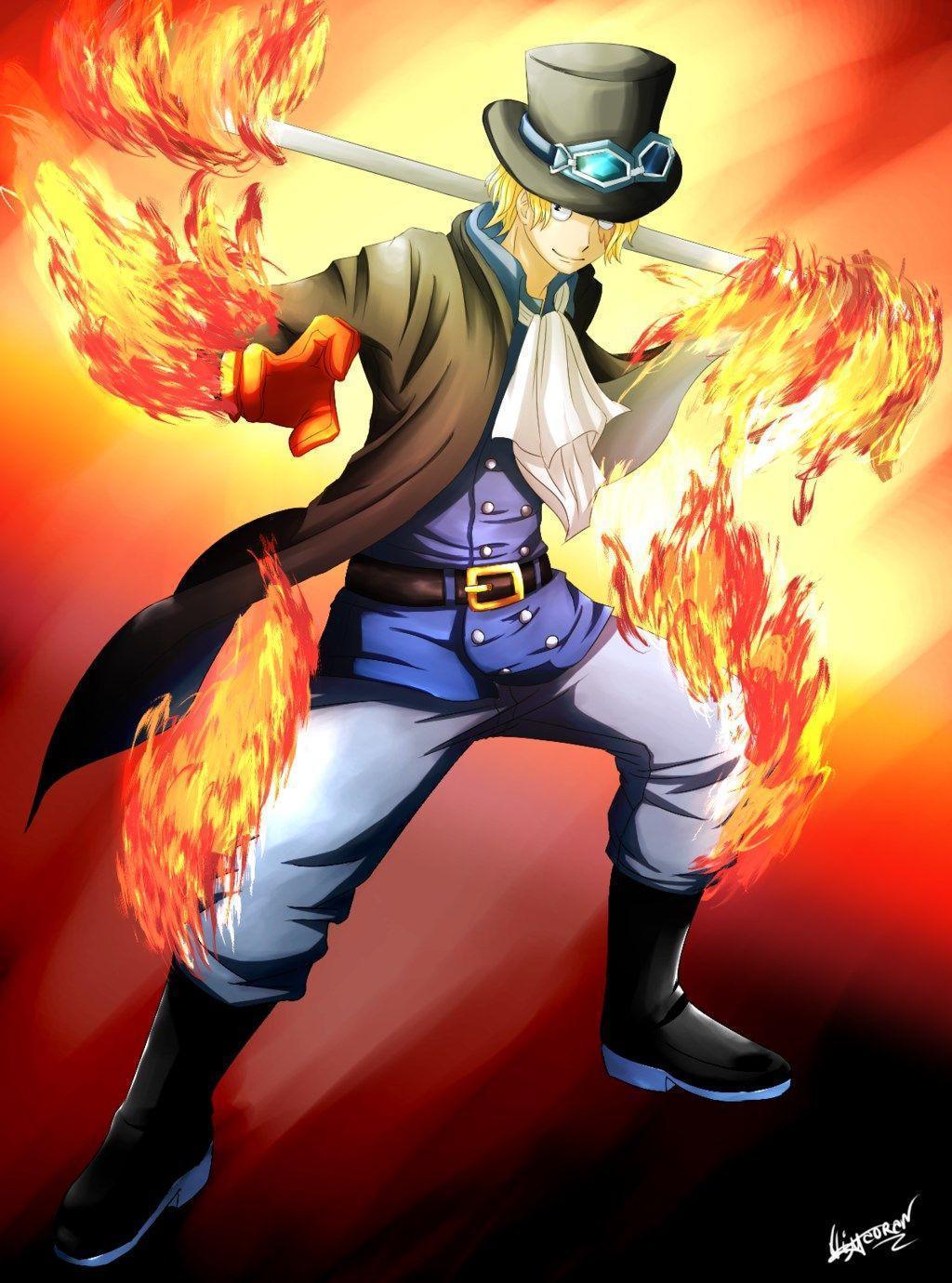
    In One Piece, the return of Sabo in Dressrosa took many fans by surprise. After being presumed dead since the childhood flashback arc, some were quick to label his reappearance as a plot hole. However, when you look closely at the structure of One Piece’s storytelling, world-building, and character motivations, Sabo’s survival—and the secrecy surrounding it—actually makes a great deal of sense. The choices surrounding who knew about Sabo’s survival, when they learned it, and why they didn’t tell Luffy are narratively consistent, emotionally powerful, and aligned with the series’ core themes of family, freedom, and sacrifice.

    The idea of Sabo losing his memories isn’t just a convenient excuse to delay his reintroduction—it’s a carefully placed storytelling mechanism that aligns with One Piece’s long history of delayed payoffs and emotional reveals. After Sabo is shot down by a Celestial Dragon, he suffers massive trauma and is rescued by Dragon and the Revolutionary Army. His amnesia is believable not just because of the physical trauma, but also because of the mental shock. It’s important to note that this is not unprecedented in the world of One Piece. Characters like Law and Robin have deep-seated traumas that shape their identities and their silence. Emotional extremes are often used by Oda as catalysts for transformation or clarity—Zoro after Mihawk, Nami after Arlong, Sanji after Zeff—and Sabo is no exception. The loss of Ace at Marineford is what finally unlocks the dam inside Sabo’s mind. His brother’s death triggers a flood of memories and guilt, pushing him back into the spotlight as a man with purpose, rather than a shadow of a past life.

    The theory that Ace might have found out Sabo was alive—and chose to say nothing—isn’t just plausible, it’s in character. Ace is introduced as hot-headed, but as his arc progresses, we see more and more of his emotional intelligence. He was fiercely loyal, thoughtful, and protective of those he loved. He would’ve understood that revealing Sabo’s existence—if he discovered it—might put both Sabo and Luffy in danger. Perhaps Ace spotted Sabo in a newspaper or heard rumors whispered by those who kept tabs on the Revolutionary Army. Maybe he didn’t get confirmation, but had enough reason to believe Sabo survived. And if so, Ace—knowing Luffy’s impulsiveness and emotional core—would have made the difficult decision to keep quiet.

    This restraint is supported by something visual: Ace’s hat and goggles. While Oda never explains their origin, the goggles—one side a smiling face, the other a sad one—carry powerful visual symbolism. They could represent the duality of emotions Ace felt upon learning Sabo was alive: joy for his survival, sorrow for the silence it demanded. It fits with Ace’s growing maturity, and more importantly, his poetic heart. He was someone who burned fiercely, but also someone who carried the weight of his emotions deeply. Choosing to remain silent wouldn’t be out of character—it would be the ultimate act of quiet love and self-control.

    That same logic applies to others who might have known before Luffy. Garp is a Vice Admiral with close ties to Dragon and the Marines. If Dragon knew Sabo was alive and training with the Revolutionaries, it’s hard to imagine Garp didn’t know as well. Garp’s reaction to Ace’s death was one of emotional devastation, but he still put on a mask of control. Garp has always kept secrets from Luffy “for his own good”—whether it’s his parentage or his Marine responsibilities. Keeping Sabo’s survival quiet, especially if it meant protecting him from Government attention or keeping Luffy focused on his own journey, is entirely consistent with Garp’s complicated morality. He loves his grandsons but he’s a man of discipline and secrets. He understands that timing is everything.

    Dadan, too, could have learned the truth. Whether through Garp or rumors from Foosha or Grey Terminal, Dadan is part of a community that watches closely and gossips widely. She raised Luffy, Ace, and Sabo. If she knew Sabo was alive, she would’ve carried that knowledge with the same fierce protectiveness we see in her reaction to Ace’s death and Luffy’s journey. She is emotional, rough around the edges, but ultimately maternal. She may have broken down in tears knowing Sabo lived, but she would’ve stayed quiet—because telling Luffy too soon could’ve been dangerous. She would have trusted Garp’s judgment or even Ace’s instincts. The same goes for the residents of Foosha Village, who already knew to keep secrets about Luffy’s past. They knew about Dragon. They didn’t talk. A precedent for collective silence exists in One Piece, and it fits here too.

    Then there’s Robin. If anyone is accustomed to holding life-altering information in silence, it’s her. Robin met the Revolutionary Army during the two-year time skip and was most likely introduced to Sabo during that time. By then, Sabo had regained his memories, and if he asked Robin to keep his existence secret from Luffy, she would comply. Not out of coldness, but out of understanding. Robin has always carried the burden of knowledge. Her role on the crew is not just as an archaeologist, but as a protector of dangerous truths. She understands the weight of history and the danger of premature revelation. Her silence would not only be a strategic choice but a kind one. By keeping quiet, she gave Sabo time to prepare, and she gave Luffy the space to grow without distraction. Even if it pained her, she would honor that request.

    In fact, this paints Robin’s eventual reaction to Sabo’s reveal in Dressrosa in a new light. She’s composed, not shocked. Because maybe she already knew. And perhaps, in her own way, she had silently hoped for this reunion to finally happen—on Sabo’s terms, and at a time when Luffy was strong enough to face it.

    All of this leads to the central point: Luffy learning the truth in Dressrosa wasn’t late. It was right on time. At that point, Luffy had just survived the Marineford War, lost Ace, matured emotionally, and gained new strength. Sabo’s return wasn’t just an emotional surprise—it was a thematic reward. It came when both characters were ready to reconnect. Sabo had regained himself. Luffy had become more resilient. They were no longer children. They were men, standing on their own paths, meeting again not in tragedy, but in battle, as equals.

    The choice to keep Sabo’s survival a secret—by Ace, by Garp, by Dadan, by Robin, and maybe even by the entire Revolutionary Army—was not plot inconsistency. It was a conscious, layered narrative decision grounded in character behavior and world logic. It reflects the very real idea that secrets are sometimes acts of love. And in a world like One Piece, where timing, loyalty, and sacrifice are everything, it’s not only believable—it’s beautiful.

    If Oda ever chooses to show this thread from the perspectives of those who knew Sabo was alive before Luffy, the emotional payoff could be monumental. Imagine a flashback that weaves through the eyes of Garp silently reading a classified Marine report, Dadan crying alone by a campfire with a wanted poster of Sabo in her hands, Ace spotting a photo in a newspaper and quietly buying goggles as a symbolic gesture. Each reaction would carry its own weight—grief, relief, restraint—and together they would form a mosaic of love held in painful silence.

    We might see Robin meeting Sabo during the time skip, her quiet nod as she agrees to keep the secret, perhaps watching from afar as he trains. Her calm exterior masking the knowledge that Luffy’s final brother is alive. Even Foosha Village could play a role—Makino holding a newspaper behind the counter, her eyes widening, then quickly folding the page before Luffy ever returns.

    This kind of flashback wouldn’t just serve to clarify timelines—it would deepen our understanding of the emotional burden these characters carried. It would retroactively add depth to Ace’s final moments, Garp’s conflicted pride, Robin’s stoicism, and even Sabo’s guilt. It could become one of One Piece’s most quietly powerful moments—a sequence about people choosing silence not out of apathy, but out of deep, selfless love.

    But it doesn’t have to be purely sorrowful. There is also something inherently hopeful in such a flashback. These characters—especially Ace, Dadan, Robin, and Garp—may have held onto the secret not only to protect Luffy, but to preserve hope. Hope that one day, Sabo and Luffy would meet again. Hope that their reunion would be joyful, not tragic. That’s the real emotional core: not just mourning what was lost, but preserving what could still be regained. Even in silence, they were planting seeds for healing. In that way, the flashback wouldn’t just be a tearjerker—it would be a quiet, radiant tribute to love, loyalty, and the long arc of reunion.

    If Oda ever plans to show this flashback, the perfect narrative moment may already be looming: Marineford 2.0.

    One Piece loves mirroring and arc inversions—Skypiea inverts Alabasta, Dressrosa echoes Enies Lobby, Wano reflects both Thriller Bark and Marineford in tone and stakes. So it’s not far-fetched to imagine another major war, another last-ditch rescue, another desperate race against time. And this time, the one who needs saving might not be Ace—it might be Sabo.

    Imagine Marineford 2.0 as the Revolutionary Army’s fall, or the World Government tightening its grip. Sabo is captured, beaten, and close to death—just as Ace was. But unlike Ace, this time the Straw Hats arrive. This time, they are the ones charging into battle to save a brother. And maybe just before that final confrontation—before Luffy reaches Sabo—a flashback hits.

    We could see the world reacting to Sabo’s survival years ago: Robin meeting him, Garp quietly holding back, Dadan weeping in secret. We might relive Luffy and Sabo’s Dressrosa reunion from Sabo’s point of view, watching how much it meant to finally see his little brother again, alive and strong.

    And then—back in the present—Luffy grabs Sabo’s hand and pulls him from the gallows, a perfect inversion of Marineford’s tragedy. What was once a death becomes a rescue. What was once loss becomes redemption. And the flashback, now full-circle, becomes not just a memory—but a promise fulfilled.

  • Akainu: The Intersection of the D, Yin, and Yang

    Akainu: The Intersection of the D, Yin, and Yang

    Akainu (Sakazuki) is one of the most polarizing figures in One Piece, known for his unwavering commitment to “Absolute Justice” and his role as the ruthless Fleet Admiral of the Marines. However, beyond his position as a villain, there exists an intriguing layer to his character—one that positions him as a unique figure capable of intersecting the roles of a D. bearer, Yin, and Yang. Few characters in One Piece can be interpreted in such a complex way, but Akainu stands as a rare example of a character whose ideology and actions span across these three distinct aspects.

    Akainu has long been speculated as a potential D. bearer, which initially seems counterintuitive given the association of the Will of D. with freedom, rebellion, and chaos. However, Akainu’s embodiment of absolute control and his brutal commitment to order could actually align him with the D. lineage in a more unconventional manner. The D. doesn’t always have to represent the forces of chaos or freedom—what if it also represents a powerful disruptor of the status quo, but one whose methods are rooted in an authoritarian, oppressive form of change? Akainu disrupts the existing world order, but he does so through a rigid, oppressive lens. His extreme methods—his willingness to sacrifice freedom, innocence, and lives for the sake of law and order—show that his disruption doesn’t come with a goal of widespread freedom, but rather with the idea of creating a world governed by an uncompromising, hierarchical order. In this way, Akainu could be a D. bearer, not because he seeks to destroy corrupt systems for the sake of liberty, but because he represents a dark force aimed at disrupting the world through a rigid, totalitarian vision of order.

    Akainu’s role as a Yin is another aspect of his complexity. Traditionally, Yin is associated with balance, control, and a passive yet controlling force. While it’s easy to view Yin as something softer or more subtle, Akainu’s take on it is far darker. For him, Yin represents the unyielding control that must be exerted over the world to restore balance. This balance, however, is one that comes at the expense of freedom. Akainu’s belief in Absolute Justice and his willingness to crush anyone who deviates from this ideal puts him firmly in the realm of Yin, albeit in a twisted, rigid form. He doesn’t see justice as something flexible or adaptable—his form of justice is fixed, black and white, where there is no room for mercy or understanding. Akainu’s version of balance isn’t about harmony but about the subjugation of chaos, where only one type of justice can exist. This makes his approach to balance far from peaceful, but rather a totalitarian force designed to suppress anything that might disturb the world order he wishes to create.

    Yet, Akainu is also a powerful embodiment of Yang. Yang is the active, aggressive, and forceful counterpart to Yin, and Akainu’s approach to justice is a perfect example of this. His magma-based powers and his role as an enforcer of law show how he uses sheer force to impose his will on the world. As the head of the Marines, Akainu actively uses his position to exercise violence and domination over anyone who dares challenge his idea of justice. His brutality is a symbol of Yang energy—a destructive and overpowering force that aims to impose order through sheer violence. Akainu’s role in the Marineford War, where he killed Whitebeard, is a direct example of his Yang nature—he doesn’t just enforce order, he does so by crushing resistance with his own hands. His justice is not just a matter of law enforcement; it is a force that decimates anything that stands in his way.

    Akainu’s intersection of the D., Yin, and Yang creates a multifaceted character whose motivations and actions challenge the usual understanding of these concepts. While the D. lineage has been primarily associated with rebellion and freedom, Akainu offers a different view: the D. could also be about disruption through authoritarianism and control. As a Yin, Akainu represents balance, but it’s a balance that requires absolute order at the cost of freedom. As a Yang, he is the living embodiment of force and power, using violence to achieve his goals and impose his vision of justice.

    This complexity makes Akainu one of the few characters in One Piece who can be seen as embodying these three aspects. His brutal pursuit of order is both a reaction to and a reflection of the Will of D., but one that operates in a darker, more authoritarian vein. His character is a reminder that the Will of D. doesn’t always have to represent good or chaotic rebellion—it can also be about disrupting the status quo for the sake of something entirely different, in this case, absolute control. Akainu’s intersection of Yin and Yang makes him a complex antagonist in the story, embodying the tension between freedom and control, order and chaos, and ultimately serving as a symbol of the complex nature of power.

    Akainu’s position as a D. bearer, Yin, and Yang forces fans to rethink what these categories mean and how they apply to the world of One Piece. His character is far more than just a simple villain or antagonist; he represents a deeper philosophical divide within the story—one that questions whether order, when taken to its extreme, is ultimately any better than chaos. As the series progresses, Akainu will continue to be a key player in the world’s ultimate struggle, and his ambiguous role in the narrative makes him one of the most fascinating and unpredictable characters in One Piece.