
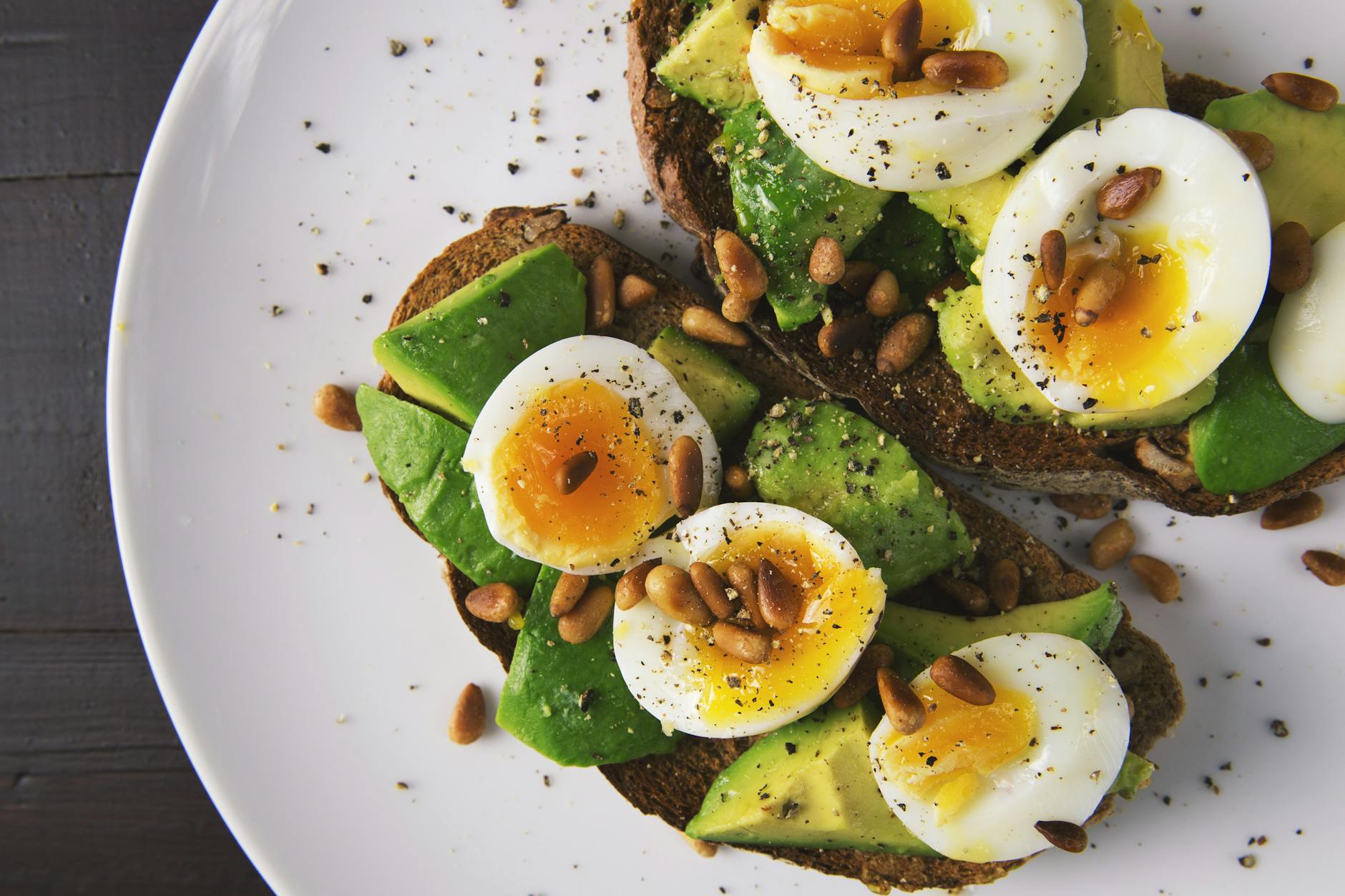
Green Eggs and Ham is often hailed as a fun, quirky children’s book that encourages trying new things. But if you peel back the rhymes and absurd imagery, what you actually get is a masterclass in coercion. Sam-I-Am is not a friendly, helpful character. He’s an unrelenting stalker who harasses another being into submission. The entire plot is essentially a 50-page pressure campaign to force someone to eat a plate of suspiciously colored food they explicitly said they didn’t want.
From the very beginning, the unnamed protagonist sets a clear boundary: “I do not like green eggs and ham.” That’s it. That’s the end of the conversation, or at least it should be. But not for Sam-I-Am. No, Sam takes that rejection as a personal challenge. Instead of respecting the other character’s autonomy or taste, he launches a full-on psychological operation. He follows him around, repeats the same demand with slight variations, and proposes increasingly absurd locations and companions for this unsolicited meal. In a house? With a mouse? In a box? With a fox? It’s not cute—it’s harassment dressed in meter and rhyme.
At some point, this stops being a book about trying new things and becomes a book about wearing someone down until they cave in just to make you go away. Sam doesn’t care about the actual food. He cares about control. He needs the other character to submit, to prove him right, to feel that power shift. This isn’t encouragement—it’s manipulation. And the moment the protagonist finally gives in and eats the green eggs and ham? That’s not a triumph of open-mindedness. That’s Stockholm Syndrome.
Let’s not ignore the fact that green eggs are, by all logic, spoiled. There’s no mention of food safety here. What kind of shady diner did Sam-I-Am pick these up from? Are these eggs laced with mold, food dye, or something more nefarious? The book doesn’t say. What it does say—loud and clear—is that you should ignore your instincts, disregard your boundaries, and eventually give in if someone just nags you long enough. That’s not a lesson kids need.
And then, of course, when the protagonist finally eats the green eggs and ham and says he likes them, it’s framed like a happy ending. But is it? Or is it a resignation to pressure, a surrender to the exhausting persistence of someone who simply wouldn’t take “no” for an answer? Sam-I-Am may be persistent, but he’s also pushy, overbearing, and disturbingly fixated on controlling someone else’s meal choices.
In the end, Green Eggs and Ham isn’t about culinary adventure—it’s about how relentless people will cross every line just to prove a point. And maybe, just maybe, the real moral isn’t “try new things,” but “please leave people alone when they say no, regardless of how delicious you think your fluorescent ham might be.”