I’ve always had this strange sense of foresight — not in a mystical or psychic way, but in an intuitive, human way. It’s like I can see the connections between things before they fully form. I can sense how people might act, how situations might play out, how emotions might shift. It’s not that I’m sitting there “predicting the future,” but more that I can feel the direction something’s headed before most others see it.
And lately, I’ve realized how much of that has to do with being an ENFJ. That personality type — with its mix of empathy, perception, and pattern recognition — seems almost wired for it. ENFJs have this ability to read people, to pick up emotional energy, and to piece together behaviors and intentions like clues in a story. We sense trajectories — emotional, social, and even political ones.
I’ve noticed it time and time again in myself. I’ll write something or say something that feels like an observation, just me connecting dots — and then, weeks or months later, it actually happens. Like when I wrote about the 2025 government shutdown and the possible extreme outcomes that could come with it. I saw how the energy around it — the way people in power were speaking, the way the media was spinning it, the lack of urgency in leadership — all pointed to something chaotic, drawn-out, and emotionally charged. And sure enough, it unfolded that way.
Or when I talked about the Hasan dog drama — the whole situation that blew up online and spiraled into bigger conversations about ethics, responsibility, and online image. I felt it coming before it was even big news. You could feel the tension brewing in the tone of his streams, the way people were reacting, the subtle defensiveness in his voice. Something about it just didn’t sit right — the vibe was off. And when you pay attention to vibes as closely as ENFJs do, you notice when the energy of a person or situation shifts from steady to unstable.
Then there’s the Zohran connection. When I noticed the links between Hasan and Zohran, I knew something was brewing. Even before it went public, I had a sense that the overlap would create ripples — that once the dots were connected on a bigger platform, it would trigger a reaction. I could feel the narrative forming in real time — that instinctive awareness that this wasn’t just a coincidence, but part of a larger unfolding story. And when the connection finally came to light, it wasn’t surprising at all. It was almost expected.
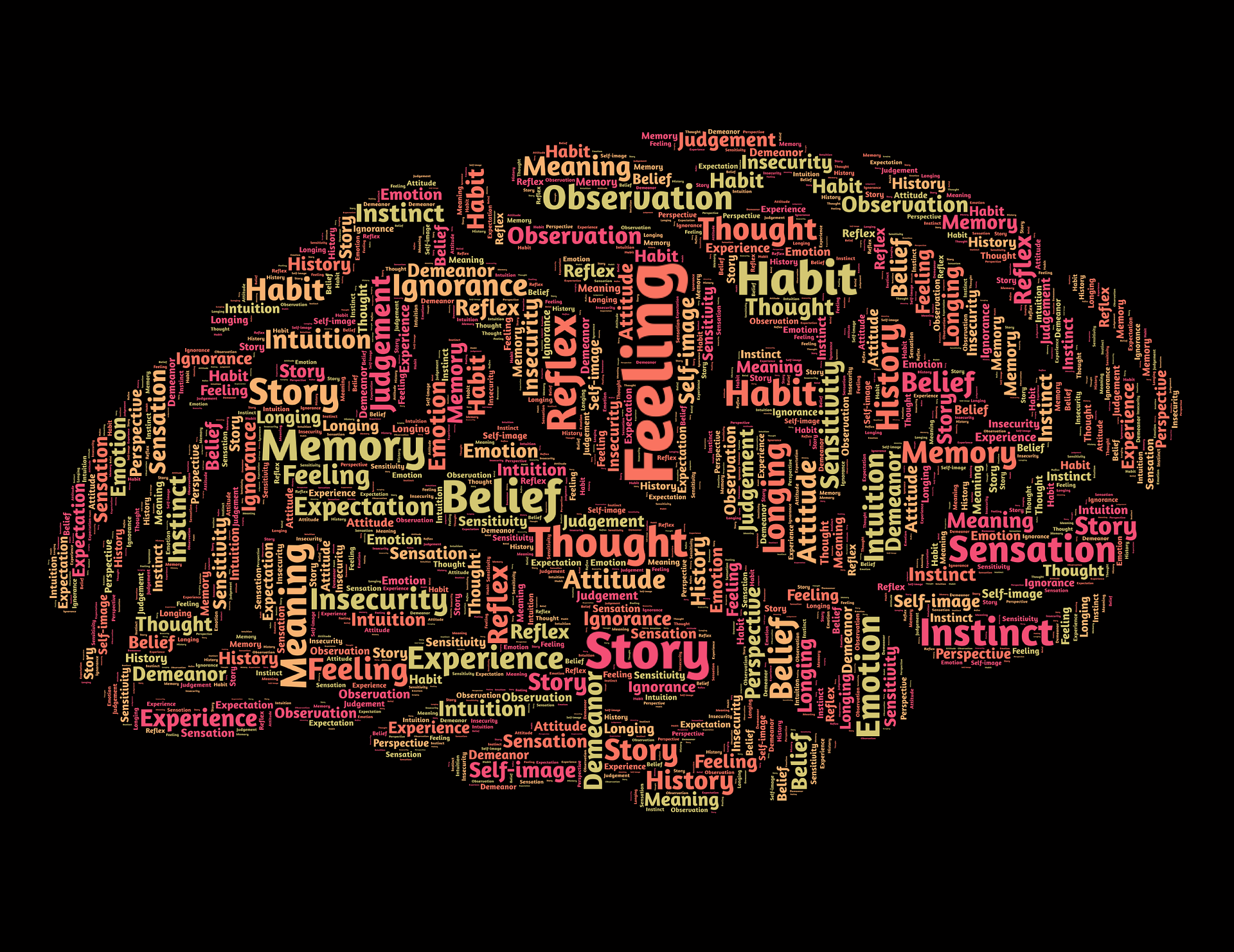
That’s the thing about intuition — it’s not about guessing. It’s about noticing. It’s about tuning in to emotional energy, patterns in behavior, tone shifts, timing, and context. When you pay attention long enough, you start to see the invisible threads that tie everything together. You start to sense where things are heading — not because you’re magical, but because you’re deeply observant.
ENFJs have what’s called “extraverted feeling” (Fe) and “introverted intuition” (Ni) — two traits that, when combined, make for a powerful kind of perception. Fe helps us read emotions and social dynamics in the present, while Ni helps us see where those dynamics are going. We feel the emotional undercurrent, then project it forward to imagine what comes next.
That’s exactly how it feels for me. I can have one conversation with someone and already get a sense of where their mindset is headed — whether they’ll stay grounded, spiral, change direction, or evolve. I can tell when a public figure’s energy is shifting toward burnout or scandal. I can tell when a political situation feels like it’s teetering toward collapse or breakthrough. It’s like seeing a series of dominoes and knowing which way they’ll fall, not because I’ve seen the future, but because I understand the motion.
It’s not always something I can explain rationally. Sometimes it’s just a feeling — a gut-level awareness. A sense that “something’s about to happen.” And when I reflect back, I realize it was always there — the clues, the energy, the foreshadowing. I just noticed it before it became obvious.
I think that’s one reason I tend to connect dots others might miss. Because I’m not just analyzing facts — I’m feeling them. I’m picking up the emotional subtext behind events, the human motivations beneath the surface. Politics, media, culture — they’re all human stories. And humans are emotional creatures. Once you understand the emotional rhythm, you can often predict the next beat.
But this ability also comes with responsibility. Because when you can see patterns so clearly, it can be frustrating when others don’t. You try to explain what you sense, and people might dismiss it until it’s too late. You can feel like the only one seeing the storm clouds while everyone else insists the sky is clear. And yet, you keep noticing, keep feeling, keep sensing. It’s just who you are.
There’s also the emotional side of it. When you can predict how people might react — or how events might emotionally unfold — it can make you hyper-aware of pain before it even arrives. You can sense a friend’s heartbreak before they admit it. You can feel the tension in a group before it erupts. You can anticipate the backlash before the outrage starts. It’s powerful, but it’s also heavy.
That’s where balance comes in. Because being intuitive doesn’t mean trying to control what happens — it means understanding and preparing for it. Sometimes the most you can do is acknowledge, “I can feel this coming,” and let things unfold naturally.
Still, I find it fascinating how often my intuition aligns with reality. Not perfectly, of course — nobody’s right 100% of the time. But when my observations about people or events line up so consistently, it reaffirms that what I’m picking up on is real. That emotional and intuitive awareness has tangible effects.
Take the political landscape, for example. I’ve written multiple posts about how emotional energy drives public behavior — how fear, anger, and tribal loyalty shape policy and rhetoric more than logic ever could. When you understand those emotional forces, you can predict outcomes not just based on data, but on vibe. Because vibes are data too — subtle, emotional data that reveals where people’s heads and hearts really are.
It’s the same in interpersonal relationships. You can tell when someone’s interest is fading. You can sense when a friendship is drifting. You can pick up on when someone’s pretending to be fine, when they’re trying to mask insecurity, or when they’re quietly struggling. And because I feel that so strongly, I often end up reaching out at just the right time — sending a message, checking in, or saying something that resonates before they even ask for help.
That’s the ENFJ way — a blend of empathy, foresight, and intuition that creates this almost predictive understanding of people and events. It’s not logic-based; it’s emotional logic. It’s the logic of human energy.
What’s interesting, too, is how this ability overlaps with creativity. My brain naturally maps connections — between people, between events, between themes. When I write or analyze something, I’m often pulling from emotional intuition as much as from facts. I might not always know how I know, but I know. And later, when things play out the way I said they would, I realize it wasn’t coincidence — it was clarity.
Sometimes it feels like living half a step ahead — not in a detached, know-it-all way, but in a deeply connected way. Like standing in a river and feeling the current before it reaches everyone else downstream. You feel it first because you’re paying attention. Because you care. Because you’re listening not just to words, but to energy.
And that’s the key — listening. Intuition thrives on observation, empathy, and care. You have to actually want to understand people to see them clearly. You have to be willing to feel what they feel. That’s what opens up the channels of perception.
So when I look back at moments like my predictions about the shutdown, or the Hasan and Zohran situation, or other social and political stories, I realize they weren’t “guesses.” They were natural extensions of paying attention — of feeling patterns and connecting dots that were already there. My ENFJ side just helps me notice those dots sooner.
In a world where so much feels uncertain, that kind of perception feels grounding. It reminds me that human behavior follows emotional logic, and emotional logic is something you can learn to read. Once you do, you see that so much of what happens isn’t random — it’s the natural unfolding of feelings, choices, and relationships.
And I think that’s what makes being an ENFJ so interesting — it’s like living at the intersection of heart and foresight. You don’t just understand people; you anticipate them. You don’t just analyze situations; you feel their direction. You don’t just observe — you intuit.
It’s both a gift and a challenge, but it’s one I’m grateful for. Because it allows me to write with insight, to care deeply, and to sense the shape of things before they take form.
And maybe that’s what intuition really is — not magic, not prediction, but perception sharpened by empathy.