The beginning of any adaptation is crucial. It sets tone, introduces characters, and signals the story audiences can expect. For Life is Strange, the original game begins with Max in her photography class, daydreaming and glimpsing a terrifying tornado flash-forward. While this moment is iconic, television demands a different approach. Audiences are passive viewers rather than players, so dropping them immediately into a surreal tornado vision risks confusion or detachment. Instead, the show should ground viewers in Max’s world first, giving them a sense of her personality, her passions, and her environment. In my vision for the opening scene of the Life is Strange TV adaptation, Max starts her day with something tangible and characteristic: taking the Everyday Heroes contest selfie. This brief, intimate moment can convey more about her than pages of exposition or a disjointed flash-forward ever could.
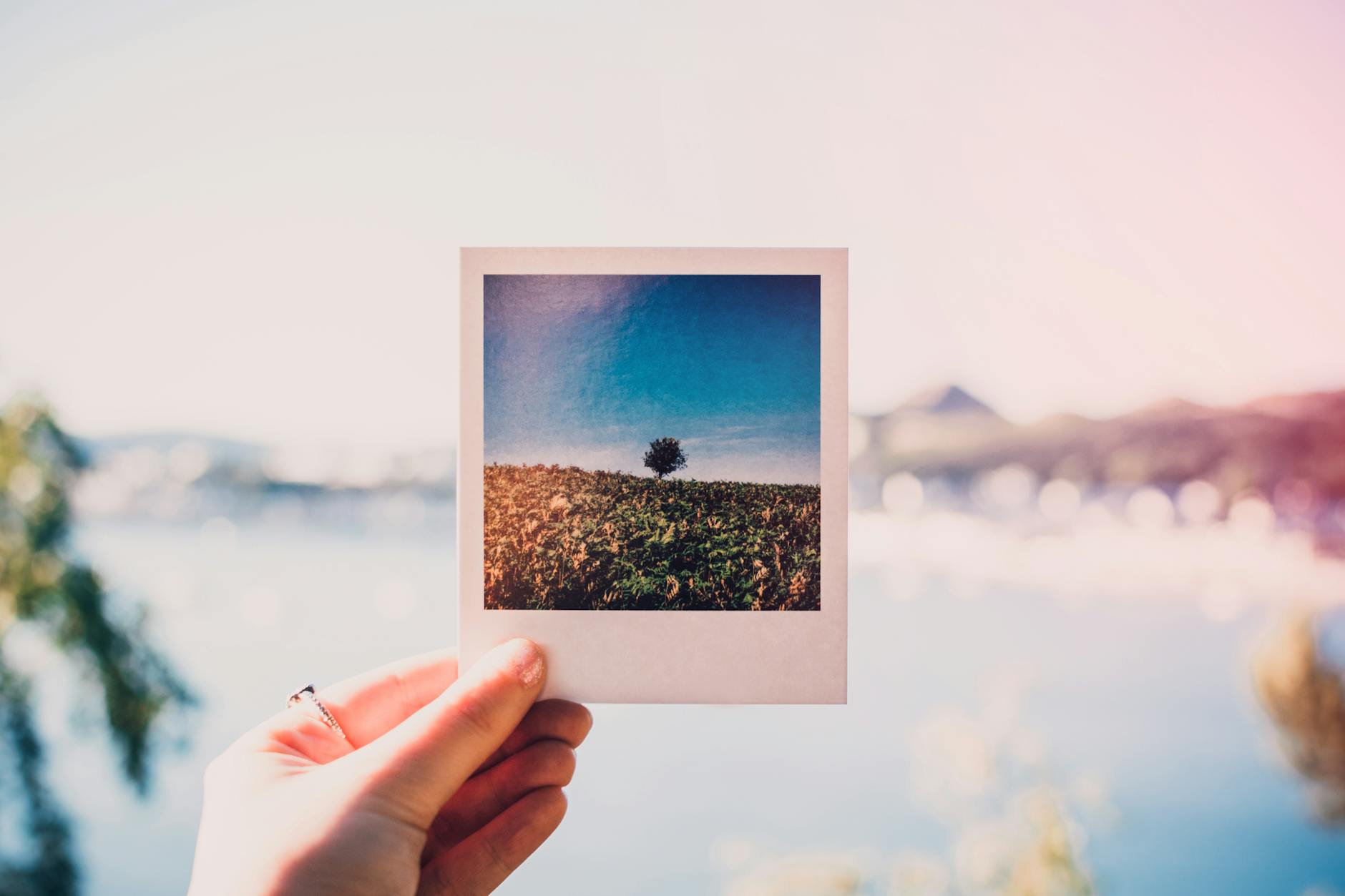
The opening scene should show Max carefully composing the selfie, paying close attention to angles, lighting, and framing. Her meticulousness immediately signals her perfectionism and artistic eye. Surrounding her, torn-up, discarded photos litter the floor, evidence of her self-critical nature and her struggle to achieve the perfect shot. Through a few well-framed visuals, viewers immediately understand Max’s personality: a dedicated, insecure, and thoughtful young artist who obsesses over details most people would overlook. This is an incredibly efficient storytelling device—no dialogue is required for the audience to grasp her temperament, her passions, and even her insecurities. The moment also establishes her environment: a school dorm or classroom, providing context for her age, her daily life, and the social milieu she inhabits.
This opening is rich with narrative potential. The Everyday Heroes contest selfie is not only a practical way to introduce Max’s photography but also a symbolic entry point into the story’s broader themes. Photography in Life is Strange is more than a hobby—it represents observation, perspective, and the desire to capture and perhaps control fleeting moments. Starting the show with Max engaging in photography underscores her attentiveness to the world around her, her curiosity, and her desire to create order from chaos. It also sets the stage for visual storytelling, a strength that television can exploit to make Max’s observations and powers feel immediate and immersive.
From this opening, the show can naturally expand Max’s day. Small interactions can reveal her relationships with peers and the rhythm of her life at Blackwell Academy. Perhaps she exchanges a brief conversation with a roommate about the contest, revealing her humility and subtle social anxiety. Maybe she passes a fellow student who teases her lightly about being obsessive, hinting at both her perfectionism and her peer dynamics. These seemingly small interactions establish character depth and provide context for her choices later in the series. Television’s visual language allows such moments to carry weight without needing extended exposition.
At the same time, subtle foreshadowing of the extraordinary elements of the story can be woven into this opening. In the background of Max’s dorm or classroom, there could be minor temporal distortions, flickering lights, or other small, inexplicable phenomena—elements that were Easter eggs in the game but could serve as background signals in the show. Perhaps a photograph she takes briefly shows unexpected anomalies, or objects in the room seem slightly out of place. These details hint at the supernatural and temporal themes without drawing attention away from the character introduction. Viewers familiar with the game may notice these nods, while new viewers will perceive them as intriguing oddities, creating a sense of layered storytelling.
Once Max is established, the show can build toward the iconic tornado flash-forward. In contrast to the game’s abrupt transition, the television adaptation can make this sequence feel earned and suspenseful. After glimpses of her daily routine, minor interactions, and subtle environmental anomalies, Max might enter her photography class or a quiet corner of campus, where the first signs of temporal or environmental instability grow more pronounced. Papers flutter unnaturally, shadows distort, and the air feels charged—small visual cues that something is amiss. When the tornado flash-forward finally occurs, it lands with maximum impact because the audience is already invested in Max, understands her world, and senses the mounting tension.
Building the opening around this initial photography scene also strengthens narrative cohesion. The series’ themes—control versus chaos, observation versus intervention, choice and consequence—can all be introduced subtly. Max’s perfectionism and insecurities, highlighted in the torn-up photos and careful composition, parallel her later struggles with the limits of her powers. Her attention to detail in photography reflects her analytical nature, making her subsequent attempts to manipulate time feel consistent and character-driven. This establishes early stakes: viewers recognize that while Max is talented and resourceful, she is not omnipotent, setting up tension for later sequences, including the tornado’s devastation.
Additionally, grounding the opening in Max’s routine allows secondary characters to be introduced naturally. Chloe Price, a central figure in the story, can enter through the course of Max’s morning, perhaps teasing or interacting with her as Max sets up a shot. Their dynamic can be portrayed through small gestures and dialogue, capturing the nuance of a complex friendship without relying on the game’s interactive mechanics. Similarly, other students, teachers, or local townspeople can appear in brief but meaningful moments, fleshing out Arcadia Bay as a lived-in environment rather than a backdrop. Television allows these relationships and settings to breathe, creating a richer, more immersive world than the game could provide in a single opening sequence.
The Everyday Heroes contest selfie also serves as a thematic anchor. Photography is Max’s lens on the world, both literally and metaphorically. The act of capturing a moment foreshadows her eventual role in documenting and influencing events beyond her control. The torn-up photos scattered around her convey a tension between aspiration and self-doubt, mirroring her later moral and temporal dilemmas. By starting with a scene so grounded, personal, and visually compelling, the show immediately communicates the stakes of the story: the intersection of ordinary life, extraordinary powers, and the weight of choices.
Moreover, this opening sequence offers a subtle opportunity to introduce foreshadowing for future plotlines. Environmental hints, minor oddities, and background Easter eggs can seed tension and curiosity. Perhaps a photograph reveals something inexplicable, or a brief glimpse of weather anomalies signals the tornado to come. These elements, initially minor and easily overlooked, create layers of narrative intrigue that can pay off in later episodes. The television medium allows these visual cues to resonate without requiring exposition, enhancing audience engagement and rewarding attentive viewers.
The opening should also establish tone. While Life is Strange blends humor, drama, and supernatural tension, the first scene should balance these elements carefully. Max’s careful composition of the selfie, her minor frustrations with torn-up photos, and her interactions with peers provide grounded, relatable humor and drama. Subtle cues of the extraordinary—distorted reflections, flickering lights, anomalies in photographs—introduce tension and mystery. This tonal layering ensures that the tornado flash-forward does not feel like an isolated shock but rather the logical escalation of a carefully constructed narrative environment.
Furthermore, Max’s internal perspective can be emphasized visually and narratively. Television can use voice-over narration, visual motifs, and cinematic framing to convey her thoughts, fears, and observations. Early glimpses into her psyche—her doubts about the selfie, her self-critical tendencies, her curiosity about anomalies—invite the audience into her consciousness. This connection makes her later experiences with time manipulation, moral dilemmas, and the tornado’s chaos resonate on a deeper level. By grounding viewers in Max’s perspective from the outset, the show ensures that both character-driven and plot-driven stakes are meaningful.
Another advantage of this approach is pacing. By dedicating the opening moments to Max’s day, the show builds tension gradually. Audiences are introduced to character, environment, and thematic elements before the tornado vision disrupts the narrative. This careful pacing allows for multiple mini-incidents—minor anomalies, social interactions, environmental cues—that cumulatively create suspense. When the tornado flash-forward occurs, viewers are already emotionally invested and attuned to the narrative’s tension, heightening the impact of the event.
The opening sequence can also foreshadow Max’s powers subtly. While she may not yet manipulate time directly, visual cues—déjà vu, minor distortions, anomalies in photographs—can hint at her latent abilities. This foreshadowing grounds the supernatural elements in a realistic context, making her later struggles feel earned. Television allows for repeated visual motifs, callbacks, and subtle hints that reward careful viewing, strengthening narrative cohesion across the series.
Finally, by centering the opening on Max’s photography, the show establishes a strong visual language. The act of framing, capturing, and discarding images parallels thematic elements of choice, consequence, and perspective. Max’s attention to detail, her perfectionism, and her insecurities are all communicated visually, creating a multi-layered introduction that is both narratively and aesthetically compelling. The tornado flash-forward then becomes more than a shock—it is the culmination of a day built around observation, meticulousness, and the subtle presence of the extraordinary within the ordinary.
In conclusion, the Life is Strange TV show should open with Max taking the Everyday Heroes contest selfie. This brief, visually rich scene immediately establishes her character, her passions, her insecurities, and her environment. Torn-up photos scattered around her convey perfectionism and self-doubt, while subtle background anomalies foreshadow the supernatural elements to come. By grounding the opening in Max’s day, her interactions, and her observations, the show creates a coherent, emotionally resonant context for the tornado flash-forward, ensuring that the audience is invested in both character and story. This approach balances humor, drama, and tension, while establishing visual motifs, thematic resonance, and narrative cohesion. By starting with such a grounded yet symbolically rich moment, the show sets the stage for an immersive, compelling adaptation that honors the game while taking full advantage of television’s strengths. The Everyday Heroes selfie becomes more than a contest entry—it becomes the perfect lens through which to view Max, Arcadia Bay, and the extraordinary events that will follow.