Episode 23 of The Jaime David Podcast is out now!
Listen on Spotify:

The writings of some random dude on the internet
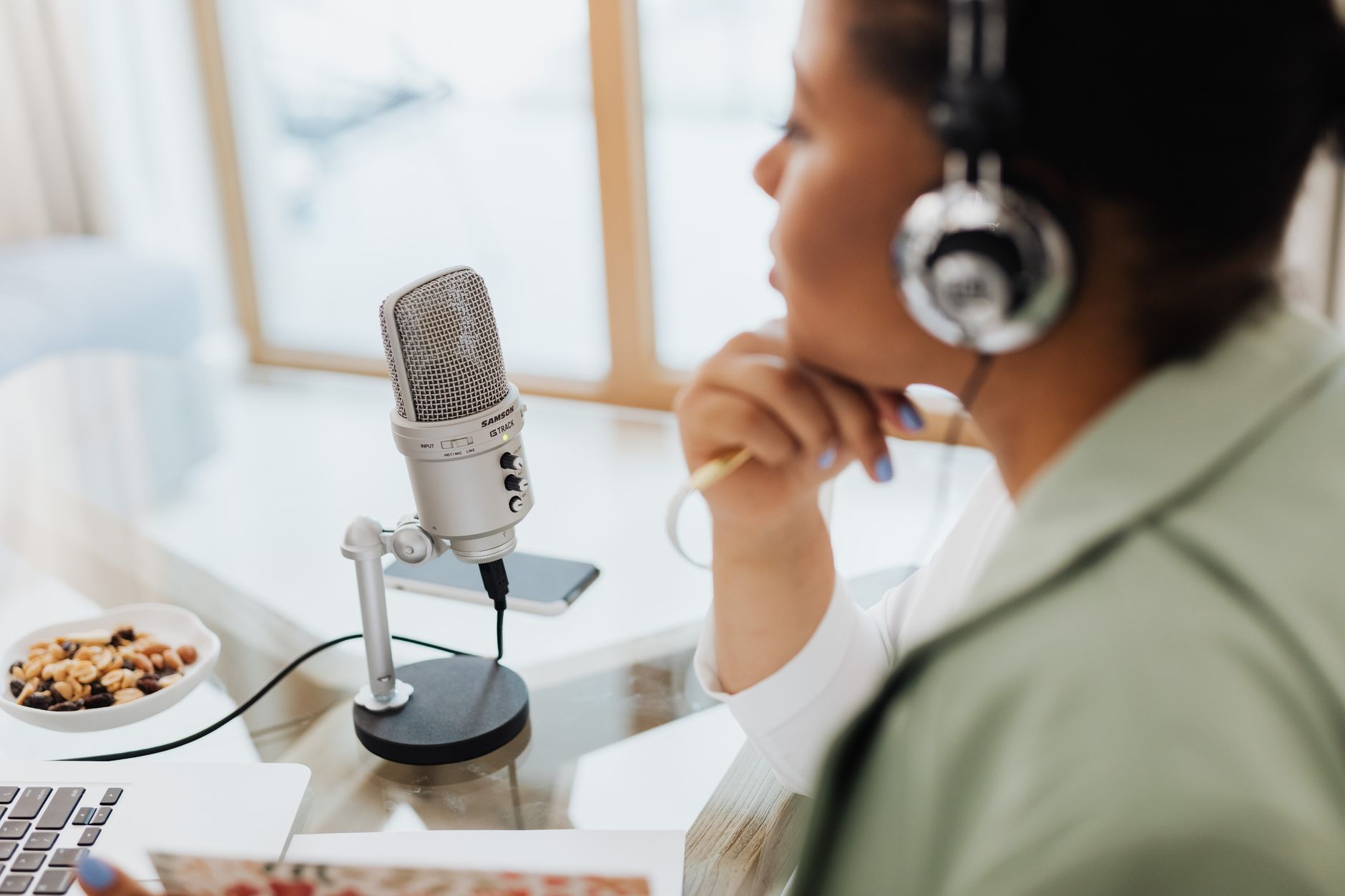
Episode 23 of The Jaime David Podcast is out now!
Listen on Spotify:

Okay.
I’m starting to get that feeling again.
You know the feeling I mean.
That feeling of waking up, checking the news, and seeing another familiar celebrity has died.
And then another.
And then another.
Over the past couple of weeks, I’ve started getting some serious 2016 vibes.
And honestly, I don’t like it.
I already wrote about Hayden Panettiere’s death, so I’m not going to spend this entire post rehashing that.
But her death on August 16 really feels like where this recent stretch began for me.
Hayden was only 36.
She was someone a lot of us grew up watching, whether it was Heroes, Nashville, or one of the Scream movies.
And then suddenly, she was gone.
It was shocking.
But unfortunately, that wasn’t the end of it.
Just days later, the news seemed to keep coming.
On August 25, we lost Dolly Parton at 80.
And then, as if that wasn’t enough, Tim Curry died the same day, also at 80.
Dolly Parton.
Tim Curry.
Two completely different people from completely different parts of the entertainment world.
But both were absolutely enormous cultural figures.
Dolly was one of the most recognizable musicians and entertainers on the planet.
Tim Curry gave us unforgettable performances in The Rocky Horror Picture Show, It, Home Alone 2, Legend, and so many other productions.
And then came Peter Cullen, the legendary voice behind Optimus Prime, who died at 85.
And Samuel Monroe Jr., known for his work in films including Menace II Society, also died this week at 52.
Suddenly I’m sitting here thinking:
What the fuck is going on?
Now, obviously, 2026 is not literally 2016.
And I’m not saying there is some supernatural curse hanging over the entertainment industry.
Death happens.
People age.
People get sick.
Sometimes people die unexpectedly.
That’s life.
But there is something about losing several incredibly recognizable people in such a short period that brings back memories of 2016.
Because if you remember 2016, you probably remember the feeling.
It seemed like every time you opened social media, another legendary person was gone.
David Bowie.
Alan Rickman.
Prince.
Carrie Fisher.
George Michael.
Gene Wilder.
Muhammad Ali.
And so many others.
It wasn’t necessarily that 2016 had some magical ability to kill celebrities.
It was that so many people who felt permanent suddenly weren’t there anymore.
And that’s the part that hits differently.
When a celebrity dies, we sometimes hear people say:
“I didn’t even know them. Why am I so upset?”
But that’s the thing.
We might not have known them personally.
We knew their work.
We grew up with their movies.
We listened to their music.
We watched them on television.
We heard their voices.
They became part of the background of our lives.
Sometimes you don’t even realize how much someone has been part of your life until they’re suddenly gone.
That’s why the death of someone like Peter Cullen can hit someone who never met him.
You hear Optimus Prime’s voice and suddenly you’re a kid again.
That’s why Dolly Parton’s death can hit someone who wasn’t even a country music fan.
That’s why Tim Curry’s death can hit someone who grew up watching Rocky Horror, It, Home Alone 2, or any of his countless other performances.
These people leave behind pieces of our memories.
There’s something else I’ve been thinking about.
A lot of the celebrities we grew up with are getting older.
The people who dominated television, movies, music and pop culture when many of us were kids are now reaching their 70s, 80s and beyond.
And eventually, we’re going to start losing more and more of them.
That’s just the reality of getting older.
But knowing that doesn’t necessarily make it easier.
Because it means we’re entering an era where the people who helped define our childhoods and teenage years are no longer going to be around forever.
And that’s a weird realization.
Because when you’re young, you don’t think about it.
You assume your favorite actors will always be actors.
Your favorite musicians will always be making music.
The voices you’ve heard your entire life will always be there.
Then reality comes knocking.
So yes.
Maybe I’m being dramatic.
Maybe this is simply one unfortunate stretch of celebrity deaths.
And statistically, there is nothing particularly mysterious about several notable people dying around the same time.
But emotionally?
It definitely feels familiar.
It feels like 2016.
And after everything we’ve already been through this decade, I think a lot of us could use a break from the constant feeling that another piece of our cultural history is disappearing.
I don’t want 2026 to become another year where we wake up every morning wondering:
“Who died today?”
I don’t want another year where every few days we’re collectively saying goodbye to another person who seemed like they would always be here.
So here’s hoping this recent streak slows the hell down.
Because we’ve lost enough people.
And I’m really not interested in reliving 2016.
Not again.

Alright, let’s take this to the next level. We’ve talked cartoons. We’ve talked live-action. But there’s one wild card that makes this entire crossover idea even more insane: DC Comics characters. Yes. Superman, Batman, Wonder Woman, the whole Justice League, Teen Titans—you name it—interacting with Cartoon Network and Nickelodeon characters in both animation and live-action.
If the Paramount Global acquisition of Warner Bros. Discovery is happening, this is the exact kind of opportunity that cannot be ignored.
Think about it: Nickelodeon and Cartoon Network characters are chaotic, imaginative, and often absurd. DC characters are iconic, heroic, and sometimes brooding. Throw them together and the possibilities are endless:
And the best part? This works in both cartoon and live-action formats. Imagine live-action DC actors interacting with the real actors from iCarly, Drake & Josh, or Level Up. Or animated DC versions hopping into Cartoon Network or Nickelodeon shows for dimension-hopping chaos.
This needs to be everything at once.
Every interaction should feel iconic, ridiculous, hilarious, and somehow emotionally satisfying. Don’t hold back on obscure characters or weird show tie-ins. Every “what if” fan thought about for decades? Now’s the time to make it canon.
Now, of course, if the animated and live-action crossover is happening, the game possibilities go off the charts:
Basically, every single fan’s ultimate dream game would suddenly exist—and it would sell like absolute wildfire.
This isn’t just a “fan service” idea. It’s a full-blown cultural event. Cartoon Network, Nickelodeon, and DC have defined generations of storytelling, heroism, humor, and creativity. Bringing them together is not just hype—it’s a celebration of everything that has shaped pop culture for decades.
And honestly? If this doesn’t happen now, it will be a missed opportunity the internet will never forgive.
Paramount Global acquiring Warner Bros. Discovery is already monumental. But to fully honor that merger and unleash the creative potential it gives us? They need to make this crossover. Cartoons, live-action, games, and DC characters interacting with every single icon from both networks. Full chaos. Full nostalgia. Full crossover glory.
No excuses. Just do it.
YouTube launched in 2005 and quickly transformed the internet landscape.
User-Generated Content: Early videos were raw and personal — people sharing vlogs, tutorials, and funny clips with friends and strangers.
Viral Hits: Videos like Charlie Bit My Finger, Evolution of Dance, and David After Dentist captured global attention, showing the power of viral sharing.
YouTube Stars: Personalities like Smosh, Ray William Johnson, and early beauty vloggers started building massive followings.
Monetization Beginnings: Early monetization was limited, but YouTube’s Partner Program eventually allowed creators to turn passion into careers.
Nostalgia: The simple, unpolished early YouTube era feels like a digital playground compared to today’s polished productions and corporate presence.

Before home consoles ruled, arcades were the playgrounds of youth, buzzing with neon lights and electronic beeps.
The Atmosphere: Filled with the smell of popcorn, soda, and occasionally cigarette smoke, arcades were sensory overload in the best way. The sound of quarters dropping into machines was a common soundtrack.
Popular Games: Pac-Man, Street Fighter II, Dance Dance Revolution, and Galaga challenged players to master reflexes and strategy.
Social Hubs: Arcades were gathering places for friends, dates, and rivalries. High scores brought local fame.
Decline: The rise of home consoles with comparable graphics and gameplay led to the decline of arcades, but many remain nostalgic for that communal gaming vibe.
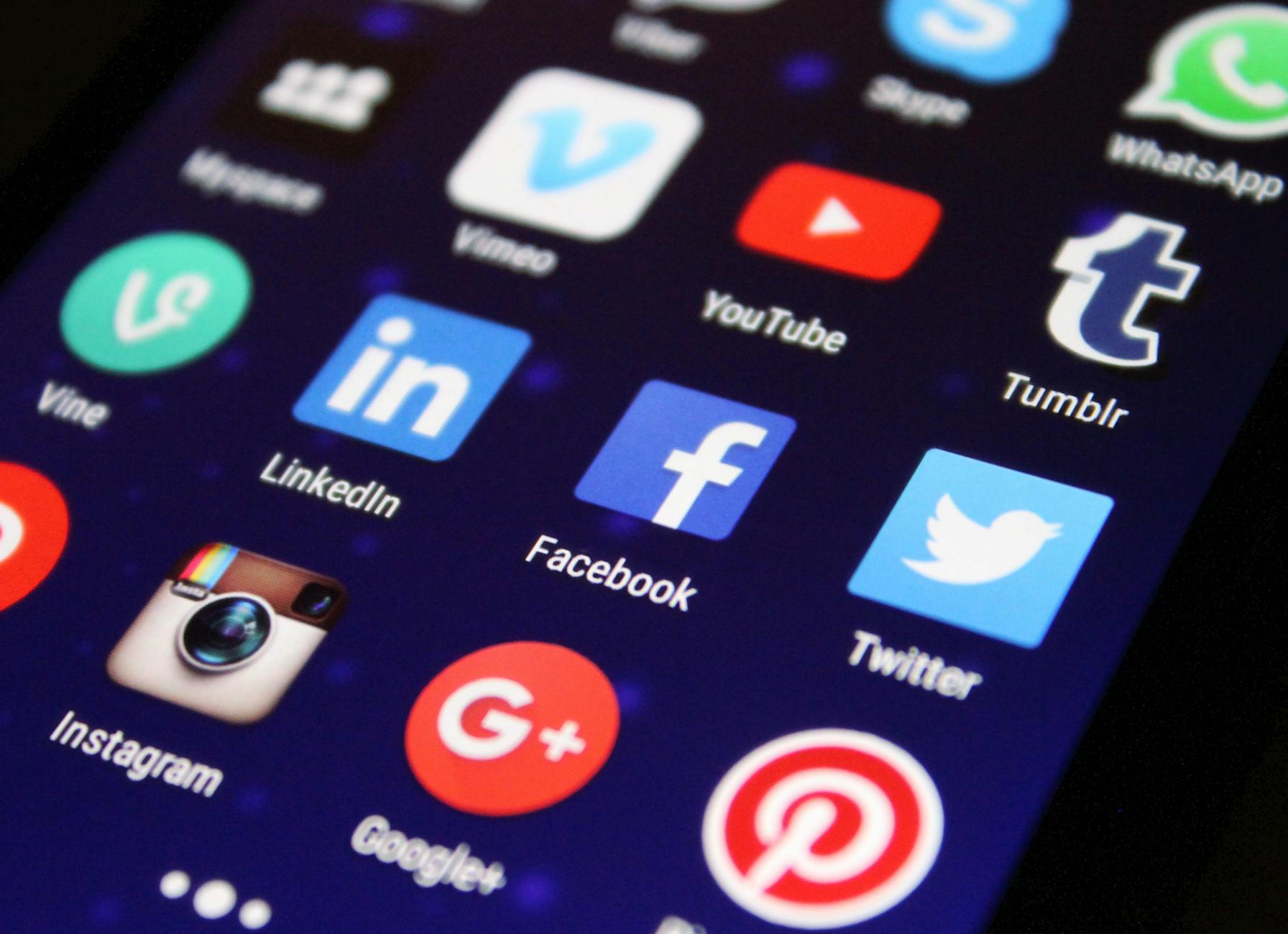
Long before Facebook and Instagram, MySpace was the first true social media giant, dominating the early 2000s internet.
Customization Freedom: Users could completely redesign their profile pages with HTML and CSS, adding music players, flashy backgrounds, and glittering text — the more over-the-top, the better.
Music and Subculture: MySpace became a launchpad for indie and unsigned bands, who used it to share tracks and connect directly with fans.
Friend Lists and Top 8: Your Top 8 friends were a public declaration of social status, sparking drama and alliances.
Decline: MySpace couldn’t keep up with the simplicity and slickness of Facebook, which led to its rapid fall from grace.
Legacy: Despite fading, MySpace shaped how we think about personal online identity and community.
Before on-demand streaming, Saturday mornings were sacred cartoon time — a weekly tradition that shaped childhoods.
The Ritual: Wake up early, grab cereal, and settle in front of the TV for hours of animated adventures. Networks competed fiercely for ratings with lineups packed with action heroes, slapstick comedies, and educational shows.
Iconic Shows: Teenage Mutant Ninja Turtles, DuckTales, Animaniacs, G.I. Joe, and Inspector Gadget are just a few that sparked imaginations.
Commercial Breaks: Ads for sugary cereals, toys, and video games perfectly targeted the young audience, often sparking intense toy craze cycles.
Community: Saturday morning cartoons were cultural events — kids trading episode stories at school and bonding over favorite characters.
Decline: Cable TV, VCRs, and later streaming fragmented this tradition, but nostalgia keeps the magic alive.
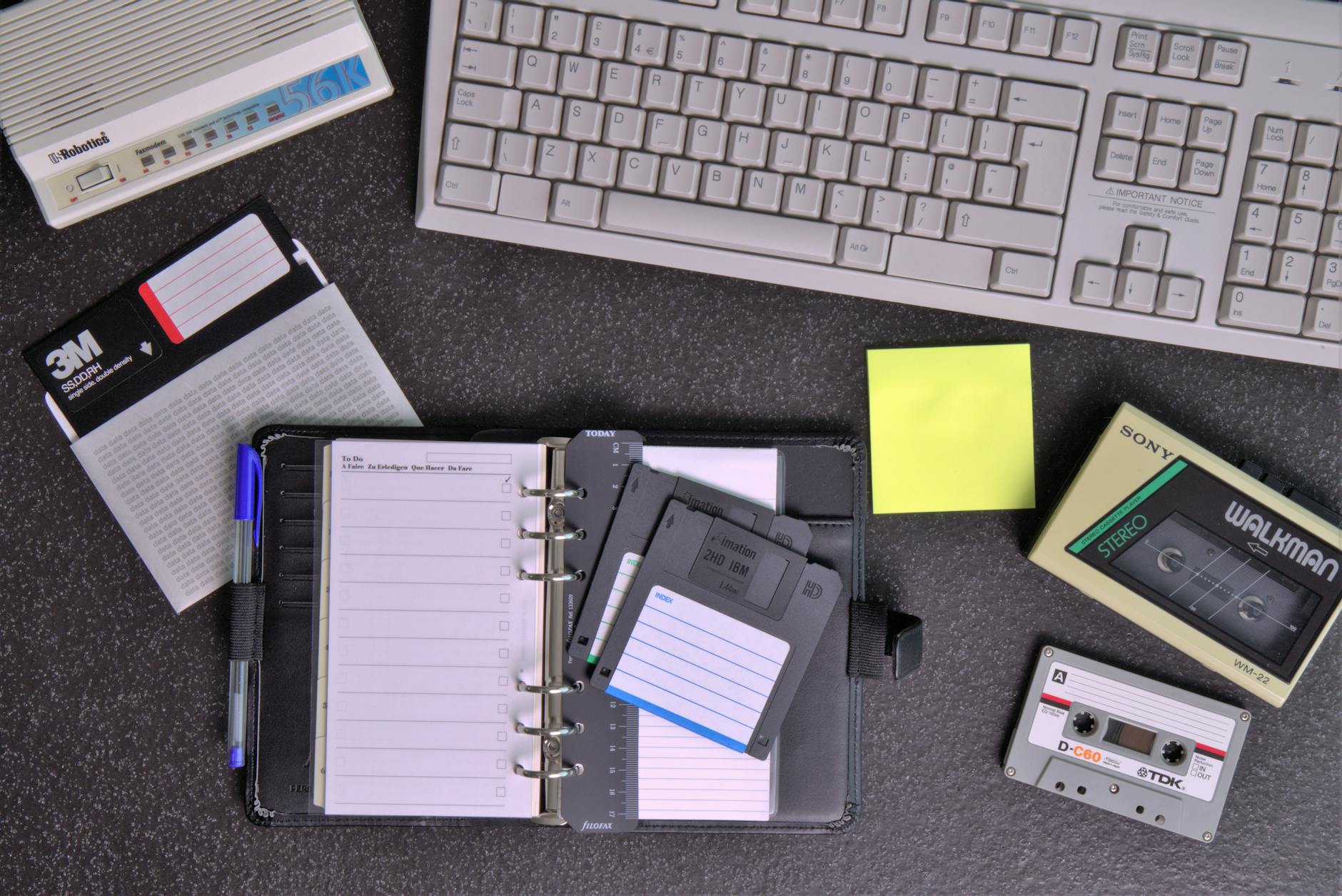
RadioShack was the place for hobbyists, students, and tinkerers from the 70s through the early 2000s. It was more than a store; it was a gateway to understanding technology.
Product Variety: From resistors and capacitors to early personal computers like the TRS-80, RadioShack stocked parts for countless projects. They also sold walkie-talkies, CB radios, and early cell phones.
Learning and Experimenting: RadioShack published detailed catalogs and kits — perfect for science fairs or budding engineers. Their staff were often passionate about electronics, helping customers troubleshoot.
Cultural Impact: For many kids, RadioShack sparked lifelong interest in STEM fields. It was also where families bought their first home phones or alarm systems.
Challenges: The rise of big-box electronics retailers and online shopping hurt RadioShack’s business, but its legacy lives on in maker communities.
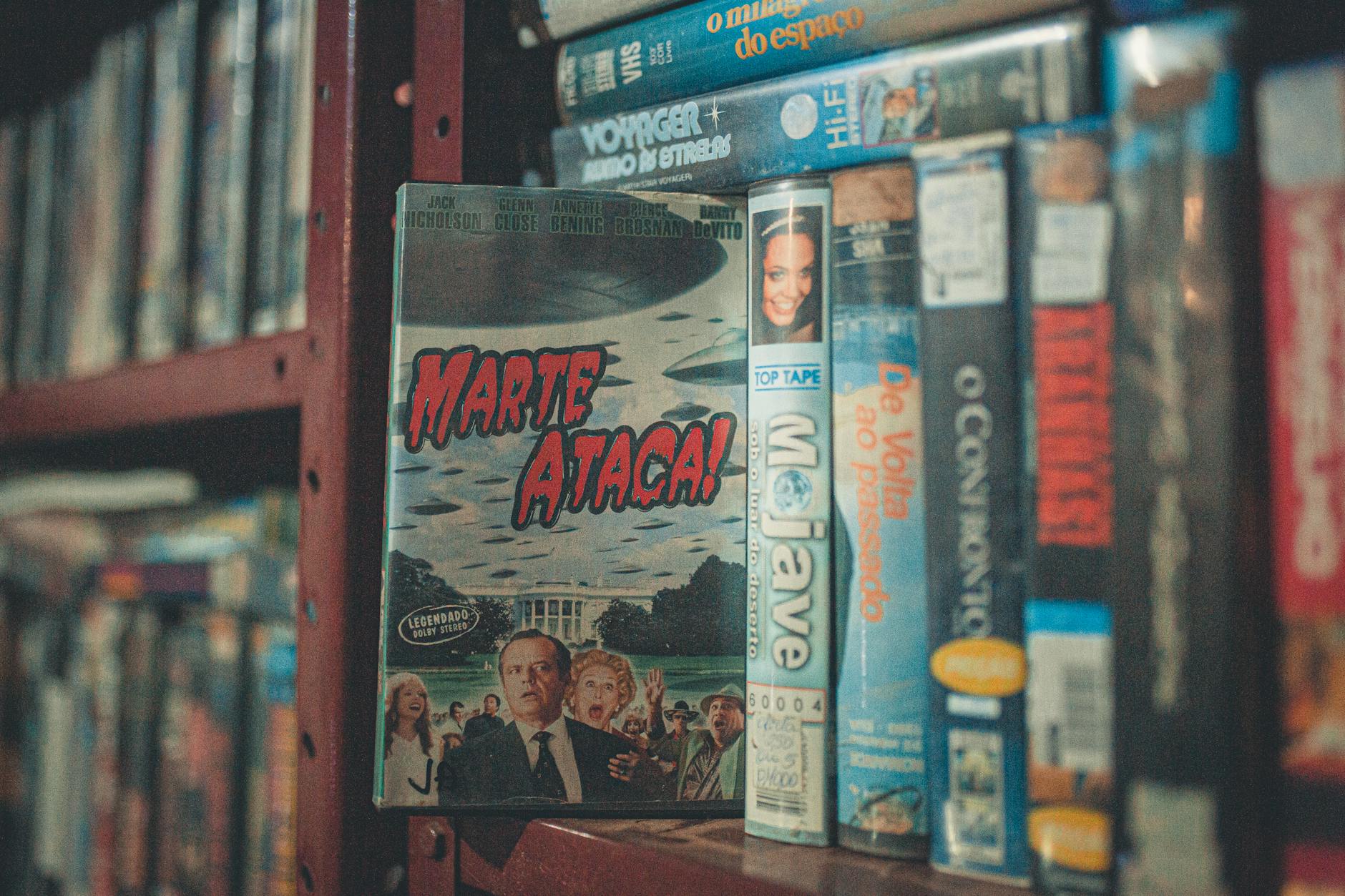
Remember the excitement of walking into a Blockbuster store on a Friday night? The neon signs glowing, the endless rows of VHS tapes or DVDs, and the smell of popcorn and plastic cases — it was a ritual for millions.
Browsing the Aisles: Unlike streaming today, you had to physically explore shelves to discover something new. The movie section was divided by genres, with featured new releases often in a special endcap.
The VHS Rental Process: You’d grab your tape, head to the counter, and hope your pick wasn’t already rented out. The clock was ticking — late fees lurked if you forgot the due date. This added a thrilling tension to the movie night.
Community and Staff: The clerks often knew regulars and gave recommendations. Sometimes there were “staff picks” or posters advertising upcoming releases.
The Social Aspect: Blockbuster visits were mini events — family nights, dates, or group hangouts. Kids would rent cartoons while teens hunted for horror flicks or comedies.
Decline and Nostalgia: The rise of DVDs, Redbox, and streaming spelled the end for Blockbuster. Still, many remember it fondly as a cultural hub for movie lovers.

Memes aren’t just jokes — they’re powerful tools for bonding and identity online.
Community Building: Sharing memes creates in-group language, fostering belonging in subcultures from gamers to political activists.
Political Memes: From the 2016 US election onward, memes became influential in shaping political opinions and mobilization.
Meme Economy: Some memes gain so much traction that they influence marketing, politics, and pop culture.
Ethics and Controversy: Memes can also spread misinformation or offensive content, raising questions about responsibility.
Memes are digital folklore, evolving narratives that define how we communicate and relate in the internet age.