The Musings of Jaime David
@jaimedavid.blog@jaimedavid.blog

The writings of some random dude on the internet

1,089 posts
1 follower

Tag: Power Dynamics

  • Gatekeepers of Memory: A Thematic Comparison of The Giver and Kingdom Hearts: Chain of Memories

    Gatekeepers of Memory: A Thematic Comparison of The Giver and Kingdom Hearts: Chain of Memories

    In both Lois Lowry’s dystopian novel The Giver and the beloved video game Kingdom Hearts: Chain of Memories, memory emerges as a central and powerful force shaping identity, control, and freedom. Though these stories exist in vastly different worlds—one a controlled society striving for peace through suppression, the other a fantastical universe where memory and reality are malleable—their treatment of memory as a source of power reveals surprising parallels. Both feature gatekeepers of memory who wield control by regulating access to the past, and protagonists who must reclaim truth and individuality by overcoming these barriers.

    In The Giver, memory is locked away from the general populace to preserve societal order and emotional numbness. The Giver himself holds the burden of all memories, both joyful and painful, and selectively passes them on to Jonas, the new Receiver. This dynamic establishes memory as both a privilege and a curse, a reservoir of human experience withheld to prevent chaos. However, as explored through the lens of a more critical reading, The Giver is not simply a benevolent guardian but can be seen as a complacent and manipulative gatekeeper—one who maintains control by carefully rationing knowledge and ensuring the system’s perpetuation.

    Kingdom Hearts: Chain of Memories similarly revolves around memory as a contested battlefield. The antagonists—members of Organization XIII and other villains—actively manipulate, erase, and fabricate memories to control protagonists like Sora, Donald, and Goofy. These memory gatekeepers physically and psychologically obstruct the heroes from regaining their true selves and pasts. Memory here is fluid and weaponized, used to trap, confuse, and rewrite identity. The protagonists’ journey is not just a quest through worlds but a fight to reclaim their authentic selves by restoring lost or stolen memories.

    The parallel roles of The Giver and the Chain of Memories villains as gatekeepers highlight a crucial thematic intersection: memory is power, and controlling memory is controlling reality. Both stories emphasize how access to memory shapes identity and choice. In The Giver, the community’s enforced ignorance keeps people compliant and emotionally detached. In Chain of Memories, manipulation of memory fractures identity, creating confusion and vulnerability.

    Furthermore, both narratives explore the moral ambiguity of gatekeeping memory. The Giver’s role is morally complex—he carries the weight of painful knowledge alone and claims to protect the community, but arguably uses his control to maintain personal comfort and preserve a flawed system. Similarly, Chain of Memories villains exhibit self-serving motives, exploiting memory manipulation to achieve power and control, forcing protagonists into painful self-discovery.

    The protagonists’ experiences reveal the heavy burden of knowledge. Jonas’s gradual exposure to memories unleashes intense emotions, both beautiful and tragic, underscoring how memory can be both enlightening and devastating. Sora’s quest to recover his memories symbolizes the struggle for identity amid loss and deception. Both characters face the pain and confusion that come with truth, ultimately choosing the difficult path toward freedom and self-awareness.

    Finally, these works grapple with the tension between conformity and individuality. The Giver presents a society sacrificing individuality for stability, while Chain of Memories depicts fractured identities seeking wholeness. Both suggest that reclaiming memory is essential to reclaiming selfhood, but that this process is fraught with danger, sacrifice, and uncertainty.

    In conclusion, The Giver and Kingdom Hearts: Chain of Memories offer complementary meditations on memory as a double-edged sword—source of identity, power, and pain. Their gatekeepers serve as symbolic and literal obstacles to freedom, underscoring the profound impact of memory on who we are. Together, they invite us to question how much of ourselves depends on the memories we hold, and what it means to truly know ourselves.

  • The Giver: A Selfish Gatekeeper of Memory

    The Giver: A Selfish Gatekeeper of Memory

    In Lois Lowry’s The Giver, we are introduced to a world where emotions are suppressed, choices are controlled, and memories of the past have been erased in favor of maintaining societal stability. The protagonist, Jonas, is chosen to be the next Receiver of Memory—a title that places him in direct contact with the powerful and painful memories of the world before the society’s creation. But what if the mentor guiding Jonas, the titular Giver, isn’t the wise, benevolent figure we’re led to believe? What if, instead, The Giver is an enabler of the system—a deceitful, complacent villain who not only avoids responsibility but actively protects his own position at all costs?

    When Jonas is selected to be the new Receiver, he is given a set of rules that seem to offer him freedom and privilege compared to the rest of the society. Among these rules, Jonas is allowed to lie, is exempt from certain societal rules, and cannot share his training with others. At first glance, these seem like benefits of his new role, granting him a freedom that others don’t have. However, these rules also serve a selfish purpose for The Giver. By granting Jonas these privileges, The Giver ensures that he remains in control of the flow of knowledge, unable to be questioned or challenged. Jonas becomes isolated, forced to rely solely on The Giver’s guidance and wisdom, making him even more dependent on the very system that The Giver supports.

    The rule allowing Jonas to lie is particularly telling. This privilege isn’t just about giving Jonas a way to protect himself or others from the truth—it’s a tool of control. By giving Jonas this power, The Giver keeps the power dynamic intact. Jonas is allowed to lie, but he’s also restricted in how he shares his knowledge. The rule is designed to prevent any meaningful change, allowing Jonas to hold the knowledge but not share it with others, keeping the society in the dark about their own past.

    It’s important to note that these rules were likely set in place by the society itself, as part of the institutionalized structure of the Receiver’s role. The rules that Jonas follows were not just randomly handed to him by The Giver; they are part of the society’s control over the role of the Receiver, ensuring that this position is one of power and influence. The fact that Jonas is allowed to lie is an intentional act of social manipulation—an essential element of maintaining the system. And, for years, The Giver has used these rules for his own self-preservation, ensuring his continued control and preventing anyone else from challenging the society’s rules.

    When we consider The Giver’s own role in this system, it becomes clear that he hasn’t just been passively guiding Jonas. Instead, The Giver has been manipulating the situation to protect his own power. The rules he gives Jonas aren’t just about passing on knowledge—they’re about keeping Jonas in a position of isolation, controlling the information he receives, and ensuring that The Giver’s position as Receiver remains secure.

    But what if The Giver didn’t just want to protect his position for the sake of power alone? What if, in addition to that, The Giver enjoyed the privileges that came with his role? In both the book and movie, The Giver is portrayed as someone who avoids the responsibilities that others in society must bear. As Receiver, he doesn’t have to participate in the daily work of the community. He doesn’t raise children or do any of the other demanding jobs that others do. He’s isolated, given the privilege of rest and respect without ever having to do actual labor. This avoidance of work could very well be the selfish reason why The Giver is so reluctant to give up his position.

    He has found a way to coast through life, living off the benefits of his role without having to sacrifice his comfort or stability. The fact that he is exempt from societal duties—and likely has enjoyed this freedom for years—is a powerful motivator for him to maintain the status quo. Why would he want to give up all the privileges that come with his role if it allows him to avoid hard work and live a life of comfort?

    This sense of self-preservation, in which The Giver actively avoids any real responsibility, underscores his selfishness. The fact that he has sustained his position as the Receiver of Memory—not through active engagement with the world or society but rather through maintaining a position of power and isolation—shows just how far he is willing to go to preserve his own comfort. His complacency with the system is not just about holding power for the sake of power; it’s about avoiding any kind of disruption to his privileged existence.

    As we think about the previous Receiver, Rosemary, whose failure is mentioned in passing by The Giver, we can’t ignore the possibility that The Giver might have actively or passively sabotaged her success. In the movie, we learn that Rosemary’s failure was disastrous, and it’s presented as a significant turning point in the society’s history. The idea that The Giver might have seen Rosemary as a threat to his position adds another layer of complexity to his character. If he did sabotage her, it would have been to preserve his privileged existence—a desire to keep control and continue his comfortable life.

    Additionally, the idea that previous Receivers came before Rosemary and Jonas is important. If we assume that The Giver has been the Receiver for a long time, there may have been others before him—perhaps multiple generations of Receivers who followed the same pattern. These Receivers were likely not encouraged to question the system or rock the boat. Instead, they were likely conditioned to accept their role passively, much like The Giver. Rosemary and Jonas are anomalies—the first to challenge the system and question the very nature of their roles.

    As the story progresses, The Giver’s reluctance to let go of the memories and his refusal to escape with Jonas when given the chance become even more revealing. The Giver’s passivity and complacency with the system, which he has maintained for so long, are shown in his reluctance to challenge the status quo, even when he has the opportunity to do so. In choosing to stay behind, The Giver ultimately shows that he values his comfort and power over any real attempt to change the system. He passively accepts the role he’s been given, even when it requires him to sacrifice Jonas’s chance at a better life.

    In the end, The Giver’s selfishness and complacency with the system are undeniable. Rather than using his power to create change or challenge the society, he uses his unique position to preserve the status quo—even at the cost of Jonas’s future and the potential for revolution. The rules he sets for Jonas reflect a carefully designed system that ensures control while limiting the possibilities for real freedom. The Giver’s refusal to relinquish the role of the Receiver—whether because of his desire to keep his power or because he’s fearful of what will happen if he lets go—reveals his true nature as a gatekeeper who has protected his own position at the expense of everyone else.

    The movie’s depiction of Rosemary’s failure adds another layer of complexity to The Giver’s character. If we view her failure as a direct result of The Giver’s manipulations, then it’s clear that his ultimate goal has always been about preserving his role. Whether or not he actively sabotaged Rosemary, his inaction and his refusal to challenge the system make him complicit in the perpetuation of a flawed and oppressive society.

    Finally, even after the memories are shared with the community, The Giver would still retain his privileged status. While others may now have access to the memories, The Giver’s deep understanding of them would continue to set him apart. He would likely remain exempt from societal duties, helping people navigate their emotional turmoil and serving as a guide. His continued exemption from work would ensure that he could maintain his role as a counselor without ever having to face the same challenges and responsibilities that others in society do. His privileges would persist, even in a society where everyone has memories, and he would likely remain in control of his life, untouched by the demands of regular labor.


  • Imu as a Tragic Villain: A Reluctant Ruler of Shadows

    Imu as a Tragic Villain: A Reluctant Ruler of Shadows

    In the vast world of One Piece, the villainous forces are often complex and multifaceted. Characters like Crocodile, Doflamingo, and Kaido are all embodiments of different aspects of ambition, power, and control. However, amidst these more traditional villains, Imu stands out as a potential tragic villain—a reluctant ruler, trapped in a position of power, manipulated by forces far greater than themselves. Imu might not be the true orchestrator of the World Government’s dark deeds, but instead a puppet—a person who, through a mix of fate and manipulation, has been thrust into a role they never wanted or even sought.

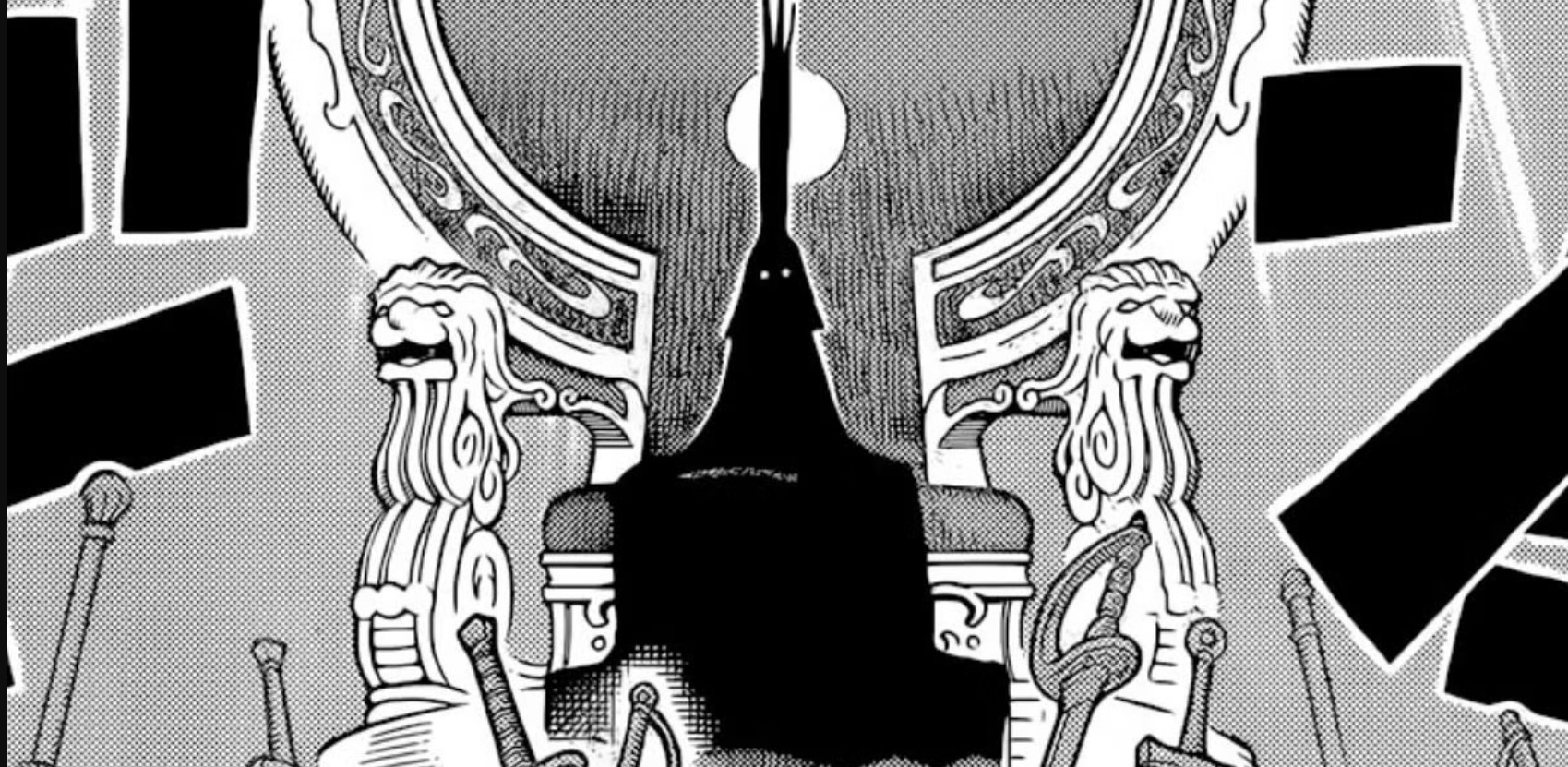
    Imu’s introduction in the story is anything but typical. They are not the flashy antagonist we might expect but rather a shadowy figure who is rarely seen. Imu’s most prominent appearance occurs during the Reverie arc, where we see them seated on a throne, invisible to most of the world, hiding behind the Gorosei. This first interaction with Imu sets the stage for their mysteriousness—they are hidden from the world, manipulating things from behind the curtain, and giving orders from the shadows. But what if this hiding isn’t about exerting control but about hiding from it? What if Imu doesn’t actually want to be at the top of the world’s power structure? Perhaps Imu is forced to remain in the shadows, with the Gorosei acting as the real power behind the throne. The Gorosei have always been presented as the true puppeteers, with Imu as the puppet—and their role could be designed to create a figurehead who takes the blame for the corruption of the World Government.

    While we’ve seen Imu give a few commands (such as suppressing Cobra and later ordering the assassination of certain world leaders), their true role appears more reactive than proactive. Imu doesn’t seem to be a decision-maker in the traditional sense. When Cobra confronts Imu, Imu does not lash out or demand action. Instead, they stay silent and observe Cobra, almost as though they are waiting for something. This could indicate that Imu is powerless to act on their own and that they’re forced to remain in this position due to the influence of the Gorosei or other unknown forces. In fact, this silence is arguably one of Imu’s most telling traits. It could reflect an inner struggle between the power they hold and their desire to escape from it. Their actions—such as assassinating Cobra—could be driven not by a desire for complete control, but by a duty they feel trapped by. They may even fear that stepping out of the role they’ve been forced into could have catastrophic consequences.

    One of the most crucial moments in the story that hints at Imu’s reluctance as a villain is their interaction with Cobra. When Cobra meets Imu, he is shocked by the presence of this hidden ruler, and Imu does not fight for power in the way most traditional villains would. Instead of using threats or intimidation, Imu waits to see how Cobra will react, almost as though they are testing the waters for a way out of their burden. Perhaps Cobra, sensing something in Imu, could have offered them an escape, had he acted differently. Cobra’s reaction is more out of fear than understanding, and it’s clear that Imu’s silence could be reflective of their own inner conflict. They have been placed in a position of absolute power, but they are not the one pulling the strings—they are a puppet in a game controlled by the Gorosei. This moment could represent a tragic opportunity lost, with Imu perhaps subconsciously hoping Cobra would find a way to offer them freedom from the chains of power. Instead, Cobra’s fear and the Gorosei’s oppressive rule trap Imu deeper into their role, further reinforcing their tragic status as someone forced into villainy against their will.

    One of the strongest indicators of Imu’s tragic status is how they are manipulated by the Gorosei. While it’s true that Imu has some level of influence, it’s often the Gorosei who take action, give orders, and determine the fate of the world. The Gorosei are portrayed as being extremely powerful, and they clearly treat Imu as a figurehead. There’s no indication that Imu truly controls the Gorosei—they seem to be puppeteered into their role. Imu’s powerlessness, in this sense, mirrors the experience of many tragic characters in literature—people who hold immense power but are ultimately controlled by forces beyond their control. Imu, in this context, could be seen as a tragic ruler trapped in a gilded cage, forced to play a role that might not align with their true desires. It’s a classical tragic trope, where the figurehead ruler is ultimately powerless and controlled by hidden forces.

    Another possible clue to Imu’s tragic nature lies in their reaction to the Void Century and the Poneglyphs. Imu, as the ruler of the world, has likely been witnessing the oppression caused by the World Government for centuries. Yet, we’ve never seen Imu take pleasure in the suffering that the World Government causes. In fact, they might even resent it. The destruction of the ancient kingdom and the cover-up of the Void Century could weigh heavily on Imu’s conscience. They might be trying to hide the truth not because they want to control the world, but because they feel responsible for the atrocities committed by the World Government. Imu’s silence on these issues could be a sign of guilt and remorse for the things they’ve been forced to uphold.

    Finally, if we accept the premise that Imu’s villainy is reluctant, we have to consider the possibility of a redemption arc. What if, after seeing Luffy’s journey and his desire for freedom, Imu begins to realize that they are not bound to the throne? That they can choose a different path, just as many other characters have done in the story? Luffy’s capacity for forgiveness and understanding could serve as a catalyst for Imu’s eventual rebellion against the Gorosei. The final battle could be framed not just as a clash of ideals but as a struggle for freedom, where Imu, the reluctant villain, is finally freed from their own chains.

    Imu could very well be a tragic villain—someone who was forced into power and trapped by the systems around them. Their role in the story is not one of ambition or domination but one of reluctance and subjugation. Imu’s actions could reflect the inner turmoil of someone who never sought to be a ruler and who may be desperate for an escape from the very system they uphold. Their tragic journey could follow the narrative of someone trapped in a role they did not choose, longing for freedom and redemption.

    This theory not only aligns with the recurring One Piece themes of freedom, manipulation, and growth but also offers a deeper understanding of Imu’s role in the overall story. Instead of being the ultimate villain, Imu could represent a tragic figure—one who, through circumstance and manipulation, became a villain when they were never meant to be one.

  • One Piece Food Symbolism: Luffy, Big Mom, Blackbeard & Sanji — The Meat, the Cake, the Pie, and the Chef Who Can Make It All

    One Piece Food Symbolism: Luffy, Big Mom, Blackbeard & Sanji — The Meat, the Cake, the Pie, and the Chef Who Can Make It All

    In One Piece, food transcends mere sustenance. It’s a rich, multi-layered narrative device embedded deeply into character design, world-building, thematic contrasts, and even the ideological undercurrents of the story. It shapes how characters express their identities, how their relationships evolve, and how the story’s larger social and political tensions manifest symbolically.

    This post examines the favorite foods of four key characters — Luffy, Big Mom, Blackbeard, and Sanji — revealing how the meat, the cake, the pie, and the chef serve as powerful metaphors. We’ll dive into how these foods reflect their personalities, motivations, psychological profiles, and narrative roles, and how they echo broader themes in One Piece about power, community, chaos, and harmony.


    Luffy: Meat as the Embodiment of Community, Strength, and Raw Vitality

    Luffy’s obsession with meat isn’t just a quirky character trait — it’s foundational to his representation as an everyman hero whose power comes from raw vitality and community connection.

    • Meat as Primal Nourishment: Meat, especially roasted or grilled, is one of the oldest, most primal human foods. It symbolizes raw physical strength and survival. Luffy’s love of meat aligns with his physical prowess and indomitable fighting spirit. This primal food matches his straightforward, energetic, and visceral approach to life — no overcomplication, no pretenses.
    • Meat and Social Bonding: Meat traditionally has cultural significance as a communal food shared in gatherings, feasts, and celebrations. When Luffy devours meat, it’s never just for himself — it’s an expression of fellowship and belonging. It highlights how his strength is deeply interconnected with his crew’s unity. The meat is sustenance for the body and the soul of the group.
    • No-Frills, Honest Sustenance: Unlike delicacies or processed foods, meat is simple, honest, and utilitarian. This mirrors Luffy’s childlike honesty and no-nonsense attitude. His refusal to accept fancier foods or concerns about etiquette underscores his rejection of aristocracy or elitism. Meat is the food of the people, the working class, the adventurers — all of which Luffy embodies.
    • Symbol of Protection and Leadership: In many cultures, hunters and providers who bring meat home are revered protectors of the family or tribe. Luffy is the leader who provides safety, inspiration, and motivation. The way he devours meat with joy and abandon signals his role as the vital force driving the Straw Hats forward.
    • Metaphorical “Meat” of the Narrative: Beyond food, “meat” can represent the core substance or heart of a thing. Luffy is the meat of One Piece — the narrative’s driving force and essential core. His personal energy fuels the entire story.

    Big Mom: Cake as a Symbol of Excess, Control, and Fragile Power

    Big Mom’s fixation on cake is a multi-faceted symbol deeply tied to her character’s psychological complexity and thematic role as a chaotic, tyrannical force.

    • Cake as an Object of Indulgence and Decadence: Cake epitomizes indulgence, sweetness, and celebration. But Big Mom’s obsession twists these into something monstrous — excess that becomes dangerous, childish, and violent. Her hunger is insatiable, symbolizing unchecked desire and greed. This reflects One Piece’s critique of power structures that prioritize consumption and control above all else.
    • Cake and Emotional Instability: Big Mom’s addiction to sweets is also a metaphor for emotional fragility. Cake represents comfort food, but in her case, it is a crutch for deep insecurity and childish tantrums. Her rampages triggered by sugar deprivation mirror addiction withdrawal, linking her power to vulnerability.
    • Cake as a Symbol of False Unity: Whole Cake Island represents Big Mom’s “utopia” — a forced multicultural society unified under her rule. Cake’s many layers and decorations superficially promise diversity and celebration, but its overwhelming sweetness and monotony reflect how Big Mom’s vision suppresses real diversity and enforces conformity. The cake’s uniform sweetness is a metaphor for enforced harmony at the cost of individual freedom.
    • Cake’s Ritual and Ceremony: Cake is tied to rituals — birthdays, weddings, celebrations. Big Mom’s empire is built on ceremony and spectacle, masking brutality with showmanship. Her role as a “mother” figure is grotesquely distorted; instead of nurturing, she consumes and controls, turning the symbolism of cake’s celebratory nature on its head.
    • Psychological Duality of Cake: While cake is a treat, it’s also a temporary pleasure that can cause sickness if overindulged. This duality echoes Big Mom’s nature as both alluring and deadly — her empire is both a dream and a nightmare, built on desire but destined for destruction.

    Blackbeard: Pie as a Metaphor for Duality, Deception, and Chaos

    Blackbeard’s choice of cherry pie as his favorite food is a nuanced symbol reflecting his layered, duplicitous personality and chaotic role in the world.

    • Pie as a Food of Complexity and Contrasts: Unlike cake’s uniform sweetness or meat’s raw simplicity, pie is a composite — a mix of savory crust and sweet or tangy filling. Cherry pie’s balance of sweetness and tartness symbolizes Blackbeard’s unpredictable nature: charming yet dangerous, outwardly affable but secretly ruthless.
    • Rustic, Homemade Quality: Pies evoke a rustic, old-fashioned, handmade feel — something that can be comforting but also messy. Blackbeard’s character is similarly rough around the edges, unrefined but charismatic. His chaotic, haphazard style belies a cunning and strategic mind underneath.
    • Duality and Layers: Blackbeard’s entire identity revolves around duality — two Devil Fruits, a body scarred on one side, and a split personality that can switch from affable to cruel instantly. Pie’s structure — crust and filling — represents this layered complexity. He is not just one thing, but multiple contradictory selves bound in uneasy alliance.
    • Symbol of Unpredictability and Deception: The contrast in pie — flaky crust that can crumble, filling that can be sweet or sour — fits Blackbeard’s treacherous nature. His charm hides his true, destructive intentions. Pie’s messiness mirrors his chaotic path in the narrative — unpredictable, dangerous, and destructive.
    • Cherry Pie’s Sweet and Tart Duality: Cherry pie’s flavor profile is perfect for Blackbeard — the sweetness masks a sharp tartness, much like his friendly facade masks his merciless ambition. The “sting” of the cherry tartness parallels Blackbeard’s capacity to betray and wound allies.

    Sanji: The Chef as Philosopher, Caretaker, and Harmonizer of Contrasts

    Sanji is the essential figure who connects the food symbolism of the other three characters. His role as chef and nurturer is deeply intertwined with One Piece’s themes of family, dreams, and harmony.

    • Sanji as Creator and Alchemist: Unlike the other three who consume, Sanji creates. He transforms raw ingredients into something greater, symbolizing the transformative power of care, knowledge, and creativity. He harmonizes disparate elements — meat, cake, pie — into balanced dishes, mirroring his role as mediator and caretaker of the crew.
    • Dream of the All Blue: Sanji’s quest for the All Blue — a legendary sea where all fish species coexist — symbolizes his ideal of unity and abundance beyond boundaries. This dream parallels Luffy’s search for the One Piece but emphasizes harmony and coexistence rather than conquest or power.
    • Food as Emotional and Social Language: Sanji understands that food carries meaning beyond nutrition. His cooking conveys love, peace, and diplomacy. His cake that calms Big Mom’s rampage isn’t just dessert — it’s a strategic and emotional weapon, showing how understanding and empathy can defuse conflict.
    • Balance of Sweet, Savory, and Umami: Sanji’s mastery over flavors represents balance — sweetness and sharpness, strength and subtlety, indulgence and restraint. He is the perfect foil to the extremes represented by Luffy, Big Mom, and Blackbeard. This balance reflects One Piece’s deeper message that strength lies in harmony, not domination or chaos.
    • Sanji as the Heart and Brain: If Luffy is the raw strength and Big Mom is chaotic power, Sanji is the intellectual and emotional core — the one who makes everything work together. He symbolizes the possibility of combining diverse elements into a unified whole, both in food and in relationships.

    Final Bite: Food as a Narrative and Thematic Nexus in One Piece

    In One Piece, food is much more than a recurring joke or character quirk — it’s a complex language of symbolism and narrative meaning.

    • Luffy’s meat embodies primal vitality, community strength, and unpretentious leadership.
    • Big Mom’s cake reveals the dangers of indulgence, fragile power, and authoritarian control disguised as celebration.
    • Blackbeard’s pie reflects chaotic duality, layered deception, and unpredictable menace.
    • Sanji’s role as chef is the narrative’s harmonizing force — blending contrasts, creating unity, and wielding empathy as a powerful tool.

    Together, these foods and the characters who love or create them form a rich metaphorical web that enhances One Piece’s storytelling depth and thematic resonance.

    So next time someone says One Piece is “just pirates and superpowers,” remind them to look deeper — because in this world, your favorite dish might just reveal more about who you are than any Devil Fruit or bounty ever could.