The Musings of Jaime David
@jaimedavid.blog@jaimedavid.blog

The writings of some random dude on the internet

1,161 posts
1 follower

Tag: public transit

  • Backpacks, Blame, and Bureaucracy: Why the MTA’s “Put It Between Your Legs” Logic Is Deeply Broken

    Backpacks, Blame, and Bureaucracy: Why the MTA’s “Put It Between Your Legs” Logic Is Deeply Broken

    Public transit is supposed to be a shared social contract. You give up some comfort, some space, some control, and in return you get mobility, access, and a system that—at least in theory—works for everyone. The moment that contract starts shifting responsibility downward, away from institutions and onto individuals, things start to rot. And that’s exactly what’s happening with the MTA’s increasingly smug, finger-wagging guidance telling riders to take off their backpacks and put them between their legs on trains.

    On paper, it sounds reasonable. Courteous, even. Don’t block aisles. Don’t smack people in the face when you turn. Be mindful of shared space. Fine. No one is arguing against basic awareness. But the way this guidance is framed—and more importantly, the reality of how trains actually function—reveals a stunning disconnect between bureaucratic fantasy and lived experience. Because here’s the problem no MTA poster, PSA, or passive-aggressive announcement wants to acknowledge: if you put your bag on the floor between your legs in a crowded train, you are making it easier for someone to steal from you. Full stop.

    This isn’t paranoia. It’s not anti-social fearmongering. It’s just how crowded, chaotic, real-world environments work. When you’re standing shoulder-to-shoulder with strangers, when people are constantly shifting, exiting, entering, bumping, jostling, and apologizing without eye contact, your attention is already split. Now add the requirement that your most valuable possessions—your laptop, your medication, your documents, your food, your life—are no longer attached to your body but sitting on the floor, partially obscured, partially out of your sightline. That’s not courtesy. That’s vulnerability by design.

    And the most insulting part? If something does get stolen, guess who’s blamed. Not the system. Not the lack of enforcement. Not the conditions that make theft easy. You. You should have been more careful. You should have watched your bag. You should have zipped it tighter. You should have noticed the hand you didn’t see while also maintaining spatial awareness, balance, politeness, and calm. The institution washes its hands of responsibility while pretending it did you a favor.

    The MTA loves these small behavioral mandates because they’re cheap. They cost almost nothing to implement. No infrastructure changes. No staffing increases. No systemic reform. Just signs. Posters. Announcements. Social pressure. It’s governance by suggestion paired with enforcement by shame. If trains are overcrowded, don’t ask why. Don’t ask why service is inconsistent. Don’t ask why capacity hasn’t kept up with demand. Just take off your backpack. Just make yourself smaller. Just manage the consequences individually.

    But let’s talk reality. Most people carrying backpacks on trains aren’t doing it for fun. They’re not trying to inconvenience strangers. They’re commuting to work, to school, to second jobs, to night classes, to medical appointments. They’re carrying laptops, tools, books, meals, clothes, sometimes all at once. A backpack isn’t an accessory; it’s a survival object in a city that demands you be prepared for everything while providing very little margin for error. Taking it off and placing it on the floor doesn’t magically reduce inconvenience. It just transfers risk.

    There’s also an unspoken class element here that the MTA never wants to confront. If you’re carrying a $2,000 laptop because your job requires it, you’re now being told to place that asset at shin-level in a crowded metal tube full of strangers. If it gets stolen or damaged, that loss might not be recoverable. Insurance doesn’t always cover it. Employers don’t always replace it. And “just be careful” isn’t a safety net. For people already living paycheck to paycheck, one stolen bag can spiral into missed work, lost income, disciplinary action, or worse. The policy pretends everyone has equal ability to absorb loss. They don’t.

    Then there’s the physical reality of trains themselves. Floors are dirty. Wet. Sticky. Uneven. Sometimes flooded. Sometimes covered in who-knows-what. Putting your bag down isn’t just a theft risk; it’s a damage risk. Electronics don’t love mystery liquids. Fabric absorbs smells and grime. And again, if your stuff gets ruined? That’s on you. The system shrugs.

    What makes this especially galling is that the MTA frames this as a safety and courtesy issue while ignoring far more impactful changes that would actually improve safety and comfort. More frequent service would reduce crowding. Clearer car layouts would improve flow. Consistent enforcement against actual dangerous behavior would make trains feel safer. But those things require money, planning, accountability, and political will. Telling riders to rearrange their bodies requires none of that. It’s the lowest-effort solution dressed up as civic responsibility.

    There’s also a deeper psychological layer to this. Being told to put your belongings at your feet in a public space requires trust. Trust that the people around you won’t take advantage. Trust that the system will protect you if they do. Trust that you won’t be blamed if something goes wrong. But that trust has been eroded for years. Riders see theft go unaddressed. They see disorder normalized. They see rules enforced selectively or not at all. In that environment, asking people to voluntarily lower their guard isn’t just naive—it’s insulting.

    And let’s be real about how theft actually happens. It’s not always dramatic. It’s not always someone sprinting away with your bag. Sometimes it’s a zipper opened quietly. Something slipped out. A phone gone. A wallet lifted. A charger taken. You don’t notice until minutes later, when the train has already moved on. Now imagine that bag is on the floor, partially blocked by bodies, your view interrupted every time someone shifts. You’re supposed to maintain constant visual contact? While standing? While holding a pole? While being bumped? That’s not a reasonable expectation. That’s magical thinking.

    The MTA’s guidance also ignores how people actually move. When your bag is on your back or slung in front of you, it moves with you. Your body is the anchor. When it’s on the floor, it becomes an object you have to manage separately. You have to remember it at every stop. You have to reposition it constantly. You have to prevent people from stepping on it. You have to guard it. That’s added cognitive load in an already overstimulating environment. Again, the system offloads complexity onto the individual and calls it politeness.

    And notice how the burden always falls on the same people. Regular riders. Commuters. Students. Workers. Not tourists with rolling luggage. Not people spreading out across seats. Not those blasting music or blocking doors. The quiet person with a backpack is the easiest target for behavioral correction because they’re already trying to follow rules. Institutions love regulating the compliant because it’s low friction. The people causing real disruption rarely read posters or care about announcements.

    There’s also something deeply backwards about telling people to put their bags on the floor “to create more space” when the fundamental issue is that there isn’t enough space to begin with. You can’t personal-responsibility your way out of systemic overcrowding. You can’t etiquette your way out of underfunding. At some point, telling riders to contort themselves further becomes absurd. The train is full because the train is full. No amount of backpack choreography changes that.

    And let’s talk about liability, because that’s the quiet subtext here. By framing theft prevention as an individual responsibility, the MTA shields itself. If your bag gets stolen while following their guidance, there’s no recourse. No accountability. No acknowledgment that their recommendation increased risk. It’s a one-way street. They tell you what to do, but they don’t stand behind the consequences. That’s not guidance. That’s cover.

    What’s especially frustrating is that there are better ways to handle this. Encourage people to wear backpacks on the front in crowded cars. That keeps space clear and keeps belongings visible and attached. Design cars with more vertical space or hooks for bags. Increase off-peak service to reduce crush loads. Address bottlenecks that cause extreme crowding in the first place. These are harder solutions, sure. But they respect reality instead of pretending risk doesn’t exist.

    The current approach feels like the MTA is scolding riders for adapting rationally to an irrational system. People wear backpacks because it’s the safest way to carry important items in a crowded environment. The fact that this creates minor inconvenience for others is a tradeoff people already try to manage—turning sideways, adjusting, apologizing. Treating that adaptation as a moral failing instead of a practical choice misses the point entirely.

    At a certain level, this becomes about dignity. Public transit already asks a lot from riders: time, patience, flexibility, tolerance. Adding the expectation that people should willingly place their valuables at risk in the name of courtesy crosses a line. It suggests that comfort optics matter more than personal security. That’s a bad message in a city where trust in institutions is already fragile.

    And maybe the most infuriating part is how easily this all could have been avoided with a little honesty. If the MTA said, “Hey, crowded trains are hard. Here are some options. Do what feels safest for you,” most people would appreciate that. Instead, we get prescriptive advice that ignores risk, then silence when that risk materializes. It’s the classic bureaucratic move: issue guidance, dodge consequences.

    So no, this isn’t just about backpacks. It’s about how institutions talk down to the people who rely on them most. It’s about shifting responsibility without providing protection. It’s about pretending that small behavioral tweaks can compensate for large systemic failures. And it’s about the quiet anger of riders who are tired of being told to manage problems they didn’t create.

    If the MTA actually wants safer, more comfortable trains, it needs to stop outsourcing safety to individual vigilance and start taking responsibility for the environment it creates. Until then, telling people to put their bags on the floor isn’t just stupid—it’s reckless.
  • Fex Performing “Subways of Your Mind” Live in the NYC Subway: A Dream Performance in the Heart of the City

    Fex Performing “Subways of Your Mind” Live in the NYC Subway: A Dream Performance in the Heart of the City

    Imagine a scene where the underground world of New York City’s subway system becomes a stage for an unforgettable musical moment—a moment that brings together two of the city’s most iconic elements: the music and the transit. What if Fex, the band behind the mysterious and haunting song “Subways of Your Mind,” decided to perform the track live, right there in the heart of the NYC subway?

    This would be no ordinary performance. It would be a moment of urban magic, where the sounds of the train meet the ethereal, atmospheric melody of the song. The subway, with its echoes, its hustle and bustle, would serve as the perfect backdrop to the haunting notes of “Subways of Your Mind,” creating an experience that feels otherworldly yet profoundly tied to the rhythm of city life. The question is: why hasn’t this happened yet? And why, in 2026, does it feel like it should be an inevitability?

    Let’s dive into the dream of seeing Fex perform “Subways of Your Mind” live in the NYC subway—a vision that would not only elevate the band’s legacy but would also offer an experience unlike any other for the passengers, commuters, and New Yorkers lucky enough to witness it.

    The Power of “Subways of Your Mind” in Live Performance

    There’s something inherently cinematic about “Subways of Your Mind.” Its dreamlike quality, with its shimmering synths and atmospheric depth, almost begs for a live performance set against the backdrop of the subway’s gritty, mechanical pulse. The juxtaposition of the song’s calm, reflective tones with the noise and rhythm of the subway would be an experience that’s as auditory as it is visual.

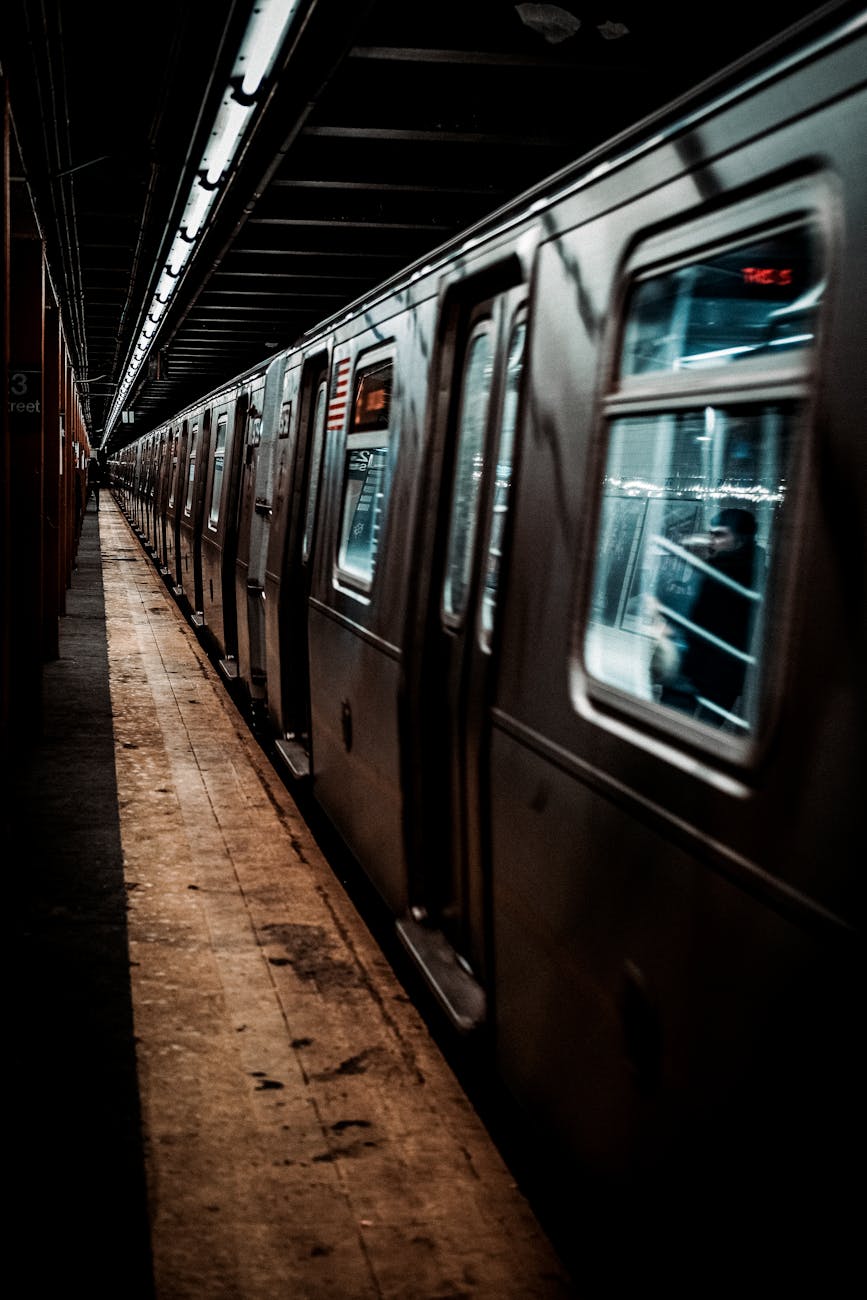
    Imagine the sound of the train approaching, the screeching of its wheels as it pulls into the station, and then, over the top of that familiar noise, the haunting opening chords of “Subways of Your Mind” ringing out. The song’s ethereal vibe would blend seamlessly with the sounds of the train, creating a live experience that feels like a beautiful collision of two worlds. The performance would transcend the idea of a typical concert—it would be a performance that takes place in a living, breathing space, one that thrives on movement and transience, just like the song itself.

    For Fex, performing this track in the subway would be more than just a performance; it would be an artistic statement. It would take the song from the internet’s obscure corners and bring it into the real world, bringing full circle the track’s connection to subway culture. It would be a moment where the music, the people, and the city merge into something unique, timeless, and unforgettable.

    The Ideal Location: A NYC Subway Station

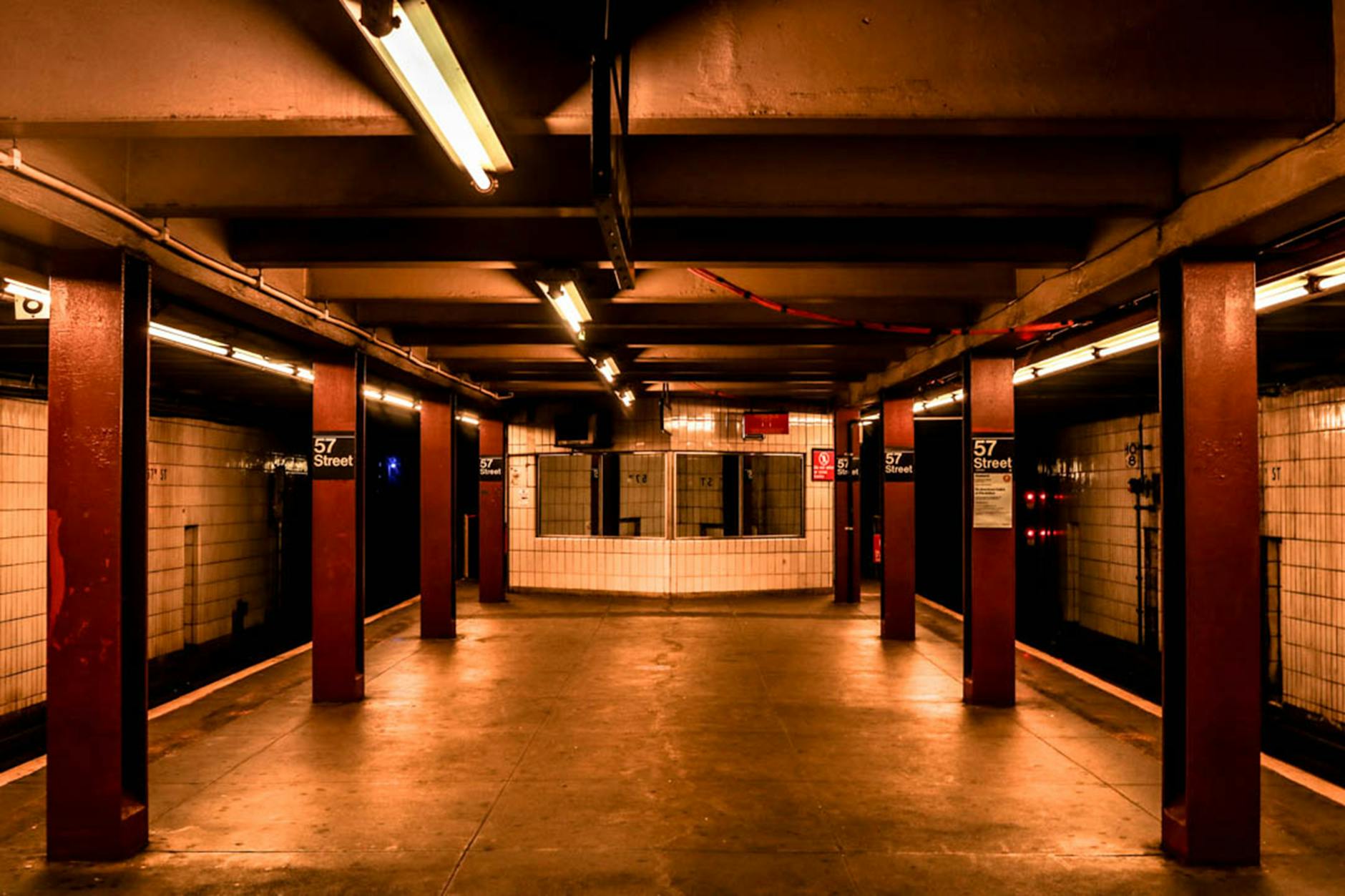
    The setting for such a performance would be just as important as the song itself. New York City’s subway system, with its intricate network of tunnels, platforms, and tracks, would provide the perfect stage for Fex’s performance. From the iconic Times Square-42nd Street station, known for its bustling energy, to the quieter, more reflective spaces like the 168th Street station, the potential locations are limitless.

    But imagine the band performing in a place like the 14th Street-Union Square station during rush hour, when commuters are coming and going, lost in their own thoughts, as the music of Fex fills the space. The unexpected nature of such a performance would make it even more impactful. The juxtaposition of the everyday hustle of New York City with the music’s otherworldly, ambient quality would turn an ordinary subway ride into something extraordinary.

    Alternatively, a quieter late-night performance in a less crowded station could allow the track’s haunting atmosphere to truly shine. The dim lights and stillness of the subway at night, with only a handful of commuters scattered across the platform, would provide the perfect environment for the song’s introspective energy.

    In any case, the setting would become a character of its own, enhancing the power of the song and amplifying the sense of discovery that comes with stumbling upon a moment of beauty in an otherwise ordinary day.

    The Crowd’s Reaction: Surreal and Unexpected

    What makes this idea even more thrilling is the spontaneous nature of such a performance. The crowd in the subway would be completely unaware of what’s about to happen. They’d be minding their own business, perhaps scrolling on their phones, listening to music, or simply waiting for the next train. Then, suddenly, they would hear the familiar, yet surreal tones of “Subways of Your Mind” filling the space.

    For many, it would be a revelation. Commuters would have a moment of collective wonderment, pausing to take in the music and the scene unfolding around them. Some might recognize the song from its viral resurgence in recent years, while others may be hearing it for the first time, struck by the beauty of the unexpected performance. The subway, often seen as a place of stress or monotony, would transform into a stage for art, with the music creating a unique, shared experience for those present.

    The performance would likely draw a crowd, as people stop in their tracks, pulled in by the mesmerizing sound. Passengers who were just passing through might linger longer than usual, caught in the magic of the moment. It would be a spontaneous concert, not confined to a traditional stage, but one that takes place right in the heart of the city, in the most unexpected of venues.

    The viral potential of such a performance would be undeniable. Passengers would undoubtedly record the event on their phones, and in an age where social media is king, it would quickly spread online. Clips of Fex’s performance in the subway would likely go viral, drawing attention to the song from both longtime fans and new listeners. It would be an event that the city would talk about for years to come.

    The Symbolism of “Subways of Your Mind” in the Subway

    The very act of performing “Subways of Your Mind” in the subway would carry deep symbolism. The song, with its haunting melody and introspective lyrics, perfectly mirrors the experience of subway travel. The rhythm of the trains, the constant flow of people, and the anonymity of being a small part of a much larger machine all align with the song’s themes of reflection, transience, and connection.

    The subway, as a space, has always been a place of movement, both physical and mental. It’s a place where people from all walks of life are brought together, if only for a brief moment, as they travel through the city. Fex’s song captures the feeling of being lost in thought, caught between destinations, and surrounded by the hum of life going on all around you. To perform this song in such a space would deepen the connection between the music and the city, cementing its place in the urban soundtrack of New York City.

    Why It Should Happen Now: The Timing Is Perfect

    In 2026, “Subways of Your Mind” has already become a cultural touchstone, a viral song that resonates with people across the globe. There has never been a better time for Fex to bring this track to life in the subway. The band has already found a second wave of recognition, and this live performance would be the perfect way to capitalize on that momentum.

    For the MTA, it would be a win as well. The subway system, which serves as the lifeblood of New York City, would benefit from the association with such a legendary performance. It would turn the subway into more than just a mode of transit—it would become a space for art, culture, and spontaneous creativity.

    For the city itself, the performance would be a celebration of everything that makes New York unique: the energy, the diversity, and the unpredictable nature of life here. It would be a tribute to the people who ride the subway every day, and a reminder that in even the most ordinary moments, there is magic waiting to be discovered.

    Conclusion: Fex Live in the NYC Subway—A Dream Realized

    The vision of Fex performing “Subways of Your Mind” live in the NYC subway is one that transcends music. It’s a fusion of art, city life, and the human experience, all set against the backdrop of one of the most iconic transportation systems in the world. In 2026, this performance feels like more than just a possibility—it feels like a moment waiting to happen.

    For those lucky enough to witness it, it would be an unforgettable experience, a surreal intersection of the ordinary and the extraordinary. And for the rest of us, the viral clips of the performance would serve as a reminder of the magic that can happen when art finds its place in the heart of a bustling city.

  • MTA x Fex: A Legendary Partnership for NYC Transit with “Subways of Your Mind”

    MTA x Fex: A Legendary Partnership for NYC Transit with “Subways of Your Mind”

    There’s a certain magic that comes with the right partnership—when two worlds collide in a way that feels almost predestined. And as much as the NYC subway system is woven into the fabric of New York’s identity, there’s one perfect pairing that hasn’t yet happened but should be brought to life immediately: a collaboration between the Metropolitan Transportation Authority (MTA) and the band Fex, using their enigmatic track “Subways of Your Mind” to advertise the NYC bus and subway system.

    This idea isn’t just a creative stretch—it’s a concept that feels almost too fitting. In 2026, with the continued resurgence of “Subways of Your Mind” and the song’s association with the subway culture, a partnership between the MTA and Fex could elevate both the song’s legacy and the city’s iconic transportation system. The advertising campaign would not only tap into the deep cultural history of the subway system but also solidify the track’s place as a defining element of urban transit.

    So, what would it look like if the MTA teamed up with Fex to create an unforgettable, legendary advertisement? Let’s explore the potential.

    The Power of “Subways of Your Mind” in NYC Transit Culture

    “Subways of Your Mind” is more than just a song; it’s a cultural artifact. It represents the mystery of urban life, the anonymity of commuters, and the connection between people moving through space. With its haunting melody and otherworldly atmosphere, it fits perfectly within the NYC subway system, where the clattering of trains and the flow of people create an environment ripe for introspection. The song evokes the stillness of a mind lost in thought, as well as the transient nature of subway passengers, making it a symbolic fit for a campaign focused on transit.

    In 2026, as the song’s mystery continues to unfold, why not bring it into the heart of the city it was made to soundtrack? With an advertising campaign featuring “Subways of Your Mind,” the MTA could elevate the song’s association with New York’s transit system, turning it into an anthem for city travel.

    The MTA x Fex Ad Concept

    Imagine the campaign starting with a visual of a bustling NYC subway platform, the kind of place that feels like its own world. Commuters are flowing like clockwork, and the familiar clatter of the train echoes through the underground tunnels. Suddenly, the soft, atmospheric tones of “Subways of Your Mind” begin to play in the background, drawing attention. As the music rises, a calm, cinematic shot captures the rhythm of the city—a scene that feels suspended in time, a moment of stillness amidst the chaos.

    The campaign could feature a series of scenes, each one showcasing different facets of the NYC subway system: the busy morning rush, the quiet late-night trains, the moments of calm between the clatter of wheels on tracks. Each scene would be accompanied by the music, capturing the duality of subway travel—the rush of a fast-paced city mixed with moments of solitude and introspection.

    The tagline could be simple but powerful: “Find your rhythm. Ride the subway. With Fex’s ‘Subways of Your Mind.’”

    This ad would be more than just an advertisement; it would be a tribute to the unique vibe of New York’s transit culture. The MTA’s iconic blue-and-white branding would blend seamlessly with the dreamlike atmosphere of the song, making the whole campaign feel like a love letter to the city and its subway system.

    The Campaign’s Potential Impact

    What makes this idea so legendary is its potential to create a lasting cultural moment. NYC is a city where public transit is an integral part of daily life for millions of people. It’s a place where strangers are united by their shared journey, where the subway becomes a space for personal reflection, and where music has the power to elevate the everyday experience. By incorporating “Subways of Your Mind” into an MTA campaign, the song could become a staple of NYC’s subway culture, much like the sound of the trains themselves.

    Moreover, this campaign would do more than just advertise a mode of transport—it would tie together two quintessentially New York elements: the subway system and the city’s rich history of music. Fex’s track, with its ethereal, almost cinematic quality, would bring a new layer of mystique to the subway experience. This partnership could also introduce the song to a whole new audience, people who might have never encountered the track online or through internet culture, but who now associate it with the iconic NYC subway system.

    Additionally, by tapping into the city’s unique identity and pairing it with a song that evokes both the urban chaos and quiet solitude of subway life, the MTA could strike a deep emotional chord with New Yorkers and visitors alike. The ad campaign could create a sense of nostalgia for longtime commuters and introduce a new dimension to the experience of riding the subway.

    The Legacy of This Collaboration

    If executed correctly, an MTA x Fex collaboration would stand the test of time. The partnership would not just be a one-off campaign—it would become part of New York’s cultural fabric, much like the subway itself. It could even pave the way for future campaigns that explore other iconic songs and artists that tie into the city’s urban soundscape.

    One thing is clear: if “Subways of Your Mind” becomes the soundtrack of the MTA’s new advertising campaign, it will be a moment that fans of the song, commuters, and New Yorkers in general will never forget. The seamless pairing of the music with the city’s transportation system would elevate both, creating a sense of synergy between the subway and the music it represents.

    And of course, there’s the viral potential. Imagine subway riders sharing clips of the ad on social media, capturing the atmosphere of the music paired with the raw energy of the subway. The campaign would not only be a local phenomenon—it would spread globally, showcasing the creative energy that makes NYC the cultural epicenter it is.

    Why Now?

    The time is ripe for this partnership. In 2026, “Subways of Your Mind” is experiencing a resurgence, and the track has never been more relevant. The NYC subway system remains a central part of the city’s identity, and with the world’s attention increasingly focused on New York as a cultural hub, this campaign could help bring the song—and the city’s subway system—into the spotlight.

    With the rise of internet memes, social media sharing, and viral moments, an MTA x Fex collaboration could become a moment of collective recognition for the song, embedding it even deeper into the city’s urban narrative. The iconic, mysterious track and the MTA, representing the gritty, real-life pulse of the city, could come together to create an ad campaign that is as unforgettable as the subway itself.

    Conclusion: The MTA and Fex—A Legendary Partnership

    The MTA’s partnership with Fex, featuring “Subways of Your Mind” as the soundtrack for a citywide advertising campaign, would be legendary. The song and the subway system have already proven to be a match made in heaven, and this campaign would solidify that connection. In a city as diverse and dynamic as New York, where the subway plays such a central role in daily life, a partnership like this would not only make a statement—it would become part of the cultural fabric of NYC itself.

    It’s time for the MTA to take this opportunity and create something that celebrates both the music and the transit system that has shaped the lives of millions. A campaign like this would be more than just an advertisement; it would be a moment of magic, a blending of two worlds that are, at their core, inseparable.

  • Contactless My Ass: Why Tapping Your Phone Isn’t Progress

    Contactless My Ass: Why Tapping Your Phone Isn’t Progress

    They call it contactless payment. Contactless. Like it’s some futuristic magic that lets you pay without touching anything. But that’s a lie. You still have to take out a card, a phone, or a smartwatch and tap it on a reader. Tap. That is contact. Not contactless. It’s barely-touchless, marketed as convenience, sold as progress, and yet it makes a simple task unnecessarily complicated.

    Think about the MetroCard. You swiped it. You shoved it in a slot. It worked. Always. No apps, no updates, no battery concerns, no mysterious failures. It didn’t matter if it was raining, if your hands were greasy, or if your phone was dead—your MetroCard just worked. That is the definition of reliability. And now we act like tapping a phone like some digital wand is progress. It isn’t. It’s a stress-inducing gimmick that leaves you feeling like a fool every time your device doesn’t cooperate.

    The reality of this “contactless” system is absurd. You’re standing at the turnstile, fumbling for the right card, hoping your phone isn’t dead, hoping the reader isn’t broken, hoping the payment goes through. If it doesn’t, suddenly you’re holding up the line, everyone behind you glares, and you feel ridiculous. Back in the MetroCard days, that never happened. Swipe, done. Simple, reliable, human-friendly.

    And let’s not ignore the outright dishonesty of calling this system “contactless” while forcing you to hold something in your hand. That’s like calling a hammer “contactless” because it flies through the air if you throw it. There’s still contact. The idea that this is magical, futuristic, clean, or invisible is nonsense. It’s just another way to make a mundane interaction more complicated and stressful.

    I miss the days when public transit wasn’t a tech arms race. The MetroCard didn’t crash, didn’t require updates, didn’t run on batteries, didn’t pretend to be magic. And yet, this “innovation” costs more: more maintenance, more infrastructure, more anxiety. The MetroCard was simple, cheap, and reliable. Now we pay more for less, all because someone thought “tap to pay” sounds more impressive than “swipe your card like a human being.”

    So yes, I’m calling out contactless payment for what it is. It’s not contactless. It’s not faster. It’s not more convenient. It’s a gimmick wrapped in fancy tech jargon. And the MetroCard? That thing was a masterpiece of simplicity. Reliable, straightforward, human-compatible. It didn’t ask for an update. It didn’t judge you. It just worked.

    The next time you tap your phone, your card, or your watch, remember the truth: you are holding something. You are making contact. You are relying on fragile technology to do something that used to be effortless. You are not a wizard, you are a commuter in 2025, standing at a turnstile, hoping a glowing rectangle acknowledges your existence. That is the farce of contactless payment. And the MetroCard, my friends, was real magic all along.

  • Why NYC Doesn’t Need Trams—Buses Are the Smarter Choice

    Why NYC Doesn’t Need Trams—Buses Are the Smarter Choice

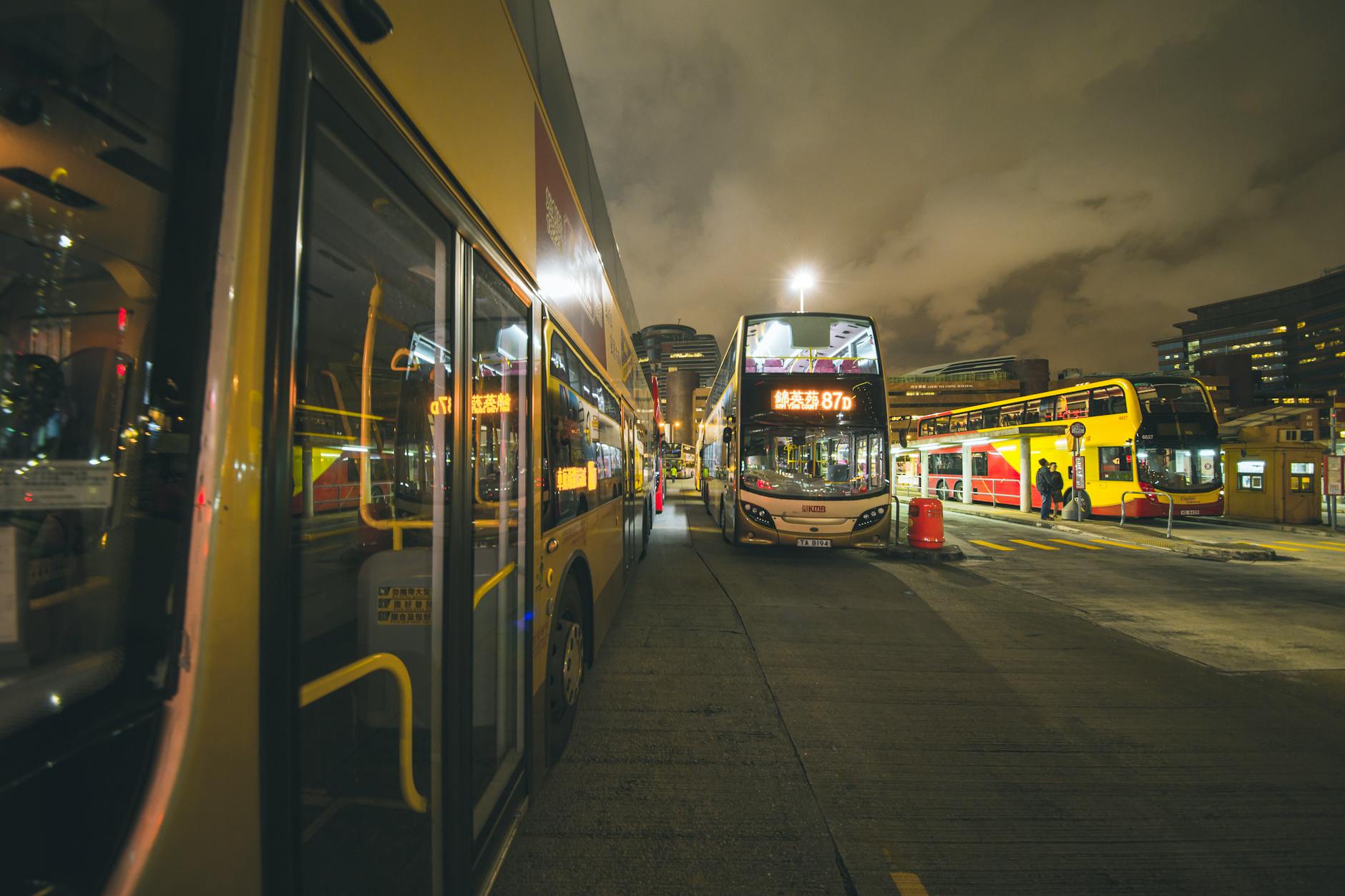
    I recently came across a video arguing that New York City needs trams and that buses are inherently inadequate for the city’s transit needs. The premise of the video is familiar: trams, the argument goes, are faster, cleaner, and more efficient, and buses supposedly contribute to congestion while offering an inferior commuting experience. While this might sound compelling at first, a closer look at the realities of NYC streets and transit patterns suggests the opposite is true: buses, not trams, are far better suited to the city’s needs.

    First, trams are large, inflexible vehicles that require dedicated tracks. In a city like New York, where streets are already packed and every inch of road space is precious, adding trams would reduce lanes for cars, delivery trucks, and even emergency vehicles. The intended benefit of moving more people per vehicle could easily be outweighed by the increased congestion on the streets that remain. Unlike buses, which can weave around obstacles or adjust their routes in real time, trams are stuck on fixed tracks. A single blockage—from construction, an accident, or even a temporary street closure—could bring an entire line to a halt, leaving commuters stranded.

    Second, buses provide unmatched flexibility. They can cover neighborhoods that don’t have subway access, feed into existing subway stations, and be rerouted or scaled up depending on demand. Implementing a tram system would be costly, disruptive, and slow to adapt to the city’s ever-changing traffic conditions. NYC streets are not like the wide avenues of medium-density cities where trams can operate without major trade-offs; they are narrow, crowded, and already home to a complex mix of buses, trucks, taxis, and pedestrians. Introducing trams would likely create more problems than it solves.

    Finally, buses can serve a larger portion of the population more efficiently. They can be added or rerouted to match demand, they don’t require expensive construction, and they can complement the city’s extensive subway system without duplicating routes unnecessarily. In contrast, trams are a rigid investment in a limited path. The idea that trams are a superior alternative ignores the realities of urban planning in a dense, chaotic, and ever-evolving city like New York.

    Some might argue that a tram system could work if it were built on abandoned or isolated tracks, separate from busy streets. While this avoids some of the congestion problems, it introduces another set of limitations that make trams impractical for New York City. A tram running only on existing tracks is inherently restricted: it can only serve the areas along that track. Once the track ends, the tram ends—there’s no flexibility to extend service to other neighborhoods without laying entirely new tracks, which is costly, disruptive, and slow.

    Unlike buses, which can reach virtually any street in the city, a tram confined to old tracks leaves large swaths of the population unserved. Residents outside the tram’s path would see no benefit at all, and the tram would do little to address broader commuting needs. Even with isolated tracks, the fixed route problem remains: you cannot reroute around construction, detours, or sudden spikes in demand. The flexibility that makes buses so effective—being able to go anywhere, anytime, and adjust routes on the fly—is completely lost.

    In other words, a tramway, even if separate from roads, does not solve the fundamental challenges of NYC transit. It may provide a limited service along a narrow corridor, but it cannot replace the wide-reaching, adaptable network that buses already provide.

    Even if a tramway were built on isolated tracks and avoided the streets entirely, another major problem remains: accessibility. For residents who live far from the tram line, reaching it would require a separate commute. If you have to travel a significant distance just to get to the tram, the convenience of the tram itself becomes almost irrelevant. Commuters naturally prioritize proximity—people are far more likely to use whatever transit option is closest, whether that’s a bus or a subway, rather than making an extra trip just to reach a tram.

    In practice, this means that a tram would serve only a very limited slice of the city’s population. Even if it could theoretically get someone closer to their destination faster, the total journey time could actually increase when you factor in the extra distance to reach the tram in the first place. Buses, by contrast, can reach nearly every street and neighborhood, providing convenient and direct access without forcing commuters to go out of their way. A tram that’s difficult to access loses much of its intended value, reinforcing the argument that buses remain the more practical and versatile choice for New York City.

    Now, don’t get me wrong: I don’t think buses in NYC are perfect. There are certainly issues with traffic, road conditions, and congestion that affect their efficiency. But compared to subways, trains, or even a proposed tramway, buses remain far superior. Their flexibility, reach, and ability to adapt to the city’s constantly changing streets make them the most practical mode of surface transit available.

    That said, there is an even more promising option that could revolutionize urban transit: taxis, specifically services like Uber and Lyft. These vehicles can go almost anywhere in the city, offering direct routes without the need for fixed tracks or rigid schedules. Imagine if the MTA had its own line of taxis, operating at the cost of a local bus fare. This would be game-changing. Cars are smaller and easier to operate than buses or trains, meaning drivers wouldn’t need specialized licenses beyond a standard driver’s license. While each vehicle carries fewer passengers than a bus or train, the trade-off is more vehicles can be deployed simultaneously, increasing overall capacity and coverage.

    MTA cabs could operate along designated routes, similar to how buses and trains function now, ensuring efficiency and predictability. Riders could pay with their existing MetroCard or OMNY card, and the system could seamlessly integrate with the existing transit network. This approach combines the flexibility of on-demand transport with the accessibility and affordability of public transit, addressing many of the limitations buses, trams, and even subways currently face. It’s a forward-thinking solution that could transform commuting in NYC far more effectively than building new trams ever could.

    And why stop there? If the MTA truly wanted to modernize transportation, it could go beyond cars entirely. Imagine if there were MTA-operated motorcycles, bicycles, or electric scooters — all available to rent or summon through the same system. These smaller vehicles could navigate traffic more easily, reach tighter spaces, and provide commuters with faster, more personalized short-distance travel options.

    Just like the MTA’s hypothetical cab system, these vehicles could be integrated with OMNY or MetroCard payments, making them a natural extension of the city’s existing transit network. Instead of relying solely on large, lumbering vehicles that require massive infrastructure, the MTA could create a fleet of smaller, faster, and more agile options that fit the real flow of the city. A system like this would empower commuters with true choice — letting people decide whether they want to take a bus, a cab, or even a scooter, depending on what suits their trip best.

    Not only would this kind of system reduce the need for expensive projects like trams, but it would also help cut congestion by diversifying how people get around. Smaller vehicles take up less space, can move more freely, and are ideal for short-distance travel that doesn’t justify an entire bus or train trip. In the end, expanding the MTA’s vision to include all these transport modes would make public transit more flexible, accessible, and responsive to the way New Yorkers actually move through their city.

    And even crazier—what if the MTA didn’t just focus on transportation at all? What if it expanded into delivery and commerce? The MTA already moves millions of people daily across an immense network of buses, subways, and rail lines. That same infrastructure could be used to transport more than just people—it could move goods, packages, groceries, and even meals. Imagine MTA delivery services operating alongside existing routes, delivering items throughout the city at a low cost, using the very vehicles already in motion.

    It could go even further. Picture buses and trains with small onboard stores or kiosks, selling essentials—snacks, drinks, everyday items—so commuters could shop while they ride. Trains could even have designated delivery cars or compartments for local logistics, allowing small businesses and vendors to reach customers faster and more efficiently. In a city as dense and fast-paced as New York, where delivery demand is constant and space is limited, combining transportation and delivery into one integrated system could be revolutionary.

    This wouldn’t just modernize the MTA—it would redefine it. Instead of being just a transportation authority, it would become a full urban mobility and logistics network. People and goods could move together through the same channels, maximizing the use of every mile traveled. It’s an ambitious idea, but it fits perfectly with how New York operates: always moving, always adapting, always finding ways to make the impossible work.

    At the end of the day, trams just don’t make sense for New York City. The streets are already too crowded, the infrastructure too complex, and the flow of the city too dynamic for something as rigid as a tram system to fit in smoothly. Trams might work in cities with more open space or less traffic, but New York thrives on constant movement, change, and flexibility. The city’s transportation system needs to reflect that.

    Buses, taxis, bikes, scooters, and even futuristic ideas like MTA-operated deliveries all share one key strength: adaptability. They can change routes, adjust to demand, and fit into the ever-evolving pulse of the city. Trams can’t do that. They’re fixed in place, literally bound to the ground they run on. In a city that never stops changing, something so static is bound to fall behind.

    New York doesn’t need to look backward to old ideas like trams. It needs to look forward—to smarter, faster, more flexible ways of getting around and connecting everything that makes this city alive.

    In short, while trams might work well in other cities, New York City’s unique congestion, street layout, and reliance on a flexible transit network make buses the far smarter choice. Investing in more buses, better bus lanes, and improved service would deliver real benefits for commuters without the massive disruption and risk that introducing trams would entail.