The Musings of Jaime David
@jaimedavid.blog@jaimedavid.blog

The writings of some random dude on the internet

1,099 posts
1 follower

Tag: resilience

  • The Trap of Conditional Creativity: Why Writers Must Learn to Create Without Permission

    The Trap of Conditional Creativity: Why Writers Must Learn to Create Without Permission

    One of the great traps writers fall into—whether new or seasoned—is the idea that their creativity must be conditional. Conditional on mood. Conditional on inspiration. Conditional on whether or not they feel validated by their audience. Conditional on whether the piece will “matter” or “be good enough.” The list is endless. Creativity, for so many of us, becomes something that only shows itself when the circumstances are perfect, and when those circumstances inevitably fall short, writing feels impossible.

    This idea that creativity must be conditional is both seductive and dangerous. It convinces us that we have to wait for the muse, or for the stars to align, or for some undefined feeling of readiness. But writing that is conditional will never be consistent. It will never grow. It will never push past the thresholds of difficulty where the real breakthroughs happen. The writers who endure, the ones who find their voice, are not the ones who wait for conditions—they are the ones who write regardless of them.

    Conditional creativity also feeds the toxic cycle of self-doubt. If you only write when you feel “good enough,” you inevitably write less, which then makes you feel less legitimate as a writer. The silence becomes self-perpetuating. The blank page becomes a reflection of your worth. You begin to think, “If I were a real writer, I’d be writing.” And yet the paradox is that the only way to feel like a real writer is to actually write. The more we allow external or internal conditions to determine whether we create, the more we distance ourselves from the act itself.

    Part of the problem is cultural. So much of the artistic world reinforces the myth of conditional creativity. We are told stories of geniuses who waited for inspiration to strike, of poets who only wrote when the moonlight hit just right, of authors who claim their characters spoke to them and demanded to be written. These stories are romantic, but they are also misleading. The truth is, those same writers were often writing in frustration, in boredom, in chaos. They didn’t tell the stories of the uninspired days because those weren’t as glamorous—but those uninspired days were where the real work happened.

    And the danger of this myth becomes even sharper in a time where writing is more visible and measurable than ever before. Metrics—views, likes, shares, comments—become new conditions. We feel like writing only matters if it finds an audience. We feel like a draft isn’t worth finishing unless we can already imagine who will care. We begin to filter our creativity through imagined reception rather than authentic expression. This is where creativity collapses under the weight of conditionality. Writing becomes less about truth and more about market value. And in the process, the writer loses their own voice.

    The alternative is radical in its simplicity: unconditional creativity. To write because you write. To create because you can. To strip away the need for permission, for validation, for mood. To treat the act of writing as its own justification. Unconditional creativity does not mean ignoring feedback or refusing growth—it means understanding that the act of writing is not contingent on circumstance. You do not need to feel inspired to write. You do not need to feel brilliant to write. You do not need to know whether or not anyone will care. You just need to do it.

    It is in unconditional writing that resilience is built. It is where discipline and freedom collide. It is where you discover that some of your best work comes from the days you didn’t feel like doing it at all. It is where breakthroughs happen, often when you least expect them. By refusing to let conditions dictate your practice, you reclaim control over your art.

    This is not to say that writing without conditions is easy. It isn’t. It requires honesty. It requires patience. It requires compassion for yourself when the words come slow. But this is precisely why unconditionality matters. Writing is not about punishing yourself into discipline—it is about creating an environment where creativity can exist without strings attached. Where the act of showing up is itself the victory.

    At the core, unconditional creativity is an act of defiance. It resists a world that commodifies art, that demands efficiency, that measures worth by reception. It insists that creativity itself has value, even if unseen, even if imperfect. It declares that writing has a right to exist for its own sake. And in a culture where everything is judged, monetized, or graded, that declaration is radical.

    If you are stuck, if you feel like your writing has dried up, if you feel like you have nothing left to say, ask yourself: what conditions am I placing on my creativity? Am I waiting for the right mood? Am I waiting for inspiration? Am I waiting for someone to care? Then ask: what would it look like to write without those conditions? What would it look like to simply write?

    The answer, more often than not, is freedom.
  • Why We Shouldn’t Let the Rain Stop Us

    Why We Shouldn’t Let the Rain Stop Us

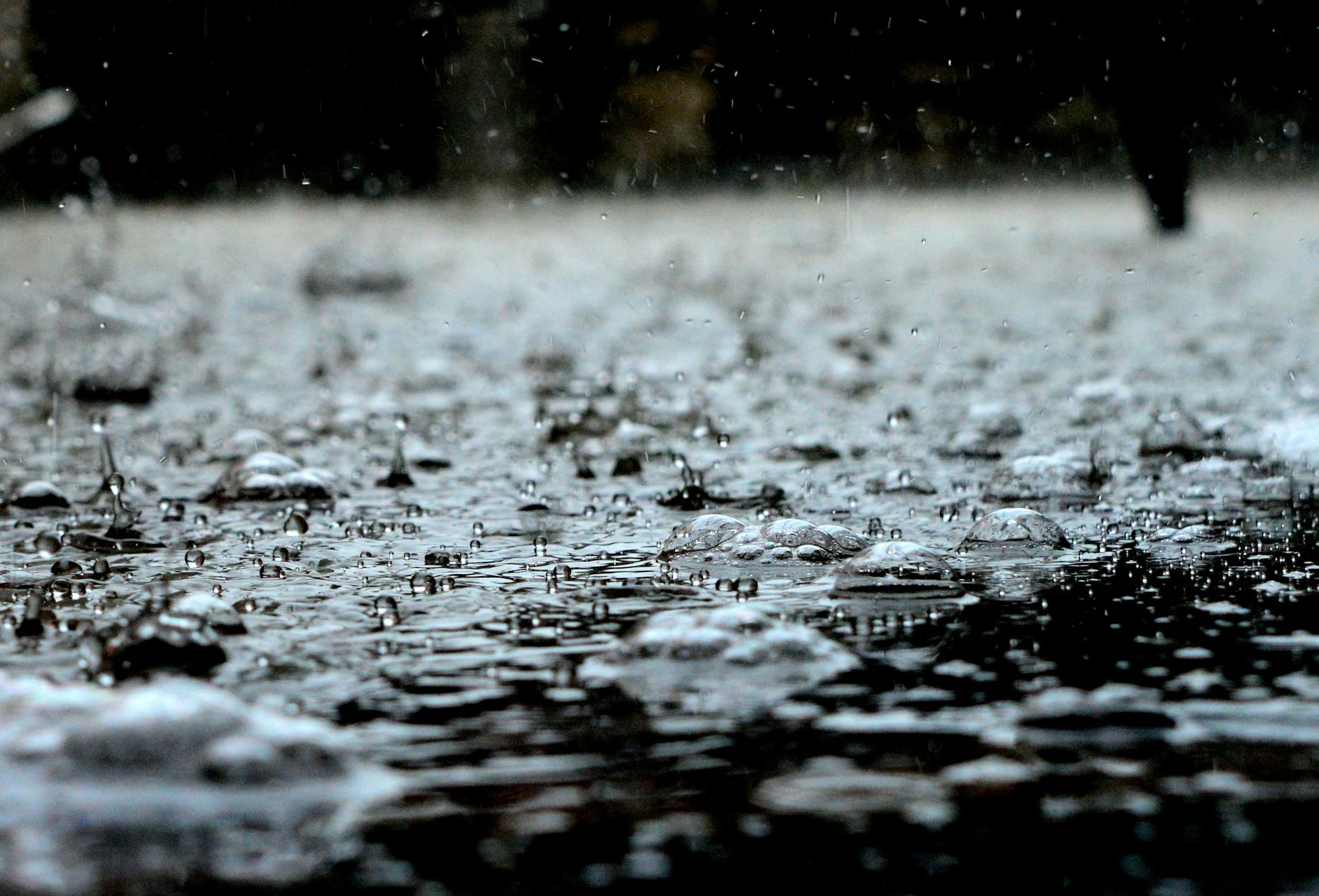
    Too often nowadays, we allow rain—sometimes snow, but mostly rain—to dictate our lives. A light drizzle, a steady shower, even moderate rainfall, and suddenly plans are canceled, errands postponed, or outdoor activities abandoned. We use weather as an excuse, telling ourselves, “It’s raining, so I’ll stay in today.” While safety should always come first—avoiding flooding, storms, or dangerous conditions—there’s a subtle but important distinction between genuine risk and mere inconvenience. For the most part, rain should not be a reason to halt our lives.

    Think about it: rain is a natural part of life. It falls on everyone, everywhere, and has for centuries. Yet in modern culture, it is often treated as a pause button. But what if we flipped that perspective? What if we saw rain not as a hindrance, but as a condition to embrace, adapt to, and even leverage?

    History provides some of the most compelling evidence for why we should not let rain stop us. Many significant events, moments that shaped nations and societies, occurred under rainy or overcast skies. Take D-Day, for instance. The Allied invasion of Normandy on June 6, 1944, was originally planned for earlier dates, but stormy conditions and rough seas forced a delay. On the day of the invasion, the weather was far from ideal—overcast skies, choppy waters, and intermittent rain challenged the troops and commanders alike. Yet, if they had waited for perfect conditions, the course of World War II might have been entirely different. The Allies pushed forward despite the rain, and that determination changed history.

    It’s not just military history that demonstrates the power of embracing adverse weather. Across the world, countless protests, marches, and demonstrations have taken place in rain. Think of the civil rights movement: activists often marched and protested regardless of rainfall. Their commitment wasn’t diminished by the weather; in fact, their perseverance in challenging conditions added a layer of courage and determination to their cause. The rain, rather than stopping them, became a testament to their resilience.

    Even beyond the grand scale of history, rain can have its advantages. In certain military or tactical situations, rain has served as cover, masking movement or muffling sound. On personal levels, rain can energize, refresh, and provide a change of pace. Running through a light shower, walking with an umbrella while the rain taps rhythmically on the fabric, or simply taking a moment to feel the cool drops on your skin—these experiences remind us that life doesn’t stop because the sky is gray.

    Culturally, some societies have long embraced rain as a normal part of life. In Japan, for example, rainy days are woven into daily routines. Umbrellas and raincoats are not just practical tools—they’re symbols of adapting and moving forward regardless of the weather. Similarly, in parts of Europe where rain is frequent, life continues indoors and outdoors, with people adjusting and embracing the conditions rather than treating them as an obstacle.

    The psychological benefits of not letting rain stop us are profound. Waiting for ideal conditions can foster procrastination, indecision, and unnecessary hesitation. By choosing to act despite the rain, we cultivate resilience and flexibility. We learn that not every challenge is a barrier—sometimes it’s merely a condition to work around. This mindset extends beyond weather; it prepares us for life’s unpredictabilities, teaching us to move forward even when circumstances are less than perfect.

    There’s also a creative angle. Writers, artists, and thinkers throughout history have found inspiration in rainy weather. The atmosphere, the rhythm of raindrops, the muted light filtering through clouds—these elements have sparked imagination, reflection, and insight. By avoiding rain, we risk missing moments of beauty and inspiration that only occur under its influence.

    Of course, this is not a call to recklessness. Safety is paramount, and there are times when rain is truly dangerous: storms, flooding, slippery conditions, or lightning. But when the weather is simply wet, inconvenient, or gray, it should not become a reason to halt our lives. By stepping out into the rain, we reclaim agency over our decisions and our time. We take control of how we respond to circumstances, rather than letting external conditions dictate our actions.

    So, the next time it rains, consider stepping outside instead of staying in. Walk, run, ride, or simply observe the world through a window while feeling the rain’s presence. Recognize that throughout history, people have accomplished incredible feats in rainy conditions. They did not wait for ideal weather—they acted, adapted, and sometimes even leveraged the rain to their advantage. By embracing rain, we align ourselves with a tradition of perseverance and resilience that spans centuries.

    Rain is not an enemy. It is a natural element, a condition of life, and sometimes even an ally. Light showers, steady rains, and moderate downpours should be met not with hesitation, but with action. Life is too short to let weather determine our choices. Whether it’s achieving personal goals, completing tasks, or simply enjoying the world around us, we can learn to move forward despite the rain—and maybe even because of it.

    In short, do not let rain stop you. Step out, push forward, and embrace the wet and the gray. History shows that those who moved despite the rain made a difference. And in our own lives, we can do the same. Rain is not a pause button—it is an invitation to resilience, adventure, and growth.

  • Finding Hope Through Hurt: A Reflection on the Manhattan Shooting

    Finding Hope Through Hurt: A Reflection on the Manhattan Shooting

    On the evening of July 28, 2025, a tragic event unfolded in Midtown Manhattan, forever altering the lives of many. A shooting at 345 Park Avenue claimed the lives of four people, including a beloved New York City police officer, Officer Didarul Islam, who was serving to protect others. While the pain of this loss weighs heavily on the hearts of those directly affected, it also serves as a powerful reminder of the strength, resilience, and kindness that exists within our community, even in the darkest of times.

    In moments like these, it’s easy to feel overwhelmed by the sorrow and uncertainty that tragedy brings. It’s hard not to wonder how such a senseless act of violence can occur, especially in a city as familiar and bustling as New York. Yet, even in the midst of grief, we must hold on to the hope that together, we can find a way through the hurt.

    One of the most inspiring aspects of this tragedy is the story of Officer Islam himself. A man who, despite knowing the risks of his job, chose to protect others with unwavering courage. He gave his life so that others might live, a reminder of the extraordinary sacrifices so many first responders make each day to keep us safe. His legacy will not be defined by the violence that took him, but by the love he had for his family, his community, and his city.

    While it is important to acknowledge the pain, it is equally important to recognize the ways in which we come together in times of crisis. In the aftermath of the shooting, New Yorkers have once again shown their strength, offering support to those who were affected and coming together as one community. The NFL and its employees are rallying around one of their own who was injured in the attack, and local law enforcement has continued to show unwavering dedication to keeping us safe.

    This is what we must hold on to. In the face of sorrow, there is also kindness. In times of fear, there is hope. We have seen it time and time again in New York, where, no matter what happens, the city unites to support each other. This tragedy may have shaken us, but it will not break us. We will rise above the hurt, and in the process, we will be reminded of the deep connections we share with one another.

    In the days and weeks to come, it’s essential that we continue to lean on each other. Whether through a kind word, a helping hand, or simply standing together in solidarity, we can each play a part in healing. Though it may feel like a dark time now, we can take comfort in knowing that we are not alone. We will get through this, just as we’ve gotten through past challenges—together.

    As we reflect on the lives lost, let’s also remember to celebrate the goodness around us: the courage of those who protect us, the compassion of our neighbors, and the strength of our collective spirit. We are more than the pain we experience. We are defined by how we come together in the face of adversity, how we lift each other up, and how we move forward with hope, even in the darkest of times.

  • Slam Sunday: Post 8 – “The House Is Burning”

    Slam Sunday: Post 8 – “The House Is Burning”

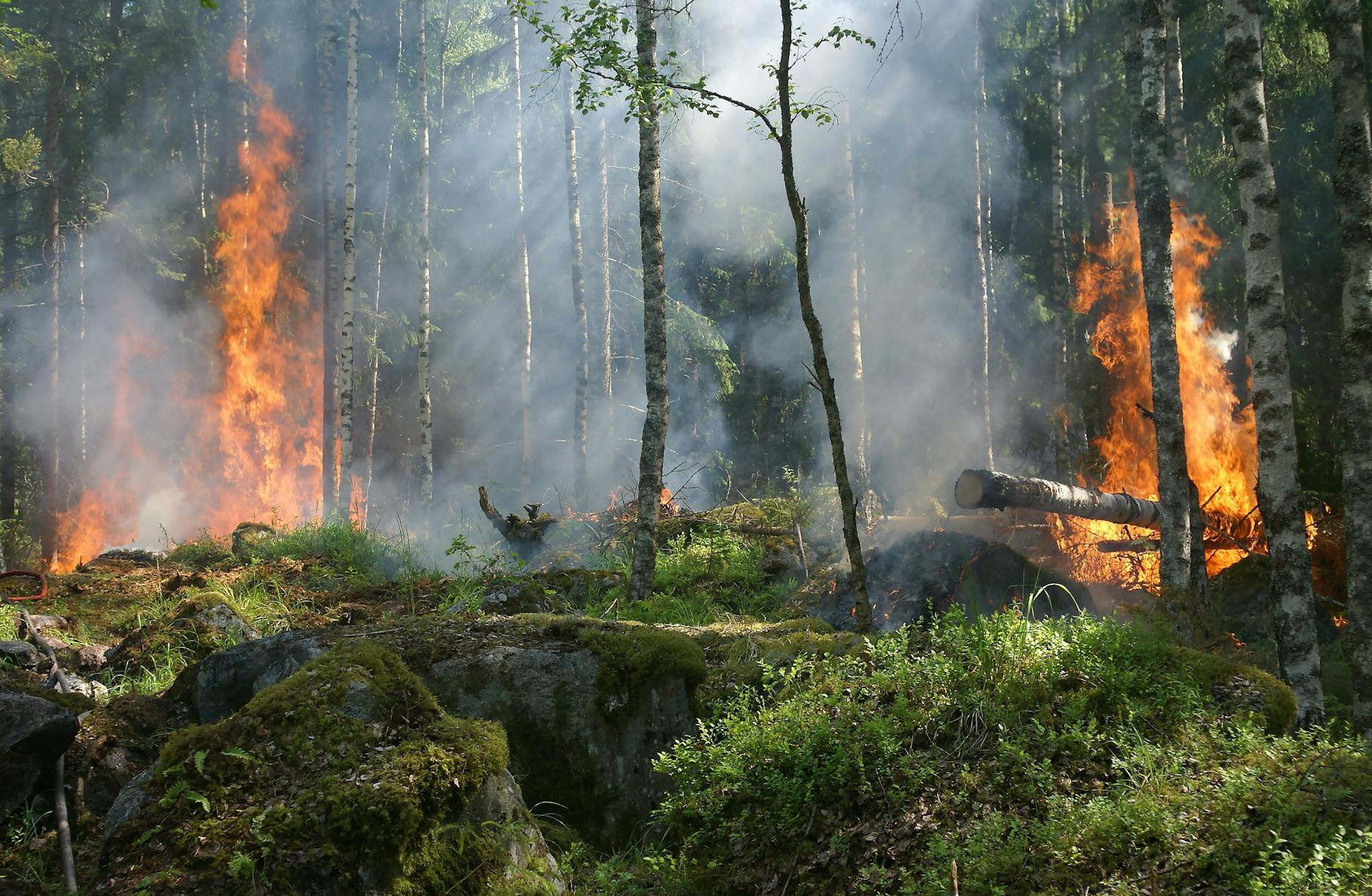
    This week, as wildfires scorch continents and the planet’s fever spikes higher, the urgency of climate justice has never been clearer. Meanwhile, heat waves, droughts, and displacement remind us: the climate crisis is a crisis of inequality, of power, of ignored warnings. “The House Is Burning” is a fierce, unapologetic slam poem that channels the panic, the blame, the grief—and the fierce demand for action. It’s a call not just to notice the flames, but to fight the arsonists still stoking them.


    The House Is Burning

    Listen up,
    the house is burning—
    and no, it’s not just smoke on the horizon,
    it’s the crackling roar beneath your feet,
    the searing breath of a world betrayed.

    They sold us a future
    wrapped in plastic promises and empty lies,
    peddling poison like it’s progress,
    while glaciers wept and forests screamed—
    the price tag: our children’s air, their water, their tomorrow.

    Heat waves like a fist pounding on the door,
    droughts carving scars across the skin of the earth,
    and floods swallowing neighborhoods whole—
    nature’s fury isn’t random, it’s a reckoning.

    And who’s to blame?
    The CEOs counting profits in a rising sea,
    the politicians kissing fossil fuel lips,
    the corporations burning coal like it’s holy scripture—
    all while the poor, the frontline,
    the marginalized choke on their smoke-filled lungs.

    But we won’t stay silent,
    won’t watch the ashes pile higher,
    won’t bow to the pyromaniacs of greed.

    This is resistance—
    not just trees and rivers, but voices rising like wildfire,
    marches, laws, divestments, rebirth.

    The house is burning,
    and we are the firefighters,
    the builders, the dreamers—
    the ones who will rise from these flames
    and build a world worthy of breath.

  • Wisdom Wednesdays #3: Let the Wound Be the Teacher

    Wisdom Wednesdays #3: Let the Wound Be the Teacher

    Our culture teaches us to avoid pain at all costs—to protect ourselves from the hurts of life. We medicate, distract, and suppress anything that feels uncomfortable. But what if our wounds are not things to be ashamed of, but instead opportunities for growth?

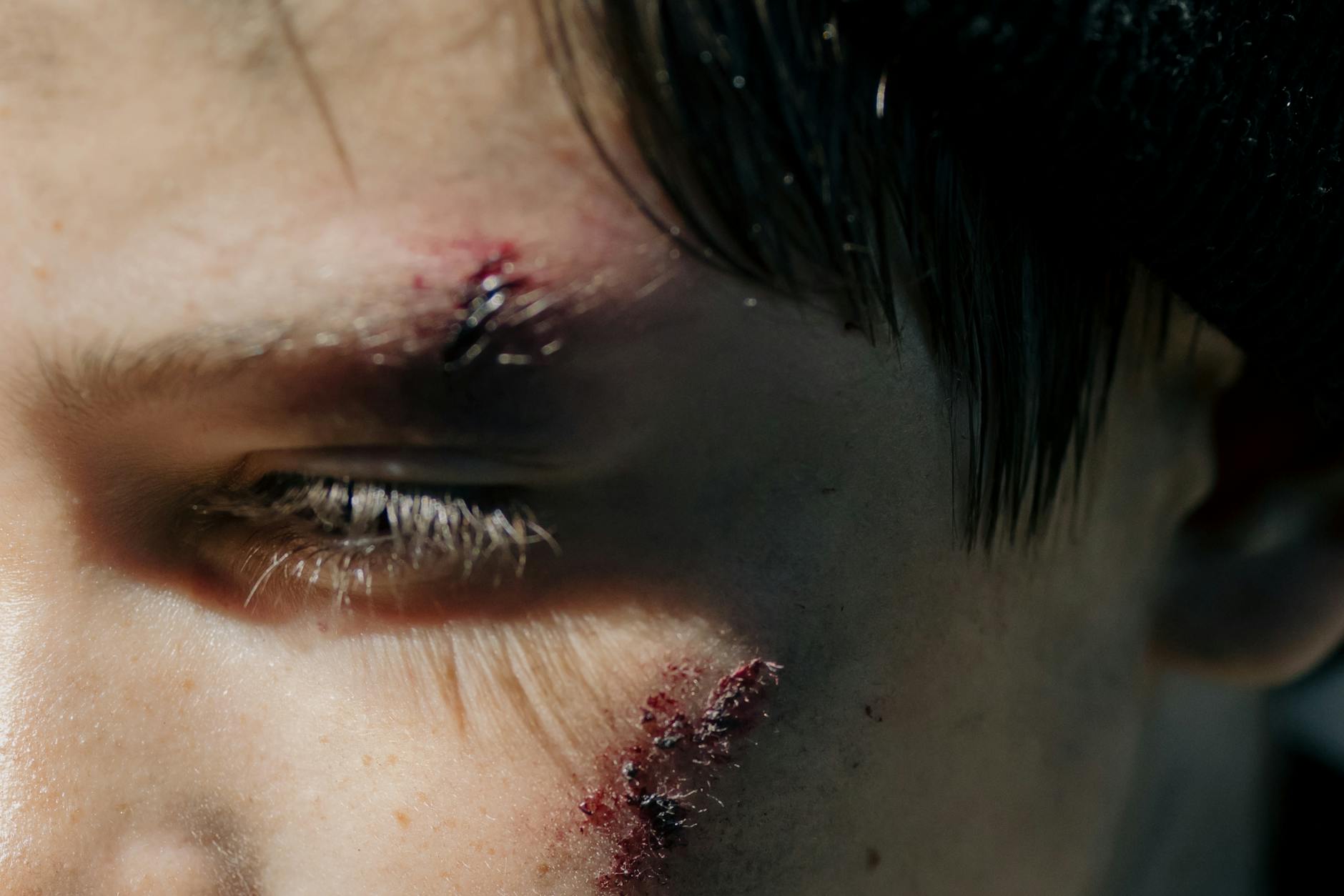
    Every wound, whether emotional or physical, has the potential to teach us something profound. It’s in our deepest pain that we often learn the most about ourselves. The scars of our past are not marks of failure, but symbols of resilience.

    Consider the idea that every painful experience we face—be it a betrayal, a loss, or a mistake—has something to teach us. In the aftermath of a difficult experience, we have the choice to reflect, to grow, and to change. The key lies in how we choose to approach the wound.

    Rather than avoiding or numbing the pain, try sitting with it for a moment. What does it reveal about you? What patterns are emerging? How can this experience help you grow stronger, wiser, and more compassionate?

    The road to healing is not linear—it’s messy, raw, and often difficult. But in this very messiness, there is profound wisdom. As you face your wounds, remember that they are not here to break you, but to teach you.

    Each wound is a lesson. Let it be your teacher.