
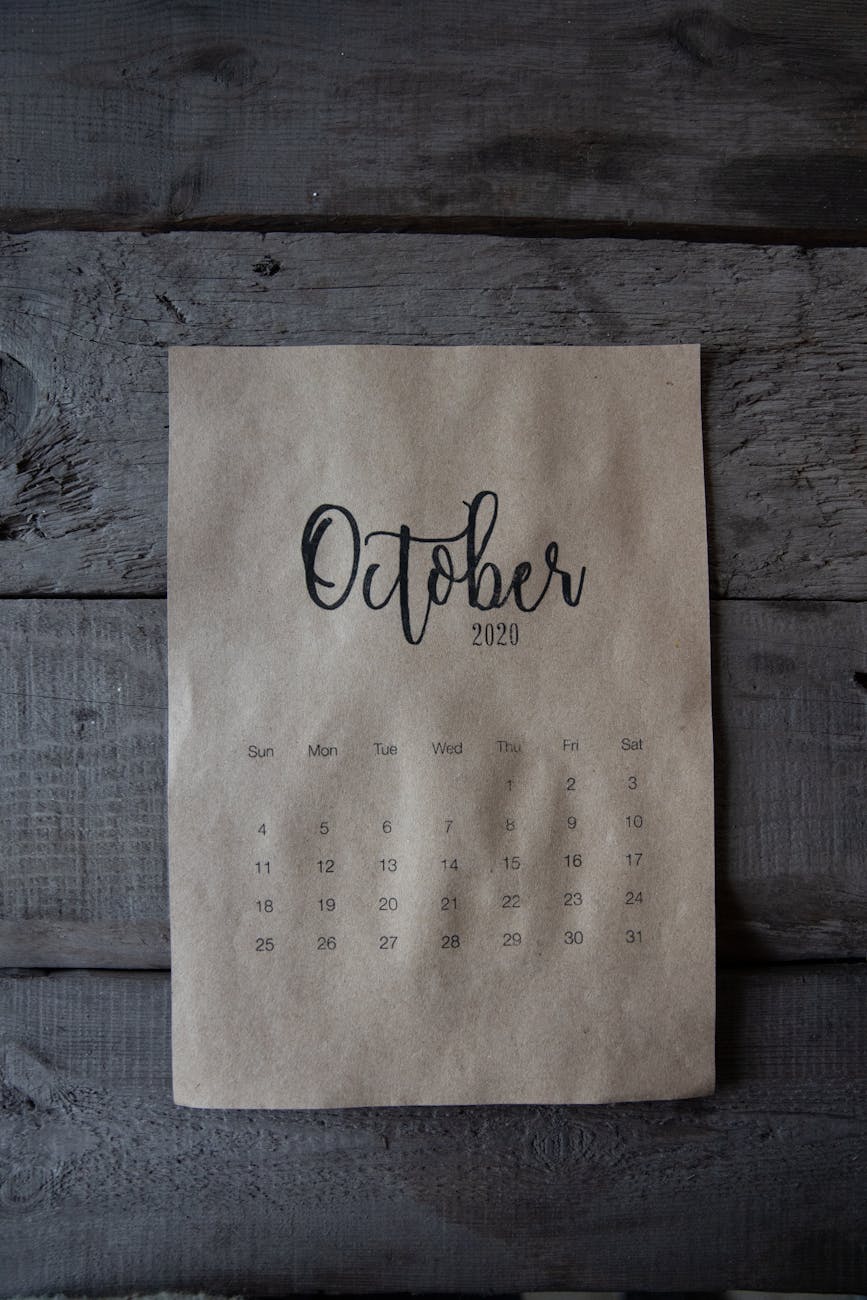
October 3rd has, strangely and beautifully, become one of the most iconic dates in pop culture. Unlike other “fan holidays” that get created artificially or through marketing campaigns, October 3rd has significance for two completely different fandoms that, at first glance, could not be further apart: Mean Girls and Fullmetal Alchemist. On one side, we have a 2004 teen comedy film that satirizes high school cliques, social hierarchy, and the pressures of fitting in. On the other side, we have a profound Japanese manga and anime series that deals with grief, war, science, morality, and the consequences of human ambition. Both of them, in their own ways, marked October 3rd as important. This overlapping coincidence has created a fascinating cultural phenomenon where fans online celebrate the day with memes, tributes, essays, and endless callbacks. October 3rd has become a “double holiday,” a day when two worlds—fetch pink and philosophical alchemy—come together.
In Mean Girls, October 3rd is immortalized through a single, simple line. Cady Heron, the protagonist, narrates that “On October 3rd, he asked me what day it was.” She’s talking about Aaron Samuels, the popular boy she has a crush on. The humor and charm of the line is that it’s so mundane. It isn’t a dramatic confession of love, or an important milestone, but rather a trivial detail. Yet that is precisely what makes it so powerful: many of our most memorable teenage experiences are not grand declarations, but little, seemingly random interactions that become engraved in memory. Fans latched onto this line as something deeply relatable. Everyone remembers that one ordinary exchange that suddenly became special because of who said it, or how it made us feel. October 3rd in Mean Girls represents that teenage longing, the way a simple conversation can feel like a moment of destiny. Over time, fans turned it into a holiday, and every year, the internet becomes awash with pink-colored memes, GIFs, and tweets declaring “It’s October 3rd!”
On the other side of the cultural spectrum, October 3rd plays a very different role in Fullmetal Alchemist. The date has weight, gravity, and deep sorrow. Edward and Alphonse Elric, two brothers who broke the laws of alchemy in a desperate attempt to resurrect their mother, suffer devastating consequences: Edward loses his arm and leg, and Alphonse loses his entire body, his soul tethered to a suit of armor. In order to move forward with their lives and commit fully to their journey to restore what they lost, they burn down their childhood home on October 3rd. This act is symbolic. They are erasing the possibility of ever returning to the life they once had. Edward even engraves the date—“Don’t forget 3.Oct.10”—on his State Alchemist pocketwatch, a constant reminder of the sacrifice, the pain, and the commitment they made.
What’s fascinating is how different these two uses of October 3rd are, and yet how similar they feel when filtered through the lens of fandom. In one case, October 3rd is a sweet, nostalgic memory of teenage infatuation. In the other, it is a solemn vow tied to grief and responsibility. And yet both share the same root: memory. For Cady, October 3rd is worth remembering because of the boy she liked. For Edward, October 3rd is worth remembering because of what he lost and what he swore never to forget. Both works understand that humans often attach significance to dates as markers of who we are and where we’ve been. Whether trivial or tragic, these markers give us a way to frame time, to make sense of life’s chaos.
This duality is also a reflection of why fandom culture loves anniversaries and dates. Fans are always looking for points of connection, touchstones that can bring people together. When October 3rd rolls around, fans of Mean Girls and Fullmetal Alchemist flood the internet with tributes. Sometimes they are separate: pink-themed posts about Cady Heron and Aaron Samuels on one side, somber references to the Elric brothers on the other. Sometimes, though, they cross over, and that’s where the internet magic happens. You’ll see memes of Edward Elric wearing pink on Wednesdays, or Aaron Samuels holding a Philosopher’s Stone. These crossovers are not just silly—they’re examples of how digital culture allows fans to stitch together unrelated works into a shared tapestry of meaning.
What’s also interesting is how both fandoms reflect on growing up, though in radically different tones. Mean Girls is about the social battles of adolescence: the insecurities, the cliques, the desperate need to belong. Its October 3rd moment is lighthearted, almost comedic, but beneath the joke is a reflection of how awkward teenage years are navigated. Fullmetal Alchemist, meanwhile, is about the forced maturity of children who experienced tragedy far too young. Its October 3rd moment is heavy, brutal, and about moving on when you are not ready to. Both capture the theme of transitions—of life forcing you forward whether you like it or not.
Why, then, has October 3rd resonated so strongly with audiences worldwide? Part of the answer lies in the universality of marking time. People everywhere love rituals, and in a digital age, fandom rituals become collective experiences. October 3rd is not just a fandom date; it’s a digital holiday. Just as May 4th has become Star Wars Day (“May the Fourth be with you”), October 3rd has carved its own place as a day where people all over the world know exactly what it means to certain fans. The fact that it unites two very different kinds of fandom only makes it more powerful.
Consider how the internet itself has amplified October 3rd. In 2004, when Mean Girls first came out, fandom was more localized—people might have quoted lines with friends at school, but the idea of a collective October 3rd celebration wasn’t widespread. By the late 2000s and early 2010s, social media platforms like Tumblr, Twitter, and Facebook gave fans spaces to amplify the significance of the date. Similarly, Fullmetal Alchemist fans, who had always viewed October 3rd as meaningful because of the manga and anime, found new audiences who could engage with that symbolism. Over time, the convergence of these two fandoms created a snowball effect: now, every October 3rd, the date trends worldwide.
There is also something beautiful about how two pieces of media from such different cultures—an American teen comedy and a Japanese anime—ended up connected this way. It shows how storytelling transcends geography. Both films and anime are deeply local in their origins—Mean Girls satirizes American high school culture, while Fullmetal Alchemist is steeped in Japanese perspectives on grief, morality, and war. And yet both ended up speaking to global audiences. October 3rd, then, becomes a cross-cultural bridge, a reminder that art can unify people in unexpected ways.
Another angle worth exploring is how fans themselves project meaning onto dates. It’s not the creators of Mean Girls or Fullmetal Alchemist who told us, “Celebrate October 3rd every year.” That was fans, taking ownership of the story, carving rituals into the calendar. This fan-driven appropriation of dates is a kind of cultural authorship, a way of saying, “This moment mattered to us, and we’re not going to let it fade.” The phenomenon of October 3rd demonstrates how audiences can keep media alive long after release. Mean Girls could have remained just another 2000s teen comedy. Fullmetal Alchemist could have remained just one more shonen anime among many. But because of fandom, they are eternal.
Critically, we can also see how October 3rd has evolved into not just a fandom holiday, but a point of intergenerational connection. Younger fans discovering Mean Girls on streaming platforms still laugh at the October 3rd line, while older fans remember seeing it in theaters. Similarly, new viewers of Fullmetal Alchemist: Brotherhood still gasp at the Elric brothers’ decision to burn their home, while older fans recall reading the manga chapter as it was released. October 3rd creates continuity, a shared moment where old and new fandoms meet.
Memes and social media jokes aside, there is something deeply human about needing to remember. Both Mean Girls and Fullmetal Alchemist capture that instinct. Cady remembers October 3rd because it felt important to her heart. Edward remembers October 3rd because it defined his life’s path. And we, as audiences, remember October 3rd because both stories taught us that dates, however arbitrary, become sacred when tied to emotion.
So every October 3rd, the internet turns pink and silver, fetch and alchemy. Some fans will laugh about Aaron Samuels asking what day it is. Others will post images of Edward Elric’s pocketwatch with “Don’t forget 3.Oct.10.” And some will do both, creating mashups that honor how strange and wonderful it is that two different works, from two different continents, gave us the same date to hold onto.
And perhaps that is the ultimate lesson of October 3rd: memory doesn’t need to be monumental to matter. A crush asking the date, or two brothers burning their home, both mean something because they remind us of what it feels like to be alive, to want, to lose, to move forward. Whether we laugh with Cady or cry with Edward, October 3rd has become a vessel for remembering, together.