
The Musings of Jaime David
@jaimedavid.blog@jaimedavid.blog

The writings of some random dude on the internet

1,089 posts
1 follower

Tag: Sanji

  • The Wildly Absurd (and Hilariously Toxic) Zoro vs. Sanji Rivalry

    The Wildly Absurd (and Hilariously Toxic) Zoro vs. Sanji Rivalry

    One Piece is a story about friendship, dreams, and sailing across the seas to find the world’s greatest treasure. But if you spend any amount of time in the fandom, you’ll discover that the real One Piece isn’t the treasure at Laugh Tale—it’s the endless war between Zoro fans and Sanji fans. Forget the World Government, forget the Yonko, forget the void century. The most heated, emotionally charged battle in the community is over which fictional pirate sidekick is “better.”

    And honestly? It’s both ridiculous and hilarious.


    More Than Just Characters, They’re Personality Tests

    On the surface, Zoro and Sanji are foils. Zoro is the stoic swordsman with iron discipline, while Sanji is the passionate chef who wears his heart (and his cigarette) on his sleeve. But somewhere along the way, fans stopped seeing them as just characters—they became avatars of identity.

    • Zoro fans see themselves in his no-nonsense grind, his dedication, and his lone-wolf masculinity.
    • Sanji fans latch onto his flair, his emotional intelligence, and his willingness to break rules for love or compassion.

    The result? Choosing a side feels like defending your own worldview. Suddenly it’s not just “Zoro vs. Sanji”—it’s “my values vs. your values.”


    A Rivalry Fueled by Projection

    This is where things get absurd. Fans project so much onto these two that every narrative moment turns into ammo for online warfare. Did Sanji land a flashy kick? Proof he’s more versatile. Did Zoro cut down a mountain? Proof he’s the ultimate powerhouse.

    Meanwhile, Oda sprinkles in comedic clashes between them—Zoro and Sanji insulting each other, trading blows, but always coming together when it matters. The irony is that in the story, their rivalry is both lighthearted and respectful. But in the fandom? Respect goes out the window faster than Sanji chasing after Nami.


    Masculinity, Loyalty, and Overthinking Fictional Men

    One of the funniest (and wildest) parts of this rivalry is how deeply fans dissect what these two mean. Zoro is painted as the “real man”—unflinching, loyal, and disciplined. Sanji, on the other hand, is framed as the “complex man”—emotional, chivalrous, conflicted.

    Instead of just enjoying the contrast, debates spiral into shouting matches over which model of masculinity is “superior.” It’s like people are fighting an academic battle over the philosophy of being a man, except with reaction memes and badly cropped manga panels.


    The Internet Turns Banter Into Tribal Warfare

    Let’s be honest: this rivalry would not be nearly as explosive if not for social media. On Twitter, Reddit, and YouTube comment sections, every disagreement mutates into tribal warfare. Fans plant their flags: “Team Zoro” or “Team Sanji.” Nuance dies, memes are weaponized, and people act like they’re defending their homeland in a fictional pirate war.

    It’s absurd. It’s chaotic. And it’s also… kind of beautiful? Because only in One Piece fandom can something so silly feel so serious.


    The Actual Takeaway (That Nobody Wants to Hear)

    Here’s the kicker: the rivalry is actually one of the best parts of One Piece. Zoro and Sanji are written to balance each other, to push each other, and to give the crew a spark of humor and drama. Their differences enrich the story. Their mutual respect, though often hidden under insults, makes their bond more meaningful.

    The toxicity? That’s not on them. That’s on us. Fans turn admiration into tribalism, and suddenly we forget that Zoro and Sanji are on the same crew. They’d fight side by side against any enemy—yet fans fight each other harder than Kaido and Big Mom ever did.


    Laughing at the Madness

    At the end of the day, the Zoro vs. Sanji rivalry is absurd, hilarious, and a little bit insane. But maybe that’s what makes fandom fun—the fact that people can get so worked up over two fictional men with radically different hairstyles.

    So the next time you see a comment section meltdown about who’s stronger, take a step back. Laugh at the madness. Remember that both characters bring something essential to One Piece. And maybe, just maybe, stop treating this rivalry like it’s the Final War.

    Because let’s be real—Luffy wouldn’t care who’s stronger. He just wants everyone to get along and eat meat.
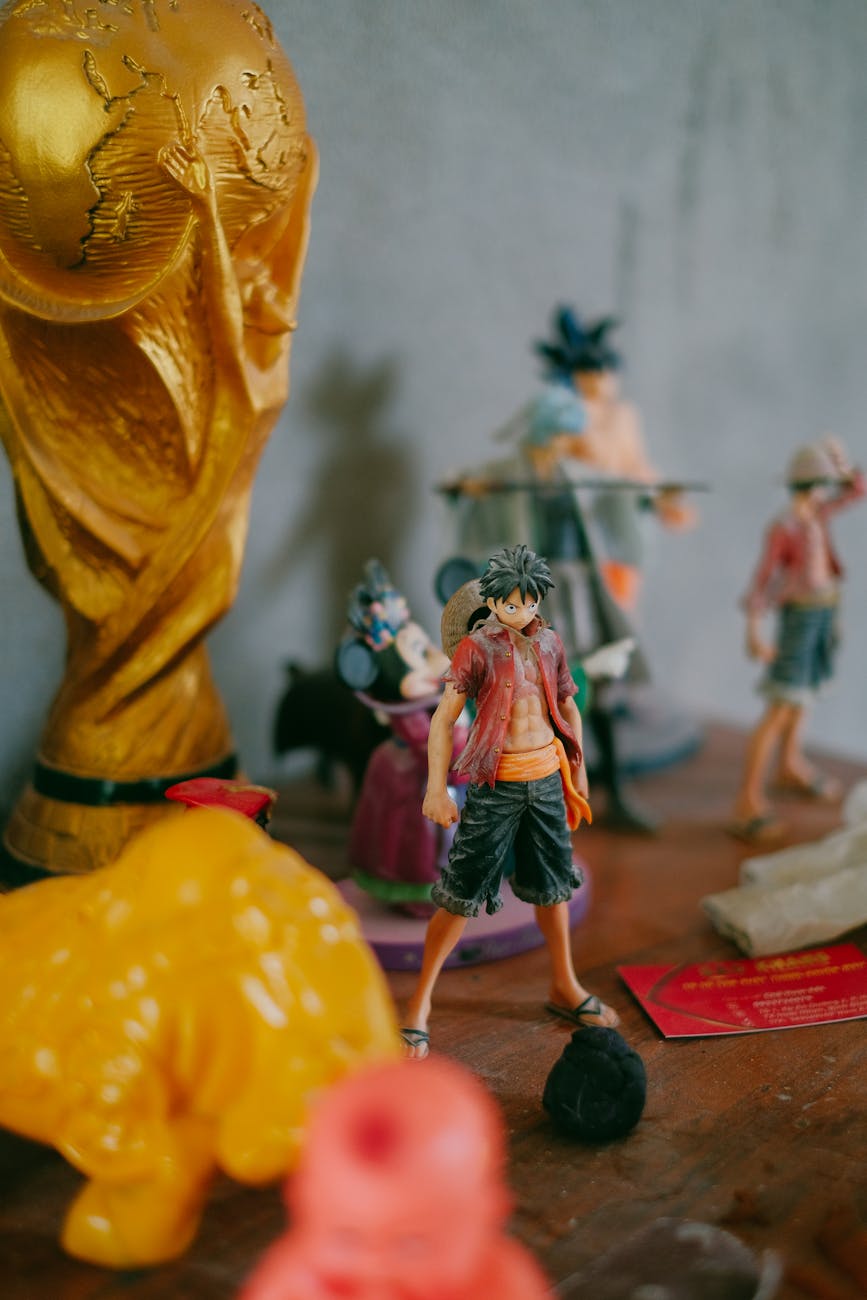

  • Laugh Tale, Luffy, and the Ultimate Plan: Why He Won’t Laugh and How the World Will Change

    Laugh Tale, Luffy, and the Ultimate Plan: Why He Won’t Laugh and How the World Will Change

    Laugh Tale has always been shrouded in mystery. It is the final destination of the Grand Line, the place where Gol D. Roger and his crew supposedly laughed at the absurdity of what they found. But that laughter itself is a narrative clue—it shows that even Roger and his crew could not fully comprehend the riddle of the world’s history. Roger laughed because he didn’t understand. The riddle was cryptic, layered, and designed to challenge even the greatest minds. Rayleigh reinforced this when he described Laugh Tale, suggesting that even the Straw Hats might struggle to understand the full truth when they arrive.

    This is where Luffy flips expectations. Unlike Roger, Luffy does not laugh. He interprets the riddle through his instincts, his gut, and his straightforward approach to life. While everyone else overanalyzes, dismisses, or laughs at the message, Luffy immediately grasps the truth of what must be done. This is Luffy’s story—though parallels with Roger exist, he does not mirror him. Luffy’s approach is simple, direct, and uniquely suited to acting on the absurdly complex truths of the world.

    At Laugh Tale, Luffy realizes something monumental: the One Piece and the All Blue are the same. The world is not as it seems, and in order to make this dream a reality, monumental structures must be reshaped. Reverse Mountain and the Red Line, theorized to be partially manmade, stand as obstacles. Luffy conceives an audacious plan: destroy Reverse Mountain and destabilize the Red Line, creating the conditions for the One Piece and the All Blue to exist fully.

    The Mechanics of the Plan

    The plan relies on three critical pieces: Pluton, Blackbeard, and Akainu.

    1. Pluton – Reconstructed from memory by Franky at Laugh Tale, Pluton becomes the ultimate tool for delivering a controlled strike to Reverse Mountain. Its construction on Laugh Tale, itself theorized to be manmade, allows Franky to build it with the precision necessary for the plan.
    2. Blackbeard – Using the Gura Gura no Mi, Blackbeard destabilizes Reverse Mountain, creating the initial cracks. The immense destructive force must be carefully channeled; one mistake could destroy more than intended.
    3. Akainu – His magma powers fill the cracks created by Blackbeard, further weakening the structure in a controlled manner. Luffy anticipates Akainu’s pursuit—he knows Akainu will not let the Straw Hats escape and will act predictably.

    Once these steps are executed in order, Pluton delivers the final, precise blow, collapsing Reverse Mountain without harming Laboon or causing catastrophic damage. The order is critical—one misstep and the plan fails.

    For the Red Line, the final battle unfolds above Mary Joa. Luffy, Akainu, Blackbeard, and Imu clash with such force that the Red Line itself destabilizes. Luffy’s raw power and willpower deliver the final strike, toppling the structure. The combined actions of his opponents amplify the destruction, reshaping the world in a climactic, narrative-fitting way.

    The Emotional Weight: Luffy, Sanji, and the Shared Dream

    While the mechanics are complex, the emotional core is even more powerful. Sanji, witnessing Luffy’s plan, realizes simultaneously that their dreams align: the One Piece and the All Blue are one and the same. For so long, without realizing it, they’ve been chasing the same dream. While the rest of the crew reacts with shock, thinking Luffy’s plan sounds absurd, Sanji immediately understands. In that moment, he becomes Luffy’s sole defender—not only supporting Luffy but defending both of their dreams. Luffy doesn’t need everyone to believe—he only needs one, and Sanji is perfect for the role.

    This moment also flips narrative expectations. Roger laughed at Laugh Tale because he didn’t understand the riddle. Luffy does not laugh because he does. Where the past generation could only see absurdity, the next generation acts decisively. It’s not about mirroring Roger—it’s about surpassing him, interpreting the world in a way uniquely suited to Luffy’s perspective.

    Narrative Significance

    Laugh Tale, therefore, is not just the end of the Grand Line. It is where the emotional, philosophical, and tactical threads of the story converge. Luffy and Sanji, through instinct and alignment of dreams, become the agents of change. The plan to destroy Reverse Mountain and destabilize the Red Line is audacious, requiring precise coordination between Pluton, Blackbeard, and Akainu. Yet the emotional stakes—the shared understanding of what the world must become—make this more than a mechanical feat. It is the culmination of years of narrative buildup, the point where the Straw Hats, the truths of the world, and the dreams of the next generation converge.

    Laugh Tale, the manmade island, becomes the ultimate stage for transformation. The One Piece and All Blue converge in meaning, structure, and story, and through Luffy’s unerring instinct, the absurd becomes actionable. Luffy does not laugh. He acts. And through him, the world begins its greatest change.

  • The Moment Zoro and Sanji’s True Bond Could Be Revealed

    The Moment Zoro and Sanji’s True Bond Could Be Revealed

    For years, fans of One Piece have been entertained by the rivalry between Zoro and Sanji. Their constant bickering, insults, and competitive antics are a defining feature of the Straw Hat dynamic. On the surface, it seems like they simply don’t get along. But for those paying close attention, subtle hints have always suggested that this rivalry masks something deeper—a bond of respect, care, and shared purpose. Now, imagining the endgame, it’s easy to see how Oda could deliver one of the most emotionally powerful moments in the series: a scene where Zoro and Sanji’s true bond is revealed.

    Picture a pivotal moment in battle or crisis. One of them is badly injured—seriously, though not necessarily fatally. The stakes are high, the tension unbearable. And for the first time, the usual insults, sarcastic jabs, and teasing vanish. In this vulnerable state, one of them turns to the other and says something like:

    “If I don’t make it… just know, I always cared about you, brother.”

    The other, equally affected, responds:

    “I cared about you too… partner.”

    A single, quiet exchange like this would completely redefine their relationship for viewers. Fans who have only witnessed the surface-level rivalry would be stunned, finally realizing that all the teasing and conflict was a mask for mutual care. Meanwhile, those who have been studying the subtle hints—their coordinated teamwork, moments of concern, and acts of sacrifice—would see it as a natural, deeply earned moment, a confirmation of what they’ve long suspected.

    This imagined scene works on multiple levels. Emotionally, it would hit hard, delivering a rare moment of vulnerability between two of the crew’s strongest and most stoic members. Narratively, it would validate all the subtle cues Oda has placed throughout the series: Zoro’s unwavering trust in Sanji during battle, Sanji’s protective instincts, and the ways in which they complement each other’s strengths. The scene would also reinforce their hidden dreams: Zoro’s desire to inspire and Sanji’s drive to nurture and connect, now expressed not only in their contributions to Luffy’s vision, but directly toward each other.

    Psychologically, it makes perfect sense. Intense emotions, whether expressed as love or conflict, often occupy the same space. The “hate” fans have watched for years is really intense care and investment. By showing them acknowledge each other in a moment of vulnerability, Oda would be making this invisible bond visible, rewarding viewers who noticed the hints while shocking those who only watched the surface.

    Moreover, this scene would become an iconic moment for the Straw Hat crew. It’s not just about Zoro and Sanji—it’s a statement about the nature of bonds forged through shared purpose and emotional intensity. Their rivalry has always been a mechanism to push each other to their best, and seeing them openly acknowledge that would tie perfectly into the broader theme of Luffy’s universal dream: connection, friendship, and the power of people bringing out the best in each other.

    In conclusion, a moment like this—where Zoro calls Sanji “brother” and Sanji calls him “partner,” free of insults or teasing—would be a masterstroke of storytelling. It would reward attentive fans, shock casual viewers, and crystallize a subtle, years-long narrative arc. The rivalry between Zoro and Sanji has never been just about jokes or surface conflict; it has always been about mutual respect, care, and the desire to see each other succeed. A scene like this would finally make that explicit, giving fans a deeply emotional and satisfying payoff that has been decades in the making.

  • Zoro and Sanji: When Rivalry Reveals Brotherhood and Hidden Alignment

    Zoro and Sanji: When Rivalry Reveals Brotherhood and Hidden Alignment

    At first glance, the rivalry between Zoro and Sanji in One Piece seems straightforward. They bicker constantly, insult each other at every turn, and engage in a kind of competitive sparring that makes it seem like they simply don’t like one another. Many fans take it at face value, chalking it up to conflicting personalities or comedic relief. Zoro is stoic, disciplined, and blunt, while Sanji is flamboyant, theatrical, and emotionally expressive. The surface-level tension makes it easy to assume antagonism. But if we look deeper, a far more interesting truth emerges: their rivalry is not actual conflict. It’s a window into a profound emotional and narrative alignment, a form of brotherly love expressed through intensity, challenge, and mutual growth.

    One of the keys to understanding this dynamic lies in their hidden dreams. Zoro’s secret dream goes beyond simply becoming the greatest swordsman. While that goal is tied to his promise to Kuina and his personal ambition, beneath it lies a deeper purpose: to inspire others. Zoro’s mastery of the sword is a vehicle for encouraging people to pursue their own dreams, challenge stereotypes, and realize their potential. Sanji’s hidden dream, on the other hand, goes beyond finding the All Blue. While the All Blue represents a culinary paradise, the deeper layer is about connection, nourishment, and fostering unity. Through his food and care, Sanji enables people to live, thrive, and engage fully with the world around them. Both hidden dreams, though different in method, contribute to Luffy’s ultimate vision: a network of global friendship and connection.

    The rivalry gains a new dimension when we consider this: Zoro and Sanji’s hidden dreams are fundamentally about helping people be their best. Zoro inspires excellence through strength and discipline; Sanji fosters excellence through care, support, and nourishment. On the surface, their interactions look combative, but the underlying reality is that they are pushing each other to reach their fullest potential. Every insult, challenge, or teasing remark is an unconscious mechanism to make the other stronger, sharper, and more capable. Their so-called “hate” is actually a profound expression of mutual investment and respect.

    Psychology helps explain this. There’s a well-known principle that intense emotions—whether negative or positive—are often two sides of the same coin. Love and hate can coexist when deep investment is present. Zoro and Sanji’s surface-level animosity reflects intense care and engagement. They notice each other’s strengths and weaknesses, and the emotional energy that manifests as rivalry is the same energy that binds them to the crew, Luffy, and the larger mission. It’s brotherly in nature: challenging, sometimes abrasive, but fundamentally rooted in shared purpose and loyalty.

    The narrative reinforces this repeatedly. In moments of danger or high stakes, Zoro and Sanji coordinate instinctively, trust each other implicitly, and support one another without hesitation. The rivalry is not wasted energy—it’s a performative layer over a deeply functional and emotional bond. Oda uses the surface-level conflict to entertain and provide tension, while the hidden alignment reinforces the thematic core of the Straw Hats’ hidden and universal dreams.

    When we connect this to the broader framework of the Straw Hats’ universal dreams, the pattern becomes even clearer. Zoro’s hidden dream of inspiring others complements Sanji’s dream of uniting and nourishing people. Both contribute different dimensions to Luffy’s ultimate vision: Zoro provides the emotional and motivational spark, while Sanji ensures people are cared for and able to participate. Their surface-level friction, then, is not a disruption of the network but a mechanism that strengthens it. Their rivalry keeps both sharp, aligned, and actively contributing to a shared mission.

    Viewed through this lens, the Zoro-Sanji dynamic transcends simple rivalry. It becomes a metaphor for cooperation through tension. Their arguments, insults, and competitions are expressions of mutual investment, shared values, and brotherly care. Every clash is a push toward excellence—each is holding the other accountable in subtle, emotionally rich ways. Their “hate” is a sign that they care deeply, that they value each other’s growth, and that they are committed to contributing to something larger than themselves.

    In conclusion, Zoro and Sanji’s rivalry is far more than comedic banter or surface-level conflict. Their hidden dreams—Zoro’s drive to inspire others and Sanji’s desire to connect and nurture—show that they are fundamentally aligned in purpose. Their apparent “hate” is actually an expression of mutual care and motivation, a brotherly push toward excellence, and a crucial part of the Straw Hats’ network of support that makes Luffy’s universal dream of friendship and connection possible. Oda’s storytelling genius lies in creating relationships where conflict and care coexist, where rivalry is a form of love, and where surface tension masks deep emotional and thematic alignment. Zoro and Sanji remind us that sometimes, the strongest bonds are the ones that challenge us the most.

  • The Hidden Thread That Connects the Straw Hats: Luffy’s True Dream

    The Hidden Thread That Connects the Straw Hats: Luffy’s True Dream

    In the world of One Piece, fans often focus on the Straw Hats’ stated dreams. Luffy wants to become Pirate King, Zoro aims to become the greatest swordsman, Sanji searches for the All Blue, Nami desires to map the entire world, and each crew member has a goal that seems personal and isolated. These ambitions drive the story forward, and on the surface, they make each character distinct and compelling. However, if you dig deeper, a fascinating pattern emerges: the Straw Hats’ hidden or secret dreams are not merely personal—they all point toward the same universal goal. Every Straw Hat’s ultimate drive, when examined through the lens of motivation and action, is about connecting people in meaningful ways. This insight reframes how we understand Oda’s narrative structure and sheds light on the hidden architecture of the crew’s endgame.

    Take Luffy, for example. His stated dream is simple and iconic: to become the Pirate King. But by now, it is clear to attentive fans that Luffy’s desire goes beyond personal glory. His secret dream is to be friends with the entire world. Luffy’s adventures are not just about treasure or notoriety—they are about building bonds, creating trust, and fostering connections. This is evident in how he approaches every interaction, whether it’s with a crew member, an ally, or even former enemies. Luffy’s charisma, unyielding optimism, and fearlessness act as the hub for a network of relationships that span the world. In essence, he is not just chasing a title; he is creating the conditions for a global web of friendship, a dream that extends far beyond the personal realm.

    Zoro, on the other hand, offers an interesting case study. His stated dream—to become the greatest swordsman—is, on the surface, a personal goal tied to Kuina, his childhood friend. But if we look closely at his character and his actions, it becomes clear that Zoro’s dream has a much broader purpose. His pursuit of sword mastery is a vehicle for something deeper: inspiring others. By achieving greatness, Zoro demonstrates the power of discipline, perseverance, and courage. He shows people that no matter what obstacles or stereotypes exist, they can achieve their own dreams. In this sense, Zoro’s hidden dream aligns perfectly with Luffy’s ultimate vision. He doesn’t just want to be strong for himself; he wants the world to see that strength can empower others to reach their potential. The sword is a symbol, but the real objective is emotional and societal connection—encouraging others to pursue their goals, break boundaries, and connect with the world in their own way.

    Brook provides another compelling example. His surface-level dream is to reunite with Laboon, the whale he left behind long ago. At first glance, this seems deeply personal—a promise to a friend and a longing rooted in nostalgia. However, Brook’s hidden dream transcends even this touching objective. His time with the Rumbar Pirates, whose lives were defined by music, joy, and celebration, planted a seed that goes far beyond personal reunion. Brook’s ultimate dream is to share music with the world, spreading the joy and emotional resonance that the Rumbar Pirates embodied. Music, in this sense, is a medium for connection, capable of bridging language, culture, and even species. Laboon is the starting point, the emotional anchor, but the universal application of Brook’s dream is global. Through his music, he unites hearts and evokes empathy, joy, and reflection, directly contributing to Luffy’s broader network of connections.

    Sanji’s dream also operates on multiple layers. His surface-level goal is the All Blue, the legendary sea where all fish converge. At first, it seems like a purely culinary ambition, a personal fantasy for a chef who loves to cook. But Sanji’s hidden dream has both a social and a practical dimension. By sharing meals, he fosters unity, joy, and interpersonal bonds, creating spaces where people can gather, share, and connect. At the same time, food is essential for survival, and by nourishing others, Sanji ensures that they can live, thrive, and engage fully in the world. In this way, Sanji’s dream supports Luffy’s universal goal on two fronts: emotionally, through shared experiences, and physically, by enabling life and health, which are prerequisites for forming meaningful connections.

    Other Straw Hats also fit this pattern. Nami maps the seas, making the world navigable and understandable, which allows people to physically reach one another. Usopp inspires courage and hope, equipping people with the emotional tools to take risks, connect, and act. Chopper heals, removing physical and emotional barriers that might prevent people from participating in relationships or alliances. Robin uncovers and teaches history, fostering empathy, understanding, and cultural connection. Franky builds ships and infrastructure, enabling exploration and safe travel across vast distances. Jinbe works to bridge divides between humans and fishmen, demonstrating that reconciliation and inclusion are possible across even the most entrenched societal boundaries.

    When viewed as a whole, a fascinating picture emerges. The Straw Hats’ dreams are nested layers: each has a surface-level personal goal, a hidden dream that expands their influence, and a universal core that ties directly into Luffy’s secret dream. This universal core is the desire to connect people—emotionally, socially, culturally, physically, and intellectually. Zoro inspires, Brook spreads joy, Sanji nourishes, Nami navigates, Usopp motivates, Chopper heals, Robin teaches, Franky enables, Jinbe reconciles, and Luffy binds it all together. Each crew member contributes a unique dimension, and together they form a network that makes global friendship and understanding possible.

    This perspective shifts the way we interpret One Piece as a narrative. The Straw Hats are not just a team of adventurers chasing personal ambitions; they are a coordinated network of forces, each complementing the others, all working toward a singular meta-goal. The personal stakes keep the story engaging and relatable, but the hidden and universal layers provide depth, thematic cohesion, and a sense of inevitability. Oda is not merely telling individual stories—he is building a framework where every character’s actions and dreams contribute to a larger, interconnected vision of global unity.

    It’s a rare insight because it is subtle and largely underexplored in fan discussions. While many fans analyze the stated or hidden dreams of individual Straw Hats, few have noticed that there is a universal dream shared by all of them. This realization transforms how we view the endgame of One Piece: it’s not just about treasure, the Pirate King title, or adventure—it’s about achieving a world where people are empowered, connected, and capable of forming meaningful relationships. The Straw Hats’ individual journeys, sacrifices, and triumphs are all instruments for creating this network of human connection.

    In conclusion, the Straw Hats’ dreams are not isolated ambitions—they are part of a carefully constructed thematic system. Each member has a personal dream, a hidden dream that broadens its impact, and a universal core that aligns with Luffy’s secret vision of friendship and connection across the world. Zoro inspires potential, Brook spreads emotional bonds through music, Sanji nourishes both physically and socially, and every other member contributes in their own way. Together, they form a network of connection, making Luffy’s dream possible. Oda’s genius lies in crafting a crew where the individual and universal intersect, creating a story that is as much about people and relationships as it is about adventure, treasure, and the seas. The Straw Hats’ hidden network of dreams is perhaps the greatest treasure of all—a blueprint for a world where everyone can reach out, connect, and be part of something bigger than themselves.

  • One Piece Food Symbolism: Luffy, Big Mom, Blackbeard & Sanji — The Meat, the Cake, the Pie, and the Chef Who Can Make It All

    One Piece Food Symbolism: Luffy, Big Mom, Blackbeard & Sanji — The Meat, the Cake, the Pie, and the Chef Who Can Make It All

    In One Piece, food transcends mere sustenance. It’s a rich, multi-layered narrative device embedded deeply into character design, world-building, thematic contrasts, and even the ideological undercurrents of the story. It shapes how characters express their identities, how their relationships evolve, and how the story’s larger social and political tensions manifest symbolically.

    This post examines the favorite foods of four key characters — Luffy, Big Mom, Blackbeard, and Sanji — revealing how the meat, the cake, the pie, and the chef serve as powerful metaphors. We’ll dive into how these foods reflect their personalities, motivations, psychological profiles, and narrative roles, and how they echo broader themes in One Piece about power, community, chaos, and harmony.


    Luffy: Meat as the Embodiment of Community, Strength, and Raw Vitality

    Luffy’s obsession with meat isn’t just a quirky character trait — it’s foundational to his representation as an everyman hero whose power comes from raw vitality and community connection.

    • Meat as Primal Nourishment: Meat, especially roasted or grilled, is one of the oldest, most primal human foods. It symbolizes raw physical strength and survival. Luffy’s love of meat aligns with his physical prowess and indomitable fighting spirit. This primal food matches his straightforward, energetic, and visceral approach to life — no overcomplication, no pretenses.
    • Meat and Social Bonding: Meat traditionally has cultural significance as a communal food shared in gatherings, feasts, and celebrations. When Luffy devours meat, it’s never just for himself — it’s an expression of fellowship and belonging. It highlights how his strength is deeply interconnected with his crew’s unity. The meat is sustenance for the body and the soul of the group.
    • No-Frills, Honest Sustenance: Unlike delicacies or processed foods, meat is simple, honest, and utilitarian. This mirrors Luffy’s childlike honesty and no-nonsense attitude. His refusal to accept fancier foods or concerns about etiquette underscores his rejection of aristocracy or elitism. Meat is the food of the people, the working class, the adventurers — all of which Luffy embodies.
    • Symbol of Protection and Leadership: In many cultures, hunters and providers who bring meat home are revered protectors of the family or tribe. Luffy is the leader who provides safety, inspiration, and motivation. The way he devours meat with joy and abandon signals his role as the vital force driving the Straw Hats forward.
    • Metaphorical “Meat” of the Narrative: Beyond food, “meat” can represent the core substance or heart of a thing. Luffy is the meat of One Piece — the narrative’s driving force and essential core. His personal energy fuels the entire story.

    Big Mom: Cake as a Symbol of Excess, Control, and Fragile Power

    Big Mom’s fixation on cake is a multi-faceted symbol deeply tied to her character’s psychological complexity and thematic role as a chaotic, tyrannical force.

    • Cake as an Object of Indulgence and Decadence: Cake epitomizes indulgence, sweetness, and celebration. But Big Mom’s obsession twists these into something monstrous — excess that becomes dangerous, childish, and violent. Her hunger is insatiable, symbolizing unchecked desire and greed. This reflects One Piece’s critique of power structures that prioritize consumption and control above all else.
    • Cake and Emotional Instability: Big Mom’s addiction to sweets is also a metaphor for emotional fragility. Cake represents comfort food, but in her case, it is a crutch for deep insecurity and childish tantrums. Her rampages triggered by sugar deprivation mirror addiction withdrawal, linking her power to vulnerability.
    • Cake as a Symbol of False Unity: Whole Cake Island represents Big Mom’s “utopia” — a forced multicultural society unified under her rule. Cake’s many layers and decorations superficially promise diversity and celebration, but its overwhelming sweetness and monotony reflect how Big Mom’s vision suppresses real diversity and enforces conformity. The cake’s uniform sweetness is a metaphor for enforced harmony at the cost of individual freedom.
    • Cake’s Ritual and Ceremony: Cake is tied to rituals — birthdays, weddings, celebrations. Big Mom’s empire is built on ceremony and spectacle, masking brutality with showmanship. Her role as a “mother” figure is grotesquely distorted; instead of nurturing, she consumes and controls, turning the symbolism of cake’s celebratory nature on its head.
    • Psychological Duality of Cake: While cake is a treat, it’s also a temporary pleasure that can cause sickness if overindulged. This duality echoes Big Mom’s nature as both alluring and deadly — her empire is both a dream and a nightmare, built on desire but destined for destruction.

    Blackbeard: Pie as a Metaphor for Duality, Deception, and Chaos

    Blackbeard’s choice of cherry pie as his favorite food is a nuanced symbol reflecting his layered, duplicitous personality and chaotic role in the world.

    • Pie as a Food of Complexity and Contrasts: Unlike cake’s uniform sweetness or meat’s raw simplicity, pie is a composite — a mix of savory crust and sweet or tangy filling. Cherry pie’s balance of sweetness and tartness symbolizes Blackbeard’s unpredictable nature: charming yet dangerous, outwardly affable but secretly ruthless.
    • Rustic, Homemade Quality: Pies evoke a rustic, old-fashioned, handmade feel — something that can be comforting but also messy. Blackbeard’s character is similarly rough around the edges, unrefined but charismatic. His chaotic, haphazard style belies a cunning and strategic mind underneath.
    • Duality and Layers: Blackbeard’s entire identity revolves around duality — two Devil Fruits, a body scarred on one side, and a split personality that can switch from affable to cruel instantly. Pie’s structure — crust and filling — represents this layered complexity. He is not just one thing, but multiple contradictory selves bound in uneasy alliance.
    • Symbol of Unpredictability and Deception: The contrast in pie — flaky crust that can crumble, filling that can be sweet or sour — fits Blackbeard’s treacherous nature. His charm hides his true, destructive intentions. Pie’s messiness mirrors his chaotic path in the narrative — unpredictable, dangerous, and destructive.
    • Cherry Pie’s Sweet and Tart Duality: Cherry pie’s flavor profile is perfect for Blackbeard — the sweetness masks a sharp tartness, much like his friendly facade masks his merciless ambition. The “sting” of the cherry tartness parallels Blackbeard’s capacity to betray and wound allies.

    Sanji: The Chef as Philosopher, Caretaker, and Harmonizer of Contrasts

    Sanji is the essential figure who connects the food symbolism of the other three characters. His role as chef and nurturer is deeply intertwined with One Piece’s themes of family, dreams, and harmony.

    • Sanji as Creator and Alchemist: Unlike the other three who consume, Sanji creates. He transforms raw ingredients into something greater, symbolizing the transformative power of care, knowledge, and creativity. He harmonizes disparate elements — meat, cake, pie — into balanced dishes, mirroring his role as mediator and caretaker of the crew.
    • Dream of the All Blue: Sanji’s quest for the All Blue — a legendary sea where all fish species coexist — symbolizes his ideal of unity and abundance beyond boundaries. This dream parallels Luffy’s search for the One Piece but emphasizes harmony and coexistence rather than conquest or power.
    • Food as Emotional and Social Language: Sanji understands that food carries meaning beyond nutrition. His cooking conveys love, peace, and diplomacy. His cake that calms Big Mom’s rampage isn’t just dessert — it’s a strategic and emotional weapon, showing how understanding and empathy can defuse conflict.
    • Balance of Sweet, Savory, and Umami: Sanji’s mastery over flavors represents balance — sweetness and sharpness, strength and subtlety, indulgence and restraint. He is the perfect foil to the extremes represented by Luffy, Big Mom, and Blackbeard. This balance reflects One Piece’s deeper message that strength lies in harmony, not domination or chaos.
    • Sanji as the Heart and Brain: If Luffy is the raw strength and Big Mom is chaotic power, Sanji is the intellectual and emotional core — the one who makes everything work together. He symbolizes the possibility of combining diverse elements into a unified whole, both in food and in relationships.

    Final Bite: Food as a Narrative and Thematic Nexus in One Piece

    In One Piece, food is much more than a recurring joke or character quirk — it’s a complex language of symbolism and narrative meaning.

    • Luffy’s meat embodies primal vitality, community strength, and unpretentious leadership.
    • Big Mom’s cake reveals the dangers of indulgence, fragile power, and authoritarian control disguised as celebration.
    • Blackbeard’s pie reflects chaotic duality, layered deception, and unpredictable menace.
    • Sanji’s role as chef is the narrative’s harmonizing force — blending contrasts, creating unity, and wielding empathy as a powerful tool.

    Together, these foods and the characters who love or create them form a rich metaphorical web that enhances One Piece’s storytelling depth and thematic resonance.

    So next time someone says One Piece is “just pirates and superpowers,” remind them to look deeper — because in this world, your favorite dish might just reveal more about who you are than any Devil Fruit or bounty ever could.