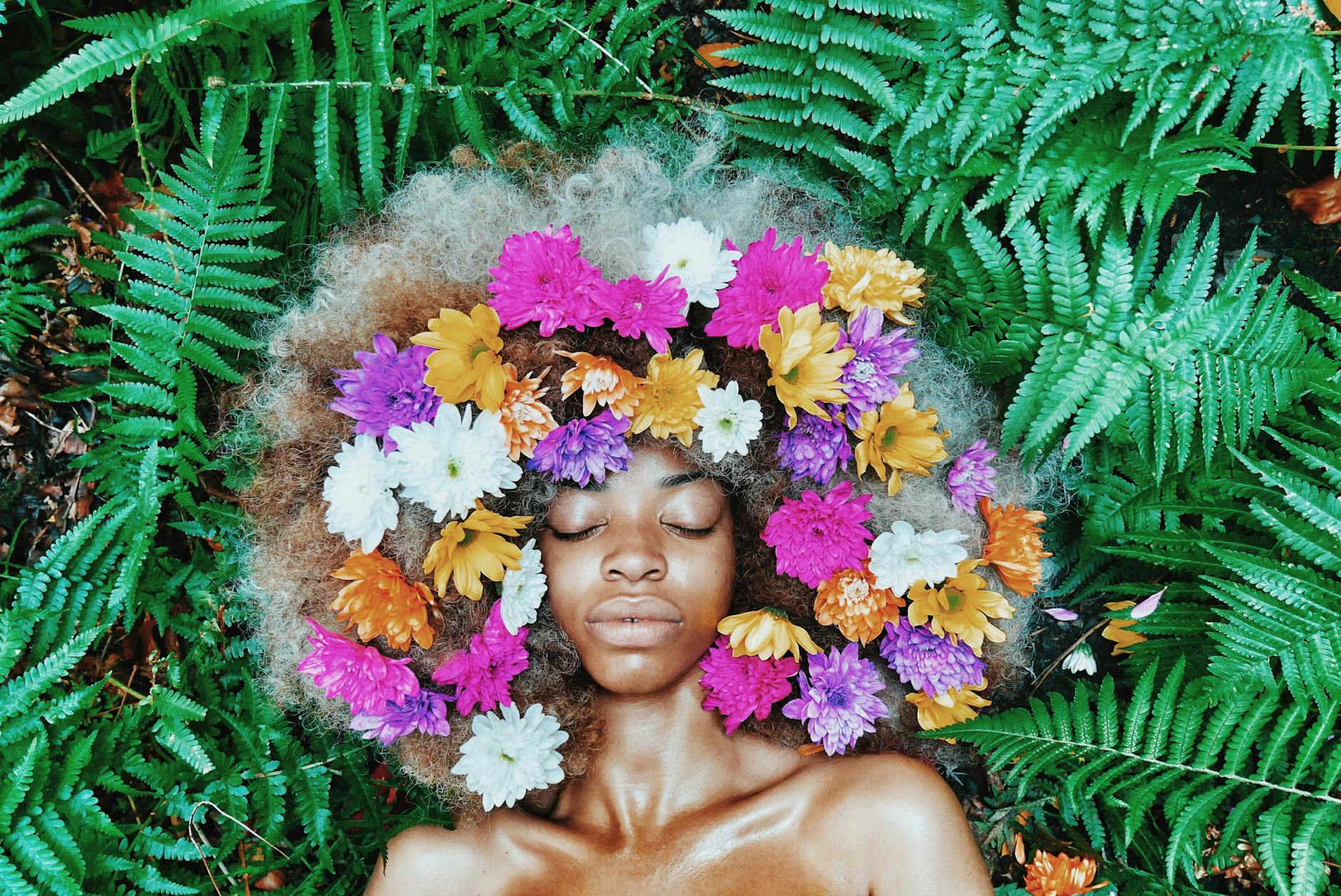
International Women’s Day arrives every year on March 8th as both a celebration and a reminder. It is a celebration of the countless achievements women have made throughout history, often in the face of enormous resistance and systemic barriers. But it is also a reminder that progress is rarely linear and that equality remains an ongoing project. Across the world, women have fought for rights that many people today might take for granted: the right to vote, the right to education, the right to work in professions once closed to them, and the right to have their voices heard in political, social, and cultural spheres. These victories did not appear out of thin air. They came from generations of women organizing, protesting, writing, teaching, nurturing, and refusing to accept the limitations imposed upon them.
For me, International Women’s Day is also a moment to reflect on the importance of listening. Too often throughout history, women’s experiences were dismissed, minimized, or ignored. Yet when we truly listen to women, we gain a fuller understanding of the world. We hear stories of resilience, creativity, and survival. We also hear about injustices that still persist, whether in the form of wage gaps, discrimination, violence, or the subtle cultural expectations that shape everyday life. Listening is not a passive act. It requires humility, openness, and a willingness to challenge our assumptions.
Another important part of International Women’s Day is recognizing that women are not a monolith. Women come from every culture, religion, ethnicity, and background. Their experiences differ widely depending on geography, class, race, and other intersecting factors. Intersectionality matters because the struggles and triumphs of women cannot be separated from the broader contexts in which they live. When we honor women, we must honor the diversity within womanhood itself.
International Women’s Day also invites men and people of all genders to participate in building a more equitable world. Supporting women does not mean speaking over them or claiming credit for their struggles. Instead, it means standing beside them, amplifying their voices, and being willing to challenge systems that perpetuate inequality. It means recognizing that gender equality benefits everyone, not just women.
Ultimately, International Women’s Day is about hope. The history of women’s movements shows that change is possible, even when it feels distant or difficult. Every generation builds upon the work of those who came before it. By listening, learning, and acting with compassion, we can help ensure that the future continues to move toward greater equality and dignity for all.