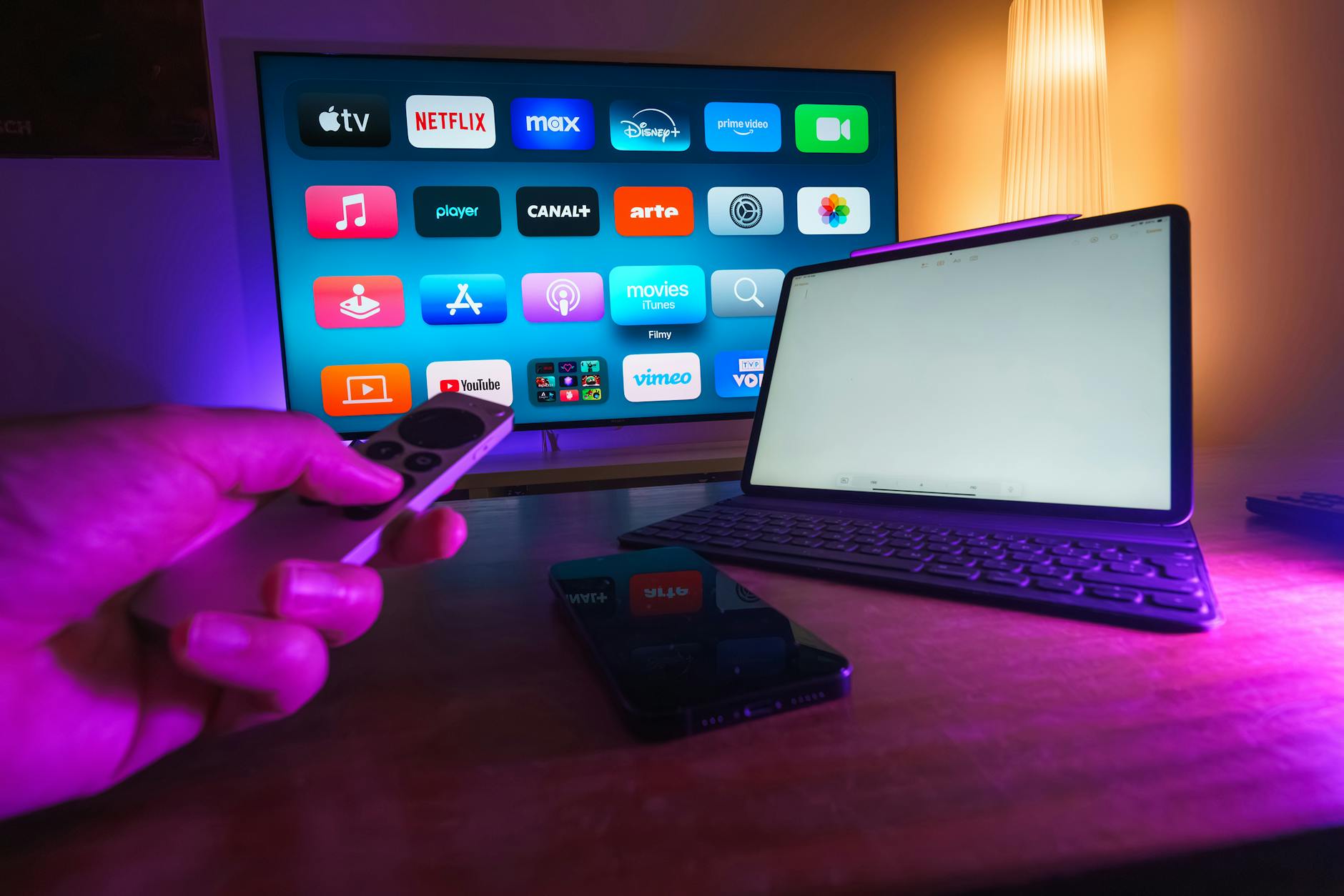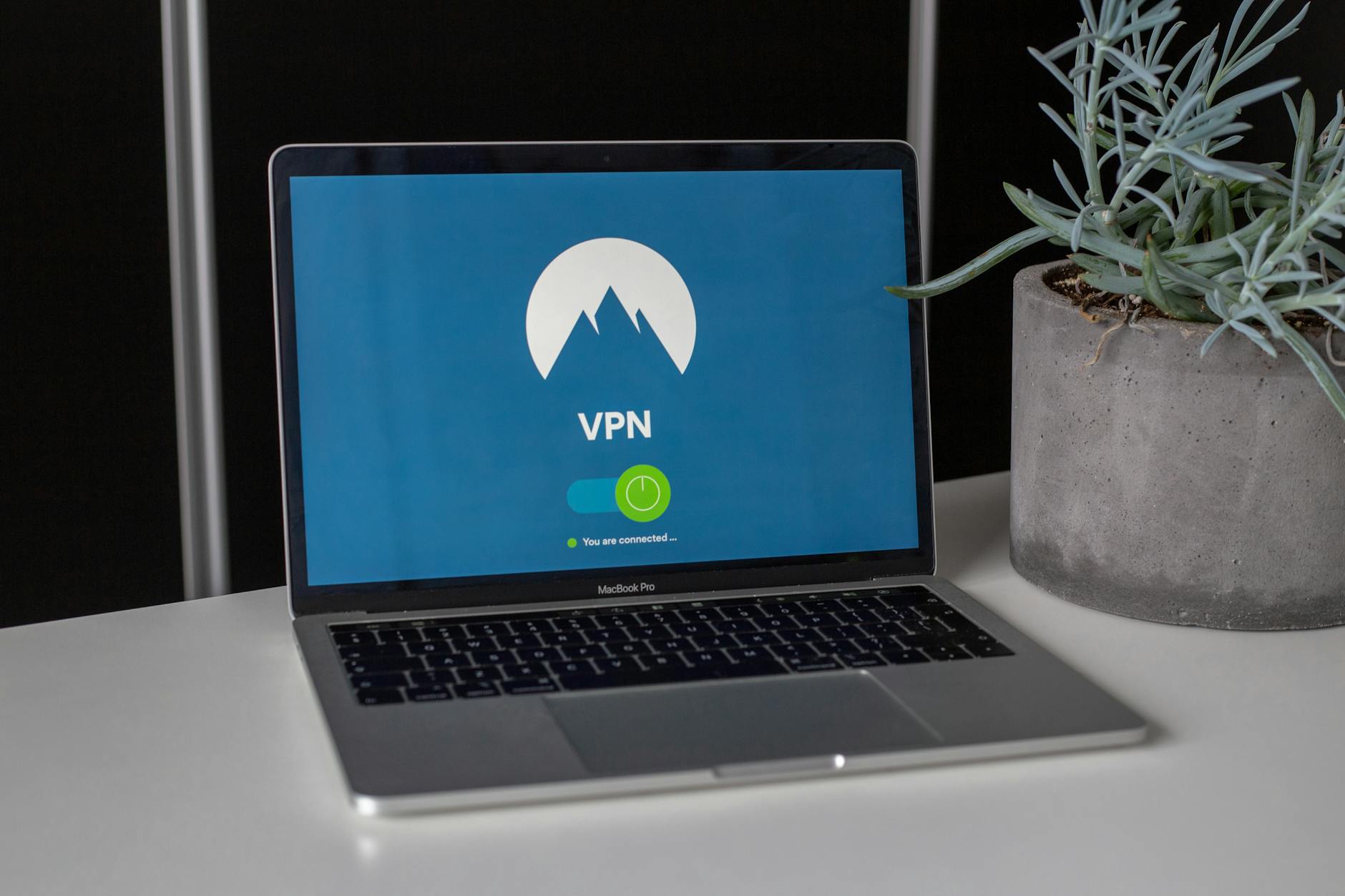
Here’s a bit of a hot take that deserves some discussion: if any streaming “behavior” really needs to be cracked down on, it’s VPN usage. Yeah, you heard me. While platforms lose their minds over people sharing passwords, a much bigger issue is people using VPNs to bypass geo-restrictions on content. So many VPNs boast about how you can watch Netflix shows from other countries by simply changing your virtual location. Sounds harmless, right? Well, let’s think about what you’re actually doing.
When you use a VPN to access shows or movies that aren’t available in your country, you’re basically bypassing the content licensing system. You’re accessing something that Netflix intentionally doesn’t provide in your region. Call me old-fashioned, call me a boomer, but in my view, that’s stealing. You are taking content that’s intended for another market and consuming it without permission, without paying for that market, using nothing but your VPN to mask your location.
Now, some might argue, “It’s not pirating, I’m paying for Netflix anyway.” Sure, you’re paying for a Netflix account, but you’re circumventing the rules set by Netflix and their licensing agreements. The content you’re accessing wasn’t intended for your region, and you’re essentially getting something for free that should be restricted. Whether we agree with geo-restrictions or not, as long as they exist, bypassing them with a VPN is a form of theft.
That said, I’m not completely against VPN usage. There are plenty of legitimate reasons to use a VPN, like protecting your privacy or securing your connection on public Wi-Fi. But—and here’s the big but—using a VPN to change your location just to watch shows on Netflix from another country is, in my opinion, just stupid. If you’re already paying for Netflix or any other streaming service, you obviously care about doing things legit and not pirating content.
Here’s the problem: many people don’t even realize this, but using a VPN to bypass geo-restrictions is breaking the platform’s terms of service. If you’re caught, you could face penalties, get banned, or worse. And I’m honestly surprised that streaming platforms haven’t done more to crack down, given how blatantly many VPN ads market this as a feature.
And let’s be real—most of the time, even your geo-restricted streaming platforms already have plenty of content to watch. If you can’t find what you want on your favorite platform, there are other legitimate options—and yes, even some not-so-legit options. But using a VPN to bypass geo-restrictions is, in my opinion, the stupidest, most convoluted, most unnecessarily complex, and very first-world way to solve a problem. If your biggest concern in life is that your streaming platform doesn’t have a show you want to watch, maybe it’s time to get your priorities straight.
Here’s another concern: if people keep using VPNs for these stupid purposes, and VPN companies keep promoting this behavior so flippantly, it’s only a matter of time before VPNs are banned outright or severely restricted. That would obviously hurt everyone, including people who rely on VPNs for legitimate reasons like privacy, security, or working remotely. What starts as harmless “fun” to bypass geo-restrictions could eventually jeopardize the entire ecosystem of legitimate VPN usage.
Of course, the bigger picture is that geo-restricted content itself is a problem. Content shouldn’t be locked simply because of your location, and ideally, everyone would have access to all streaming libraries. But until that’s fixed, the problem isn’t going away. In fact, using VPNs to bypass geo-restrictions could have the opposite effect: it could encourage streaming companies to double down on geo-blocking and justify even stricter enforcement, making life harder for everyone—including people who just want privacy or legitimate access.
And here’s another angle most people don’t think about: using a VPN to watch content in another country could actually hurt that country’s economy. Streaming platforms often pay content creators and, indirectly, the country the content is based in. If you bypass geo-restrictions with a VPN, that view might not count in the country where the content originated, meaning the creators and local economy miss out. This is particularly significant for smaller countries that depend on that streaming revenue—whereas a big, wealthy country like the US, UK, China, or Japan could likely absorb the loss, smaller nations may feel the impact in a meaningful way. In effect, you’re taking advantage of that country’s media without giving anything back—another reason this practice isn’t as harmless as it seems.
Until geo-restrictions are gone completely, let’s be honest about what VPN streaming is doing: it’s bending rules in a way that’s not so innocent. And while privacy-focused VPN usage is legitimate, using it to unlock content that isn’t meant for your region crosses a line—and it could have consequences for everyone, from creators to legitimate VPN users.