The Musings of Jaime David
@jaimedavid.blog@jaimedavid.blog

The writings of some random dude on the internet

1,117 posts
1 follower

Tag: Subway

  • The Subway Mind Game: Reading the Signs Before They Stand

    The Subway Mind Game: Reading the Signs Before They Stand

    Riding the subway is often compared to a crowded, moving sardine can, but there’s a subtler, almost invisible game happening when you’re standing on the train holding the rail, particularly when you’re positioned directly in front of someone sitting down. It’s a dance of anticipation, a mental puzzle that requires observation, intuition, and an almost absurd level of focus. The game is simple in theory but devilishly complex in practice: you have to predict, based on subtle cues, when the person sitting in front of you is going to stand and make their exit. It’s like a combination of Simon Says, a trivia game, and the telephone game, all rolled into a few minutes of moving chaos. If you fail, you risk being caught off guard, shoved, or scrambling to adjust at the last second. If you succeed, you glide smoothly with the flow of passengers, almost invisibly part of the moving crowd.

    The first step is paying attention to body language. This is harder than it sounds because New Yorkers are notoriously still, stoic, and often buried in phones or headphones. But there are always signals if you look carefully: a foot shifting forward, fingers tightening on the seat edge, a slight lean toward the aisle, or even a casual glance toward the door. Each of these small actions is a clue, a breadcrumb in the invisible trail of commuter intention. Experienced riders develop a sixth sense for these movements, learning to read micro-signals like a poker player reading an opponent’s tells. It’s subtle, often fleeting, and requires constant attention. Miss one cue, and you might find yourself frozen at the wrong time, blocking the flow of others, or worse, getting bumped by the person behind you who was following the same signals.

    Timing is everything. Predicting someone’s movement isn’t just about noticing when they adjust their body; it’s about calculating the right moment to shift yourself, step aside, or brace for movement. The window is often just a few seconds, and you need to account for the person’s speed, the crowd’s pressure, and the unpredictability of train stops. The trick is to anticipate without overreacting. Move too early, and you might find yourself awkwardly hovering with no one actually standing. Move too late, and you’re caught in a minor collision or a last-second shuffle that throws off your balance. It’s a mental game, a test of attention and patience, where success feels almost imperceptible but is deeply satisfying when executed correctly.

    The game becomes even more complicated in crowded conditions. During rush hour, when standing space is tight and people are packed shoulder to shoulder, micro-signals are harder to notice and movements are more constrained. You have to read not only the person in front of you but the flow of the crowd as a whole, predicting who will step aside, who will move forward, and who will hesitate. It’s a living, breathing puzzle that changes with every station, every stop, and every person on the car. One misread cue, and the delicate chain of timing breaks, causing a ripple of awkward adjustments that everyone feels. But when you get it right, it’s a beautiful, unspoken harmony of human movement, a tiny victory in the daily chaos of commuting.

    There’s also a psychological dimension. Part of the thrill comes from knowing that you are literally predicting human behavior in real time, based on tiny, almost imperceptible movements. It’s a test of patience, focus, and observation. There’s a strange satisfaction in seeing someone stand and knowing you anticipated it, shifting just as they do, moving in concert with the flow. It’s a subtle power, a quiet mastery over the tiny uncertainties of urban transit. Some might see it as overthinking, but regular commuters know it’s survival—an essential skill for navigating crowded trains without chaos or frustration.

    Ultimately, this isn’t just about etiquette or convenience. It’s about engaging fully with the environment around you, noticing the small signals that everyone else mostly ignores, and moving with intention rather than reacting blindly. The subway becomes less of a random, chaotic ride and more of a living, interactive game where your attention and intuition are your tools. Every stop is a round, every signal a clue, every successful pre-stand a small but meaningful win. Over time, you start to feel like a participant in a strange, high-stakes mental exercise that is equal parts observation, prediction, and patience.

    In conclusion, standing in front of someone on the train isn’t just about holding onto the rail and keeping your balance. It’s a game of anticipation, a mental exercise in predicting movement based on subtle, fleeting body language. It’s a test of timing, focus, and human observation, requiring patience, awareness, and a willingness to engage with the minute details of your surroundings. It’s a skill that improves with practice, rewarding the careful observer with smoother rides, fewer collisions, and a sense of quiet mastery over the small chaos of urban life. The next time you find yourself holding the rail, directly in front of a seated passenger, pay attention, read the signals, and embrace the strange, satisfying game of predicting the subway’s human flow. Success is small, silent, but absolutely satisfying.

  • The MTA Exit Shuffle: Why You’ve Gotta Pre-Exit Before Exiting

    The MTA Exit Shuffle: Why You’ve Gotta Pre-Exit Before Exiting

    Riding the MTA might seem like a straightforward experience: swipe your card, hop on the train, find a seat, and ride to your destination. But if you’ve ever noticed the chaos that unfolds when the train reaches a busy station, you know it’s not that simple. One of the most frustrating, least intuitive parts of navigating New York City’s subway system is the art of the pre-exit, a maneuver that requires awareness, timing, and sometimes patience that borders on meditation. Pre-exiting is the act of positioning yourself strategically near the doors well before your stop arrives, ensuring you can exit smoothly without being crushed, jostled, or delayed by the sudden surge of passengers moving to the doors at the last second. The MTA may never explicitly tell you this, and if they did, most people probably wouldn’t pay attention anyway, but understanding the concept can save you from countless headaches, awkward encounters, and moments of sheer subway panic.

    To start, the need for pre-exiting arises from the MTA’s unique combination of overcrowding and door placement. Subway cars are long, often with narrow corridors, and while there are multiple doors along the length of each car, passengers tend to cluster near the middle or near the ends depending on habit or laziness. When a stop approaches, everyone who wants to get off must converge toward these doorways. If you’re not already there, you are forced into a human river of movement, pushing, shoving, and sometimes accidental elbowing, just to make it to the doors before they close. The difference between pre-exiting and reacting at the last minute is the difference between a calm departure and a stressful struggle against the flow of humanity. It’s a skill that sounds simple but requires situational awareness, observation, and the ability to read crowds, almost like a dance with the rhythm of the train and its passengers.

    The process of pre-exiting begins with knowing your station and the car layout. Not every exit is equal: some stations have multiple staircases, escalators, or elevator options, and the location of the door you use can make a dramatic difference in how quickly you leave the station. If you are at the wrong end of the car, you might be forced to weave through a crush of people or sprint through a crowded platform. Observing patterns from previous trips is key; for example, if you know a certain train consistently empties faster near the front, it makes sense to position yourself accordingly. This isn’t just strategy—it’s survival. New Yorkers might joke about being packed like sardines, but for someone unfamiliar with the system, missing your pre-exit window can result in standing for ten more minutes while the next train crawls into the station and doors open to reveal another wall of humanity.

    Timing is everything when it comes to pre-exiting. You can’t just stand near the doors from the beginning of the ride; that will annoy other passengers, and in crowded trains, it can actually be counterproductive. Instead, it’s about sensing when your stop is approaching and gradually moving toward the doors. This requires constant awareness of the train’s progress, listening for station announcements, and sometimes relying on the display panels inside the cars. Experienced commuters develop an almost instinctive sense for this, like a sixth sense that whispers, “Move now or be trapped.” But the uninitiated may hesitate, distracted by a phone or conversation, only to realize too late that everyone around them has already shifted, leaving them stuck in the middle, panicked and scrambling for an opening.

    Once you’ve positioned yourself near the doors, the next step is controlling your pre-exit behavior. This isn’t just about being there—it’s about holding your space without antagonizing fellow passengers. In crowded cars, people will bump and press against you, and there’s an art to maintaining balance and asserting subtle personal space while avoiding confrontations. Some commuters practice gentle leaning, strategic angling, and careful awareness of body placement to create a buffer zone that allows them to exit without pushing or being pushed. Pre-exiting is as much psychological as it is physical; understanding that everyone else is also trying to navigate the chaos can help temper frustration and prevent unnecessary conflict.

    The platform itself is another battlefield. Even after you’ve made it off the train, the pre-exit mindset is still critical. Stations can be crowded, escalators can be slow or broken, and staircases can be congested. Knowing where to stand and how to move efficiently is a continuation of the pre-exit strategy. Experienced riders often anticipate these bottlenecks and choose doors or cars based on where they will lead on the platform, not just on the train. For example, exiting from the middle of a car might deposit you directly in front of a staircase, while the ends might leave you wading through a sea of people. This is why the concept of pre-exiting extends beyond the train itself: it’s about controlling your path through the entire transit environment, from arrival to exit.

    There’s also a social dimension to pre-exiting. Observing and understanding human behavior in the subway ecosystem is essential. People have different walking speeds, varying levels of awareness, and diverse reactions to crowding. Pre-exiting requires reading these behaviors and anticipating movements to avoid collisions or delays. It’s almost like becoming a participant in a choreographed crowd dance, where awareness, timing, and positioning dictate success. You learn to predict which doors will have the most congestion, who will rush ahead, who will hesitate, and who might block your path. Ignoring these cues is not only inefficient—it’s a guarantee of frustration.

    Technology has helped somewhat but hasn’t eliminated the need for pre-exiting. Real-time apps, station maps, and digital alerts can inform you of train arrivals, delays, and platform conditions, but they don’t solve the problem of human congestion. You can know exactly when your train will arrive and which platform to stand on, but if you misjudge your positioning inside the car, you’re still caught in a wave of last-minute commuters. The subtleties of personal space, timing, and crowd flow remain entirely human factors, and pre-exiting is the skill that bridges the gap between information and action.

    At its core, pre-exiting is about efficiency and survival, a recognition that the MTA is not just a transportation system but a complex social environment where timing, space, and awareness dictate your experience. For those new to the city or unaccustomed to public transit, it may seem like overthinking, but anyone who has been trapped in a packed car at rush hour knows the difference between a calm, controlled exit and a desperate scramble. It’s a subtle, unspoken skill, passed from commuter to commuter, observed in body language and car positioning, and practiced daily by millions who rely on the subway to navigate their lives.

    In conclusion, pre-exiting before your MTA train stop is not just a minor tip; it is an essential survival tactic. It combines timing, observation, physical positioning, social awareness, and psychological control, ensuring that you can exit the train efficiently, safely, and with minimal stress. Understanding your station, observing the crowd, anticipating movement, and positioning yourself strategically are all components of this practice. While it may seem like a small detail in the grand scheme of urban life, mastering pre-exiting transforms the subway experience from a chaotic struggle into a manageable, even predictable, journey. So next time you board an MTA train, remember: your exit begins the moment you step on the platform. Anticipate, position, and pre-exit, and you might just emerge from the subway with a small victory in the daily battle of New York City commuting.

  • Learning to Survive the Crush: Getting Used to the Madness of the MTA

    Learning to Survive the Crush: Getting Used to the Madness of the MTA

    The Metropolitan Transportation Authority, or MTA, is a world unto itself. For anyone who has ever stepped onto a New York City subway car during rush hour, the experience is both terrifying and inevitable. Crowds that seem impossible, elbows in your ribs, strangers breathing down your neck, the smell of the city mixing with the smell of sweat, and the constant pressure to keep moving no matter what—it’s an assault on the senses. Yet, for millions of commuters, this is just life. Learning to navigate the chaos is not just a skill, it’s a rite of passage. You have to accept that personal space is a luxury here, and patience is not just a virtue, it’s a survival mechanism.

    From the moment you step into the station, the MTA makes its presence known. The stairs are crowded with people pushing, shoving, and trying to get to the platform before the next train arrives. Even when you think you’ve timed it right, there is always another wave of commuters, another rush that will force you to adjust your expectations. There’s a rhythm to it, if you can find it—a kind of chaotic ballet that never stops. The first time it hits you, it feels overwhelming, almost impossible to manage, but over time, you learn to anticipate the crush. You learn to move with the crowd, to step aside when necessary, to angle yourself strategically to get on and off the train without losing your mind.

    Once you reach the platform, the waiting begins, and waiting on an MTA platform is an art form in itself. You have to learn to claim your territory, even if it’s just a square foot of space, without offending anyone else. People crowd the edges, people push toward the middle, and everyone acts as if they are entitled to that next train. You learn the unspoken rules of subway etiquette—how to queue without being queued out, when to step back and when to push forward, how to maneuver around people who are glued to their phones, oblivious to the fact that the train is coming and their inattention will cost someone their spot. There’s a brutal fairness to it, a lesson in human behavior that you can only absorb by participating in the grind every single day.

    When the train finally arrives, the real test begins. Sliding doors open and it’s a flood of humanity—bodies pressed together in ways you didn’t think were physically possible. You learn to contort your body, to tuck arms and backpacks, to balance yourself without relying on a seat or even a handrail. It’s an endurance test, a microcosm of urban life condensed into a few minutes. You discover things about strangers you’d never imagine: the quiet reader in the corner, the loud texter who seems oblivious to the crush, the person who insists on spreading their coat like a barrier, and the commuter who somehow balances a full coffee, a phone, and a bag without spilling a drop. The subway becomes an arena of survival and observation, teaching patience, tolerance, and adaptability in one relentless ride.

    Over time, you also learn to manage the mental load. Crowding isn’t just physical—it’s psychological. Your personal bubble is gone, your senses are constantly assaulted, and every stop brings new pressures: someone getting on in a hurry, someone elbowing past, the conductor shouting over the intercom, the screech of the wheels on the tracks. You develop coping strategies, mental exercises to remain calm, to avoid panic, to focus on your destination rather than the discomfort surrounding you. Music becomes a shield, podcasts a distraction, staring at the wall a meditation. You find small victories—standing in the right spot on the platform, squeezing into a corner where your elbow isn’t jabbed every two seconds, exiting the train before the crush becomes too unbearable.

    Even with all this adaptation, the MTA never stops teaching humility. Every day is unpredictable. A train can be delayed, a platform overcrowded, a passenger belligerent, and suddenly, all your hard-earned strategies are thrown into chaos. You learn resilience, how to recover from discomfort, and how to find humor in situations that seem impossible. You learn to acknowledge your own limits, to take a step back when you’ve had enough, and to remind yourself that millions of others are facing the same struggle. There’s a solidarity in shared misery, a community formed not by choice but by circumstance, and in that shared struggle, you find the odd comfort that you are not alone.

    In the end, learning to survive the MTA isn’t about conquering it—it’s about coexisting with it. It’s about accepting that some things are beyond your control and finding ways to navigate them without losing your sanity. It’s about developing patience, strategy, and empathy, recognizing that every person packed into a subway car is just trying to get to their own destination, in their own way. The crush, the chaos, the constant movement—it’s a part of life in New York City, and the sooner you accept it, the sooner you can learn to ride with the rhythm, to move with the tide, to survive and even find the odd joy in the madness of it all.

    The MTA teaches toughness, adaptability, and a certain kind of street wisdom that no classroom or textbook can provide. It is crowded, it is stressful, it is chaotic, and it is unavoidable. But it is also a place where lessons in human behavior, resilience, and patience are learned daily, by every commuter who dares to step onto the platform, into the crush, and into the relentless heartbeat of the city. To survive the MTA, you don’t just ride the train—you learn to live in the crowd, to respect the chaos, and to embrace the city’s unique, unrelenting energy with open eyes, steady nerves, and a sense of humor that refuses to break under the pressure.

  • How the MTA Fucks Up Every Single Time

    How the MTA Fucks Up Every Single Time

    If you’ve ever dared to step onto a New York City subway, bus, or LIRR platform and believed for a single second that the Metropolitan Transportation Authority gives a shit about your time, your sanity, or the basic mechanics of moving people from point A to point B, congratulations, you’ve been delusional. The MTA, in all its bureaucratic glory, is an institution built not to serve commuters but to grind their patience into dust, to confuse, frustrate, and humiliate anyone foolish enough to expect reliability from a public service. Let’s start with the basics: delays, cancellations, and mysterious “service changes” that appear out of nowhere like cruel jokes. The digital signs on platforms are either lying or entirely useless, announcing that a train will arrive “in 2 minutes” while you watch the same empty tunnel stretch into infinity, and the train eventually arrives twenty minutes later, like a drunken uncle at a family reunion. And when you ask the conductor or station agent for clarification, they shrug, mumble something about “signal problems,” and disappear back into the bowels of the system, leaving you with nothing but existential despair and a rising anger that could fuel a small city.

    But delays are just the tip of the iceberg. The MTA has perfected the art of obfuscation, the bureaucratic tango that makes you feel like your very presence as a commuter is a personal affront. Service changes, often scheduled on weekends, are announced with a level of cryptic indifference that would make a hieroglyphic scholar weep. “F trains rerouted via the E line” sounds simple until you realize that the E line doesn’t exist in the neighborhoods you live in, and suddenly your fifteen-minute trip has become an odyssey worthy of Homer, complete with confusion, swearing, and missed appointments. And heaven forbid you need to ride during rush hour, because then you get to experience the MTA’s true masterpiece: overcrowding. Subways are packed like sardines, buses are standing room only, and the air quality is so bad you start to question whether the MTA is secretly running a biological experiment. And while you’re sweating and cursing under the fluorescent lights, some middle manager in an office somewhere is looking at a pie chart of “ridership efficiency” and feeling like a goddamn genius.

    The trains themselves are another arena where the MTA demonstrates its disregard for human dignity. Old, broken, and sometimes outright dangerous, the subway cars rattle along like they were assembled during the Great Depression by a committee of drunken masons. Doors stick, brakes screech, air conditioning is a cruel joke in the summer months, and heat blasts at the wrong times during winter like the MTA is mocking us for daring to live in the city at all. And the escalators, oh, the escalators—half of them always broken, leaving commuters to trudge up flights of stairs as if this is some kind of medieval punishment. Accessibility is a fantasy: elevators fail with uncanny regularity, forcing people in wheelchairs, parents with strollers, and the elderly to navigate impossible stairways or wait for someone to miraculously show up to fix the damn thing. And when maintenance finally arrives, it’s usually in the form of a tiny “Out of Order” sign that does nothing to alleviate the stress or danger of the situation.

    Let’s talk about buses, because nothing says “reliable public transportation” like waiting twenty minutes for a bus, watching three pass by in a row without stopping, and then realizing the schedule was a lie all along. Bus drivers are sometimes heroes, navigating streets clogged with double-parked cars, tourists taking selfies in the middle of the road, and taxis that believe they own the entire avenue, but even the best drivers can’t overcome the systemic dysfunction. Bus lanes are ignored by everyone, from delivery trucks to the very cars the city supposedly regulates, turning what should be a ten-minute ride into a forty-five-minute ordeal. And payment systems are not exempt from chaos: OMNY and MetroCards are confusing at best, unreliable at worst, and the MTA’s digital infrastructure seems determined to make every transaction a small act of defiance against commuters.

    Then there’s the issue of communication—or the absolute lack thereof. When trains are delayed, rerouted, or canceled, the information you get is either non-existent or misleading. Twitter feeds and websites are updated sporadically, often with errors, and apps can’t seem to handle real-time updates, leaving you glued to your phone like a junkie waiting for a fix that never comes. And if you dare to complain or ask for help? Customer service is a Kafkaesque nightmare of phone trees, robotic voices, and long waits, eventually delivering you back to the exact same problem you called about in the first place. There is no accountability. There is no apology. There is only the relentless grinding of the system, like a passive-aggressive machine designed to teach patience through suffering.

    Budget mismanagement deserves a paragraph of its own because it’s astonishing how an organization that runs entirely on taxpayer money, fares, and state subsidies can consistently fail in almost every operational category. Funds are diverted, projects overrun, and capital improvements lag decades behind what was promised, while executives draw salaries that could fund a fleet of new buses or fully renovate multiple subway lines. The infamous “MTA Rescue Plan” is often little more than a euphemism for paper-shuffling and public relations stunts, designed to give the illusion of competence without actually addressing the dysfunction. And when crises hit—storms, accidents, signal failures—the MTA’s response is as slow and clumsy as if they were powered by molasses and bad intentions.

    Every single day, New Yorkers are reminded of the MTA’s incompetence, from the commuter forced to sprint across a platform to catch a delayed train, to the tourist who steps onto a bus with a confused look and quickly learns that the concept of “schedule” is optional, to the office worker arriving late because the L train decided to take a day off for reasons unknown. It’s not just a matter of inconvenience; it’s a systemic failure, a breakdown of a public utility that millions rely on, a daily exercise in frustration, humiliation, and rage. The MTA isn’t just bad; it’s an institutionally sanctioned comedy of errors, a bureaucratic nightmare that somehow continues to operate while simultaneously making every other city transit system in the world look competent by comparison.

    And yet, despite all of this, people keep paying, keep riding, keep hoping that maybe tomorrow will be different. Maybe next week the escalators will work, maybe the trains will run on time, maybe a bus will actually stop for you. But hope is a cruel joke, a necessary evil to maintain the illusion that the MTA is at least trying. In reality, it’s an organization that thrives on chaos, that treats commuters as expendable, and that has perfected the art of public suffering to the point where frustration has become a civic sport. The MTA doesn’t just fail; it succeeds in its mission to remind New Yorkers, every single day, that patience is not a virtue—it’s a survival mechanism.

    In the end, the MTA is a mirror held up to the city itself: loud, crowded, dirty, unpredictable, frustrating, yet somehow indispensable. You complain, you rage, you curse, but you keep using it because there is no alternative. The MTA embodies every flaw, every shortcoming, and every absurdity of modern urban life, and it does so with unrepentant consistency. And while there may be occasional improvements, new trains, new technologies, and promises of reform, the truth is simple: the MTA will continue to fuck up, and we will continue to pay, wait, sweat, and curse, because that is life in New York City, and the MTA is the cruel, incompetent, yet strangely iconic engine driving it all.

  • Contactless My Ass: Why Tapping Your Phone Isn’t Progress

    Contactless My Ass: Why Tapping Your Phone Isn’t Progress

    They call it contactless payment. Contactless. Like it’s some futuristic magic that lets you pay without touching anything. But that’s a lie. You still have to take out a card, a phone, or a smartwatch and tap it on a reader. Tap. That is contact. Not contactless. It’s barely-touchless, marketed as convenience, sold as progress, and yet it makes a simple task unnecessarily complicated.

    Think about the MetroCard. You swiped it. You shoved it in a slot. It worked. Always. No apps, no updates, no battery concerns, no mysterious failures. It didn’t matter if it was raining, if your hands were greasy, or if your phone was dead—your MetroCard just worked. That is the definition of reliability. And now we act like tapping a phone like some digital wand is progress. It isn’t. It’s a stress-inducing gimmick that leaves you feeling like a fool every time your device doesn’t cooperate.

    The reality of this “contactless” system is absurd. You’re standing at the turnstile, fumbling for the right card, hoping your phone isn’t dead, hoping the reader isn’t broken, hoping the payment goes through. If it doesn’t, suddenly you’re holding up the line, everyone behind you glares, and you feel ridiculous. Back in the MetroCard days, that never happened. Swipe, done. Simple, reliable, human-friendly.

    And let’s not ignore the outright dishonesty of calling this system “contactless” while forcing you to hold something in your hand. That’s like calling a hammer “contactless” because it flies through the air if you throw it. There’s still contact. The idea that this is magical, futuristic, clean, or invisible is nonsense. It’s just another way to make a mundane interaction more complicated and stressful.

    I miss the days when public transit wasn’t a tech arms race. The MetroCard didn’t crash, didn’t require updates, didn’t run on batteries, didn’t pretend to be magic. And yet, this “innovation” costs more: more maintenance, more infrastructure, more anxiety. The MetroCard was simple, cheap, and reliable. Now we pay more for less, all because someone thought “tap to pay” sounds more impressive than “swipe your card like a human being.”

    So yes, I’m calling out contactless payment for what it is. It’s not contactless. It’s not faster. It’s not more convenient. It’s a gimmick wrapped in fancy tech jargon. And the MetroCard? That thing was a masterpiece of simplicity. Reliable, straightforward, human-compatible. It didn’t ask for an update. It didn’t judge you. It just worked.

    The next time you tap your phone, your card, or your watch, remember the truth: you are holding something. You are making contact. You are relying on fragile technology to do something that used to be effortless. You are not a wizard, you are a commuter in 2025, standing at a turnstile, hoping a glowing rectangle acknowledges your existence. That is the farce of contactless payment. And the MetroCard, my friends, was real magic all along.

  • The Silent Failure of OMNY: How the MTA’s “Modern” System Leaves Riders Behind

    The Silent Failure of OMNY: How the MTA’s “Modern” System Leaves Riders Behind

    The MTA sold OMNY as the future. A sleek, contactless, modern payment system designed to replace the MetroCard, speed up commutes, and drag New York’s transit infrastructure into the 21st century. It was marketed as a seamless solution, a smoother way to move millions of people every day, a tap-and-go miracle. Except, as every rider who has actually lived with OMNY knows, this future has been more frustrating than freeing, more glitchy than graceful, and more annoying than any system this essential should ever be.

    OMNY scanners suck. And they don’t just suck in the casual way we complain about daily inconveniences. They suck in a deeper, structural, systemic way that reveals exactly how disconnected the MTA is from the actual lived experience of the people who rely on it. When your entire city depends on public transportation the way New York does, when people need those subways and buses to survive, to work, to attend school, to get groceries, to see family, everything about the system matters. And OMNY is simply not good enough for the weight it carries.

    What makes OMNY especially aggravating is that it’s not failing at some abstract, futuristic technical dream. It’s failing at the basics. It struggles with the simplest part of its purpose: letting people enter the station. The scanner doesn’t need to do anything complicated. It just has to accept a tap quickly, consistently, and reliably. But it often doesn’t. Instead, it’s slow, it freezes, it glitches, it double-charges, it doesn’t read certain cards, it doesn’t read certain phones, and sometimes it just gives up entirely. The amount of times riders have watched the screen blink, stall, or spit out a big red X is embarrassing for a system that cost hundreds of millions of dollars.

    Every rider knows the feeling. You approach the turnstile, tap your card or phone, and—nothing. The screen stutters, thinking about it as if it’s weighing some metaphysical question, like “Do I truly want to grant you access to the train?” Meanwhile the person behind you starts shifting impatiently, you try again, maybe the angle was wrong, maybe your phone was too close to your wallet, maybe the scanner is just being finicky today. Finally, after multiple taps, maybe it works. Or maybe it still doesn’t and you have to shame-walk to another turnstile and hope that one isn’t possessed by the same demon.

    What was supposed to be faster is somehow slower. What was supposed to be futuristic feels already outdated. What was supposed to be convenient has introduced a whole new category of everyday irritation into the lives of people who already have enough to stress about.

    And let’s talk about the double-charging problem, because if OMNY has one defining trait besides unreliability, it’s the way it has absolutely no shame about taking extra money from riders. You tap your phone, it doesn’t register, so you tap again. Except it did register, it just didn’t show it. Or maybe it showed it, but lagged. Or maybe it pretended not to show it but secretly registered it behind the scenes. The end result is the same: overcharges. Invisible mistakes. A system that is supposed to make payment easier instead leads to more confusion, more checking bank statements, more disputes, more money lost.

    MetroCard readers were far from perfect, but at least you knew where you stood. A swipe was a swipe. If the swipe didn’t work, it told you instantly. The physicality of it made sense. With OMNY, the tap exists in this weird limbo where the scanner may or may not have captured the transaction, and you’re left guessing until your bank account tells you hours later.

    That’s another thing—OMNY relies on banking infrastructure in a way MetroCard never did. OMNY assumes everyone has a contactless debit card, or a credit card, or a smartphone capable of storing digital payment methods. It assumes everyone has stable enough finances that daily transit charges won’t cause problems. It assumes everyone is comfortable letting every ride be tied to their personal financial footprint.

    But that is not the reality of millions of riders. The MetroCard system was more equitable. You could buy a card with cash. You could put in $5, $10, $20, whatever you had. You could do it anonymously. You could budget. OMNY pushes people into a world where your commute is something you must tether to your banking identity. It quietly erodes the last remnants of accessible transit anonymity. And when you combine that with the already-existing issues of surveillance, data collection, and the increasing digitization of public life, OMNY becomes not just annoying, but unsettling.

    Even the OMNY card—which was supposed to solve the issue for people who don’t use or can’t use digital payment methods—is poorly implemented. Harder to find than MetroCards ever were, more expensive upfront, and confusingly marketed. It’s like the MTA forgot the purpose of transit payment systems: to be simple, affordable, and universally accessible.

    And then there’s the placement problem. OMNY scanners are often angled awkwardly. They’re mounted at positions that force people to twist their wrists or contort their phones. Some are too low, some too high. Some are on turnstiles that wobble when you lean your hand against them. For a system reliant on physical motion—tapping—basic ergonomics should have been a priority. It wasn’t.

    The worst part is how all of these small issues compound during rush hour. When thousands of people are funneling through a limited number of turnstiles, every delay matters. Every glitch becomes amplified. Every red X becomes a microscopic traffic jam. And people become frustrated with each other, when the real culprit is a system that simply doesn’t work as smoothly as it should.

    A truly functional system anticipates the realities of its users. OMNY feels like it was built in a vacuum. Designed by committees who don’t ride trains, approved by people who never experience the daily grind, engineered with assumptions instead of empathy. The MTA saw what other cities were doing—London’s Oyster/contactless hybrid system, for example—and wanted to replicate it. But they overlooked the fact that London’s system works because it is stable, consistent, and thoroughly tested. OMNY feels like the opposite: rushed, buggy, half-baked, and constantly needing “software updates” like some broken app you regret downloading.

    The irony is that New Yorkers never asked for this. Riders didn’t demand the death of the MetroCard. They didn’t beg for a contactless system. They didn’t rally for OMNY. This was pushed from above, marketed as progress, and framed as inevitable. But progress is only progress when it actually improves people’s lives. OMNY has not done that. If anything, it has created new layers of friction in a system where friction is the last thing anyone needs.

    It’s especially bad for disabled riders. People with mobility issues, tremors, limited reach, or sensory sensitivity often find OMNY’s tap system much harder than MetroCard’s swipe. The scanner requires precision. It requires stillness. It requires a very specific type of movement. And if you don’t tap at the correct distance or angle, it rejects you. For people with disabilities, that’s not just annoying—it’s discriminatory. Technology should expand accessibility, not restrict it.

    Then there’s the issue of outages. When MetroCard machines went down, it was annoying, but you could still swipe your existing card. But if OMNY goes down, entire stations can bottleneck. Suddenly every single turnstile turns into a dead end. Riders who are already stressed, late, tired, and overwhelmed now face a new obstacle. A modern system should have redundancy, yet OMNY outages show just how brittle the whole setup really is.

    And let’s not ignore another glaring flaw: OMNY eliminates the psychological assurance that a MetroCard provided. You could see your MetroCard balance. You knew exactly how many rides you had left. With OMNY, you just trust that your bank is charging correctly. You trust that the weekly fare cap will trigger. You trust a system that has already proven it struggles with the basics.

    Riders shouldn’t have to trust. They should know. That is the purpose of a transit payment tool—to give people certainty. OMNY fails at that in nearly every way.

    The frustrating thing is, OMNY could have been better. The concept isn’t inherently bad. Contactless systems can work beautifully when done right. But implementation matters. Execution matters. Testing matters. Listening to riders matters. And the MTA has a long history of rolling things out without ever listening to the people who actually use them.

    With MetroCard being phased out, people don’t even have the comfort of choosing which system works better for them. They’re being forced into OMNY, forced into a system that’s not ready, forced into a system that wasn’t built with them in mind. You can’t call something modernization when the end result is inconvenience.

    The larger issue is that OMNY represents a trend—the idea that tech is always the answer, that newer is always better, that digital solutions automatically improve quality of life. But sometimes technology complicates things. Sometimes the low-tech option is exactly what a city needs. Sometimes physical infrastructure is more reliable than digital infrastructure. And sometimes, like with OMNY, the push to innovate becomes performative rather than practical.

    The MTA wanted to look modern. But looking modern and being effective are two completely different things.

    A payment system touching the lives of eight million people a day shouldn’t need multiple taps. It shouldn’t freeze. It shouldn’t introduce anxiety. It shouldn’t rely on bank tech that varies from person to person. It shouldn’t cause people to miss trains. It shouldn’t be unreliable during the busiest hours. It shouldn’t create new forms of financial vulnerability. It shouldn’t overcharge, glitch, or lag.

    It should just work. Every time. Instantly. Honestly. Predictably. Consistently. Quietly.

    Instead, OMNY has become another symbol of how the city’s infrastructure fails riders—overpromising, underdelivering, and leaving people to deal with the fallout.

    And it’s not just a minor annoyance. It’s a reflection of how much we tolerate because we have no choice. New Yorkers deserve better. Riders deserve better. The system deserves better. The future of public transit shouldn’t be defined by inconvenience, frustration, and the feeling of being beta-testers for something that should have been perfected before it ever went live.

    OMNY scanners suck not because technology is bad, but because the execution was sloppy, careless, and disconnected from rider experience. And until the MTA acknowledges that, until they commit to real improvements rather than PR campaigns, OMNY will remain what it is now: a daily reminder that modernization means nothing if it doesn’t actually work for the people who need it most.

  • Subway Sunsets

    Subway Sunsets

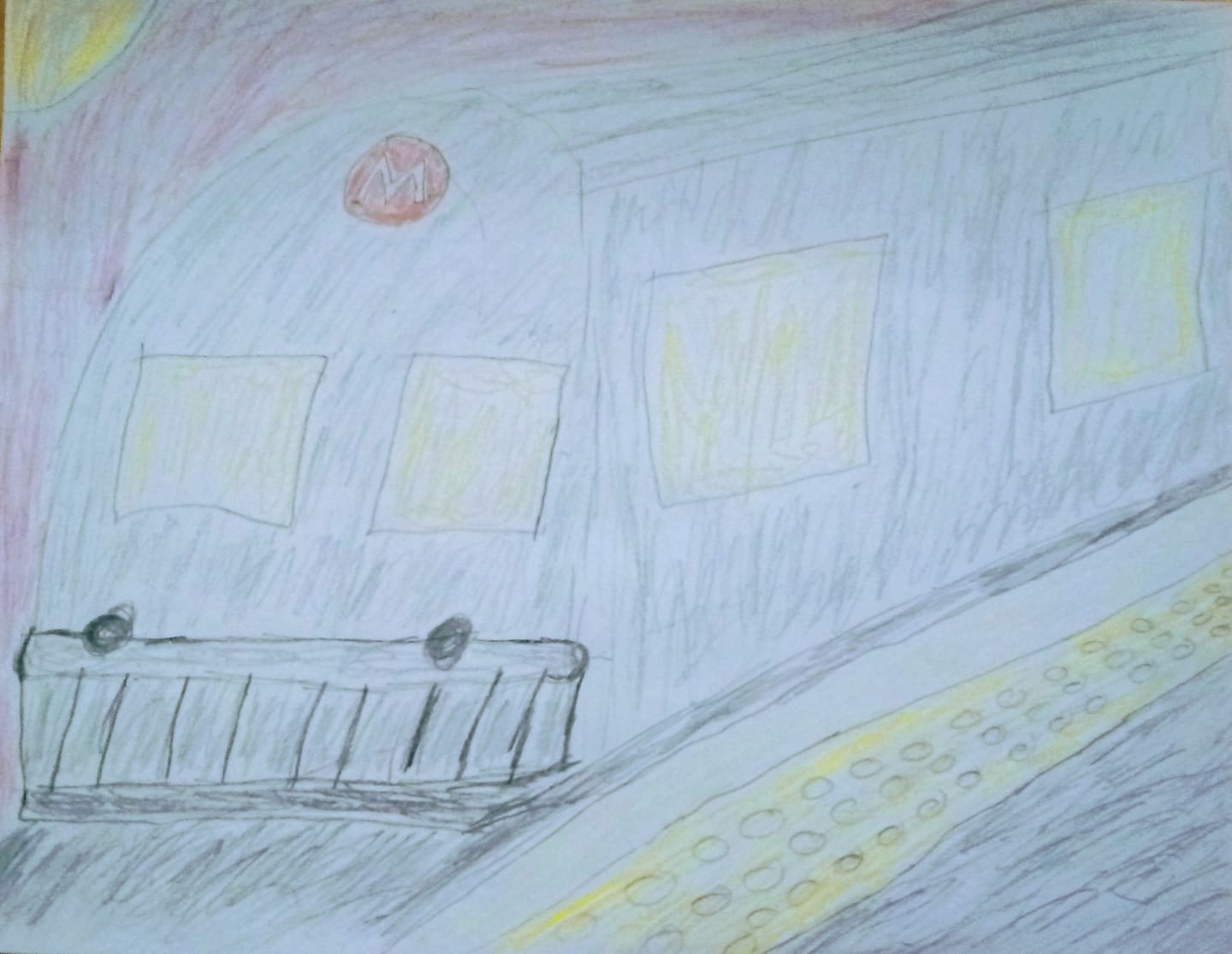
    Featured image art by me.

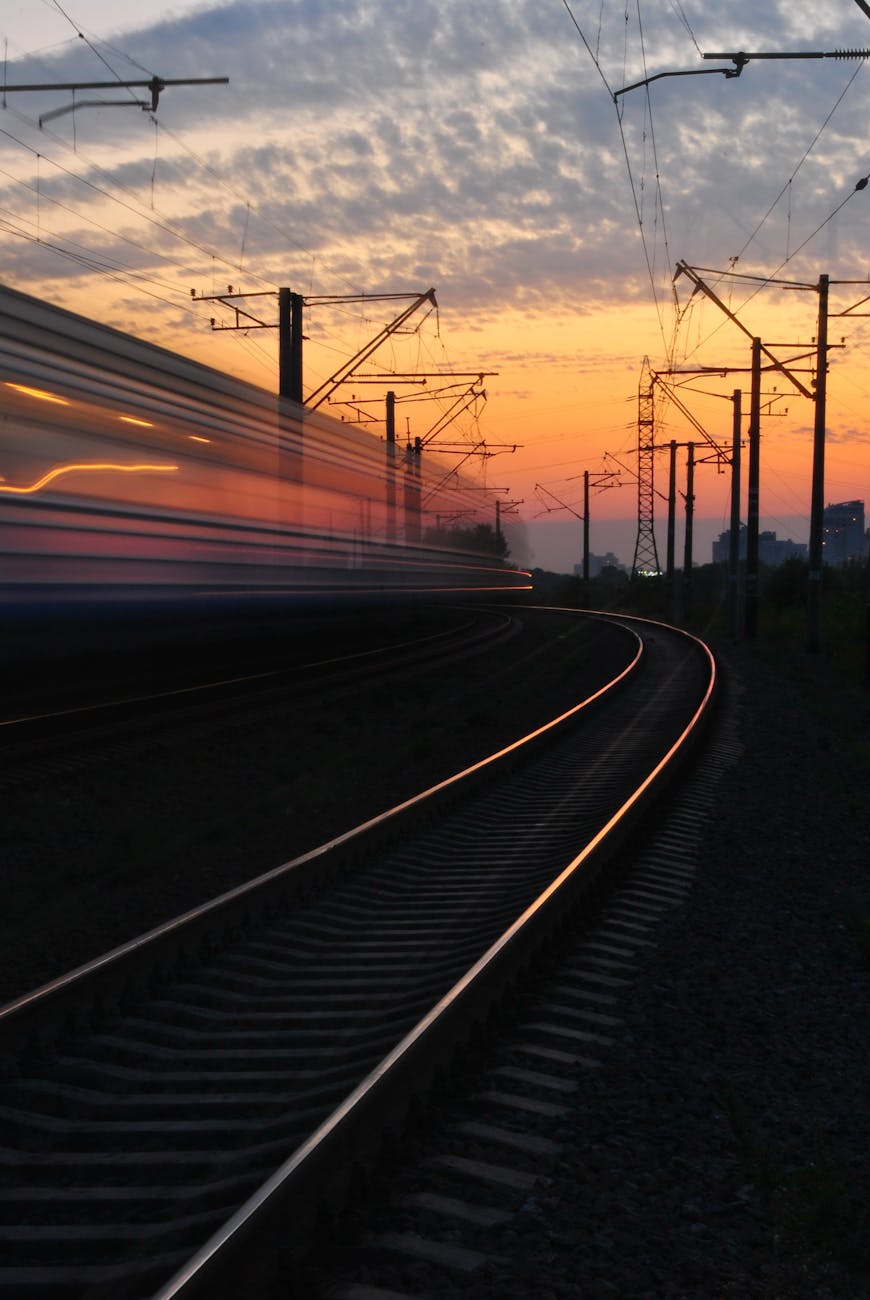
    It’s the end of the day.

    You’re on the subway.

    It’s still twilight.

    It’s not yet night.

    Through the clear glass pane,

    The setting sun is shining on your face.

  • Trains

    Trains

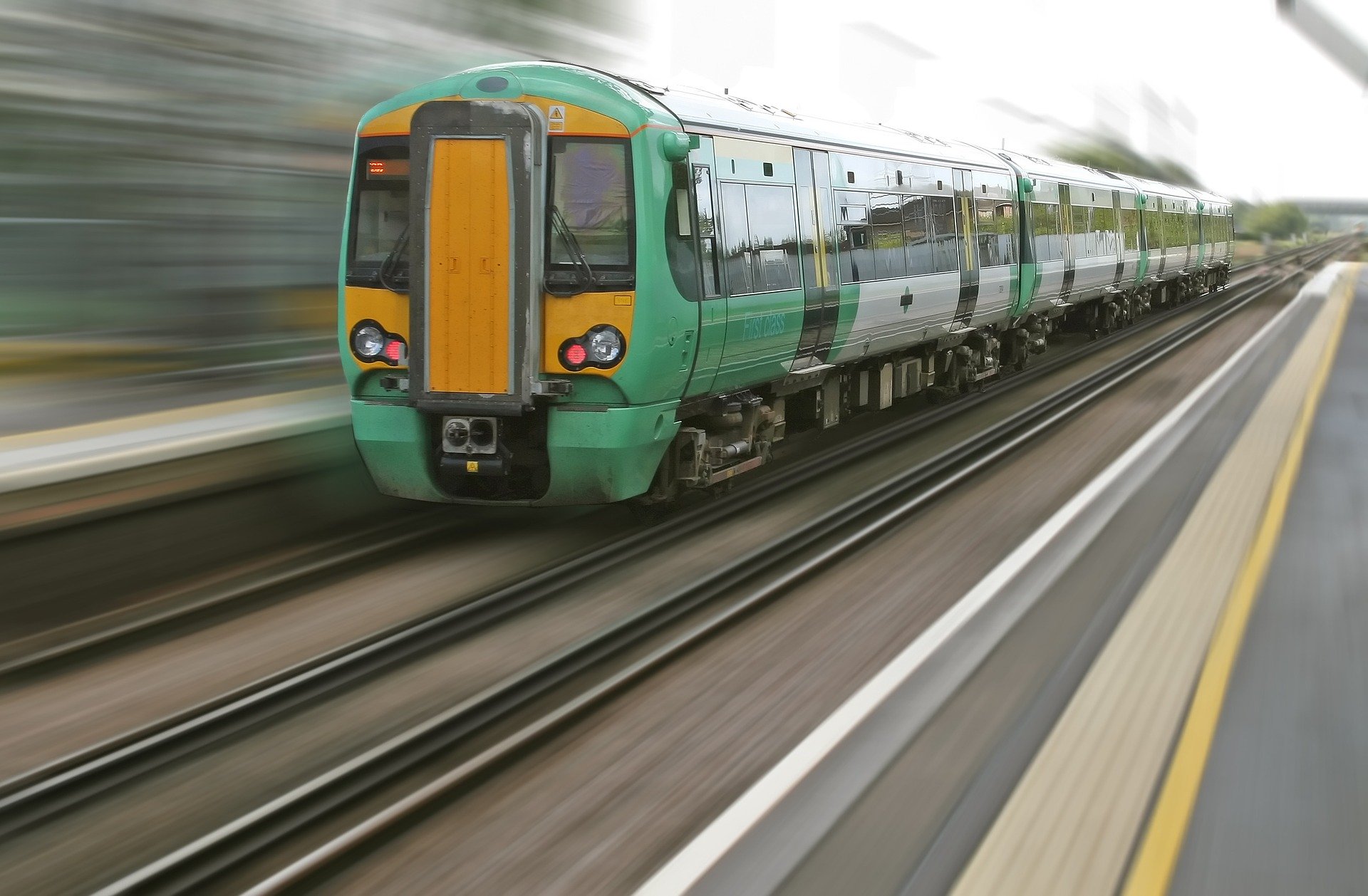
    Get there.

    Pay your fare.

    Train’s not there.

    It’s not fair!