The Musings of Jaime David
@jaimedavid.blog@jaimedavid.blog

The writings of some random dude on the internet

1,091 posts
1 follower

Tag: urban transit

  • MTA x Fex: A Legendary Partnership for NYC Transit with “Subways of Your Mind”

    MTA x Fex: A Legendary Partnership for NYC Transit with “Subways of Your Mind”

    There’s a certain magic that comes with the right partnership—when two worlds collide in a way that feels almost predestined. And as much as the NYC subway system is woven into the fabric of New York’s identity, there’s one perfect pairing that hasn’t yet happened but should be brought to life immediately: a collaboration between the Metropolitan Transportation Authority (MTA) and the band Fex, using their enigmatic track “Subways of Your Mind” to advertise the NYC bus and subway system.

    This idea isn’t just a creative stretch—it’s a concept that feels almost too fitting. In 2026, with the continued resurgence of “Subways of Your Mind” and the song’s association with the subway culture, a partnership between the MTA and Fex could elevate both the song’s legacy and the city’s iconic transportation system. The advertising campaign would not only tap into the deep cultural history of the subway system but also solidify the track’s place as a defining element of urban transit.

    So, what would it look like if the MTA teamed up with Fex to create an unforgettable, legendary advertisement? Let’s explore the potential.

    The Power of “Subways of Your Mind” in NYC Transit Culture

    “Subways of Your Mind” is more than just a song; it’s a cultural artifact. It represents the mystery of urban life, the anonymity of commuters, and the connection between people moving through space. With its haunting melody and otherworldly atmosphere, it fits perfectly within the NYC subway system, where the clattering of trains and the flow of people create an environment ripe for introspection. The song evokes the stillness of a mind lost in thought, as well as the transient nature of subway passengers, making it a symbolic fit for a campaign focused on transit.

    In 2026, as the song’s mystery continues to unfold, why not bring it into the heart of the city it was made to soundtrack? With an advertising campaign featuring “Subways of Your Mind,” the MTA could elevate the song’s association with New York’s transit system, turning it into an anthem for city travel.

    The MTA x Fex Ad Concept

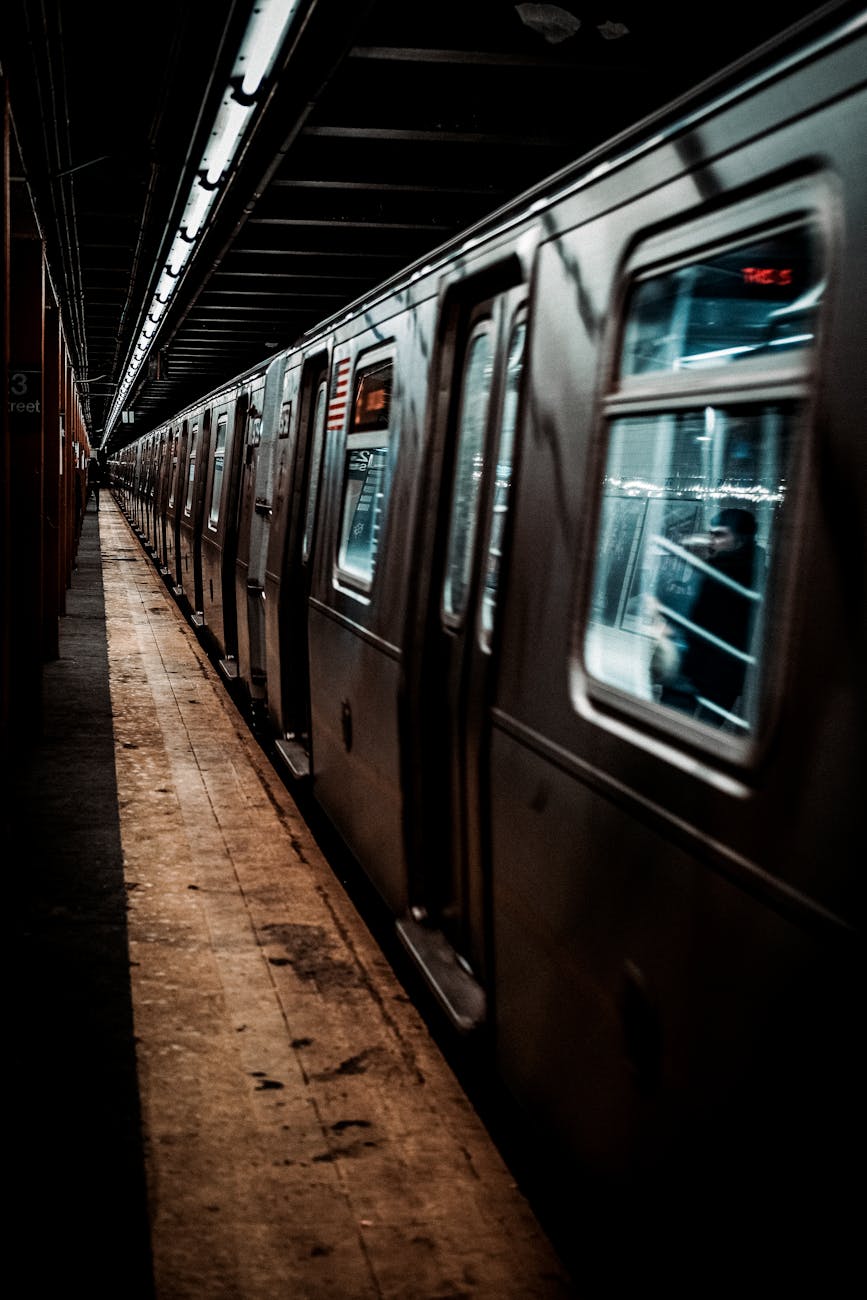
    Imagine the campaign starting with a visual of a bustling NYC subway platform, the kind of place that feels like its own world. Commuters are flowing like clockwork, and the familiar clatter of the train echoes through the underground tunnels. Suddenly, the soft, atmospheric tones of “Subways of Your Mind” begin to play in the background, drawing attention. As the music rises, a calm, cinematic shot captures the rhythm of the city—a scene that feels suspended in time, a moment of stillness amidst the chaos.

    The campaign could feature a series of scenes, each one showcasing different facets of the NYC subway system: the busy morning rush, the quiet late-night trains, the moments of calm between the clatter of wheels on tracks. Each scene would be accompanied by the music, capturing the duality of subway travel—the rush of a fast-paced city mixed with moments of solitude and introspection.

    The tagline could be simple but powerful: “Find your rhythm. Ride the subway. With Fex’s ‘Subways of Your Mind.’”

    This ad would be more than just an advertisement; it would be a tribute to the unique vibe of New York’s transit culture. The MTA’s iconic blue-and-white branding would blend seamlessly with the dreamlike atmosphere of the song, making the whole campaign feel like a love letter to the city and its subway system.

    The Campaign’s Potential Impact

    What makes this idea so legendary is its potential to create a lasting cultural moment. NYC is a city where public transit is an integral part of daily life for millions of people. It’s a place where strangers are united by their shared journey, where the subway becomes a space for personal reflection, and where music has the power to elevate the everyday experience. By incorporating “Subways of Your Mind” into an MTA campaign, the song could become a staple of NYC’s subway culture, much like the sound of the trains themselves.

    Moreover, this campaign would do more than just advertise a mode of transport—it would tie together two quintessentially New York elements: the subway system and the city’s rich history of music. Fex’s track, with its ethereal, almost cinematic quality, would bring a new layer of mystique to the subway experience. This partnership could also introduce the song to a whole new audience, people who might have never encountered the track online or through internet culture, but who now associate it with the iconic NYC subway system.

    Additionally, by tapping into the city’s unique identity and pairing it with a song that evokes both the urban chaos and quiet solitude of subway life, the MTA could strike a deep emotional chord with New Yorkers and visitors alike. The ad campaign could create a sense of nostalgia for longtime commuters and introduce a new dimension to the experience of riding the subway.

    The Legacy of This Collaboration

    If executed correctly, an MTA x Fex collaboration would stand the test of time. The partnership would not just be a one-off campaign—it would become part of New York’s cultural fabric, much like the subway itself. It could even pave the way for future campaigns that explore other iconic songs and artists that tie into the city’s urban soundscape.

    One thing is clear: if “Subways of Your Mind” becomes the soundtrack of the MTA’s new advertising campaign, it will be a moment that fans of the song, commuters, and New Yorkers in general will never forget. The seamless pairing of the music with the city’s transportation system would elevate both, creating a sense of synergy between the subway and the music it represents.

    And of course, there’s the viral potential. Imagine subway riders sharing clips of the ad on social media, capturing the atmosphere of the music paired with the raw energy of the subway. The campaign would not only be a local phenomenon—it would spread globally, showcasing the creative energy that makes NYC the cultural epicenter it is.

    Why Now?

    The time is ripe for this partnership. In 2026, “Subways of Your Mind” is experiencing a resurgence, and the track has never been more relevant. The NYC subway system remains a central part of the city’s identity, and with the world’s attention increasingly focused on New York as a cultural hub, this campaign could help bring the song—and the city’s subway system—into the spotlight.

    With the rise of internet memes, social media sharing, and viral moments, an MTA x Fex collaboration could become a moment of collective recognition for the song, embedding it even deeper into the city’s urban narrative. The iconic, mysterious track and the MTA, representing the gritty, real-life pulse of the city, could come together to create an ad campaign that is as unforgettable as the subway itself.

    Conclusion: The MTA and Fex—A Legendary Partnership

    The MTA’s partnership with Fex, featuring “Subways of Your Mind” as the soundtrack for a citywide advertising campaign, would be legendary. The song and the subway system have already proven to be a match made in heaven, and this campaign would solidify that connection. In a city as diverse and dynamic as New York, where the subway plays such a central role in daily life, a partnership like this would not only make a statement—it would become part of the cultural fabric of NYC itself.

    It’s time for the MTA to take this opportunity and create something that celebrates both the music and the transit system that has shaped the lives of millions. A campaign like this would be more than just an advertisement; it would be a moment of magic, a blending of two worlds that are, at their core, inseparable.

  • The Subway Mind Game: Reading the Signs Before They Stand

    The Subway Mind Game: Reading the Signs Before They Stand

    Riding the subway is often compared to a crowded, moving sardine can, but there’s a subtler, almost invisible game happening when you’re standing on the train holding the rail, particularly when you’re positioned directly in front of someone sitting down. It’s a dance of anticipation, a mental puzzle that requires observation, intuition, and an almost absurd level of focus. The game is simple in theory but devilishly complex in practice: you have to predict, based on subtle cues, when the person sitting in front of you is going to stand and make their exit. It’s like a combination of Simon Says, a trivia game, and the telephone game, all rolled into a few minutes of moving chaos. If you fail, you risk being caught off guard, shoved, or scrambling to adjust at the last second. If you succeed, you glide smoothly with the flow of passengers, almost invisibly part of the moving crowd.

    The first step is paying attention to body language. This is harder than it sounds because New Yorkers are notoriously still, stoic, and often buried in phones or headphones. But there are always signals if you look carefully: a foot shifting forward, fingers tightening on the seat edge, a slight lean toward the aisle, or even a casual glance toward the door. Each of these small actions is a clue, a breadcrumb in the invisible trail of commuter intention. Experienced riders develop a sixth sense for these movements, learning to read micro-signals like a poker player reading an opponent’s tells. It’s subtle, often fleeting, and requires constant attention. Miss one cue, and you might find yourself frozen at the wrong time, blocking the flow of others, or worse, getting bumped by the person behind you who was following the same signals.

    Timing is everything. Predicting someone’s movement isn’t just about noticing when they adjust their body; it’s about calculating the right moment to shift yourself, step aside, or brace for movement. The window is often just a few seconds, and you need to account for the person’s speed, the crowd’s pressure, and the unpredictability of train stops. The trick is to anticipate without overreacting. Move too early, and you might find yourself awkwardly hovering with no one actually standing. Move too late, and you’re caught in a minor collision or a last-second shuffle that throws off your balance. It’s a mental game, a test of attention and patience, where success feels almost imperceptible but is deeply satisfying when executed correctly.

    The game becomes even more complicated in crowded conditions. During rush hour, when standing space is tight and people are packed shoulder to shoulder, micro-signals are harder to notice and movements are more constrained. You have to read not only the person in front of you but the flow of the crowd as a whole, predicting who will step aside, who will move forward, and who will hesitate. It’s a living, breathing puzzle that changes with every station, every stop, and every person on the car. One misread cue, and the delicate chain of timing breaks, causing a ripple of awkward adjustments that everyone feels. But when you get it right, it’s a beautiful, unspoken harmony of human movement, a tiny victory in the daily chaos of commuting.

    There’s also a psychological dimension. Part of the thrill comes from knowing that you are literally predicting human behavior in real time, based on tiny, almost imperceptible movements. It’s a test of patience, focus, and observation. There’s a strange satisfaction in seeing someone stand and knowing you anticipated it, shifting just as they do, moving in concert with the flow. It’s a subtle power, a quiet mastery over the tiny uncertainties of urban transit. Some might see it as overthinking, but regular commuters know it’s survival—an essential skill for navigating crowded trains without chaos or frustration.

    Ultimately, this isn’t just about etiquette or convenience. It’s about engaging fully with the environment around you, noticing the small signals that everyone else mostly ignores, and moving with intention rather than reacting blindly. The subway becomes less of a random, chaotic ride and more of a living, interactive game where your attention and intuition are your tools. Every stop is a round, every signal a clue, every successful pre-stand a small but meaningful win. Over time, you start to feel like a participant in a strange, high-stakes mental exercise that is equal parts observation, prediction, and patience.

    In conclusion, standing in front of someone on the train isn’t just about holding onto the rail and keeping your balance. It’s a game of anticipation, a mental exercise in predicting movement based on subtle, fleeting body language. It’s a test of timing, focus, and human observation, requiring patience, awareness, and a willingness to engage with the minute details of your surroundings. It’s a skill that improves with practice, rewarding the careful observer with smoother rides, fewer collisions, and a sense of quiet mastery over the small chaos of urban life. The next time you find yourself holding the rail, directly in front of a seated passenger, pay attention, read the signals, and embrace the strange, satisfying game of predicting the subway’s human flow. Success is small, silent, but absolutely satisfying.

  • The MTA Exit Shuffle: Why You’ve Gotta Pre-Exit Before Exiting

    The MTA Exit Shuffle: Why You’ve Gotta Pre-Exit Before Exiting

    Riding the MTA might seem like a straightforward experience: swipe your card, hop on the train, find a seat, and ride to your destination. But if you’ve ever noticed the chaos that unfolds when the train reaches a busy station, you know it’s not that simple. One of the most frustrating, least intuitive parts of navigating New York City’s subway system is the art of the pre-exit, a maneuver that requires awareness, timing, and sometimes patience that borders on meditation. Pre-exiting is the act of positioning yourself strategically near the doors well before your stop arrives, ensuring you can exit smoothly without being crushed, jostled, or delayed by the sudden surge of passengers moving to the doors at the last second. The MTA may never explicitly tell you this, and if they did, most people probably wouldn’t pay attention anyway, but understanding the concept can save you from countless headaches, awkward encounters, and moments of sheer subway panic.

    To start, the need for pre-exiting arises from the MTA’s unique combination of overcrowding and door placement. Subway cars are long, often with narrow corridors, and while there are multiple doors along the length of each car, passengers tend to cluster near the middle or near the ends depending on habit or laziness. When a stop approaches, everyone who wants to get off must converge toward these doorways. If you’re not already there, you are forced into a human river of movement, pushing, shoving, and sometimes accidental elbowing, just to make it to the doors before they close. The difference between pre-exiting and reacting at the last minute is the difference between a calm departure and a stressful struggle against the flow of humanity. It’s a skill that sounds simple but requires situational awareness, observation, and the ability to read crowds, almost like a dance with the rhythm of the train and its passengers.

    The process of pre-exiting begins with knowing your station and the car layout. Not every exit is equal: some stations have multiple staircases, escalators, or elevator options, and the location of the door you use can make a dramatic difference in how quickly you leave the station. If you are at the wrong end of the car, you might be forced to weave through a crush of people or sprint through a crowded platform. Observing patterns from previous trips is key; for example, if you know a certain train consistently empties faster near the front, it makes sense to position yourself accordingly. This isn’t just strategy—it’s survival. New Yorkers might joke about being packed like sardines, but for someone unfamiliar with the system, missing your pre-exit window can result in standing for ten more minutes while the next train crawls into the station and doors open to reveal another wall of humanity.

    Timing is everything when it comes to pre-exiting. You can’t just stand near the doors from the beginning of the ride; that will annoy other passengers, and in crowded trains, it can actually be counterproductive. Instead, it’s about sensing when your stop is approaching and gradually moving toward the doors. This requires constant awareness of the train’s progress, listening for station announcements, and sometimes relying on the display panels inside the cars. Experienced commuters develop an almost instinctive sense for this, like a sixth sense that whispers, “Move now or be trapped.” But the uninitiated may hesitate, distracted by a phone or conversation, only to realize too late that everyone around them has already shifted, leaving them stuck in the middle, panicked and scrambling for an opening.

    Once you’ve positioned yourself near the doors, the next step is controlling your pre-exit behavior. This isn’t just about being there—it’s about holding your space without antagonizing fellow passengers. In crowded cars, people will bump and press against you, and there’s an art to maintaining balance and asserting subtle personal space while avoiding confrontations. Some commuters practice gentle leaning, strategic angling, and careful awareness of body placement to create a buffer zone that allows them to exit without pushing or being pushed. Pre-exiting is as much psychological as it is physical; understanding that everyone else is also trying to navigate the chaos can help temper frustration and prevent unnecessary conflict.

    The platform itself is another battlefield. Even after you’ve made it off the train, the pre-exit mindset is still critical. Stations can be crowded, escalators can be slow or broken, and staircases can be congested. Knowing where to stand and how to move efficiently is a continuation of the pre-exit strategy. Experienced riders often anticipate these bottlenecks and choose doors or cars based on where they will lead on the platform, not just on the train. For example, exiting from the middle of a car might deposit you directly in front of a staircase, while the ends might leave you wading through a sea of people. This is why the concept of pre-exiting extends beyond the train itself: it’s about controlling your path through the entire transit environment, from arrival to exit.

    There’s also a social dimension to pre-exiting. Observing and understanding human behavior in the subway ecosystem is essential. People have different walking speeds, varying levels of awareness, and diverse reactions to crowding. Pre-exiting requires reading these behaviors and anticipating movements to avoid collisions or delays. It’s almost like becoming a participant in a choreographed crowd dance, where awareness, timing, and positioning dictate success. You learn to predict which doors will have the most congestion, who will rush ahead, who will hesitate, and who might block your path. Ignoring these cues is not only inefficient—it’s a guarantee of frustration.

    Technology has helped somewhat but hasn’t eliminated the need for pre-exiting. Real-time apps, station maps, and digital alerts can inform you of train arrivals, delays, and platform conditions, but they don’t solve the problem of human congestion. You can know exactly when your train will arrive and which platform to stand on, but if you misjudge your positioning inside the car, you’re still caught in a wave of last-minute commuters. The subtleties of personal space, timing, and crowd flow remain entirely human factors, and pre-exiting is the skill that bridges the gap between information and action.

    At its core, pre-exiting is about efficiency and survival, a recognition that the MTA is not just a transportation system but a complex social environment where timing, space, and awareness dictate your experience. For those new to the city or unaccustomed to public transit, it may seem like overthinking, but anyone who has been trapped in a packed car at rush hour knows the difference between a calm, controlled exit and a desperate scramble. It’s a subtle, unspoken skill, passed from commuter to commuter, observed in body language and car positioning, and practiced daily by millions who rely on the subway to navigate their lives.

    In conclusion, pre-exiting before your MTA train stop is not just a minor tip; it is an essential survival tactic. It combines timing, observation, physical positioning, social awareness, and psychological control, ensuring that you can exit the train efficiently, safely, and with minimal stress. Understanding your station, observing the crowd, anticipating movement, and positioning yourself strategically are all components of this practice. While it may seem like a small detail in the grand scheme of urban life, mastering pre-exiting transforms the subway experience from a chaotic struggle into a manageable, even predictable, journey. So next time you board an MTA train, remember: your exit begins the moment you step on the platform. Anticipate, position, and pre-exit, and you might just emerge from the subway with a small victory in the daily battle of New York City commuting.