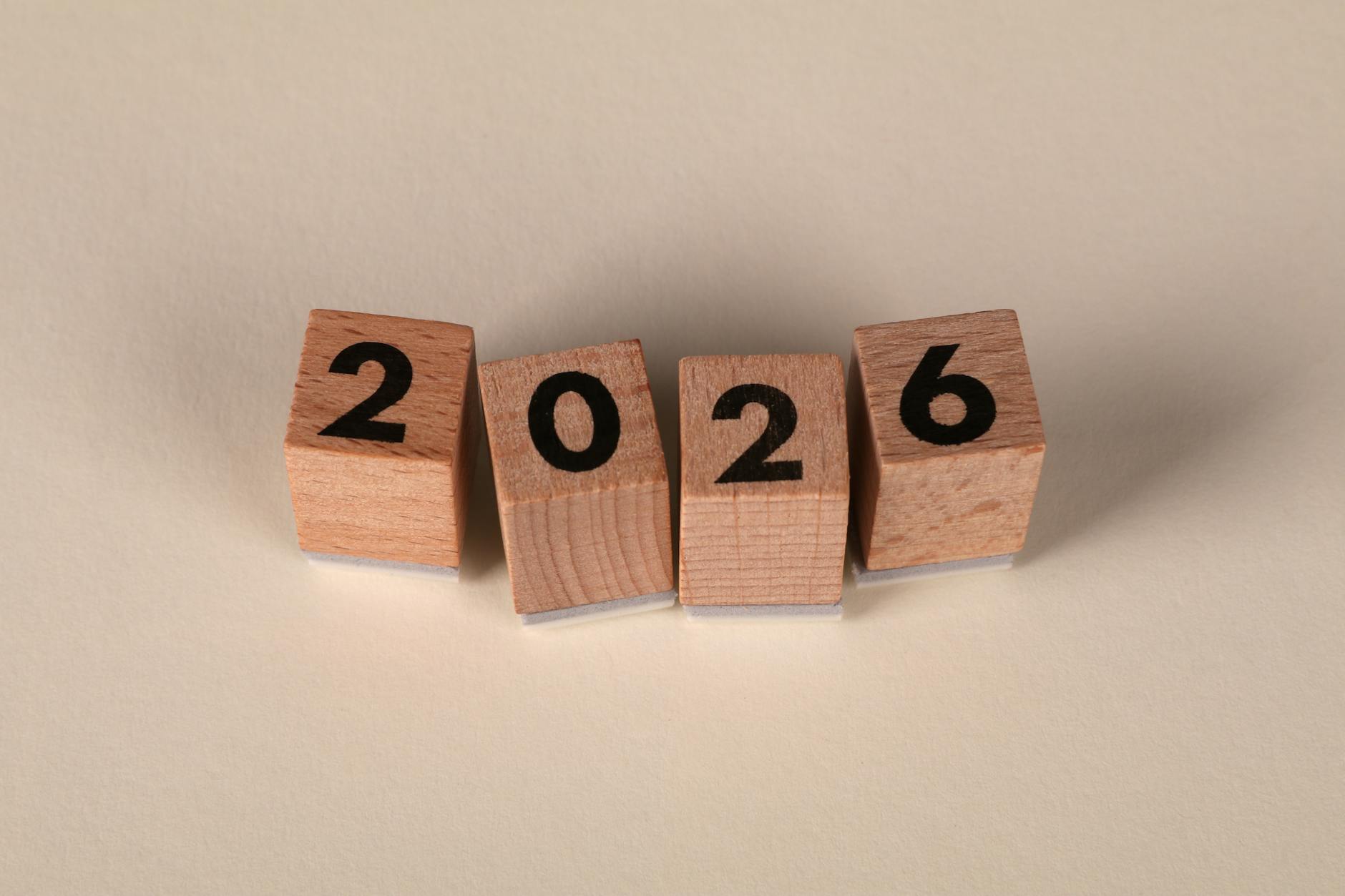
January 2026 has felt like a year within itself. We’re only a few weeks into the month, and yet it feels as if the weight of time has condensed, making every day feel like a chapter in a longer saga. It’s not the typical feeling of a new year’s freshness or the usual optimism that comes with turning the page on a calendar. Instead, there’s something different about this January — something that feels stretched, intense, and heavy. In a way, it’s as if time itself has slowed, forcing us to confront events, thoughts, and emotions that would typically span an entire year.
In many ways, the events of January 2026 are already overshadowing much of what happened in 2025. Political landscapes have shifted dramatically, tensions around the globe have escalated, and here at home, the pressures of inflation and economic instability are hitting harder than ever before. But it’s not just the news cycle that’s contributing to this sense of a year gone by in only a few weeks. It’s the personal experiences that have compounded — feelings of burnout, reflection, and even disbelief that we’re still in the opening weeks of the year.
One of the most noticeable shifts is the way we’ve entered this new year with a deep, almost pervasive sense of urgency. It’s as if we all collectively stepped into 2026 already in overdrive, and yet, it doesn’t feel like it’s going anywhere fast. Every news report, every tweet, every political speech feels like it’s dragging us into a vortex, where we are moving through time, but it’s almost as if we’re stuck in place, unable to break free.
For those of us who have been following the rise in tensions, particularly with global leaders, it’s hard not to feel as though the world is shifting on its axis. The ongoing struggles in the geopolitical sphere seem more intense than ever, yet we remain largely helpless in our ability to steer things back to some semblance of normalcy. The days that stretch before us feel increasingly unpredictable — and it’s that uncertainty that makes it feel as though we’ve been living in this month for an eternity.
Domestically, in the United States, the feeling of time moving at a crawl isn’t just tied to international events. The political landscape has been in a constant state of flux, with January 2026 seeing a particularly dramatic rise in divisiveness. The public discourse feels increasingly polarized, with each passing day only deepening the rift between opposing sides. If you follow the news, social media, or even just conversations in passing, the arguments feel like they have been stretched across a much longer period of time, even though they are barely weeks old. The sense that we are repeating the same cyclical patterns of dysfunction only adds to the feeling that time is dragging us through endless, monotonous loops.
Then there’s the personal dimension. January always feels like a time for renewal, for setting resolutions, and for beginning anew. But this year, many of us are facing a familiar sense of exhaustion instead. Whether it’s from the grind of everyday life, the uncertainty in the air, or the weight of the world’s problems hanging over us, there’s a sense that we’re trying to regain a sense of momentum that has been lost. This moment of “new year, new beginnings” has felt like a cruel joke — we’re still reeling from the chaos of 2025, and it seems we have little room to breathe before the next challenge arrives.
The weight of the first few weeks of January isn’t just external. It’s internal, too. We may have entered this year with intentions to be better, to embrace optimism and new possibilities, but for many, the reality has been more akin to a slow march through a year’s worth of struggles, disappointments, and frustrations. And as much as we try to shake it off, there’s this creeping awareness that we’re already deep into 2026, and the year’s narrative is being written whether we’re ready for it or not.
One could argue that this feeling is a result of the general acceleration of modern life. Time feels like it moves faster than ever because we are constantly bombarded with information, events, and the demands of a never-ending news cycle. But that explanation doesn’t quite capture the depth of the exhaustion many of us are feeling right now. It’s not just the usual busy schedule or the constant pings of social media that make time feel stretched. It’s something more existential — a feeling of being caught in a constant state of anticipation, always waiting for the next thing to happen, but never truly arriving at a place of calm or closure.
Part of what makes January feel like an entire year is the sheer number of significant events that have already occurred. Whether it’s political upheaval, the emergence of new social issues, or unexpected global events, the early days of this year have been packed with drama. It’s hard to look at the news without feeling like we’ve already lived through a rollercoaster of highs and lows, only to realize that we’re still in the infancy of the year. It’s as if the events of this month have already been amplified by the urgency of our collective anxiety.
But perhaps the most telling part of this feeling is the way we’ve been forced to confront the brevity and fragility of life in such a short time. January has not only felt like a year because of the events that have transpired, but because it has brought with it a heightened sense of awareness. The world is not waiting for us to catch up — it’s moving at breakneck speed, and the only choice we have is to try to keep up, or risk falling behind.
The paradox of time, though, is that even as January feels like an eternity, we also realize that the year is just beginning. The uncertainty and tension that have already defined the start of 2026 are merely a reflection of a larger, ongoing struggle — one that will unfold over the coming months and years. It’s not just that we’ve experienced so much in such a short amount of time, but that the narrative of this year is only beginning. As we look back at the early days of January, we’re left wondering: What will the rest of the year bring?
This is where the true weight of the moment lies — in the understanding that January 2026, though it feels like an entire year, is merely the first chapter of something much larger. We have yet to experience the full course of what this year will become, but the seeds of its story are already being planted. And for all the discomfort and uncertainty that comes with that, there’s also a sense of inevitability. Time is moving, and whether we’re ready for it or not, we are all swept up in its relentless current.
By the time the months pass and we look back on this moment, we may find ourselves reflecting on just how much happened in such a brief span. We may even wonder how we survived it, how we made it through the storm of early 2026. But for now, we’re stuck in the thick of it, experiencing each day as though it’s an entire year compressed into a single moment. In a world that never seems to stop moving, January 2026 feels like the longest year we’ve ever lived.