The Musings of Jaime David
@jaimedavid.blog@jaimedavid.blog

The writings of some random dude on the internet

1,089 posts
1 follower

Tag: Weather

  • Why We Shouldn’t Let the Rain Stop Us

    Why We Shouldn’t Let the Rain Stop Us

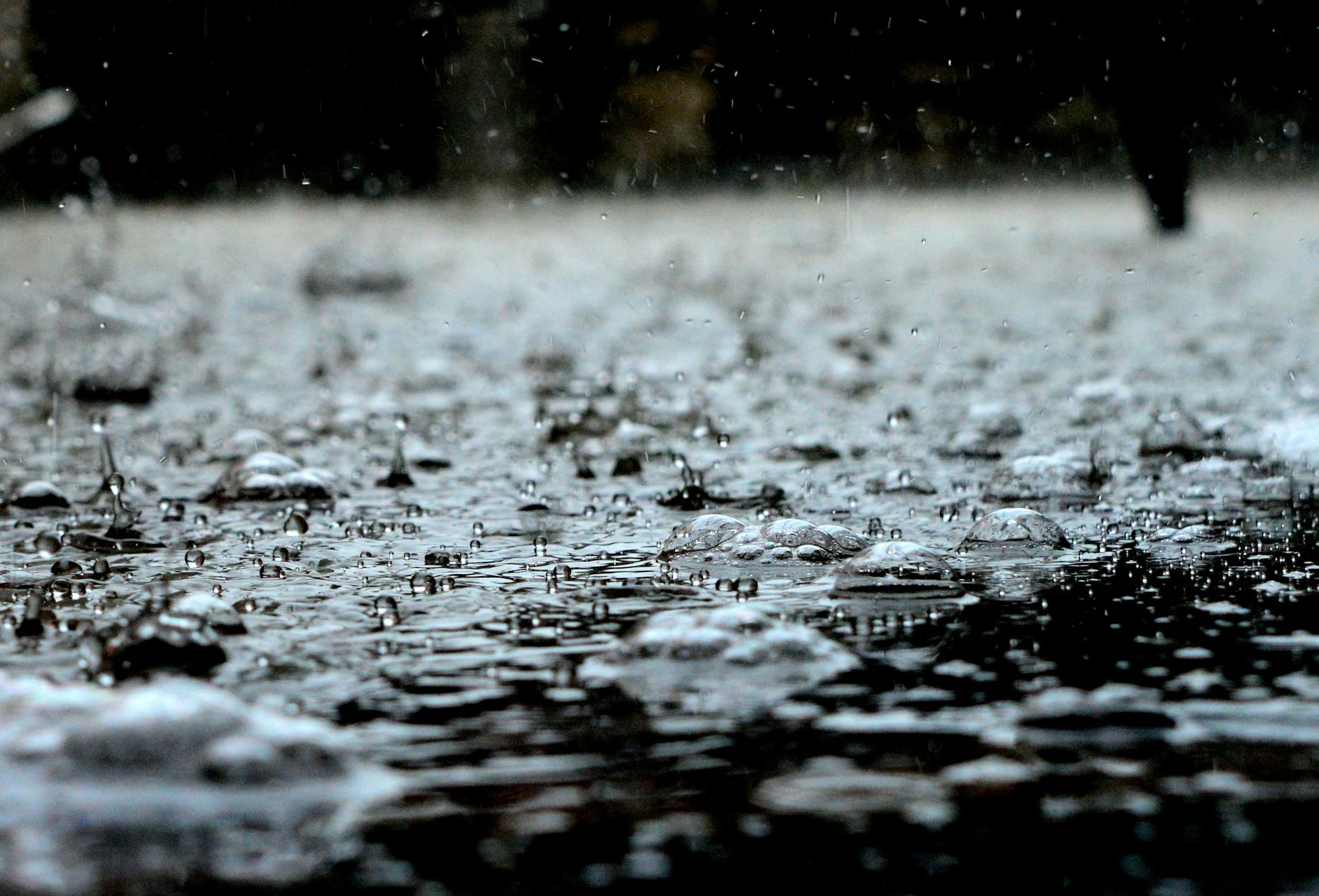
    Too often nowadays, we allow rain—sometimes snow, but mostly rain—to dictate our lives. A light drizzle, a steady shower, even moderate rainfall, and suddenly plans are canceled, errands postponed, or outdoor activities abandoned. We use weather as an excuse, telling ourselves, “It’s raining, so I’ll stay in today.” While safety should always come first—avoiding flooding, storms, or dangerous conditions—there’s a subtle but important distinction between genuine risk and mere inconvenience. For the most part, rain should not be a reason to halt our lives.

    Think about it: rain is a natural part of life. It falls on everyone, everywhere, and has for centuries. Yet in modern culture, it is often treated as a pause button. But what if we flipped that perspective? What if we saw rain not as a hindrance, but as a condition to embrace, adapt to, and even leverage?

    History provides some of the most compelling evidence for why we should not let rain stop us. Many significant events, moments that shaped nations and societies, occurred under rainy or overcast skies. Take D-Day, for instance. The Allied invasion of Normandy on June 6, 1944, was originally planned for earlier dates, but stormy conditions and rough seas forced a delay. On the day of the invasion, the weather was far from ideal—overcast skies, choppy waters, and intermittent rain challenged the troops and commanders alike. Yet, if they had waited for perfect conditions, the course of World War II might have been entirely different. The Allies pushed forward despite the rain, and that determination changed history.

    It’s not just military history that demonstrates the power of embracing adverse weather. Across the world, countless protests, marches, and demonstrations have taken place in rain. Think of the civil rights movement: activists often marched and protested regardless of rainfall. Their commitment wasn’t diminished by the weather; in fact, their perseverance in challenging conditions added a layer of courage and determination to their cause. The rain, rather than stopping them, became a testament to their resilience.

    Even beyond the grand scale of history, rain can have its advantages. In certain military or tactical situations, rain has served as cover, masking movement or muffling sound. On personal levels, rain can energize, refresh, and provide a change of pace. Running through a light shower, walking with an umbrella while the rain taps rhythmically on the fabric, or simply taking a moment to feel the cool drops on your skin—these experiences remind us that life doesn’t stop because the sky is gray.

    Culturally, some societies have long embraced rain as a normal part of life. In Japan, for example, rainy days are woven into daily routines. Umbrellas and raincoats are not just practical tools—they’re symbols of adapting and moving forward regardless of the weather. Similarly, in parts of Europe where rain is frequent, life continues indoors and outdoors, with people adjusting and embracing the conditions rather than treating them as an obstacle.

    The psychological benefits of not letting rain stop us are profound. Waiting for ideal conditions can foster procrastination, indecision, and unnecessary hesitation. By choosing to act despite the rain, we cultivate resilience and flexibility. We learn that not every challenge is a barrier—sometimes it’s merely a condition to work around. This mindset extends beyond weather; it prepares us for life’s unpredictabilities, teaching us to move forward even when circumstances are less than perfect.

    There’s also a creative angle. Writers, artists, and thinkers throughout history have found inspiration in rainy weather. The atmosphere, the rhythm of raindrops, the muted light filtering through clouds—these elements have sparked imagination, reflection, and insight. By avoiding rain, we risk missing moments of beauty and inspiration that only occur under its influence.

    Of course, this is not a call to recklessness. Safety is paramount, and there are times when rain is truly dangerous: storms, flooding, slippery conditions, or lightning. But when the weather is simply wet, inconvenient, or gray, it should not become a reason to halt our lives. By stepping out into the rain, we reclaim agency over our decisions and our time. We take control of how we respond to circumstances, rather than letting external conditions dictate our actions.

    So, the next time it rains, consider stepping outside instead of staying in. Walk, run, ride, or simply observe the world through a window while feeling the rain’s presence. Recognize that throughout history, people have accomplished incredible feats in rainy conditions. They did not wait for ideal weather—they acted, adapted, and sometimes even leveraged the rain to their advantage. By embracing rain, we align ourselves with a tradition of perseverance and resilience that spans centuries.

    Rain is not an enemy. It is a natural element, a condition of life, and sometimes even an ally. Light showers, steady rains, and moderate downpours should be met not with hesitation, but with action. Life is too short to let weather determine our choices. Whether it’s achieving personal goals, completing tasks, or simply enjoying the world around us, we can learn to move forward despite the rain—and maybe even because of it.

    In short, do not let rain stop you. Step out, push forward, and embrace the wet and the gray. History shows that those who moved despite the rain made a difference. And in our own lives, we can do the same. Rain is not a pause button—it is an invitation to resilience, adventure, and growth.
  • The Dome

    The Dome

    Background

    I initially wrote this poem in hopes to possibly have it included in a book about climate relocation. It unfortunately wasn’t accepted, so I’m sharing it on here!

    Before I get to the poem itself, let me tell you about the background of what inspired and led me to write the poem in the first place, for the story is a pretty interesting one. It all started about a month ago. I wss browsing YouTube and decided to watch a video from YouTube user DarkDocs titled “Is America’s Own Chernobyl Sitting In The Middle of the Ocean.”

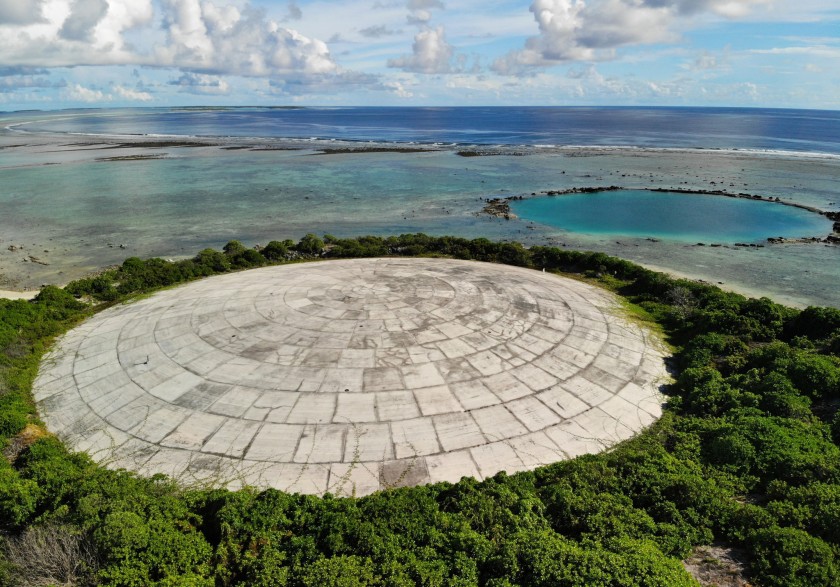
    In the video, he describes the history of the Runit Dome and the effects it could have on the environment today.

    After the video was over, I watched in the suggestions tab titled “This Concrete Dome Holds A Leaking Toxic Timebomb | Foriegn Correspondent.”

    It was a video by ABC News In-depth. In the video, it talks about the history of the Runit Dome and how it is affecting the Marshallese people presently. One of the people who was mentioned in the video was Kathy Jetnil-Kijiner, a poet from the Marshall Islands. In 2014, she had read a poem for her daughter in front of the UN for the Climate Summit. I thought her poem was very inspiring, so I wanted to follow her on social media to check out more of her work. I followed her on Facebook and Twitter. On her Twitter, I saw that she had shared an advertisement for a book that two climate scientists were working on getting published. The book would be a collection of works ranging from scientific articles to poems. I decided to submit a poem. I had sent a short excerpt of it to them. They said they liked it and that I should hear back a month later if my poem will be accepted or not. Fast forward to today, and I found out my poem was not accepted. However, they said they enjoyed the excerpt that I had sent to them, and that there were a lot of submissions to choose from. I wish the both of them good luck in getting the book published, and without further ado, here is the full poem that I had wrote!

    The Poem

    Bikini Atoll;

    They were told

    The US were protectors

    Of hope

    And of freedom.

    Instead, they were relo-

    -cated from their homes

    While their atolls

    Were bombarded with radiation,

    Which had took a toll

    On them and their souls,

    And the remains of it all

    Were buried underneath a dome

    That is called “The Tomb.”

    How ironic it’s name is, so,

    Because the Runit Dome

    Has the potential

    To become their own tombs.

    With sea level rising,

    It’s becoming a crisis

    That if the radiation finds its

    Way out, it could

    Completely poison

    The entire Earth’s oceans,

    And this is because of the

    Changing Earth’s climate!

    Is there any hope for us to survive this

    Disastrous threat that could possibly annihilate us?

    I’d say there is, but we need to realize this:

    For us to survive it,

    We all need to rise up and

    Take a stand for what’s right, which

    Is saving the entire planet

    From total destruction.

    It may sound bleak; it may sound alarmist,

    But I believe we all can grow and thrive despite this!

    That is why I, a mere man who writes this,

    An artist with a creative mind that is

    Concerned about the state of the world and this climactic climate crisis,

    Had decided to sit down and take the time to write this.

    I wrote this poem

    Because I care about my home.

    I care about the loved ones that I call my own.

    I wrote this for my friends; my family, too!

    I wrote this for their friends, and their families, too!

    I wrote this for everyone; everyone that’s in the room;

    The room that is so big and so round and so blue;

    The room that has oceans that spans millions of miles;

    The room that has a diversity of creatures both on land and in the sea;

    The room that has been around for billions of years;

    The room that houses a species that has accomplished many great feats, but has also caused a myriad of tragedies that led countless people to defeat;

    The room that I’m proud to call planet Earth.

    I was not asked to be born on this Earth,

    But it is my place; the place of my birth.

    It sorta just happened; one day I was conceived.

    I grew to a fetus, then a baby, and then eventually an adult human being.

    It was a slow process; just like humanity’s growth on this Earth for thousands of years.

    We started out in caves, and eventually made great things.

    Along the way, we also had created

    Devastating weapons that can harm us and hurt us in many ways.

    The same goes with climate change; it’s mostly man-made.

    It is a mess that we ourselves had made.

    The consequences are dire; the Earth is on fire.

    But if we take a stand now, I believe we’ll survive this!

    The Earth is our home; it is our dome.

    It is the one thing that should come above all!

    Just as the dome

    Located in the Enewetak Atoll

    Has the potential

    To destroy us all,

    We too have the potential;

    The potential to be saviors

    For not just the here and now,

    But for future generations.

    That is why I had wrote this poem.

    So if you see this message, please heed the urgency

    To do something about this climactic climate emergency

    That could lead to insurgency

    Of disastrous natural convergency

    That could inadvertently lead

    To extreme diathermancy

    And create great divergency.

    We must fight this looming threat, and we must do so with great fervency,

    For it is this Earth that we love with great ardency!

    We must stand up and fight, and must do so without errancy.

    We must not treat this threat as a mere nonemergency.

    We must respect this planet with great amounts of conservancy,

    And clean up this world with great levels of detergency.

    This our home; the home that we were grown.

    This Earth is our dome, and this is its poem!

  • Climate Change Is Real

    Climate Change Is Real

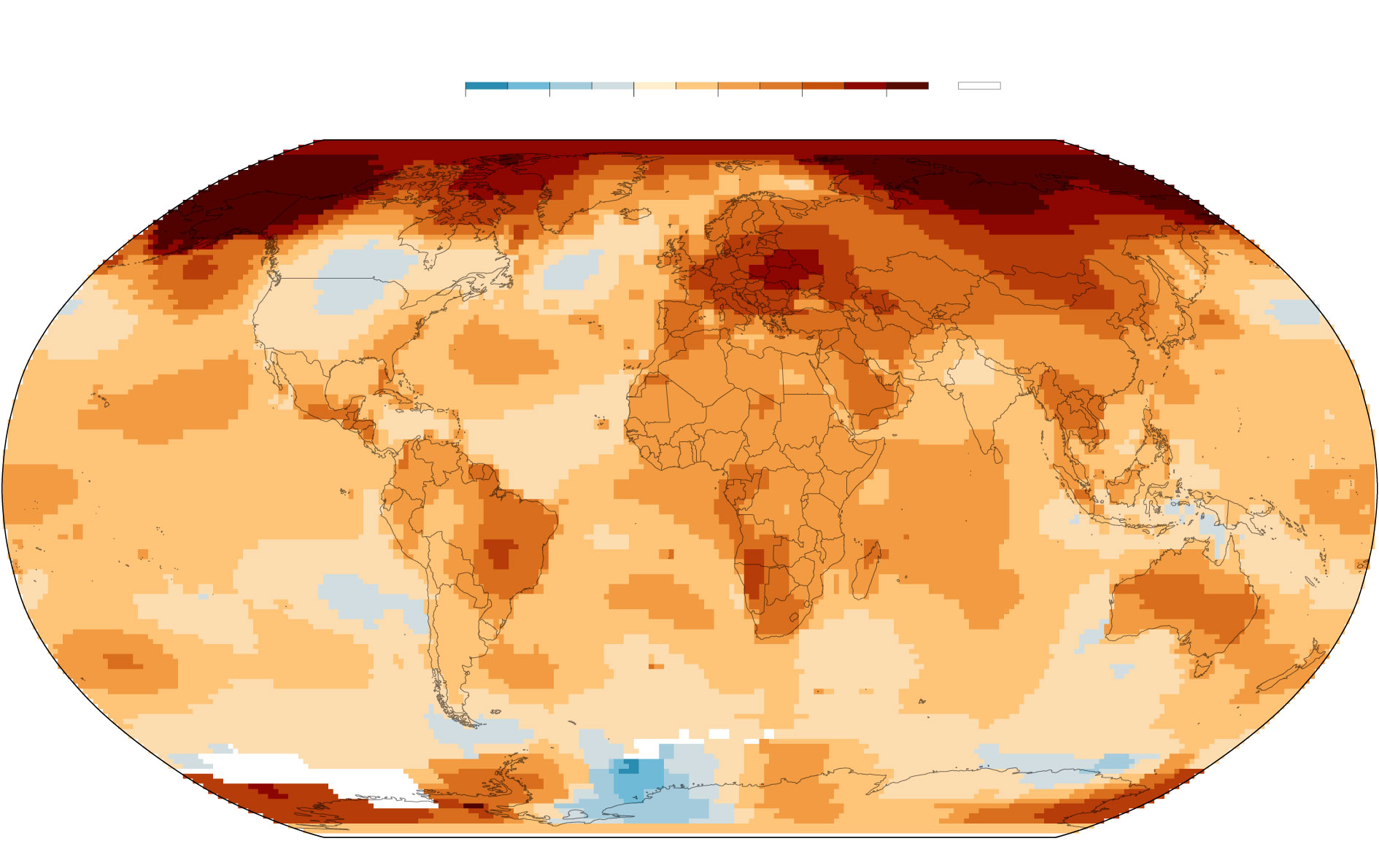
    After reading this article by the NY Times, I was somewhat inspired to write a short poem about climate change in response to the title of the article. Hope you enjoy!

    That’s…..hot!

    Ok, no it’s not!

    It sucks a lot!

    It’s worse than I thought!

    This planet’s all we fucking got,

    and right now, it’s getting too damn hot!

  • Rain

    Rain

    It’s raining today. It’s a cold, dark, damp, miserable day out. It seems that it rains almost everyday in New York. Now, I get that rain is important. I get that it waters the grass, the plants, the trees, and replenishes the oceans, lakes, and rivers, but still; it sucks when it rains almost constantly. Constant showers, constant downpours, constant gusts of wind and rain; it gets on your nerves after a while. Not only that, but it’s really unusual to see occur in New York so often. From what I remember when I was younger, it never rained so often. There would be the occasional shower here and there, but it wasn’t an almost daily or weekly occurrence. And why would it? This isn’t the South or the Midwest where it’s humid a lot of the time or where the weather is dynamic a lot of the time. No! This is New York. This is the East Coast. The weather is supposed to be stable. It’s supposed to be temperate. To see rain almost every single day or week makes me think that I stepped into the Twilight Zone to a universe where New York has the weather of Seattle. I don’t know why the weather is like this for sure, but I hypothesize it has something to do with climate change. I believe that the exuberant emission of greenhouse gases is dynamically changing the weather patterns in New York to the point where it’s similar to Washington State or Florida weather where it rains almost constantly.