Paste my profile into the search field of your favorite open social app or platform.
Your Profile
Or, if you know your own profile, we can start things that way! Why do I need to enter my profile?
This site is part of the ⁂ open social web, a network of interconnected social platforms (like Mastodon, Pixelfed, Friendica, and others). Unlike centralized social media, your account lives on a platform of your choice, and you can interact with people across different platforms.
By entering your profile, we can send you to your account where you can complete this action.
Intro: This poem honors the invisible backbone of society — workers on the frontlines, gig economy, and beyond — while calling out exploitation masked as progress.
Poem: Clock ticks loud in the factory’s hum, Another day for the faceless numb. Sweat beads mix with grease and oil, In shadows deep, they toil and boil.
Gig economy, freedom sold, But chains are made of hours cold. Promises of “flex” and “choice,” But silence drowns the worker’s voice.
From kitchens hot to delivery streets, Invisible hands that never meet The luxury they help maintain, While scraping crumbs, enduring pain.
But union chants and strikes arise, In hearts and fists, a fierce reprise. For every shadow that hides the truth, There’s a spark of strength, a call to youth.
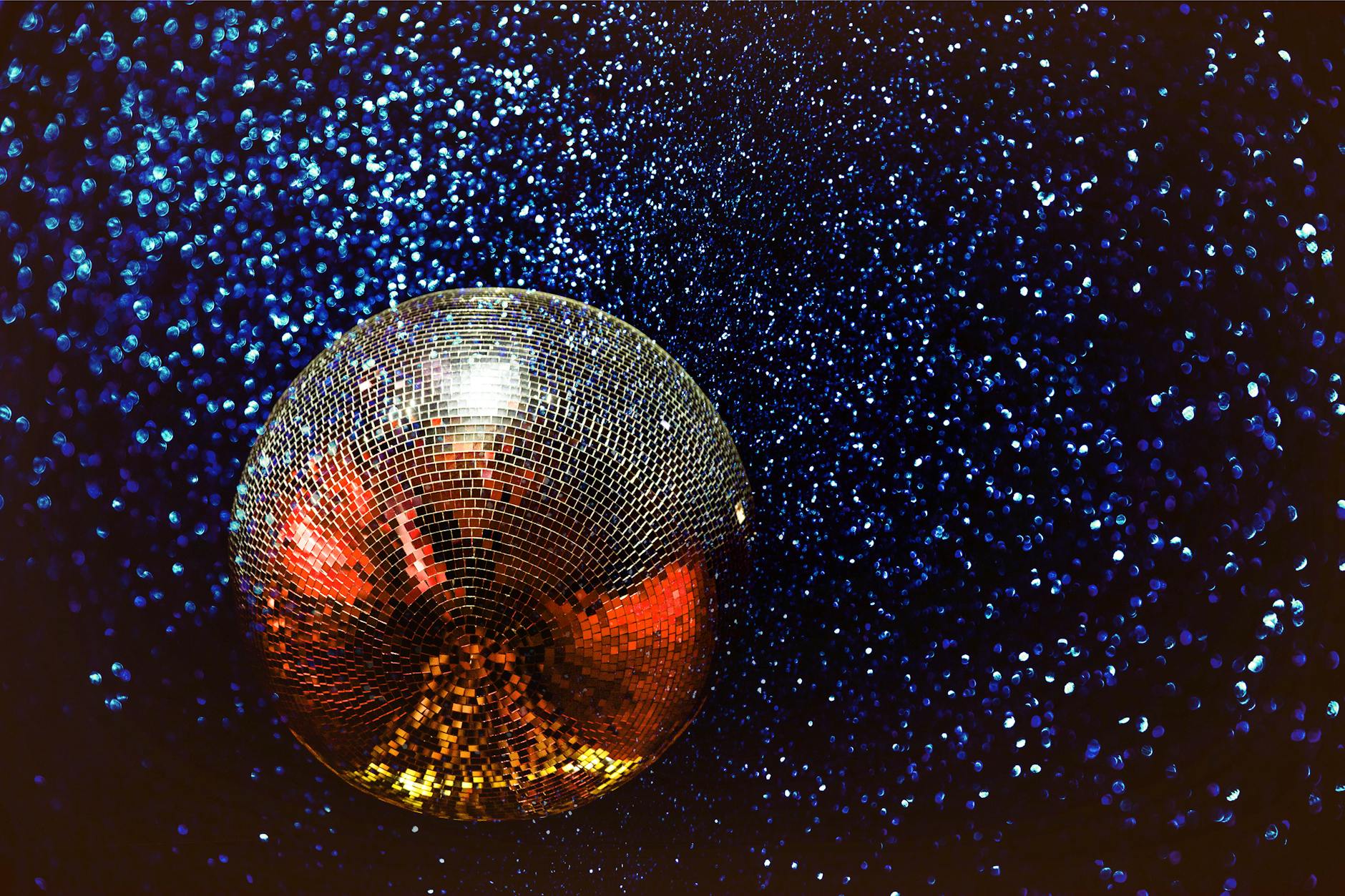
There’s something strangely timeless about Pulp’s “Disco 2000.” On the surface, it’s a nostalgic Britpop banger with a driving beat and catchy chorus. But beneath that glittery exterior is something more poignant: a song about unrequited love, the passage of time, and the lingering ache of what could have been.
In many ways, “Disco 2000” is the ultimate friendzone song — and I don’t mean that in the cynical, meme-ish way the internet often throws around that term. No bitterness, no entitlement, no scorekeeping. Just a vulnerable, almost celebratory acknowledgement that sometimes, you love someone deeply… and they simply don’t feel the same way.
But instead of wallowing, “Disco 2000” dances.
Jarvis Cocker’s lyrics paint a vivid picture of childhood closeness, adolescent yearning, and adult reflection. The narrator remembers every detail — Deborah’s looks, the way she laughed, how everyone wanted to be her friend. And him? He was just the friend. The one always in orbit, never the center. But still, he clings to those memories with tenderness, not resentment. The repeated refrain — “I never knew that you’d get married…” — carries a quiet heartbreak, but also acceptance. He didn’t get the girl, and life moved on.
Yet there’s something radical in the song’s refusal to turn that experience into self-pity. The friendzone here isn’t a curse — it’s a reality, and it’s embraced with a kind of emotional maturity most songs about unrequited love don’t bother with.
In “Disco 2000,” the heartbreak isn’t just about not being chosen. It’s about the strange beauty of being close to someone you care about, even when the romantic connection isn’t mutual. The song leans into that tension — the desire, the distance, and the deep appreciation for a shared history.
It’s that honesty that makes “Disco 2000” more than just a great pop song. It becomes a kind of anthem for everyone who’s ever been the “almost.” Not in a bitter way, but in a deeply human way. A celebration of the connection, even if it didn’t lead where you hoped.
So yeah — call it the ultimate friendzone song. But say it with love. Because “Disco 2000” doesn’t mock the feeling of being on the sidelines. It honors it. And sometimes, that’s even more powerful than getting the happy ending.
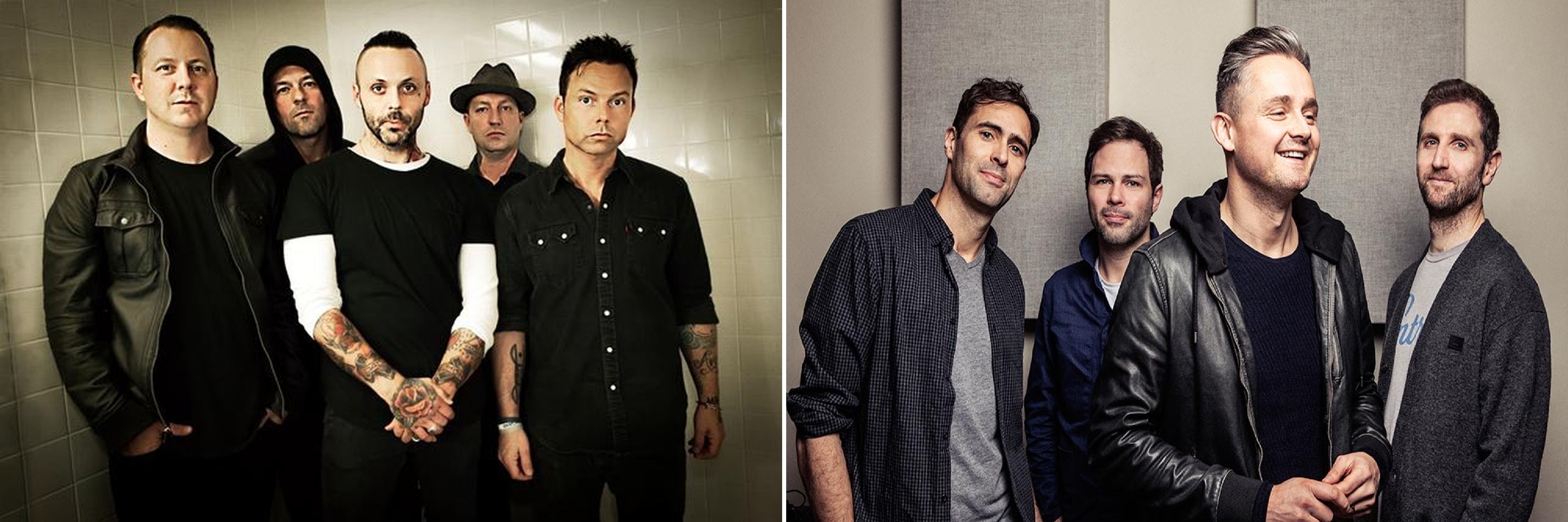
At first glance, Keane and Blue October seem like they live in completely different musical galaxies. One is known for soaring piano ballads and poetic British melancholy, the other for raw emotional alt-rock infused with violin, grit, and soul-baring vulnerability. It might not seem like the most obvious pairing.
But that’s exactly why I think a Keane x Blue October collaboration would be brilliant.
🎹✨ Two Different Sounds, One Shared Soul
Keane brings lush, atmospheric piano-driven arrangements with introspective, lyrical storytelling. Songs like “Somewhere Only We Know,”“Everybody’s Changing,” and “You Are Young” wrap around you like nostalgia, memory, and hope.
Blue October? They come in with raw passion, haunting violins, and emotionally intense lyrics that lay everything bare. “Hate Me,”“Into the Ocean,” and “I Hope You’re Happy” don’t just tell stories—they bleed them.
But look closer, and both bands are exploring the same human experiences:
loss and change
identity and growth
depression and healing
the complicated mess of relationships
the desire to belong and be understood
They just approach them from different angles—and that contrast is exactly what would make a collaboration so electric.
🎧 Imagine This…
Keane’s piano opening Blue October’s “Oh My My,” giving it a cinematic lift while keeping its swagger
Justin Furstenfeld’s raw vocals layered into Keane’s “You Are Young,” giving it edge and urgency
A full mashup of “Everybody’s Changing” and “Calling You”—two songs about connection and disconnection from totally different perspectives
Blue October’s “Jump Rope” turned into a stripped-down duet with Tom Chaplin’s airy vocals
“Everlasting Friend” with a floating Keane-style arrangement, turning its warmth into a universal anthem of quiet loyalty
I’m telling you—this could be something magical.
🧩 Opposites Don’t Clash, They Complement
It’s not about forcing one band into the other’s box. It’s about creating something new together. Keane has already shown they can push beyond their comfort zone with covers like “Disco 2000” and collabs like “Ishin Denshin.” Blue October’s arrangements have grown more layered, more polished, and more genre-fluid over the years.
This kind of collab wouldn’t be chaotic. It would be intentional. Carefully arranged. Emotive. Honest.
Think Linkin Park x Jay-Z—but instead of hip hop meets nu metal, it’s piano rock meets orchestral alt-rock, both emotionally charged and deeply lyrical.
🎵 A 30-Track Dream Album?
In my ideal universe, this collab becomes a full-scale double album. Covers, mashups, and reworks of fan-favorite tracks—plus overlooked gems like:
“Snowed Under”, “Tear Up This Town”, “Ishin Denshin” (Keane)
“Everlasting Friend”, “Overweight”, “Any Man in America”, “Inner Glow” (Blue October)
Can you imagine the album artwork? The tour visuals? The emotional wreckage of the fanbase?
Because I can. And I want it.
💬 Final Thoughts
Sure, maybe this collab won’t happen in real life. Maybe it’s just wishful thinking from a fan who’s obsessed with sound, mood, and the weird electricity that happens when unexpected voices come together.
But music is about connection—and these two bands, as different as they seem, are speaking to the same hearts in different languages. So why not build a bridge?
And who knows? Stranger things have happened in music. And sometimes the “crazy ideas” turn out to be the most unforgettable ones.
In a post-apocalyptic city where all communication had died, Kai discovered a crackling radio signal broadcasting a single, haunting song on repeat.
Every night, the song grew clearer, carrying a voice that told stories of hope, loss, and survival. Determined to find the sender, Kai embarked on a dangerous journey through the ruins—one that might uncover humanity’s last hope.
Hey again, and welcome back to The Jaime David Podcast. I’m your host, Jaime David, and today we’re diving into Episode 5 of this poetry series. Thanks for spending some time with me.
Each episode, I read one of my poems and unpack a little of the meaning behind it—where my head was at when I wrote it, and where your thoughts might wander as you listen.
Today’s poem is called Night. It’s about darkness—literal and emotional—and the quiet promise of light.
Let me read it for you.
JAIME DAVID (reading “Night”):
It is darkest at night, When there is no light, And you don’t feel right Because there is no sight.
But in time, the Sun will rise, and soon there will be complete daylight.
JAIME DAVID (reflective commentary):
This piece came from a place of stillness and struggle. That feeling when everything is heavy, uncertain, maybe even frightening. It’s about those moments—whether late at night or deep in life—where you feel like you’re completely in the dark. You can’t see ahead, can’t find your footing, and everything just feels off.
That’s the emotional core of the opening lines: “It is darkest at night, / When there is no light, / And you don’t feel right…”
There’s a sense of helplessness that comes when you’re lost in the unknown. That darkness isn’t just outside—it’s internal. And what makes it worse is the absence of sight—of clarity, of hope, of direction.
But this poem is also a reminder. A quiet reassurance.
Because even in the deepest night, time doesn’t stop. And eventually, the sun does rise.
“In time, / the Sun will rise, / and soon there will be complete daylight.”
It’s a truth we all know, but sometimes forget when we’re hurting: no night lasts forever. The light does return, and with it, peace, perspective, maybe even renewal.
PERSONAL NOTE:
I wrote this for anyone who’s ever gone through a hard season—whether that’s depression, loss, anxiety, or just feeling stuck. I wanted to put something gentle and hopeful into the world, something simple enough for anyone to hold on to.
Because sometimes all we need is a reminder that darkness isn’t the end of the story. It’s just a chapter.
BIGGER PICTURE:
There’s something universal about the sun rising. No matter where you are, or who you are, it happens. Every single day.
That kind of reliability—especially when things feel chaotic—can be grounding. It’s nature’s way of reminding us that cycles exist, and that healing, clarity, and light are part of the rhythm.
So if you’re listening to this and going through a tough time, maybe this poem can sit with you. Maybe it’s not offering solutions, but it is offering companionship and a little bit of faith in what’s coming next.
OUTRO:
That was Night, a poem about darkness and the quiet certainty of morning.
Thanks for being here for Episode 5 of The Jaime David Podcast. If you’d like to read the poem or share it, it’s up on the blog at jaimedavid.blog.
Feel free to follow or subscribe to the podcast, and if it speaks to you, pass it along to someone else who might need a little light.
Next time, we’ll explore another poem—maybe something about movement, memory, or change. We’ll see.
Until then, take care of yourself. Keep going. The sun always rises.
The 1990s marked a dramatic surge in the popularity of anime worldwide. What was once a niche interest became a mainstream cultural phenomenon, especially in the West. This “anime renaissance” shaped the tastes of a generation and still influences fandom today.
Pioneering Titles: Shows like Neon Genesis Evangelion (1995) redefined what anime could be — blending mecha action with deep psychological and philosophical themes. Its complex characters and ambiguous endings challenged viewers to think beyond typical cartoon fare.
Dragon Ball Z (dubbed in the early 90s) introduced intense battles, iconic power-ups, and enduring characters like Goku and Vegeta. Its serialized storytelling and epic scope captivated kids and teens, creating an enduring fandom.
Localization and Dubs: Companies like FUNimation and ADV Films worked hard to bring anime to new audiences, often editing content to meet Western TV standards but gradually growing into more faithful releases. Early English dubs were sometimes campy but undeniably important in sparking interest.
Cultural Impact: Anime’s distinct visual style — big eyes, exaggerated emotions, and intricate fight choreography — became instantly recognizable. Fans embraced the art, fashion, and music surrounding anime, influencing cosplay and conventions.
Expanding Genres: Beyond action, anime explored fantasy (Sailor Moon), cyberpunk (Ghost in the Shell), and even slice-of-life and romance. This diversity helped anime appeal beyond just children to adult audiences as well.
The 90s planted the seeds for today’s vibrant global anime culture, blending storytelling innovation with stunning artistry.
Ever catch yourself scrolling without knowing how you got there? Our minds crave breaks, but not all breaks replenish us. What if, instead of numbing, we used those moments to reconnect?
Try this:
Replace five minutes of scrolling with five deep breaths.
Pause before you open an app—ask yourself why.
Swap autoplay for a podcast, poem, or guided meditation.
Carry a small notebook to jot down stray thoughts instead.
Tiny changes create space for clarity. Intentional moments, even brief ones, shift the tone of our day. Mindlessness isn’t evil—it’s a cue. One that asks: “What do you really need right now?”
Change is the only constant in life. Everything you see, feel, and know is in a state of flux—moments passing, seasons shifting, relationships evolving.
Yet, so often, we resist this truth. We cling to comfort zones, to familiar routines, to what feels safe. We fear loss, endings, and the unknown future.
But the art of wisdom lies in embracing impermanence—not as a loss, but as the essence of life itself.
Impermanence teaches us to cherish the present moment, to love fully without attachment to outcome, and to release what no longer serves us.
When you accept that everything is temporary, you free yourself from fear and anxiety rooted in wanting control.
Instead of fighting change, practice flowing with it. Notice how moments of loss create space for new growth. Watch how endings make room for new beginnings.
Impermanence is not a threat—it’s an invitation to live more deeply, more presently, and more freely.
The first half of 2025 has been a whirlwind of musical diversity, with artists across genres pushing creative boundaries and engaging global audiences. From introspective indie rock to the ever-evolving trap beats, the sonic spectrum continues to broaden.
Trending Tracks & Artists to Watch:
Indie Rock / Dream Pop: “Daylight Shadows” by Wet Leg has continued to gain traction for their quirky yet catchy indie rock sound. Their blend of upbeat rhythms and dreamy vocals epitomizes 2025’s indie revival. “Night Bloom” by Japanese Breakfast further pushes dream pop into new territories with lush soundscapes and personal storytelling.
Trap & Hip-Hop: “Digital Mirage” by Travis Scott remains one of the most streamed trap tracks this year, notable for its atmospheric beats and psychedelic influences, typical of Scott’s evolving style. “Flow State” by Megan Thee Stallion continues to dominate with sharp lyricism and aggressive trap beats, solidifying her status as a rap powerhouse.
Synthwave / Electro: “Neon Lights” by The Midnight is a perfect example of synthwave’s comeback, mixing nostalgic ’80s synths with modern production techniques that appeal to a new generation. “Pulse” by RÜFÜS DU SOL showcases a seamless blend of house and electro-pop, maintaining their signature dancefloor appeal with emotional depth.
Alternative R&B / Neo-Soul: “Velvet Skies” by SZA brings sultry, atmospheric vibes with deeply personal lyrics, continuing her rise as a defining voice of 2025’s alternative R&B scene. “Blue Horizon” by Leon Bridges adds a vintage soul flavor to the modern neo-soul movement, balancing retro aesthetics with contemporary production.
Cross-Genre Impact: This year’s music scene exemplifies genre fluidity. Indie rock bands like Wet Leg are incorporating electronic elements, while hip-hop artists experiment with psychedelic and trap fusion. Synthwave’s nostalgic charm is influencing both electronic and pop music, and neo-soul artists are blending vintage vibes with fresh sounds. This fusion creates a rich, evolving tapestry that reflects 2025’s wide-ranging musical tastes.