The Musings of Jaime David
@jaimedavid.blog@jaimedavid.blog

The writings of some random dude on the internet

1,097 posts
1 follower

Month: August 2025

  • Microwave Masterpiece: The Ultimate Processed Food Cooking Show That Will Revolutionize Reality TV Forever

    Microwave Masterpiece: The Ultimate Processed Food Cooking Show That Will Revolutionize Reality TV Forever

    Step aside, boring cooking competitions. The food TV world desperately needed a shake-up, and Microwave Masterpiece is here to deliver just that—with the subtlety of a blender on high and the sophistication of a neon-lit vending machine. Forget your delicate soufflés and artisanal hand-rolled pasta. This show gleefully embraces what your snobby foodie friends pretend not to eat: processed food. Yes, the same stuff your dentist hates and your mom hides in the back of the pantry. But don’t get it twisted—this is not a pity party for sad TV dinners. Oh no. It’s a gladiator arena where contestants face off to turn shelf-stable shame into edible art.

    The premise is brilliantly simple and beautifully chaotic: take one processed main (say, a TV dinner so sad it practically screams “microwave me”), pair it with a processed drink (because hydration shouldn’t be boring), and throw in a processed side or dessert (chips, tater tots, or pudding—choose your poison). Now, watch as chefs, home cooks, and flavor alchemists scramble to elevate these humble ingredients into a meal that could fool your most discerning food critic—or at least your roommate. All under the ticking clock and the looming threat of two game-changing curveballs: the dreaded Mystery Item and the oh-so-seductive Lifeline Item.

    The Mystery Item is the culinary equivalent of being told halfway through your wedding reception that the caterer switched the menu to vegan sushi. It must be incorporated, no matter how bizarre or unholy the pairing. Could be marshmallow fluff, canned fruit cocktail, or candy corn—because nothing says “gourmet” like confectionery corn kernels nestled in your tuna casserole. And the timing? Completely unpredictable. Sometimes it’s an ambush right out of the gate; other times, it sneaks in when the contestants are already up to their elbows in broccoli-flavored Jell-O.

    Then there’s the Lifeline Item—the tantalizing “Get Out of Jail Free” card that’s optional but binding. Contestants can opt-in early for an ingredient like canned peaches or instant mashed potatoes, but once committed, it’s a no-turning-back scenario. Use it wisely—or risk the judges’ wrath if it turns your masterpiece into a dumpster fire. It’s like playing culinary Russian roulette, except with more cheese whiz.

    Of course, no show this good would be complete without an iconic host. Enter Gordon Ramsay, the man whose very name is a threat and a promise. Charismatic, sharp-tongued, and emotionally volatile enough to keep viewers glued to their screens, Ramsay expertly balances mentor and merciless critic roles—equal parts inspiration and incineration.

    The announcer slot is filled by Matt Stonie, the competitive eater who brings an energy level somewhere between a hyped-up sports commentator and your cousin who just found a limited edition snack in the gas station. His live reactions and occasional samples keep things unpredictable—because who doesn’t want to see a guy who inhales 40 hot dogs narrate your dinner?

    Before the mayhem, Andrew Rea (Babish) steps in for a quick, slick demo—because even in a world of processed food, technique matters. His role is like the friendly neighborhood scientist dropping knowledge bombs to help contestants navigate the minefield of flavor and texture. He’s not scoring, but his influence is undeniable.

    The judging panel is a triple threat of expertise and snark. Larry Lawton brings streetwise savvy and a knack for turning the neglected into something gold. Joshua Weissman offers precision, obsessive technique, and a relentless pursuit of kitchen perfection. And Adam Ragusea rounds it out with his science-based breakdowns, delivering the “why this tastes like heaven or hell” verdicts. Ramsay watches from the sidelines, offering cutting commentary without getting his hands dirty in scoring—because even he knows when to step back and let the experts decide.

    The format is a masterclass in pacing and suspense: an hour-long episode kicks off with a Lifeline reveal, followed by Babish’s demo, then a 30–35 minute cook with Mystery Item reveals strategically timed to keep contestants and viewers on edge, culminating in tense plating and judgment. The set design screams nostalgia meets modern culinary warfare—a “panic pantry” stacked with cans and snacks alongside a pristine chef’s island. Camera work? Cinematic, with slo-mo Mystery Item reveals, contestant grimaces, and Stonie’s pumped-up commentary cuts that make you feel like you’re courtside at the flavor finals.

    Ten pilot-ready episodes range from ramen remixes with Coca-Cola and Doritos (and an insidious canned fruit cocktail mystery) to frozen waffle challenges involving orange juice, popcorn, and marshmallow fluff—the kind of lineup guaranteed to make you question everything you thought you knew about convenience food.

    And let’s not forget the goldmine for marketers: soda brands, snack food makers, and supermarket chains will be throwing their money at this show like it’s the last slice of leftover pizza. But unlike some painfully obvious product placements, Microwave Masterpiece embraces the branded chaos with self-aware humor and honesty—because nothing kills a vibe faster than feeling like you’re watching a 30-minute commercial.

    The social media potential is off the charts. Babish and Weissman can churn out viral “panic pantry hacks” and “how to survive a mystery ingredient” tutorials. Fans get to vote on future Lifeline dilemmas, and merch lines like “Panic Pantry” spice kits turn kitchen disasters into cash registers ringing.

    Casting is crucial: home cooks who’ve turned their instant ramen into Instagram gold, influencers known for remixing the mundane, and trained chefs ready to drop serious technique bombs—all clashing and collaborating in a culinary cage match.

    What truly makes Microwave Masterpiece a game-changer is how it rewrites the “mystery box” rulebook. This is a show about more than surprise ingredients; it’s about strategy, adaptability, and the gut-wrenching tension of balancing risk and creativity in real-time. Viewers aren’t just watching chefs cook—they’re witnessing high-stakes decision-making, emotional rollercoasters, and the inevitable, delicious chaos that ensues when food meets unpredictability.

    In short, if you’re tired of pretentious food TV and want something that’s as hilarious as it is jaw-droppingly creative, as psychologically thrilling as it is deliciously messy, Microwave Masterpiece is your new obsession. Get ready to never look at a frozen dinner—or your pantry—quite the same way again.


  • Guidelines to Being a Customer in 2025 (Inspired by BlackbusterCritic)

    Guidelines to Being a Customer in 2025 (Inspired by BlackbusterCritic)

    Back in the 2010s, BlackbusterCritic laid down some brutally honest, often hilarious rules about how customers should behave. Things were simpler then—fewer apps, less automation, and mostly face-to-face transactions. Fast forward to 2025, and the world has gone fully digital and hyperconnected. We have AI chatbots answering questions you didn’t even know how to ask, delivery drones buzzing overhead, and ride-share apps letting you add stops like it’s an all-you-can-shop buffet. That last part? Yeah, it’s a perfect example of how customer “common sense” has gone on vacation.

    Take Uber and Lyft’s beloved “add stops” feature. It’s supposed to be a quick pit stop—maybe a fast drop-off or a snappy grab-and-go. But somehow, some folks think “stop” means “browse the entire mall,” “pick up every snack from aisle seven,” or “go grocery shopping for a full cart.” Meanwhile, the driver is stuck in the car, tapping their watch, calculating just how much of their precious time you’re stealing. Here’s a pro tip for the modern customer: the driver’s time is money, and unlike you, they don’t get paid by the hour while waiting for you to finish your marathon shopping spree.

    If you’re going to treat a stop like a mini-vacation, just book a new ride. Don’t be the passenger who acts surprised when the driver’s rating tanks, or worse, when the app asks if you want to tip because, trust me, they’re thinking about it. Also, if you do need an extended pause, maybe—just maybe—communicate. Maybe a quick text: “Hey, I’m grabbing snacks, be back in five.” It’s not rocket science; it’s basic human decency.

    So yeah, ride-share stops should be quick, considerate, and respectful of someone else’s time. Don’t be the person who abuses the convenience because “it’s allowed.” Just because you can do something doesn’t mean you should. Maybe this sounds like common sense, but judging by some rideshare horror stories, common sense needs a refresher course. Consider this your 2025 update on how not to be a customer who sucks.

  • The Lorax Left When We Needed Him Most

    The Lorax Left When We Needed Him Most

    We’ve all been told that The Lorax is a story about environmentalism, corporate greed, and the consequences of unchecked exploitation of nature. And sure, that’s all in there. But let’s not ignore the uncomfortable truth: the Lorax, the self-declared guardian of the forest, leaves when things get bad. He doesn’t protest harder. He doesn’t organize. He doesn’t chain himself to the last Truffula tree or build a grassroots resistance. He just floats up into the sky and vanishes, leaving behind a cryptic stone with the word “UNLESS” on it. That’s it. That’s the end of his fight. The guy who “speaks for the trees” gives a vague hint and then peaces out.

    And what does that really mean? If you speak for the trees, shouldn’t that come with a little more responsibility? Speaking is great—important, even—but when the trees are being chopped down one by one and the air is thick with smog, maybe it’s time for more than words. Maybe it’s time to act. But the Lorax doesn’t organize a coalition of forest creatures. He doesn’t lobby the Once-ler. He doesn’t call a press conference or draft legislation. He just lectures a bit, gets ignored, and then bails. If he truly cared, wouldn’t he have stayed until the bitter end, standing in front of the last tree like it was the sacred line in the sand?

    The Lorax’s exit feels less like noble despair and more like strategic abandonment. Sure, the Once-ler didn’t listen. But people don’t always listen the first time—or the tenth. That’s the whole point of activism. You keep going. You show up. You resist. You make noise. But the Lorax essentially says, “Welp, I tried,” and disappears. Can you imagine if real-world climate activists behaved this way? Greta Thunberg just floating into the clouds after one bad press conference? The Sierra Club just closing shop the moment a single forest was paved over? That’s not activism. That’s quitting with extra flair.

    The message we should have gotten from The Lorax is that caring means sticking around, even when things look hopeless. Especially when they look hopeless. Instead, we get this mythical tree-hugger who delivers a warning, gets ignored, and then evaporates—leaving a child (and us) with the burden of fixing everything after the fact. And that’s a lot of pressure to put on a kid. Maybe instead of just leaving behind a stone with a single cryptic word, the Lorax could’ve left an instruction manual, a protest plan, or at the very least, a phone number.

    So yes, the Lorax speaks for the trees. But maybe what we needed was someone who fought for them. Someone who got arrested at a pipeline protest, who glued themselves to the Once-ler’s machinery, who built a Truffula Tree Sanctuary and refused to leave. Someone who stayed. Because at the end of the day, speaking only goes so far. Action—messy, relentless, inconvenient action—is what actually makes a difference. And when the trees were gone, the Lorax should have been the last one standing. Not the first one to vanish.

  • Green Eggs and Peer Pressure: Sam-I-Am and the Art of Culinary Harassment

    Green Eggs and Peer Pressure: Sam-I-Am and the Art of Culinary Harassment

    Green Eggs and Ham is often hailed as a fun, quirky children’s book that encourages trying new things. But if you peel back the rhymes and absurd imagery, what you actually get is a masterclass in coercion. Sam-I-Am is not a friendly, helpful character. He’s an unrelenting stalker who harasses another being into submission. The entire plot is essentially a 50-page pressure campaign to force someone to eat a plate of suspiciously colored food they explicitly said they didn’t want.

    From the very beginning, the unnamed protagonist sets a clear boundary: “I do not like green eggs and ham.” That’s it. That’s the end of the conversation, or at least it should be. But not for Sam-I-Am. No, Sam takes that rejection as a personal challenge. Instead of respecting the other character’s autonomy or taste, he launches a full-on psychological operation. He follows him around, repeats the same demand with slight variations, and proposes increasingly absurd locations and companions for this unsolicited meal. In a house? With a mouse? In a box? With a fox? It’s not cute—it’s harassment dressed in meter and rhyme.

    At some point, this stops being a book about trying new things and becomes a book about wearing someone down until they cave in just to make you go away. Sam doesn’t care about the actual food. He cares about control. He needs the other character to submit, to prove him right, to feel that power shift. This isn’t encouragement—it’s manipulation. And the moment the protagonist finally gives in and eats the green eggs and ham? That’s not a triumph of open-mindedness. That’s Stockholm Syndrome.

    Let’s not ignore the fact that green eggs are, by all logic, spoiled. There’s no mention of food safety here. What kind of shady diner did Sam-I-Am pick these up from? Are these eggs laced with mold, food dye, or something more nefarious? The book doesn’t say. What it does say—loud and clear—is that you should ignore your instincts, disregard your boundaries, and eventually give in if someone just nags you long enough. That’s not a lesson kids need.

    And then, of course, when the protagonist finally eats the green eggs and ham and says he likes them, it’s framed like a happy ending. But is it? Or is it a resignation to pressure, a surrender to the exhausting persistence of someone who simply wouldn’t take “no” for an answer? Sam-I-Am may be persistent, but he’s also pushy, overbearing, and disturbingly fixated on controlling someone else’s meal choices.

    In the end, Green Eggs and Ham isn’t about culinary adventure—it’s about how relentless people will cross every line just to prove a point. And maybe, just maybe, the real moral isn’t “try new things,” but “please leave people alone when they say no, regardless of how delicious you think your fluorescent ham might be.”

  • The Cat in the Hat Is the Villain, and It’s Time We Admit It

    The Cat in the Hat Is the Villain, and It’s Time We Admit It

    For decades, The Cat in the Hat has been celebrated as a whimsical children’s classic, a cornerstone of early literacy, and a testament to Dr. Seuss’s imagination. But beneath the rhymes and colorful chaos lies a troubling narrative that has somehow evaded proper scrutiny. Let’s be honest—the Cat in the Hat isn’t some harmless trickster. He’s an uninvited intruder with no respect for boundaries, safety, or the psychological well-being of children. In any other context, this would be a cautionary tale about home invasion, manipulation, and gaslighting.

    Consider the setup: two children are left home alone on a rainy day. Already, the vulnerability is palpable. Enter a six-foot-tall anthropomorphic cat wearing a striped hat who just walks in. No knocking, no consent, just immediate occupation of the space. He doesn’t introduce himself with any sort of accountability. Instead, he performs a bizarre show-and-tell of danger, balancing on balls and juggling household objects with zero regard for safety. The family fish—acting as the sole voice of reason—is immediately dismissed and treated like a buzzkill for daring to raise concerns about liability and injury.

    And then the Cat brings in Thing 1 and Thing 2, two feral agents of chaos who proceed to wreak havoc on the house. Their behavior borders on malicious. They tear through the place like toddlers on a sugar high in a demolition derby. This isn’t entertainment—it’s an escalation. At no point do the children have any real control over the situation. They are essentially hostages in their own home, guilt-tripped into either compliance or silence. The psychological pressure is off the charts. And after all the destruction, the Cat conveniently summons a clean-up contraption, erasing the physical evidence like a criminal wiping down a crime scene. “No harm done,” he implies, as if trauma isn’t a factor.

    This narrative teaches children all the wrong lessons. That charismatic intruders can be fun. That protest is futile. That covering up damage is better than taking responsibility. That chaos is acceptable as long as it’s cleaned up before the adults get home. And above all, that consequences are optional if you smile wide enough. The Cat doesn’t apologize. He doesn’t learn. He simply leaves, free to pull the same stunt on another unsuspecting household. He is, in essence, a serial boundary violator who wraps his anarchy in a bow of rhymes and slapstick.

    It’s time we retire this character as a lovable icon and recognize him for what he is—a cautionary symbol of unchecked ego disguised as fun. Maybe it’s satire, maybe it’s a subtle warning, or maybe it’s just another example of how we excuse harmful behavior when it’s packaged with enough flair. Either way, the Cat in the Hat is not your friend. He’s the villain of the story. And frankly, someone should’ve called animal control.

  • The Complicated Reality of Friendship in The Perks of Being a Wallflower: When Support Isn’t Always Supportive

    The Complicated Reality of Friendship in The Perks of Being a Wallflower: When Support Isn’t Always Supportive

    The Perks of Being a Wallflower is often celebrated as a heartfelt coming-of-age novel about friendship, acceptance, and the power of finding one’s place in the world. Readers tend to focus on the warmth and support that Charlie receives from his friends Sam and Patrick, seeing these relationships as a lifeline in his turbulent adolescent years. However, a closer look at these friendships reveals a more complicated and, perhaps, more realistic portrayal. The dynamics between Charlie and his so-called friends are messy, fraught with unspoken tensions, and characterized by an imbalance that Charlie himself might be too idealistic to fully recognize.

    Charlie enters these friendships with an earnest hopefulness, yearning for connection and acceptance in a world where he has long felt invisible and isolated. His idealism about what friendship should be colors his experience deeply. He envisions a relationship where mutual care and understanding prevail, where his friends will see and protect his vulnerabilities. Yet, this vision often collides with the reality of who Sam and Patrick are and what they are capable of offering. Their friendship with Charlie sometimes appears more like a convenient arrangement—a blending of social needs and emotional dependencies that benefits them all but doesn’t necessarily nurture or heal each individual equally.

    In fact, if we were to use today’s language, this “convenient arrangement” could easily be described as a “situationship.” This term often describes relationships that are undefined, emotionally complex, and sometimes unbalanced—where people stay connected because it suits their needs but without clear commitments or mutual understanding. Charlie’s dynamic with Sam and Patrick fits this description well. Each of them brings their own struggles and needs, so they orbit each other in a fragile emotional pact rather than a fully supportive, accountable friendship. This modern lens adds a layer of clarity and relevance, helping us see that Charlie’s friendships, while vital, are imperfect and carry the same kinds of emotional ambiguities many people experience today.

    One of the most striking aspects of this dynamic is the question of boundaries and emotional labor. Throughout the story, Charlie often takes on the role of the emotional caretaker, absorbing the moods and struggles of those around him. While Sam and Patrick share their own pains and complications, it frequently feels like Charlie is the one who must hold the emotional space for them. Whether it is Patrick’s battles with his closeted relationship or Sam’s complicated past and romantic entanglements, Charlie is repeatedly drawn into their dramas without a clear sense that his own needs are equally met or even acknowledged. This lack of balance raises the question: how much are Sam and Patrick genuinely “there” for Charlie, and how much are they simply including him because he fits into their social world or provides emotional availability when they need it?

    This imbalance also edges into what some might see as codependency or enabling behavior. Instead of helping each other grow or heal, the trio seems to orbit around their individual issues without truly supporting each other’s recovery or emotional well-being. They create a shared bubble of survival, where difficult feelings are acknowledged but not always confronted or resolved. The effect can be stultifying rather than freeing—a social environment where destructive patterns persist because no one takes on the difficult work of accountability or change. It’s a reminder that not all friendships, especially those forged in the chaos of adolescence, function as healthy support systems.

    Charlie’s role as the “wallflower” also complicates the friendships. Sam and Patrick are more socially confident, outgoing, and charismatic, while Charlie often floats at the edges, absorbing their energy and seeming more like a tagalong than a true equal. There is a question of agency here—is Charlie truly seen and treated as a peer, or is he more like someone to carry along or lean on? The power dynamics within these relationships are subtle but meaningful, with Charlie’s quieter presence often overshadowed by the bolder personalities of his friends. This dynamic might feed into Charlie’s ongoing struggles with self-worth and belonging, emphasizing how complicated it can be to feel truly included while still feeling invisible.

    Another dimension worth examining is the absence of clear accountability or protection for Charlie when he is vulnerable. Sam and Patrick, flawed as they are, do not always step up to shield him from harm or emotional turmoil. There are moments when Charlie seems left to fend for himself emotionally, and this lack of support deepens the loneliness that runs beneath the surface of the narrative. Their friendships lack the steady foundation that might have helped Charlie navigate his trauma more safely. Instead, the relationships sometimes appear fragile, marked by missed opportunities for deeper connection and mutual care.

    Adding a layer of complexity to these friendships is Charlie’s romantic feelings for Sam. His crush creates an imbalance in their relationship that complicates genuine intimacy and trust. When affection and friendship mix with unreciprocated romantic desire, it blurs boundaries and can prevent honest communication. This tension may hinder the development of an equal and authentic friendship, as Charlie’s feelings place him in a vulnerable position where his emotional needs risk being overshadowed by his idealization of Sam.

    When we compare Charlie’s friendships with his other relationships, such as those with his family or teachers, we see even more clearly how complicated his social world is. While those adult figures are far from perfect, they sometimes provide moments of stability or guidance that his friends cannot. This contrast invites readers to question whether Sam and Patrick truly constitute the best support system for Charlie, or if they are simply the most accessible peers in a world where real connection is hard to find.

    It’s also important to situate this discussion within the cultural context of when the book was written and how friendship has evolved since. When The Perks of Being a Wallflower first came out in the late 1990s, friendship—especially for teens—was primarily experienced in face-to-face settings. Having friends was often viewed as a crucial lifeline in a sometimes lonely world, and simply having these connections could feel like a victory. The nuances and potential downsides of friendship, such as emotional imbalance or toxic dynamics, were less frequently acknowledged or discussed openly in popular culture.

    In today’s world, shaped profoundly by the internet and social media, our understanding of friendship has become far more complex. Friendships are no longer limited to physical proximity; they stretch across digital spaces, and with that comes new challenges. Emotional labor can be invisible and ongoing, boundaries are constantly tested by virtual interactions, and the pressure to curate a perfect social image can strain authentic connection. Modern conversations increasingly highlight the darker sides of friendships: manipulation, emotional exhaustion, ghosting, and codependency. This broader awareness makes your exploration of Charlie’s friendships especially relevant now, revealing how the idealized view of friendship can sometimes obscure the real emotional work—and pain—behind the scenes.

    By revisiting The Perks of Being a Wallflower with this lens, we not only deepen our understanding of Charlie’s journey but also open up a valuable conversation about the kinds of friendships we seek today. Are our relationships truly reciprocal and supportive, or do they sometimes leave us feeling drained and unseen? How do we balance the human need for connection with the necessity of emotional health and boundaries? Charlie’s story reminds us that friendship, while vital, is rarely simple or perfect, and recognizing its complexities is an important step toward cultivating relationships that genuinely nurture us.

    Ultimately, this perspective challenges the conventional reading of The Perks of Being a Wallflower as a simple tale of friendship and belonging. Instead, it reveals a story that acknowledges the messy, imperfect, and often painful reality of adolescent relationships. Friendships are rarely straightforward or perfectly supportive, especially when individuals carry the weight of trauma and emotional confusion. Charlie’s experience reflects the broader theme of searching for belonging in an imperfect world, where even the closest connections come with flaws and contradictions. By looking beyond the surface, readers gain a deeper understanding of the complexities that shape Charlie’s journey and, perhaps, a more honest reflection on the nature of friendship itself.

  • Flashback Fridays #13: The Blockbuster Experience — Friday Night Movie Rituals

    Flashback Fridays #13: The Blockbuster Experience — Friday Night Movie Rituals

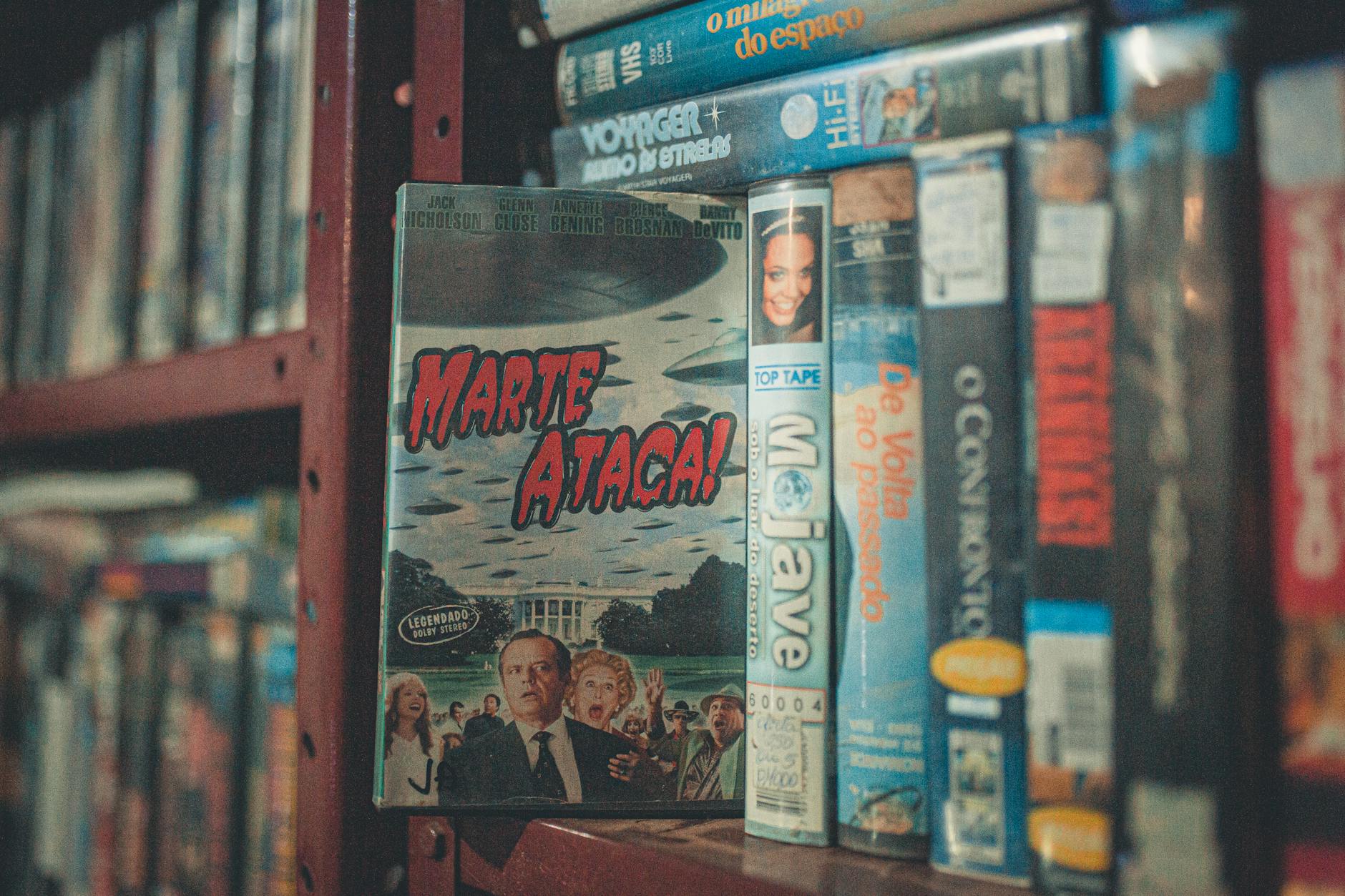
    Remember the excitement of walking into a Blockbuster store on a Friday night? The neon signs glowing, the endless rows of VHS tapes or DVDs, and the smell of popcorn and plastic cases — it was a ritual for millions.

    Browsing the Aisles: Unlike streaming today, you had to physically explore shelves to discover something new. The movie section was divided by genres, with featured new releases often in a special endcap.

    The VHS Rental Process: You’d grab your tape, head to the counter, and hope your pick wasn’t already rented out. The clock was ticking — late fees lurked if you forgot the due date. This added a thrilling tension to the movie night.

    Community and Staff: The clerks often knew regulars and gave recommendations. Sometimes there were “staff picks” or posters advertising upcoming releases.

    The Social Aspect: Blockbuster visits were mini events — family nights, dates, or group hangouts. Kids would rent cartoons while teens hunted for horror flicks or comedies.

    Decline and Nostalgia: The rise of DVDs, Redbox, and streaming spelled the end for Blockbuster. Still, many remember it fondly as a cultural hub for movie lovers.

  • How to Start a Blog: A Step-by-Step Guide for Beginners

    How to Start a Blog: A Step-by-Step Guide for Beginners

    Starting a blog is one of the easiest ways to express your thoughts, share your expertise, or even build a business. Whether you’re a hobbyist or aiming to monetize your blog, the process is more accessible than ever. From choosing the right platform to learning the essentials of SEO, this guide will provide you with a detailed plan to get your blog up and running—and thriving.


    Step 1: Define Your Niche or Blog Topic

    Before diving into the technical details, think about the content you’ll be creating. Having a clear niche is the foundation of any successful blog. Ask yourself the following:

    • What excites you? Your blog should reflect your interests. Topics you can consistently write about and enjoy.
    • Who are you writing for? Consider your ideal reader. Are they beginners looking to learn something new, or experienced professionals looking for deep insights?
    • What value can you offer? Your blog should provide value to your audience—whether it’s educational, entertaining, or inspirational.
    Tip: If you’re unsure about your niche, it’s okay to experiment. Many successful bloggers evolve their niche over time.

    Step 2: Choose the Right Blogging Platform

    Choosing the right platform can feel overwhelming, especially with so many options available. However, your choice depends on factors like your goals, technical skills, and the level of control you want over your blog.

    1. WordPress (Self-Hosted & WordPress.com)

    Best For: Bloggers who want full control over customization and advanced features.

    • Pros: Completely free on WordPress.com, full customization and monetization options with WordPress.org (self-hosted).
    • Cons: Requires a learning curve, especially for self-hosted blogs. You’ll need to pay for web hosting and a domain name with WordPress.org.

    For WordPress.com, you can start for free, but to unlock more customization options, you might need to upgrade to a paid plan. For self-hosted WordPress.org, you need to purchase hosting from services like Bluehost or SiteGround, but you’ll gain total freedom and flexibility.

    2. Blogger

    Best For: Beginners looking for a simple, no-cost solution.

    • Pros: Free, easy-to-use, integrates well with Google tools.
    • Cons: Limited design customization, lacks advanced features as your blog grows.

    Blogger is a straightforward, no-frills platform that’s great for beginners or those testing out their blogging ideas. However, long-term scalability might be a concern as you grow.

    3. Medium

    Best For: Writers who want to focus on content creation without worrying about technical aspects.

    • Pros: Free, built-in audience, minimalist design, easy publishing process.
    • Cons: Limited customization, hard to monetize, and you don’t control your blog’s branding or traffic.

    Medium is an ideal choice if your main priority is writing and you don’t want to get bogged down with technical details like hosting or design. It’s perfect for content-driven blogs, but you won’t have ownership over the site.

    4. Tumblr

    Best For: Personal blogs or those focusing on multimedia content like photos, GIFs, and short-form posts.

    • Pros: Free, easy-to-use, great for sharing visual content.
    • Cons: Less professional, limited monetization options, customization is basic.

    If your blog is creative and focuses on visual posts or shorter content, Tumblr is an excellent, user-friendly platform. However, it doesn’t offer the same depth of features as WordPress.

    5. Wix

    Best For: Bloggers who want an easy-to-use drag-and-drop website builder with plenty of design flexibility.

    • Pros: Free plan, customizable templates, beginner-friendly.
    • Cons: Ads on free plan, limited scalability on the free version, can become expensive with upgrades.

    Wix allows you to create a visually appealing blog without any coding skills. The drag-and-drop builder makes it easy to design your site, but it may become costly as you upgrade to premium features.

    6. Hashnode

    Best For: Technical bloggers, especially those in software development or programming.

    • Pros: Free custom domain, SEO-friendly, built-in developer community.
    • Cons: Limited design options for beginners, more suited for tech-oriented content.

    Hashnode is ideal for developer blogs. It integrates with platforms like GitHub, and you can use a custom domain for free. It’s SEO-friendly and encourages community interaction.

    7. Substack

    Best For: Those looking to create a newsletter-style blog and monetize via subscriptions.

    • Pros: Free to start, simple to use, great for building a subscriber list.
    • Cons: Primarily focuses on paid subscriptions, limited control over design, less ideal for traditional blogging.

    If your main goal is email-based content or newsletter blogging, Substack can be a great choice. It allows you to build a subscriber list and monetize directly through paid subscriptions.


    Step 3: Set Up Your Blog

    Once you’ve chosen your platform, the next step is to set it up. Here’s what you need to do:

    Choose Your Domain Name

    Your domain name is the web address where people will find your blog. Make it relevant to your niche, easy to remember, and brandable.

    • Use services like Namecheap or GoDaddy to purchase your domain.
    • Ensure it’s unique and easy to type, and try to avoid complex spellings.

    Design Your Blog

    Most platforms offer pre-designed templates that you can easily customize. Choose one that fits your style, but keep in mind the following:

    • Responsive Design: Make sure your theme works on both desktops and mobile devices.
    • User Experience: Keep your layout clean and easy to navigate. Don’t clutter your homepage with too many links or ads.

    Add Essential Pages

    • About Page: Introduce yourself to readers. Let them know why you started the blog and what they can expect.
    • Contact Page: Provide a way for readers or businesses to reach you.
    • Privacy Policy & Disclaimer: Essential for protecting yourself and building trust with your audience.

    Step 4: Start Writing and Publishing

    Now that your blog is set up, it’s time to create your first post! Here’s how to keep your blog on track:

    • Write Consistently: Set a schedule and stick to it. Whether it’s once a week or bi-weekly, consistency builds your audience.
    • Focus on Value: Your readers come for information, entertainment, or inspiration. Make sure your posts offer value to them.
    • Use Headlines & Visuals: Break your content into scannable sections with headers, and enhance your posts with relevant images, infographics, or videos.

    Step 5: Learn SEO for Your Blog

    To help people find your blog, you need to learn the basics of SEO (Search Engine Optimization). Here’s a beginner-friendly SEO strategy:

    • Keyword Research: Use tools like Google Keyword Planner or Ubersuggest to find the best keywords to target in your niche.
    • On-Page SEO: Optimize your content by including keywords in titles, headers, and body text. Don’t overstuff—be natural.
    • Off-Page SEO: Building backlinks from other reputable sites helps improve your rankings.
    • Site Speed: Ensure your blog loads quickly—slow-loading websites can lose visitors.

    Step 6: Promote Your Blog

    Once your posts are live, promotion is key to growing your audience. Here’s how to get the word out:

    • Social Media: Share your posts on Twitter, Instagram, Pinterest, or Facebook. Use niche-specific hashtags to reach more people.
    • Networking: Leave thoughtful comments on other blogs and collaborate with fellow bloggers to expand your reach.
    • Email Marketing: Build an email list and send updates about new posts or special offers to your subscribers.

    Step 7: Monetize Your Blog (Optional)

    As your blog grows, you may want to monetize it. Here are a few ways to make money:

    • Affiliate Marketing: Promote products or services and earn a commission on sales.
    • Ad Revenue: Use Google AdSense or Media.net to display ads on your blog.
    • Sponsored Content: Work with brands to publish sponsored posts.
    • Sell Digital Products: Create and sell your own eBooks, courses, or printables.
  • Discover, Reflect, Vibe: Welcome to Jaime David Music

    Discover, Reflect, Vibe: Welcome to Jaime David Music

    Music isn’t just background noise—it’s memory, emotion, and expression. Jaime David Music is my digital record collection and reflection space, featuring reviews, musical commentary, genre explorations, and artist spotlights.

    Whether it’s metal from Japan, chill beats from indie artists, or soul-healing lyricism from underrated poets of sound, I’m here to talk about what music means—and what it can do.

    🎧 From deep dives to playlists, I cover music that moves people in unexpected ways. Come vibe.

    https://jaimedavidmusic.blogspot.com

  • Ideas Worth Sharing: Jaime David Writes On Medium

    Ideas Worth Sharing: Jaime David Writes On Medium

    This is where all my thoughts converge. On Medium, I write about everything from politics and philosophy to technology, science, mental health, and social issues. If I think it’s worth exploring, it ends up here.

    Whether it’s a well-researched essay or a spontaneous reflection, each post is an invitation to think deeper, question norms, and connect dots across disciplines.

    Follow me if you’re into multidisciplinary takes, intersectional ideas, and writing that challenges as much as it clarifies.

    📝 Let’s think out loud—together.

    https://medium.com/@jaimedavid327