The Musings of Jaime David
@jaimedavid.blog@jaimedavid.blog

The writings of some random dude on the internet

1,122 posts
1 follower

Month: September 2025

  • The Cool S: Humanity’s Forgotten Symbol of Hope

    The Cool S: Humanity’s Forgotten Symbol of Hope

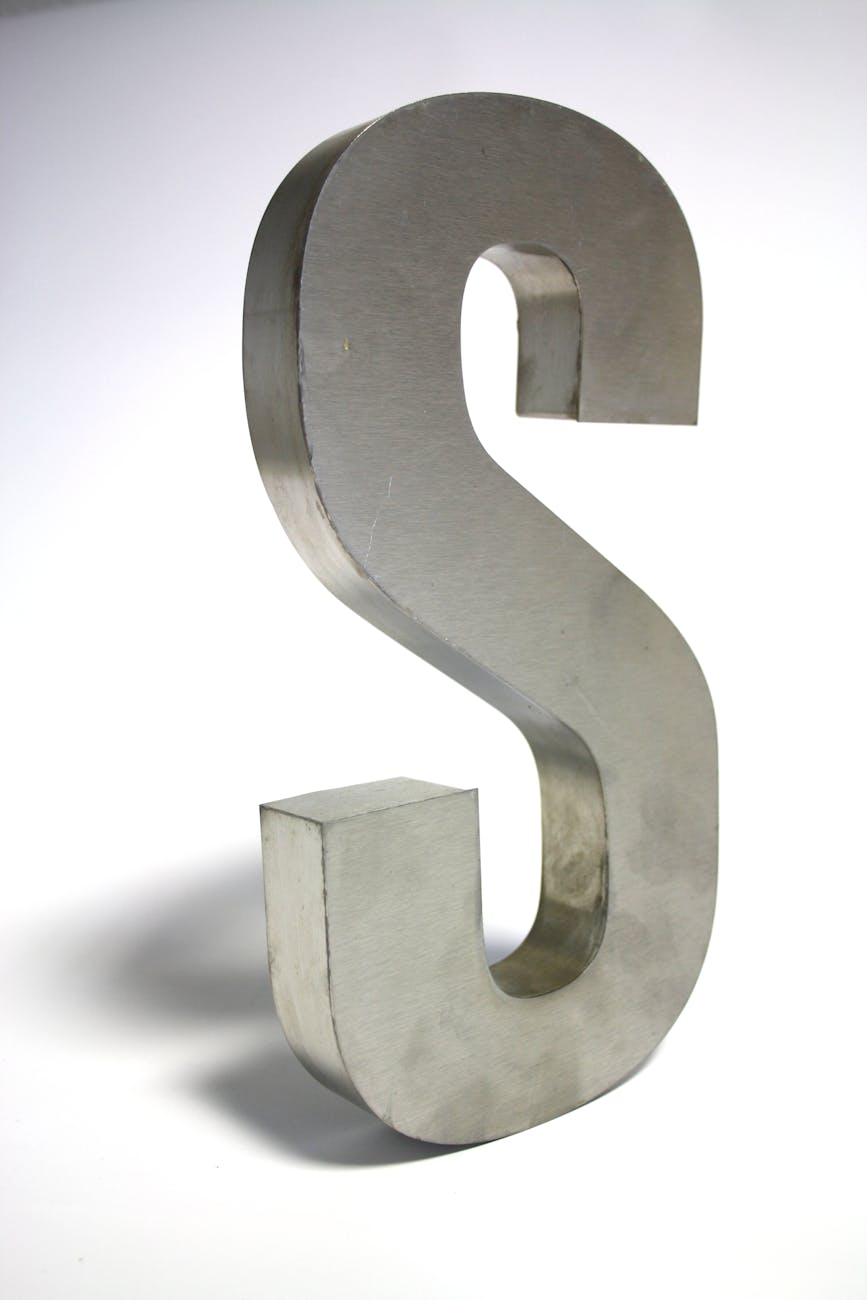
    When historians of the distant future dig through the cultural rubble of the early 21st century, they will no doubt stumble upon humanity’s most enduring legacy: not smartphones, not skyscrapers, not the internet. No, what they will find etched into every school desk, notebook margin, and bathroom stall across the globe is the Cool S. The mysterious six-line wonder, the untraceable emblem of childhood rebellion and unity, the doodle that transcended language, geography, and curriculum standards. And here is the shocking truth: perhaps, all along, this “S” was never just for “super,” “skater,” or “street,” but for something far nobler—hope.

    Think about it. No teacher taught us the Cool S. No official art curriculum contained a chapter titled “How to draw the universal sign of middle-school coolness.” And yet, every child, regardless of class, race, religion, or snack preference, knew it. It emerged in elementary schools like a secret handshake of the cosmos. You could move to a new school district in 1997, show up knowing no one, sit down with your cafeteria tater tots, and within five minutes you’d be quietly sketching an S in your notebook. And someone across the table would nudge you and nod, because they, too, carried the sacred knowledge. If that’s not hope, then what is?

    The Cool S was democracy in its purest form. You didn’t need artistic ability, social clout, or financial resources to draw it. Unlike collecting Pokémon cards or wearing name-brand sneakers, this status symbol was free. All you needed was a pencil and a willingness to scratch six little lines. In fact, the Cool S may have been the only universally accessible art project in human history. Picasso required a studio; Van Gogh needed oils; Banksy requires entire abandoned buildings. But every twelve-year-old, high on Capri Suns and raw angst, could summon the Cool S like a spell of solidarity.

    Superman had his S, yes. But Superman’s S required Hollywood lighting, Kryptonian backstory, and a carefully ironed spandex chest piece. The Cool S asked for nothing but lined notebook paper and maybe a five-minute lull in math class. Yet its presence was just as heroic. For the lonely kid ignored at recess, sketching the S was a small rebellion, a way to whisper, “I exist.” For the bored student, it was a silent prayer: “Please let this algebra period end.” For the ambitious doodler, connecting those lines into three-dimensional block letters was a feat rivaling Michelangelo’s Sistine Chapel. In every case, the Cool S carried with it a spark of resilience—a tiny, pointy, angular beacon of hope.

    Critics may say this is all nonsense. “It was just a doodle,” they sneer. But tell me: if it was just a doodle, why did everyone know it? Why did it appear on continents separated by oceans, in schools with no internet, in eras before memes could spread across social media? The Cool S has no known inventor. It emerged, spontaneously, like a Platonic ideal—the Jungian archetype of recess boredom. If aliens ever visit Earth, they won’t ask about Shakespeare or Beethoven. They’ll point to a weathered brick wall in a condemned middle school building and say, “We see you, fellow travelers of the cosmos. You, too, have known the S of hope.”

    Imagine, for a moment, what the world would be like if we actually leaned into this truth. What if the Cool S became our global emblem? Picture world leaders stepping onto the stage at the United Nations, not beneath sterile national flags, but beneath a giant metallic Cool S, glimmering with fluorescent optimism. Picture hospitals draped with banners not of corporate logos but of the S—because isn’t hope the first prescription we all need? Picture Superman himself peeling back his shirt to reveal not the stylized “S” of Krypton, but the six-line universal S of middle school. Metropolis would weep with joy.

    Of course, we would need to reclaim its meaning from its dubious past. For decades, the Cool S was associated with bathroom graffiti, skateboarding magazines, and the vague whiff of delinquency. But so was rock and roll. So was jazz. So was every single thing humans later decided was culturally important. If we can put Andy Warhol’s Campbell’s soup cans in a museum, we can put the Cool S on our money. In fact, put it on the dollar bill where the pyramid is. At least then people would understand it.

    The Cool S also teaches us something radical: the power of collective imagination. Nobody gave us instructions, yet we all drew it. Nobody told us it meant anything, yet it meant everything. It was not an assignment—it was ours. That’s what hope really is: the human instinct to create meaning out of thin air, to take six parallel lines and see not a mess, but a symbol. In a world constantly divided by politics, economics, and Marvel vs. DC debates, the Cool S is proof that we can, sometimes, all agree on something.

    In conclusion, if hope had a shape, it would not be a heart, a rainbow, or even a dove. Those are too obvious, too sentimental, too Hallmark. Hope is sharper than that. Hope is edgy, awkward, drawn in the margins when no one’s paying attention. Hope is the Cool S. And if future civilizations remember us for nothing else, let them remember that, despite our wars, our climate crises, and our TikTok dance trends, we still found a way to unite over something so simple, so perfect, and so universal.

    So next time you’re sitting with a pen and a scrap of paper, don’t just doodle mindlessly. Draw the S. Draw it proudly. Draw it as if you’re sketching the very emblem of resilience. Because you are. And who knows? Maybe someday, in the distant future, when humanity has colonized Mars and uploaded its consciousness into holographic clouds, a bored kid will sit in a Martian math class, pick up a stylus, and draw the Cool S. And the kid next to them will nod knowingly. That—that—will be hope.

  •  Scammers on Mastodon: Stop Falling for the Fake Verification Trap

     Scammers on Mastodon: Stop Falling for the Fake Verification Trap

    The beauty of Mastodon is its decentralized nature. It’s a network built on trust, community, and people’s desire to connect without the constant noise and exploitation of big social media platforms. But unfortunately, where there’s an online community, there will always be someone looking to exploit it. Over the past few months, I’ve seen a troubling rise in scam attempts on Mastodon—specifically, accounts pretending to be “Mastodon staff” or “verification teams,” tagging users publicly and telling them to click a link to “verify” their account. Let me be blunt: this is a scam. Every time.

    These scammers have a very simple playbook. They’ll create an account that looks vaguely official—often with a username that includes “support,” “help,” or “mastodon.” Then they make a post tagging unsuspecting users, claiming something along the lines of “You need to verify your account to avoid suspension” or “Click this link to keep your account active.” The tone is designed to create panic and urgency. But if you stop for even one second, the scam falls apart. Mastodon will never, and I mean never, tag you in a random public post to tell you to click a sketchy link.

    Here’s the thing about real account issues: they are private matters. If something is wrong with your Mastodon account—maybe there’s a problem with your login, or your instance is having a technical hiccup—you will be contacted through legitimate channels. That usually means email, sent directly to the address associated with your account. Sometimes, depending on the instance you’re on, an official support account may reach out to you directly via private message. But what they will not do is blast your handle in a public post, telling you to click on some random site you’ve never heard of. That would be both unprofessional and insecure, the exact opposite of how Mastodon and its admins operate.

    Another important point: verification on Mastodon doesn’t even work like it does on corporate social media platforms. There’s no “blue check” you pay for or some kind of centralized authority deciding who’s real. Instead, Mastodon’s verification is domain-based. If you want that green verified link on your profile, all you need to do is host a website or page where you can insert a snippet of HTML linking back to your Mastodon account. That’s it. It’s user-controlled, transparent, and not subject to arbitrary gatekeeping. Which means if someone is telling you that Mastodon “staff” needs to personally verify you through a link, they’re lying outright.

    Scammers thrive on confusion and fear. They know that many people are still new to Mastodon, unsure of how things work compared to Twitter or Facebook. They weaponize that uncertainty. They throw around words like “suspension,” “policy violation,” or “account termination,” because they know users will panic and click before they think. And once you click, you’re opening yourself up to phishing attempts, malware, or worse. That shady link isn’t leading you to a legitimate Mastodon portal—it’s leading you straight into their trap.

    This is why I feel the need to speak up. It’s not enough for individuals to quietly ignore these scams; we need to actively warn others. If you see one of these scam posts, don’t just scroll past it. Report the account. Block them. Boost posts from others calling out the scam. Talk about it. The more awareness we raise, the less likely someone else will fall into the trap.

    It also helps to remember that Mastodon isn’t a monolithic company. Each server, or instance, is independently run. That means “official communication” will always depend on your instance administrator, not some vague all-encompassing Mastodon authority. If you’re ever genuinely worried about your account, the best thing you can do is contact your instance admin directly. They are the ones responsible for your account, not some random person tagging you in a public post.

    The scams I’ve been seeing lately have become almost laughably obvious, but that doesn’t mean they’re harmless. All it takes is one person in a moment of panic to click the wrong link, and their account—or even their device—could be compromised. And unlike big tech platforms with giant security teams, Mastodon is powered by communities of volunteers and enthusiasts. The best defense we have is collective vigilance.

    Let me repeat this one more time for anyone who needs to hear it: Mastodon will never ask you to verify your account through a public post. They will never tag you randomly to click on a suspicious link. If there is a problem, you’ll hear from your instance admin privately, or you’ll get an email. And verification itself is not something handled by staff—it’s something you do yourself, if you want, through your own website.

    So the next time you see one of these fake “Mastodon staff” accounts tagging people, don’t get scared. Recognize it for what it is: a lazy scam. Don’t click, don’t engage, just block, report, and move on. And if you feel so inclined, let your followers know what’s going on so they’re better prepared too. Because the only way these scammers succeed is if they catch us off guard. Let’s make sure they don’t.

    Mastodon deserves better than to be polluted by the same shady tactics we left behind on corporate social media. Part of what makes this space so refreshing is the sense of community and mutual responsibility. So let’s keep that spirit alive. Look out for each other. Share knowledge. And when the scammers come knocking, slam the door in their faces.

    Fediverse Reactions
  • About Awin: A Global Leader in Affiliate Marketing

    About Awin: A Global Leader in Affiliate Marketing

    Disclosure: This post contains affiliate links. If you click through and make a purchase, I may earn a small commission at no extra cost to you. Thank you for supporting my work.

    Awin offers an innovative, ethical, and global approach to performance marketing. With 13 offices worldwide, Awin provides extensive international reach, helping publishers and advertisers connect and grow together.

    Top consumer brands rely on Awin’s market-leading technology—now featuring bounceless tracking—to expand their online presence. The platform brings together proprietary solutions, detailed reporting suites, and partner directories that make advertiser-publisher collaboration seamless.

    Committed to Compliance

    Awin doesn’t just connect businesses—it protects them. Their tools actively:

    • Monitor all major search engines
    • Detect and remove hidden adware and spyware
    • Guard against fraud

    Making Affiliate Marketing Easier

    With Awin, publishers and advertisers gain access to a powerful set of tools designed to simplify the affiliate marketing process:

    • Convert-A-Link – transform standard links into affiliate links automatically
    • MyAwin Browser Extension – manage your affiliate activity directly from your browser
    • Opportunity Marketplace – discover new brand collaborations
    • Mobile Device & Influence Reporting – track performance across platforms and devices
    • Adware & Spyware Policing Solution – added protection for your campaigns
    • Advanced Analytics Tools – clear insights to optimize results

    Awin continues to redefine what affiliate marketing can be: global, ethical, innovative, and easier than ever before.

    You can find my affiliate marketing link down below:

    Awin logo with a tagline encouraging the connection of new publishers to brands they love, set against a dark background with an orange geometric design.

    Awin.com

  • italy

    italy was the farthest ive been from home so far. it was family trip to italy. and it was an awesome trip. got to see some cool sites

  • Texas SB20 and the Risk to Books, Graphic Novels, and Manga

    Texas SB20 and the Risk to Books, Graphic Novels, and Manga

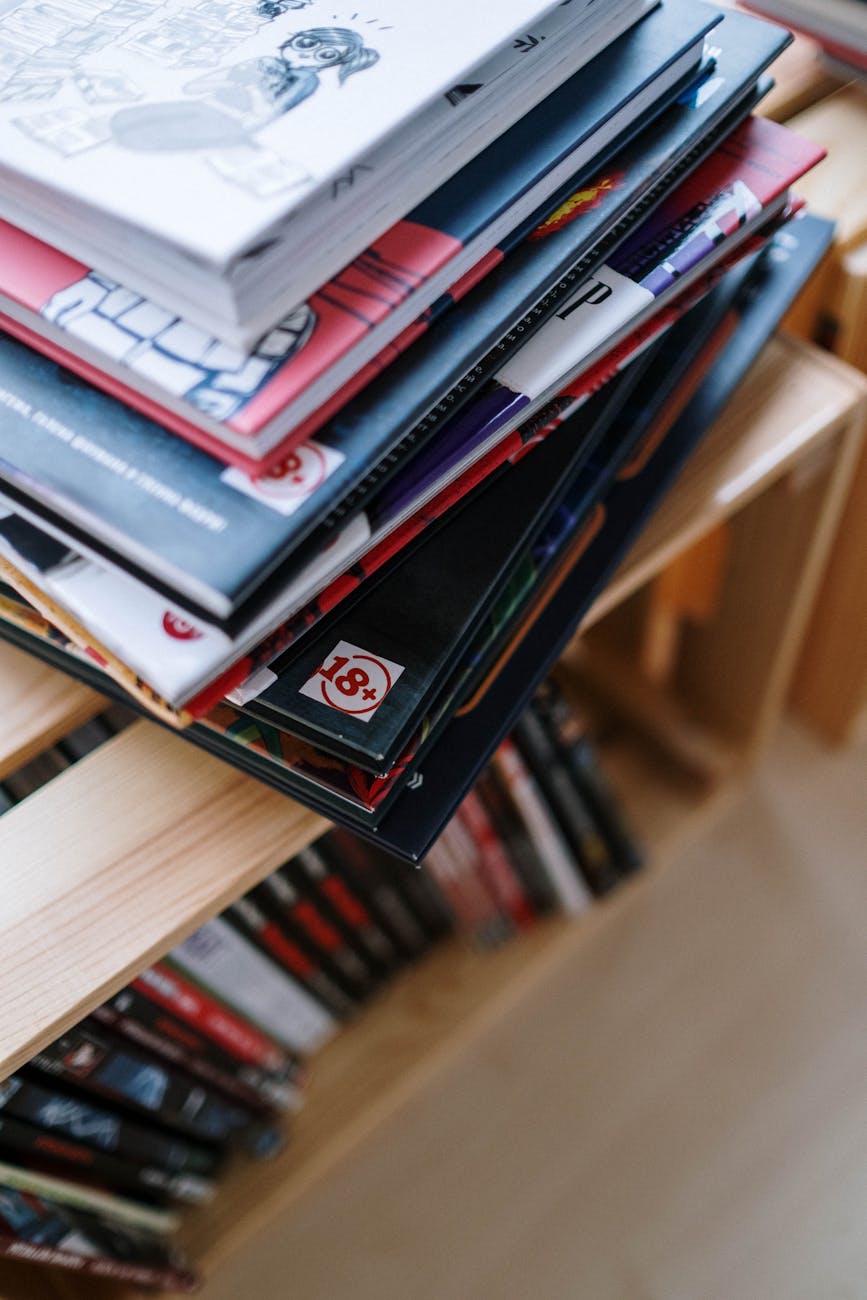
    Books have always been a battleground for free expression. From novels banned in schools to graphic novels challenged in libraries, literature is often where society tests the limits of what should be read, shared, and celebrated. Now, with Texas Senate Bill 20 (SB20) in effect, those limits may become narrower than ever.

    SB20 criminalizes the possession or promotion of “obscene visual material” that appears to depict minors. While its stated intent is to stop child exploitation, the language is so vague and sweeping that it does not stop at harmful real-world depictions. Instead, it extends to animation, AI-generated images, comics, graphic novels, and manga—works of pure fiction. For writers, artists, publishers, and readers, that is a deeply troubling development.

    Graphic Novels in the Crosshairs

    Graphic novels and manga rely on stylized art to tell stories. Characters may look younger than their canon ages due to artistic conventions. Themes of growth, identity, and coming-of-age often involve youth characters in dramatic, sometimes challenging contexts. Under SB20, such depictions could be misread as “obscene” depending on how an individual judge, prosecutor, or even police officer interprets them.

    That interpretation doesn’t require malicious intent. A librarian stocking Made in Abyss, a bookstore selling Bleach or Dragon Ball, or a fan who owns a volume of Attack on Titan could all suddenly be viewed through a criminal lens. The issue isn’t that these books exploit anyone—they don’t. The issue is that the law makes no room for artistic conventions, fictional storytelling, or cultural nuance.

    The Slippery Slope of Censorship

    SB20 continues a long tradition of book censorship in America, but with a dangerous new twist. Traditionally, challenges to books like Maus or Gender Queer have come through school boards or library systems, where community debates determine availability. SB20 escalates the stakes by attaching criminal penalties to certain kinds of art. Instead of arguing about what’s appropriate for libraries, the law risks criminalizing the very act of creating, publishing, or owning certain works.

    That is a chilling precedent. Writers and illustrators may censor themselves before putting pen to paper, worried that their work could be misconstrued. Publishers may avoid certain genres altogether, especially those like manga that play with youthful aesthetics. Libraries may quietly pull entire categories of books rather than risk controversy. Readers, meanwhile, may hesitate to buy, collect, or even publicly discuss their favorite titles.

    The Cultural Significance of Manga

    Manga in particular is vulnerable because of its global popularity and unique style. Characters with large eyes, youthful faces, and slim frames are staples of the medium—even when those characters are canonically adults. Many stories also explore school settings or fantastical worlds where age and appearance are intentionally ambiguous.

    That ambiguity is part of manga’s charm. It allows creators to tell universal stories about courage, friendship, trauma, and growth in ways that resonate across cultures. But under SB20, that same ambiguity could be weaponized against fans. The very traits that make manga beloved—the art style, the themes, the imaginative freedom—are the same traits that could now trigger suspicion in Texas.

    Libraries and Readers at Risk

    Beyond creators and publishers, SB20 affects the everyday experience of readers. Libraries may face pressure to remove manga or graphic novels that could be misinterpreted. Independent bookstores could find themselves in legal jeopardy for stocking titles that someone deems questionable.

    And for fans, especially young readers, the message is clear: your hobbies and passions might make you a criminal. Imagine a teenager in Texas who checks out a volume of Naruto or buys a graphic novel adaptation of a YA fantasy. Under SB20’s broad language, their simple act of enjoying fiction could become entangled in legal suspicion. That is not child protection—it is paranoia.

    Creativity Under Pressure

    Writers and illustrators often turn to graphic novels and manga because the medium allows for freedom. Visual storytelling can explore ideas too raw, surreal, or fantastical for prose alone. But when the law criminalizes ambiguous depictions, that freedom shrinks.

    An author writing a coming-of-age graphic novel may hesitate to depict adolescent characters realistically for fear of accusations. An artist may avoid drawing in a manga-inspired style altogether. Over time, this leads not just to fewer books but to a narrower imagination, where creators stick to “safe” ideas rather than risk legal scrutiny.

    A Broader Trend

    Texas is not acting in isolation. Mississippi has floated similar proposals, and the United Kingdom has already passed its Online Safety Act, which imposes strict rules on digital content. The trend is clear: governments are equating fictional, artistic works with real-world harm, and in the process, they are reshaping the boundaries of free expression.

    Books are a prime target because they are accessible, visual, and influential. Graphic novels and manga in particular are easy scapegoats for lawmakers who do not understand the art form but want to appear tough on crime. If SB20 stands unchallenged, it could encourage other states or countries to follow suit, eroding creative freedom on a global scale.

    Defending Literature’s Role

    Books have always been lightning rods for controversy because they matter. They shape culture, inspire readers, and push conversations forward. Graphic novels and manga are no different—they are simply the modern form of an age-old tradition of storytelling.

    If we care about literature as a space for imagination, we must resist laws like SB20 that blur the line between fiction and crime. Protecting children is essential, but that protection cannot come at the cost of criminalizing art. Otherwise, we risk not only silencing creators but also depriving future generations of the books that could inspire them most.

    SB20 may have started as a law against exploitation, but in practice, it threatens the freedom of books, graphic novels, and manga alike. For writers, publishers, libraries, and readers, the message is clear: vigilance is necessary. Because if we allow vague laws to dictate what stories can be told, the bookshelf itself becomes a battleground—and every page is at risk.

  • Sony’s $5 Paywall on a $2,500 Phone: A Case Study in Corporate Betrayal

    Sony’s $5 Paywall on a $2,500 Phone: A Case Study in Corporate Betrayal

    In an era where technology should be empowering users, some companies appear more committed to nickel-and-diming them. Sony’s latest move is a prime example. The tech giant recently placed a $4.99 per month subscription fee on a core feature of its $2,500 Xperia smartphone: the ability to use the phone as a camera monitor or viewfinder. This was not a minor feature tucked away in some obscure menu—it was one of the primary selling points for creatives and professionals who bought into Sony’s flagship device. To place it behind a recurring paywall after consumers already spent thousands of dollars feels not just tone-deaf, but outright predatory.

    Louis Rossmann, a well-known consumer advocate and repair rights activist, captured the frustration many are feeling in his recent video on the subject. He describes Sony’s decision as a “bait-and-switch,” and it’s hard to disagree. When customers pay for a premium device, especially one marketed for its utility in professional creative workflows, they reasonably expect that the key features advertised are included outright. Locking them away later under a subscription model undermines consumer trust, devalues the purchase, and sets a dangerous precedent for the entire industry.

    The situation raises an important question: what is happening with Sony’s smartphone division? Rossmann points out that Xperia phones are already becoming increasingly scarce—even on Sony’s own website. It gives the impression that Sony is quietly winding down its smartphone presence, but before exiting, it’s attempting to squeeze as much profit as possible from the loyal user base still holding on. This interpretation may sound cynical, but the evidence suggests otherwise. Companies rarely vanish from a market overnight; instead, they cut back support, reduce innovation, and push users into last-ditch monetization schemes. For Xperia owners, the writing seems to be on the wall.

    The consequences of Sony’s choices extend beyond the smartphone division. Rossmann himself expressed that this move caused him to cancel plans to purchase a $4,000+ Sony camera. Why? Because trust once lost is difficult to regain. When a company shows it is willing to hold customers hostage with subscriptions for basic features, it calls into question every other purchase decision across its product line. If a phone can lose critical functionality without warning, what’s stopping a $4,000 camera from doing the same? For professionals who depend on their gear, uncertainty is unacceptable. Rossmann even noted that Panasonic may be a safer alternative moving forward, suggesting that Sony’s reputation among creators could be on the line.

    What makes this decision particularly jarring is the contrast with Sony’s own history. Rossmann recalls a time when Sony was actually ahead of the curve in consumer rights. Their old parts website for legacy cameras, complete with schematics and component access, was once praised as a model for how companies could support repair and ownership. That same company is now demanding $5 a month to use a phone as a monitor—a feature that should be bundled in from the start. This shift highlights a broader transformation in the industry: from empowering customers to extracting as much value from them as possible, long after the initial sale.

    Beyond paywalls, the Xperia line has also seen the erosion of once-beloved features. Sony was one of the few manufacturers that held on to headphone jacks and microSD card slots, making them invaluable to mobile media creators who needed flexibility and reliability on the go. Today, those features are disappearing not only from Xperia phones but across the industry. Instead of advancing functionality for professional users, smartphones are becoming increasingly homogenized, chasing trends rather than serving needs. Rossmann laments this regression, and he’s not alone. Many creators have expressed frustration at losing practical, tangible features that once made certain devices stand out.

    The problem isn’t just about features; it’s also about safety. Rossmann rightly highlights that Sony has failed to deliver timely Android updates to Xperia devices, leaving them stuck with outdated operating systems. This poses significant security risks, particularly for professionals handling sensitive data. In a world where breaches and data leaks are more common than ever, running a device with an outdated OS is a gamble no professional should have to take. When a phone costs $2,500, the bare minimum expectation is that it receives updates that keep it secure. Sony’s inability—or unwillingness—to do so underscores its lack of commitment to long-term customer support.

    Taken together, Sony’s choices paint a picture of a company that has lost its way. Instead of strengthening ties with its loyal user base, it is alienating them. Instead of supporting its flagship products, it is abandoning them. Instead of innovating, it is imposing artificial limitations for the sake of monetization. Rossmann sums it up bluntly: this is a betrayal of loyal customers. And it’s not just about Sony—it’s about the industry trend at large. Subscription models are creeping into spaces where they don’t belong, from cars to household appliances, and now into smartphones. The idea that you don’t truly own the devices you purchase, but are instead perpetually renting their features, erodes the very concept of ownership.

    Rossmann urges viewers to track such practices through the Consumer Rights Wiki, a resource designed to expose and document companies that engage in anti-consumer behavior. Transparency and accountability are crucial if customers hope to push back against these trends. One company making a misstep may not topple the industry, but when enough companies see that users tolerate it, it becomes the new normal. The only way to resist is to refuse—refuse subscriptions for basic functionality, refuse to purchase from companies that break trust, and refuse to let ownership be redefined by corporate greed.

    Ultimately, the $4.99/month subscription is about more than money. It’s about respect. Respect for the consumer’s intelligence, respect for the value of their purchase, and respect for the principle of ownership. Sony’s move is a stark reminder that no matter how advanced or premium a device may be, its worth is only as strong as the company’s commitment to supporting its users. Once that commitment is broken, the cost isn’t just $5 a month—it’s the loss of loyalty, reputation, and relevance.

  • Why Reforming the DMCA is a Win for Content Creators

    Why Reforming the DMCA is a Win for Content Creators

    When Louis Rossmann announced the launch of the Fulu Foundation, a nonprofit dedicated to reforming Section 1201 of the DMCA, it struck a chord not just with tech repair advocates, but with anyone who creates, shares, or depends on digital tools. While at first glance this might sound like a purely technical or consumer rights issue, it actually has major implications for content creators of all kinds—writers, musicians, video makers, artists, and streamers.

    The problem lies in Section 1201 of the DMCA, which makes it a crime to bypass digital locks—even if you own the device. That means if a company disables functionality through a firmware update or paywall, you’re stuck, with little legal recourse. Rossmann calls this “ownership revoked”—and it’s not just about bikes and appliances. It’s about the tools content creators rely on every single day.

    Think about it:

    • A videographer who buys an expensive camera, only to have a key feature locked behind a new subscription.
    • A musician whose audio equipment suddenly won’t work without a proprietary service.
    • A writer who uses specialized software, only to find an update strips away features unless they pay more.

    This isn’t hypothetical. Companies like Echelon and Future Home have already done it—revoking features and forcing users into costly subscriptions.

    The Fulu Foundation’s mission goes beyond just “fixing gadgets.” It’s about defending the right to repair, modify, and share knowledge. Rossmann’s $20,000 bounty awarded to an engineer who restored third-party compatibility to an Echelon bike illustrates what’s possible when talented individuals can solve problems. But under current law, sharing that solution could land someone in prison. That’s not innovation—that’s a chokehold on creativity.

    For content creators, this fight matters because our livelihoods depend on stable, accessible tools. If the law prevents people from repairing or improving the devices and software we use, then we lose control over our own creative process. Worse, we risk being locked into ecosystems where companies can change the rules overnight, turning tools into pay-per-use rentals.

    Rossmann’s initiative also launched ConsumerRights.wiki, a community-driven database of devices affected by these anti-repair practices. Imagine this as not just a tech resource, but as an archive creators can contribute to and learn from—a shared knowledge base where we can push back against corporate overreach.

    The push to reform Section 1201 isn’t about hacking—it’s about freedom, fairness, and creativity. It’s about making sure the next generation of creators won’t be shackled by laws that criminalize curiosity and collaboration.

    This is why content creators should care. Reforming the DMCA means reclaiming ownership over the tools we depend on. It means ensuring that creativity, not corporate greed, drives innovation. It means protecting the very foundation of digital independence.

    Rossmann ended his video with a rallying call: If you buy it, you should be able to fix it—and help others fix theirs too. For content creators, that principle is more than fair—it’s essential.

  • The Wildly Absurd (and Hilariously Toxic) Zoro vs. Sanji Rivalry

    The Wildly Absurd (and Hilariously Toxic) Zoro vs. Sanji Rivalry

    One Piece is a story about friendship, dreams, and sailing across the seas to find the world’s greatest treasure. But if you spend any amount of time in the fandom, you’ll discover that the real One Piece isn’t the treasure at Laugh Tale—it’s the endless war between Zoro fans and Sanji fans. Forget the World Government, forget the Yonko, forget the void century. The most heated, emotionally charged battle in the community is over which fictional pirate sidekick is “better.”

    And honestly? It’s both ridiculous and hilarious.


    More Than Just Characters, They’re Personality Tests

    On the surface, Zoro and Sanji are foils. Zoro is the stoic swordsman with iron discipline, while Sanji is the passionate chef who wears his heart (and his cigarette) on his sleeve. But somewhere along the way, fans stopped seeing them as just characters—they became avatars of identity.

    • Zoro fans see themselves in his no-nonsense grind, his dedication, and his lone-wolf masculinity.
    • Sanji fans latch onto his flair, his emotional intelligence, and his willingness to break rules for love or compassion.

    The result? Choosing a side feels like defending your own worldview. Suddenly it’s not just “Zoro vs. Sanji”—it’s “my values vs. your values.”


    A Rivalry Fueled by Projection

    This is where things get absurd. Fans project so much onto these two that every narrative moment turns into ammo for online warfare. Did Sanji land a flashy kick? Proof he’s more versatile. Did Zoro cut down a mountain? Proof he’s the ultimate powerhouse.

    Meanwhile, Oda sprinkles in comedic clashes between them—Zoro and Sanji insulting each other, trading blows, but always coming together when it matters. The irony is that in the story, their rivalry is both lighthearted and respectful. But in the fandom? Respect goes out the window faster than Sanji chasing after Nami.


    Masculinity, Loyalty, and Overthinking Fictional Men

    One of the funniest (and wildest) parts of this rivalry is how deeply fans dissect what these two mean. Zoro is painted as the “real man”—unflinching, loyal, and disciplined. Sanji, on the other hand, is framed as the “complex man”—emotional, chivalrous, conflicted.

    Instead of just enjoying the contrast, debates spiral into shouting matches over which model of masculinity is “superior.” It’s like people are fighting an academic battle over the philosophy of being a man, except with reaction memes and badly cropped manga panels.


    The Internet Turns Banter Into Tribal Warfare

    Let’s be honest: this rivalry would not be nearly as explosive if not for social media. On Twitter, Reddit, and YouTube comment sections, every disagreement mutates into tribal warfare. Fans plant their flags: “Team Zoro” or “Team Sanji.” Nuance dies, memes are weaponized, and people act like they’re defending their homeland in a fictional pirate war.

    It’s absurd. It’s chaotic. And it’s also… kind of beautiful? Because only in One Piece fandom can something so silly feel so serious.


    The Actual Takeaway (That Nobody Wants to Hear)

    Here’s the kicker: the rivalry is actually one of the best parts of One Piece. Zoro and Sanji are written to balance each other, to push each other, and to give the crew a spark of humor and drama. Their differences enrich the story. Their mutual respect, though often hidden under insults, makes their bond more meaningful.

    The toxicity? That’s not on them. That’s on us. Fans turn admiration into tribalism, and suddenly we forget that Zoro and Sanji are on the same crew. They’d fight side by side against any enemy—yet fans fight each other harder than Kaido and Big Mom ever did.


    Laughing at the Madness

    At the end of the day, the Zoro vs. Sanji rivalry is absurd, hilarious, and a little bit insane. But maybe that’s what makes fandom fun—the fact that people can get so worked up over two fictional men with radically different hairstyles.

    So the next time you see a comment section meltdown about who’s stronger, take a step back. Laugh at the madness. Remember that both characters bring something essential to One Piece. And maybe, just maybe, stop treating this rivalry like it’s the Final War.

    Because let’s be real—Luffy wouldn’t care who’s stronger. He just wants everyone to get along and eat meat.

  • Supernatural: The Animation – The Underrated Gem That Deserves Another Chance

    Supernatural: The Animation – The Underrated Gem That Deserves Another Chance

    When people think of Supernatural, their minds immediately go to the iconic 15-season live-action series that aired on The CW. It’s a show that built a loyal fanbase, spanned over a decade, and gave us unforgettable characters like Sam and Dean Winchester, Castiel, Crowley, and countless others. What often gets overlooked, however, is the anime adaptation: Supernatural: The Animation. Produced by Madhouse (the same powerhouse studio behind anime classics like Death Note and One Punch Man), this series condensed the early seasons of Supernatural into a fresh format that brought the Winchester story into an entirely new medium.

    And here’s the thing: Supernatural: The Animation is criminally underrated.

    Most people either don’t know it exists, or they dismiss it as a throwaway experiment. But if you actually sit down and watch it, the series is surprisingly faithful, often creative, and in some ways even darker than the original. It’s the kind of adaptation that could have gone toe-to-toe with the live-action show if it had been given the chance to expand. Honestly? I think it should have lasted as long as Supernatural itself, and I’ll go a step further—I believe it should come back.


    Abridged, But Still Effective

    Supernatural: The Animation ran for just 22 episodes, a fraction of what the live-action series offered. Instead of attempting to cover everything, it served as an abridged version of the first two seasons. Familiar cases like “Skin” and “Home” were reimagined in anime style, but the series also introduced a few brand-new stories exclusive to the adaptation. These anime-original episodes added depth to the Winchesters’ lore, showing that the anime wasn’t afraid to branch out rather than simply recycle.

    What made it effective was how it managed to balance being familiar with being fresh. Fans of the live-action show could watch the anime and enjoy seeing old storylines through a new lens. At the same time, newcomers could treat the anime as an introduction to the Supernatural world, without the overwhelming commitment of starting a 15-season series.

    The tone also had a unique flair. Where the live-action show often mixed humor with horror, the anime leaned more heavily into the supernatural side of things. Monsters and demons looked terrifying in ways only anime can deliver, and certain scenes carried a darker edge than what was possible in live-action television. That alone made it stand out, proving that animation wasn’t just a novelty—it was a legitimate way to tell the Winchester story.


    Why It Should Have Gone Longer

    The biggest tragedy of Supernatural: The Animation is that it didn’t continue. Stopping at Season 2 left the adaptation feeling incomplete. Imagine if it had gone the distance, covering all 15 seasons in anime form. The potential for epic battles, surreal worlds, and cinematic animation sequences is almost limitless. Just picture how the Apocalypse arc, the Leviathans, or the battles with God and Amara could have looked through Madhouse’s animation.

    Beyond spectacle, though, animation could have streamlined some of the show’s weaker pacing. Live-action Supernatural often struggled with filler episodes, while the anime format naturally lends itself to tighter storytelling. It could have given fans the “essence” of Supernatural without the bloat, making it accessible to an even wider audience.

    Had it been given the chance, Supernatural: The Animation could have become a long-running parallel to the live-action series. Think of it like two versions of the same story: one told in live-action, one told in animation. Fans would have had the best of both worlds.


    How a Revival Could Work

    Now, let’s talk about how Supernatural: The Animation could realistically make a comeback. One of the biggest hurdles to reviving any series tied to major actors is scheduling and cost. But here’s the clever part: for most of the episodes, the original voice work already exists. Since the anime followed so much of the live-action dialogue, the studio could reuse lines from the actual show, syncing them with new animation.

    For the anime-original episodes, of course, the actors would need to record new lines. But that’s a much smaller commitment than voicing an entire series from scratch. It wouldn’t require Jared Padalecki, Jensen Ackles, or any other cast members to devote years of their lives. Instead, it would be more like recording for a spinoff or special project.

    This is a model that could actually work, especially if The CW or Warner Bros. partnered with an anime studio again. Streaming platforms are hungry for both anime and nostalgia-driven content. A revived Supernatural: The Animation fits both bills perfectly.


    The Case for Anime Adaptations of Western Shows

    It’s worth noting how rare anime adaptations of Western shows really are. We’ve seen a few—The Animatrix, Batman: Gotham Knight, Highlander: The Search for Vengeance—but they’re often treated as side projects rather than legitimate expansions. Supernatural: The Animation proved that this doesn’t have to be the case.

    What anime brings to the table is stylistic flexibility. It can amplify horror, exaggerate action, and explore surreal concepts in ways live-action budgets can’t. In a franchise as sprawling as Supernatural, that’s invaluable. The show’s mythology is so massive—angels, demons, alternate universes, primordial beings—that anime could explore it with a kind of visual creativity that even the best live-action special effects can’t fully match.

    And that’s why reviving the anime wouldn’t just be fan service. It would be a smart artistic decision.


    More Than Just “Underrated”

    Calling Supernatural: The Animation “underrated” almost feels like underselling it. Yes, it didn’t get mainstream recognition, but the quality is undeniable. It respected the source material while experimenting with new stories. It condensed Supernatural without losing its heart. And it expanded the Winchester mythos in ways fans still remember fondly today.

    If anything, the anime serves as proof of just how adaptable Supernatural is. The fact that it can work as both a live-action drama and an anime says something about the strength of its story. And with the fandom still alive and passionate years after the finale, there’s never been a better time to bring it back.


    Final Thoughts

    Supernatural: The Animation deserved more than it got. It could have been a long-running companion to the live-action show, giving fans two different but equally engaging ways to experience the Winchesters’ journey. The fact that it stopped after one season feels less like a natural ending and more like an opportunity cut short.

    If revived today, the anime could blend old and new, using existing audio while inviting the original cast back for special episodes. It could continue where it left off and even cover the later arcs that anime-style storytelling is practically built for. Most importantly, it would remind fans why they fell in love with Supernatural in the first place—through the lens of a different medium, but with the same heart.

    So yes, Supernatural: The Animation is underrated. But more than that, it’s unfinished. And maybe, just maybe, it’s time to bring it back.