The Musings of Jaime David
@jaimedavid.blog@jaimedavid.blog

The writings of some random dude on the internet

1,127 posts
1 follower

Month: September 2025

  • Hot Take: Password Sharing Is Fine, But VPN Streaming? That’s Stealing

    Hot Take: Password Sharing Is Fine, But VPN Streaming? That’s Stealing

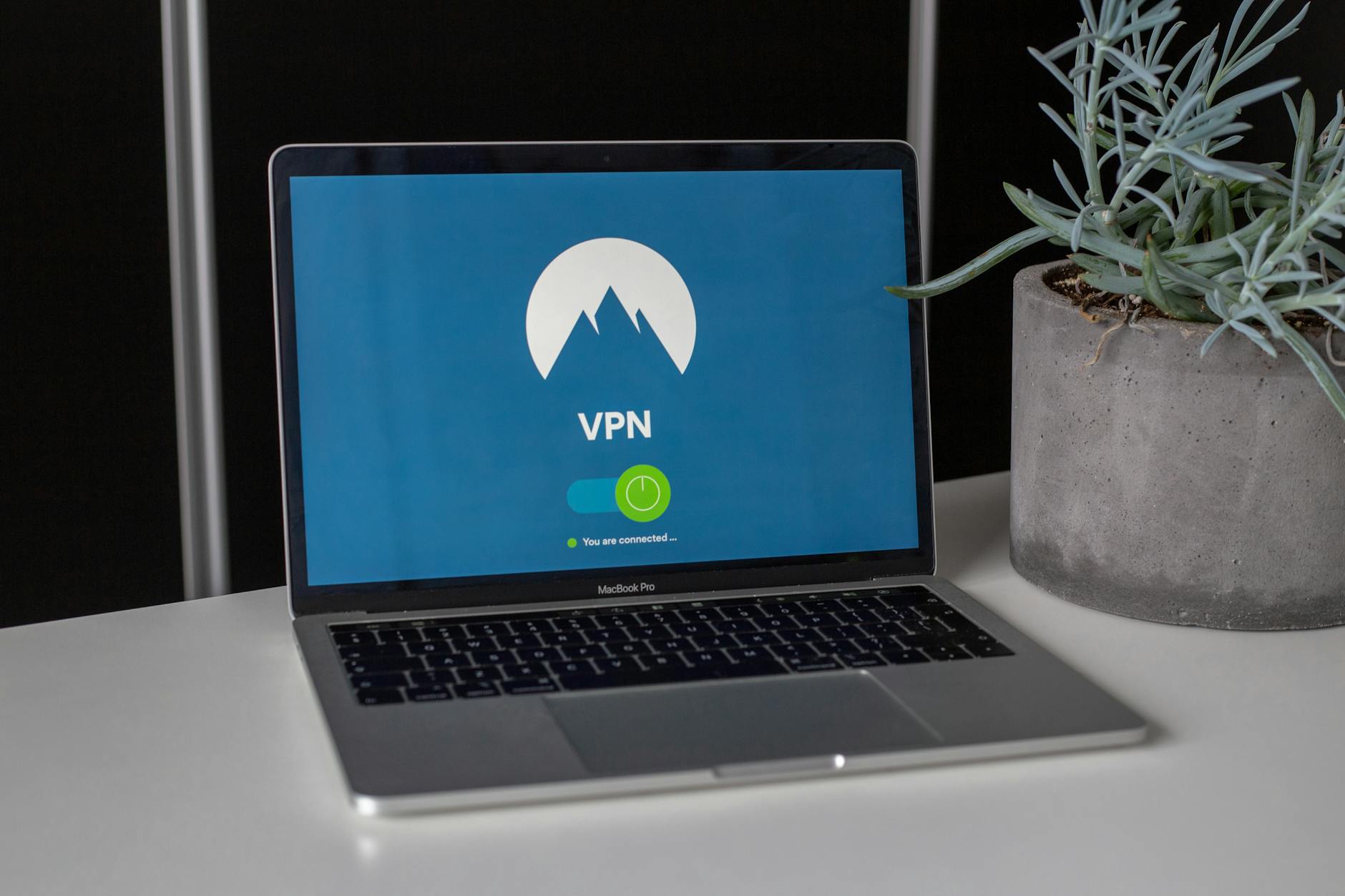
    Here’s a bit of a hot take that deserves some discussion: if any streaming “behavior” really needs to be cracked down on, it’s VPN usage. Yeah, you heard me. While platforms lose their minds over people sharing passwords, a much bigger issue is people using VPNs to bypass geo-restrictions on content. So many VPNs boast about how you can watch Netflix shows from other countries by simply changing your virtual location. Sounds harmless, right? Well, let’s think about what you’re actually doing.

    When you use a VPN to access shows or movies that aren’t available in your country, you’re basically bypassing the content licensing system. You’re accessing something that Netflix intentionally doesn’t provide in your region. Call me old-fashioned, call me a boomer, but in my view, that’s stealing. You are taking content that’s intended for another market and consuming it without permission, without paying for that market, using nothing but your VPN to mask your location.

    Now, some might argue, “It’s not pirating, I’m paying for Netflix anyway.” Sure, you’re paying for a Netflix account, but you’re circumventing the rules set by Netflix and their licensing agreements. The content you’re accessing wasn’t intended for your region, and you’re essentially getting something for free that should be restricted. Whether we agree with geo-restrictions or not, as long as they exist, bypassing them with a VPN is a form of theft.

    That said, I’m not completely against VPN usage. There are plenty of legitimate reasons to use a VPN, like protecting your privacy or securing your connection on public Wi-Fi. But—and here’s the big but—using a VPN to change your location just to watch shows on Netflix from another country is, in my opinion, just stupid. If you’re already paying for Netflix or any other streaming service, you obviously care about doing things legit and not pirating content.

    Here’s the problem: many people don’t even realize this, but using a VPN to bypass geo-restrictions is breaking the platform’s terms of service. If you’re caught, you could face penalties, get banned, or worse. And I’m honestly surprised that streaming platforms haven’t done more to crack down, given how blatantly many VPN ads market this as a feature.

    And let’s be real—most of the time, even your geo-restricted streaming platforms already have plenty of content to watch. If you can’t find what you want on your favorite platform, there are other legitimate options—and yes, even some not-so-legit options. But using a VPN to bypass geo-restrictions is, in my opinion, the stupidest, most convoluted, most unnecessarily complex, and very first-world way to solve a problem. If your biggest concern in life is that your streaming platform doesn’t have a show you want to watch, maybe it’s time to get your priorities straight.

    Here’s another concern: if people keep using VPNs for these stupid purposes, and VPN companies keep promoting this behavior so flippantly, it’s only a matter of time before VPNs are banned outright or severely restricted. That would obviously hurt everyone, including people who rely on VPNs for legitimate reasons like privacy, security, or working remotely. What starts as harmless “fun” to bypass geo-restrictions could eventually jeopardize the entire ecosystem of legitimate VPN usage.

    Of course, the bigger picture is that geo-restricted content itself is a problem. Content shouldn’t be locked simply because of your location, and ideally, everyone would have access to all streaming libraries. But until that’s fixed, the problem isn’t going away. In fact, using VPNs to bypass geo-restrictions could have the opposite effect: it could encourage streaming companies to double down on geo-blocking and justify even stricter enforcement, making life harder for everyone—including people who just want privacy or legitimate access.

    And here’s another angle most people don’t think about: using a VPN to watch content in another country could actually hurt that country’s economy. Streaming platforms often pay content creators and, indirectly, the country the content is based in. If you bypass geo-restrictions with a VPN, that view might not count in the country where the content originated, meaning the creators and local economy miss out. This is particularly significant for smaller countries that depend on that streaming revenue—whereas a big, wealthy country like the US, UK, China, or Japan could likely absorb the loss, smaller nations may feel the impact in a meaningful way. In effect, you’re taking advantage of that country’s media without giving anything back—another reason this practice isn’t as harmless as it seems.

    Until geo-restrictions are gone completely, let’s be honest about what VPN streaming is doing: it’s bending rules in a way that’s not so innocent. And while privacy-focused VPN usage is legitimate, using it to unlock content that isn’t meant for your region crosses a line—and it could have consequences for everyone, from creators to legitimate VPN users.


  • my ideal home

    Daily writing prompt
    What does your ideal home look like?

    my ideal home is a small house, with a small garden, a garage big enough to fit a small car inside and can also be a small workshop as well, a backyard, a front yard, a basement, an attic, a sun room, a big shed, a front porch, a back patio, and a pool. also inside the house, there should be a library.

  • Musing Mondays #17: The Power of a Single Word—and How It Can Twist Meaning

    Musing Mondays #17: The Power of a Single Word—and How It Can Twist Meaning

    It’s wild how sometimes just one word can totally change everything. Like a single word dropped in the wrong place, or stressed weirdly in a sentence, and suddenly what seemed clear becomes confusing or even opposite.

    Language isn’t just about what you say, but how you say it. One tiny word like “just” or “only” or “actually” can soften a demand into a suggestion, or flip a compliment into sarcasm. The whole meaning dances depending on tone, context, or emphasis.

    And the crazy part? We usually don’t notice it happening in real time. We take language for granted as a fixed code, but it’s really more like fluid jazz — unpredictable, nuanced, and sometimes ambiguous by design.

    Maybe this is why misunderstandings happen so often. Not because words fail, but because words are flexible — they leave space for interpretation, intention, and yes, confusion. The same phrase can be a bridge or a barrier, all depending on that one little word.

  • Google’s New Policy and the Future of Writing, Reading, and Creative Apps

    Google’s New Policy and the Future of Writing, Reading, and Creative Apps

    Writing and creativity have always thrived when access to tools and stories is open. From the printing press to the rise of self-publishing, every leap in technology has expanded who can create and who can read. In our modern age, smartphones and tablets are the newest printing presses, the newest notebooks, the newest bookstores. They hold writing apps, self-publishing platforms, e-readers, and countless tools for creativity.

    But what happens when access to these tools is restricted? That’s the concern raised by Louis Rossmann, a well-known tech activist who recently criticized Google’s new policy. Under this change, developers who want to distribute apps outside the Google Play Store must now register, verify their identity, and pay a fee. Google also warns that apps installed outside their store are “50 times more likely” to contain malware.

    On the surface, this might seem like a reasonable safety measure. But for writers, readers, and creatives, the consequences could be severe.

    Smartphones as Creative Libraries

    Rossmann reminds us that smartphones aren’t “just phones.” They are computers, and for many, they are also libraries, notebooks, and publishing platforms. Writers use them to draft stories, poets use them to jot down lines on the go, and novelists use apps to organize entire worlds. Readers use apps to access books, from mainstream bestsellers to indie gems that never see the shelves of a chain bookstore.

    The beauty of writing apps and e-reading platforms is their variety. Some come from big companies, but many are built by small developers or independent writers who want to share their work. These creators may not have corporate backing, but they bring diversity and innovation to the literary world.

    Barriers for Indie Authors and Developers

    Under Google’s new policy, independent developers face new obstacles. Imagine a self-published author who has built a free app to share their short stories. Or a small team that develops a poetry journaling app. Or a startup offering an experimental e-reader focused on indie literature.

    Requiring fees and verification creates financial and bureaucratic barriers that many small creators can’t easily overcome. Some may abandon their projects altogether. That means fewer tools for writers and fewer platforms for readers.

    In other words, the policy risks silencing voices that don’t come from big publishing houses or tech companies.

    The Language of Fear: “Sideloading”

    Google’s use of the term “sideloading” is also troubling. The word frames independence as danger. For many readers and writers, some of the best creative apps come from outside the Play Store: apps that allow access to banned books, open-source writing tools, or experimental publishing platforms.

    If users hear that these apps are “unsafe,” they may avoid them entirely. That not only hurts developers, but also weakens the culture of independent literature and creativity.

    Access to Books at Risk

    Consider how many readers today find books through apps, especially those outside mainstream bookstores. Many independent authors distribute their work through alternative e-reading platforms, some of which aren’t hosted on the Play Store. Others rely on small-scale apps to reach audiences that traditional publishing overlooks.

    If those apps become harder to install—or if users are scared away by warnings—access to books shrinks. And when access shrinks, creativity suffers.

    Writing Apps and Education

    Writing isn’t just about publishing books—it’s also about learning. Students use apps to practice creative writing, journaling, and poetry. Teachers use small, independent apps to encourage storytelling in classrooms. Many of these apps are made by educators themselves, without the budget or corporate support to easily navigate Google’s new requirements.

    If these tools disappear, the next generation of writers loses opportunities to explore their voices.

    Creative Independence and Digital Control

    Rossmann warns that this isn’t just about phones—it’s about control. If companies can decide which apps are “safe” enough to install, they hold the keys to creativity itself. Today it’s Android apps; tomorrow it could be software on laptops or e-readers.

    For writers and readers, this is a chilling prospect. The act of writing has always been tied to freedom: freedom of thought, freedom of expression, freedom of access. Restricting how apps are installed means restricting how stories are shared.

    Why It Matters for the Arts

    Some may argue that writers can always publish in books or online blogs. That’s true—but apps are increasingly important for reaching readers. Apps can offer interactive storytelling, poetry generators, or book clubs with built-in discussion features. They can connect readers and writers across the world instantly.

    Restricting these platforms risks narrowing the ways in which stories can be told. Literature doesn’t only belong on shelves—it belongs everywhere, in every form technology allows.

    Conclusion: Protecting Creative Freedom

    Rossmann’s critique highlights something bigger than a software policy. It’s about the future of creativity in a digital world. Writing and reading have always expanded when barriers fall. Google’s new rules build new walls—and those walls may keep out the very voices that literature most needs.

    Smartphones are more than phones—they are libraries, notebooks, and printing presses. Writers and readers deserve the freedom to install the apps that inspire them, without unnecessary gatekeeping.

    If we value creativity, we must also value digital freedom. The future of writing depends on it.

  • Laugh Tale, Luffy, and the Ultimate Plan: Why He Won’t Laugh and How the World Will Change

    Laugh Tale, Luffy, and the Ultimate Plan: Why He Won’t Laugh and How the World Will Change

    Laugh Tale has always been shrouded in mystery. It is the final destination of the Grand Line, the place where Gol D. Roger and his crew supposedly laughed at the absurdity of what they found. But that laughter itself is a narrative clue—it shows that even Roger and his crew could not fully comprehend the riddle of the world’s history. Roger laughed because he didn’t understand. The riddle was cryptic, layered, and designed to challenge even the greatest minds. Rayleigh reinforced this when he described Laugh Tale, suggesting that even the Straw Hats might struggle to understand the full truth when they arrive.

    This is where Luffy flips expectations. Unlike Roger, Luffy does not laugh. He interprets the riddle through his instincts, his gut, and his straightforward approach to life. While everyone else overanalyzes, dismisses, or laughs at the message, Luffy immediately grasps the truth of what must be done. This is Luffy’s story—though parallels with Roger exist, he does not mirror him. Luffy’s approach is simple, direct, and uniquely suited to acting on the absurdly complex truths of the world.

    At Laugh Tale, Luffy realizes something monumental: the One Piece and the All Blue are the same. The world is not as it seems, and in order to make this dream a reality, monumental structures must be reshaped. Reverse Mountain and the Red Line, theorized to be partially manmade, stand as obstacles. Luffy conceives an audacious plan: destroy Reverse Mountain and destabilize the Red Line, creating the conditions for the One Piece and the All Blue to exist fully.

    The Mechanics of the Plan

    The plan relies on three critical pieces: Pluton, Blackbeard, and Akainu.

    1. Pluton – Reconstructed from memory by Franky at Laugh Tale, Pluton becomes the ultimate tool for delivering a controlled strike to Reverse Mountain. Its construction on Laugh Tale, itself theorized to be manmade, allows Franky to build it with the precision necessary for the plan.
    2. Blackbeard – Using the Gura Gura no Mi, Blackbeard destabilizes Reverse Mountain, creating the initial cracks. The immense destructive force must be carefully channeled; one mistake could destroy more than intended.
    3. Akainu – His magma powers fill the cracks created by Blackbeard, further weakening the structure in a controlled manner. Luffy anticipates Akainu’s pursuit—he knows Akainu will not let the Straw Hats escape and will act predictably.

    Once these steps are executed in order, Pluton delivers the final, precise blow, collapsing Reverse Mountain without harming Laboon or causing catastrophic damage. The order is critical—one misstep and the plan fails.

    For the Red Line, the final battle unfolds above Mary Joa. Luffy, Akainu, Blackbeard, and Imu clash with such force that the Red Line itself destabilizes. Luffy’s raw power and willpower deliver the final strike, toppling the structure. The combined actions of his opponents amplify the destruction, reshaping the world in a climactic, narrative-fitting way.

    The Emotional Weight: Luffy, Sanji, and the Shared Dream

    While the mechanics are complex, the emotional core is even more powerful. Sanji, witnessing Luffy’s plan, realizes simultaneously that their dreams align: the One Piece and the All Blue are one and the same. For so long, without realizing it, they’ve been chasing the same dream. While the rest of the crew reacts with shock, thinking Luffy’s plan sounds absurd, Sanji immediately understands. In that moment, he becomes Luffy’s sole defender—not only supporting Luffy but defending both of their dreams. Luffy doesn’t need everyone to believe—he only needs one, and Sanji is perfect for the role.

    This moment also flips narrative expectations. Roger laughed at Laugh Tale because he didn’t understand the riddle. Luffy does not laugh because he does. Where the past generation could only see absurdity, the next generation acts decisively. It’s not about mirroring Roger—it’s about surpassing him, interpreting the world in a way uniquely suited to Luffy’s perspective.

    Narrative Significance

    Laugh Tale, therefore, is not just the end of the Grand Line. It is where the emotional, philosophical, and tactical threads of the story converge. Luffy and Sanji, through instinct and alignment of dreams, become the agents of change. The plan to destroy Reverse Mountain and destabilize the Red Line is audacious, requiring precise coordination between Pluton, Blackbeard, and Akainu. Yet the emotional stakes—the shared understanding of what the world must become—make this more than a mechanical feat. It is the culmination of years of narrative buildup, the point where the Straw Hats, the truths of the world, and the dreams of the next generation converge.

    Laugh Tale, the manmade island, becomes the ultimate stage for transformation. The One Piece and All Blue converge in meaning, structure, and story, and through Luffy’s unerring instinct, the absurd becomes actionable. Luffy does not laugh. He acts. And through him, the world begins its greatest change.

  • Why Fujitora’s Awakening Could Bring Enel Back to the Story

    Why Fujitora’s Awakening Could Bring Enel Back to the Story

    One of the most fascinating possibilities in the final saga of One Piece involves the unexpected return of a long-forgotten character: Enel. While fans have speculated about which villains might resurface, I believe there’s strong narrative potential for Enel to make a brief, yet impactful, return—and the trigger for this could be none other than Admiral Fujitora’s awakening.

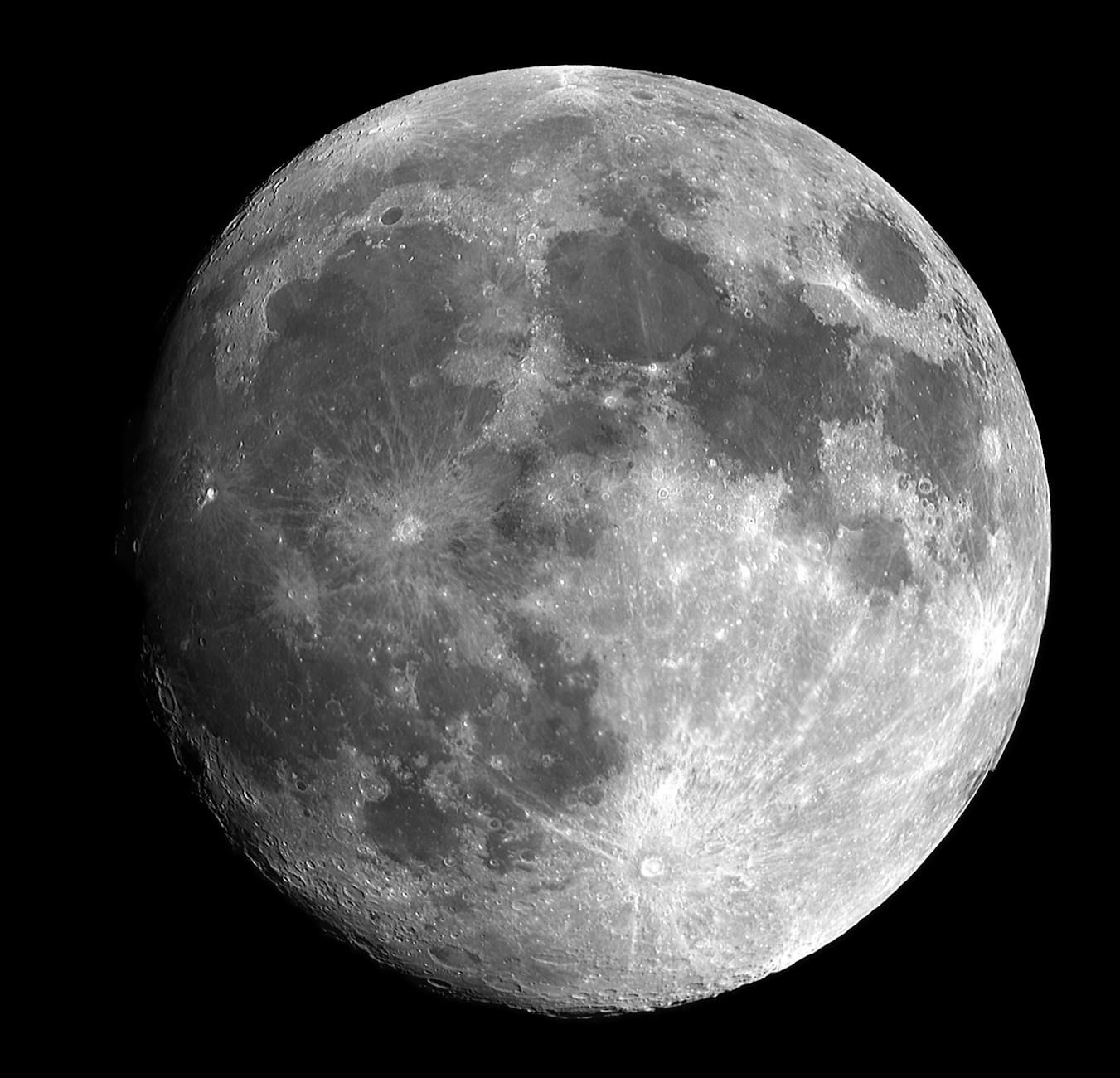
    We know Fujitora’s Devil Fruit powers revolve around gravity manipulation, and in the manga and the anime, he has already demonstrated the ability to call down meteors with precision. His full awakening, however, could expand his powers in dramatic ways. Imagine if Fujitora were to bring down an object of planetary scale—say, the moon itself.

    Why the moon makes sense as a next step in Fujitora’s awakening: we’ve seen meteors before, so naturally, the next escalation of his gravity powers would be something exponentially bigger. What is bigger than a meteor? The moon. It’s a logical, dramatic, and visually spectacular way to showcase Fujitora at full strength.

    Here’s where Enel comes in. Remember, Enel was last seen on the moon, living in his own sky-bound domain, after escaping Skypiea. If Fujitora’s awakened gravity were strong enough to bring the moon crashing toward the Blue Sea, it would naturally pull Enel back into the human world. This sets up a brief but comedic and chaotic scenario: Enel, enraged and disoriented by being dragged back down to Earth, comes face-to-face with the Straw Hats for the first time in years.

    Now, some might wonder: wouldn’t bringing the moon down destroy the Earth? Well, it’s important to remember that the One Piece world is theorized to be much larger than our own world. We get glimpses of this in the constellation maps, showing that the planetary scale is enormous. So while a falling moon is dramatic, it wouldn’t necessarily annihilate everything—it simply creates a spectacular event with world-altering consequences.

    Importantly, this encounter doesn’t need to be a full-fledged battle. The humor comes from Enel recognizing Luffy, remembering how he was defeated pre-time skip, and immediately realizing the threat. Luffy, being Luffy, would remain completely nonchalant, creating a perfect comedic contrast. The Straw Hats who were not in Skypiea might not even recognize him, adding further confusion and amusement. Even the Marines and World Government figures witnessing this would be baffled, unsure who this powerful, lightning-wielding figure is.

    Narratively, this brief reappearance serves multiple purposes:

    1. Reintroduces a classic villain: Enel becomes relevant again without overshadowing current storylines.
    2. Showcases Fujitora’s awakening in a visually spectacular and world-altering way.
    3. Maintains the balance of humor and threat in One Piece: Enel remains dangerous, yet his interaction with Luffy and the Straw Hats provides comedic relief.
    4. Leaves open potential for future involvement: Enel, now on Earth and separated from the moon, could appear again in later arcs, including in side adventures like the theorized Urouge encounter on a distant island.

    In conclusion, the interplay between Fujitora’s awakening and Enel’s return fits perfectly within Oda’s storytelling style: escalating powers, surprising returns, humor, and opportunities for character payoffs years in the making. The idea that a seemingly unrelated event—the moon crashing—could reconnect old villains with the current saga is exactly the kind of intricate, long-term plotting that One Piece fans have come to expect.

  • good music

    Daily writing prompt
    What brings a tear of joy to your eye?

    good music can bring tears of joy to my eye

  • The Void Sea: One Piece’s Hidden, Built-Up Challenge Between Lode Star and Laugh Tale

    The Void Sea: One Piece’s Hidden, Built-Up Challenge Between Lode Star and Laugh Tale

    For years, One Piece readers have been piecing together hints about the Grand Line’s ultimate mysteries. Lode Star Island, the last island navigable by Log Pose, marks the threshold into truly uncharted waters. Beyond it lies what we can theorize as the Void Sea—a perilous stretch that has been quietly foreshadowed throughout the series.

    The Void Sea is the natural narrative space between Lode Star and Laugh Tale. Here, the Straw Hats would face challenges unlike anything before: massive sea monsters, treacherous calm-belt-like pockets, and uncharted islands filled with unpredictable dangers. Navigation would rely not on Log Poses, which are useless past Lode Star, but on intuition, experience, and Nami’s perfected mapping skills. In a way, it’s a reset of the classic One Piece adventure style: the crew navigating new territory with all their accumulated strength and knowledge, but without technological or navigational safety nets.

    Critically, Lode Star will serve as the gateway to the Void Sea. It’s likely that the Straw Hats will discover on a Poneglyph the name of this uncharted sea, the threats within it, and crucial information on navigating it safely. While hints have existed in the narrative for years, this explicit revelation would make the Void Sea an essential, canonized part of the story. The Poneglyph at Lode Star essentially sets the stage: this is not a detour—it’s the final leg of preparation before Laugh Tale.

    Narratively, the Void Sea allows Eiichiro Oda to build tension and stakes in a way that nothing else could. It’s not just a physical obstacle but a narrative one: the Straw Hats face early encounters with Blackbeard, environmental hazards, and strategic threats that test their teamwork and ingenuity. Every decision could mean life or death. It’s a crucible that refines the crew for the chaos and free-for-all battle expected at Laugh Tale.

    Thematically, it fits perfectly with One Piece’s long-term storytelling. Early adventures often focused on survival, discovery, and teamwork. The Void Sea is a grown-up version of that: the crew faces the unknown with all the growth they’ve earned. It’s a space where exploration, danger, and narrative payoff converge—where their bonds, abilities, and courage are tested in the most extreme way yet.

    In short, the Void Sea isn’t just a narrative bridge—it’s a built-up, essential challenge. By explicitly revealing its dangers and name at Lode Star, Oda can make the Straw Hats’ journey to Laugh Tale feel earned, intense, and historically significant. For fans, it’s the hidden sea that has been waiting, foreshadowed for years, finally ready to deliver on the promise of One Piece’s grandest adventure.