The Musings of Jaime David
@jaimedavid.blog@jaimedavid.blog

The writings of some random dude on the internet

1,117 posts
1 follower

Tag: Animation

  • DC Comics x Cartoon Network x Nickelodeon: The Crossover That Needs to Happen Yesterday

    DC Comics x Cartoon Network x Nickelodeon: The Crossover That Needs to Happen Yesterday

    Alright, let’s take this to the next level. We’ve talked cartoons. We’ve talked live-action. But there’s one wild card that makes this entire crossover idea even more insane: DC Comics characters. Yes. Superman, Batman, Wonder Woman, the whole Justice League, Teen Titans—you name it—interacting with Cartoon Network and Nickelodeon characters in both animation and live-action.

    If the Paramount Global acquisition of Warner Bros. Discovery is happening, this is the exact kind of opportunity that cannot be ignored.

    Why DC characters make this crossover next-level

    Think about it: Nickelodeon and Cartoon Network characters are chaotic, imaginative, and often absurd. DC characters are iconic, heroic, and sometimes brooding. Throw them together and the possibilities are endless:

    • Batman taking Finn and Jake on a “serious detective mission” in Ooo
    • SpongeBob accidentally thwarting a Joker scheme in Bikini Bottom
    • Raven from Teen Titans reluctantly mentoring a group of Nickelodeon kids learning about “responsibility”
    • Superman landing in Retroville (yes, Jimmy Neutron’s town) and totally confused by the technology and personalities

    And the best part? This works in both cartoon and live-action formats. Imagine live-action DC actors interacting with the real actors from iCarly, Drake & Josh, or Level Up. Or animated DC versions hopping into Cartoon Network or Nickelodeon shows for dimension-hopping chaos.

    The ultimate rules: no limits

    This needs to be everything at once.

    • All Cartoon Network cartoons and live-action shows
    • All Nickelodeon cartoons and live-action shows
    • All major DC characters, and maybe even some obscure ones
    • Full multiverse chaos, dimension rifts, team-ups, rivalries, the works

    Every interaction should feel iconic, ridiculous, hilarious, and somehow emotionally satisfying. Don’t hold back on obscure characters or weird show tie-ins. Every “what if” fan thought about for decades? Now’s the time to make it canon.

    Game potential: even crazier

    Now, of course, if the animated and live-action crossover is happening, the game possibilities go off the charts:

    • A mega-platform fighter featuring Nickelodeon, Cartoon Network, and DC rosters
    • Open-world adventure game where dimensions collide and you switch between cartoon and live-action characters
    • Storylines where DC characters team up with Nickelodeon kids or Cartoon Network heroes to stop a multiversal threat

    Basically, every single fan’s ultimate dream game would suddenly exist—and it would sell like absolute wildfire.

    Why this is more than just nostalgia

    This isn’t just a “fan service” idea. It’s a full-blown cultural event. Cartoon Network, Nickelodeon, and DC have defined generations of storytelling, heroism, humor, and creativity. Bringing them together is not just hype—it’s a celebration of everything that has shaped pop culture for decades.

    And honestly? If this doesn’t happen now, it will be a missed opportunity the internet will never forgive.

    The final word

    Paramount Global acquiring Warner Bros. Discovery is already monumental. But to fully honor that merger and unleash the creative potential it gives us? They need to make this crossover. Cartoons, live-action, games, and DC characters interacting with every single icon from both networks. Full chaos. Full nostalgia. Full crossover glory.

    No excuses. Just do it.

  • Cartoon Network x Nickelodeon: The Ultimate Crossover We’ve Been Waiting for Is Actually Happening

    Cartoon Network x Nickelodeon: The Ultimate Crossover We’ve Been Waiting for Is Actually Happening

    Okay, stop everything—this is real now. The merger is happening. Paramount Global is acquiring Warner Bros. Discovery. That means the impossible is no longer impossible. All the fanfiction, all the crossover dreams, all those “what if Cartoon Network met Nickelodeon” threads? They might actually come true.

    Because if this merger goes through, there’s only one logical conclusion: a full-on, universe-colliding, all-out Cartoon Network x Nickelodeon crossover event. And it needs to happen. Not just a cameo here or there, not some half-baked “reference episode” nonsense. The whole shebang.

    Finally, the crossover we’ve been dreaming about

    For decades, fans have been imagining this. They’ve been creating alternate universes where Gumball hangs out with SpongeBob, where Finn debates morality with Aang, where Raven and Danny Phantom just silently judge everyone. Reddit threads, YouTube AMVs, fan art galore—it’s all been leading to this.

    Now, thanks to corporate reality bending in our favor, the barrier that kept this from happening—the legal walls between Viacom-owned Nickelodeon and Warner Bros-owned Cartoon Network—is gone. The ownership issue? Solved. The stage is set.

    Go big or go home

    This isn’t the time for limits. Bring back every character. Every classic, every canceled series, every one-season wonder. Legacy voice actors? Check. Alternate timeline versions? Check. Epic multiverse chaos? Check.

    Imagine the possibilities:

    • Finn the Human teaming up with Aang
    • SpongeBob inexplicably in Townsville
    • Danny Phantom encountering Teen Titans-level ghost problems
    • Samurai Jack vs. Zuko, because why the hell not

    This would not just be fan service—it’s a celebration of two entire eras of animation.

    And yes, the game potential is insane

    We already got a taste with Nicktoons Unite!. Nickelodeon knows how to do crossover chaos, Cartoon Network knows how to do chaotic fun. So now imagine a modern mashup:

    Nicktoons United x Cartoon Network Mega Crossover Game

    Open-world hubs. Team-based battles. Storylines that jump between dimensions. Character abilities interacting in insane ways. Levels based on every iconic show you can think of.

    And the natural next step? A full-on platform fighter in the style of Super Smash Bros, but featuring both networks’ rosters. Imagine:

    • SpongeBob vs. Gumball
    • Ben 10 vs. Danny Phantom
    • The Powerpuff Girls vs. Team Avatar
    • Samurai Jack vs. Zuko

    Stages, music, and assist characters pulled from deep, deep cuts. Every character feels meaningful, every interaction is iconic. This isn’t just nostalgia—it’s the crossover the internet has been begging for.

    Why it’s more than nostalgia

    This isn’t just kids’ shows or retro bait. Cartoon Network and Nickelodeon shaped generations. They influenced humor, storytelling, character design, and even internet culture itself. This isn’t a gimmick—it’s a cultural checkpoint.

    A moment when two massive creative legacies finally acknowledge each other in the biggest, most chaotic way possible.

    The point is simple: they need to go all out

    Paramount Global acquiring Warner Bros. Discovery is the perfect storm. If the networks fail to seize this, it will be one of the biggest missed opportunities in entertainment history. The characters are there, the fan demand is insane, and the corporate ability to make it happen? Finally exists.

    So yes. Make it happen. Bring back every character, every story, every crazy scenario. Make the game. Make the show. Make the cultural event of the decade. Because the merger isn’t coming—it’s here. And this is our shot at the ultimate crossover.

  • Ogres, Onions, and Opposites: How Shrek Accidentally Became a Masterclass on Introverts and Extroverts Becoming Friends

    Ogres, Onions, and Opposites: How Shrek Accidentally Became a Masterclass on Introverts and Extroverts Becoming Friends

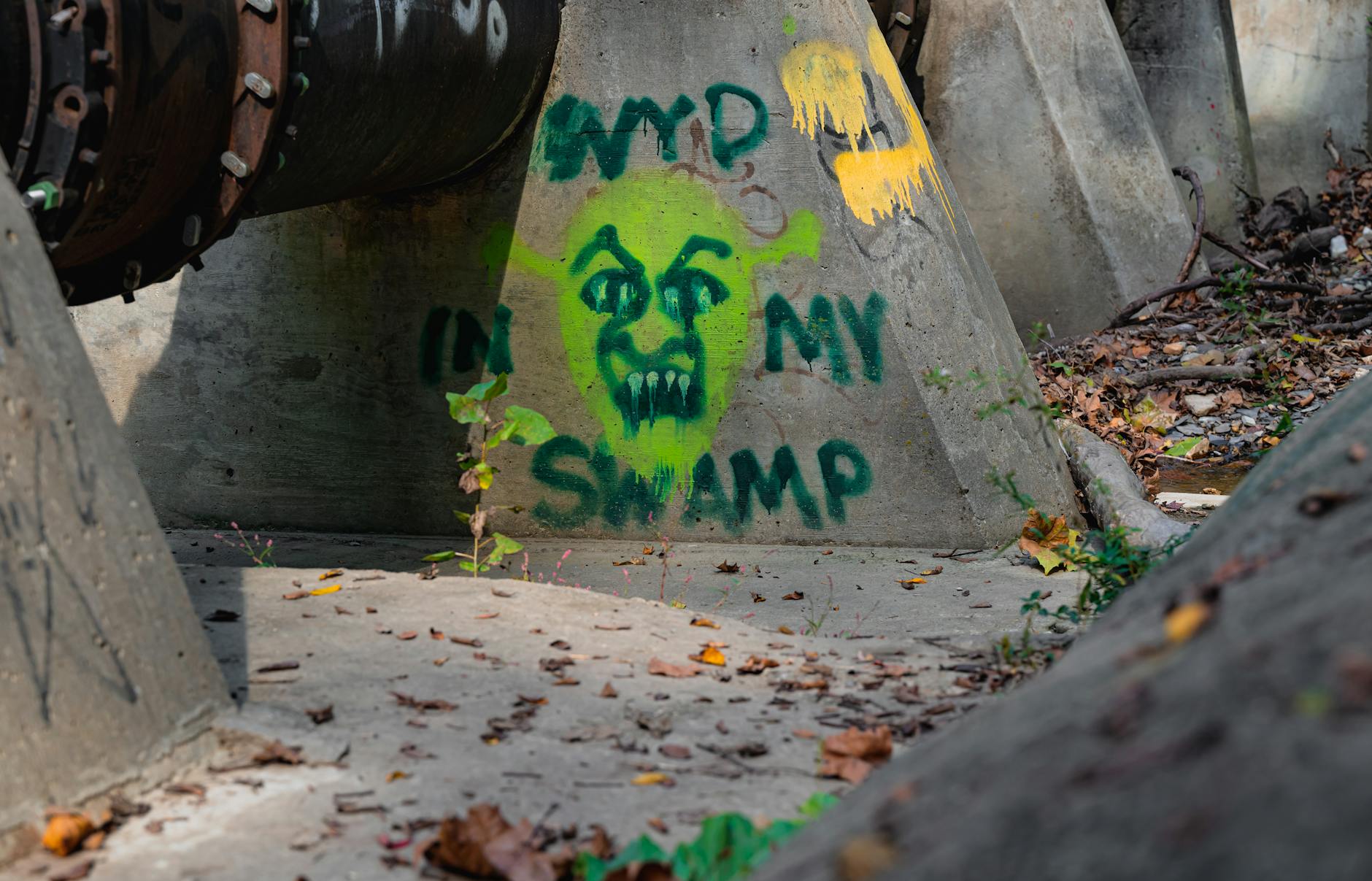
    There are movies that try very hard to teach lessons. They announce their morals loudly, underline them twice, and then pause to make sure you were paying attention. And then there are movies like Shrek, which stumbled into emotional intelligence like it tripped over a fairy tale trope and fell face-first into a surprisingly thoughtful exploration of personality differences. On the surface, Shrek is a crude, irreverent parody of Disney fairy tales, full of fart jokes, pop culture references, and a soundtrack that screams early 2000s energy. But underneath that layer of swamp muck and sarcasm is a genuinely sharp story about how an introvert and an extrovert collide, clash, and eventually form a real friendship.

    At the center of this is the unlikely pairing of Shrek and Donkey. One is an ogre who has built his entire life around being left alone. The other is a talking donkey who thrives on interaction, noise, and connection and does not understand the concept of personal space even a little bit. They meet not because they seek each other out, not because they have anything in common, but because circumstance shoves them together and refuses to let go. And by the end of the film, against all odds and irritation, they are friends. Not polite acquaintances. Not reluctant allies. Actual friends. The kind who understand each other more than they want to admit.

    What makes Shrek so effective in this regard is that it never frames one personality type as superior to the other. Shrek is not “fixed” by becoming more extroverted. Donkey is not “fixed” by learning to shut up and disappear. Instead, both characters are changed through contact, friction, and exposure. They don’t become the same. They become compatible. And that distinction matters more than people often realize.

    Shrek, from the very first scene, is a walking embodiment of the introvert stereotype, and not in the shallow “quiet bookworm” way. He lives alone in a swamp, deliberately far from society, and he has structured his entire existence around solitude. He enjoys routines that involve no one else. He bathes in mud. He eats alone. He talks to no one. And most importantly, he has built a psychological fortress around himself that justifies this isolation as preference rather than defense. He insists he likes being alone. He insists he doesn’t need anyone. He insists that people are annoying, shallow, and cruel. And given his experiences, he’s not entirely wrong.

    Shrek’s introversion isn’t just about needing quiet or recharging alone. It’s about safety. People stare at him. People fear him. People project stories onto him without knowing him. Over time, he has internalized the idea that distance equals peace. If no one comes close, no one can hurt him. This is a very real introvert experience, especially for people who have been misunderstood or rejected repeatedly. Solitude stops being just a preference and becomes a shield.

    Then there’s Donkey, who is the polar opposite in nearly every conceivable way. Donkey is loud, chatty, emotionally expressive, and relentlessly social. He talks when he’s nervous. He talks when he’s happy. He talks when no one asked him to. Silence makes him uncomfortable, not because he fears his own thoughts, but because connection is how he processes the world. He doesn’t just enjoy being around others; he needs it. Being alone is not restful to him. It’s distressing.

    Importantly, Donkey is also deeply lonely at the beginning of the film, even if he doesn’t frame it that way. When everyone else runs from Shrek in fear, Donkey doesn’t. Not because he’s brave, necessarily, but because he’s desperate not to be alone again. He latches onto Shrek immediately, not because Shrek is kind or welcoming, but because Shrek doesn’t reject him outright. That alone is enough.

    This is where the dynamic becomes painfully familiar to anyone who has ever watched an extrovert “adopt” an introvert. Donkey decides they are friends within minutes. Shrek does not agree to this arrangement. Donkey follows him home, talks constantly, invades his personal space, and ignores every social cue that says “please leave.” From Shrek’s perspective, this is a nightmare. His carefully controlled environment has been breached by noise, chaos, and emotional demands.

    And yet, Shrek doesn’t throw Donkey out. He threatens. He insults. He complains. But he lets Donkey stay. This is one of the most honest depictions of how introverts sometimes respond to extroverts who push past their walls. The resistance is real, but so is the curiosity. Shrek is annoyed, but he’s also engaged. He argues back. He listens. He responds. Donkey, for all his intrusiveness, is also persistent in a way that cuts through Shrek’s defenses.

    As they travel together, the film repeatedly stages moments that highlight the clash between introvert and extrovert needs. Shrek wants quiet. Donkey fills the silence. Shrek wants to sleep. Donkey wants to talk about feelings. Shrek wants to focus on the task. Donkey wants to connect emotionally while doing it. These moments are played for humor, but they’re rooted in very real interpersonal tension. Anyone who has been on a road trip with someone wired differently recognizes this immediately.

    What’s crucial is that the film does not mock either of them for these differences. Shrek’s need for solitude is not framed as coldness. Donkey’s need for connection is not framed as stupidity. The humor comes from the mismatch, not from declaring one approach correct. This is why the friendship feels earned rather than forced.

    One of the most revealing scenes comes when Shrek explains the “ogres are like onions” metaphor. On the surface, it’s a joke about layers. But emotionally, it’s a confession. Shrek is telling Donkey that there is more to him than what people see, that his isolation hides complexity, pain, and vulnerability. Donkey, being Donkey, initially misunderstands. But he listens. He tries. And that matters.

    For introverts, being seen without being overwhelmed is rare. Shrek isn’t used to anyone wanting to know what’s under the surface. Donkey’s curiosity, while clumsy, is genuine. He doesn’t accept the caricature of Shrek as a scary ogre. He talks to him like a person. That alone begins to change the dynamic.

    At the same time, Shrek begins to understand Donkey in ways he doesn’t articulate. He notices Donkey’s fear. He notices his need for reassurance. He notices that the constant talking masks anxiety and insecurity. Donkey isn’t loud because he’s shallow. He’s loud because silence means abandonment. This realization doesn’t turn Shrek into a chatterbox, but it softens him. He becomes more patient. Slightly. On a good day.

    The turning point in their relationship comes not when they agree, but when they hurt each other. Shrek overhears Donkey discussing him with Fiona and assumes the worst. He retreats. He lashes out. He reinforces his belief that closeness leads to pain. Donkey, on the other hand, is genuinely hurt by Shrek’s rejection. For him, the friendship was real already. The dismissal cuts deep.

    This moment is important because it reflects how introvert-extrovert friendships often fracture. The introvert withdraws to self-protect. The extrovert experiences that withdrawal as rejection. Neither is wrong, but both are hurt. Shrek doesn’t resolve this with a simple apology montage. It takes time. It takes reflection. It takes both characters realizing that their default coping mechanisms don’t work when they actually care about someone.

    By the end of the film, Shrek and Donkey haven’t changed their core personalities. Shrek still values solitude. Donkey still talks too much. What has changed is their understanding of each other’s rhythms. Shrek tolerates noise because he knows it comes from affection, not malice. Donkey learns, imperfectly, when to give Shrek space. Their friendship works not because they become the same, but because they adapt.

    This is perhaps the most valuable lesson Shrek offers. Friendship is not about finding someone who mirrors you. It’s about finding someone whose differences challenge you without erasing you. Introverts and extroverts don’t need to compromise their identities to coexist. They need mutual respect, patience, and a willingness to interpret behavior generously rather than defensively.

    Shrek’s swamp, once a symbol of isolation, becomes a shared space. Donkey doesn’t turn it into a party venue, and Shrek doesn’t banish Donkey for being loud. They negotiate the space emotionally, not explicitly. This is how real friendships work. There’s no contract. Just trial, error, and adjustment.

    It’s also worth noting that Donkey never demands that Shrek be more social in a broad sense. He doesn’t push him to love crowds or crave approval. He just wants to be included. One person. One connection. For many introverts, that is manageable. Even welcome. Shrek doesn’t suddenly love people. He loves Donkey. And that distinction makes all the difference.

    In a world that often frames introversion as something to overcome and extroversion as something to celebrate, Shrek quietly rejects that hierarchy. It suggests that solitude and sociability are both valid, and that the friction between them can be productive rather than destructive. Shrek needs Donkey to pull him out of emotional stagnation. Donkey needs Shrek to ground him and provide stability. They balance each other without neutralizing each other.

    That’s why their friendship endures beyond the first film. It’s not a gimmick. It’s a dynamic. And it resonates because so many people recognize themselves in it, whether they’re the one guarding their swamp or the one knocking on the door asking to come in.

    In the end, Shrek isn’t just a fairy tale parody. It’s a story about how connection happens in spite of discomfort. How friendship can grow between people who would never seek each other out. And how introverts and extroverts, despite all their differences, often have exactly what the other needs.

    The swamp was never just about being alone. It was about choosing who gets close. And when Shrek chooses Donkey, loudly, messily, and imperfectly, he chooses growth without losing himself. That’s a lesson worth revisiting, even years later, hidden beneath layers of jokes, onions, and a talking donkey who really, really hates silence.

  • How I Think The Simpsons Will End

    How I Think The Simpsons Will End

    It’s hard to imagine a world without The Simpsons. For decades, this animated yellow family from Springfield has been part of the cultural bloodstream, weaving itself into our collective consciousness. It’s more than just a show — it’s a time capsule of changing eras, a satire of American life, and, somehow, a story that keeps going. But one day, inevitably, it will have to end. And when that happens, I don’t think it’ll be some wild apocalypse, or some weird “it was all a dream” twist. No, I think it’ll be something far more human, far more grounded — and yet, still deeply Simpsons.

    I think the end will come with a decision — a big one — that the Simpsons family is leaving Springfield. That’s the heart of it. That’s the premise that could wrap everything up neatly, emotionally, and thematically. It’s the one thing that could bring closure not just to the family, but to the entire town itself. Because Springfield is almost a character in its own right — its quirks, its people, its chaos, all define the show’s world. So when the Simpsons decide to leave, that would be like the final curtain call.

    And through that departure, we’d get resolutions to all sorts of long-running gags and storylines. The show is legendary for its running jokes — the prank calls, the chalkboard gags, the couch gags, the ever-shifting geography of Springfield, and the bizarre elasticity of time that’s kept Bart ten years old since 1989. But among all these threads, I think two gags in particular would find their perfect ending. Two gags that, oddly enough, both circle around Bart Simpson.

    Because, at its core, The Simpsons began as Bart’s show. Back in the late ‘80s and early ‘90s, it was Bartmania. The rebellious, skateboarding, slingshot-carrying “Underachiever (and proud of it)” kid was the face of the show. Over time, Homer took over as the emotional and comedic center, but Bart’s legacy still lingers. And so, in the final episode, I think it’s only fitting that two of Bart’s most iconic running bits — El Barto and the prank calls to Moe’s Tavern — come to a close.


    The Reveal of El Barto

    For decades, Springfield has been covered in graffiti tagged by a mysterious figure: El Barto. Fans, of course, have always known the truth. El Barto is Bart’s alter ego, the mischievous artist leaving his signature all over town. It’s one of those jokes that never needed explanation, never needed a payoff — it just existed as part of the background. But in an ending, it would make perfect sense to bring it full circle.

    Picture this: the Simpsons are packing up. Boxes everywhere, Lisa’s carrying her saxophone case, Maggie’s holding her pacifier like a souvenir. Marge is frazzled, worried about logistics. Homer’s making sarcastic comments about how he’ll miss Lard Lad Donuts’ “fine cuisine.” And Bart’s sitting there, just kind of quiet. Maybe a little nostalgic, which for Bart is rare. He looks out the window at the Springfield skyline — the power plant, the Kwik-E-Mart, Moe’s, the school, all of it. And that’s when he turns to Homer and says something like, “Hey, Dad. Before we go, there’s something I should tell you.”

    And Homer, half-paying attention, maybe sipping a Duff, just grunts: “What is it, boy?”

    And Bart replies, “I’m El Barto.”

    Now, the beauty of that moment would be in how simple it is. For the audience, it’s not a revelation — we already know. But for Homer, maybe he never connected the dots. Maybe he just blinks, puts down his beer, and laughs, thinking Bart’s joking. Then, he realizes Bart’s serious. And there’s this flicker of pride in his eyes. Maybe even admiration. Because deep down, Homer might recognize that El Barto was more than mischief — it was Bart’s way of leaving his mark on the world. His way of saying, “I was here.”

    And maybe Homer, for once, doesn’t scold him. Maybe he says something like, “Well, you did a good job, boy. I see that tag everywhere.” And Bart smirks, like he always does, and says, “Thanks, man.” That would be such a simple, powerful way to acknowledge their relationship — built on mischief, misunderstanding, and underneath it all, love.

    Because The Simpsons, at its best, is about family. It’s about the way they mess up, fight, and still love each other despite everything. And that moment — Bart admitting who he is, Homer accepting it — could encapsulate that perfectly.


    The Last Prank Call

    Now, the second gag that deserves a conclusion — maybe even more than El Barto — is the legendary prank calls to Moe’s Tavern. These are some of the oldest jokes in The Simpsons history. Bart calls Moe’s, asks for some ridiculous fake name — “I.P. Freely,” “Amanda Huggenkiss,” “Al Coholic” — and Moe, ever the gullible barkeep, shouts it across the bar, only to realize he’s been had. It’s slapstick, it’s juvenile, and yet it’s so essential to Bart’s character.

    So how do you end that? You end it by doing it one last time — but differently.

    Imagine this: it’s near the end of the episode. The Simpsons’ house is half-empty now. Boxes stacked up, the walls bare. Bart looks at his old prank call list — maybe a notebook filled with scribbled names. He smiles, grabs the phone, and dials Moe’s one more time.

    Moe answers, in that gruff, tired voice: “Moe’s Tavern, where the elite meet to drink. Moe speaking.”

    Bart smirks. “Uh, yeah, is there a Hugh… Hugh Jass there?”

    Moe, as always, takes the bait. “Hey, everyone! I’m lookin’ for a Hugh Jass!” And, as usual, silence follows. Then someone in the background goes, “I’m Hugh Jass.” And Moe mutters, “Oh. Uh, sorry.” Then there’s that familiar beat of realization, that sigh of defeat.

    But this time, Bart doesn’t hang up.

    He hesitates. Maybe for a moment, you can even hear the emotion in his voice. And he says, “Hey, Moe… it’s me. It’s Bart. Bart Simpson.”

    There’d be silence on the other end. You could almost hear the bar quiet down.

    And Moe, confused, says, “Wait… you mean you’re the little punk who’s been prank calling me all these years?”

    Bart chuckles softly. “Yeah. That was me.”

    And Moe, in that half-resentful, half-sentimental way only Moe can manage, would probably go off. “You little son of a—! Do you have any idea how many times I fell for that? How many times I looked like an idiot?!”

    Bart, being Bart, might just say, “Every single time.”

    And then, in a rare moment of vulnerability, Moe’s tone changes. Maybe he sighs. “Y’know, kid… I ain’t gonna lie. Those calls… as much as they drove me nuts… I’m gonna miss ‘em.”

    And Bart says, “Yeah… me too.”

    Then Moe might add, “Don’t tell anyone I said this, but… you made the bar a little less miserable.”

    And Bart smiles, maybe says, “Thanks, Moe.” Then hangs up.

    It’s small. It’s simple. But it would be the perfect emotional punctuation to years of laughter. Because, really, those prank calls were about connection. Bart and Moe — total opposites, from different worlds — unknowingly shared a weird, comedic bond. And by ending that gag with honesty, the show would not only close a running joke, but highlight one of the most human things about The Simpsons: even absurd relationships can have meaning.


    The Farewell to Springfield

    From there, I imagine the episode winding down. The family says their goodbyes — Marge to her friends at the church, Lisa to her teachers and classmates, Homer to the power plant (and probably to Lenny and Carl in some hilariously heartfelt exchange), and Maggie, silent as ever, maybe gives a wave to the sandbox at the daycare.

    And as they drive out of town, maybe we see the residents of Springfield lined up — Moe, Apu, Principal Skinner, Krusty, Comic Book Guy, Ned Flanders, all waving goodbye. Each of them representing a piece of the show’s legacy.

    Then, perhaps as they cross the city limits, Bart looks out the back window and sees a wall — a blank one — and he sprays one last “El Barto” tag on it. His final mark. The car drives away, and the camera lingers on the graffiti. That’s the last image.

    “El Barto Was Here.”


    Why It Fits

    Ending The Simpsons this way makes sense, because it honors both its chaos and its heart. It’s funny, nostalgic, and quietly emotional without betraying the show’s tone. It doesn’t try to shock. It doesn’t go for a huge meta ending. It just lets the characters say goodbye in their own way.

    And the El Barto reveal and Moe’s Tavern confession — those are perfect encapsulations of Bart’s character growth. He’s still mischievous, still funny, but finally old enough (emotionally, at least) to own up to his actions. It’s closure for him — and, symbolically, for the whole show.

    Because in the end, The Simpsons has always been about time standing still. The characters don’t age, the town never changes too much, and everything resets at the start of the next episode. But in an ending, you’d want to finally break that cycle — not by killing anyone off, not by jumping ahead in time, but simply by having them move on.

    Springfield, as absurd and wonderful as it is, was always a metaphor for America itself — this flawed, chaotic, colorful place that’s equal parts hilarious and heartbreaking. And when the Simpsons leave, it’s like saying goodbye to a reflection of ourselves.


    Final Thoughts

    So yeah, that’s how I think The Simpsons will end — not with a bang, but with a heartfelt goodbye. A farewell that ties together humor, nostalgia, and emotion in a way only The Simpsons could.

    Bart finally admitting he’s El Barto. Bart finally telling Moe the truth. And then the family finally driving off into the sunset, leaving behind the town that shaped them — and that they, in turn, helped define.

    It’s the kind of ending that feels inevitable. Simple. Poetic. The perfect way to close one of the most enduring stories in television history.

    Because when you think about it, the Simpsons never really belonged to Springfield — Springfield belonged to them.

    And maybe that’s the real punchline.

    Fediverse Reactions
  • Dive Into Worlds of Imagination: Introducing Anime, Comics, and Manga

    Anime, comics, and manga are more than just entertainment—they are gateways to imagination, storytelling, and culture. Each medium offers a unique way of experiencing narratives, building worlds, and connecting with characters. Whether it’s the sweeping epic of a long-running manga, the emotional depth of an anime series, or the intricate artistry of a comic book, these mediums have captivated fans for decades. Today, I’m excited to announce the launch of my new blog: Anime, Comics, and Manga, a space dedicated to exploring, celebrating, and analyzing all the incredible stories these worlds have to offer.

    The idea for this blog comes from a lifelong passion for storytelling in all its forms. Anime, manga, and comics each provide something distinct yet complementary. Anime combines movement, sound, and visual artistry to create immersive experiences that are hard to replicate in any other medium. Manga, with its carefully designed panels and narrative pacing, offers a depth of story and character development that is often even more intricate than its animated adaptations. Comics—whether superhero epics, indie projects, or experimental works—blend art and text to explore imagination, social commentary, and culture in ways that can be both entertaining and profound. Anime, Comics, and Manga aims to celebrate these mediums while diving deep into the creativity, artistry, and storytelling that make them so beloved.

    One of the primary goals of this site is to provide readers with news and updates from the worlds of anime, manga, and comics. From exciting new anime seasons to upcoming manga releases and major comic book announcements, staying informed is part of the fun of fandom. The blog will cover industry news, spotlight new series, explore adaptations, and keep readers updated on everything happening in these creative spaces. But it isn’t just about reporting—it’s about understanding the significance behind these stories, characters, and releases, and what they mean for fans, creators, and the larger cultural landscape.

    Beyond news, the blog will offer deep dives and thoughtful analysis. Every story has layers, every character has depth, and every world is crafted with intention. Anime, Comics, and Manga will explore these elements, examining character development, narrative structure, themes, and artistic choices. From analyzing how a long-running manga evolves over time to exploring how an anime adapts and reinterprets its source material, readers can expect in-depth content that enriches their understanding and appreciation of the media they love. These posts will be as much about discovery and insight as they are about celebration.

    Anime has a unique ability to combine multiple elements—animation, voice acting, music, writing—into a seamless, emotionally resonant experience. From classics like Cowboy Bebop to contemporary sensations like My Hero Academia and Chainsaw Man, anime captivates through its ability to immerse viewers in rich, detailed worlds. Anime, Comics, and Manga will explore these experiences, breaking down what makes particular series resonate, examining standout episodes, and highlighting the artistry that brings stories to life. Readers can expect thoughtful exploration of both mainstream hits and hidden gems that deserve more attention.

    Manga offers another fascinating perspective on storytelling. Its focus on visual storytelling through static panels allows for unique experimentation with pacing, composition, and character development. Many anime are adaptations of manga, yet the source material often contains deeper or alternate narratives, subtle thematic exploration, and creative choices that deserve examination. The blog will cover a wide range of manga genres, from shonen and shojo to seinen and josei, as well as one-shots, experimental works, and long-running series. Each post will aim to provide insight into the artistry, storytelling, and cultural significance of manga in all its diversity.

    Comics, both Western and global, add yet another dimension to visual storytelling. Superhero comics are widely known, but indie comics, graphic novels, and experimental works showcase the breadth and innovation of the medium. Comics can entertain, provoke thought, explore identity, and challenge societal norms—all through a combination of art and narrative. By covering comics alongside anime and manga, Anime, Comics, and Manga embraces a broad view of visual storytelling, highlighting the creativity, craft, and cultural impact of each work. Posts will include reviews, character studies, thematic analysis, and discussions of the evolving comic landscape.

    Another focus of the blog is the intersection between mediums. Many anime are adapted from manga, while comics are often adapted into anime or live-action series. Examining these adaptations allows for fascinating exploration of creative choices, storytelling adjustments, and audience reception. Understanding how a story shifts across mediums sheds light on both the strengths and limitations of each format, offering readers a richer appreciation for the art of adaptation and creative reinterpretation.

    Community is a vital aspect of anime, manga, and comics fandom, and Anime, Comics, and Manga aims to celebrate that. Fans create art, cosplay, fanfiction, theories, and discussions that enrich the experience of storytelling. The blog will highlight these contributions, providing a space to explore fan creativity, community reactions, and interpretations that add depth to the worlds we love. Engaging with fan culture allows the site to connect official content with the passion and creativity of the community, offering readers a well-rounded perspective on the media they enjoy.

    The site also values the joy of discovery. While popular series and mainstream hits are exciting, some of the most rewarding experiences come from exploring hidden gems, underrated series, and overlooked works. Anime, Comics, and Manga will introduce readers to these treasures, highlighting unique stories, innovative artistry, and creative experiments that may have slipped under the radar. Celebrating both the popular and the obscure ensures a diverse, engaging experience for all readers.

    At its core, Anime, Comics, and Manga is about fostering curiosity, critical thinking, and appreciation. It encourages readers to look beyond surface-level enjoyment and explore the artistry, narrative depth, and cultural significance of their favorite works. Posts will be designed to entertain, inform, and inspire, creating a space where fans can deepen their understanding while celebrating the joy, excitement, and emotional resonance that these mediums provide.

    Ultimately, the mission of Anime, Comics, and Manga is to provide a comprehensive, engaging, and thoughtful resource for fans of visual storytelling. Whether you are a lifelong enthusiast or just discovering these worlds, the blog offers news, analysis, and exploration across anime, manga, and comics. It is a place to celebrate the creativity, imagination, and artistry that make these mediums so compelling, and to connect with a community of like-minded readers who share the same passion.

    I invite readers of The Musings of Jaime David to explore Anime, Comics, and Manga, dive into the stories, and join me in celebrating the incredible worlds these mediums offer. From the latest anime releases to classic manga series, from mainstream comic events to indie gems, there is something here for everyone. Whether you’re looking to stay informed, explore in depth, or simply enjoy the beauty and creativity of these stories, Anime, Comics, and Manga is your destination.

    So, if you’ve ever been captivated by animation, drawn to the pages of a comic, or fascinated by the artistry of manga, this is the place for you. Let’s dive into these imaginative worlds, celebrate the stories that inspire us, and discover new favorites—one episode, one chapter, and one panel at a time.

  • 🎮 Tainment Tuesday: Post 2 – Hades II’s Year of Early Access, The Fall Guy and Animated Adventures Ahead

    🎮 Tainment Tuesday: Post 2 – Hades II’s Year of Early Access, The Fall Guy and Animated Adventures Ahead

    From new game releases to thrilling TV projects, the entertainment world is keeping us on our toes this week:

    1. Hades II – A Year in Early Access
    Hades II has hit its first-year milestone in early access, and it’s shaping up to be another triumph for Supergiant Games. The game is receiving constant updates, and players can look forward to more refined gameplay mechanics as developers get closer to completing the full release. If you enjoyed the original Hades, expect the same dark, mythological world-building but with more intense combat and a deeper focus on the underworld’s politics. The soundtrack by Darren Korb also continues to amaze, mixing metal, Greek instruments, and ambient elements that enhance the game’s narrative depth.

    2. The Fall Guy – A High-Octane Stunt-Fueled Adventure
    The Fall Guy, starring Ryan Gosling and Emily Blunt, is hitting theaters this summer, and early buzz suggests that this high-energy film could be a hit for action movie lovers. Based on the 1980s TV show, the film will focus on a stuntman who becomes entangled in a series of dangerous and thrilling missions. The soundtrack will feature ’80s synthwave beats paired with orchestral flourishes—a combination that elevates the film’s explosive action sequences.

    3. New Animated Adventures in the Works
    On the animation front, Demon Slayer: The Hinokami Chronicles 2 has been confirmed for a 2025 release. With its expected release in early August, the game will offer intense 2v2 combat, allowing players to control iconic characters from the show and dive deep into the Infinity Castle arc. Fans are excited about the stellar visual design and the emotionally driven soundtrack, which mirrors the show’s epic battles and breathtaking animations.

  • 🎬 Tainment Tuesday: Post 1 – Stranger Things 5, Scream 7 and A Comeback for Cartoons

    🎬 Tainment Tuesday: Post 1 – Stranger Things 5, Scream 7 and A Comeback for Cartoons

    The entertainment scene is thriving with exciting updates across multiple genres this week:

    1. Stranger Things 5 – The Final Chapter Begins
    Netflix fans, get ready! Stranger Things Season 5 has officially begun filming after a long wait due to industry strikes and production delays. The Duffer Brothers have confirmed that the final season will air in 2025, bringing an end to the beloved Hawkins saga. The latest leaked photo shows Eleven rocking her shaved head again, and speculation is running wild on how the characters will fare in this last chapter. The show’s dark, 80s-themed aesthetic continues to shine, making fans eagerly anticipate the show’s conclusion.

    2. Scream 7 Set to Begin Production in 2025
    After the success of Scream VI, the next chapter in the Scream franchise is officially confirmed! Neve Campbell and Courteney Cox will reprise their iconic roles, and fans are excited to see what the newest iteration of Ghostface will bring. Reports say this one will lean more heavily into psychological horror, with more intense scares and a focus on identity—a theme consistent with the franchise’s legacy. We may see the Scream universe expand further, but we’ll have to wait until 2025 for more details.

    3. The Rise of Cartoons with Cultural Depth
    This week, animation is spotlighting cultural narratives like never before. #1 Happy Family USA, a new animated series, introduces Sharia, the first hijabi lead character in a U.S. cartoon. This milestone aims to portray diverse stories of identity, modesty, and family dynamics within the Muslim American community. The show’s thoughtful handling of cultural depth and representation marks a shift in how animated TV is tackling inclusivity and societal themes.