
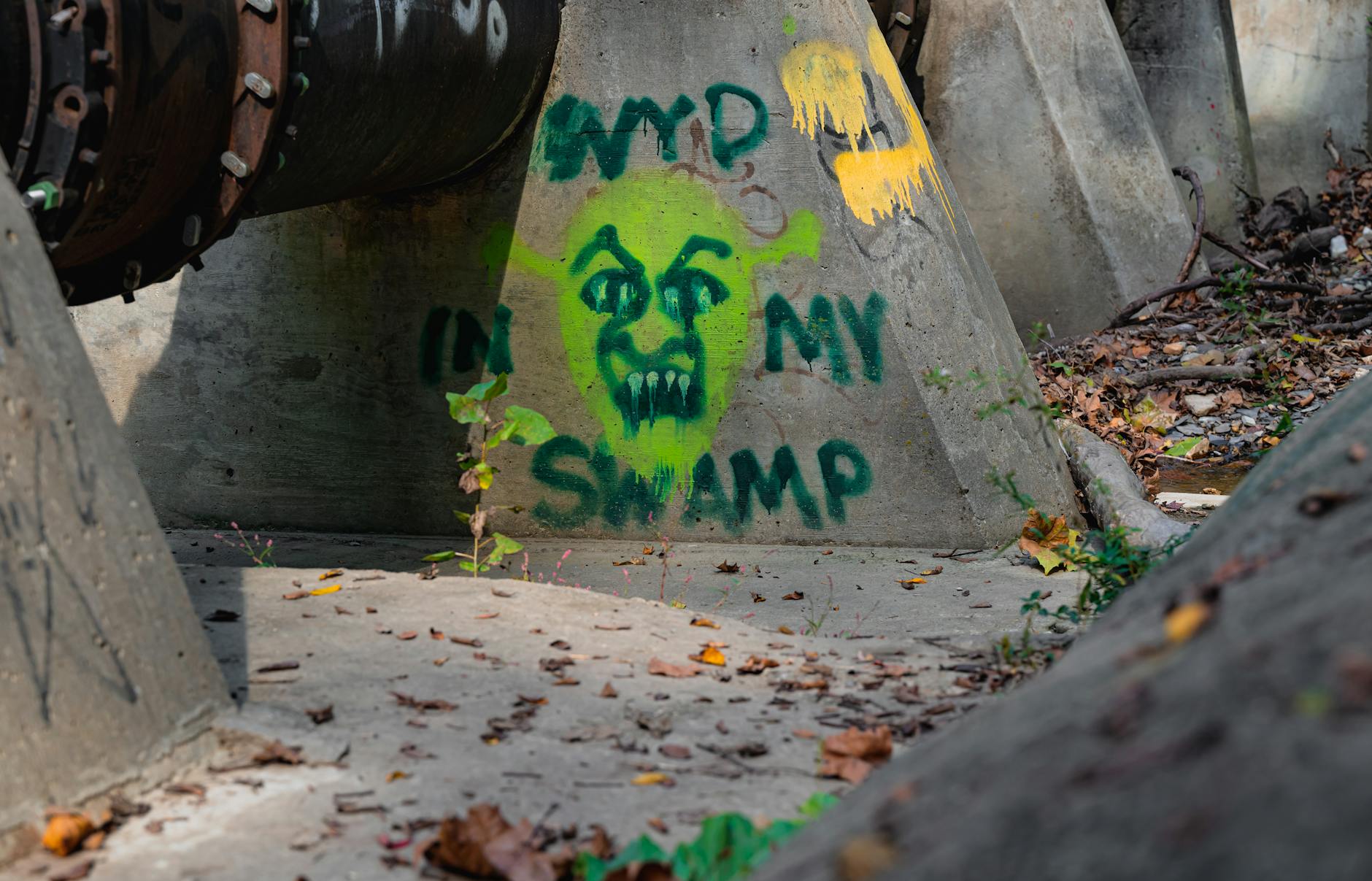
There are movies that try very hard to teach lessons. They announce their morals loudly, underline them twice, and then pause to make sure you were paying attention. And then there are movies like Shrek, which stumbled into emotional intelligence like it tripped over a fairy tale trope and fell face-first into a surprisingly thoughtful exploration of personality differences. On the surface, Shrek is a crude, irreverent parody of Disney fairy tales, full of fart jokes, pop culture references, and a soundtrack that screams early 2000s energy. But underneath that layer of swamp muck and sarcasm is a genuinely sharp story about how an introvert and an extrovert collide, clash, and eventually form a real friendship.
At the center of this is the unlikely pairing of Shrek and Donkey. One is an ogre who has built his entire life around being left alone. The other is a talking donkey who thrives on interaction, noise, and connection and does not understand the concept of personal space even a little bit. They meet not because they seek each other out, not because they have anything in common, but because circumstance shoves them together and refuses to let go. And by the end of the film, against all odds and irritation, they are friends. Not polite acquaintances. Not reluctant allies. Actual friends. The kind who understand each other more than they want to admit.
What makes Shrek so effective in this regard is that it never frames one personality type as superior to the other. Shrek is not “fixed” by becoming more extroverted. Donkey is not “fixed” by learning to shut up and disappear. Instead, both characters are changed through contact, friction, and exposure. They don’t become the same. They become compatible. And that distinction matters more than people often realize.
Shrek, from the very first scene, is a walking embodiment of the introvert stereotype, and not in the shallow “quiet bookworm” way. He lives alone in a swamp, deliberately far from society, and he has structured his entire existence around solitude. He enjoys routines that involve no one else. He bathes in mud. He eats alone. He talks to no one. And most importantly, he has built a psychological fortress around himself that justifies this isolation as preference rather than defense. He insists he likes being alone. He insists he doesn’t need anyone. He insists that people are annoying, shallow, and cruel. And given his experiences, he’s not entirely wrong.
Shrek’s introversion isn’t just about needing quiet or recharging alone. It’s about safety. People stare at him. People fear him. People project stories onto him without knowing him. Over time, he has internalized the idea that distance equals peace. If no one comes close, no one can hurt him. This is a very real introvert experience, especially for people who have been misunderstood or rejected repeatedly. Solitude stops being just a preference and becomes a shield.
Then there’s Donkey, who is the polar opposite in nearly every conceivable way. Donkey is loud, chatty, emotionally expressive, and relentlessly social. He talks when he’s nervous. He talks when he’s happy. He talks when no one asked him to. Silence makes him uncomfortable, not because he fears his own thoughts, but because connection is how he processes the world. He doesn’t just enjoy being around others; he needs it. Being alone is not restful to him. It’s distressing.
Importantly, Donkey is also deeply lonely at the beginning of the film, even if he doesn’t frame it that way. When everyone else runs from Shrek in fear, Donkey doesn’t. Not because he’s brave, necessarily, but because he’s desperate not to be alone again. He latches onto Shrek immediately, not because Shrek is kind or welcoming, but because Shrek doesn’t reject him outright. That alone is enough.
This is where the dynamic becomes painfully familiar to anyone who has ever watched an extrovert “adopt” an introvert. Donkey decides they are friends within minutes. Shrek does not agree to this arrangement. Donkey follows him home, talks constantly, invades his personal space, and ignores every social cue that says “please leave.” From Shrek’s perspective, this is a nightmare. His carefully controlled environment has been breached by noise, chaos, and emotional demands.
And yet, Shrek doesn’t throw Donkey out. He threatens. He insults. He complains. But he lets Donkey stay. This is one of the most honest depictions of how introverts sometimes respond to extroverts who push past their walls. The resistance is real, but so is the curiosity. Shrek is annoyed, but he’s also engaged. He argues back. He listens. He responds. Donkey, for all his intrusiveness, is also persistent in a way that cuts through Shrek’s defenses.
As they travel together, the film repeatedly stages moments that highlight the clash between introvert and extrovert needs. Shrek wants quiet. Donkey fills the silence. Shrek wants to sleep. Donkey wants to talk about feelings. Shrek wants to focus on the task. Donkey wants to connect emotionally while doing it. These moments are played for humor, but they’re rooted in very real interpersonal tension. Anyone who has been on a road trip with someone wired differently recognizes this immediately.
What’s crucial is that the film does not mock either of them for these differences. Shrek’s need for solitude is not framed as coldness. Donkey’s need for connection is not framed as stupidity. The humor comes from the mismatch, not from declaring one approach correct. This is why the friendship feels earned rather than forced.
One of the most revealing scenes comes when Shrek explains the “ogres are like onions” metaphor. On the surface, it’s a joke about layers. But emotionally, it’s a confession. Shrek is telling Donkey that there is more to him than what people see, that his isolation hides complexity, pain, and vulnerability. Donkey, being Donkey, initially misunderstands. But he listens. He tries. And that matters.
For introverts, being seen without being overwhelmed is rare. Shrek isn’t used to anyone wanting to know what’s under the surface. Donkey’s curiosity, while clumsy, is genuine. He doesn’t accept the caricature of Shrek as a scary ogre. He talks to him like a person. That alone begins to change the dynamic.
At the same time, Shrek begins to understand Donkey in ways he doesn’t articulate. He notices Donkey’s fear. He notices his need for reassurance. He notices that the constant talking masks anxiety and insecurity. Donkey isn’t loud because he’s shallow. He’s loud because silence means abandonment. This realization doesn’t turn Shrek into a chatterbox, but it softens him. He becomes more patient. Slightly. On a good day.
The turning point in their relationship comes not when they agree, but when they hurt each other. Shrek overhears Donkey discussing him with Fiona and assumes the worst. He retreats. He lashes out. He reinforces his belief that closeness leads to pain. Donkey, on the other hand, is genuinely hurt by Shrek’s rejection. For him, the friendship was real already. The dismissal cuts deep.
This moment is important because it reflects how introvert-extrovert friendships often fracture. The introvert withdraws to self-protect. The extrovert experiences that withdrawal as rejection. Neither is wrong, but both are hurt. Shrek doesn’t resolve this with a simple apology montage. It takes time. It takes reflection. It takes both characters realizing that their default coping mechanisms don’t work when they actually care about someone.
By the end of the film, Shrek and Donkey haven’t changed their core personalities. Shrek still values solitude. Donkey still talks too much. What has changed is their understanding of each other’s rhythms. Shrek tolerates noise because he knows it comes from affection, not malice. Donkey learns, imperfectly, when to give Shrek space. Their friendship works not because they become the same, but because they adapt.
This is perhaps the most valuable lesson Shrek offers. Friendship is not about finding someone who mirrors you. It’s about finding someone whose differences challenge you without erasing you. Introverts and extroverts don’t need to compromise their identities to coexist. They need mutual respect, patience, and a willingness to interpret behavior generously rather than defensively.
Shrek’s swamp, once a symbol of isolation, becomes a shared space. Donkey doesn’t turn it into a party venue, and Shrek doesn’t banish Donkey for being loud. They negotiate the space emotionally, not explicitly. This is how real friendships work. There’s no contract. Just trial, error, and adjustment.
It’s also worth noting that Donkey never demands that Shrek be more social in a broad sense. He doesn’t push him to love crowds or crave approval. He just wants to be included. One person. One connection. For many introverts, that is manageable. Even welcome. Shrek doesn’t suddenly love people. He loves Donkey. And that distinction makes all the difference.
In a world that often frames introversion as something to overcome and extroversion as something to celebrate, Shrek quietly rejects that hierarchy. It suggests that solitude and sociability are both valid, and that the friction between them can be productive rather than destructive. Shrek needs Donkey to pull him out of emotional stagnation. Donkey needs Shrek to ground him and provide stability. They balance each other without neutralizing each other.
That’s why their friendship endures beyond the first film. It’s not a gimmick. It’s a dynamic. And it resonates because so many people recognize themselves in it, whether they’re the one guarding their swamp or the one knocking on the door asking to come in.
In the end, Shrek isn’t just a fairy tale parody. It’s a story about how connection happens in spite of discomfort. How friendship can grow between people who would never seek each other out. And how introverts and extroverts, despite all their differences, often have exactly what the other needs.
The swamp was never just about being alone. It was about choosing who gets close. And when Shrek chooses Donkey, loudly, messily, and imperfectly, he chooses growth without losing himself. That’s a lesson worth revisiting, even years later, hidden beneath layers of jokes, onions, and a talking donkey who really, really hates silence.
Leave a Reply